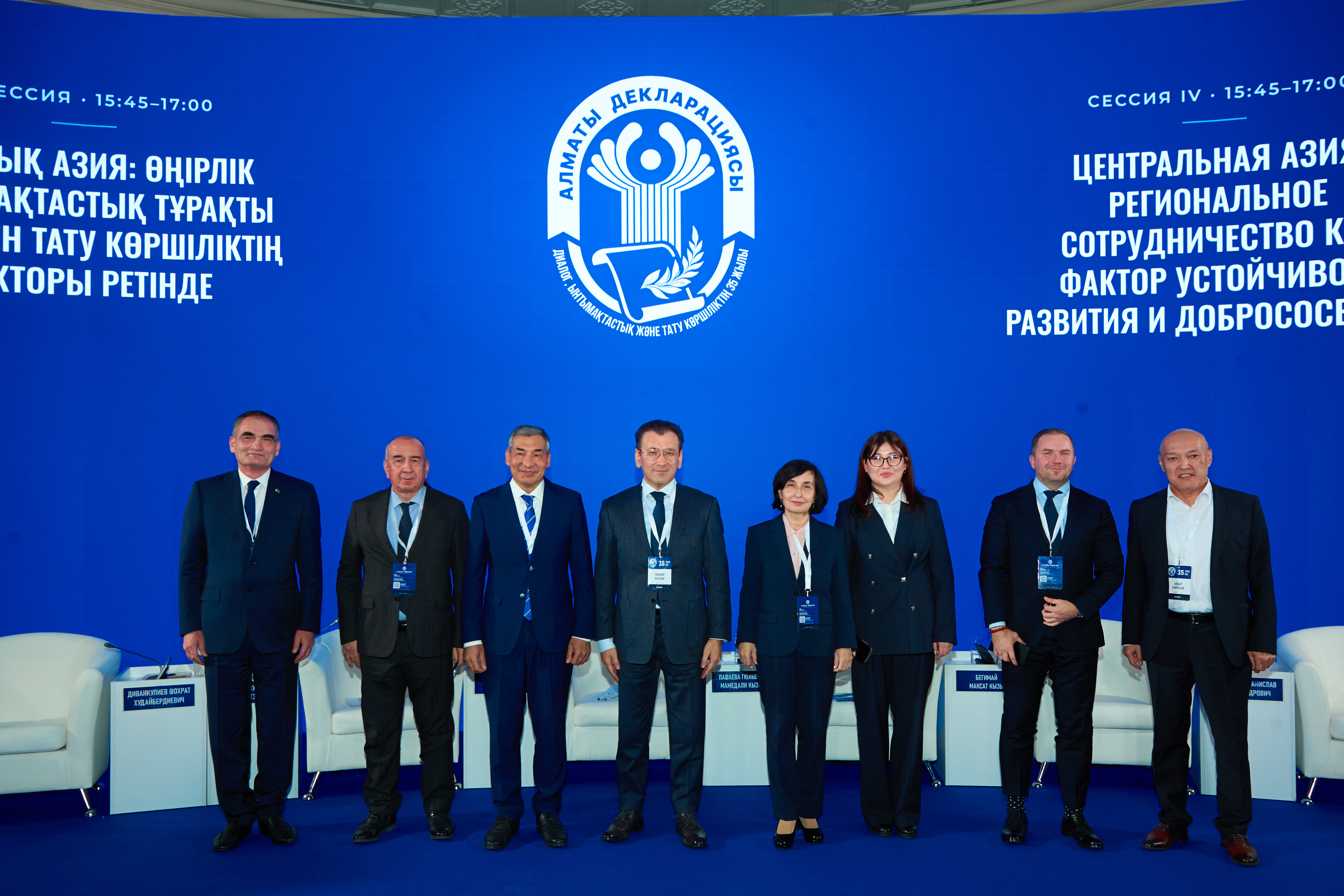
In his opening remarks, Vakhabov said the Declaration’s significance lies above all in its principles of respect for sovereignty and territorial integrity, equality and non-interference in internal affairs, which laid the foundations for relations among the newly independent states. For Uzbekistan, he noted, the document also holds particular significance as one of the first multilateral instruments the country signed as an independent state.
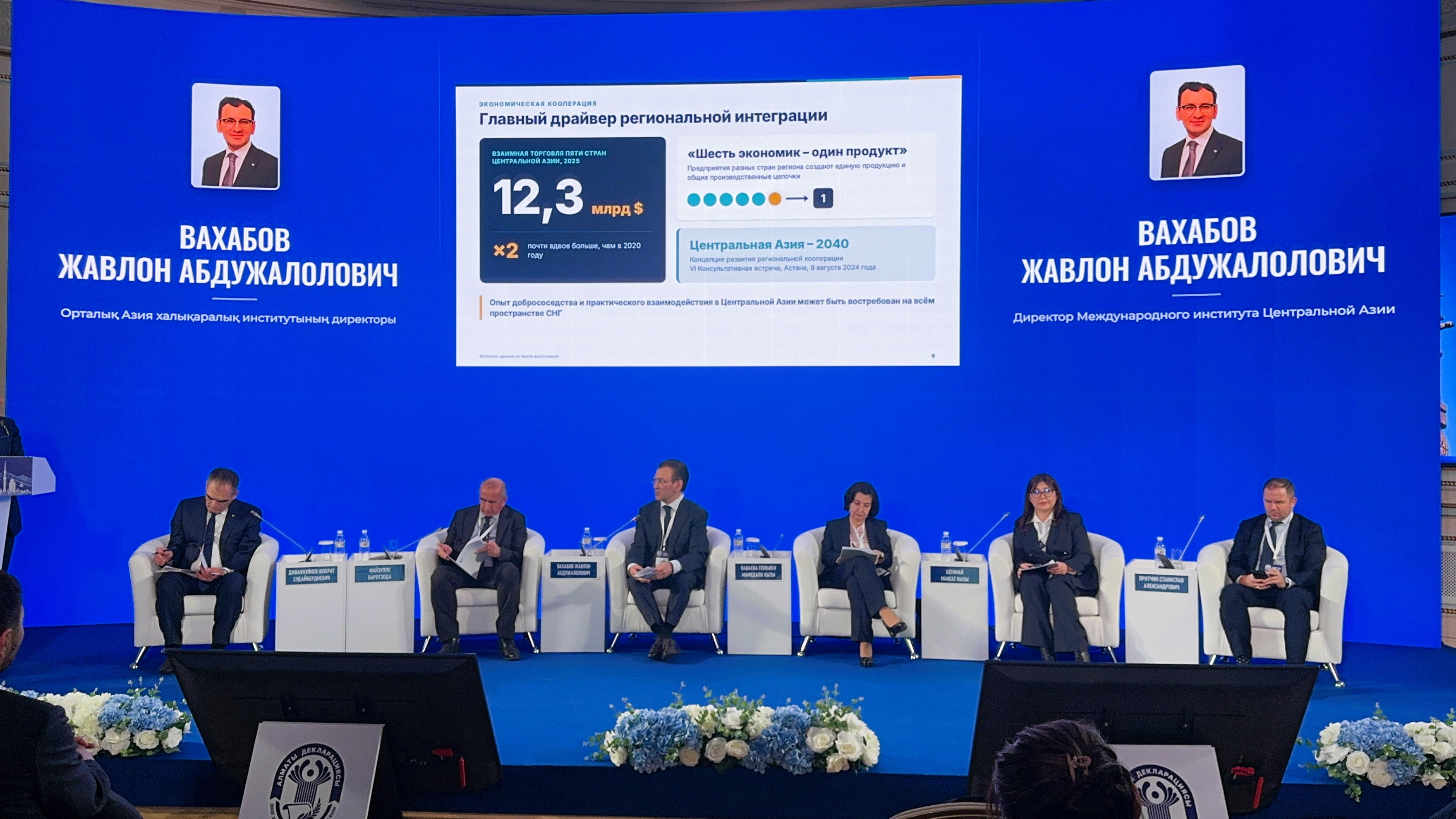
The IICA Director also highlighted the Declaration’s historical role. It helped ensure the peaceful and orderly dissolution of the Soviet Union and the newly independent states’ peaceful transition to independence, while preserving economic, transport and energy links that had not been designed to function separately.
Those links remain important today, he said. In 2025, CIS countries accounted for around 30 per cent of the combined foreign trade of four Central Asian states, while the free trade area gives Uzbekistan duty-free access to a market of approximately 240 million people. He also pointed to the potential for trade within the Commonwealth to grow from its current $38 billion to $40 billion by 2027.
Vakhabov underlined the equally important human dimension of cooperation: visa-free travel and labour migration agreements directly affect the lives of millions. This, he noted, explains why President Shavkat Mirziyoyev has repeatedly emphasised the CIS’s continued relevance as a platform for addressing practical economic and social needs.
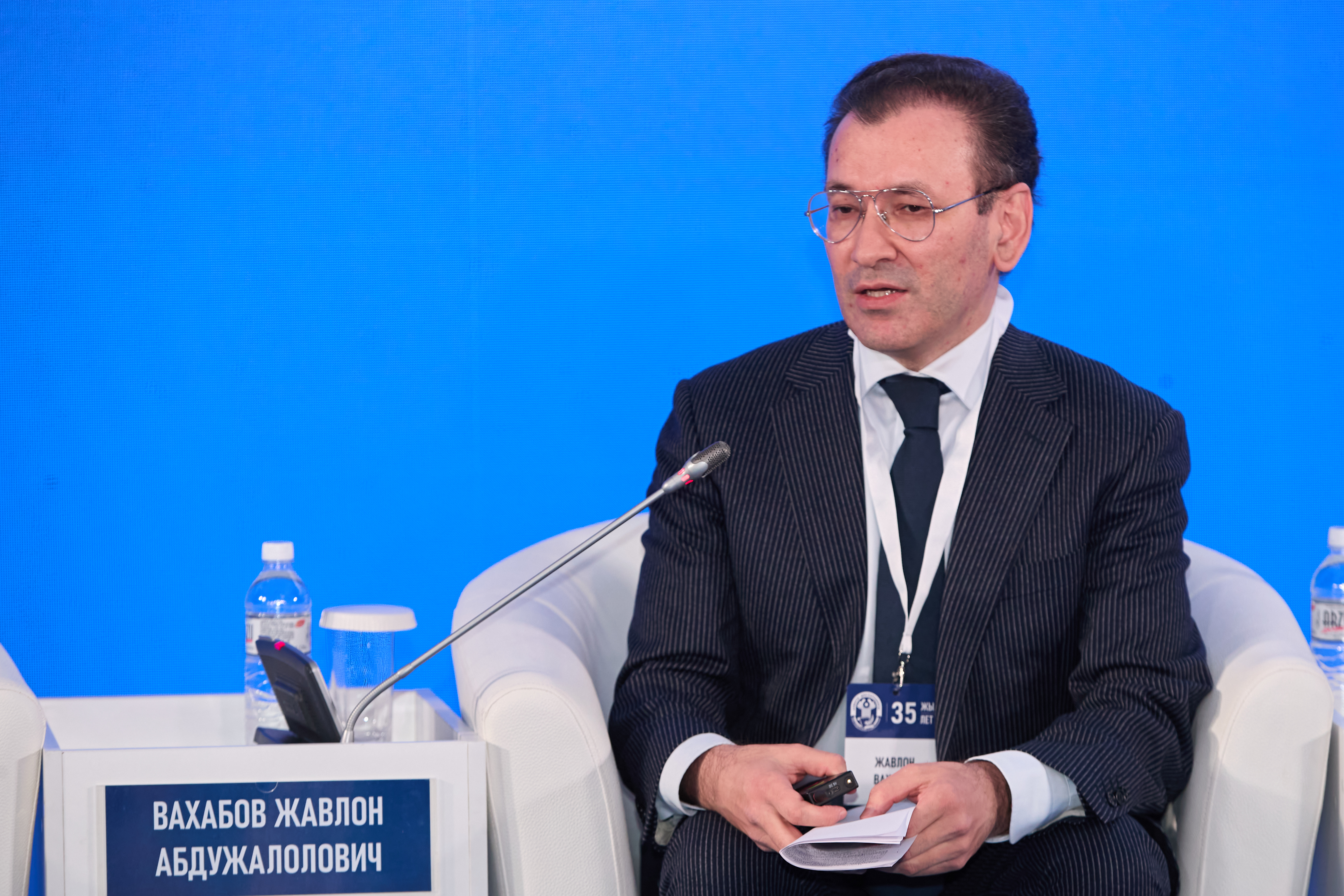
For the IICA Director, however, the value of these principles depends above all on how they are put into practice. Central Asia’s experience in recent years offers a clear example. The Consultative Meetings of the Heads of State, initiated in 2017, have helped resolve many difficult issues through mutual understanding and made political trust a driver of development in its own right. The benefits are particularly evident in cross-border travel: in 2025, citizens of neighbouring countries made around 9.1 million visits to Uzbekistan, accounting for nearly 78 per cent of all foreign arrivals.
The next step, Vakhabov argued, is to turn that trust into economic results, since geography becomes an advantage only through joint projects. The “Six Economies – One Product” formula proposed at the Avaza summit offers a way forward. It envisages a shift from simply trading with one another to producing together, with businesses from several countries forming a single production chain and jointly entering international markets.
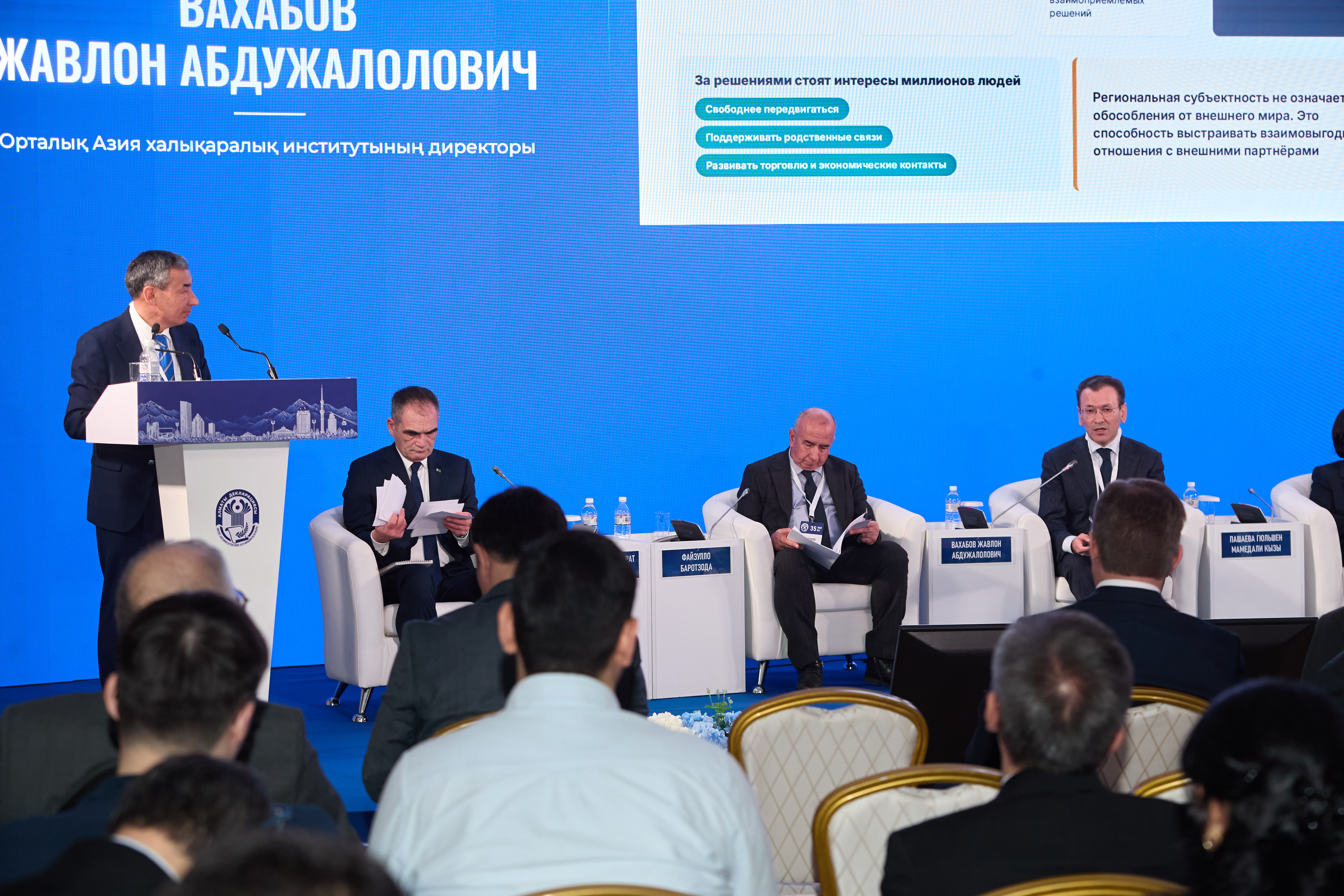
He applied the same logic to shared regional challenges, particularly water and climate, where countries are already working together. Uzbekistan, Kazakhstan and Kyrgyzstan are coordinating electricity supplies among themselves; a proposal has been put forward to declare 2026–2036 the Decade of Practical Action for the Rational Use of Water Resources; and at COP31 in Antalya, Central Asia presented a model of climate integration and joined the South Caucasus in signing the Silk Road Declaration.
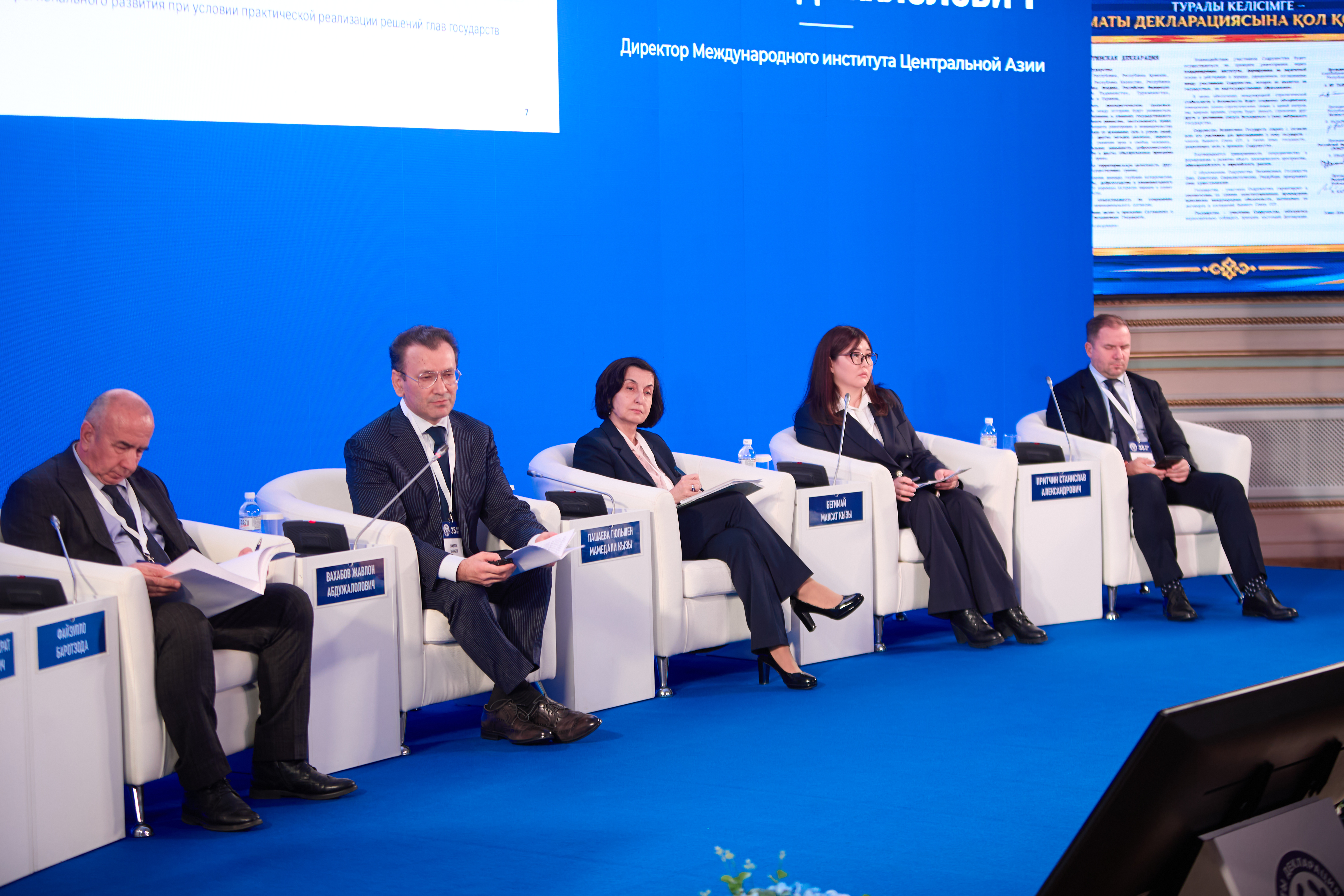
Vakhabov described mutual understanding between societies as essential to sustaining this cooperation over the long term, with think tanks playing a particular role. Expert dialogue helps countries better understand one another’s interests and should be strengthened through joint research, standing platforms for discussion, and the training of young professionals who can think beyond national boundaries.
Together, these priorities shape his vision of Central Asia in 10–15 years: a region where transport corridors connect markets, water and energy resources are managed in coordination, and research partnerships create a shared intellectual space. Such regional agency means being able to set priorities independently and build relationships with external partners on an equal footing.
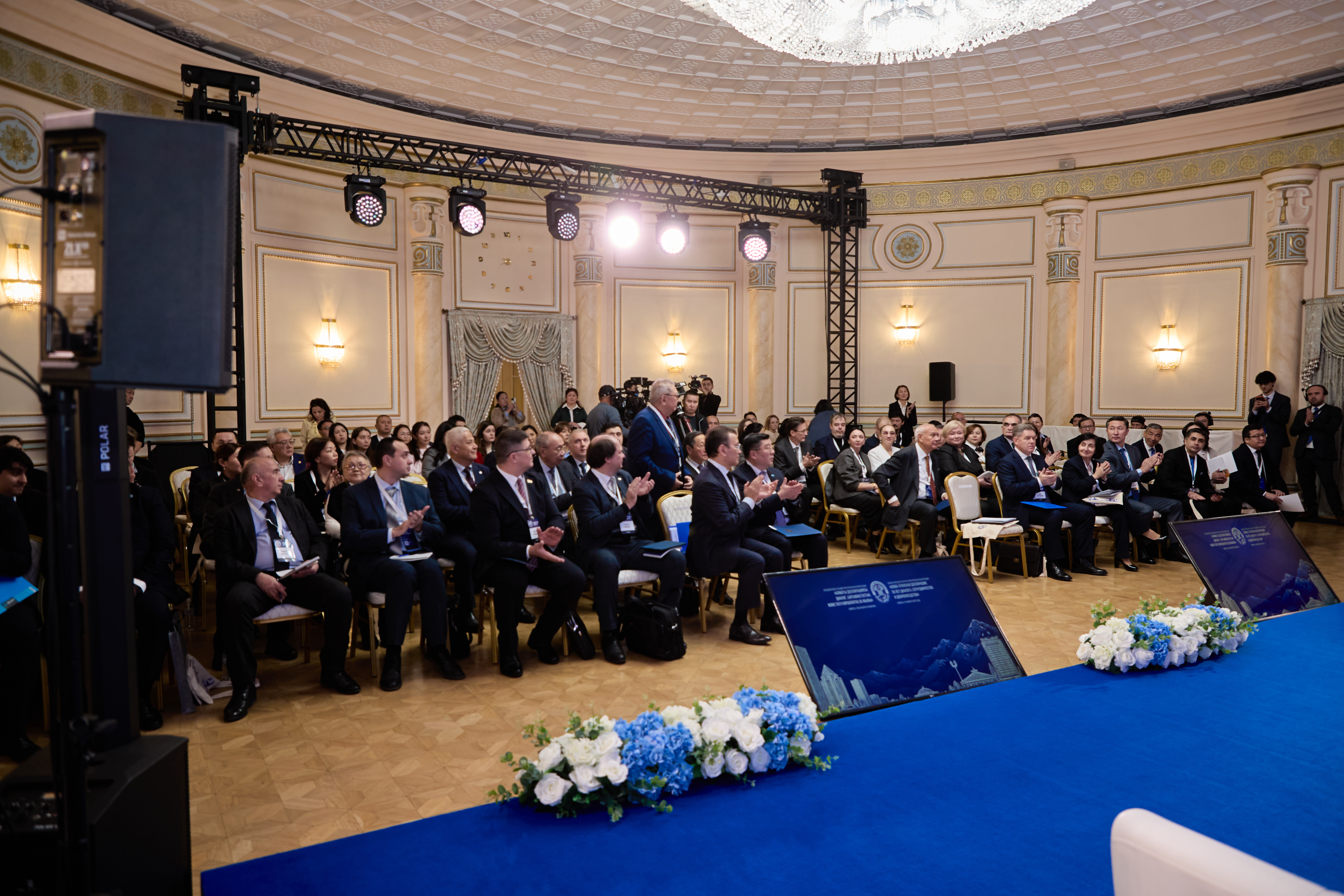
“If our shared task 35 years ago was to establish the principles of good-neighbourliness, our task today is to turn them into a working framework for shared development,” Vakhabov concluded. He expressed confidence that Central Asia’s experience could also prove valuable across the wider Commonwealth, particularly in 2027, when Uzbekistan will chair the CIS under the motto “The CIS – A Space of Trust and Shared Development.”