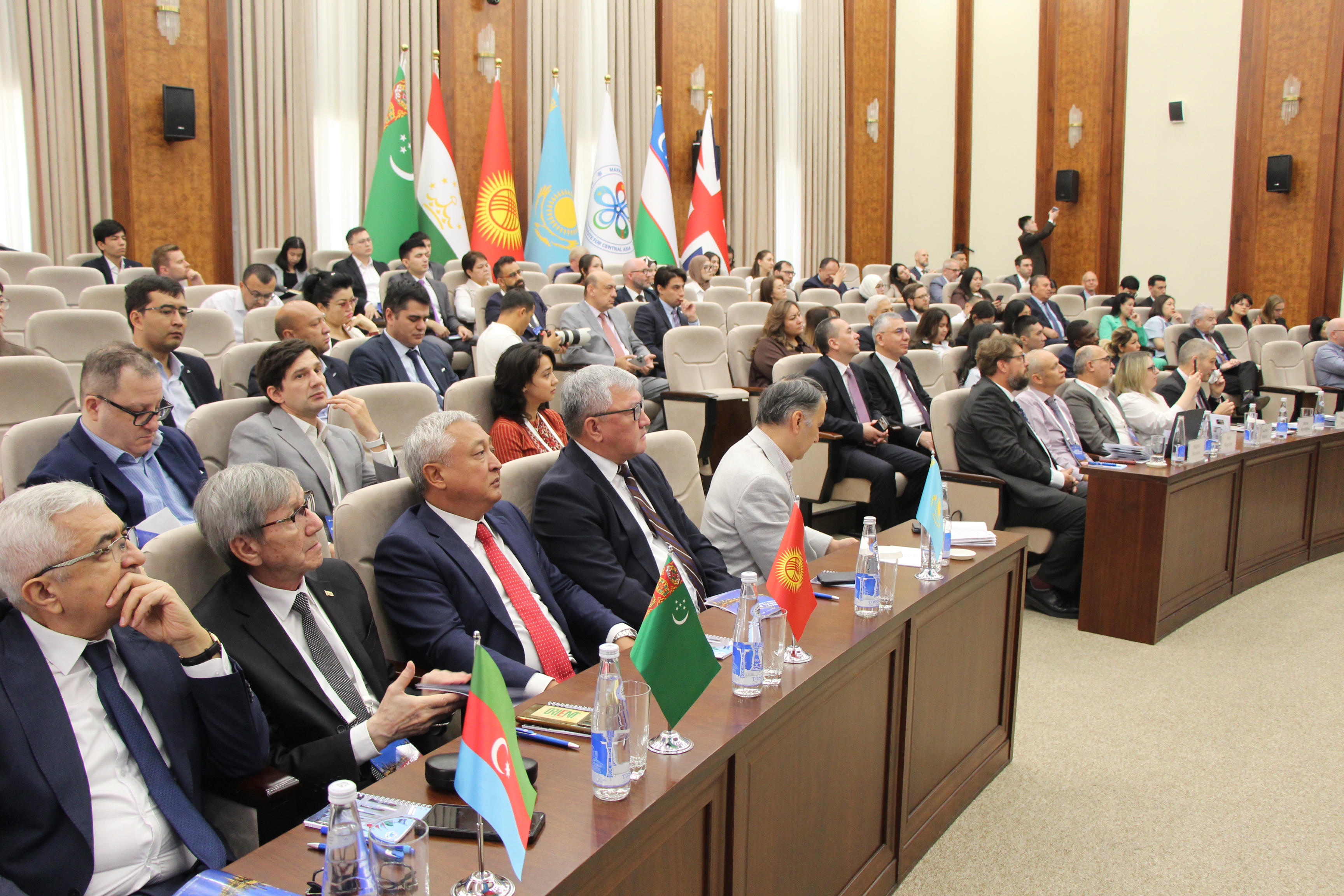
The event was jointly organised by IICA, the London-based think tank ODI Global and the British Embassy in Uzbekistan.
The Forum brought together more than 100 representatives of governmental and independent think tanks, the diplomatic corps, international organisations, business and academia from Central Asia, Azerbaijan and the United Kingdom.
Participants discussed Eurasian transport connectivity, cooperation on critical minerals, stronger investment ties, and expanded engagement in education and labour mobility.
Opening the Forum, IICA Director Javlon Vakhabov highlighted the deepening cooperation between the countries of the region and the United Kingdom. He pointed to the first meeting of foreign ministers, held in London earlier this year, as a reflection of this trend and a source of new momentum for the partnership.
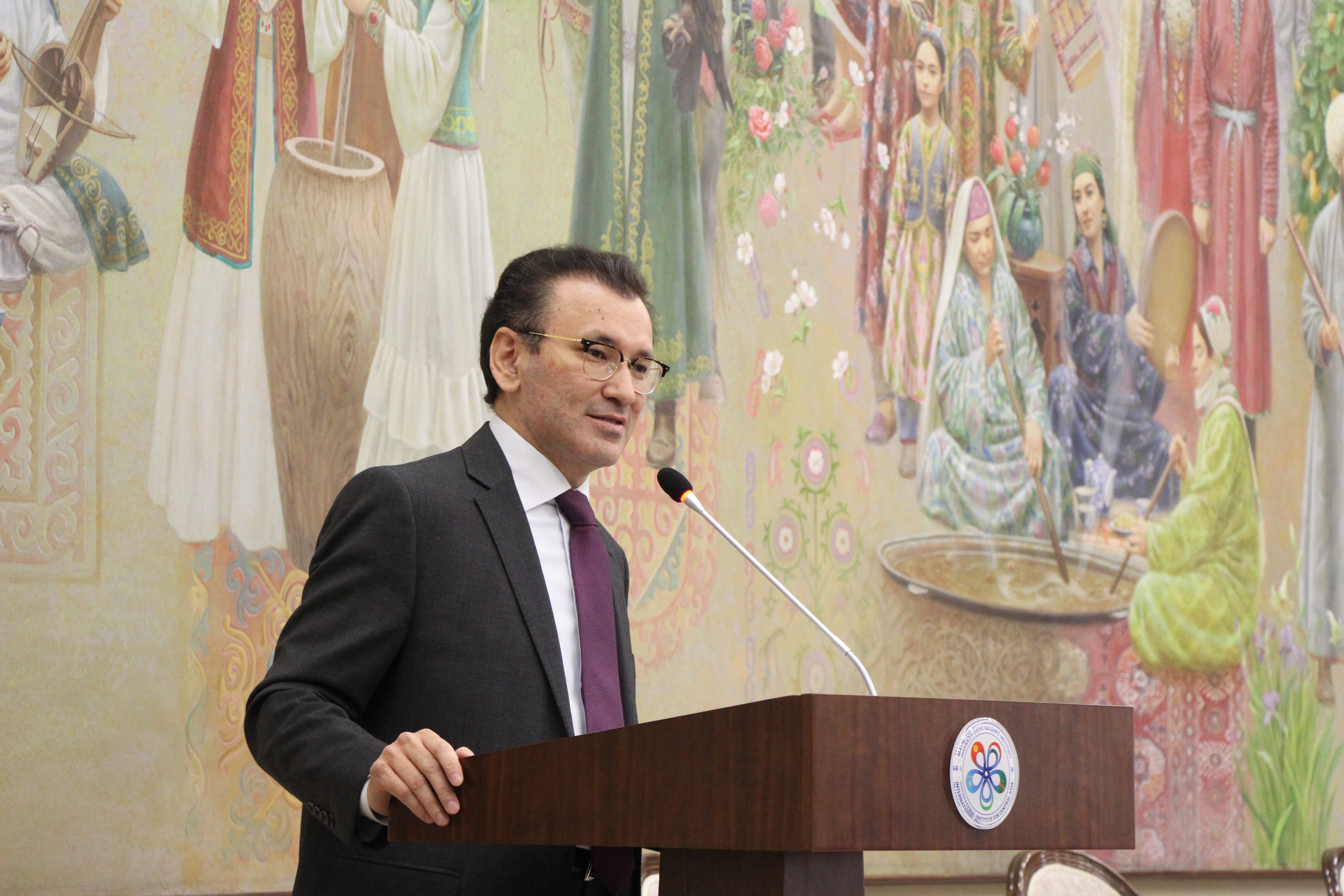
According to the Director, the natural next step in engagement between the foreign ministries is to move towards multi-level cooperation bringing together governments, parliaments, relevant ministries and agencies, business communities, universities, think tanks and civil society.
This process is underpinned by the transformation taking place within Central Asia itself, where the region’s countries are increasingly setting their own priorities and broadening their network of international partners. J.Vakhabov noted that this shift is particularly evident in the transport sector. The focus is moving beyond the management of separate national systems towards building an integrated economic corridor together with Azerbaijan, an area in which the United Kingdom can provide practical support.
Vakhabov also stressed the need to develop a diversified network in which disruption to one corridor would not paralyse regional trade. Physical infrastructure alone is insufficient, as routes must remain bankable, insurable and legally viable amid changing external conditions.
The financial dimension of interregional partnership follows the same logic. The IICA Director described the Tashkent International Financial Centre, based on English common law, and the existing Astana International Financial Centre as complementary platforms. By promoting interoperable standards and building institutional links with the City of London, they could provide Central Asian businesses and projects with access to international capital, legal services and financial expertise.
Vakhabov identified a central question running through all the issues under discussion: how to translate growing political interest into effective institutions, investable projects and lasting partnerships.
British Ambassador to Uzbekistan Timothy Smart reaffirmed the United Kingdom’s interest in building a long-term partnership with Central Asia that reflects the priorities of the region’s countries.
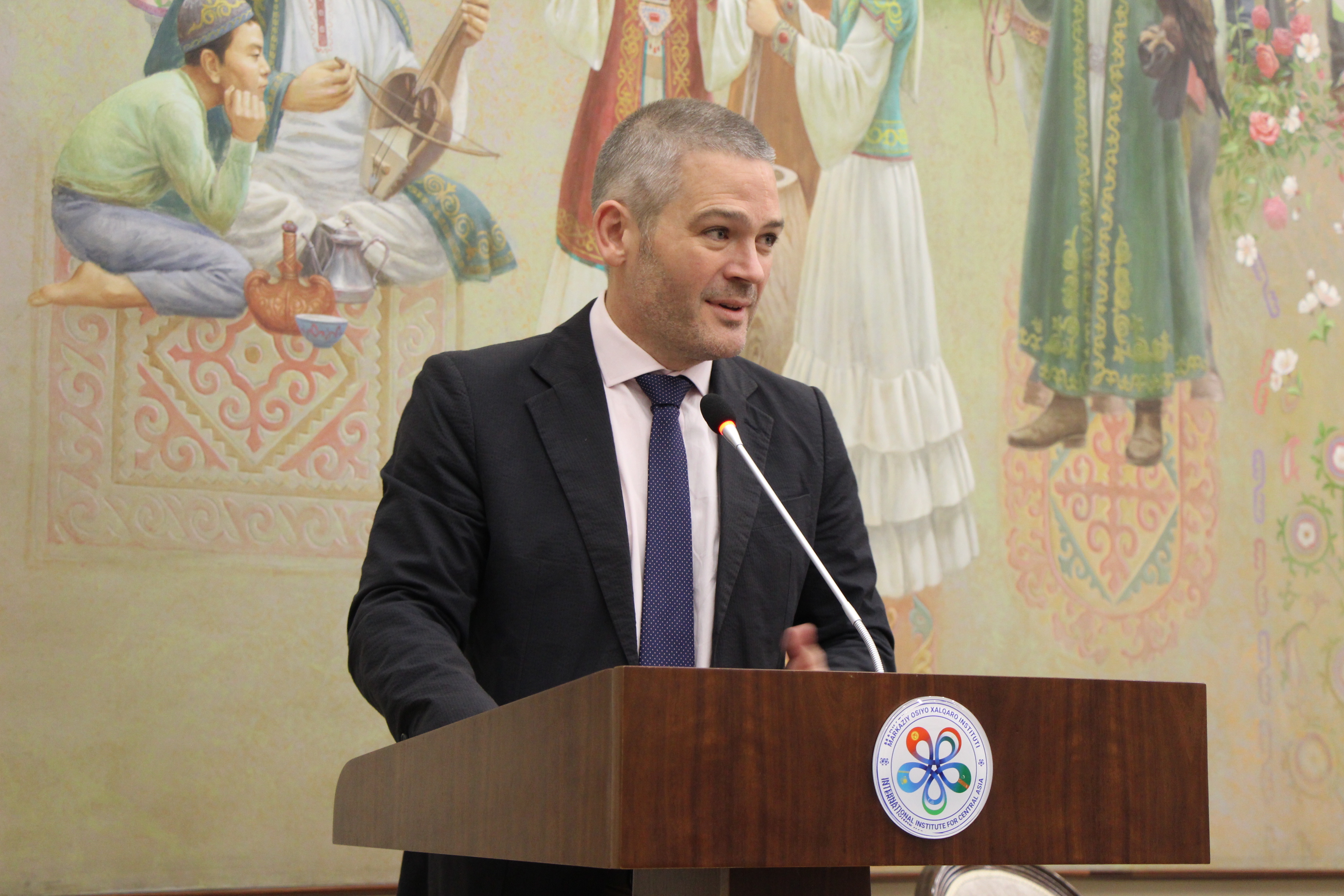
According to the Ambassador, reliable transport routes and resilient infrastructure are becoming matters of economic security for both sides, underpinning the United Kingdom’s interest in advancing regional connectivity.
Continuing the discussion, Uzbekistan’s Ambassador to the United Kingdom Ravshan Usmanov addressed the investment dimension of the partnership. He highlighted the May listing of the Uzbekistan National Investment Fund on the London Stock Exchange, which raised approximately $600 million.
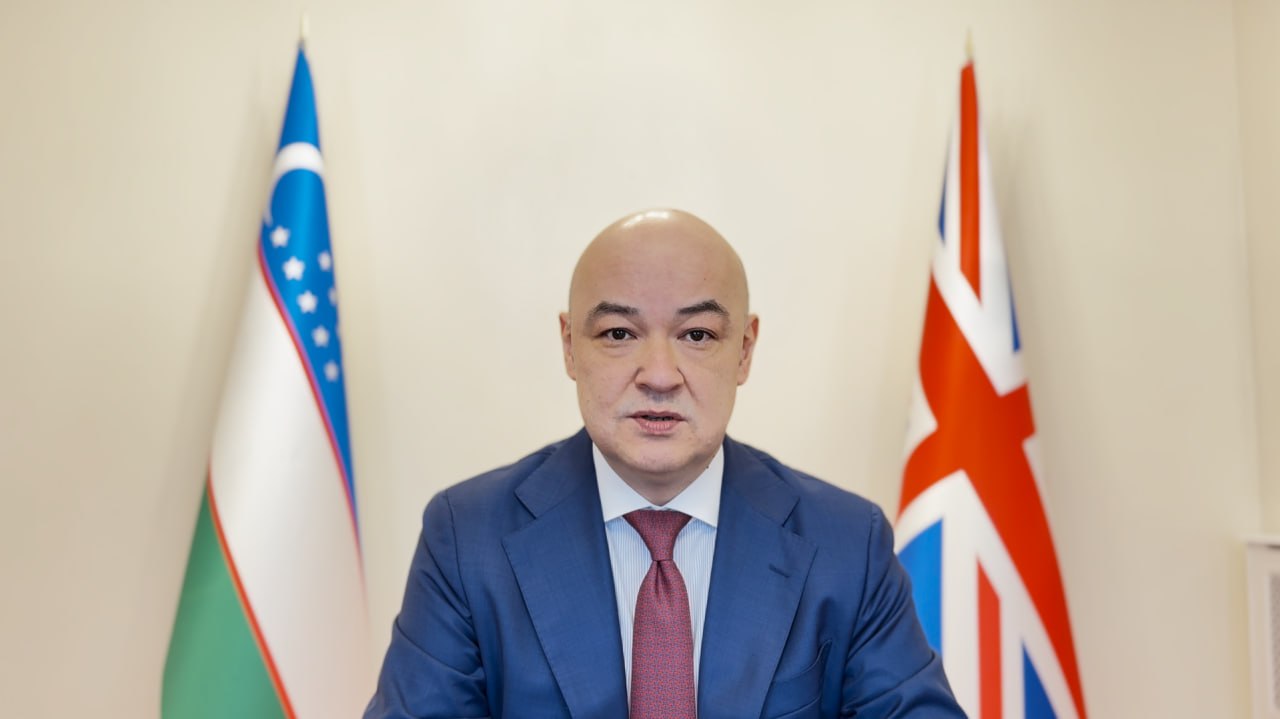
He noted that this trajectory would be further reinforced by the establishment of the Tashkent International Financial Centre and the International Commercial Court, which would provide access to British expertise in financial regulation, commercial law and arbitration.
Concluding the opening ceremony, Rebecca Nadin, Director of ODI Global’s Centre for Geopolitics of Global Change, expressed support for the new format of engagement and emphasised its relevance in the current international environment.
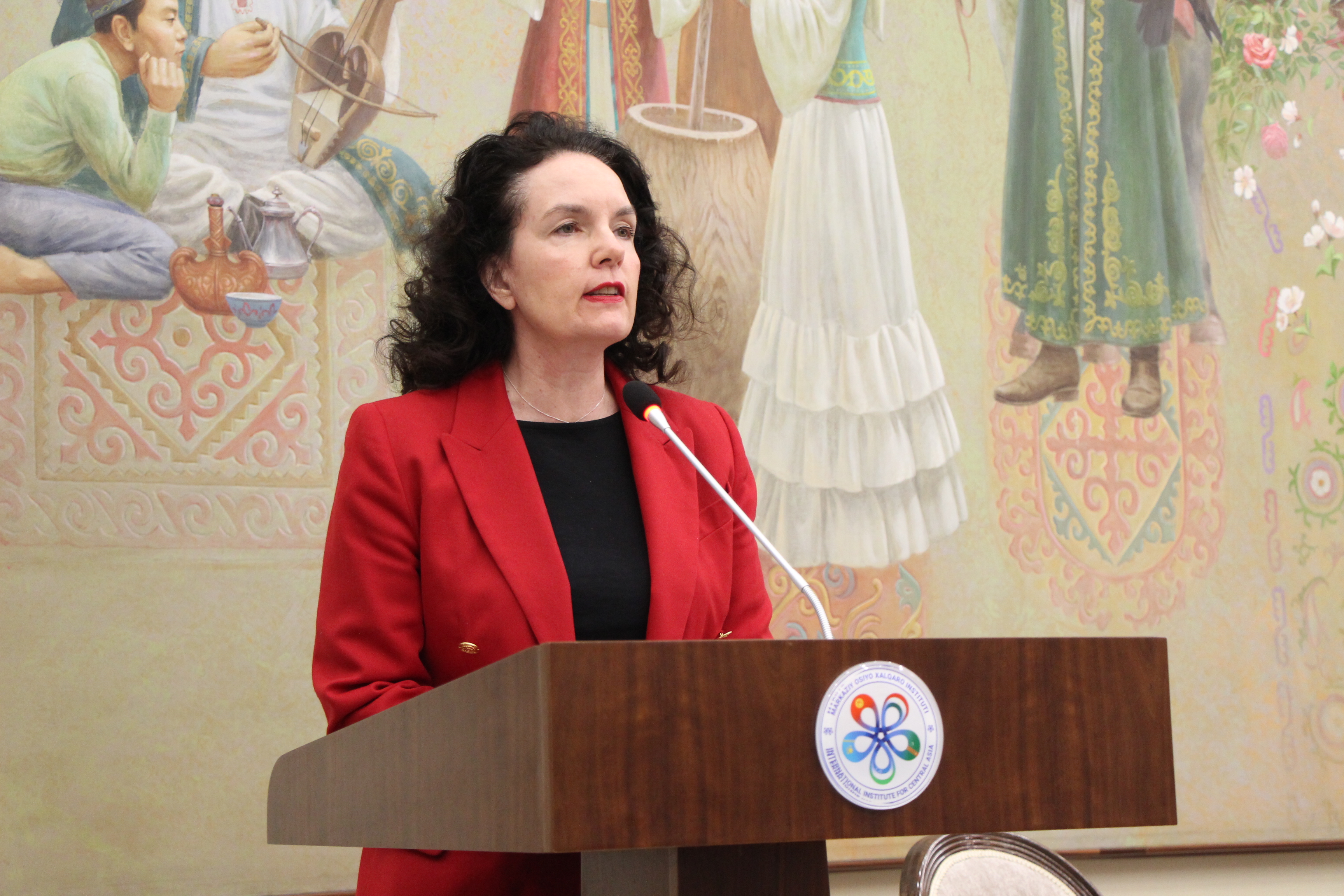
According to R. Nadin, expanding dialogue at both bilateral and interregional levels is becoming increasingly important. ODI Global intends to continue contributing to the organisation of such platforms, including through expert diplomacy.
The Forum continued with four thematic sessions featuring leading experts from Central Asia, Azerbaijan and the United Kingdom.