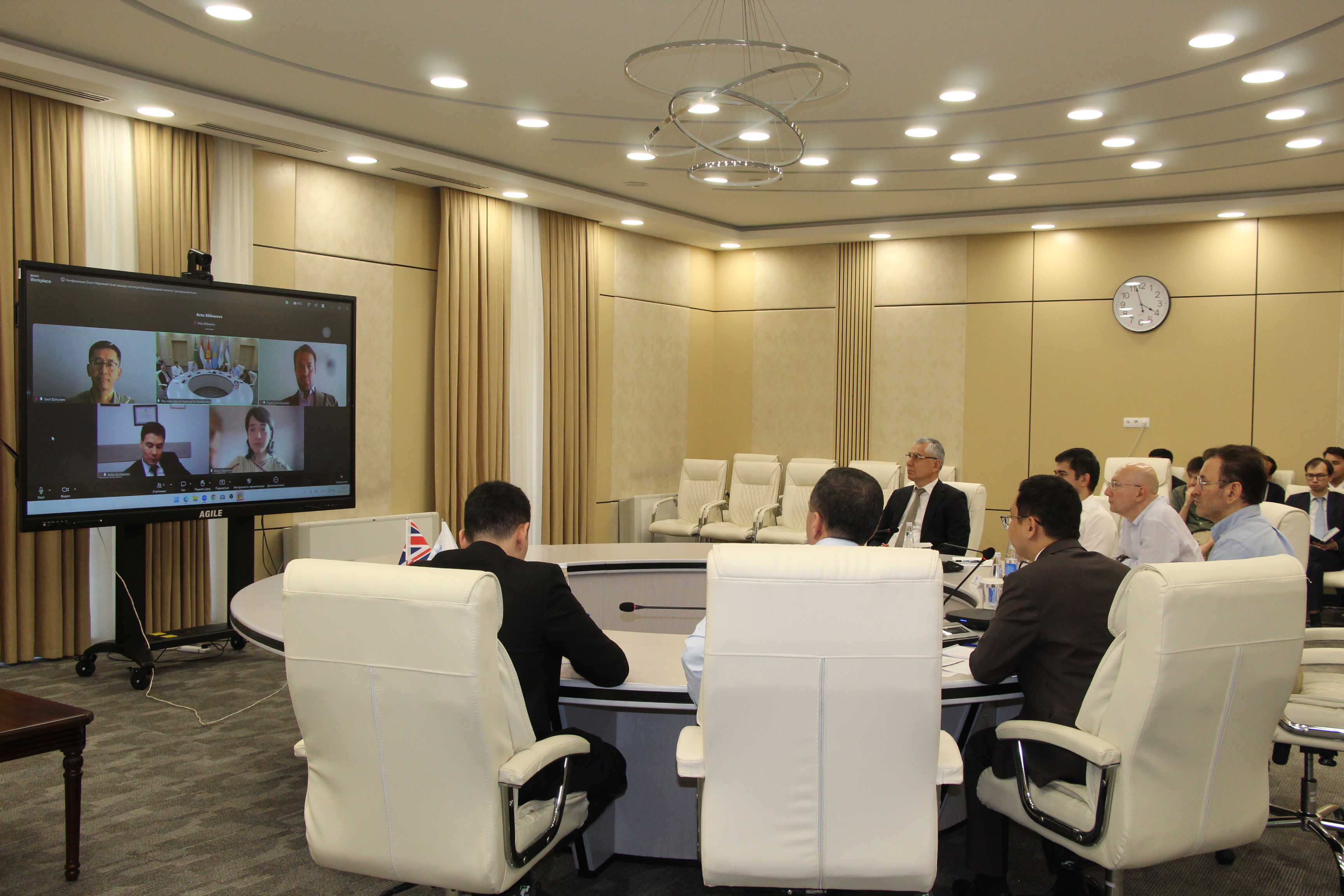
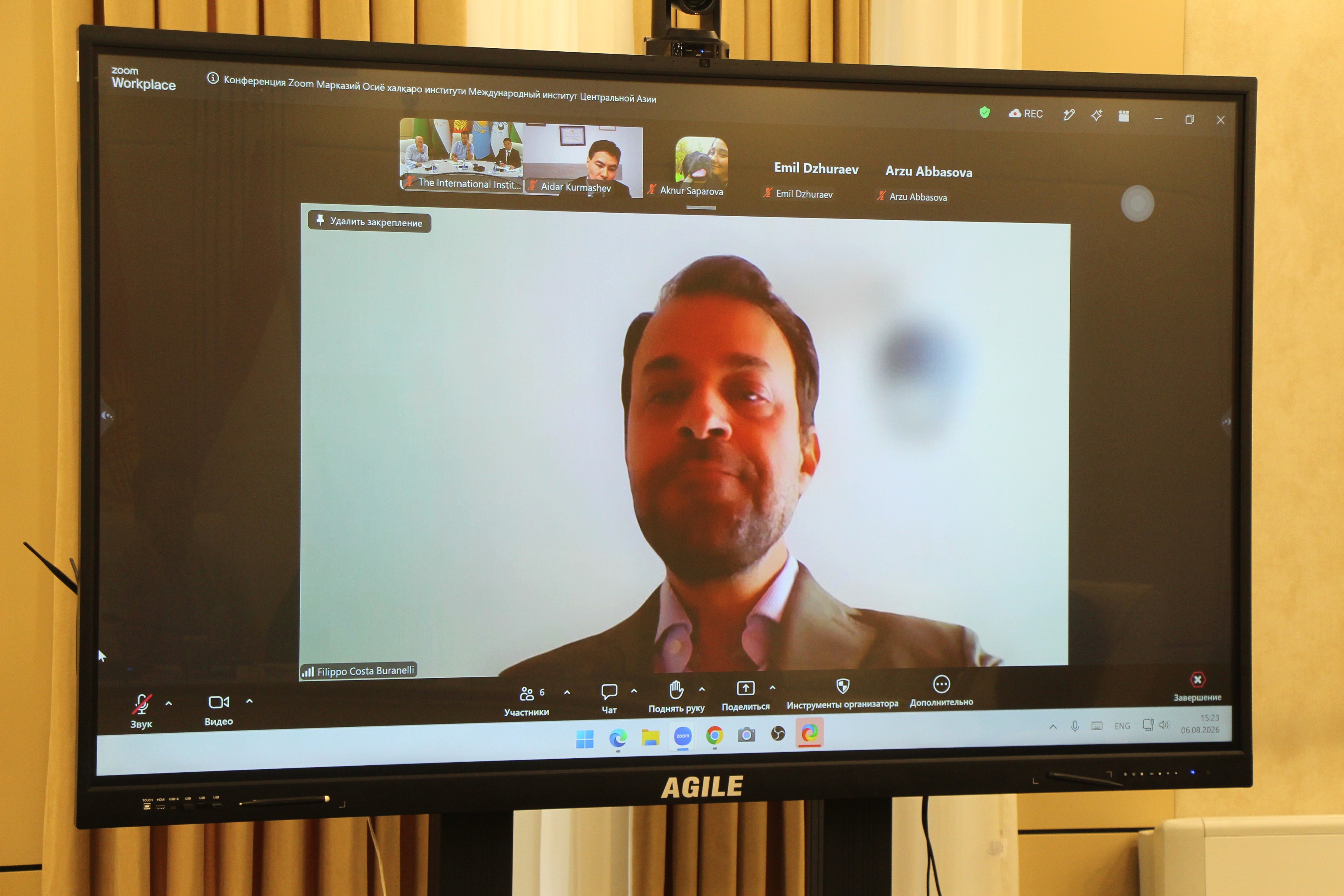
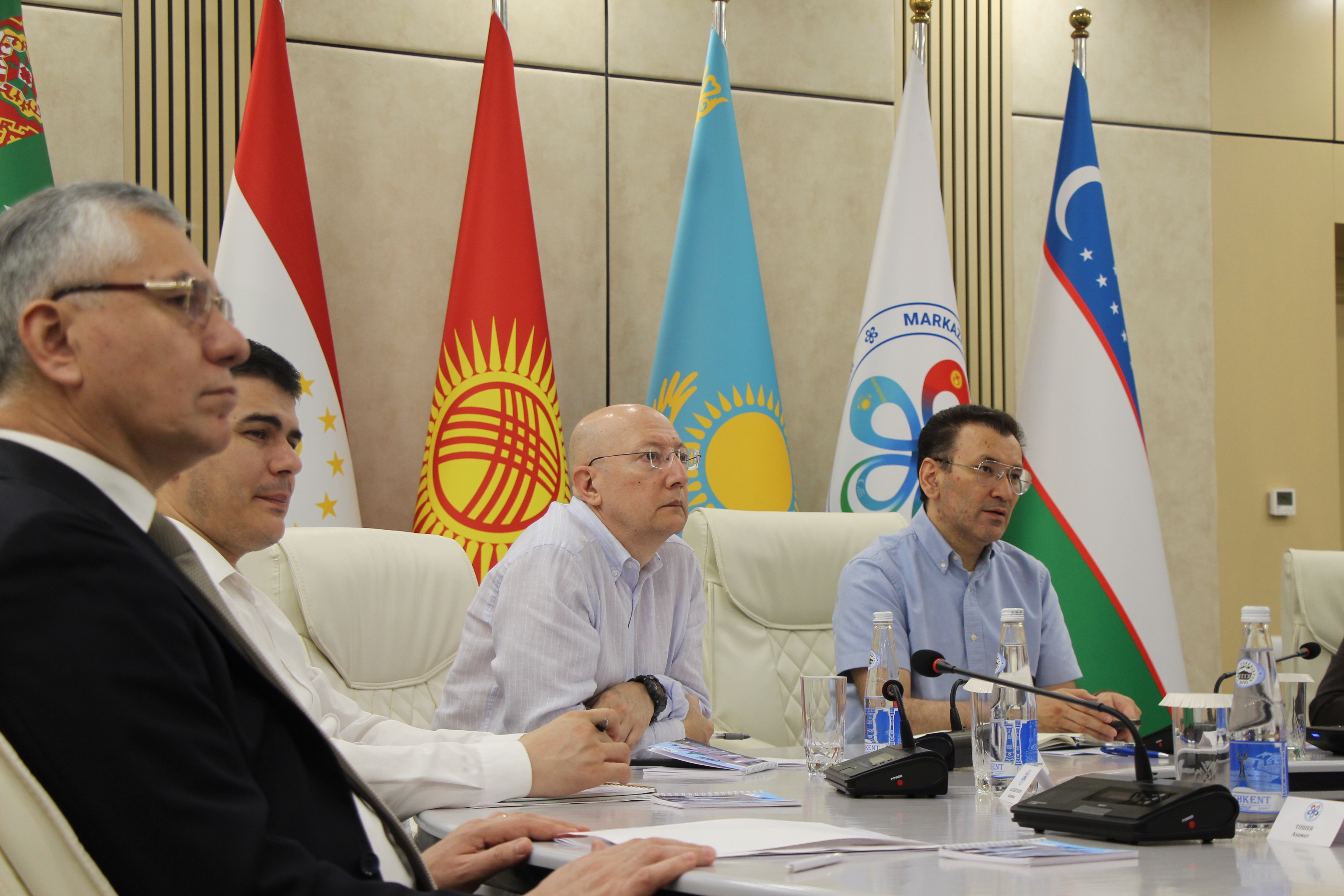
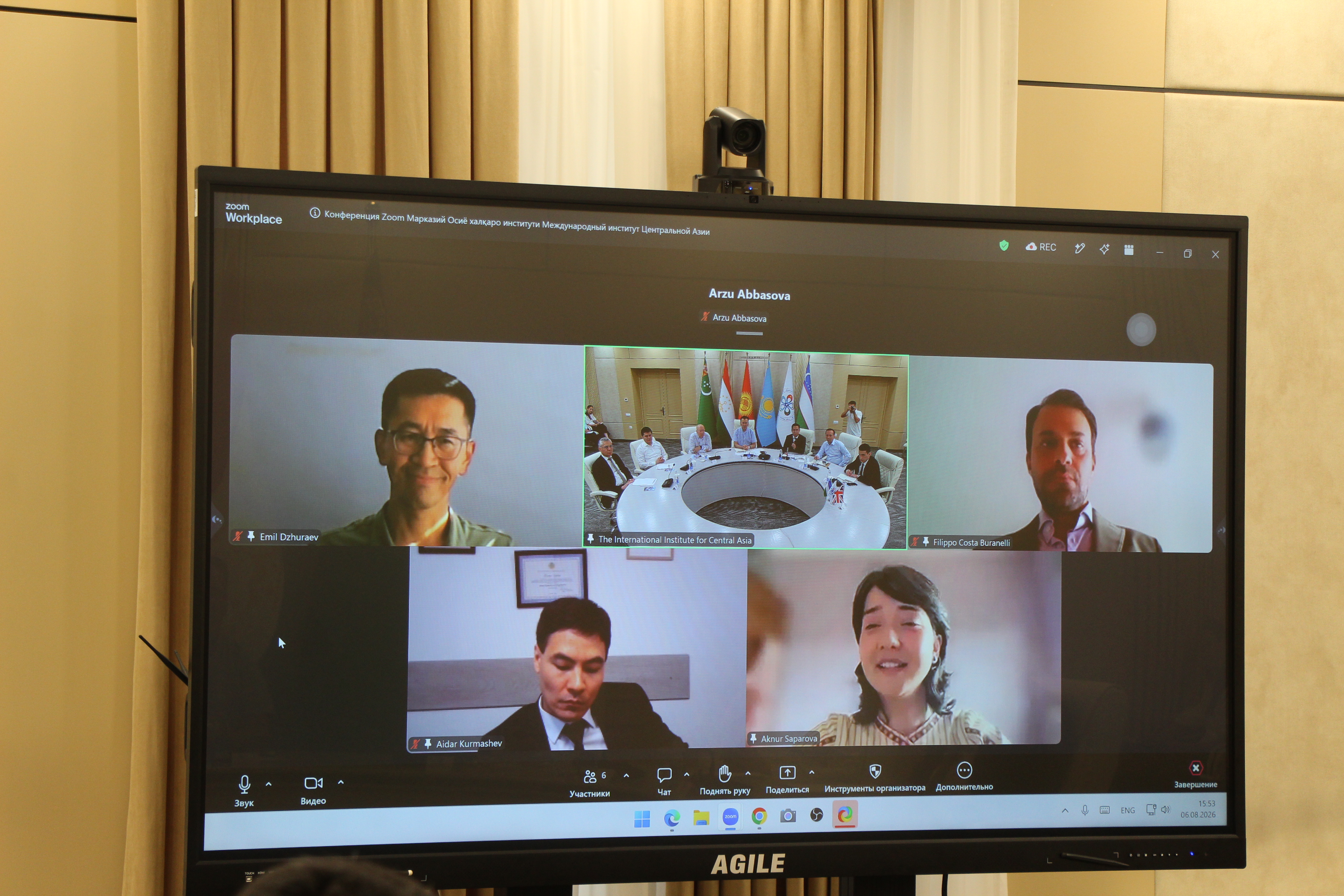
Taking part were Filippo Costa Buranelli, Senior Lecturer at the University of St Andrews (United Kingdom), alongside representatives of leading think tanks from the countries of Central Asia and Azerbaijan.
Participants discussed the outcomes of the 7th Consultative Meeting of the Heads of State of Central Asia and of the informal summit held on July 31 in Cholpon-Ata, together with priority items on the agenda of the upcoming summit in Avaza.
Opening the discussion, IICA Director Javlon Vakhabov noted that since 2018 the Consultative Meetings have served not only as a venue for political consultations but have evolved into a multi-tiered mechanism of regional cooperation — one that now spans security, trade, transport, energy and water use, as well as humanitarian cooperation.
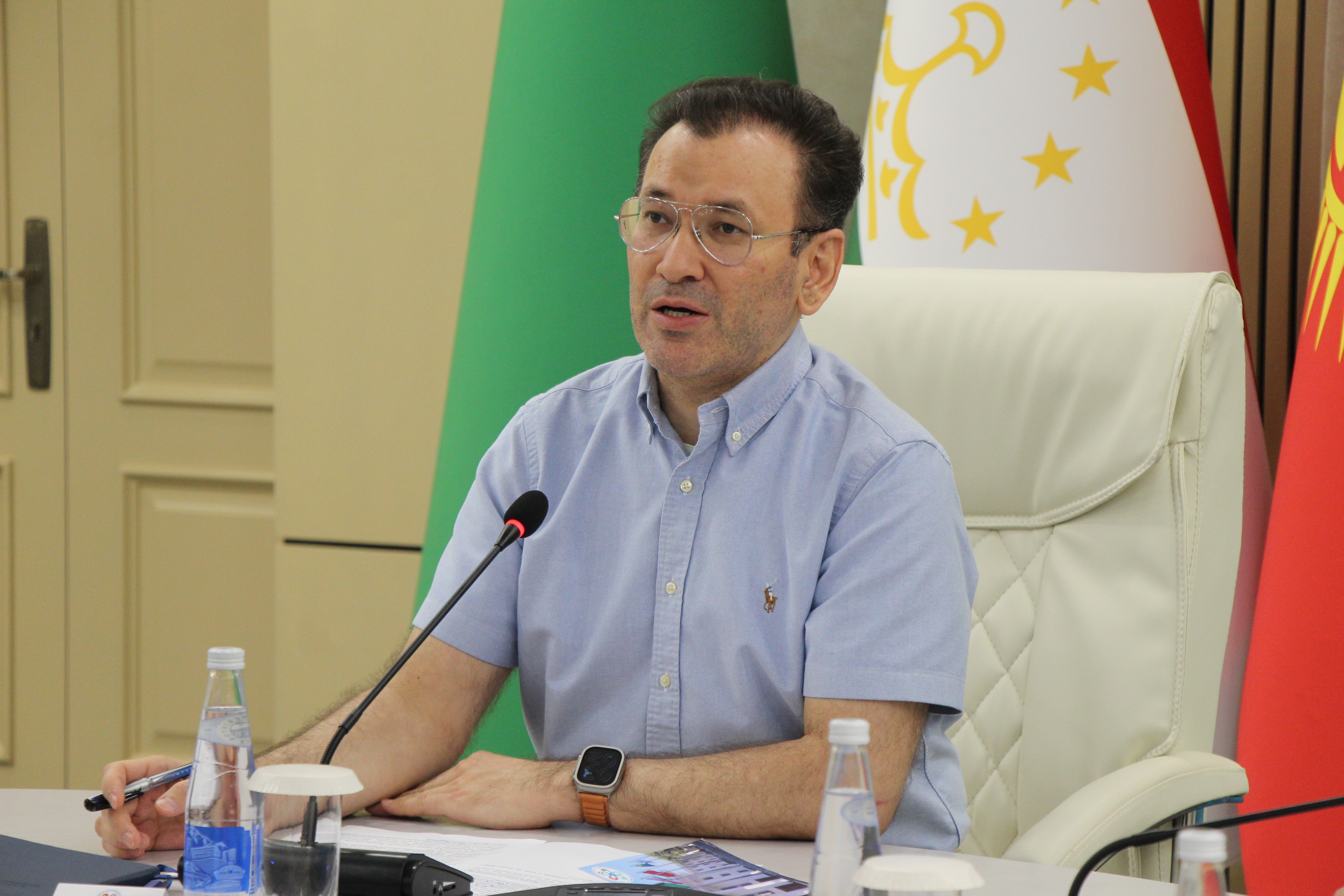
For his part, Filippo Costa Buranelli argued that the format continues to consolidate as an effective mechanism of regional engagement, grounded in the principles of consensus, equality, and respect for state sovereignty. In his assessment, the July 31 meeting of the heads of state of Central Asia and Azerbaijan in Cholpon-Ata marked a new stage of cooperation — one defined by regularity, predictability, and a focus on joint action and results.
Askar Kurmashev, Head of Department at KazISS, and Emil Dzhuraev, Associate Professor at the OSCE Academy in Bishkek, both emphasised that the consensus-based character of the leaders' meetings strengthens Central Asia's regional agency and fosters flexible, practice-oriented mechanisms of cooperation capable of coordinating a broad range of issues.
Aynur Abbasova, Research Fellow at the Royal United Services Institute (United Kingdom), observed that Azerbaijan's inclusion in what has become the "C6" format reflects the emergence of new geoeconomic links between Central Asia and the South Caucasus, opening up additional opportunities for developing trans-regional transport, energy, and trade routes. In her view, this configuration creates favourable conditions for a comprehensive discussion of the regional agenda, with the development of the Middle Corridor among its central items.
Building on this point, logistics specialist Aknur Saparova (Turkmenistan) stressed that the resilience of the Trans-Caspian route depends not only on the development of transport infrastructure but also on creating a barrier-free environment — which would ensure the predictability of the route, the competitiveness of shipments, and the stability of trade flows.
Following the discussion, participants reaffirmed their mutual interest in further deepening expert and analytical dialogue and in preparing practical recommendations for advancing the Central Asian process and strengthening regional cooperation