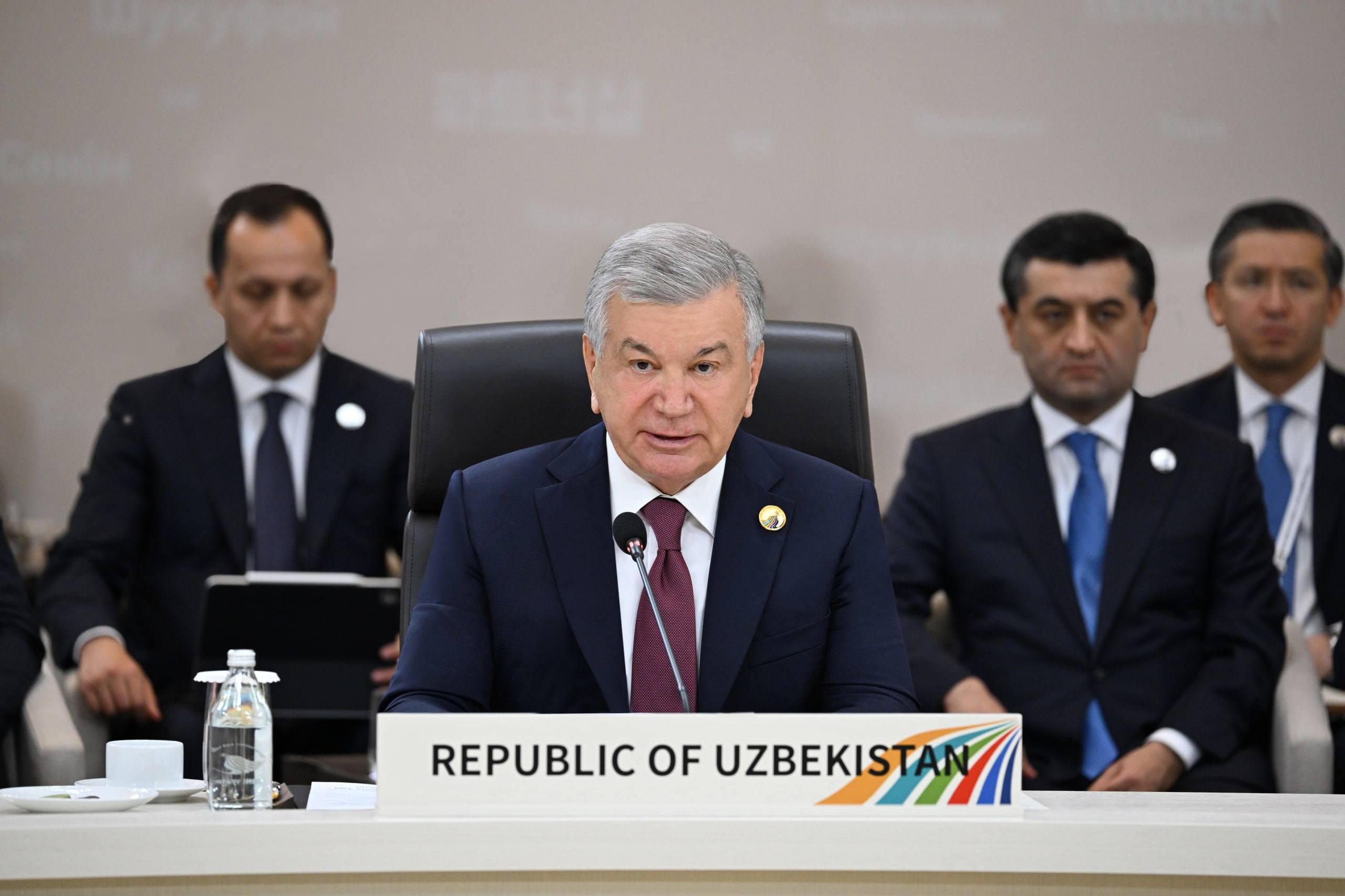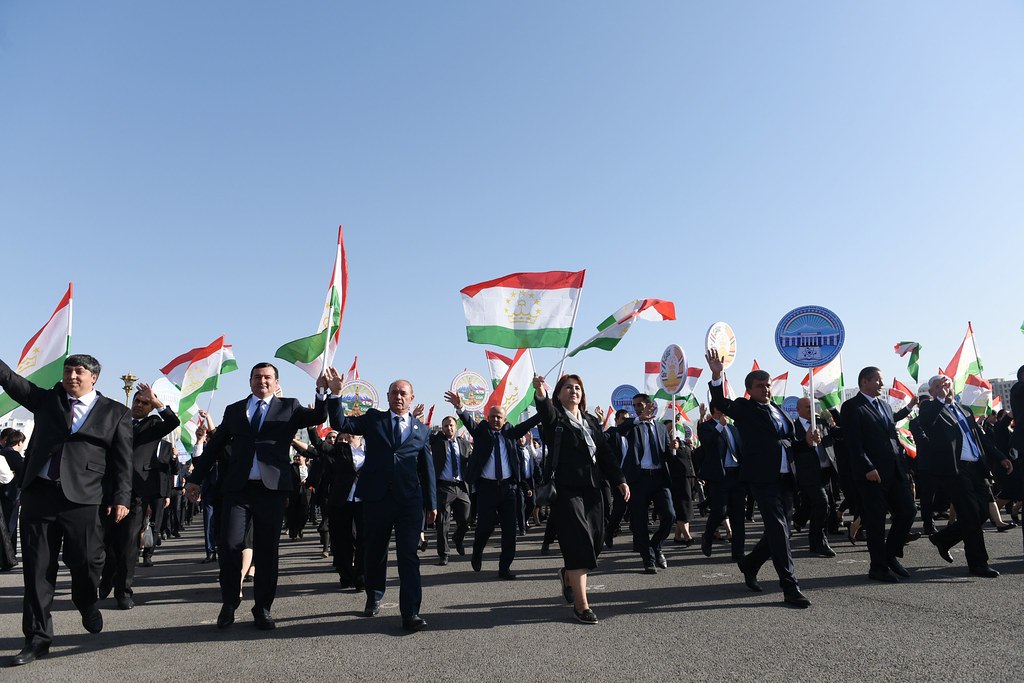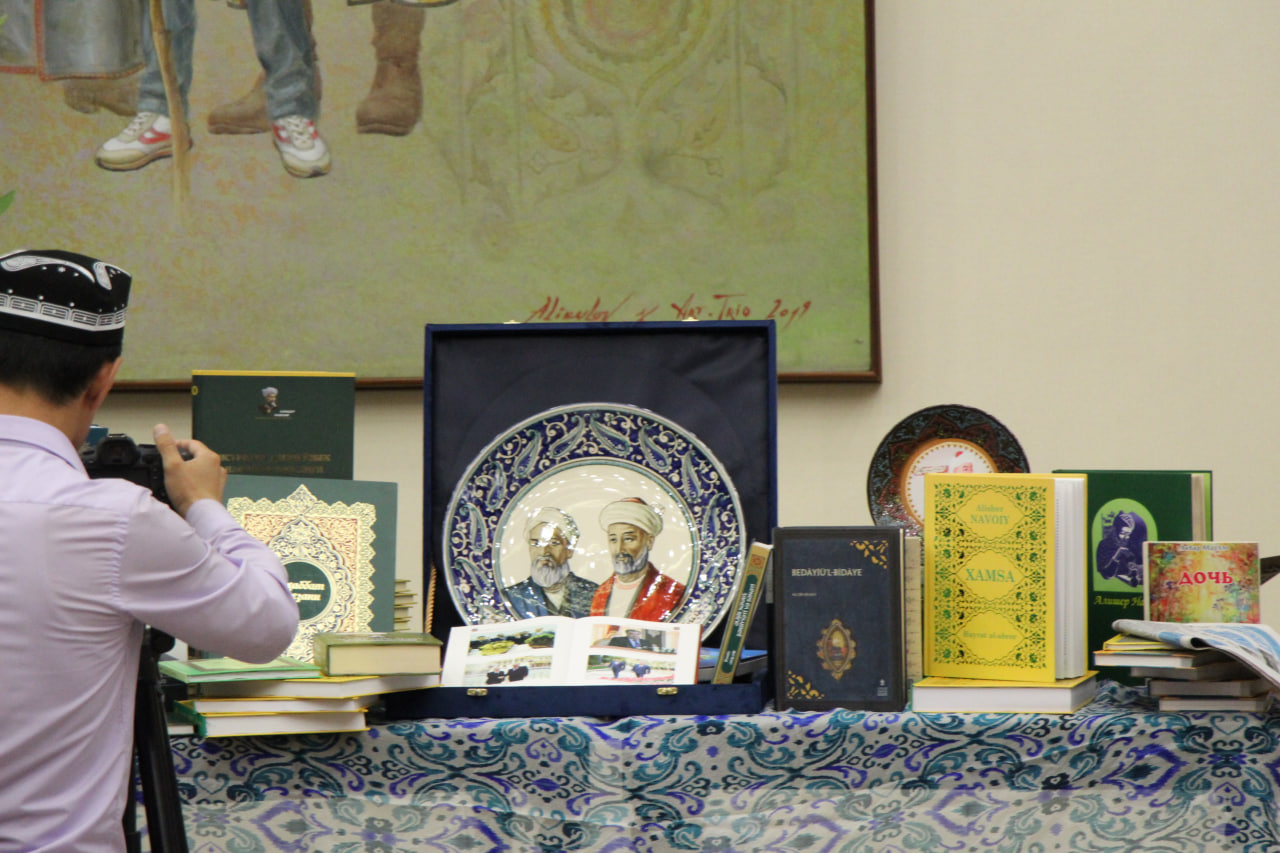
The symposium gathered leading literary scholars and researchers, members of the Writers’ Unions of Uzbekistan and Tajikistan, acclaimed poets, as well as professors and faculty from Alisher Navoi Tashkent State University of Uzbek Language and Literature, Mirzo Tursunzade Tajik Institute of Arts, Kyrgyz-Uzbek International University, and the Academy of Sciences of Uzbekistan.
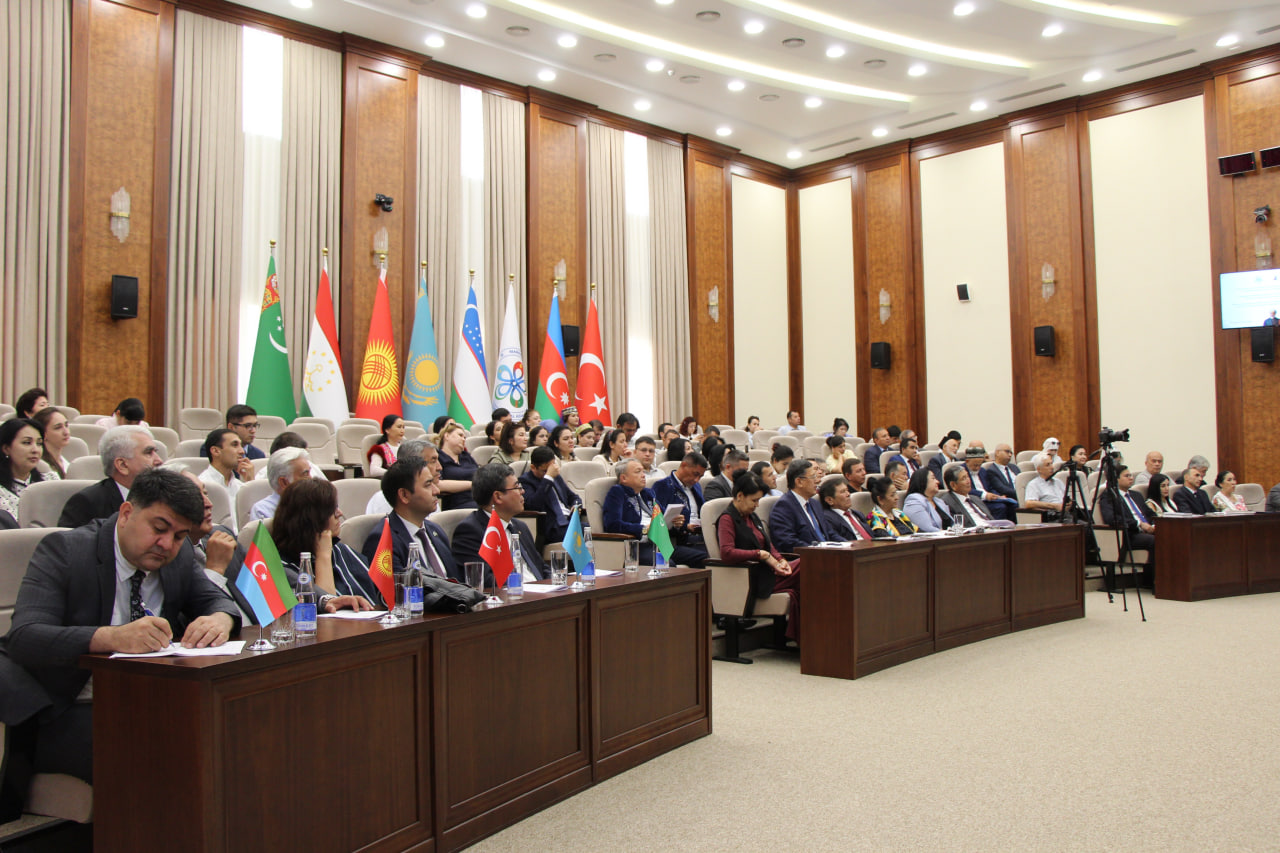
Diplomats and heads of diplomatic missions from neighbouring countries were also in attendance, alongside representatives of international public foundations, research institutes, and national cultural centers. Their presence contributed to a dynamic and multifaceted dialogue on the preservation and promotion of the Eastern Renaissance heritage and the strengthening of humanitarian ties across the region.
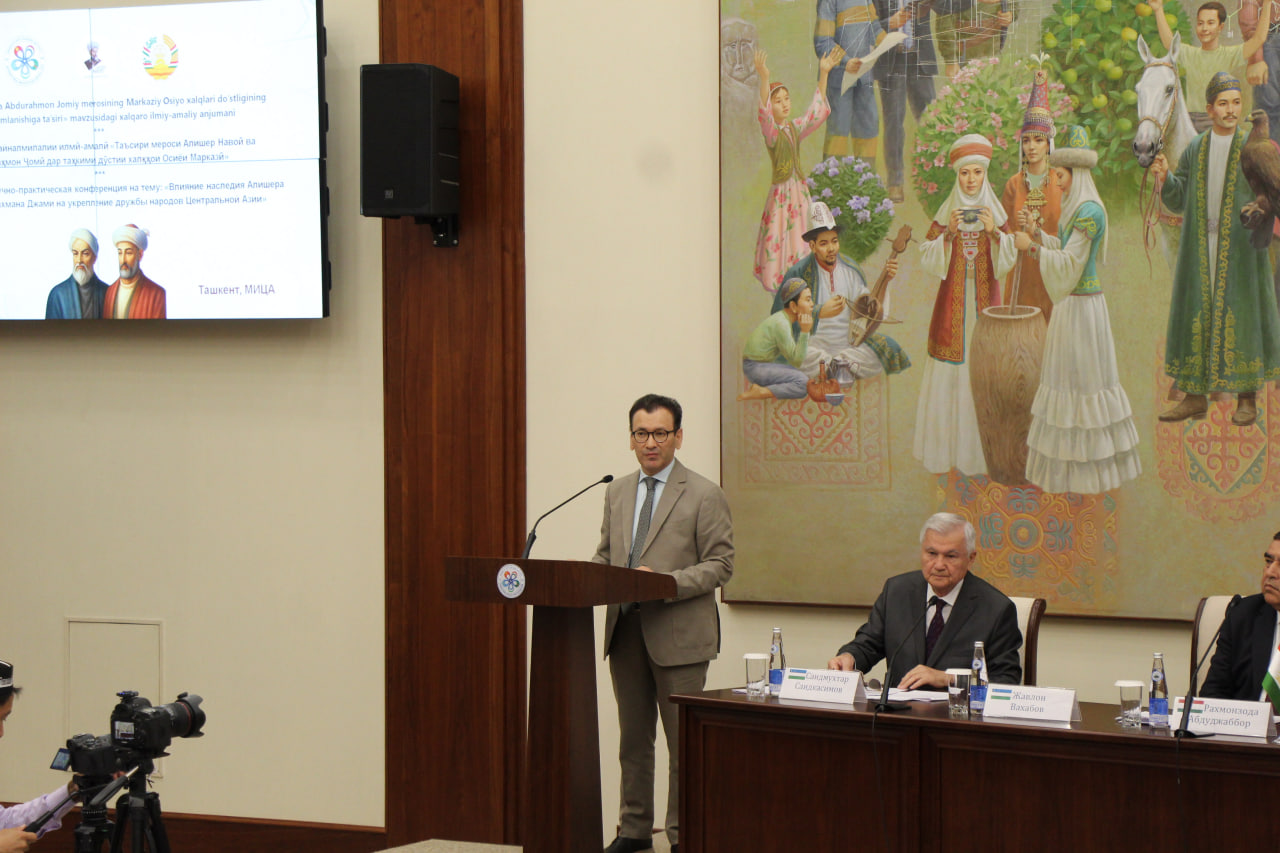
In his welcoming address, IICA Director Javlon Vahabov emphasized that the event is taking place in a special atmosphere—at a time when a new era of fraternity and good neighborliness is emerging among the countries of the region. He stated: “History shows that where cultures communicate, peace is strengthened. The centuries-old spiritual legacy of Alisher Navoi and Abdurahman Jami is not only an outstanding achievement of literature and philosophy, but also a living bridge between peoples, cultures, and epochs.”
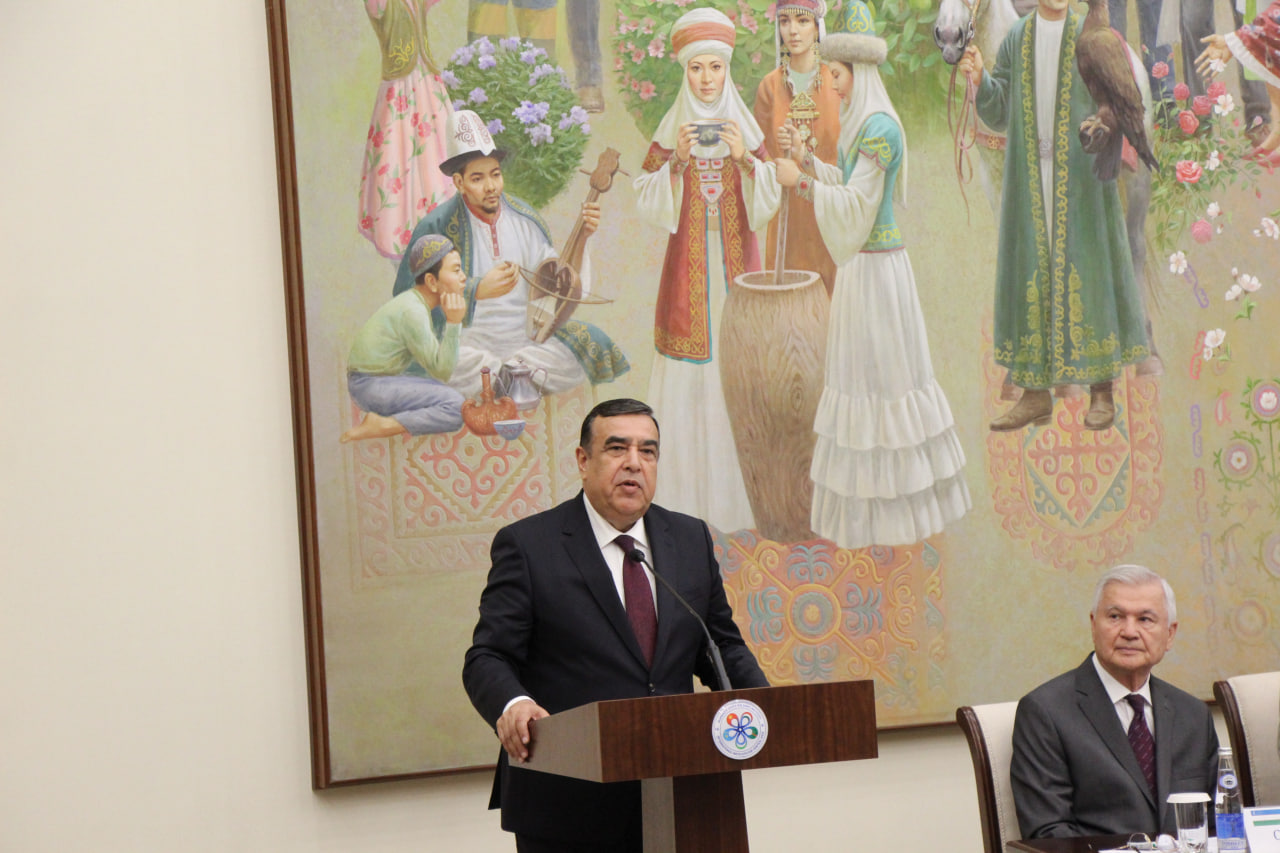
Ambassador Extraordinary and Plenipotentiary of the Republic of Tajikistan to Uzbekistan, Abdujabbor Aziz Rahmonzoda, gave a historical overview of the relationship between Navoi and Jami. He underscored that Navoi began his creative journey under Jami’s influence, always referred to him as a mentor, and maintained close intellectual ties through both correspondence and poetry. It was highlighted that over 430 letters between Navoi and Jami have been preserved, reflecting a purely spiritual and humanistic content, free from personal interests—a model for contemporary generations. The Ambassador also noted the unique nature of their literary exchange: Navoi wrote to Jami in Turkic, and Jami replied in Persian, symbolizing the unity and linguistic diversity of the region’s culture.
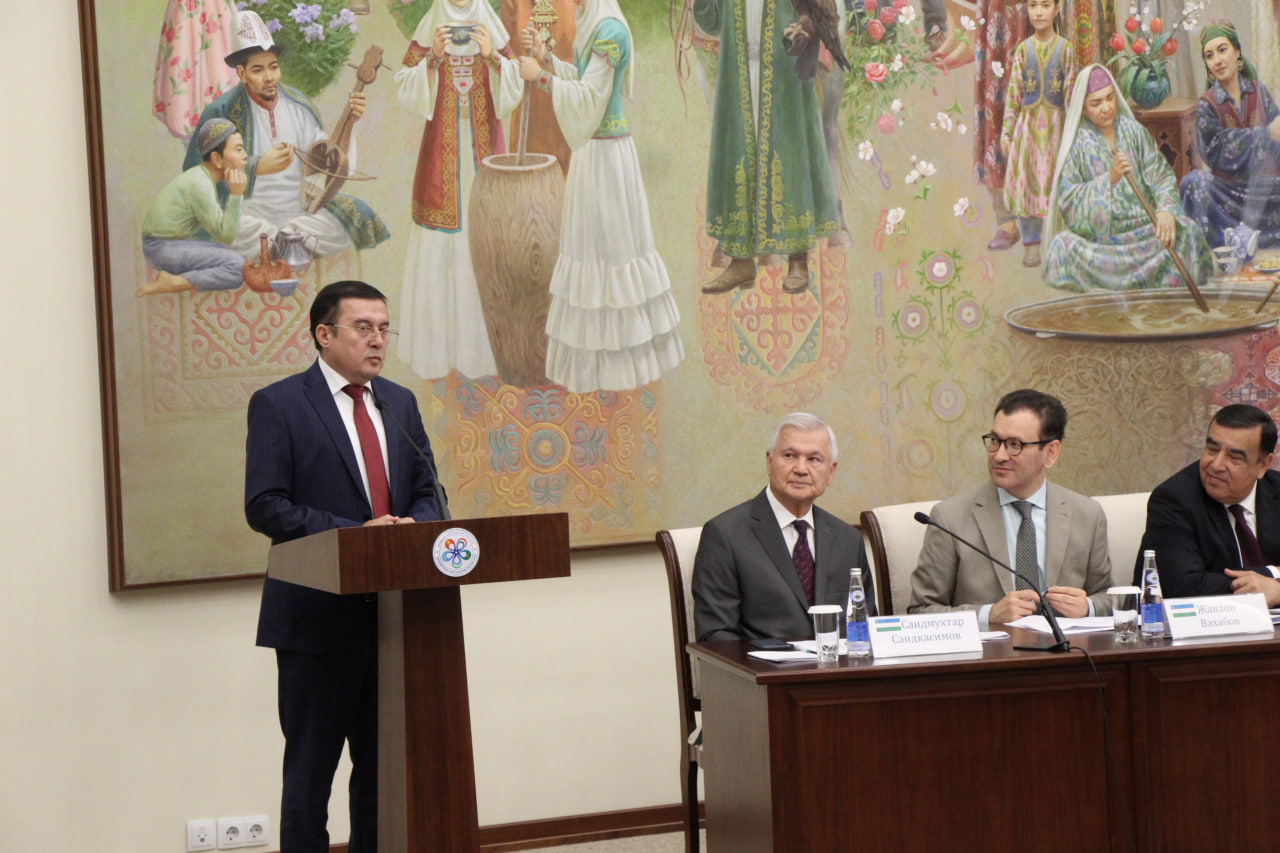
Olimjon Davlatov, Director of the International Public Foundation named after Alisher Navoi, spoke about the poets’ political wisdom and their roles as statesmen. He highlighted that it was thanks to Jami’s counsel that Navoi, at a critical point in his life, continued serving the state for the benefit of his people and the sultanate. Davlatov reminded the audience that the depth of character, spiritual strength, and mutual respect between Navoi and Jami elevated their relationship beyond literary ties to historic significance.
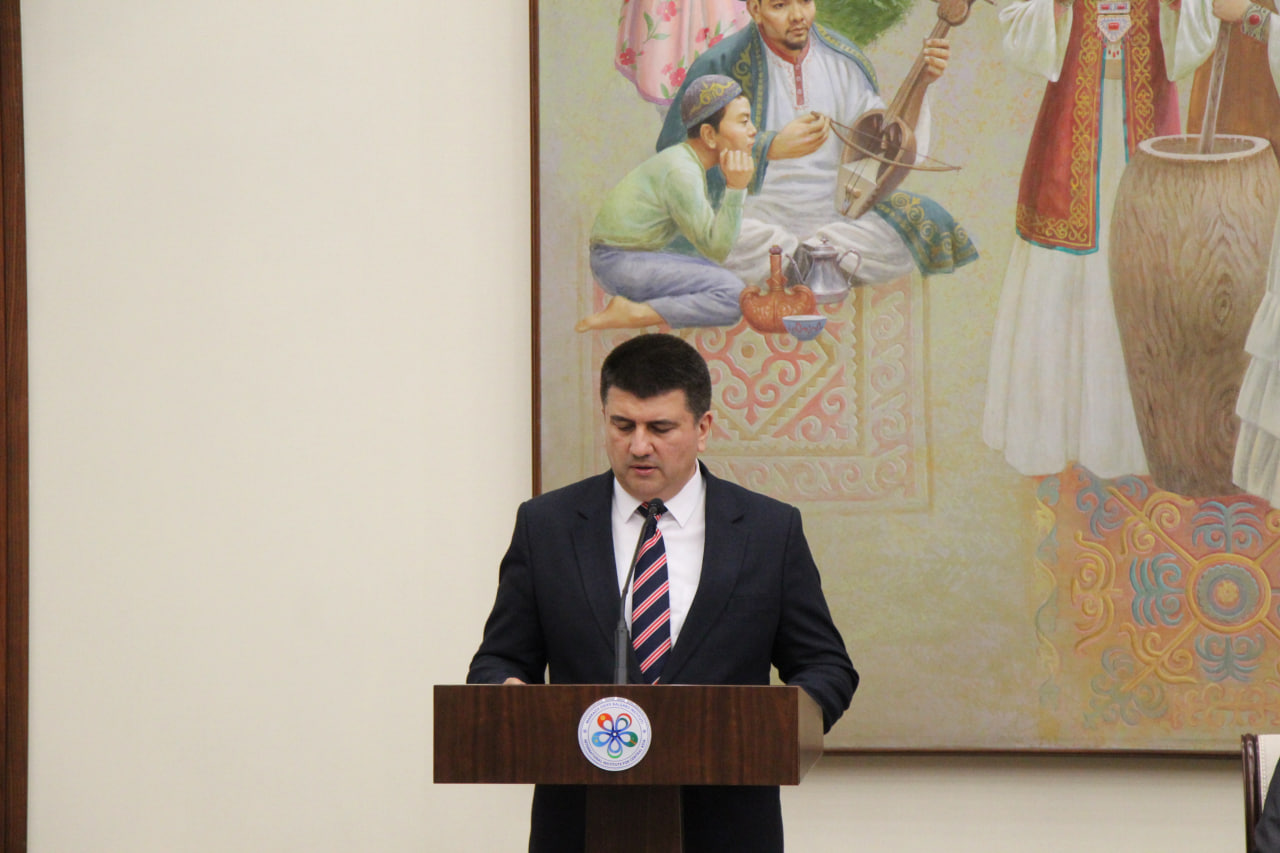
Avazkhon Tadzhikhanov, First Deputy Minister of Culture of the Republic of Uzbekistan, noted the recent success of the “Days of Uzbek Culture and Cinema” in Tajikistan, which featured theatrical performances, film screenings, and collaborative creative projects. He also announced that in July, production will begin on a joint feature film, “Radiance of the Stars: Jami and Navoi,” marking a new milestone in Uzbek-Tajik cultural cooperation.
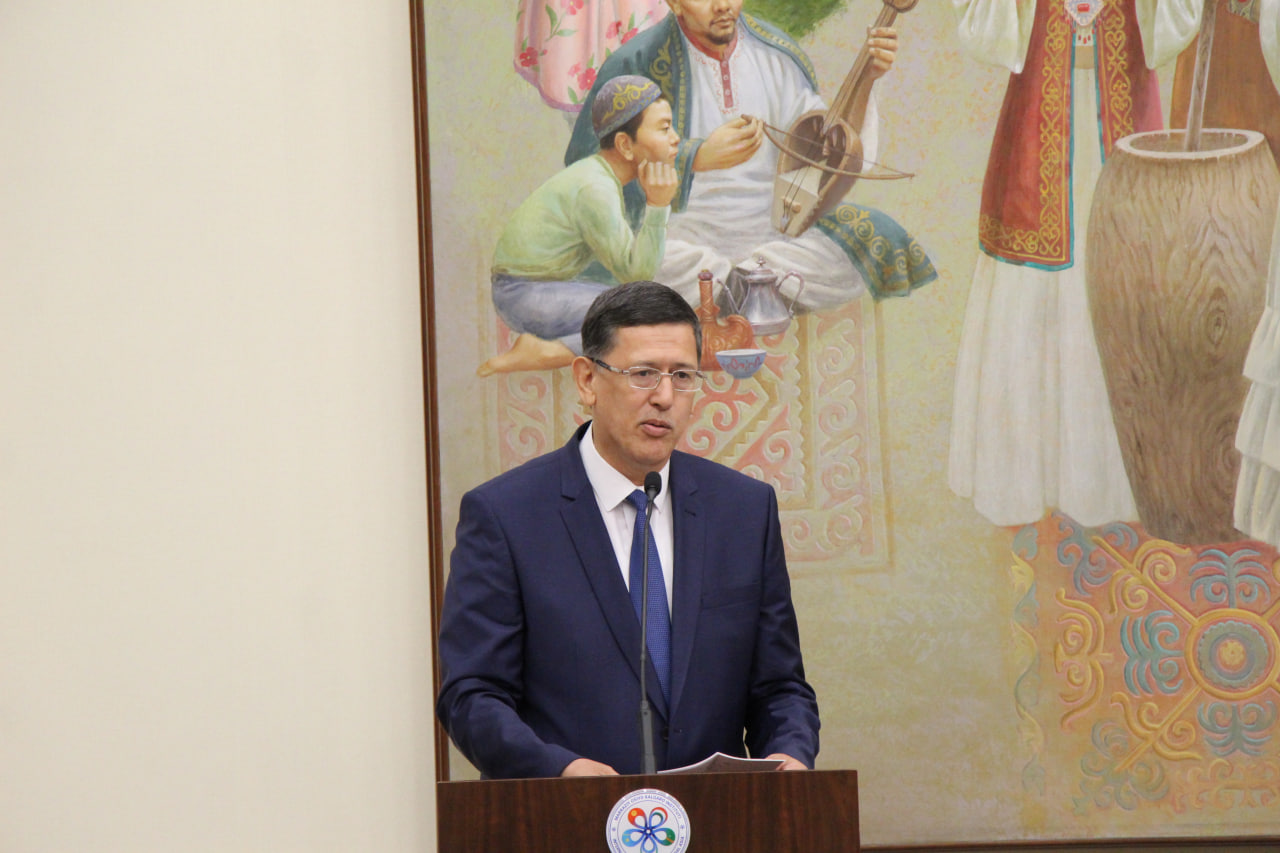
In this context, Minhojiddin Khozhimatov, First Deputy Chairman of the Writers’ Union of Uzbekistan, delivered a presentation highlighting the importance of the poets’ literary heritage in nurturing the younger generation’s values of humanism and interethnic understanding. He concluded by reciting excerpts from Navoi and Jami’s poetry, demonstrating the enduring power of their artistic words to unite hearts across nations.
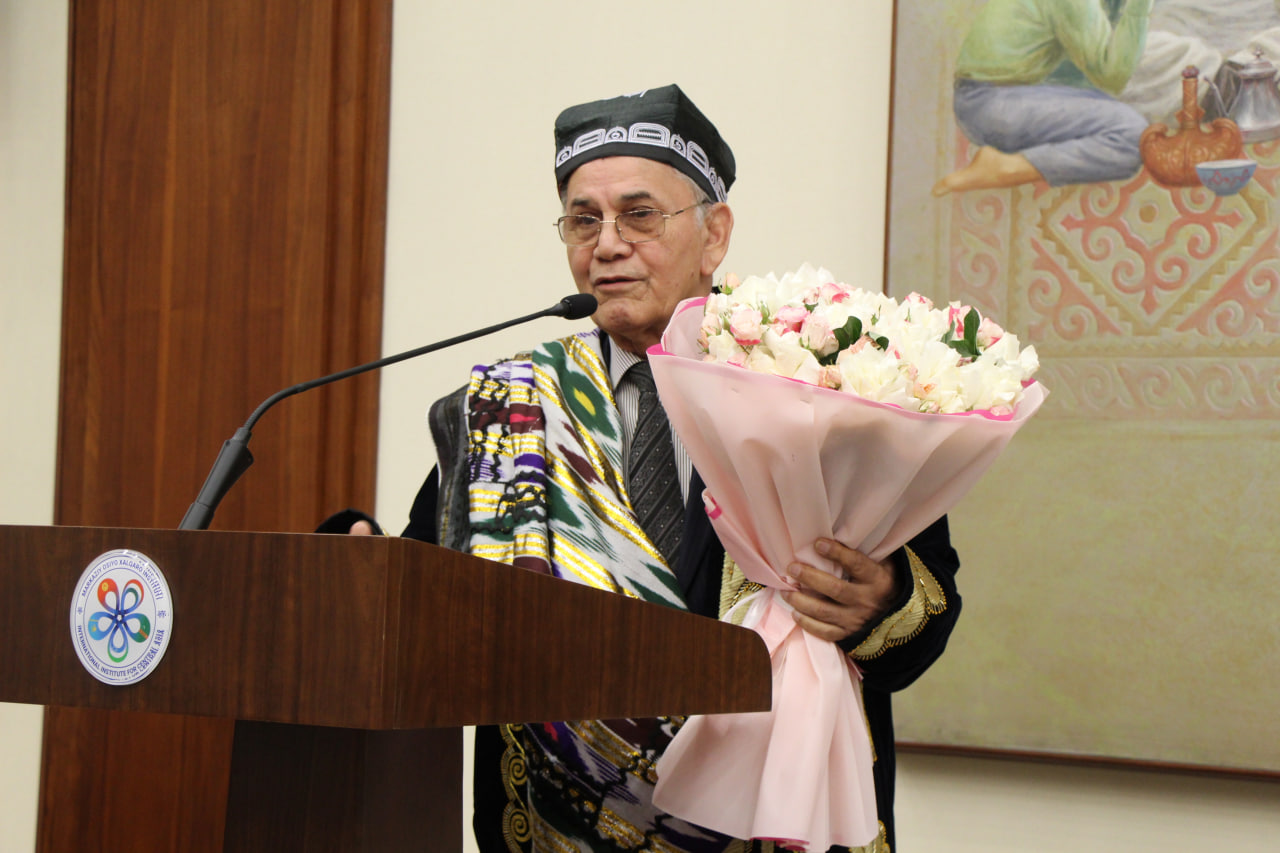
Aliakbar Abdullaev, Adviser to the Chairman of the Writers’ Union of Tajikistan, poet, and Director of the Literary Foundation of the Writers’ Union, also spoke about the poetic legacy of Jami and Navoi, quoting their verses in Tajik and Uzbek, which were met with warm applause.
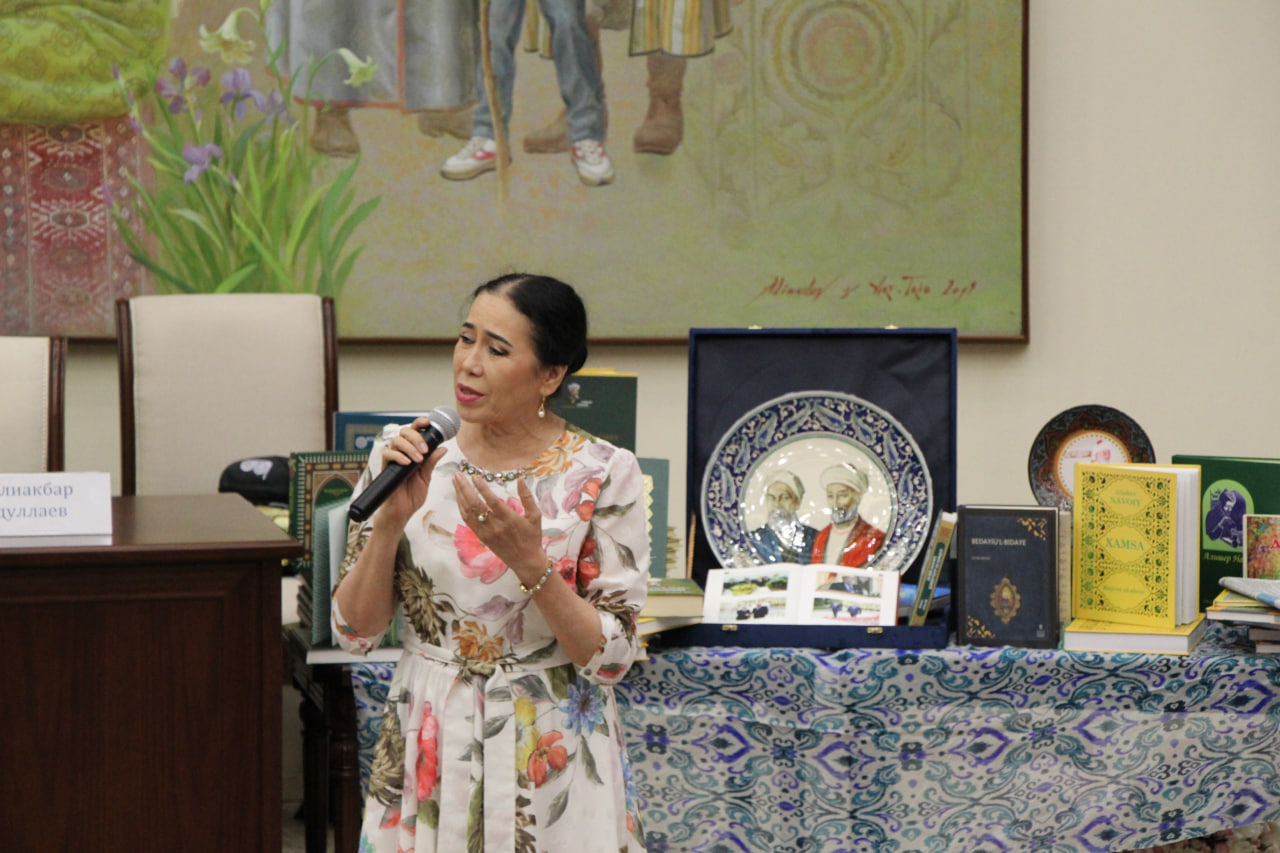
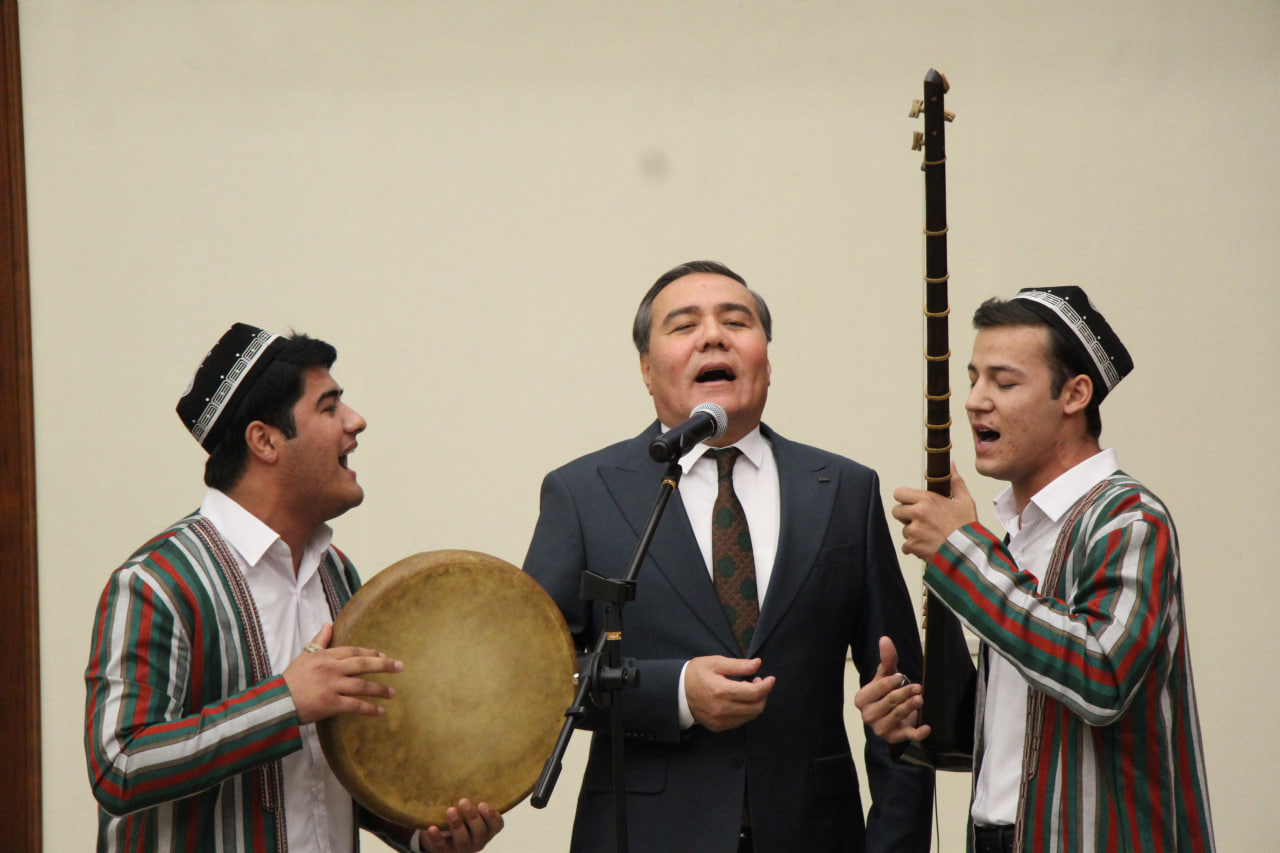
The event featured a cultural program, including a performance by Munojat Yulchieva—People’s Artist and Hero of Uzbekistan, and People’s Hafiz of Tajikistan—who presented the classical maqom composition “Karokuzim” set to Navoi’s poetry. The program also included “Ushshoq Sodiqkhon” by Abdurahman Jami, performed by Akbar Ibragimov, People’s Artist of Uzbekistan.
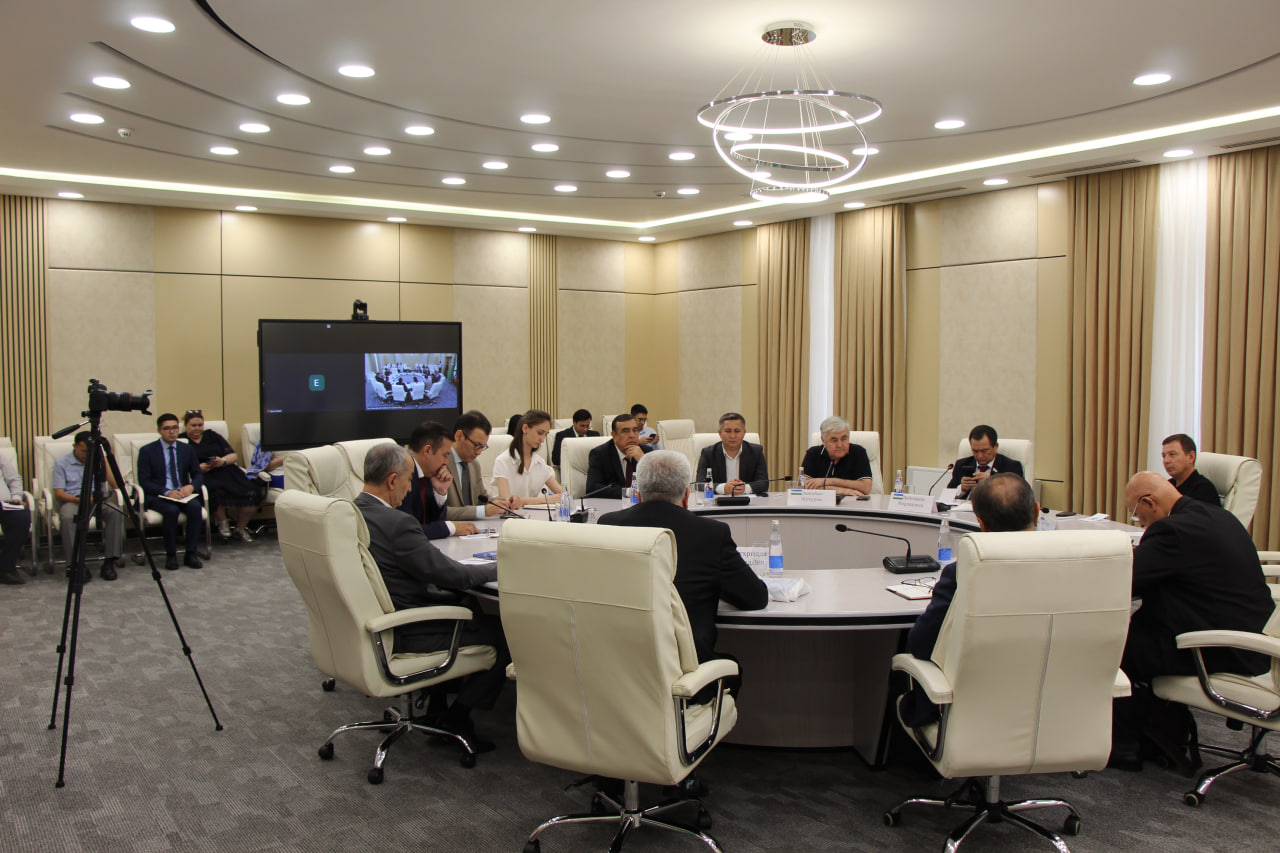
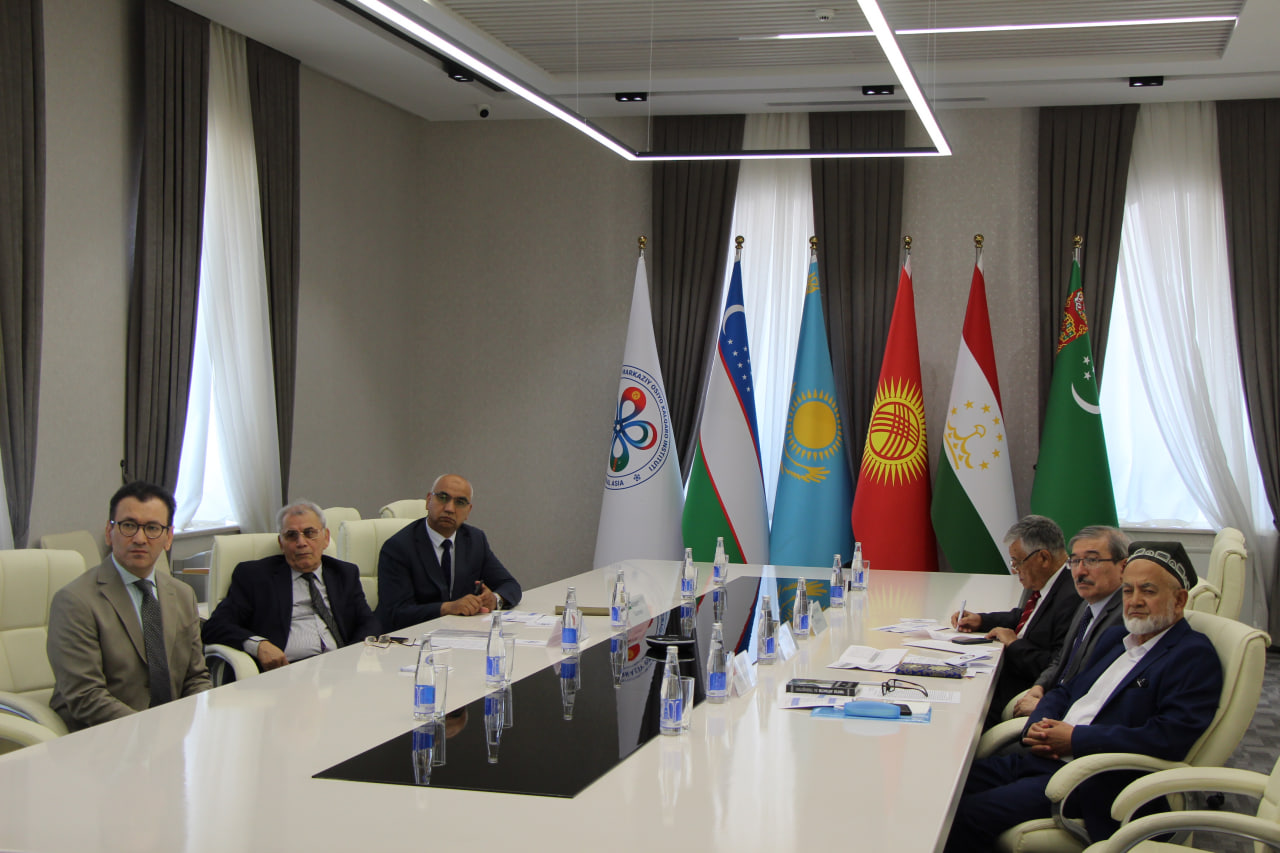
After the opening ceremony, plenary sessions followed, during which participants discussed the impact of Navoi and Jami’s ideas on the modern regional agenda. Special attention was given to their contribution to national identity, the development of humanitarian and cultural ties, and the strengthening of dialogue among the peoples of Central Asia.
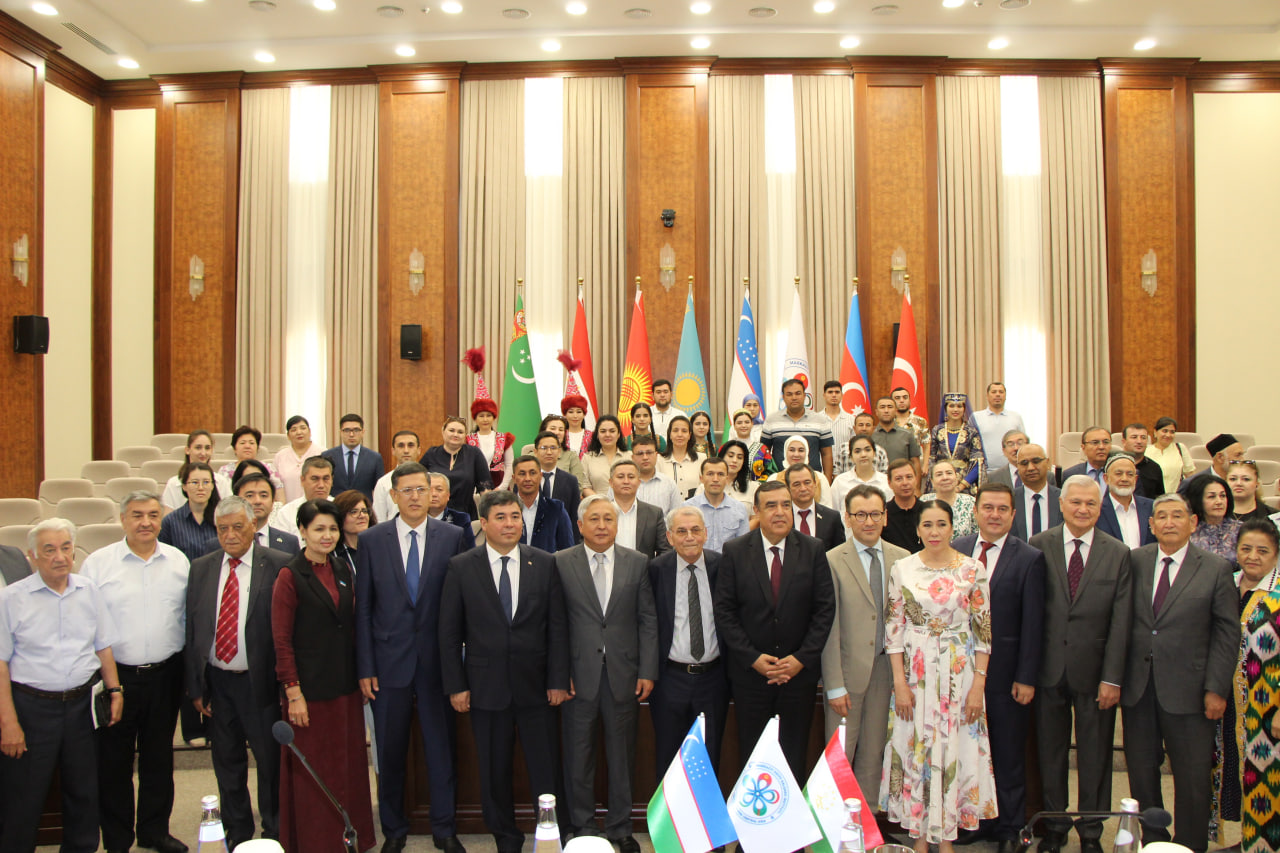
As a result of the in-depth discussions, the conference participants unanimously agreed: only by carefully preserving and developing our cultural and spiritual heritage, strengthening humanitarian exchanges, academic cooperation, and popularizing the works of Navoi and Jami among the youth, can we build lasting bridges of trust, mutual respect, and a shared regional identity. It was noted that such efforts are transforming Central Asia not just into the geographical center of Eurasia, but into a shining example of harmony, tolerance, and creativity—a space where cultural values become a strategic resource for the future.