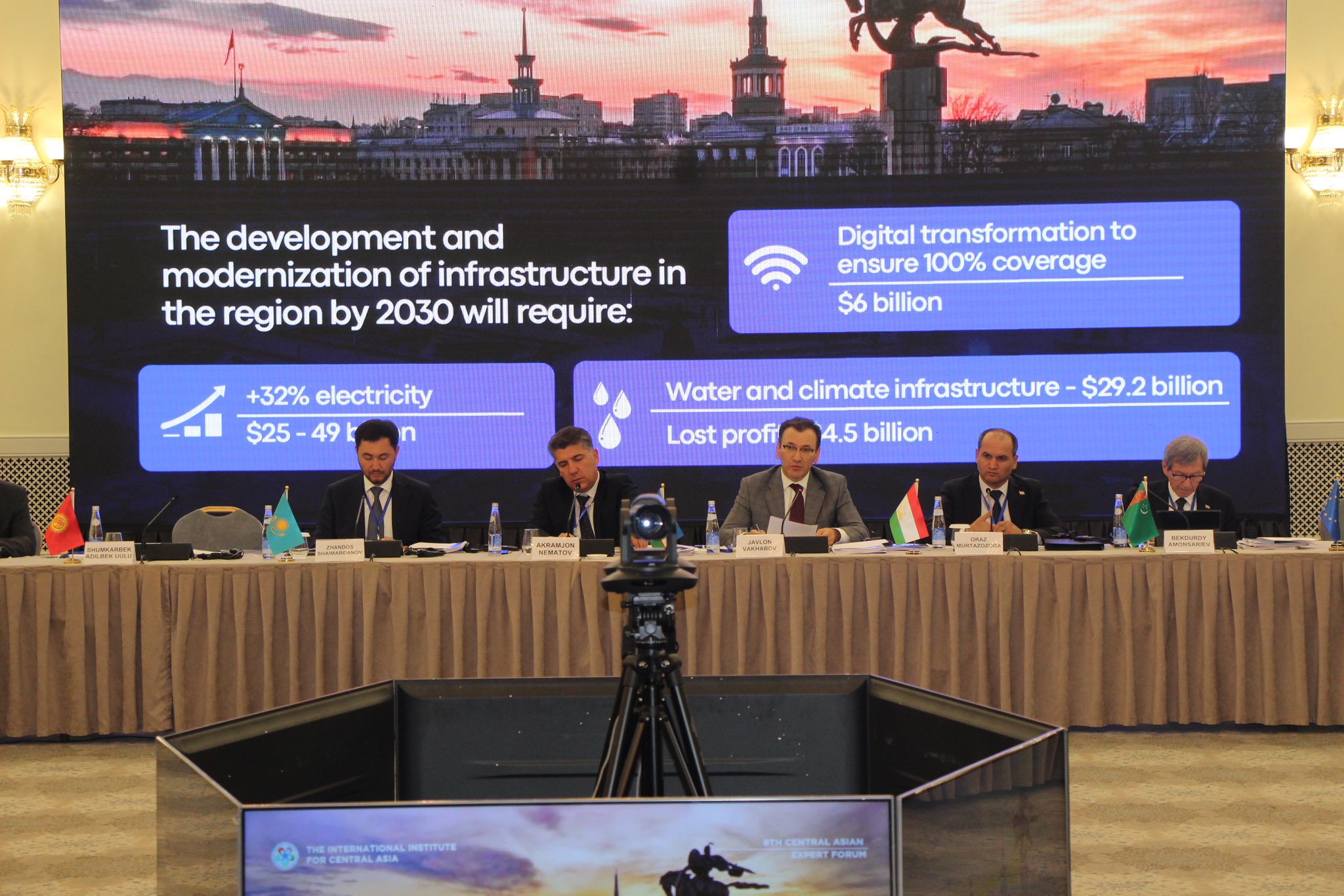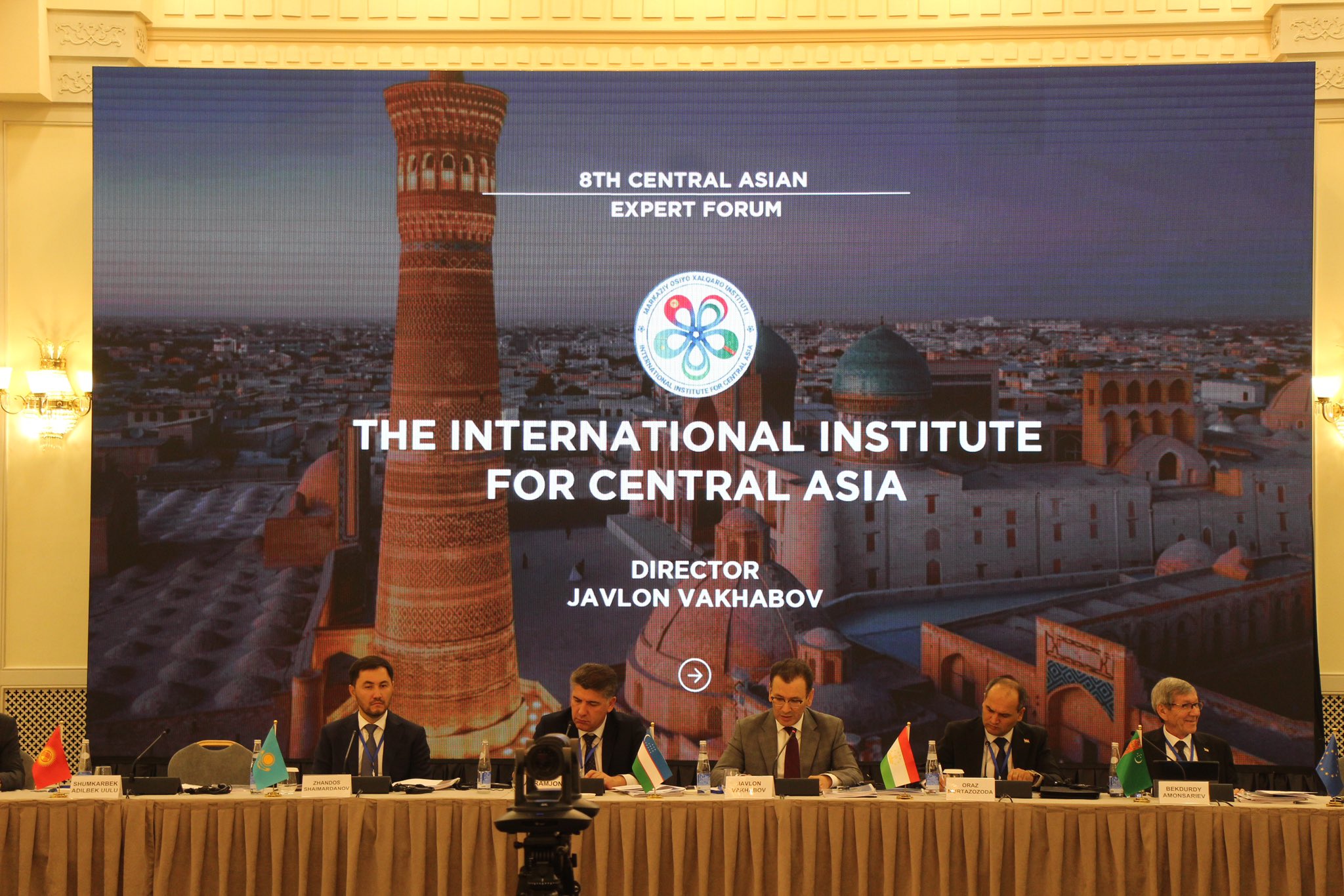
In his address, IICA Director Javlon Vakhabov underscored the importance of upgrading infrastructure, strengthening institutions, deepening regional integration, expanding engagement with external partners, and shaping a practical sense of regional identity.
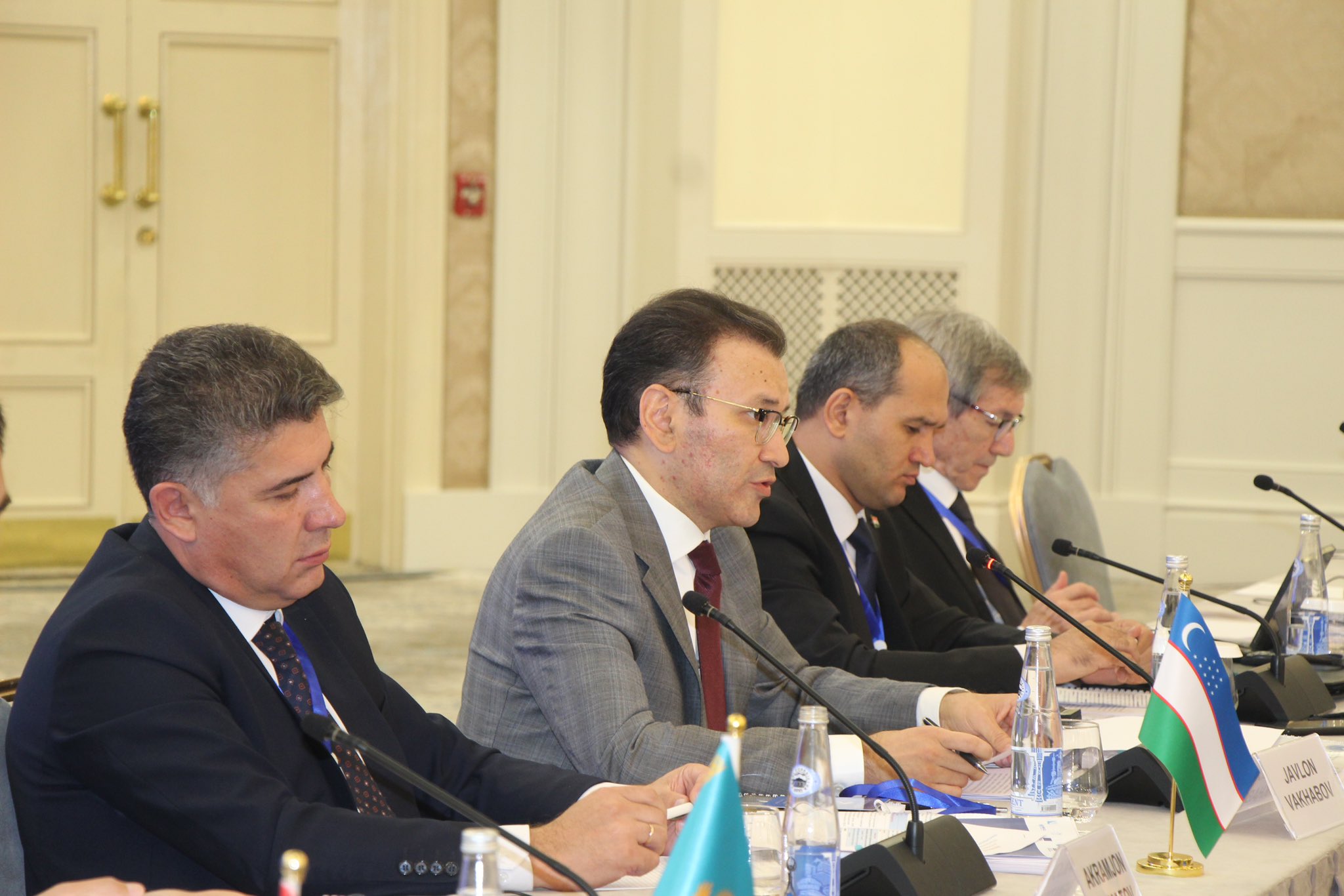
He noted that Central Asian countries need to focus efforts on modernizing energy, water, and transport systems. By 2030, regional energy demand is projected to rise by roughly 32%, requiring up to $49 billion in investment, while cross-border electricity trade currently covers only about 2.5% of demand. At the same time, insufficient cooperation in the water-energy nexus already costs the region more than $4.5 billion annually, whereas more effective resource management could yield benefits exceeding $60 billion.
On the economic track, Javlon Vakhabov emphasized that building a common economic space in Central Asia—though conceptually ambitious—is achievable. Any new arrangements, he stressed, must respect existing commitments within other regional frameworks; a pragmatic first step is to simplify transit and harmonize rules. This approach would allow deeper cooperation without breaching current international obligations.
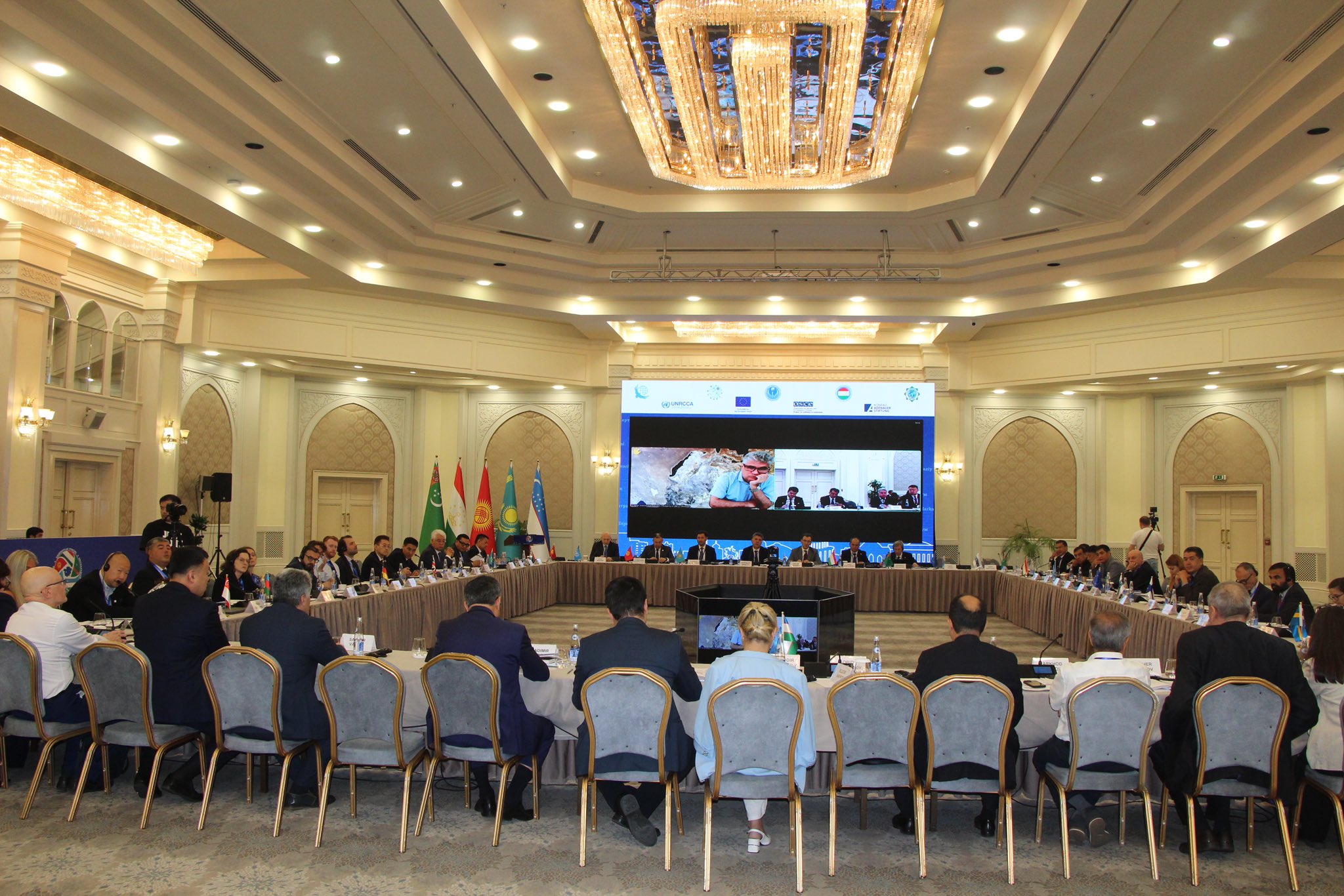
Addressing security, the IICA Director reaffirmed that regional stability is a shared responsibility that demands closer coordination amid global tensions, armed conflicts, terrorism, and transnational crime. While regular meetings of national security advisers and intelligence chiefs are already in place, he called for broader practical cooperation, including on emergency response, counter-narcotics, prevention of radicalization, and coordination among defence and border agencies.
Concluding, Javlon Vakhabov highlighted the importance of cultivating a regional identity grounded not only in shared history and culture, but—above all—in tangible benefits for citizens: expanded people-to-people links, education and tourism, a more integrated labour market, and stronger social protections. Such an identity, he noted, should instill pride in belonging to the region while fully complementing—never diminishing—national and civic identities that underpin stability and sustainable development.