The event was organized jointly with the Washington-based Caspian Policy Center and the Heritage Foundation, in partnership with the American-Uzbekistan Chamber of Commerce, the U.S.-Kyrgyzstan Business Council, and the U.S.-Tajikistan Business Council.
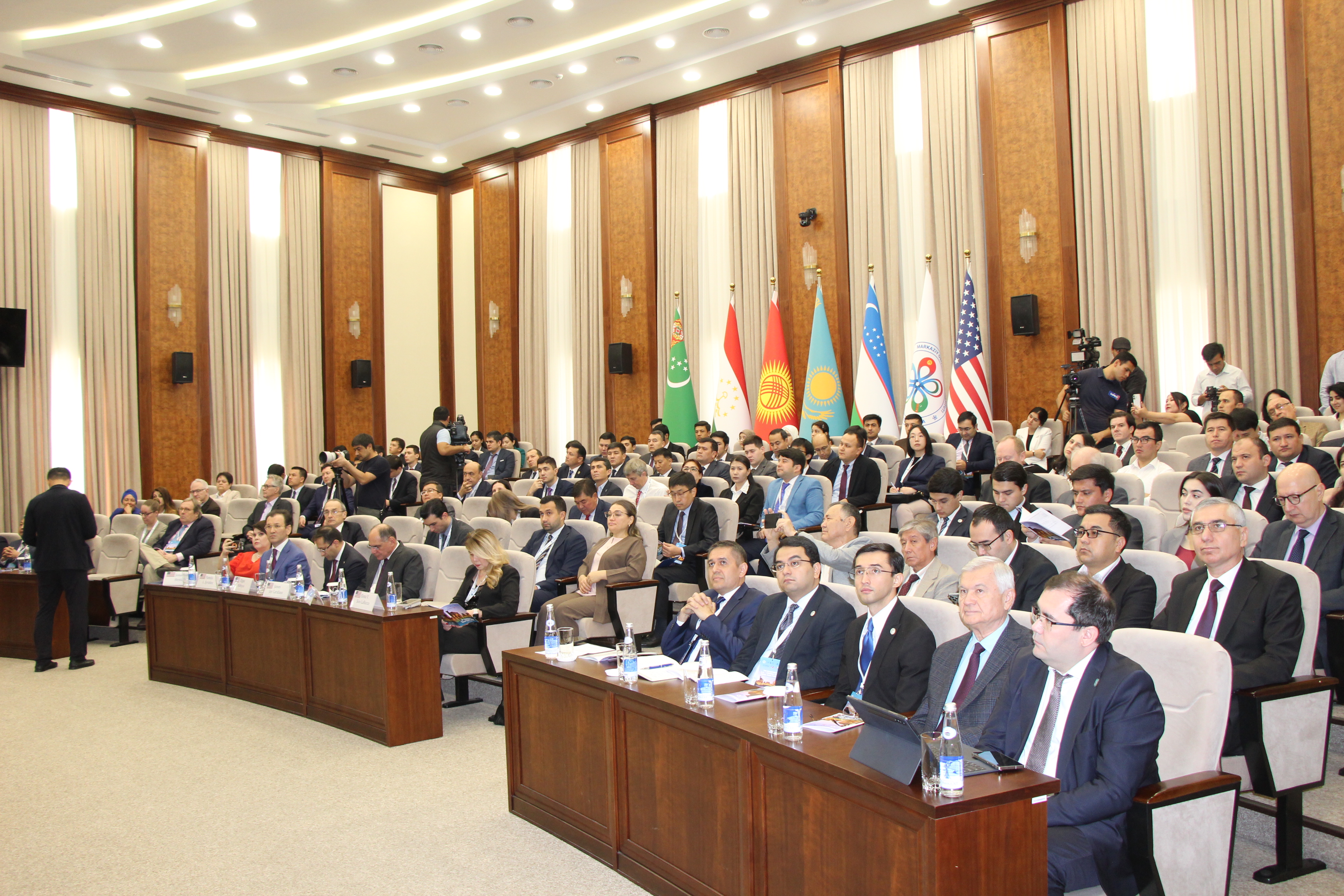
The forum brought together more than 120 participants, including heads and members of diplomatic missions, leaders of prominent think tanks and research institutes from the United States and Central Asia, representatives of ministries and agencies, as well as members of the American business community based in Uzbekistan.
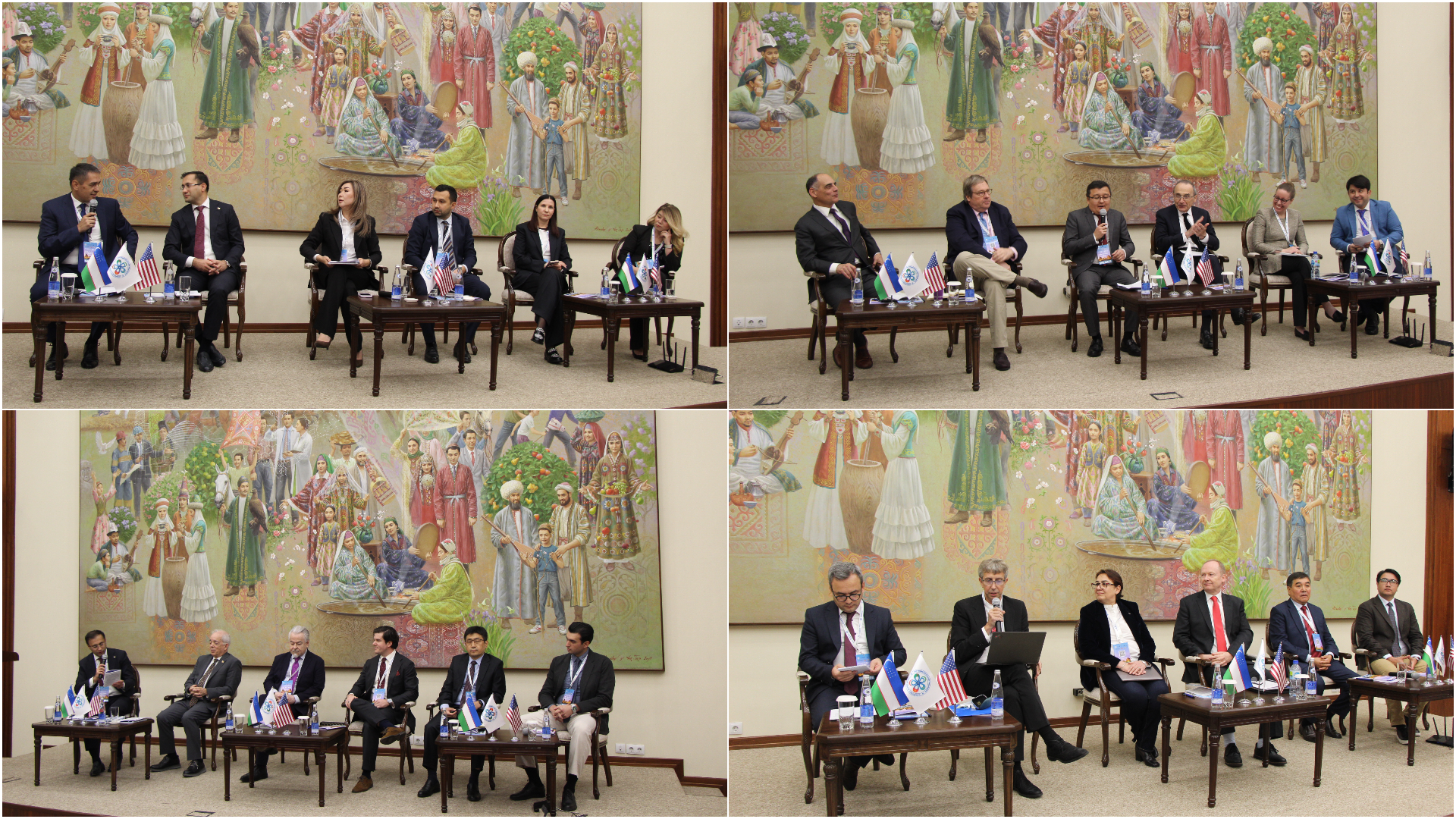
Discussions focused on strengthening regional security and resilience, joint actions within the C5+1 Working Group on counterterrorism, extremism, and transnational crime, as well as measures to enhance regional and interregional connectivity. Among the topics highlighted were the development of the Middle Corridor, expansion of digital and energy infrastructure, attraction of foreign direct investment, and deepening cooperation with U.S. and international financial institutions.
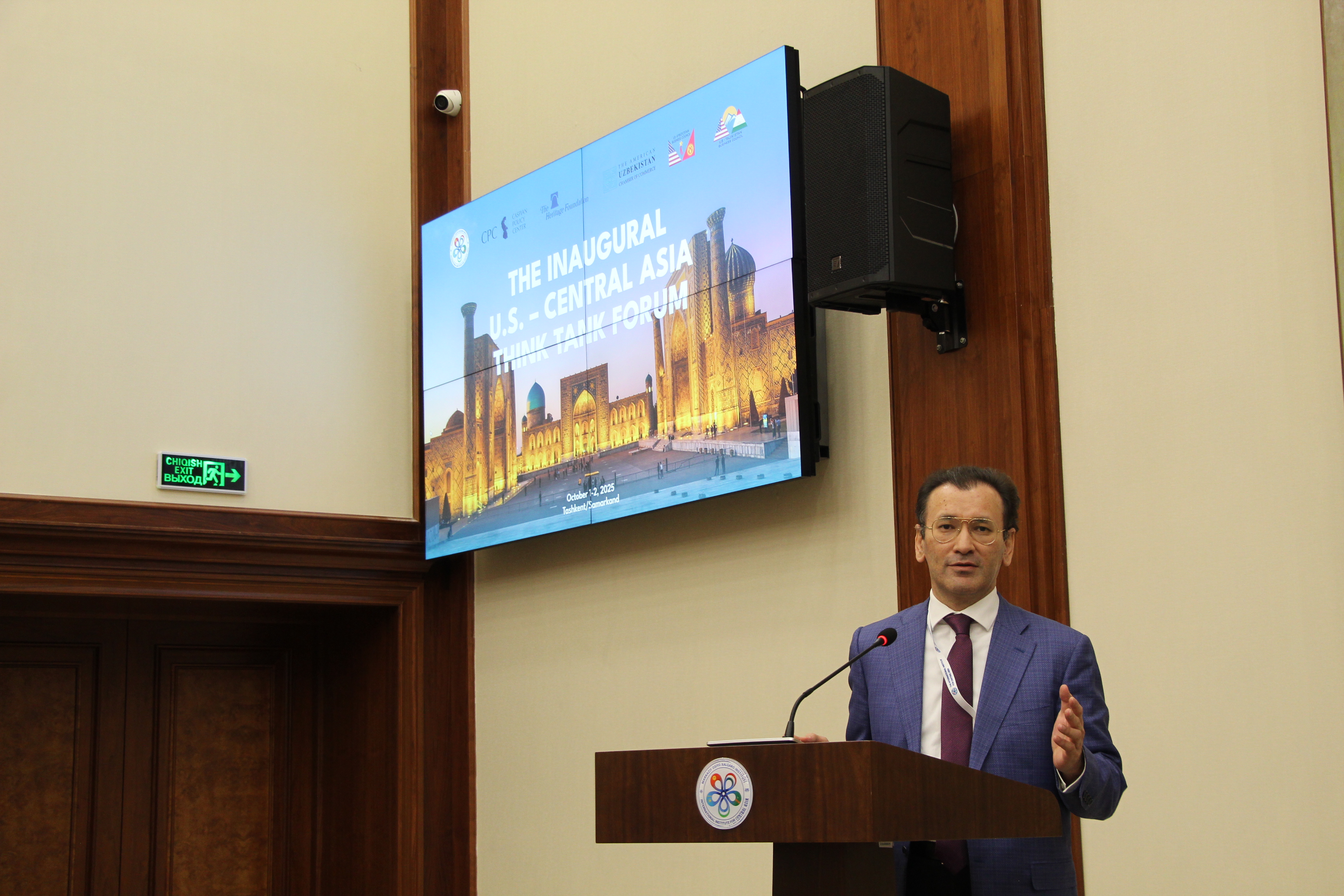
In his opening remarks, Javlon Vakhabov, Director of the International Institute for Central Asia, underscored the importance of President Shavkat Mirziyoyev’s recent historic visit to the United States and his meeting with President Donald Trump, during which the two leaders discussed strengthening political dialogue and expanding trade and investment ties.
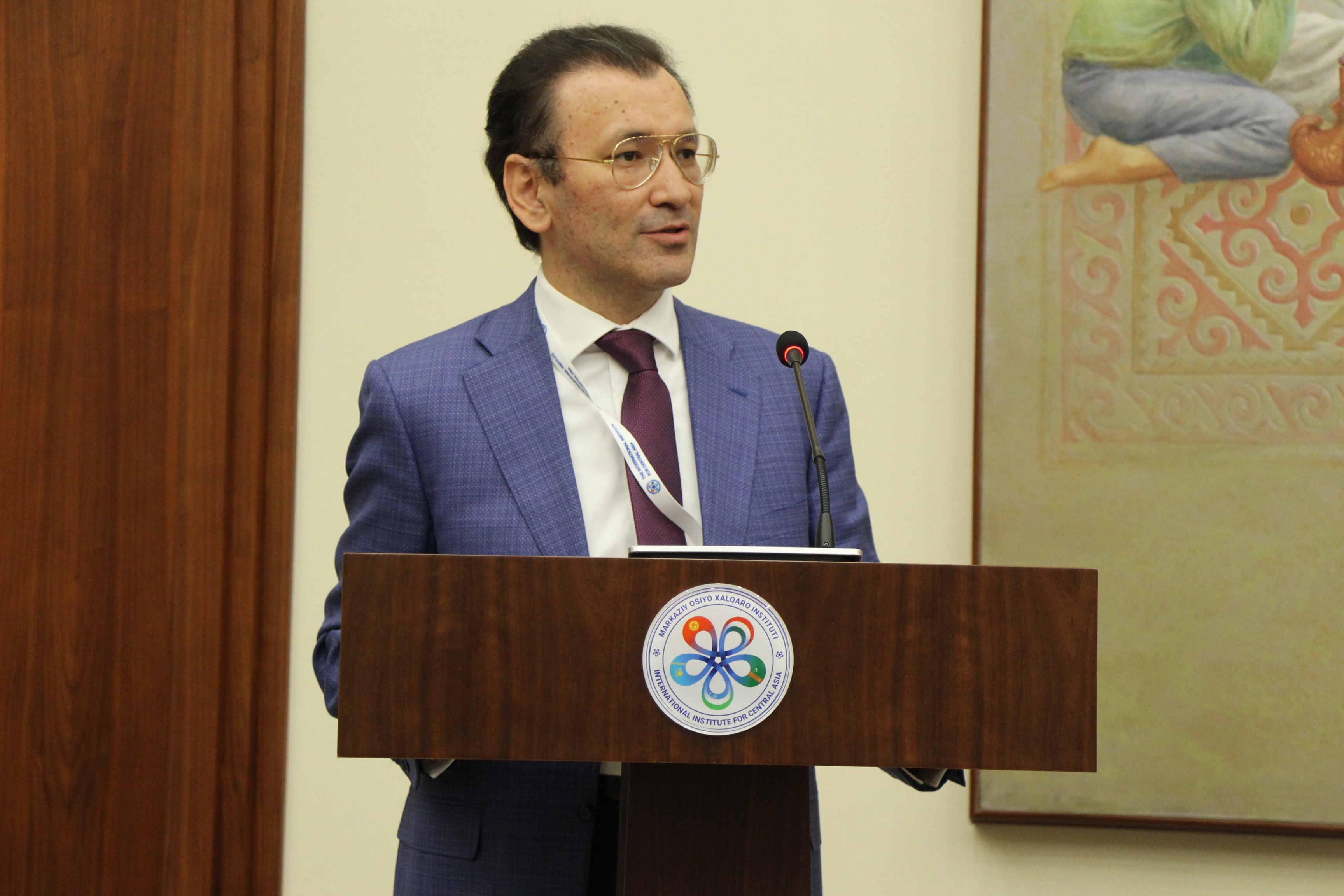
Opening the event, Ambassador Vakhabov stressed that this was the first gathering of U.S. and Central Asian think tanks in such a format, underscoring the growing importance of the C5+1 and the value of joint efforts in achieving practical results. According to him, such forums play a key role in enriching the agenda of high-level political dialogue.
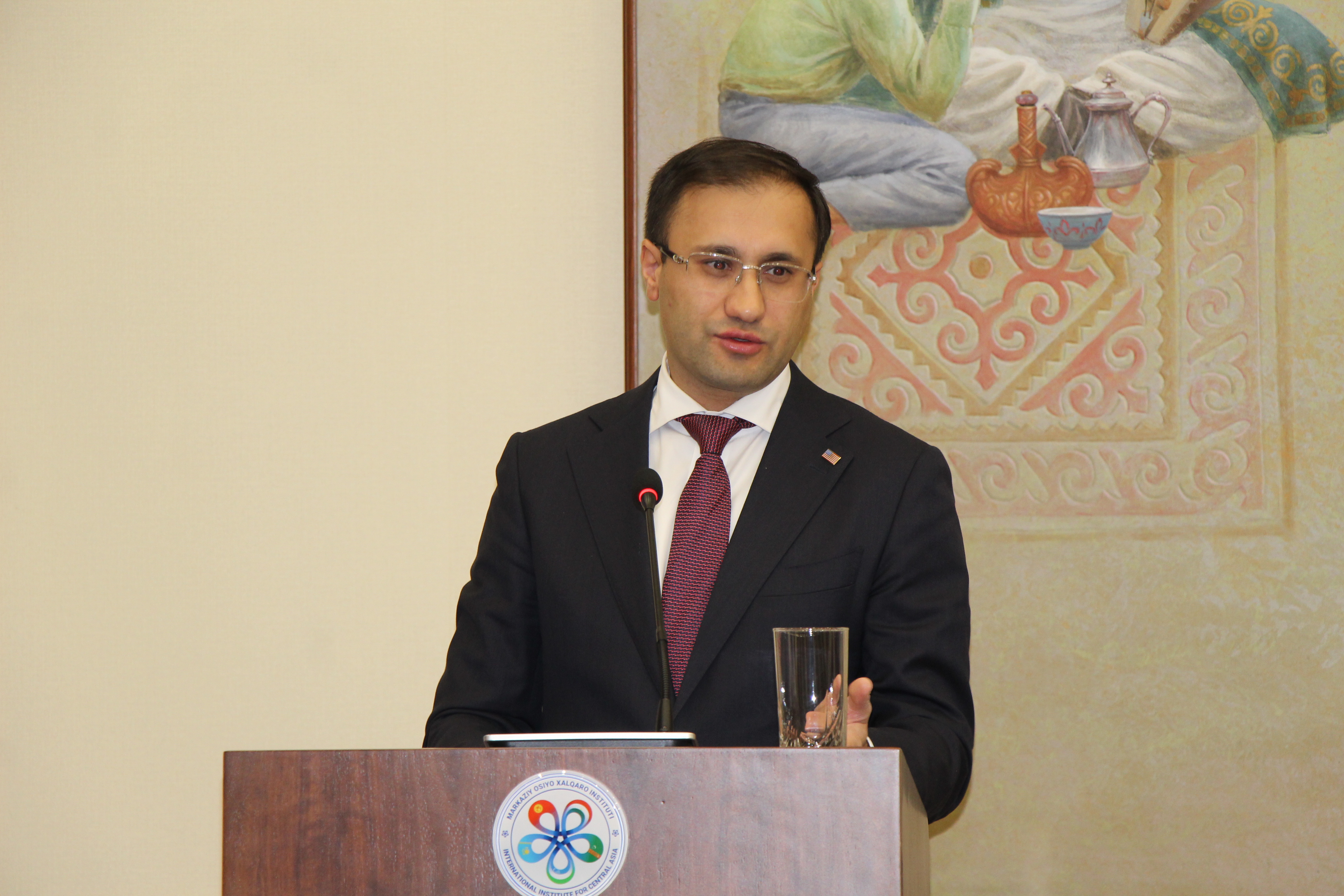
Efgan Nifti, Director of the Caspian Policy Center, emphasized that the Central Asia–U.S. partnership will continue successfully and that think tanks will play a pivotal role in deepening cooperation between the two sides.
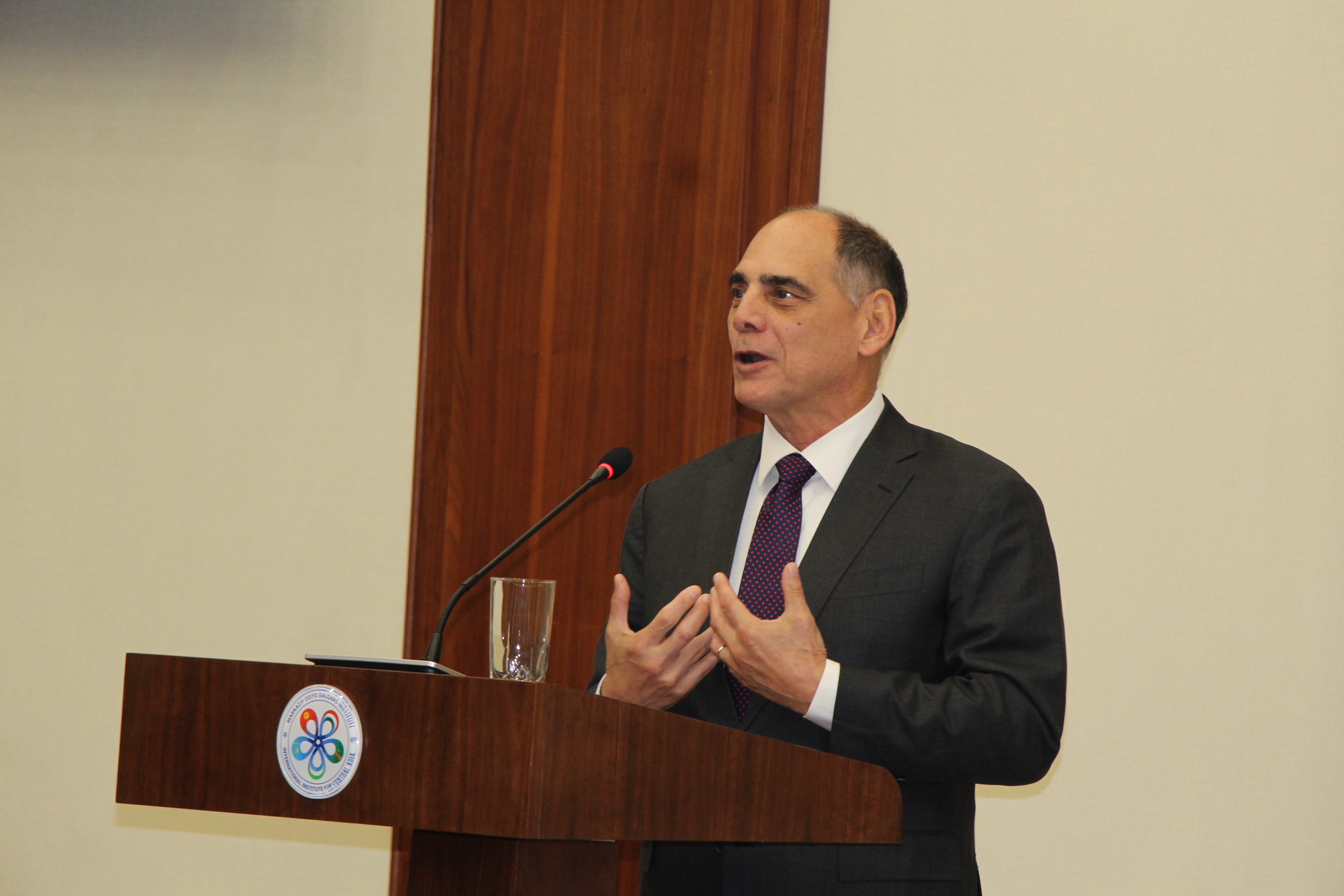
James Carafano, Senior Counselor to the President of the Heritage Foundation, noted that the C5+1 is an essential platform for Central Asia, enabling the countries of the region not only to strengthen their independence and integration but also to demonstrate leadership, implement ambitious strategic projects, and showcase their growing global significance.
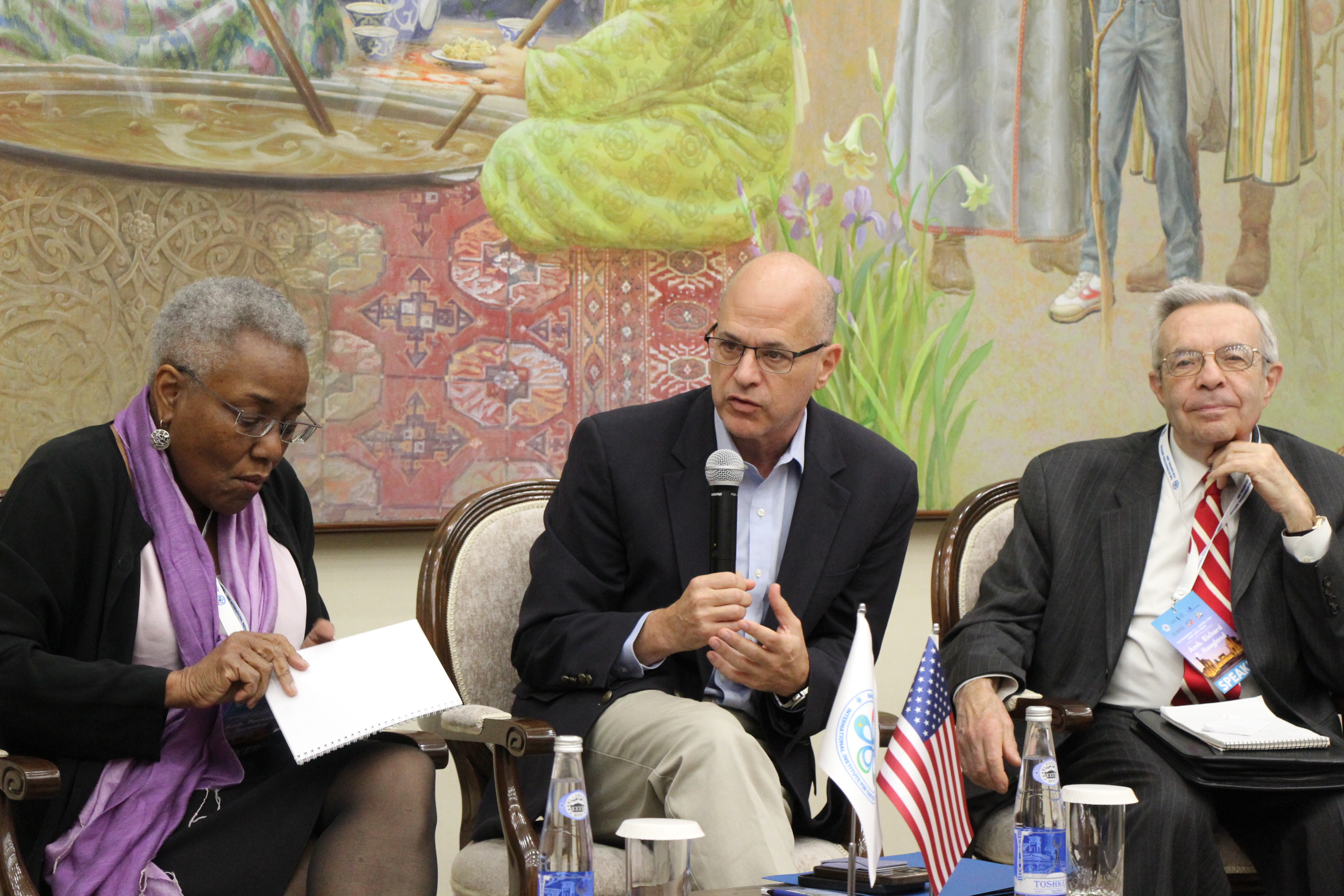
U.S. Ambassador to Uzbekistan Jonathan Henick highlighted that the C5+1 is more than just a diplomatic platform—it is a genuine community of six nations united by the pursuit of prosperity and peace. He recalled that the “seeds” of this cooperation were planted ten years ago in Samarkand and are now bearing fruit in the form of trust, cooperation, and a shared vision of the future.
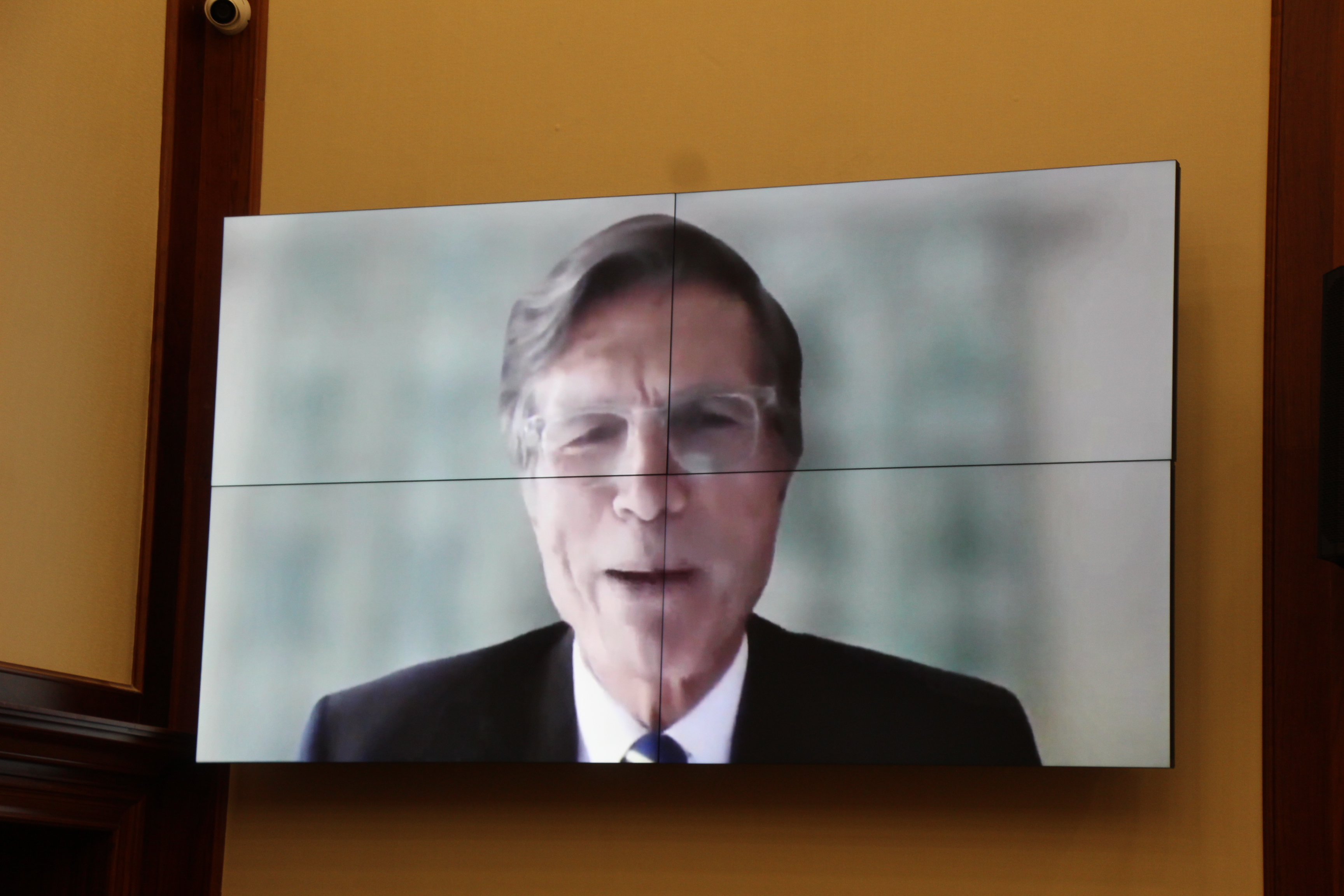
Former U.S. Assistant Secretary of State for South and Central Asian Affairs Robert Blake underlined that President Mirziyoyev’s policy of good-neighborliness is giving special momentum to regional cooperation. He also pointed out the historic importance of recently signed border demarcation agreements with Tajikistan and Kyrgyzstan, which open new opportunities for trust and sustainable interaction across the region.
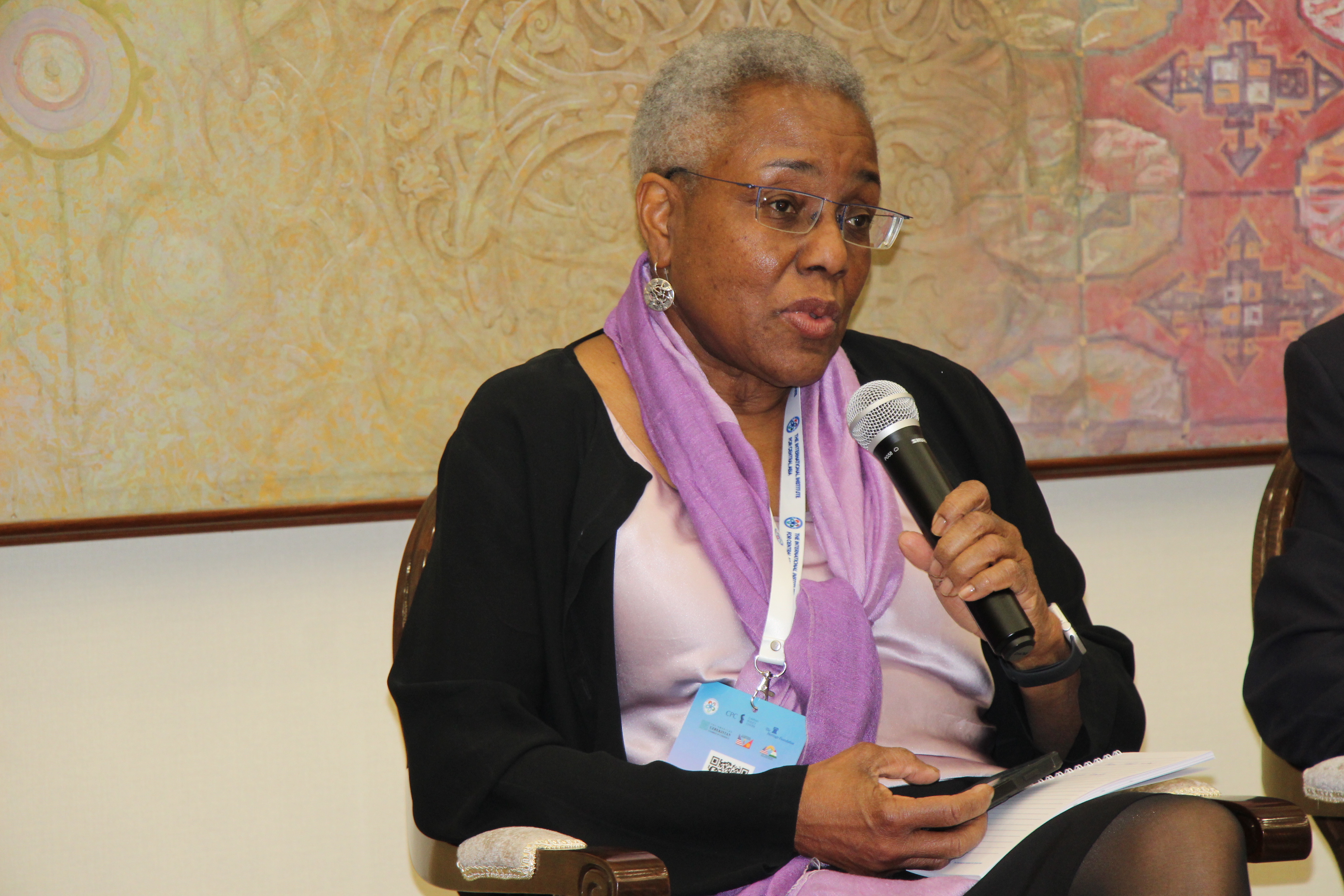
Pamela Spratlen, former U.S. Ambassador to Uzbekistan, noted that President Mirziyoyev’s recent historic meeting with President Trump further strengthened mutual trust between the two countries and laid a solid foundation for deepening their strategic partnership.
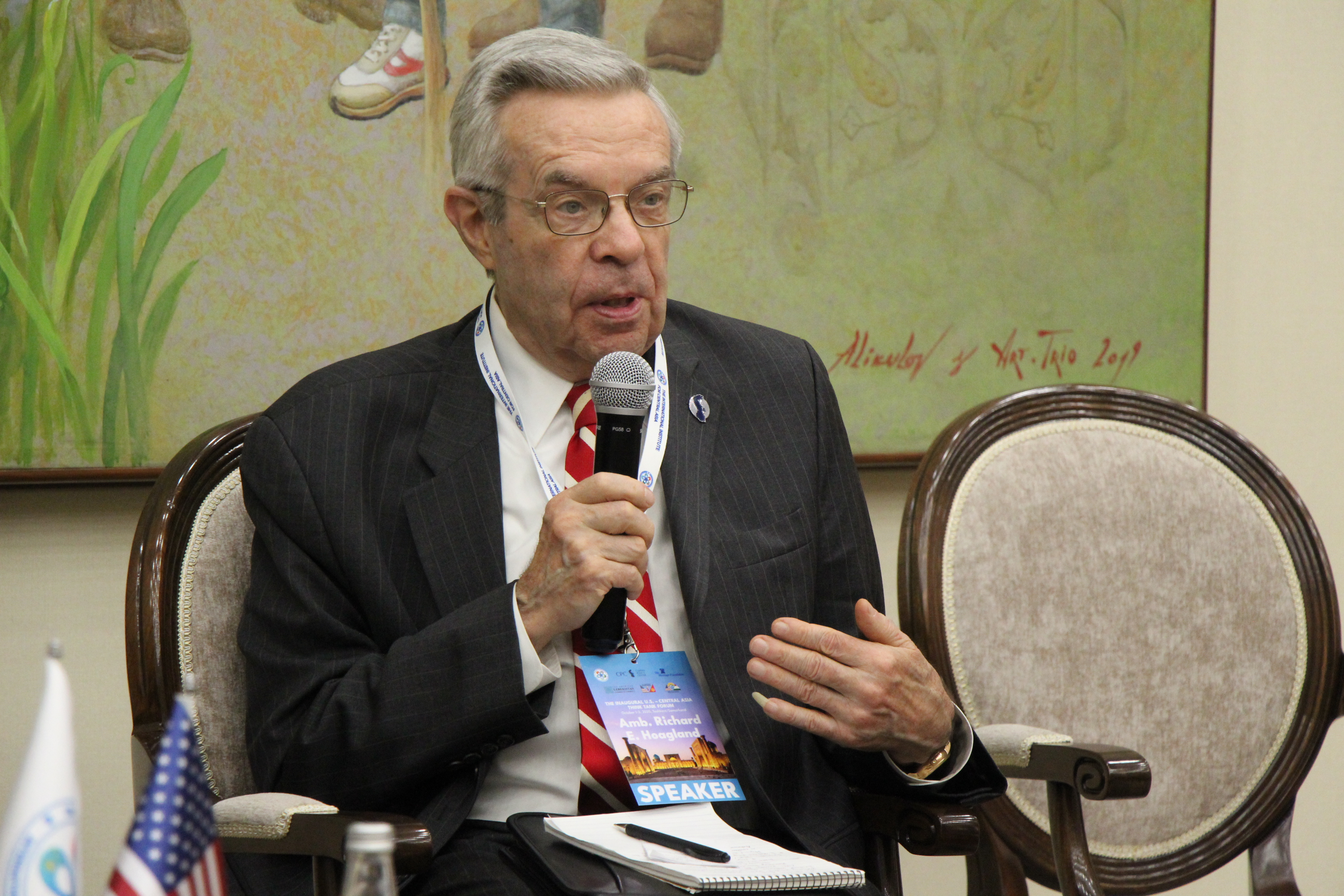
Richard Hoagland, former U.S. Ambassador to Kazakhstan and Tajikistan, emphasized that the C5+1 has become a unique platform enabling Central Asian nations to speak with one voice, amplify their influence internationally, and build a solid foundation for addressing issues of security, trade, and regional resilience.
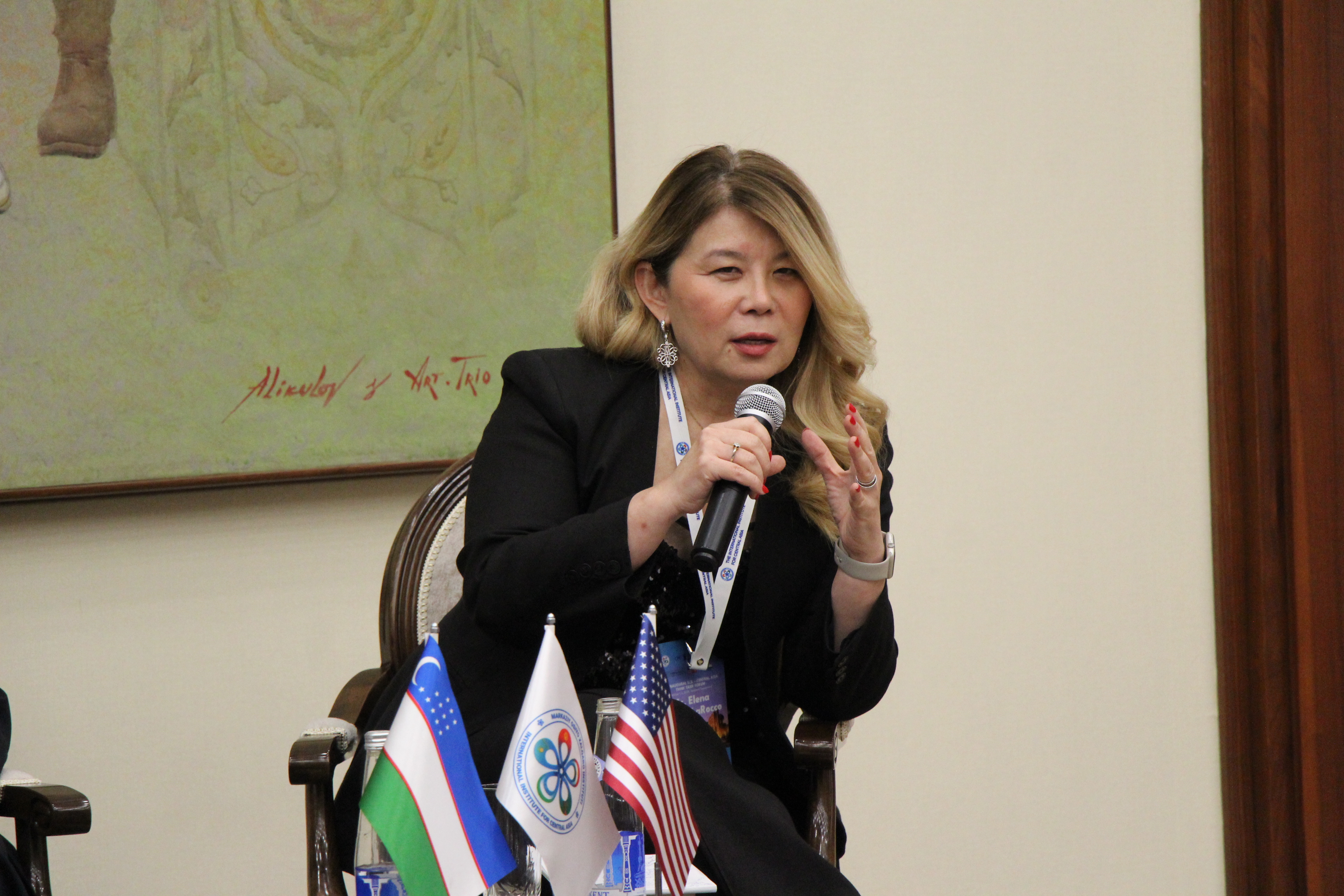
Elena Son, Executive Director of the American-Uzbekistan Chamber of Commerce (AUCC), the U.S. - Kyrgyzstan Business Council (USKGZBC), and the U.S.-Tajikistan Business Council (USTJBC), stressed that the “talking phase” between American business and Central Asian countries is over: the time has come for serious, substantive engagement. She highlighted that discussions are now shifting to complex and strategic matters such as tariff policies, trade rules, and regulatory frameworks.
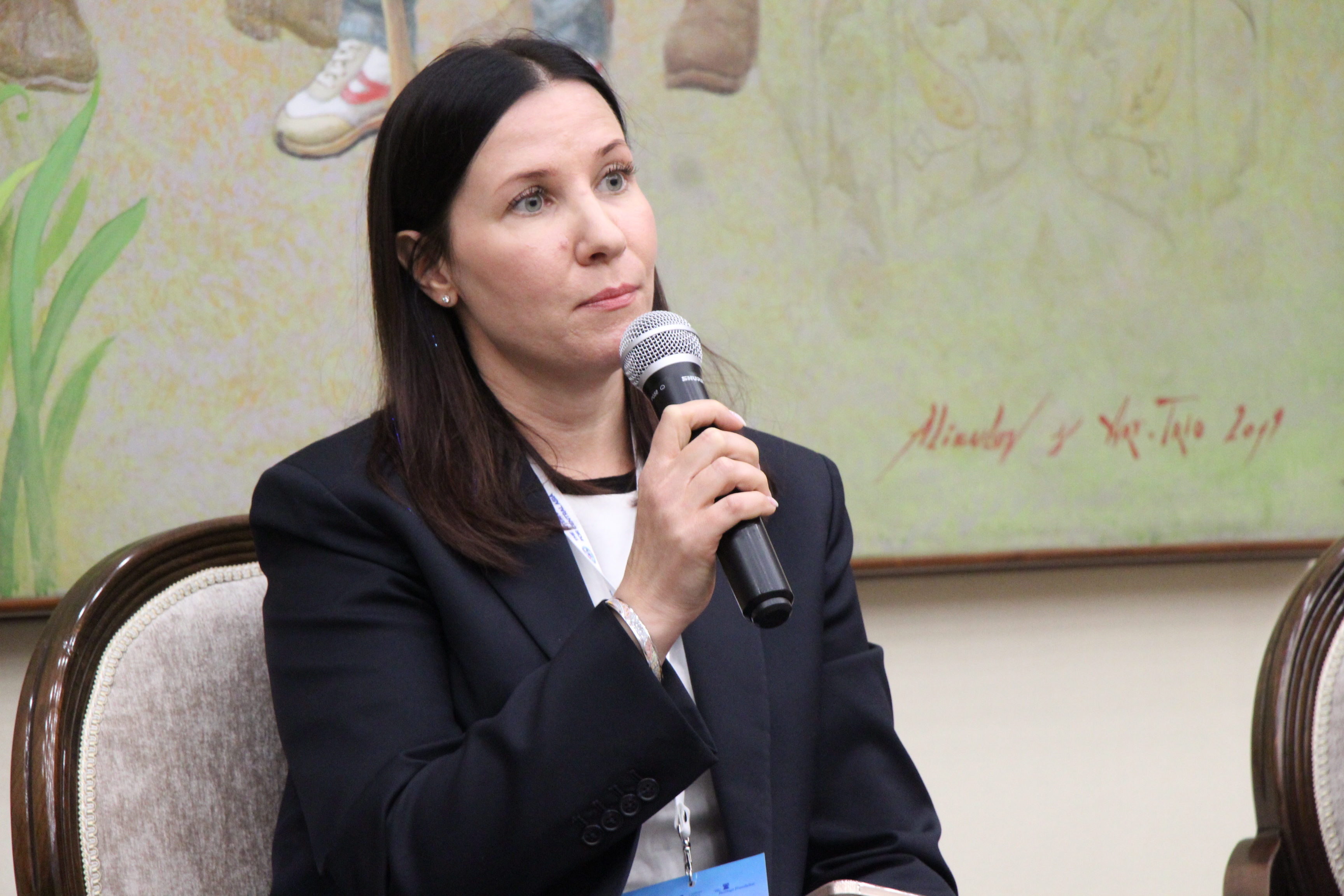
Natalie Andriyevskaya, General Director of Blue Bell Shipping in Kazakhstan and Uzbekistan, emphasized that the development of the Central Asian transport sector requires not only investments in infrastructure such as railways and highways but also harmonization of legislation, common standards, and digitalization—all aimed at strengthening regional connectivity.
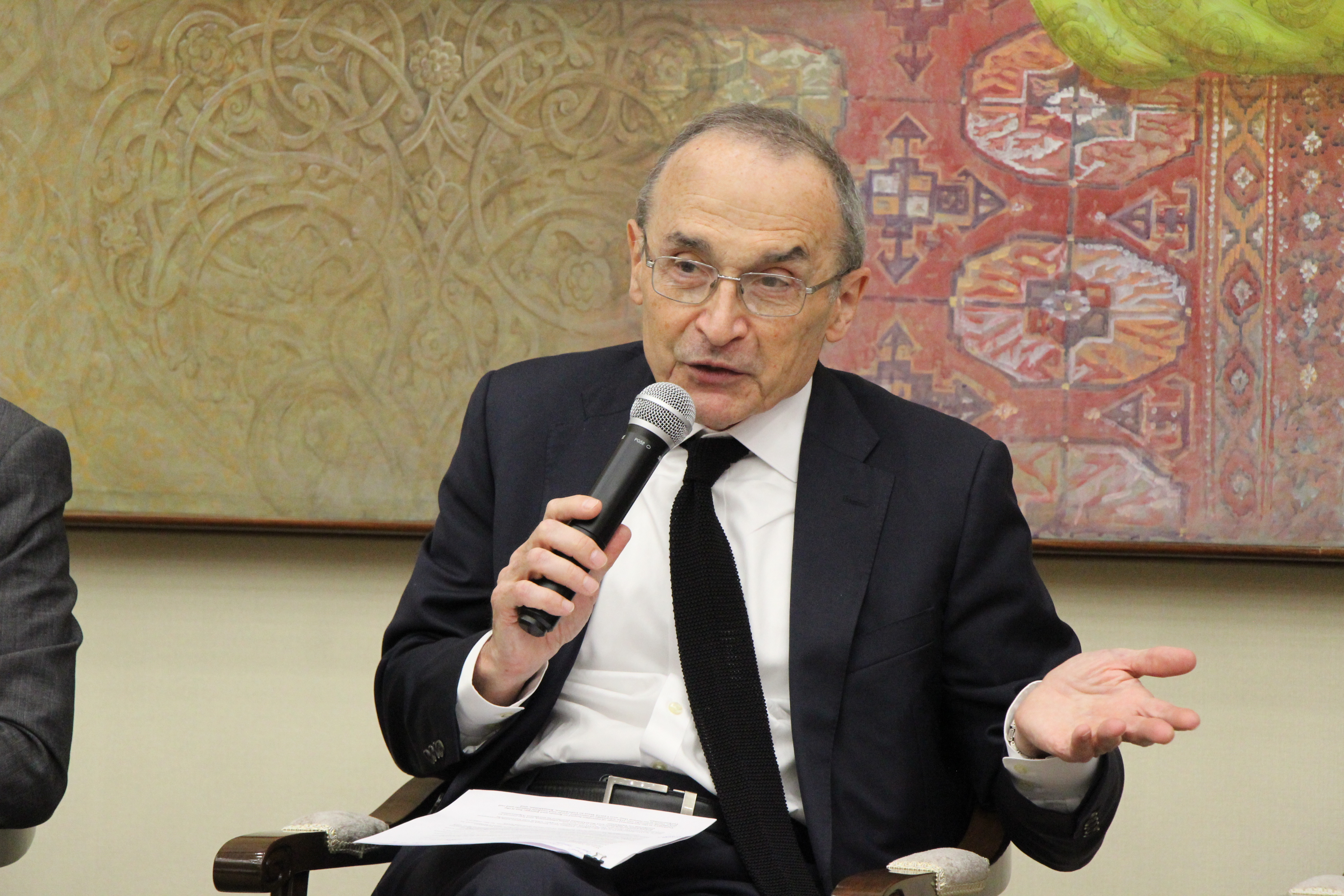
James Durso, columnist for the U.S. publication The Hill, highlighted the importance of Central Asia’s multi-vector transport strategy, which is transforming the region into a key hub of Eurasian connectivity. He pointed to projects such as the Middle Corridor, the Trans-Afghan route, and the China-Kyrgyzstan-Uzbekistan railway as opening new opportunities for trade expansion, diversification, and strengthening the region’s strategic role in global logistics.
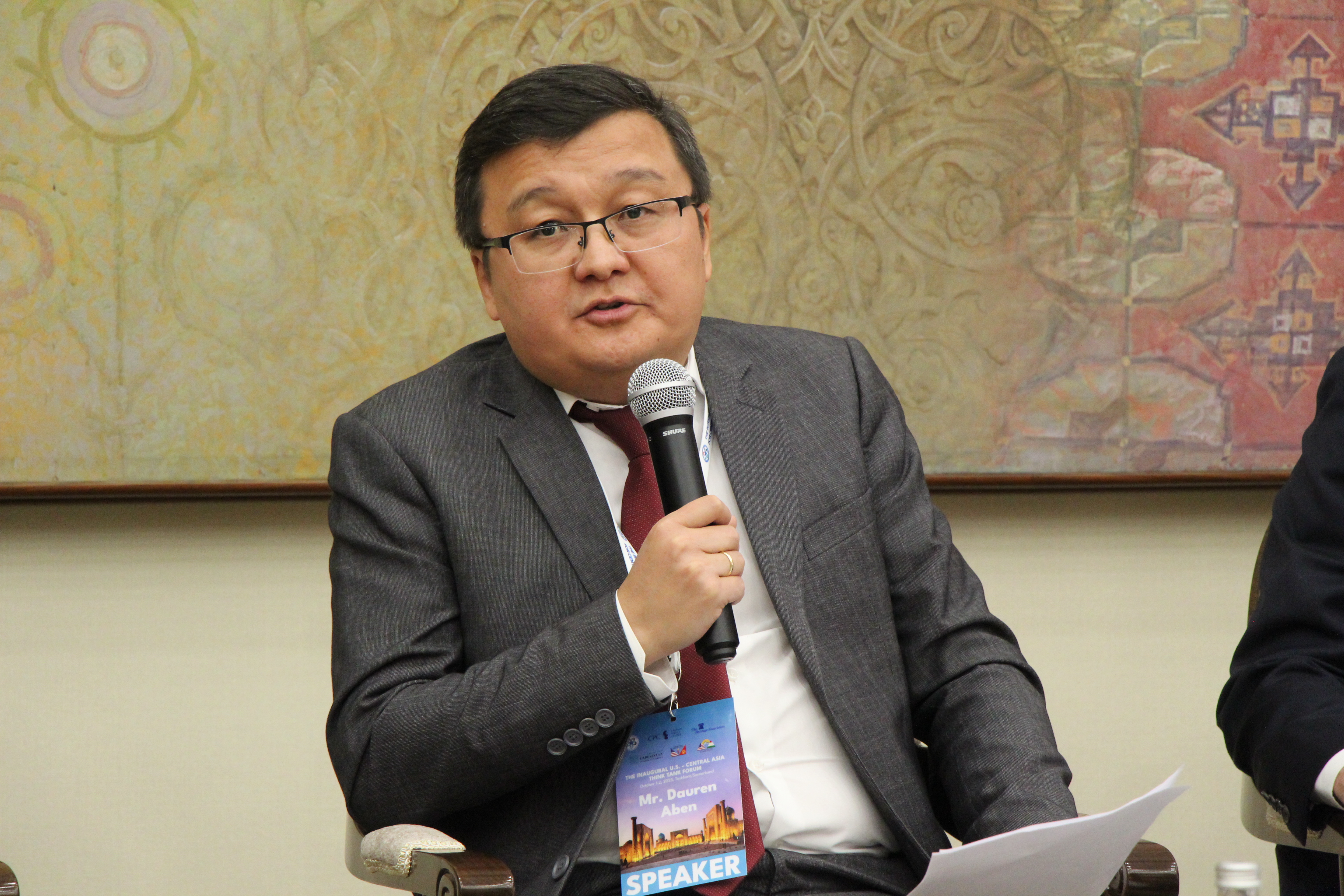
Dauren Aben, Head of the International Security Department of the Kazakhstan Institute for Strategic Studies (KISI), noted that Central Asia is entering a new era of openness and connectivity, with cooperation with the U.S. providing strategic depth and sustainability to this process.
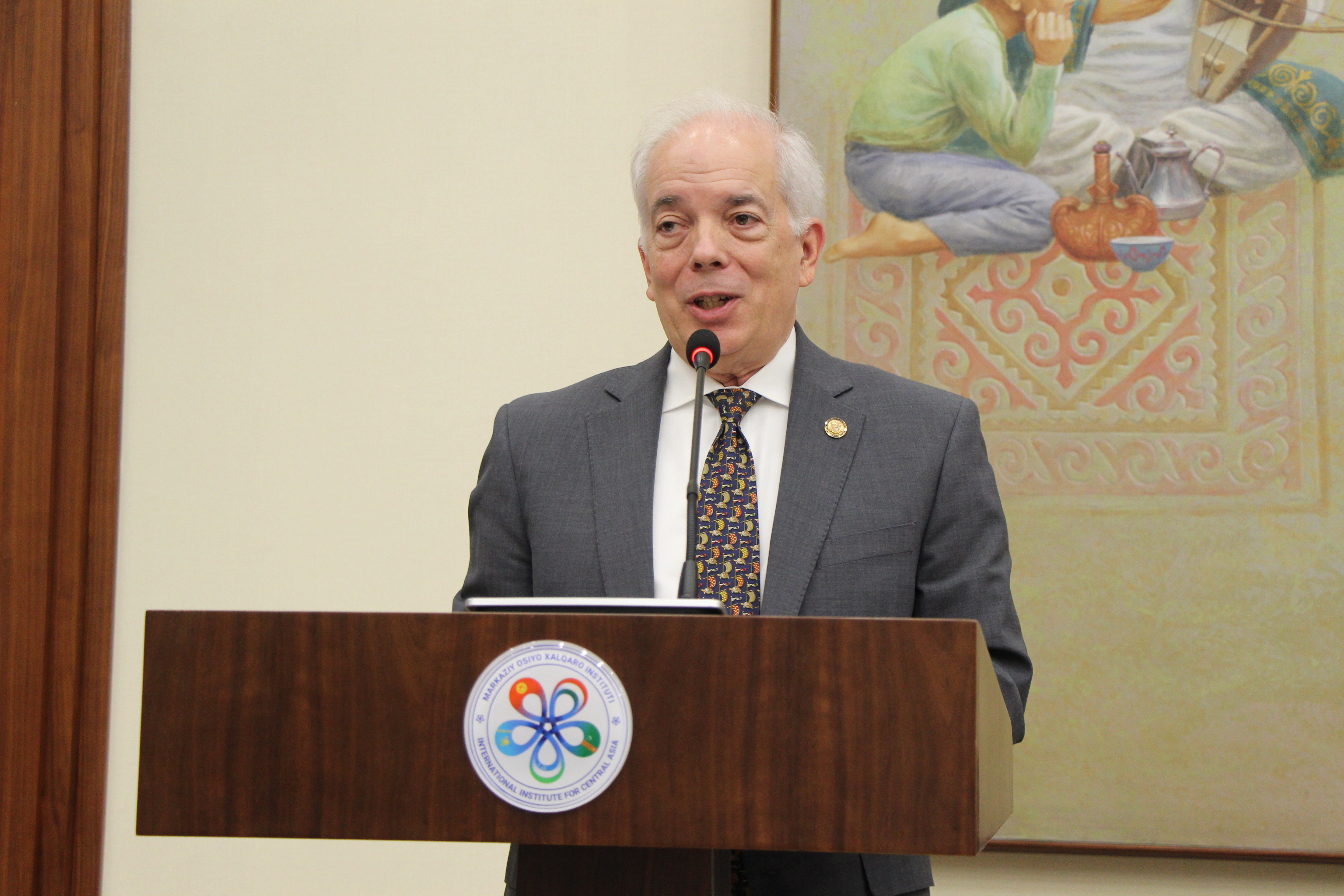
Eric Rudenshiold, Senior Fellow at the Caspian Policy Center and former Director for Central Asia at the U.S. National Security Council, emphasized that the true potential of Central Asia lies not in raw mineral extraction but in processing industries. He cited the example of lithium ore, which, once processed into lithium carbonate for batteries, multiplies in value.
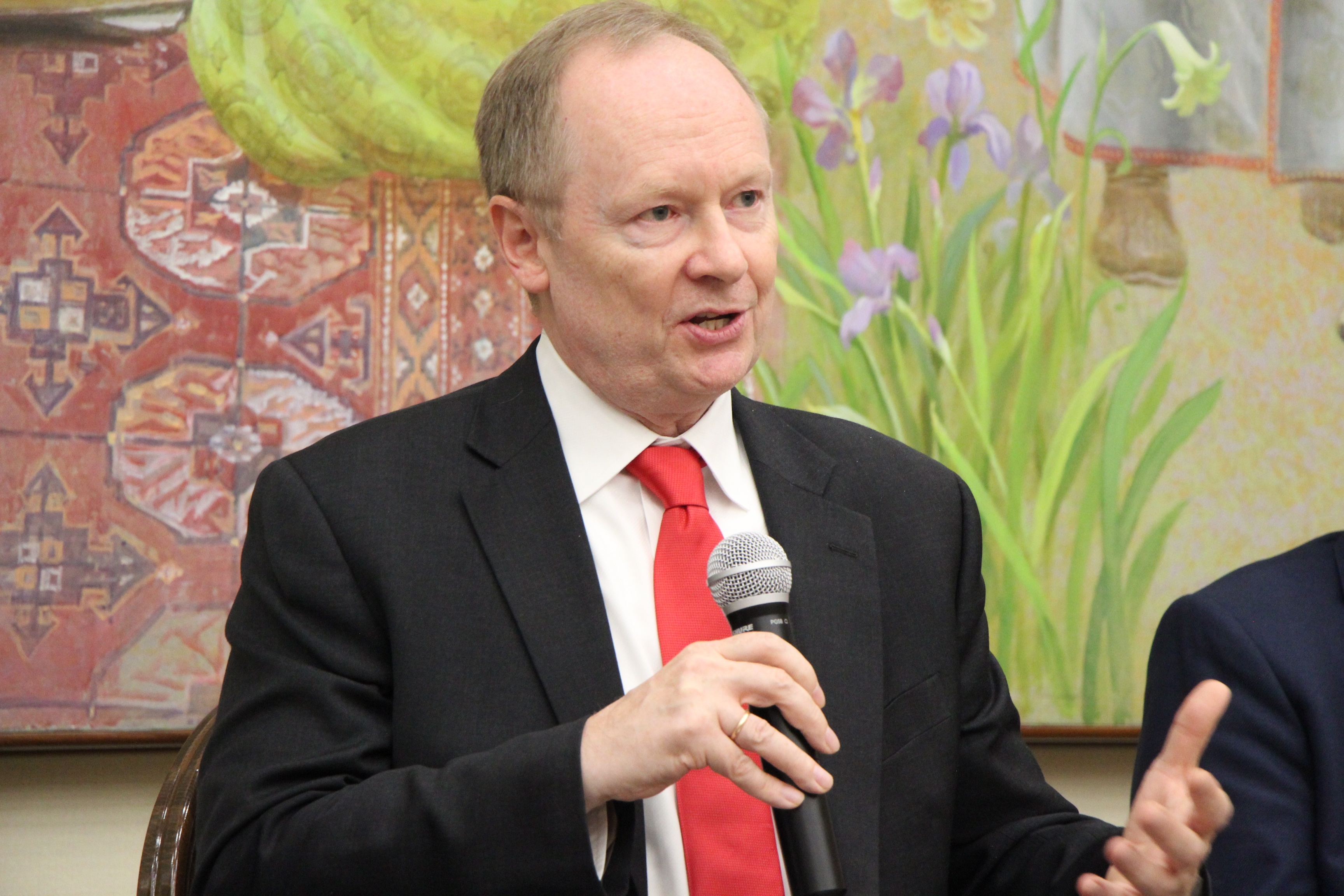
Michael Curtis, Vice President of American Councils, highlighted that cooperation between Central Asia and the U.S., based on investments in education, youth, entrepreneurship, and innovation, is building not only the region’s human capital but also a durable strategic bridge of trust, opportunities, and mutual benefit for decades to come.
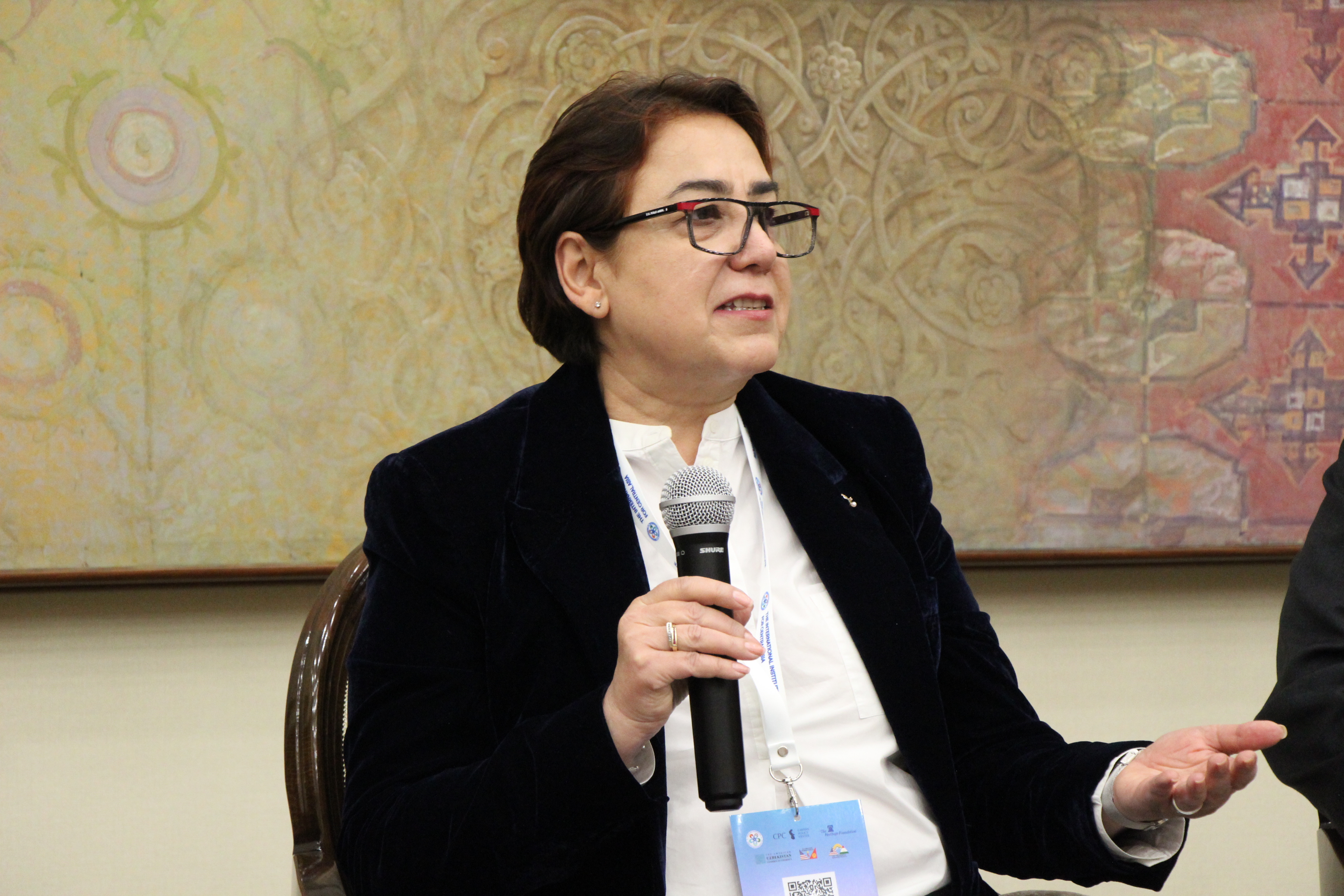
Zuhra Halimova, Senior Fellow at CAPS Unlock (Tajikistan), underscored the importance of diversifying Central Asia’s economies. She noted that sustainable growth requires investment in human capital—through higher education, professional training, and digital skills—to prepare specialists capable of driving long-term economic development.
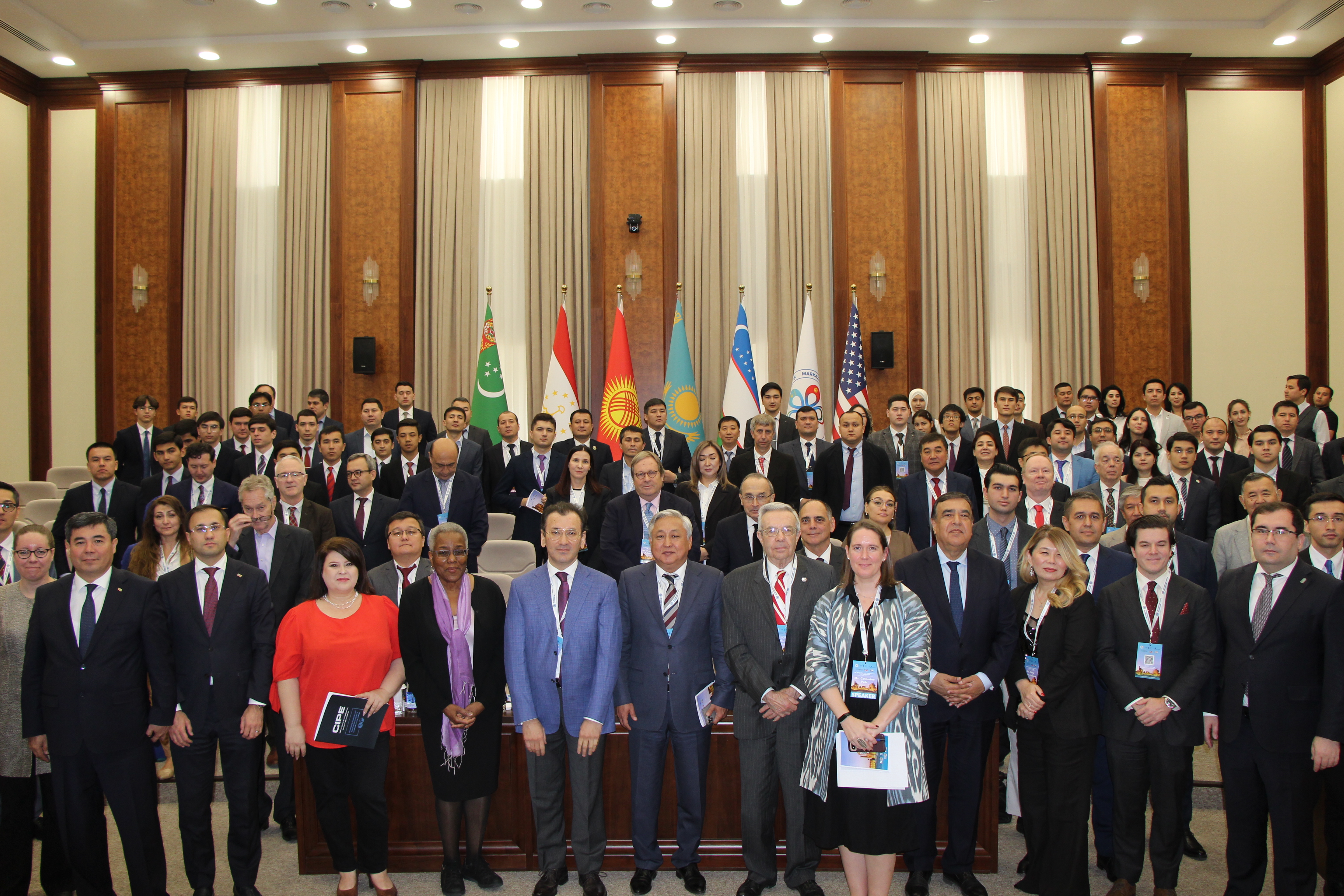
In conclusion, experts agreed that the C5+1 format with the United States has become a vital platform for strengthening partnerships and setting regional development priorities. The open and constructive discussions at the forum resulted in a number of expert recommendations aimed at further enhancing cooperation between Central Asia and the United States.