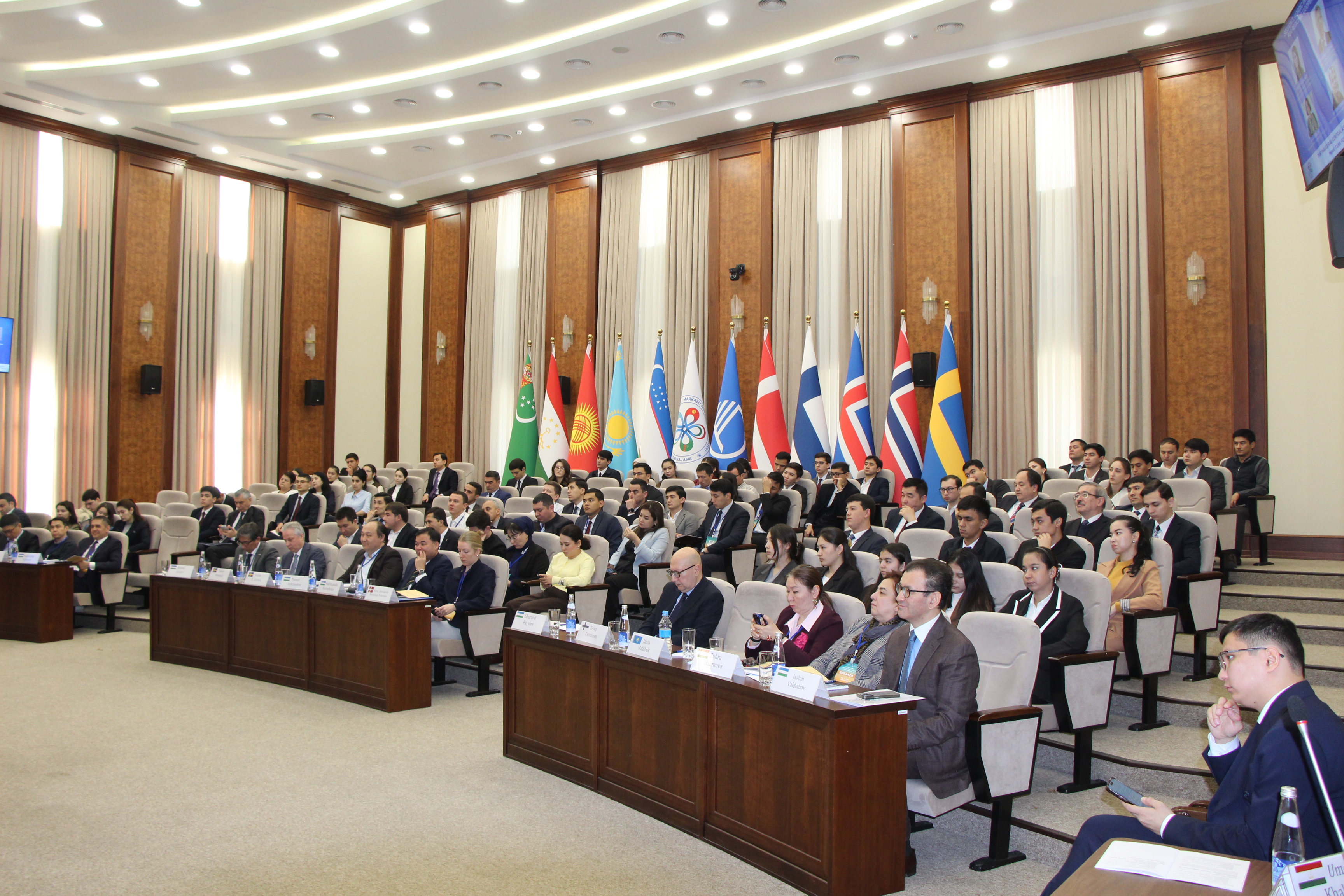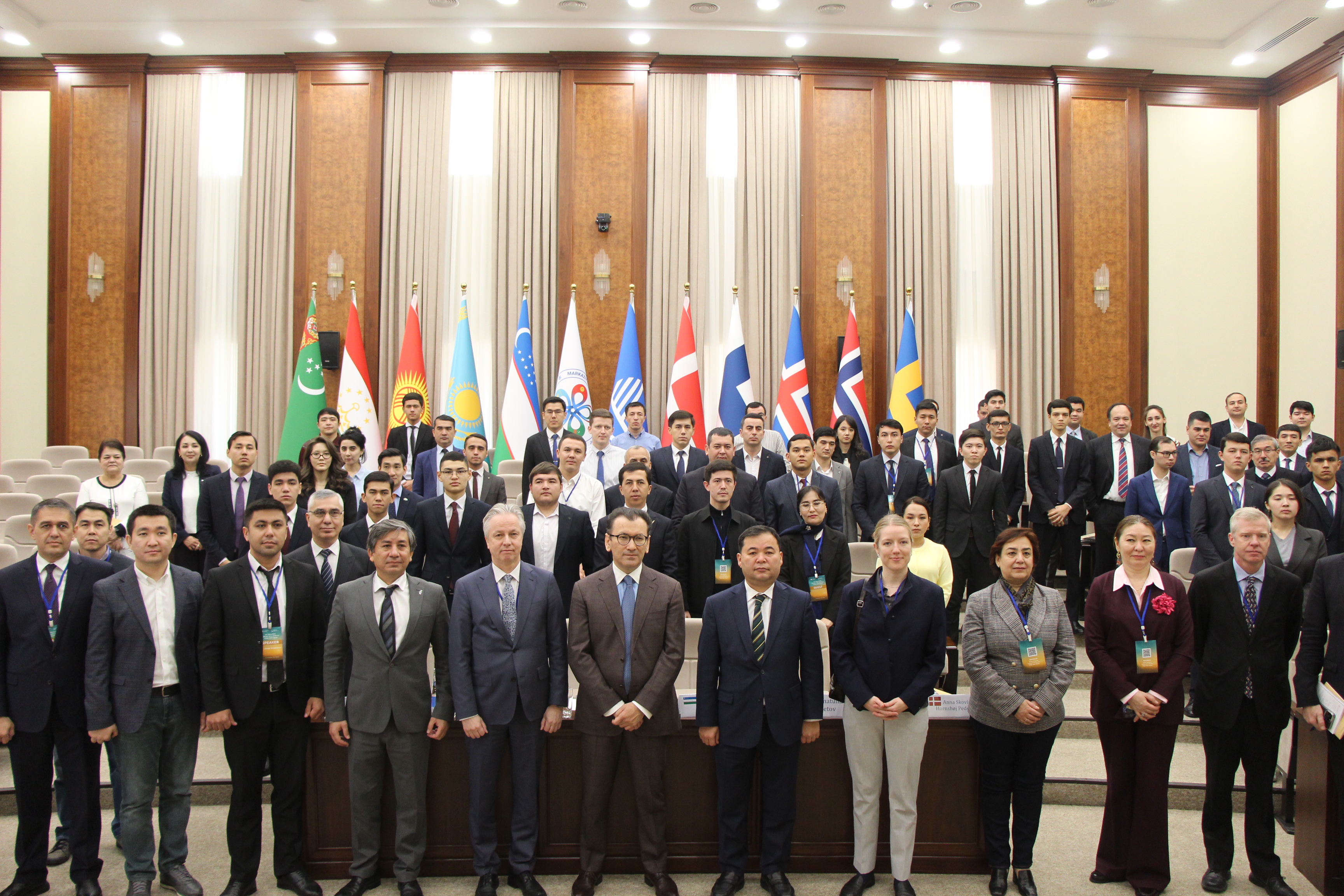
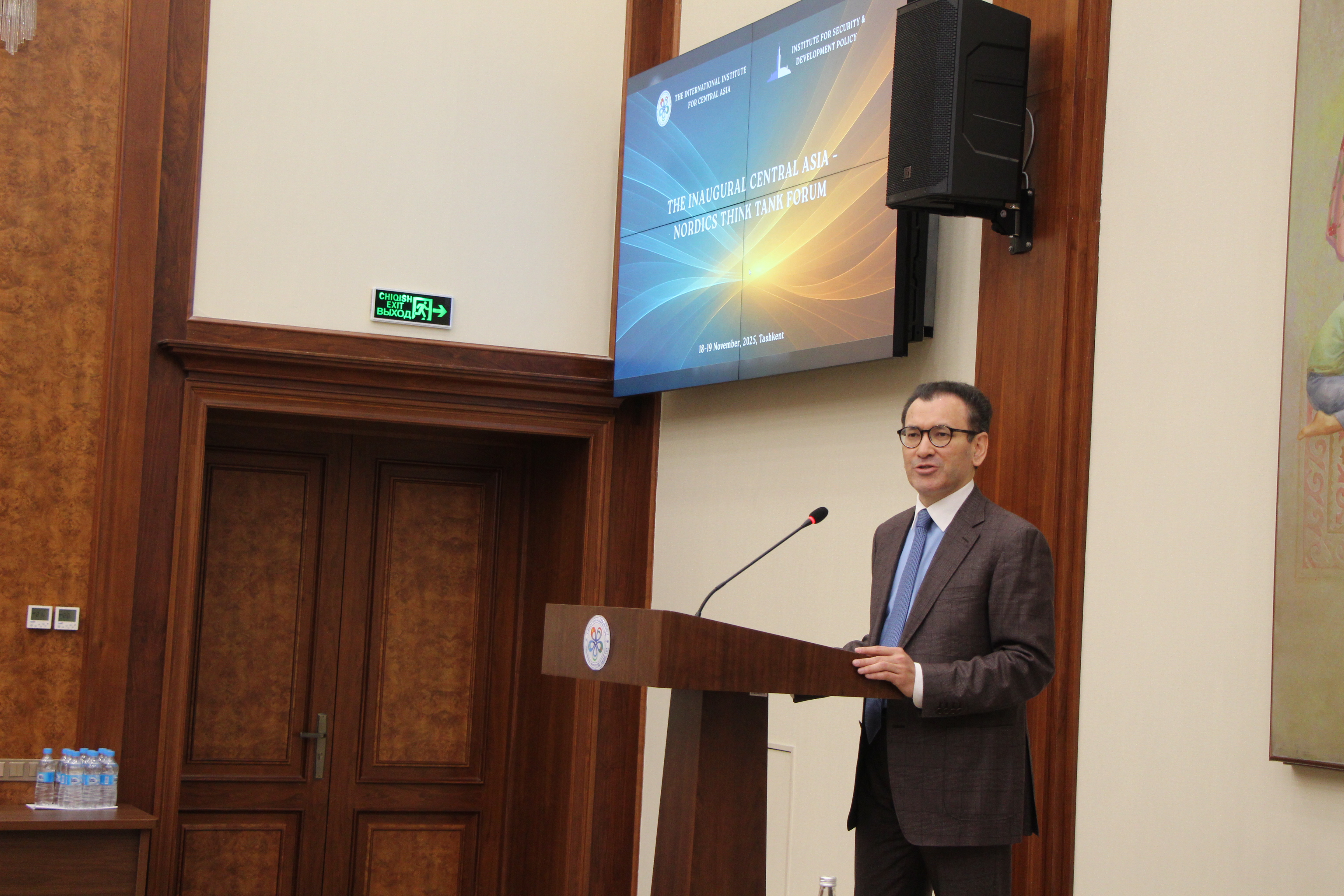
Opening the forum, IICA Director Javlon Vakhabov emphasized the significance of launching this new format as a step toward establishing a systematic dialogue between the regions. He highlighted that the format opens additional opportunities for expanding partnerships across a wide range of areas.
Following the plenary opening, the first day focused on thematic expert presentations, which explored key directions of interregional cooperation in detail. Special attention was given to developing business and investment ties, expanding trade, and increasing private sector engagement in joint initiatives.
Participants also discussed sustainable management of natural resources, including prospects for clean energy development and the efficient use of critical minerals within the context of the region’s green economic transition.
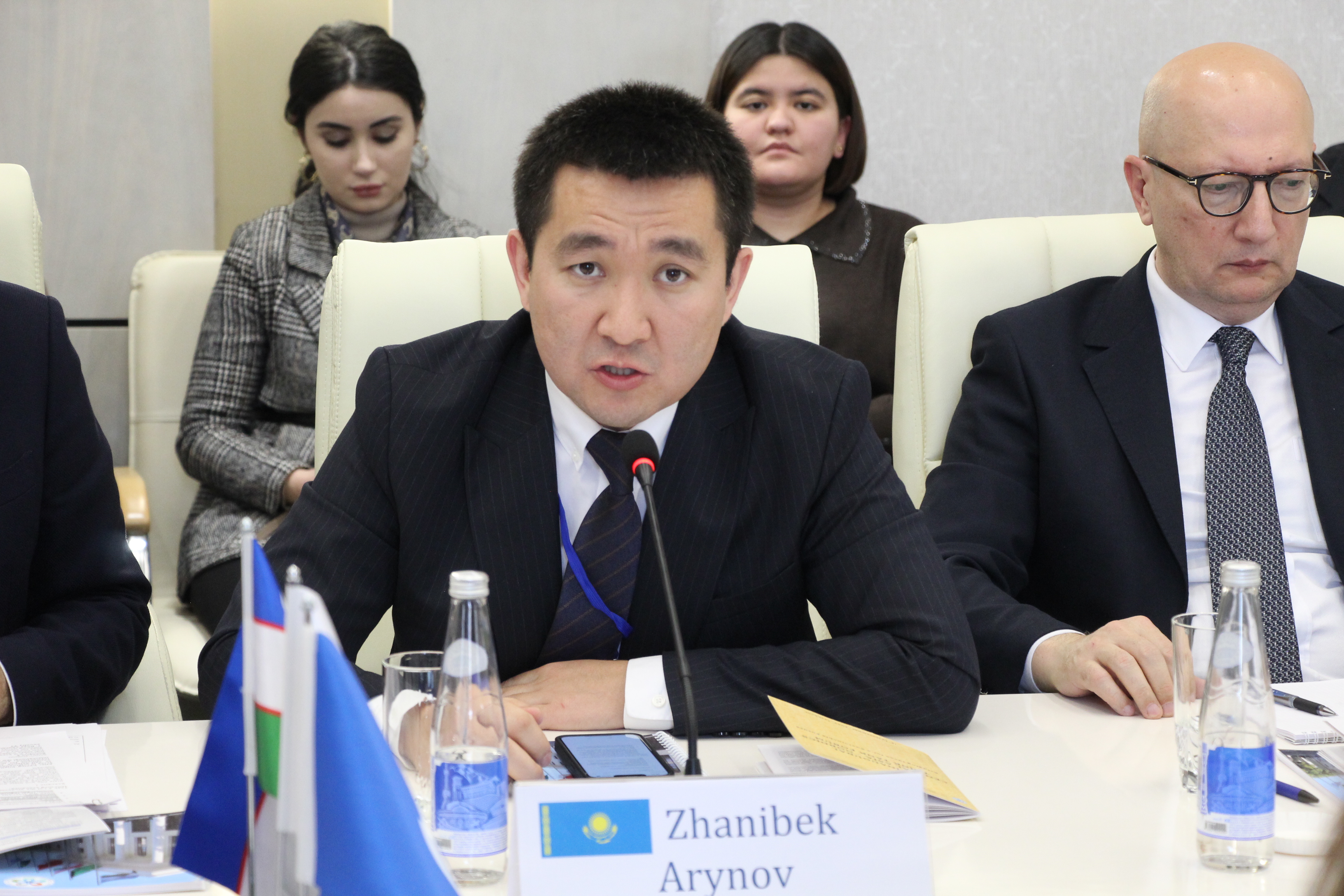
Zhanibek Arynnov, Assistant Professor at the Graduate School of Public Policy, Nazarbayev University, highlighted that cooperation in tourism, education, and academic mobility demonstrates a stable positive trend. He noted that the accumulated experience of collaboration between the two regions provides a solid foundation for removing existing barriers and creating a long-term, institutionally sustainable model of the Central Asia – Nordics partnership. He emphasized that the expert dialogue launched in Tashkent opens opportunities for deeper and more practice-oriented engagement in the future.
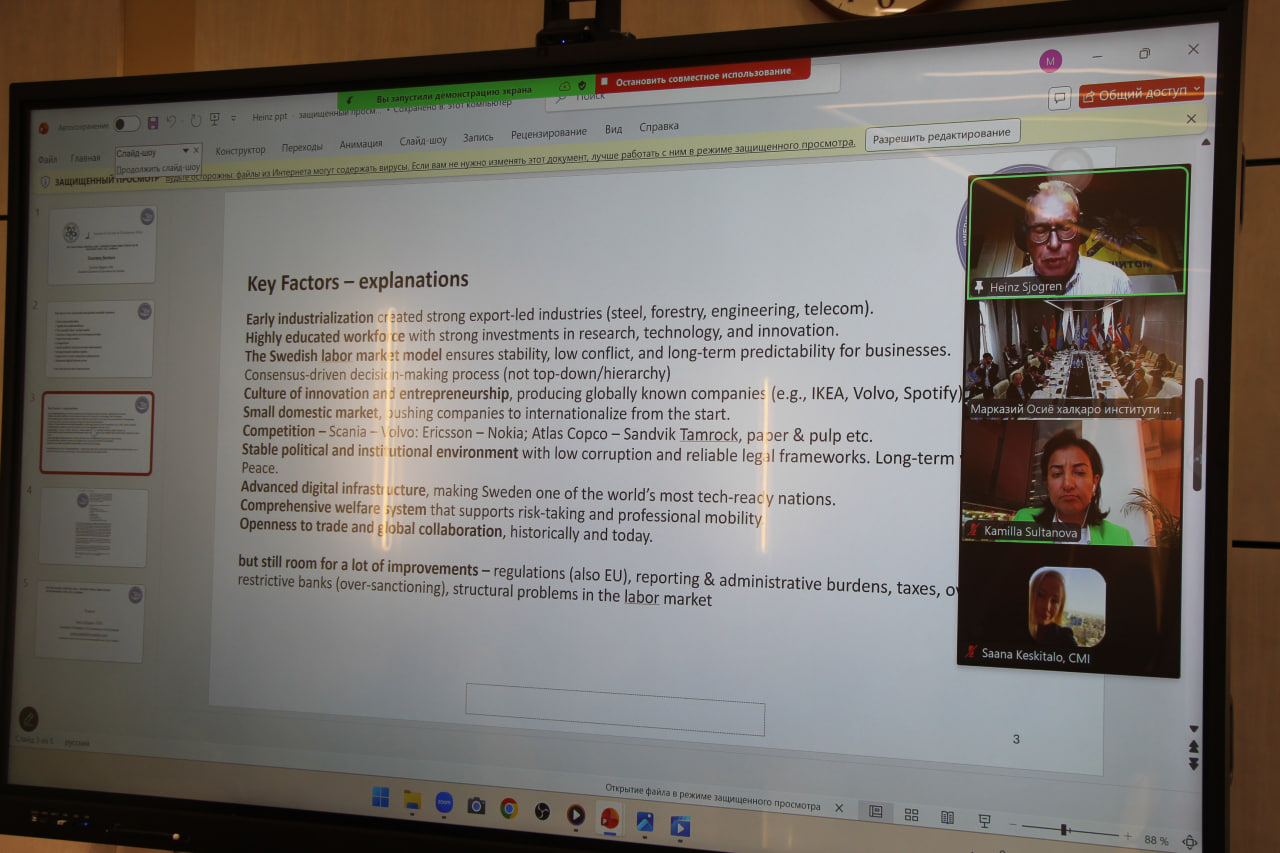
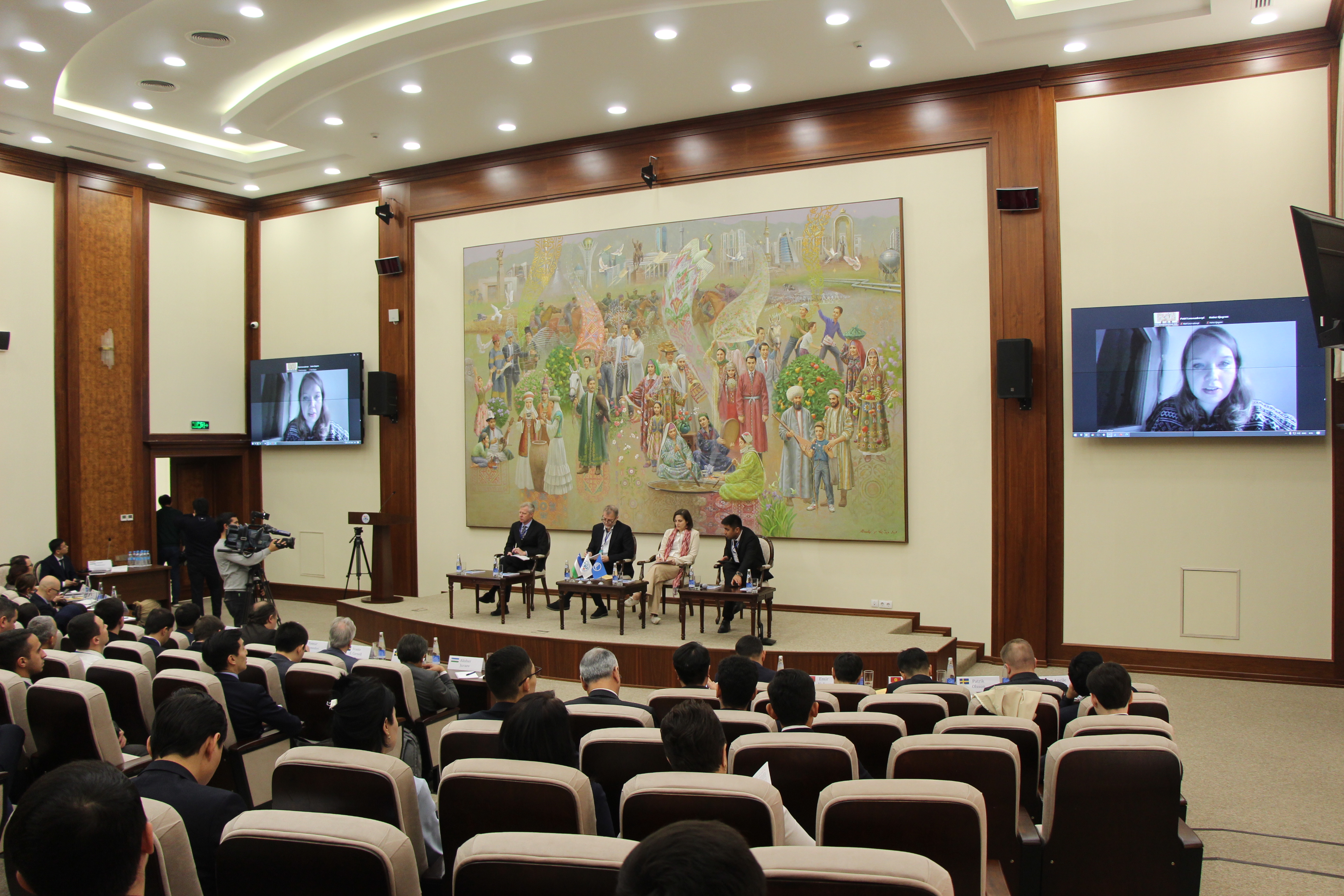
Heinz Sjögren, Director General of the Swedish Chamber of Commerce for Eurasia, stressed the importance of developing multilateral formats such as C5+ and C6+ as effective tools for strengthening interregional cooperation. According to him, the Nordic countries’ experience in innovation, technological solutions, and modern infrastructure holds significant potential for supporting the structural modernization of Central Asian economies. He also noted that the growing interest in dialogue, including via the C5+N5 platform, creates opportunities for greater business engagement and the implementation of joint projects aimed at sustainable development and enhancing the region’s competitiveness.
Social entrepreneur and former Marketing Director of LEGO Nordics, Gulshanoy Tolipova, highlighted the importance of modernizing production chains and adopting high environmental standards, as practiced in Nordic countries. She emphasized that such principles could ensure the sustainable development of Central Asian industries. She also identified the textile sector as one of the most promising areas for cooperation, noting that Denmark annually imports up to $3 billion worth of textile products. In the context of diversifying global supply chains, Uzbekistan is seen as a reliable alternative due to its vertically integrated production, competitive pricing, and manufacturing capacity. Tolipova stressed that improving certifications, sustainability, and logistics would strengthen Uzbekistan’s position and create a foundation for mutually beneficial partnerships with Nordic countries in the textile sector.

On the second day, discussions focused on regional integration, the applicability of Northern European cooperation models, and the role of education, digitalization, and human capital development in ensuring long-term sustainable development and competitiveness of Central Asian countries.
Tomas Danestad, Ambassador of Sweden to Central Asia, emphasized that building trust among regional states requires systematic and consistent political dialogue, ranging from expert platforms to high-level meetings. He noted that such multi-level communication creates conditions for a sustainable regional cooperation architecture and opens new opportunities for engagement with Nordic countries.
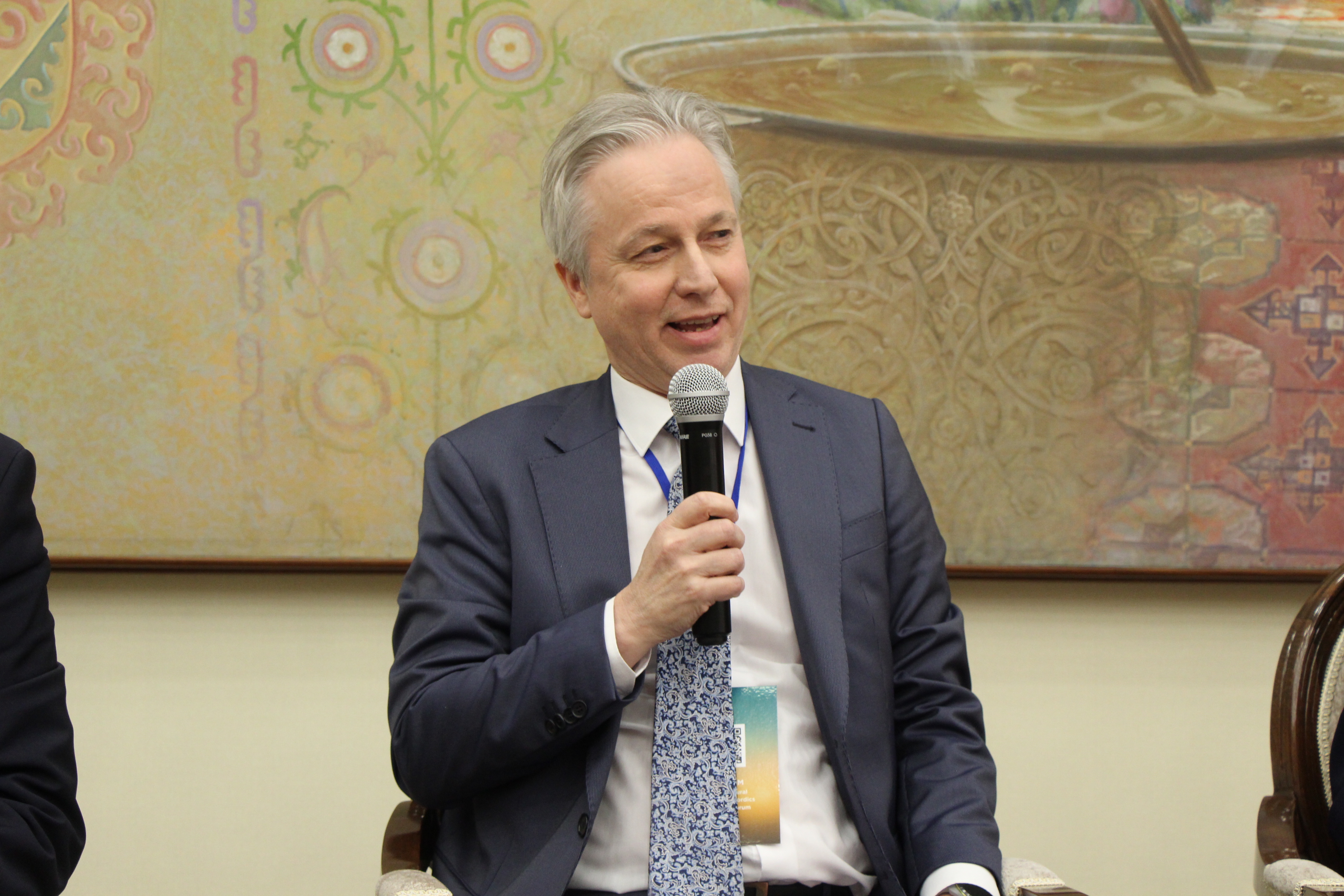
Rakhmatullo Nurimbetov, Ambassador of Uzbekistan to Sweden, highlighted that active political contacts directly contribute to business cooperation, especially in a changing global context. He emphasized that an atmosphere of trust and political predictability creates favorable conditions for Nordic companies, stimulating sustainable investment, technology transfer, advanced skills development, and modern business practices in Central Asia.
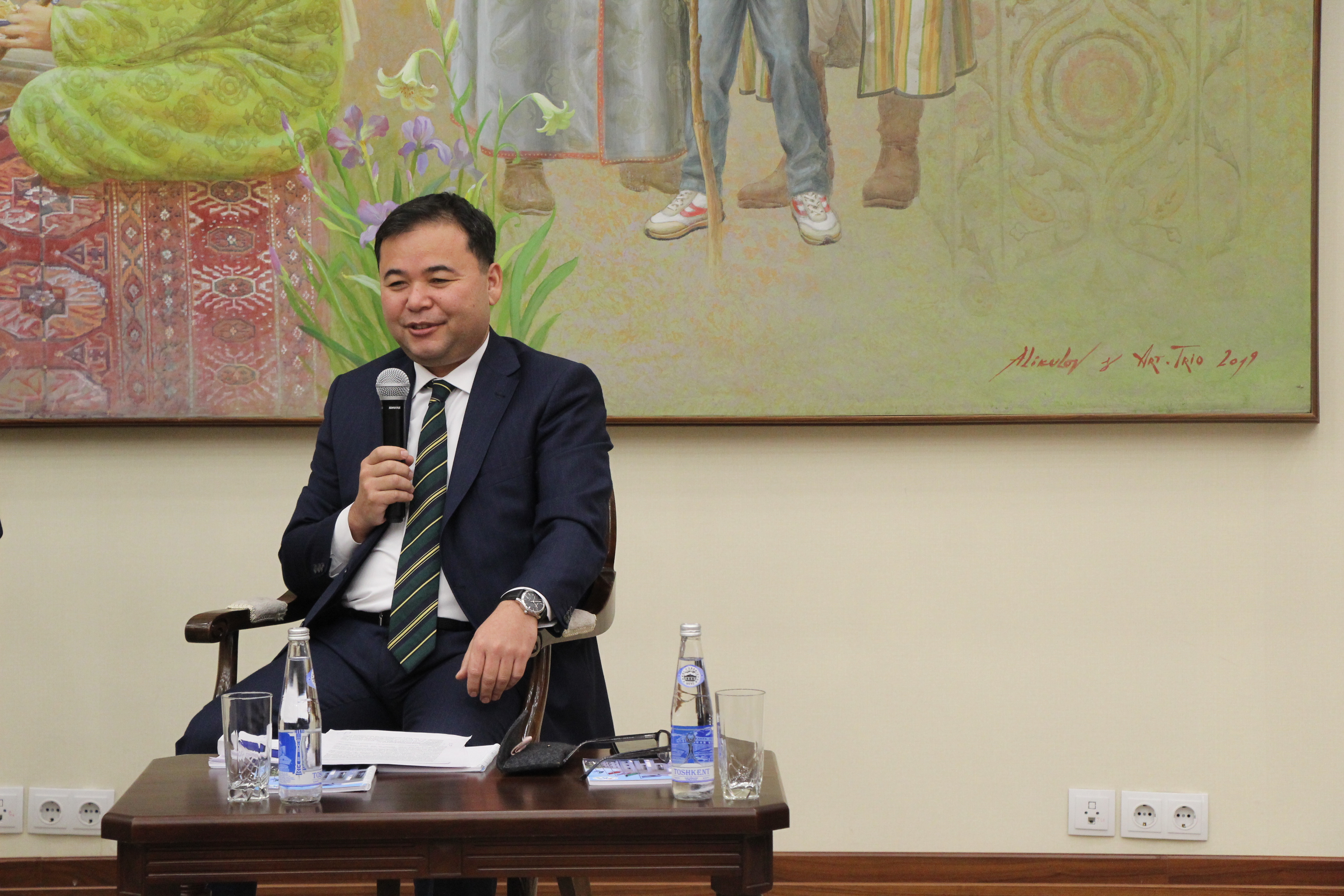
Kristiina Silvan, Research Fellow at the Finnish Institute of International Affairs, underscored the importance of flexible and informal cooperation mechanisms for regional processes. According to her, the Nordic Council’s adaptive approach—based on horizontal partnerships, participant initiative, and voluntary coordination—can serve as an effective cooperation model without the need for supranational structures while ensuring sustainable outcomes.
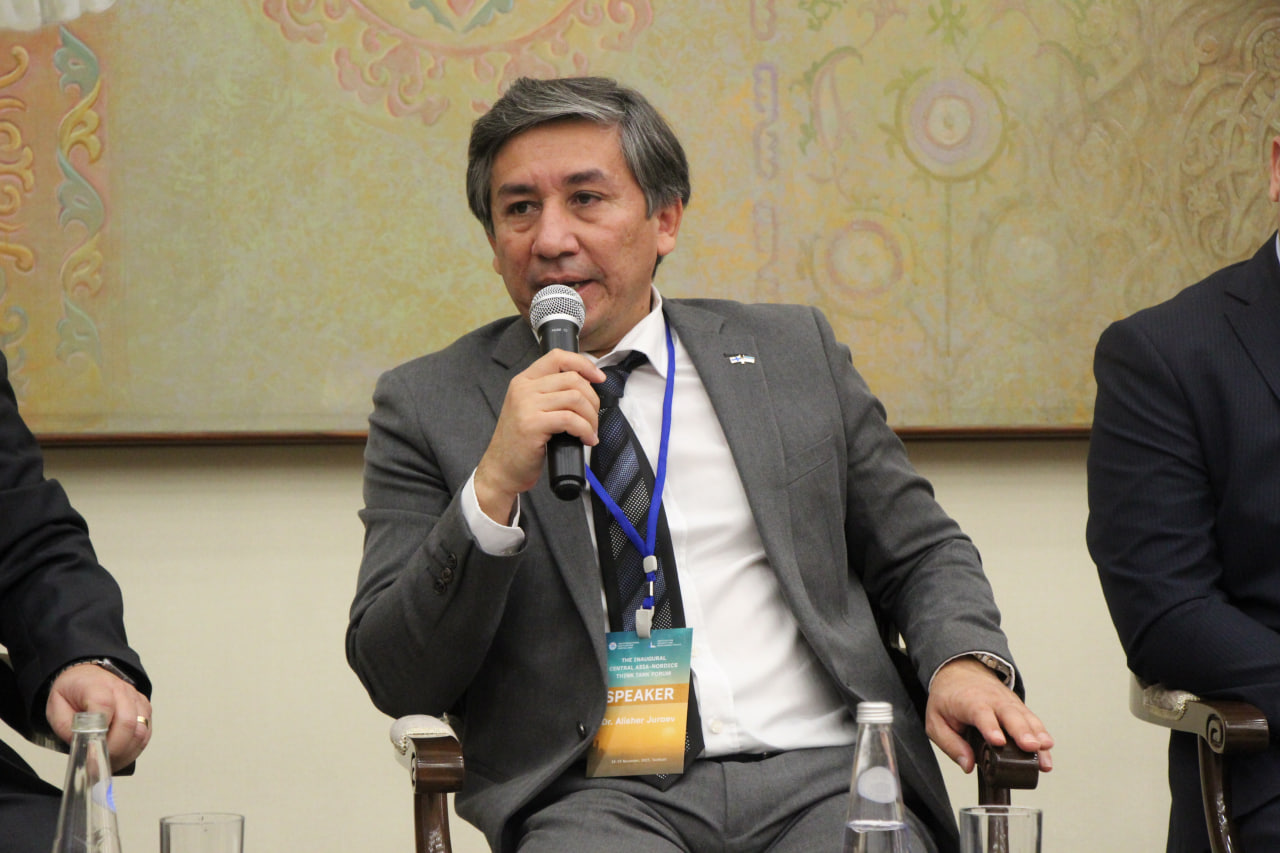
Alisher Juraev, Honorary Consul of Finland in Uzbekistan and Chair of the Board at the Nordic International University in Tashkent, highlighted the strategic importance of education for regional development. He noted that training qualified specialists and systematically strengthening human capital provide a solid foundation for expanding interregional partnerships and implementing long-term joint initiatives.
Teivo Teivanen, Chair of the Finnish National Commission for UNESCO, presented key recommendations, emphasizing the importance of regular intergovernmental coordination, trust-building, and active engagement of civil society and the business community. He noted that respecting cultural diversity and utilizing modern digital tools to overcome language and communication barriers are essential conditions for expanding interregional cooperation.
Svante E. Cornell, Director of the Institute for Security and Development Policy (Sweden), stressed that changes in the global security architecture make Nordic experience particularly valuable for Central Asia. He highlighted that discussions on defense industry collaboration and regional security have reached a new qualitative stage, creating additional opportunities for practical dialogue between the two regions.
At the conclusion of the two-day forum, participants noted the significant potential for further expanding cooperation between Central Asian countries and the Nordics in economics, innovation, education, security, and humanitarian engagement. All parties expressed their readiness to continue systematic expert dialogue and work together on practical recommendations aimed at strengthening interregional partnerships and establishing a sustainable framework for long-term cooperation.