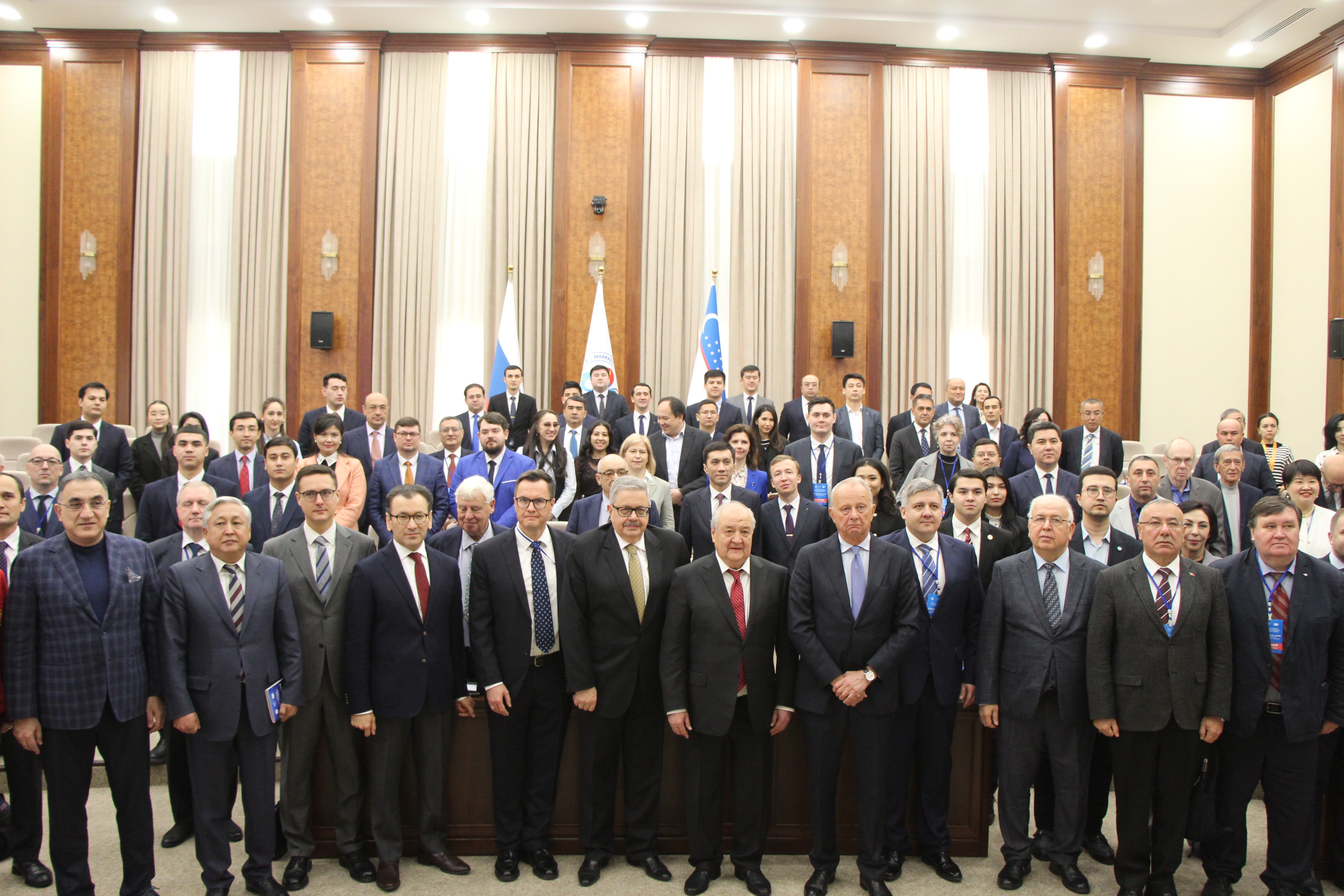
The event was organized by IICA in partnership with the leading National Research Institute of World Economy and International Relations named after E.M. Primakov of the Russian Academy of Sciences (IMEMO RAS).
The forum brought together representatives from leading research institutes from India, China, Serbia, the United States, Türkiye, Russia, and Central Asian countries, as well as members of the diplomatic corps, academics, professors, and young researchers.
During the conference, key aspects of effective responses by Central Asian countries to global changes were discussed, along with opportunities to strengthen regional resilience and economic interconnectedness.
Speaking at the opening ceremony, Advisor to the President of Uzbekistan on foreign policy Abdulaziz Kamilov emphasized the symbolic significance of holding an offsite session of the “Primakov Readings” in Uzbekistan. According to him, the forum’s topic reflects the growing role of the region amid the transformation of the global order, as well as the need for strategic coordination among Central Asian countries to ensure stability, sustainable development, and prosperity.
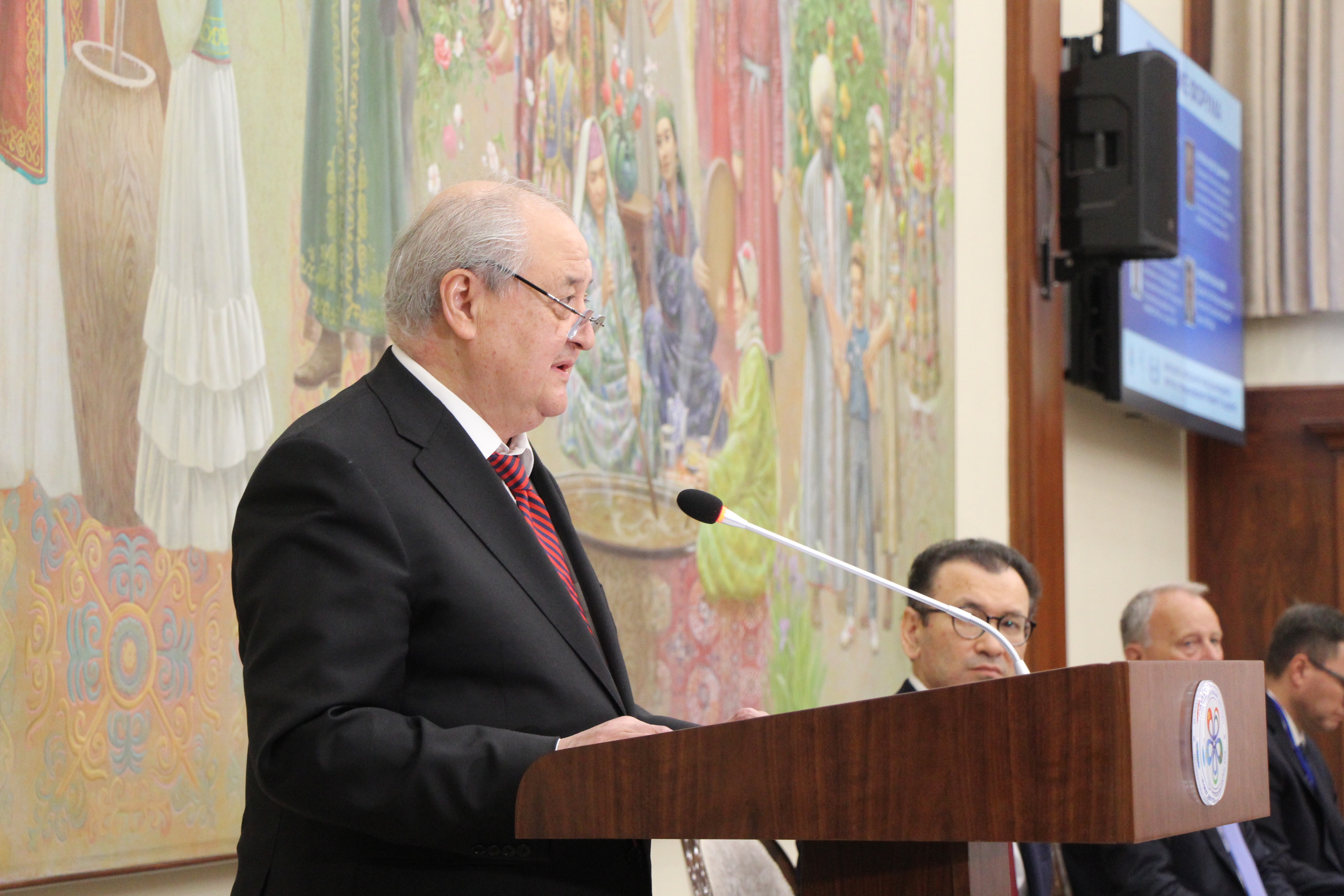
IMEMO RAS President Alexander Dynkin highly appreciated the ongoing transformations in Central Asia. He noted that since 2017, the region has entered a completely new historical stage. According to him, Central Asian countries today represent the most stable and dynamically developing part of the post-Soviet space, with GDP growth roughly twice the global average.
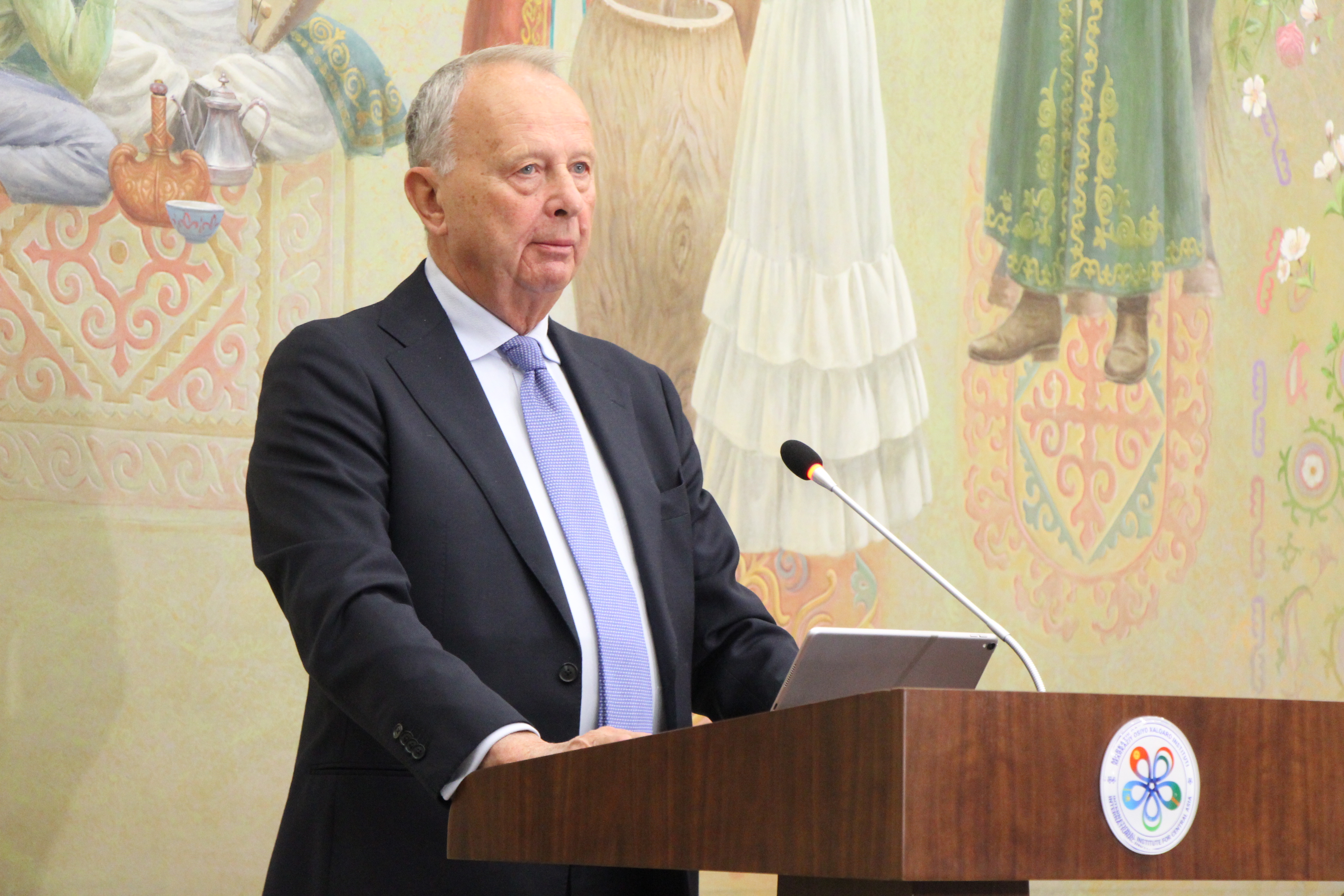
He emphasized that the strengthening of regional cooperation allows for the development of relations with all key partners, including Russia, China, the United States, the EU, India, and Japan. Alexander Dynkin also highlighted that Central Asia, whose population is expected to reach 100 million by mid-century, has the potential to become an influential pole of global peace and stability in the 21st century.
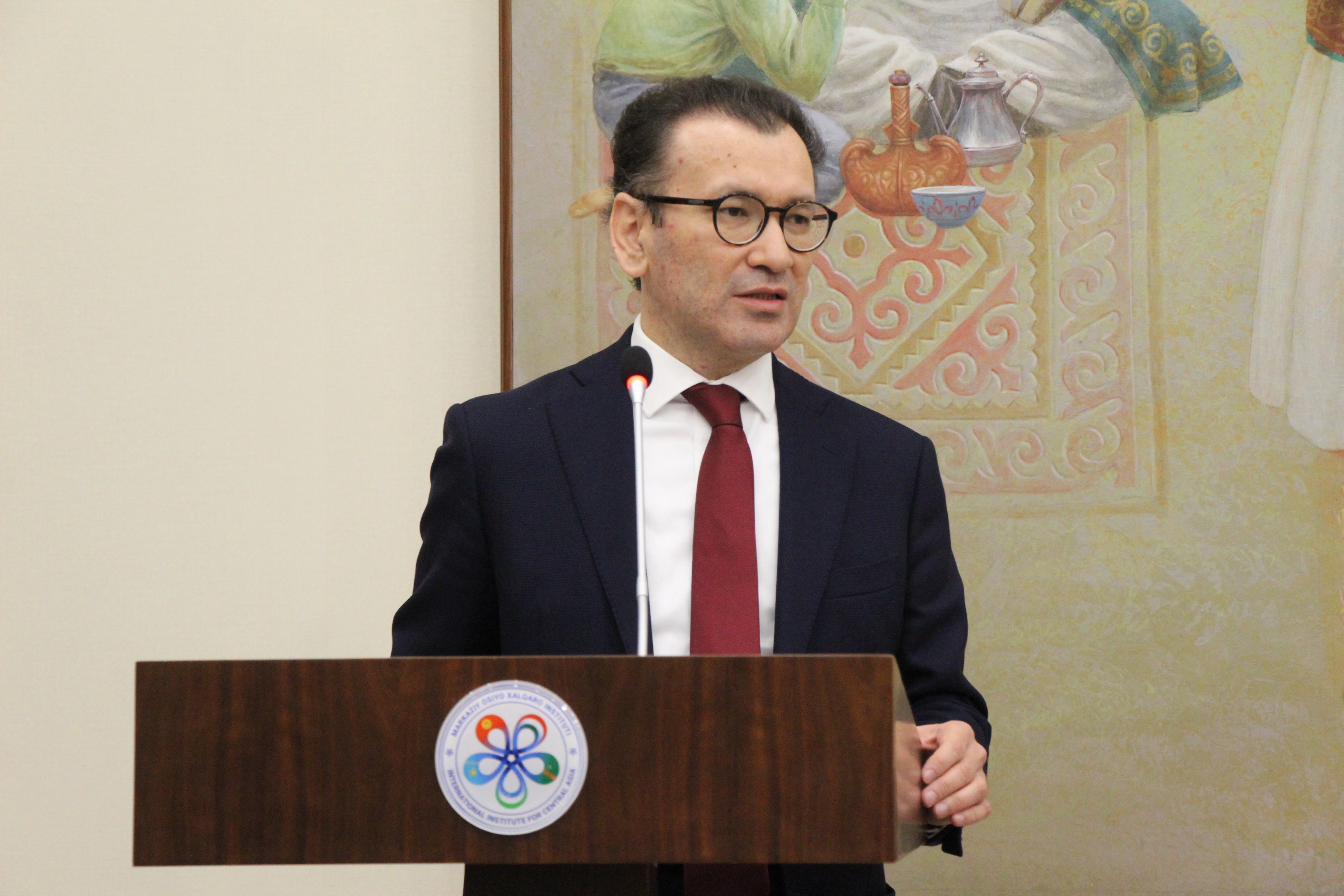
IICA Director Javlon Vakhabov noted that hosting the offsite session of the “Primakov Readings” at IICA represents a practical implementation of the cooperation agreement signed between the IICA and IMEMO at the beginning of 2025.
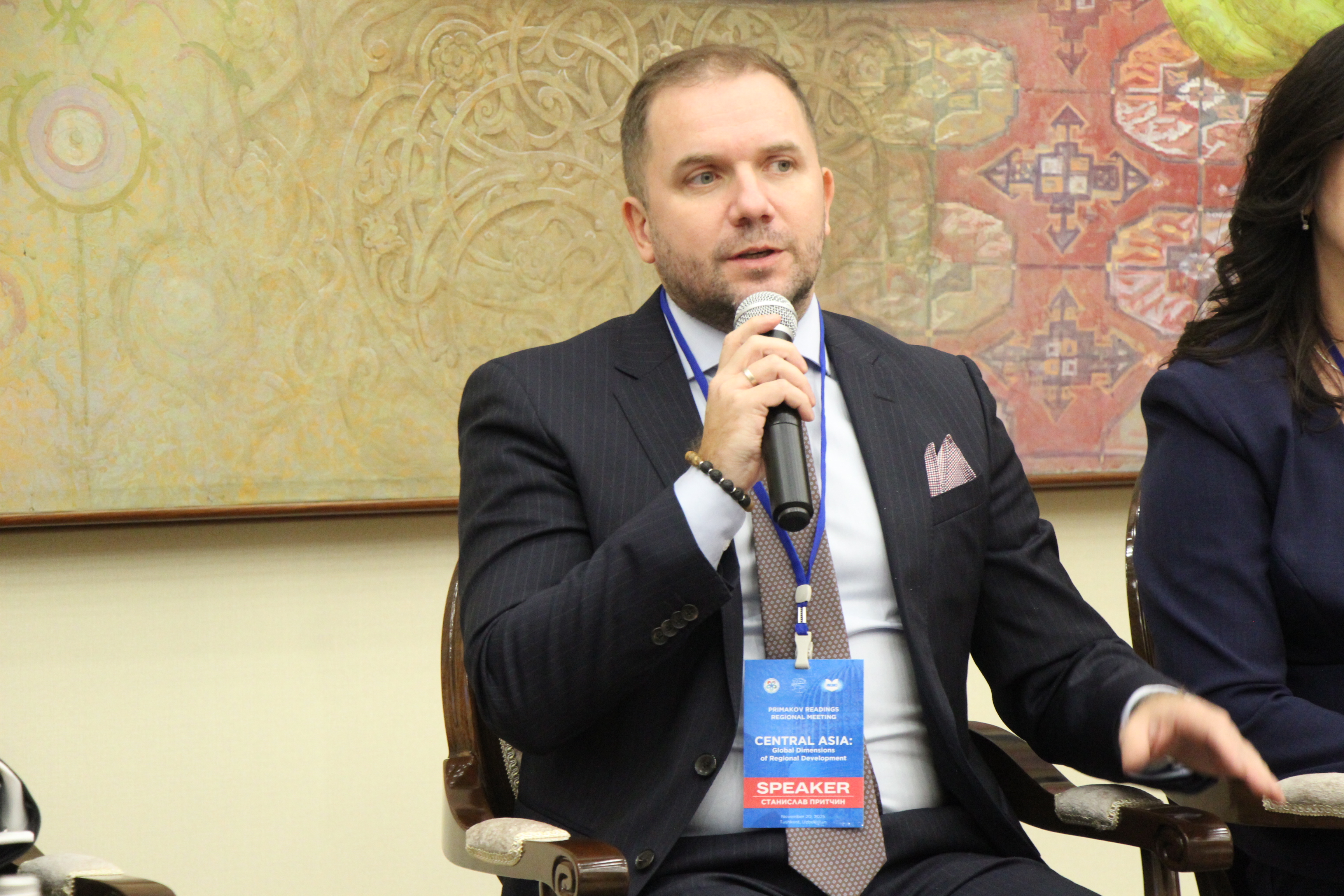
Stanislav Pritchin, Head of the Central Asia Sector at IMEMO RAS, highlighted that Tashkent was chosen as the forum venue intentionally, as Uzbekistan plays a central role in the region and serves as a key connector in the regional architecture.
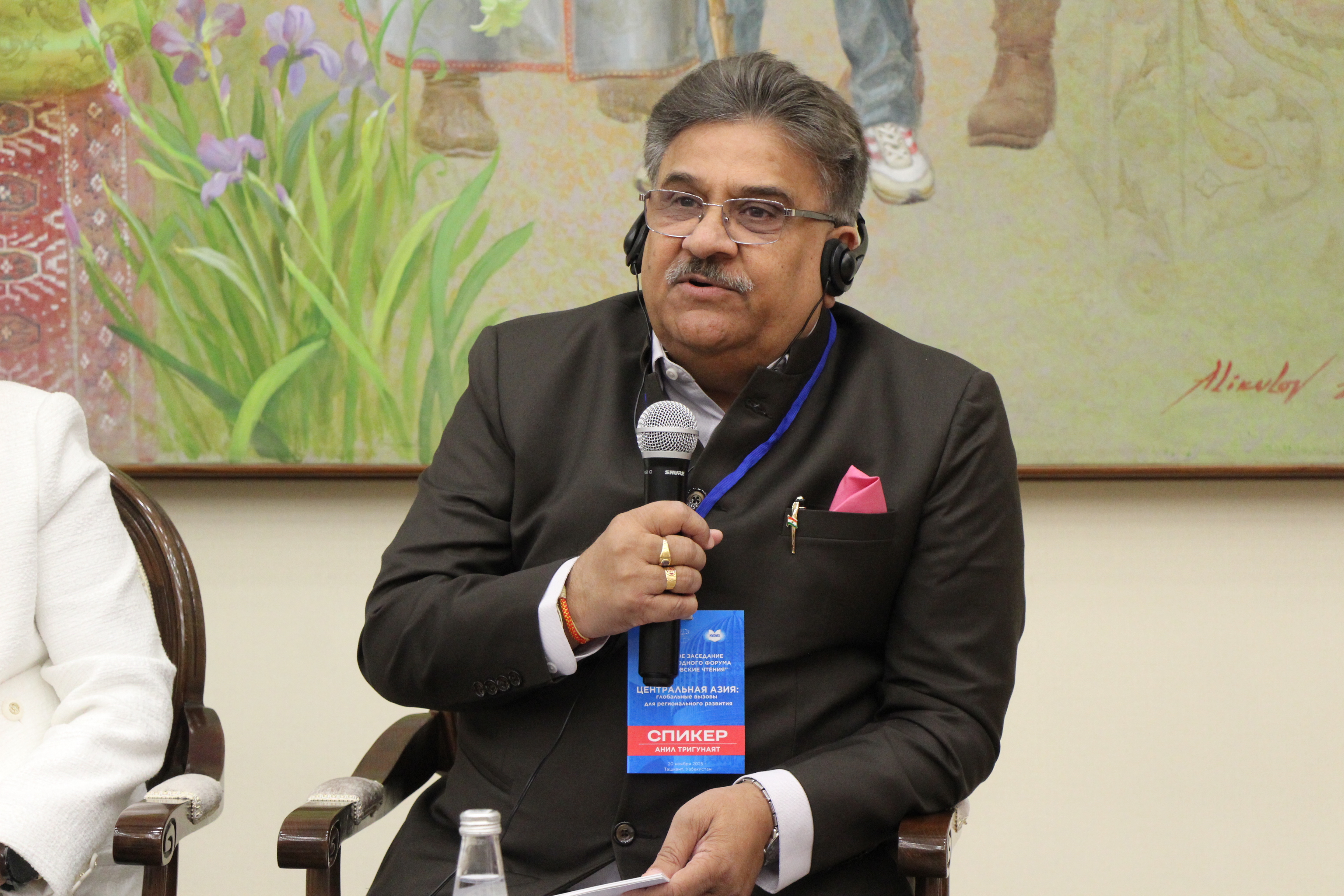
Emphasizing Central Asia’s role in a changing world order, Anil Trigunayat, Honorary Fellow at the Vivekananda International Foundation (India), noted that the region is an arena of competition in energy, security, transit corridors, and geopolitical influence, underlining the importance of strategic autonomy for the countries of the region.
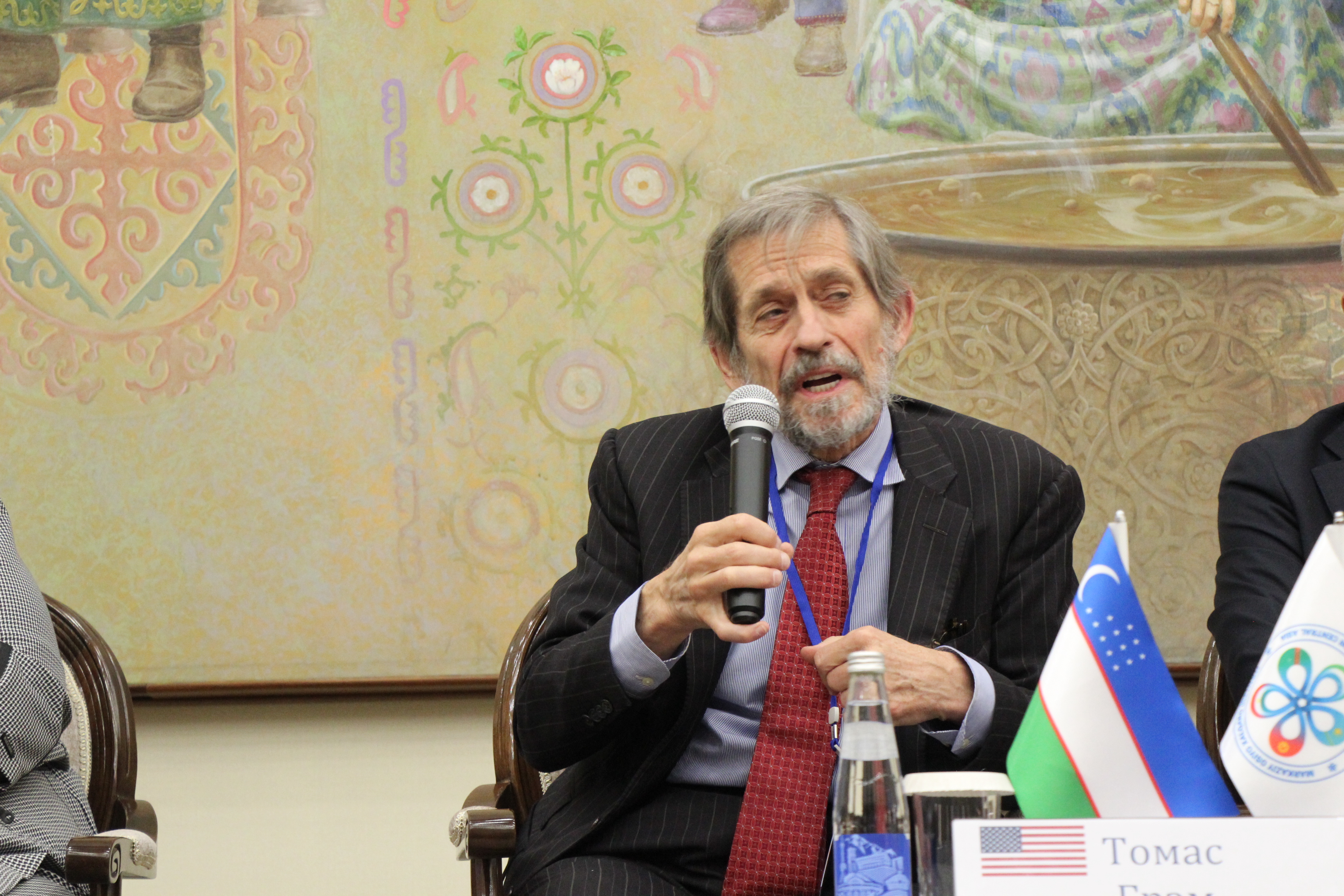
Thomas Graham, Honorary Fellow at the Council on Foreign Relations (USA), stressed that Central Asia is strategically important due to its rich resources and critical transport routes, making it a focal point for multiple global powers.
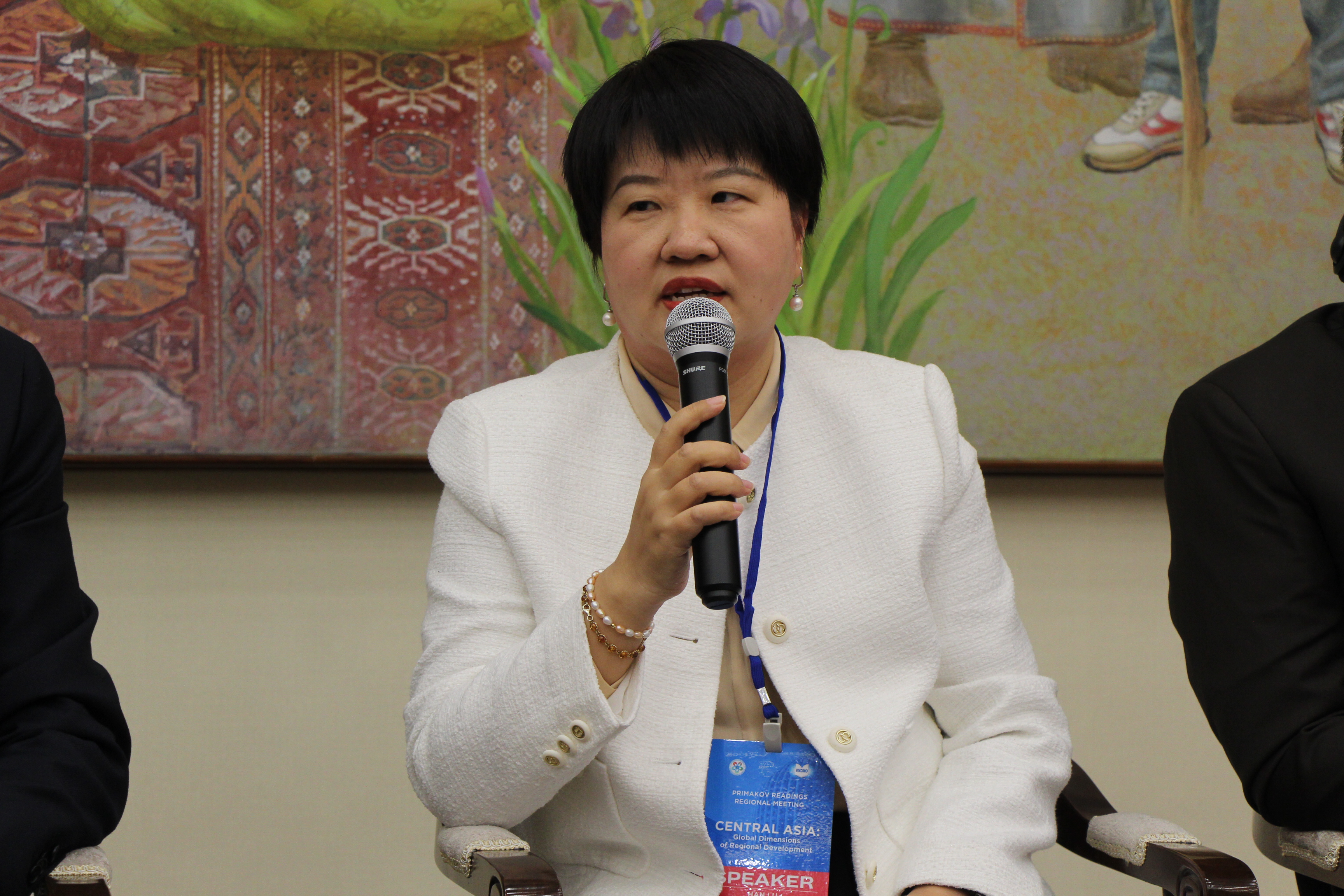
Han Lu, Deputy Director and Senior Researcher at the KAMI Institute for Eurasian Studies, highlighted that since 2018, the intensification of Central Asian five-nation summits has promoted economic cooperation, joint approaches in energy and water management, and increased structural resilience in the region.
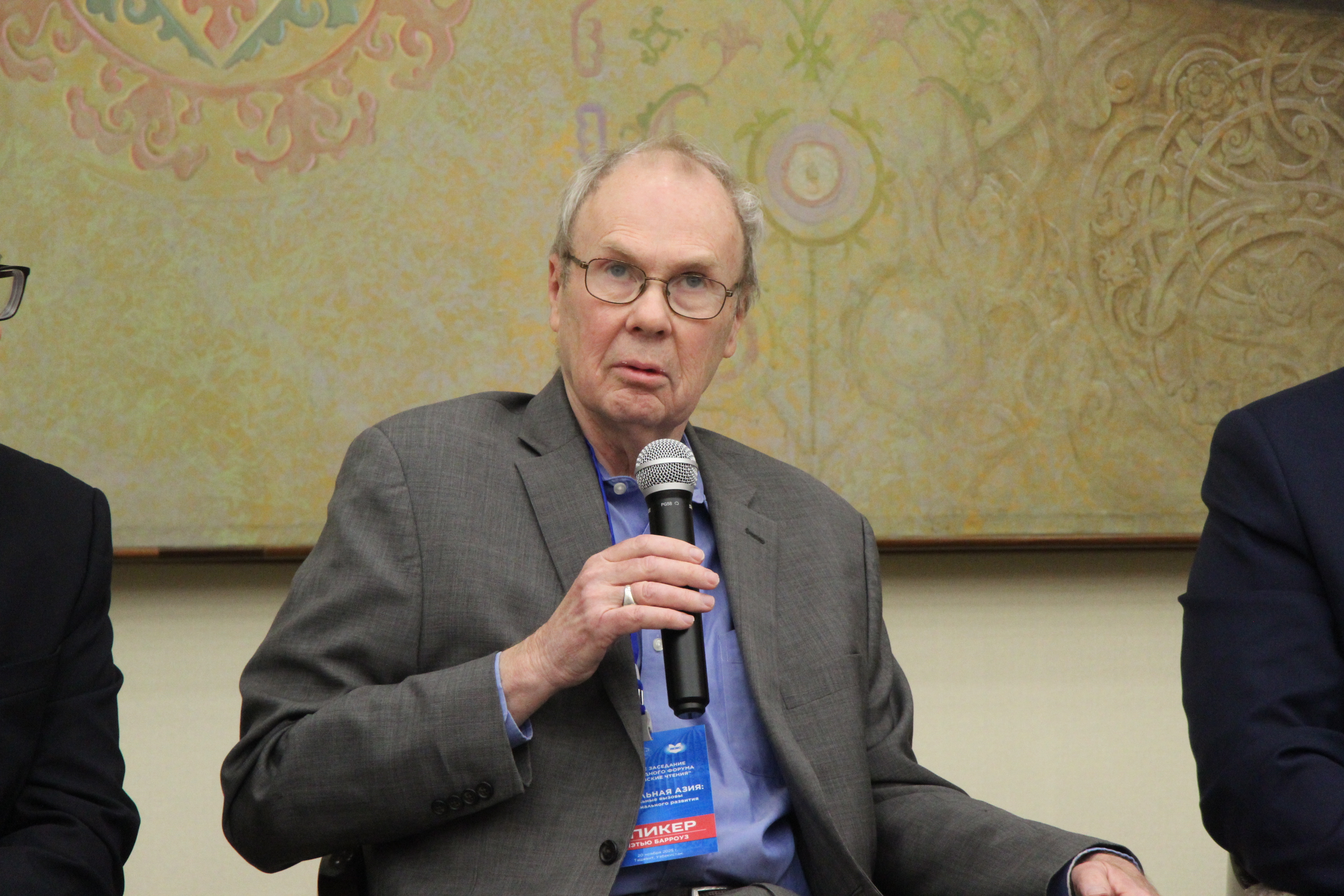
Matthew Burrows, Advisor and Head of the Strategic Foresight Program at the Stimson Center, noted that current geoeconomic trends are enhancing the significance of Eurasia as a cohesive region. He highlighted that Western sanctions have led to a large-scale reorientation of Russian export and logistics flows toward Asia, creating new opportunities for Central Asian countries.
Güray Alpar, Associate Professor at the Institute for Geopolitical Forecasting (Turkey), emphasized the need to strengthen regional cooperation, enhance transport connectivity, and implement major economic initiatives. He argued that only a collective approach based on fairness and mutual respect can ensure sustainable development in Eurasia.
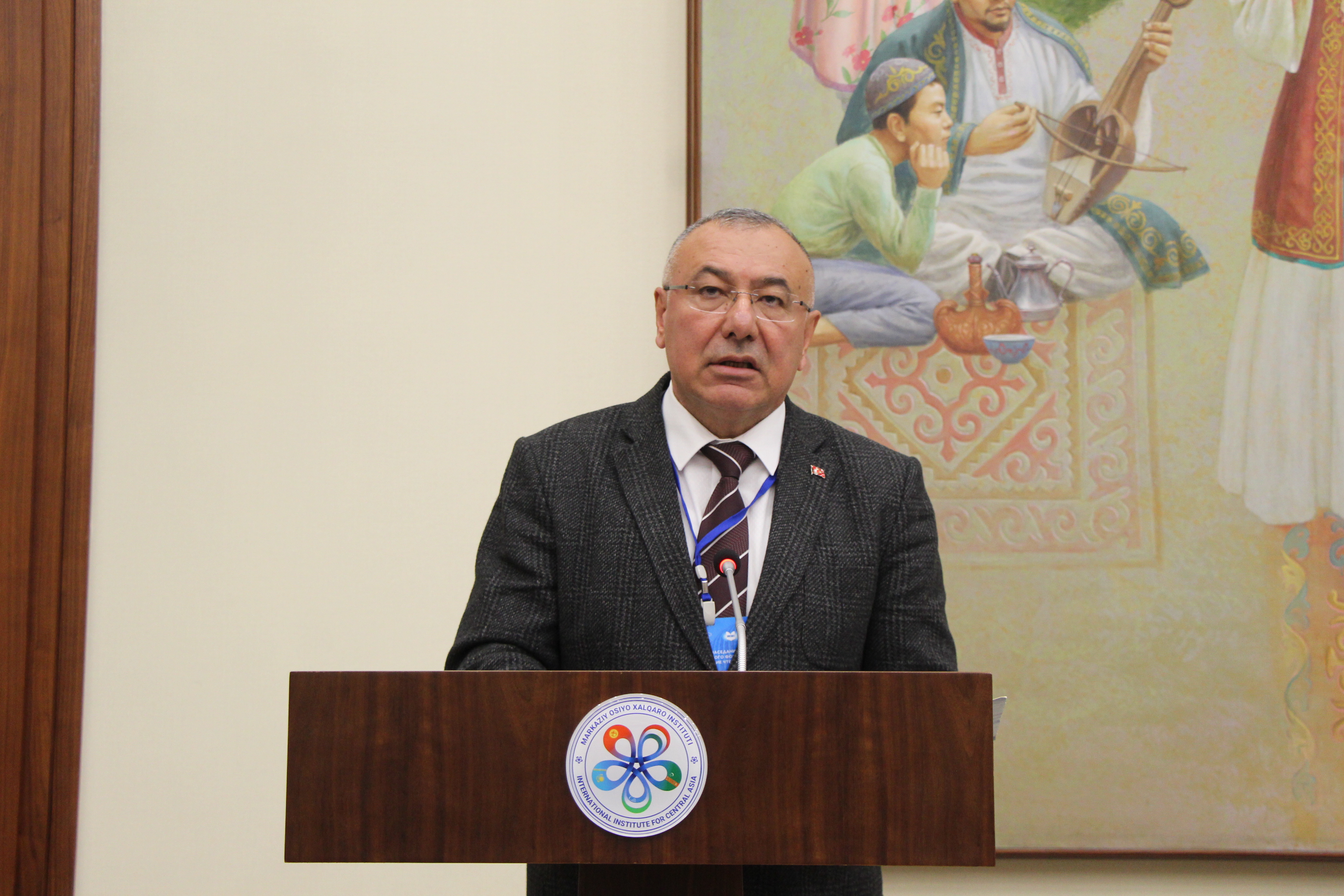
Ajay Bisaria, Honorary Fellow at the Observer Research Foundation (India), noted Central Asia’s growing independence in shaping foreign policy and advancing regional integration. He highlighted that increasing autonomy in international decision-making, combined with global attention, provides unique opportunities to expand trade, investment, and technological ties with India.
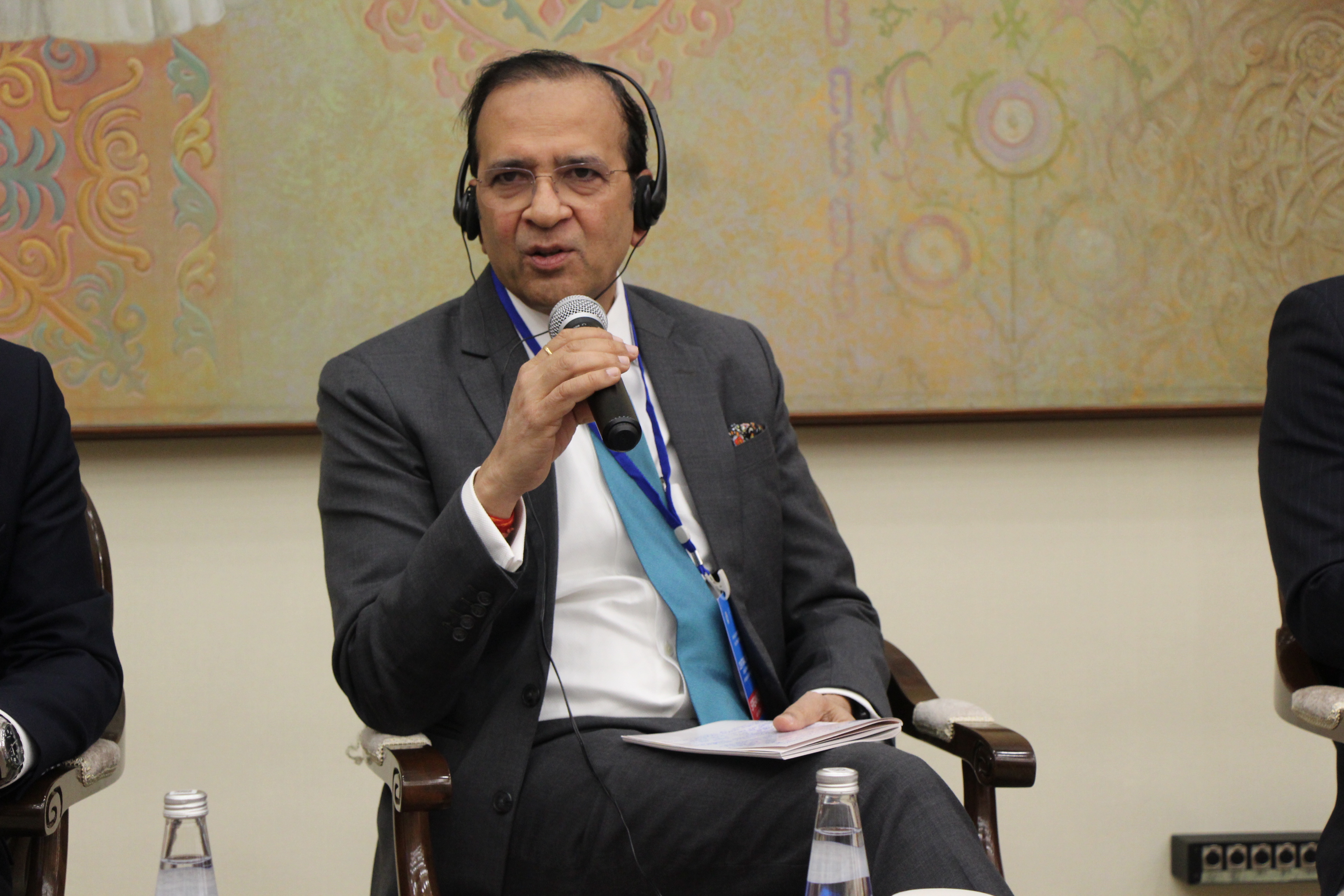
Participants underlined that in an era of intensifying geopolitical turbulence, coordination among regional countries is of particular importance.
Alexander Trofimov, Ambassador-at-Large at the Russian Ministry of Foreign Affairs, noted that Russia and Central Asian countries face shared external challenges and are strengthening cooperation to address them. He emphasized that amidst growing geopolitical turbulence, Russia’s relations with the region are being tested, while the emerging world order is increasingly characterized by the democratization of international relations and a move away from hierarchical models.
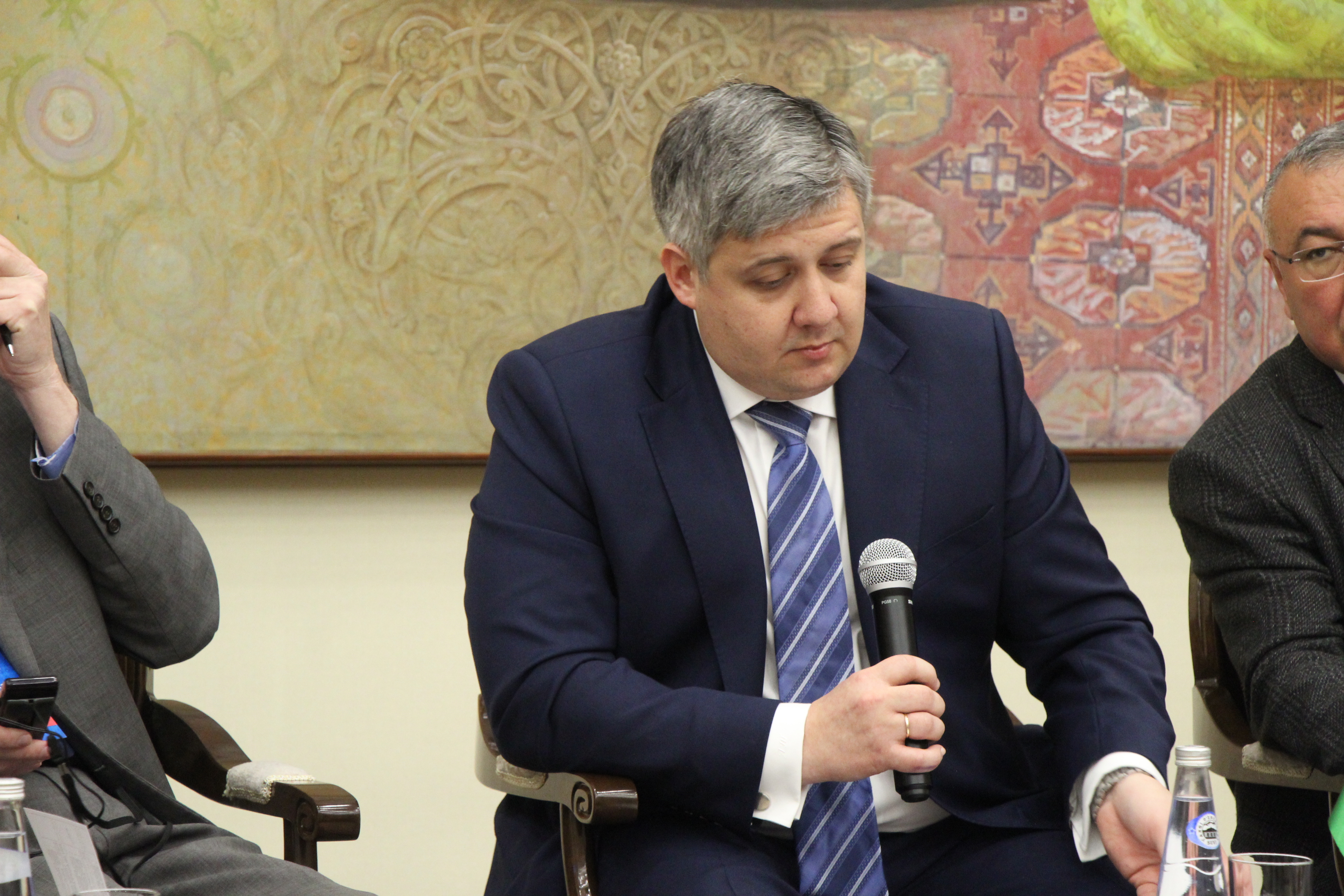
Rustam Haydarzoda, Director of the Institute for the Study of Asian and European Countries (Tajikistan), highlighted that most potential sources of tension in Central Asia—primarily border issues—have been successfully resolved in recent years. He noted that the region is entering a new phase, where the main challenges will be linked to technological, climate, and socio-economic transformations.
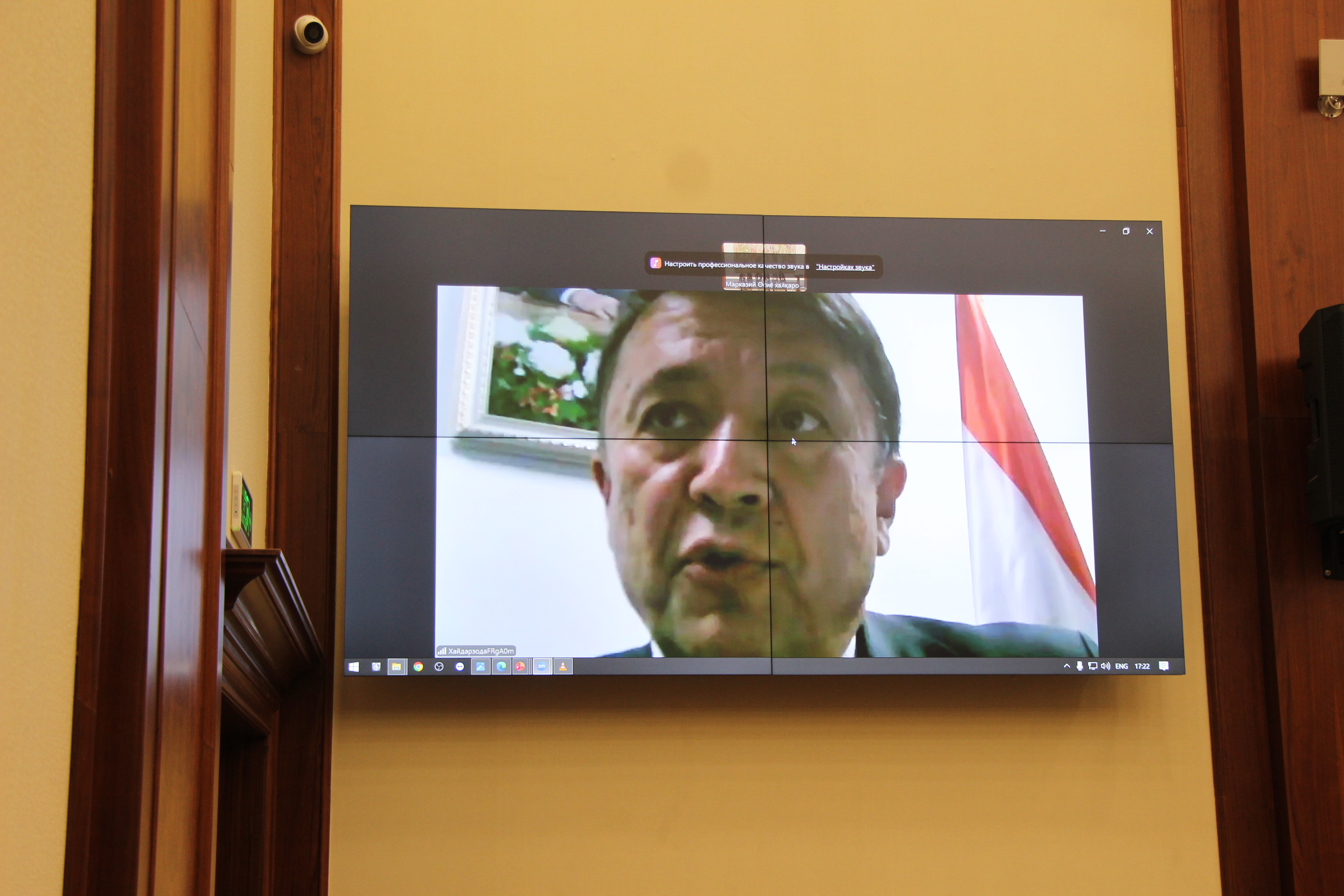
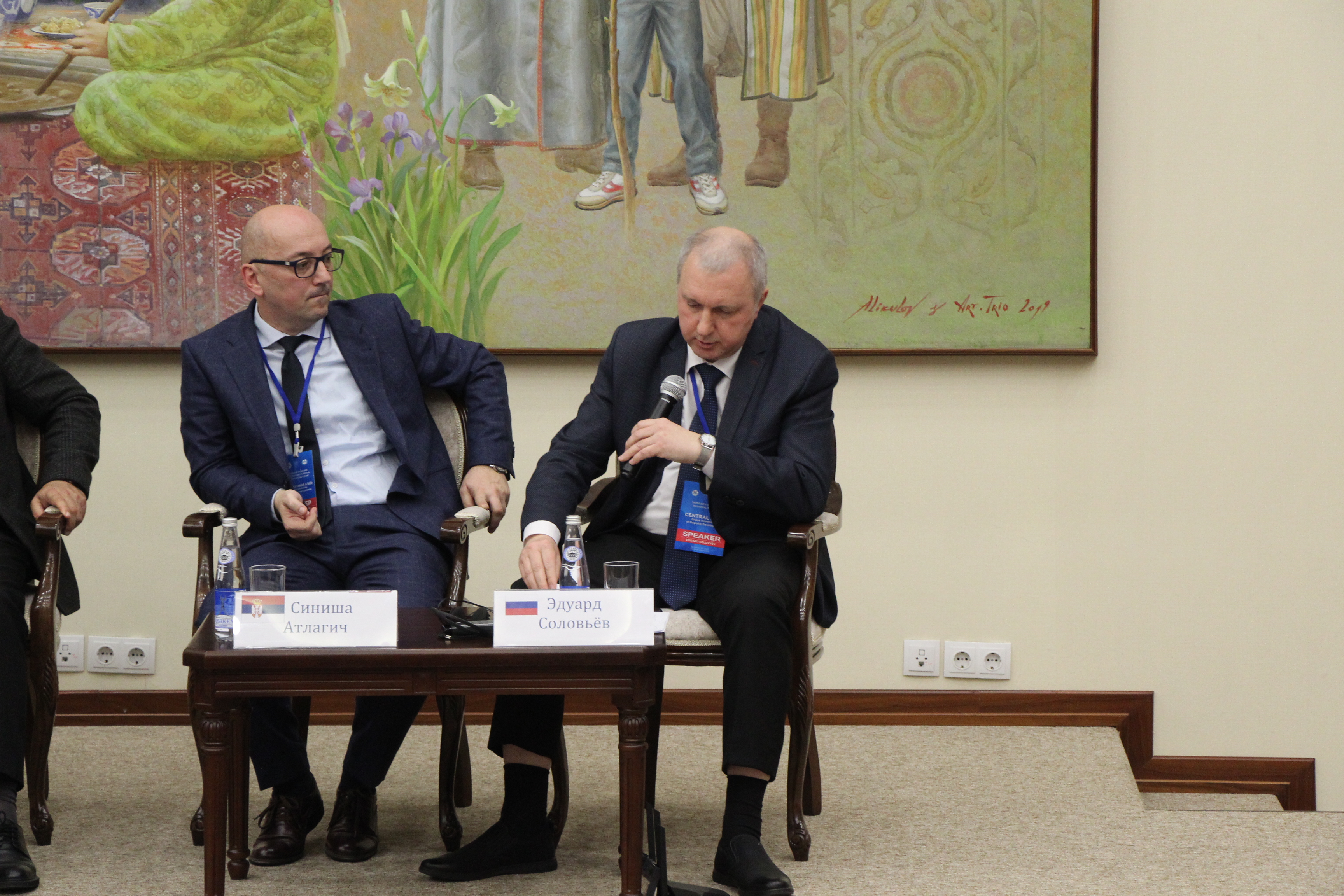
Professor Eduard Solovyov, Head of the Center for Post-Soviet Studies at IMEMO RAS, noted that the primary challenge for Eurasian states is adapting to a multipolar system without stable rules or a single center of power. According to him, this environment creates strategic uncertainty but also opens opportunities to develop independent models of interaction and security beyond outdated Euro-Atlantic frameworks.
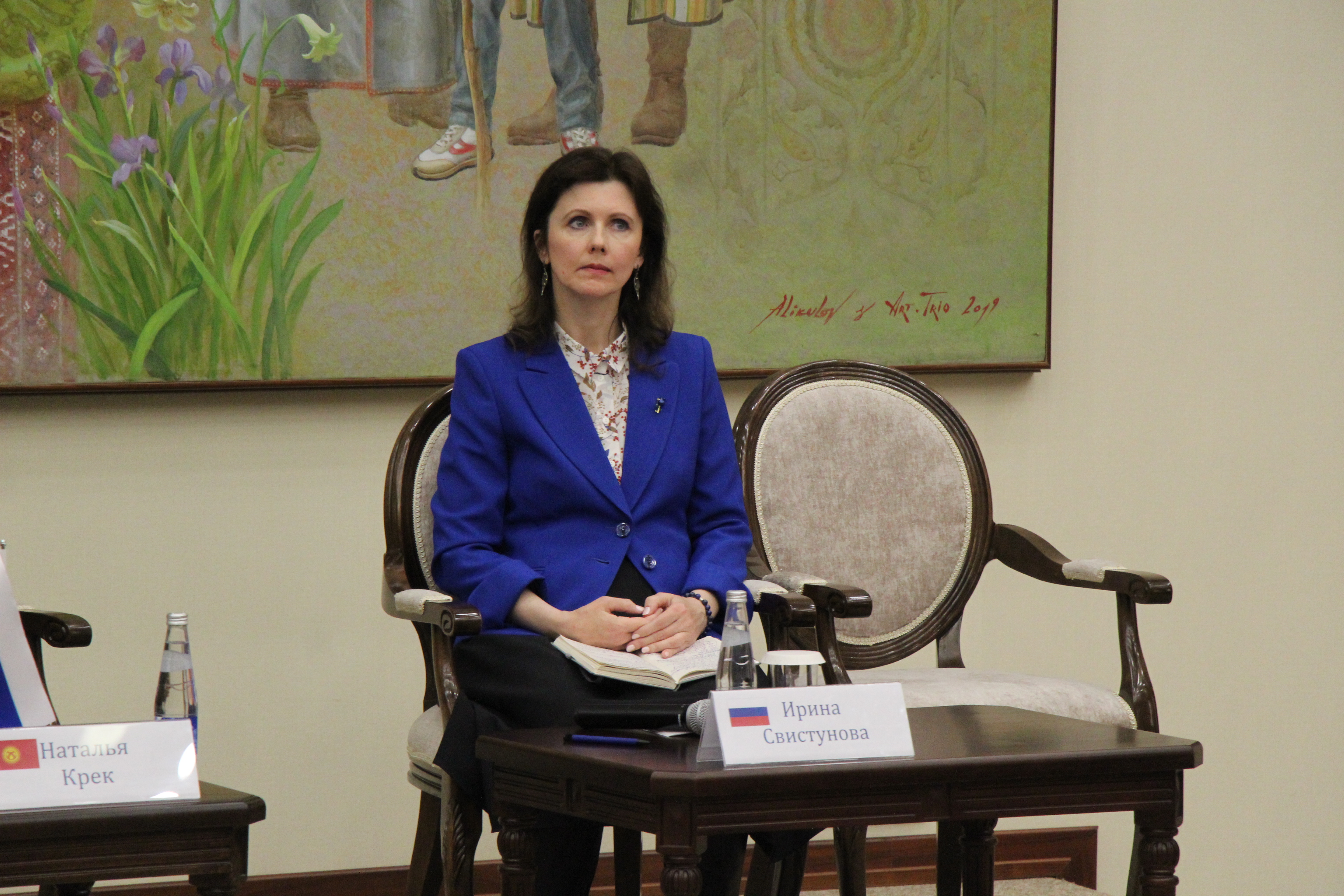
Irina Svistunova, Senior Researcher at the Center for Middle Eastern Studies at IMEMO RAS, emphasized that deep historical ties continue to exist between Russia and Central Asian countries, shaped by multiple factors. She noted that in the region—especially in Uzbekistan—there remains a broad humanitarian space where the Russian language and culture are widely present, supported by joint educational programs, branches of Russian universities, and active Russian diaspora communities.
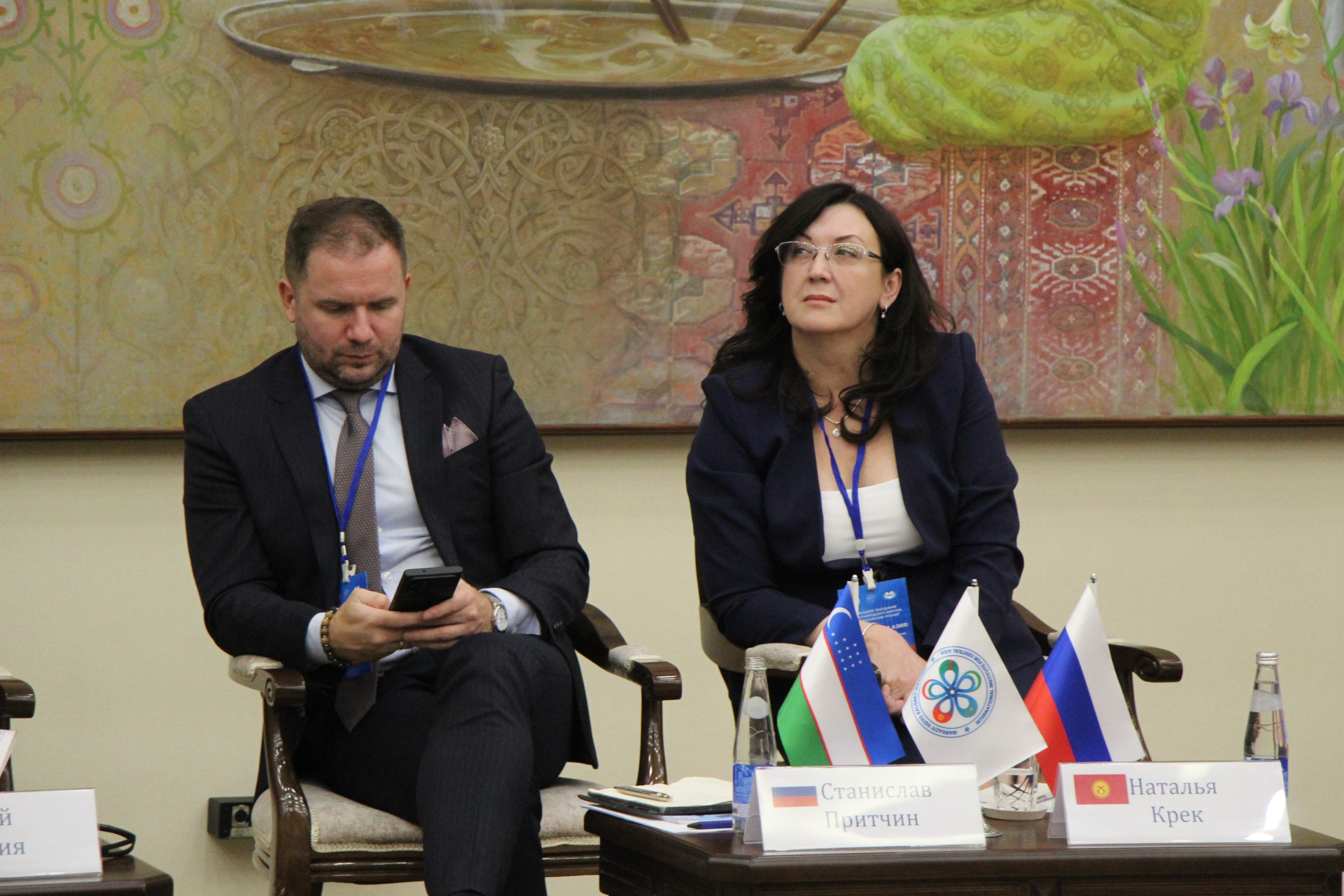
Natalya Krek, Deputy Director of the Center for Expert Initiatives “Oy Ordo” (Kyrgyzstan), observed that interest in Central Asia has grown significantly in recent years. She praised Tashkent’s initiative to resume Consultative Meetings of regional heads of state, which play a key role in strengthening cooperation and could eventually serve as the foundation for forming a full-fledged regional union.
At the conclusion of the forum, participants forecasted a further rise in the role of Central Asian countries amid the evolving geopolitical landscape. They expressed readiness to continue expert dialogue and joint work to strengthen partnerships and long-term collaboration.