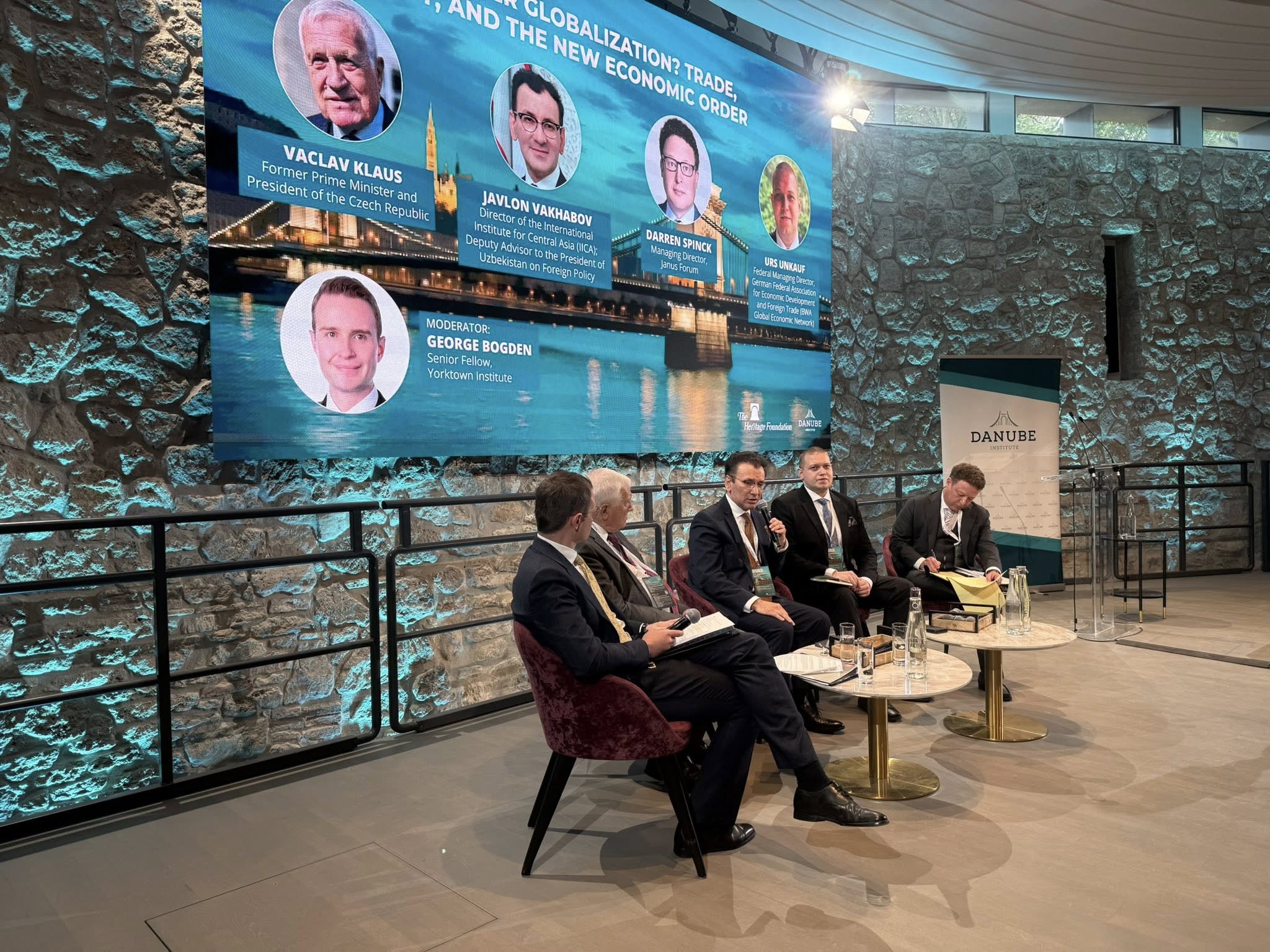
The event brought together around 200 experts and officials from various parts of the world, including former Foreign Minister of Singapore G. Yeo, former Prime Minister of Australia T. Abbott, former President of the Czech Republic V. Klaus, Director of the Budapest Office of OTS B. Hendrich, Member of the UK House of Lords D. Frost, Member of the European Parliament F. Leggeri, and others.
Vakhabov delivered an address at the session titled – “What Comes After Globalization? Trade, Technology, and the New Economic Order” where he elaborated on the evolving role of modern Central Asia amid global political and economic transformations.
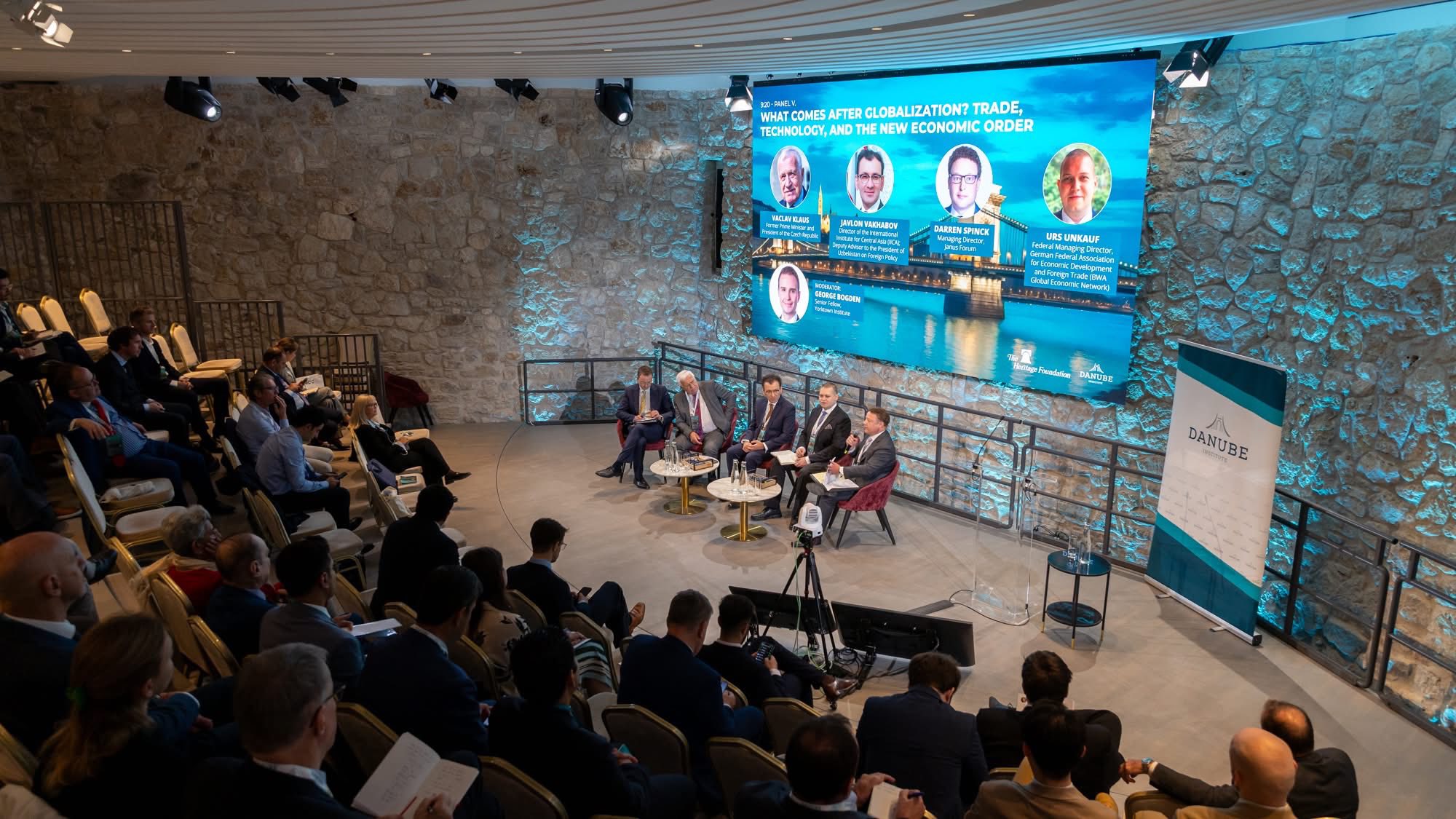
In particular, the IICA Director emphasized that contemporary geopolitics is increasingly shaped by multipolarity and the growing pursuit of strategic autonomy by states. Against this backdrop, Central Asia is striving to build stable and trust-based relations with the world’s leading powers, guided by the principles of balance and pragmatism.
As noted, Russia remains a key partner in the areas of economy and security through mechanisms such as the CIS, CSTO, and EAEU. China, in turn, has assumed the role of the region’s leading trade partner, with bilateral trade volumes approaching $95 billion, driven in part by infrastructure and connectivity projects under the Belt and Road Initiative. The United States also remains strategic relevant, primarily as a partner in the fields of security and technology, while the European Union is strengthening its presence through investments — including €12 billion within the framework of its ambitious Global Gateway program.
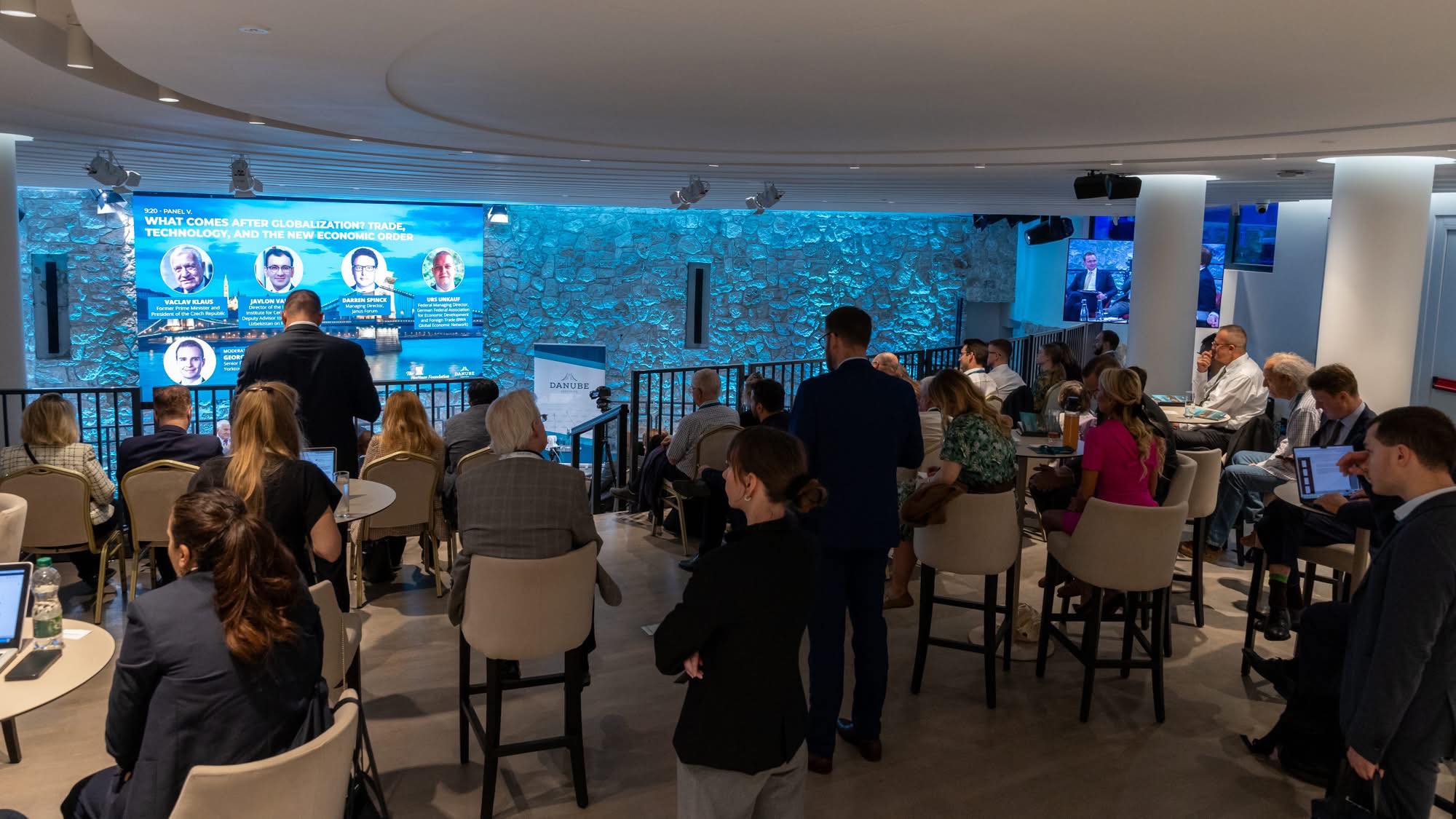
It was also emphasized that special attention is being given to cooperation with the Gulf countries, which have tripled their investment in Central Asia since 2022, focusing on renewable energy, logistics, and Islamic finance. Against this backdrop, Javlon Vakhabov highlighted the rapidly growing importance of the Middle Corridor, which has become a strategic advantage for Central Asia. As the IICA Director noted, the region is actively investing in infrastructure modernization and the coordination of transit policies, effectively transforming its “landlocked geography” into a “competitive advantage”. Meanwhile, Europe benefits from diversified transport routes, China gains a reliable extension of the “Belt and Road Initiative”, and Turkey sees its role as a Eurasian gateway further strengthened.
In conclusion, the IICA Director highlighted the importance of Uzbekistan’s good-neighborliness policy in Central Asia, emphasizing that numerous conflicts between neighboring countries across the globe, Central Asia’s experience of regional consolidation built relations on trust, dialogue, and mutual respect which represents not only a historic achievement for the region but also a significant global example of preventive diplomacy.