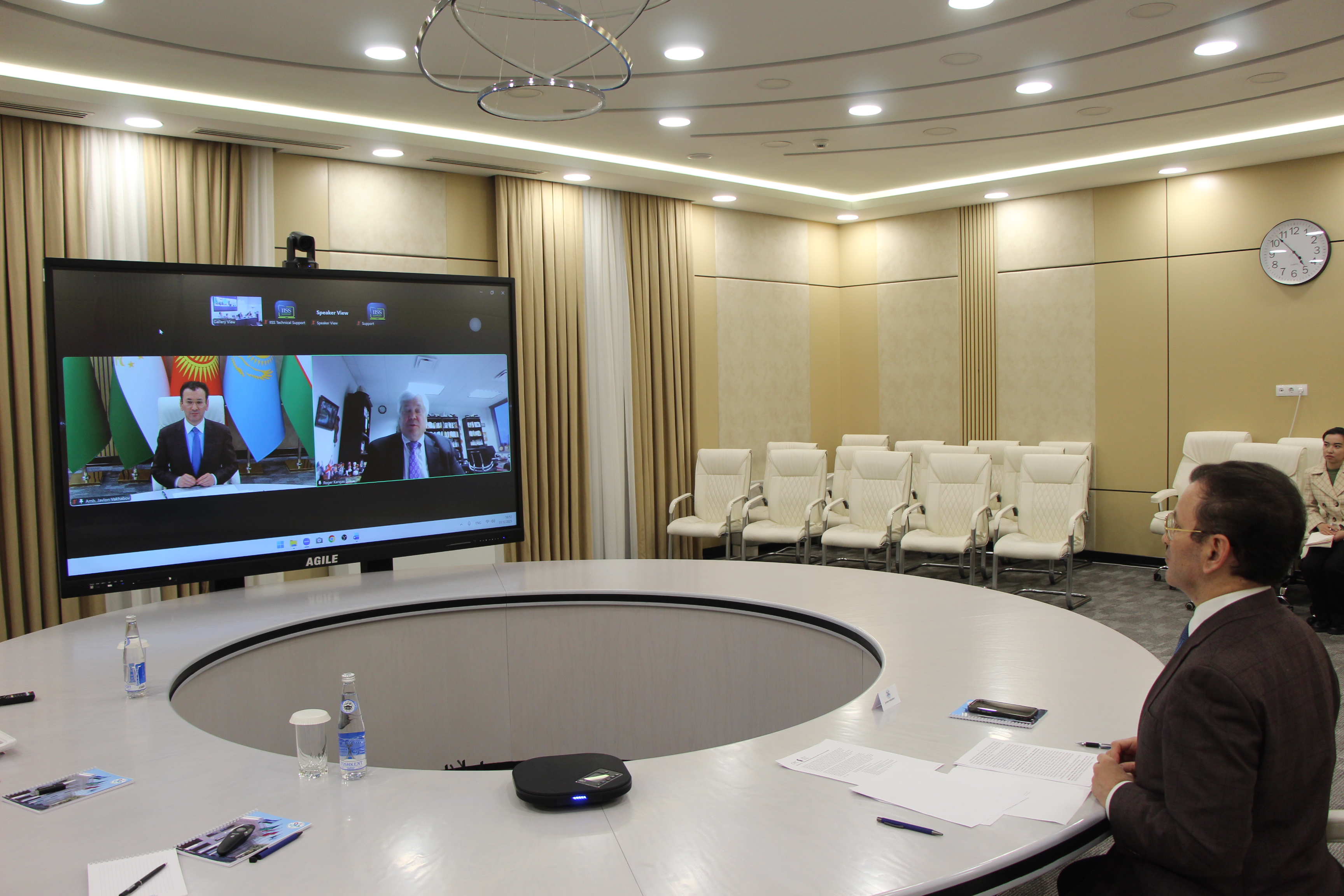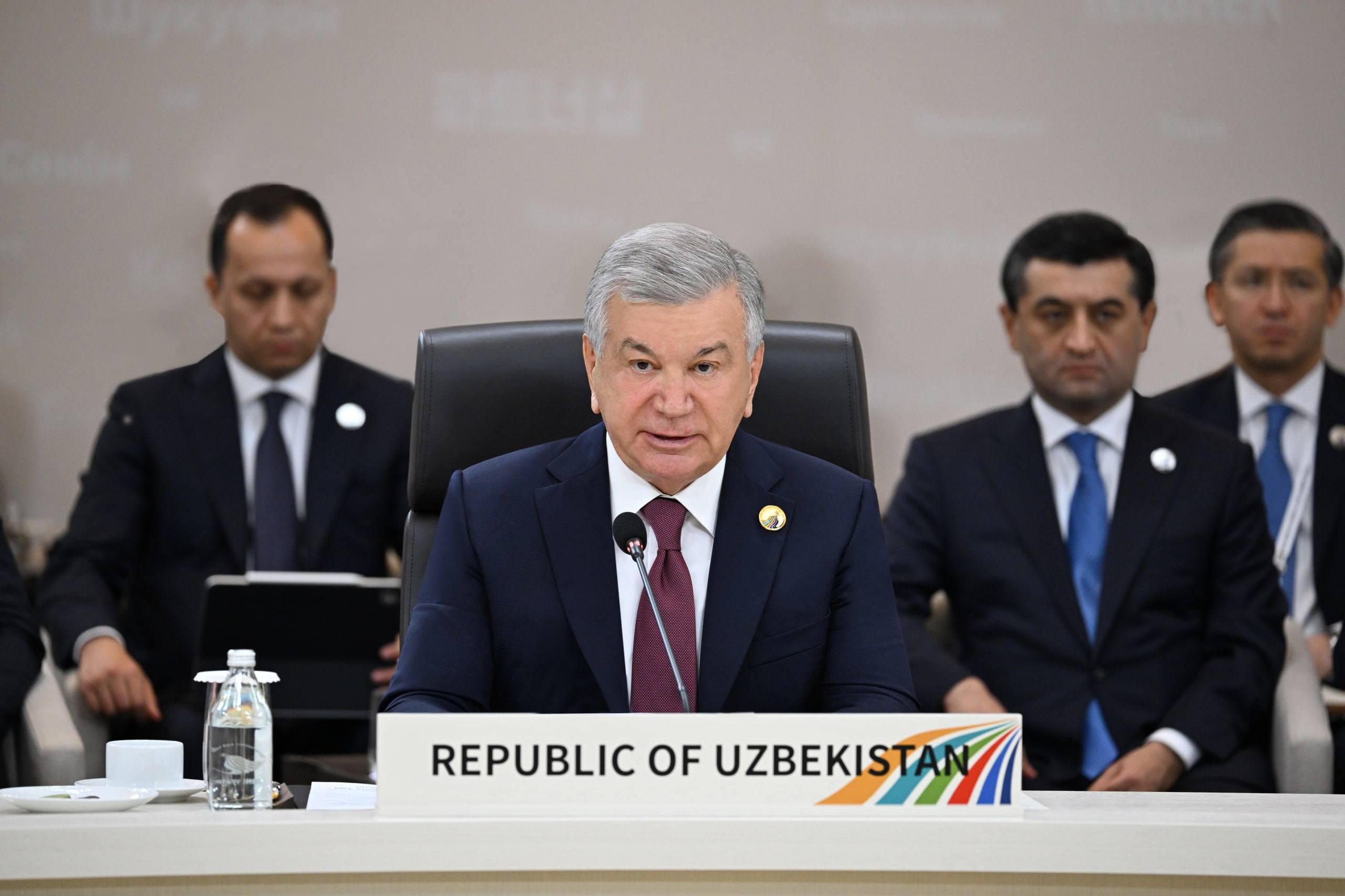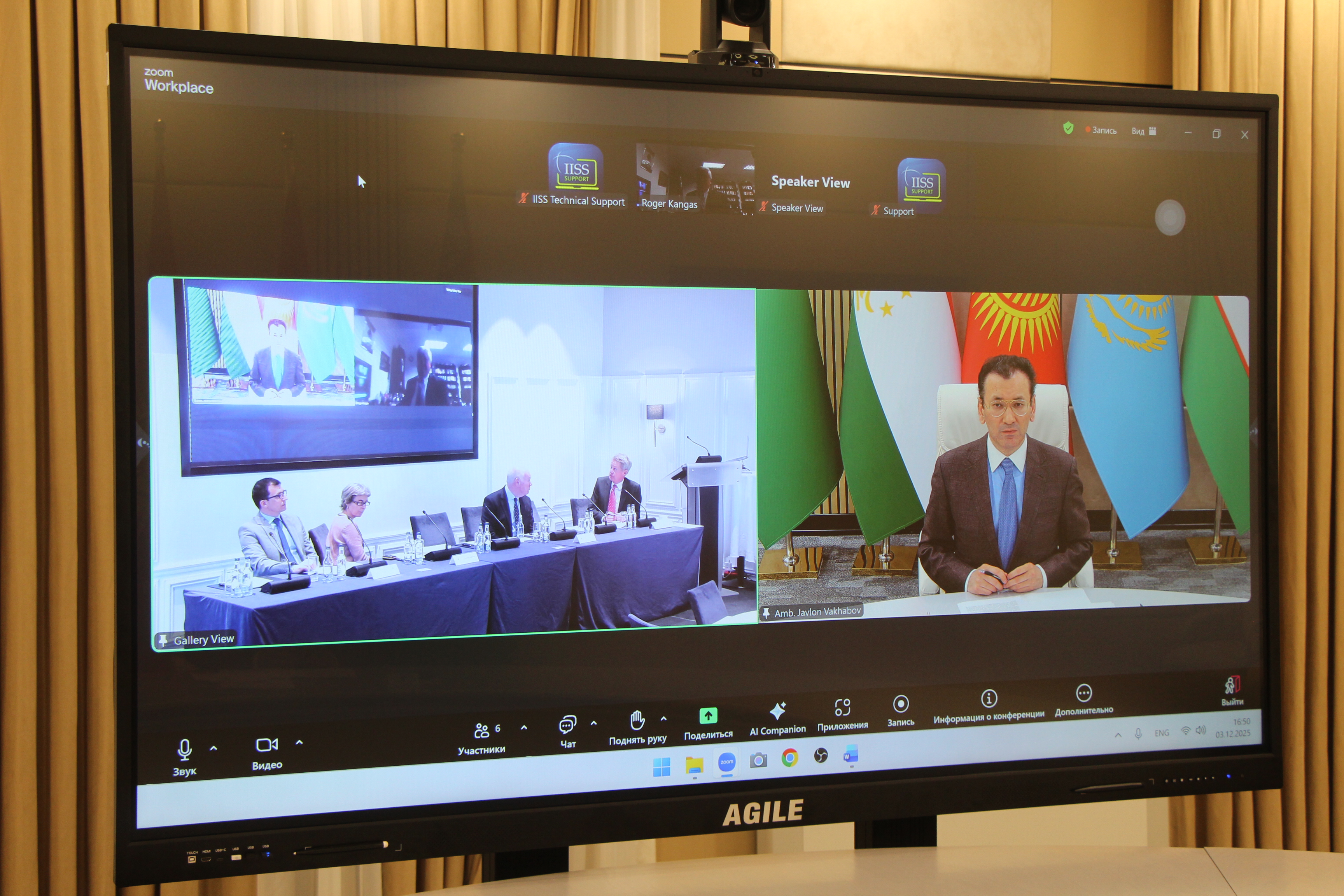
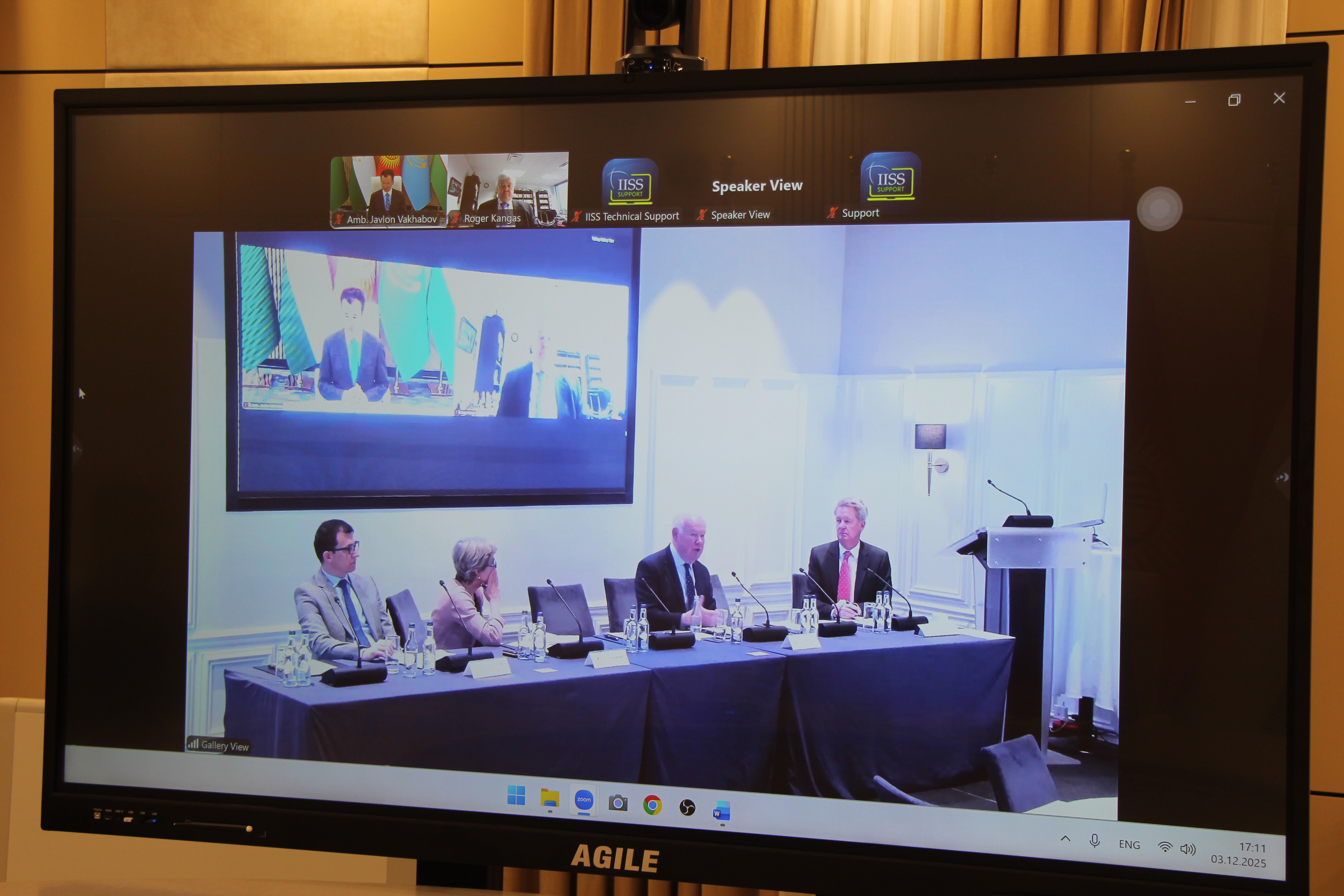
The event brought together UK government officials, diplomats, leaders and experts from prominent governmental and non-governmental think tanks from the United States, Europe, the South Caucasus and Central Asia, as well as representatives of international organizations.
The conference addressed the growing strategic importance of Central Asia and the Caspian region amid the global shift to green energy, their potential as alternative suppliers, the strengthening of regional cooperation, and the need for more coordinated joint efforts in climate and energy transitions.
In particular, Javlon Vakhabov, Director of the International Institute for Central Asia, emphasized that the transition of Central Asian countries to green and clean energy is a deliberate and forward-looking choice, supported by powerful regional and global trends. According to him, over the past eight years the region’s economy has grown 2.5 times, reaching $520 billion. This progress has been accompanied by the emergence of new industries, further increasing demand for modern and sustainable energy solutions.
Javlon Vakhabov also noted that the region’s population has surpassed 80 million, and rapid urbanization is accelerating demand for energy resources. As highlighted at the conference, electricity demand could increase by 30–40% by 2030.
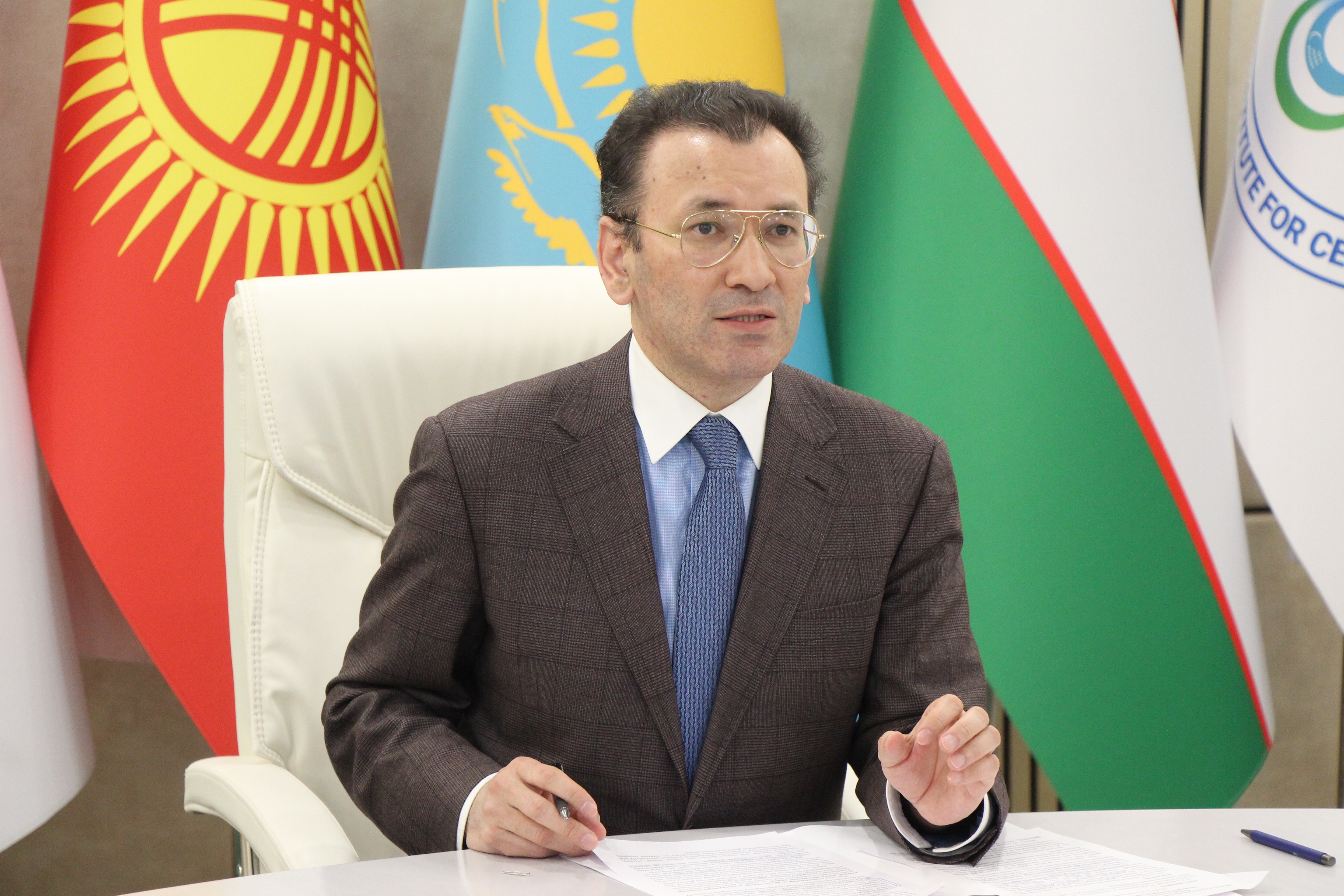
At the same time, all Central Asian countries remain committed to the Paris Agreement, which reinforces environmental responsibility, improves access to international financing, and enhances the region’s investment attractiveness. For example, Kazakhstan signed $3.7 billion in green deals at the COP29 conference in Baku last year, while foreign investment in Uzbekistan’s energy transition now exceeds €22 billion.
Charles Hendry, former UK Minister of State for Energy and Climate Change, noted that the United Kingdom can provide substantial support to Central Asia in its transition to green energy, particularly in developing solar energy, given the region’s favorable geographical conditions. While the UK itself has limited solar potential, it possesses advanced technologies that can effectively contribute to the development of solar energy in Central Asia.
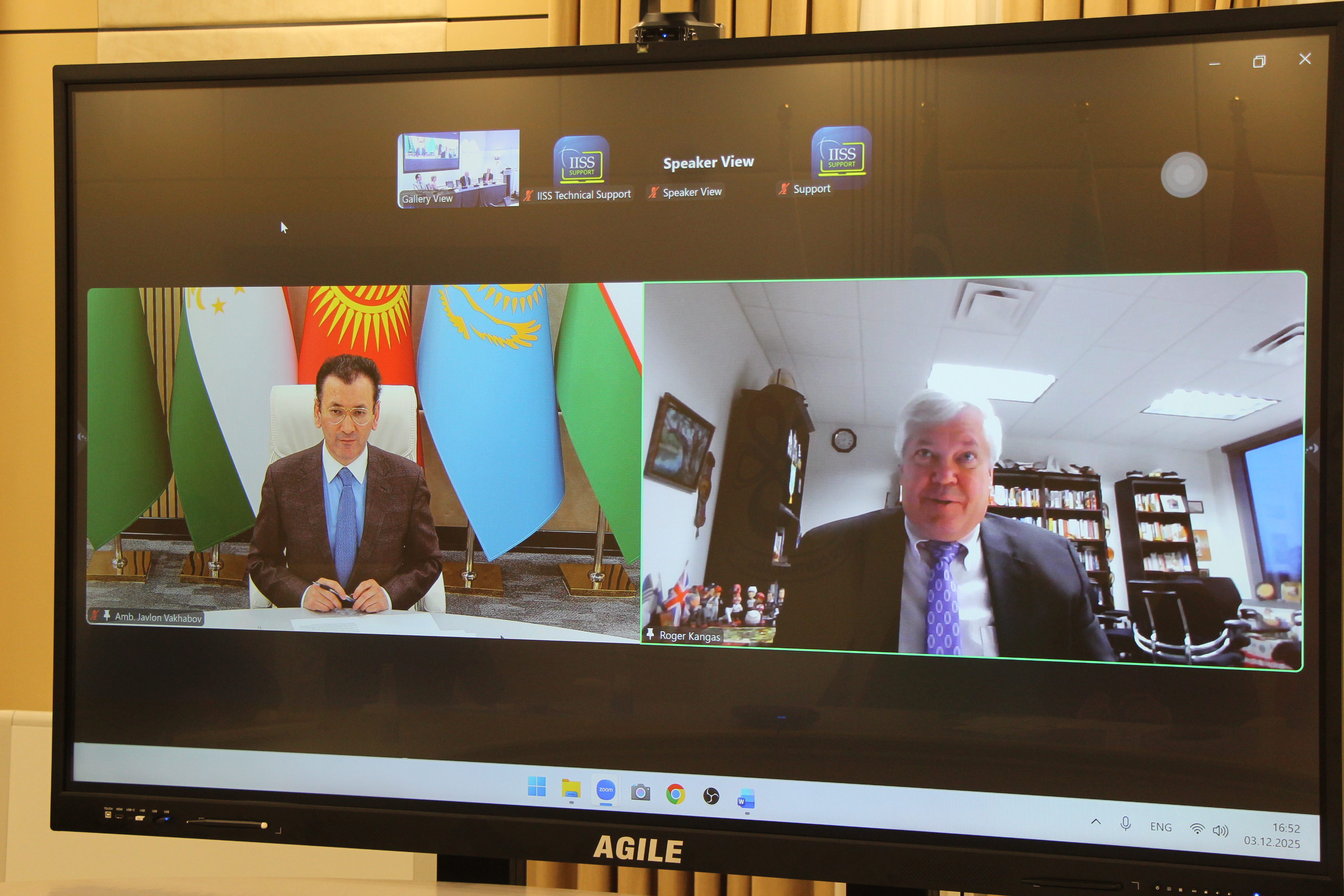
Roger Kangas, Dean of Central Asian Studies at the Near East South Asia Center for Strategic Studies, focused on the security of Central Asia’s energy infrastructure. As he noted, advances in technology and the cyber environment are increasing the risks of disruptions to energy facilities, which is especially significant for the region. Strategic partnership with the European Union, which has extensive experience in this field, could significantly strengthen the resilience and security of the region’s energy systems.
In conclusion, Javlon Vakhabov stressed that Azerbaijan’s growing engagement in regional cooperation with Central Asia will greatly enhance the region’s energy potential. He highlighted the importance of the trilateral “Green Energy Corridor” project, which aims to transmit renewable electricity across the Caspian and Black Seas to Europe.