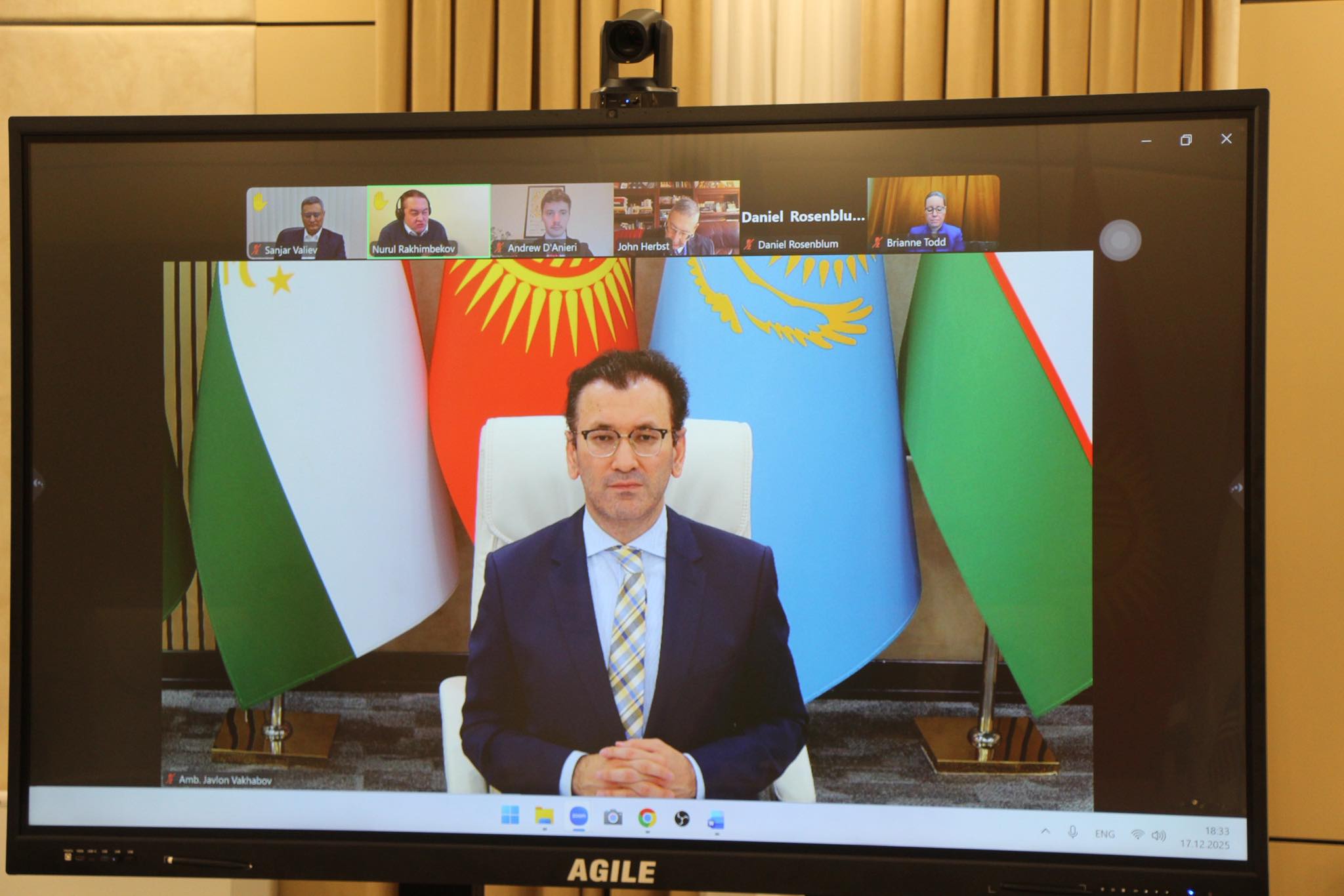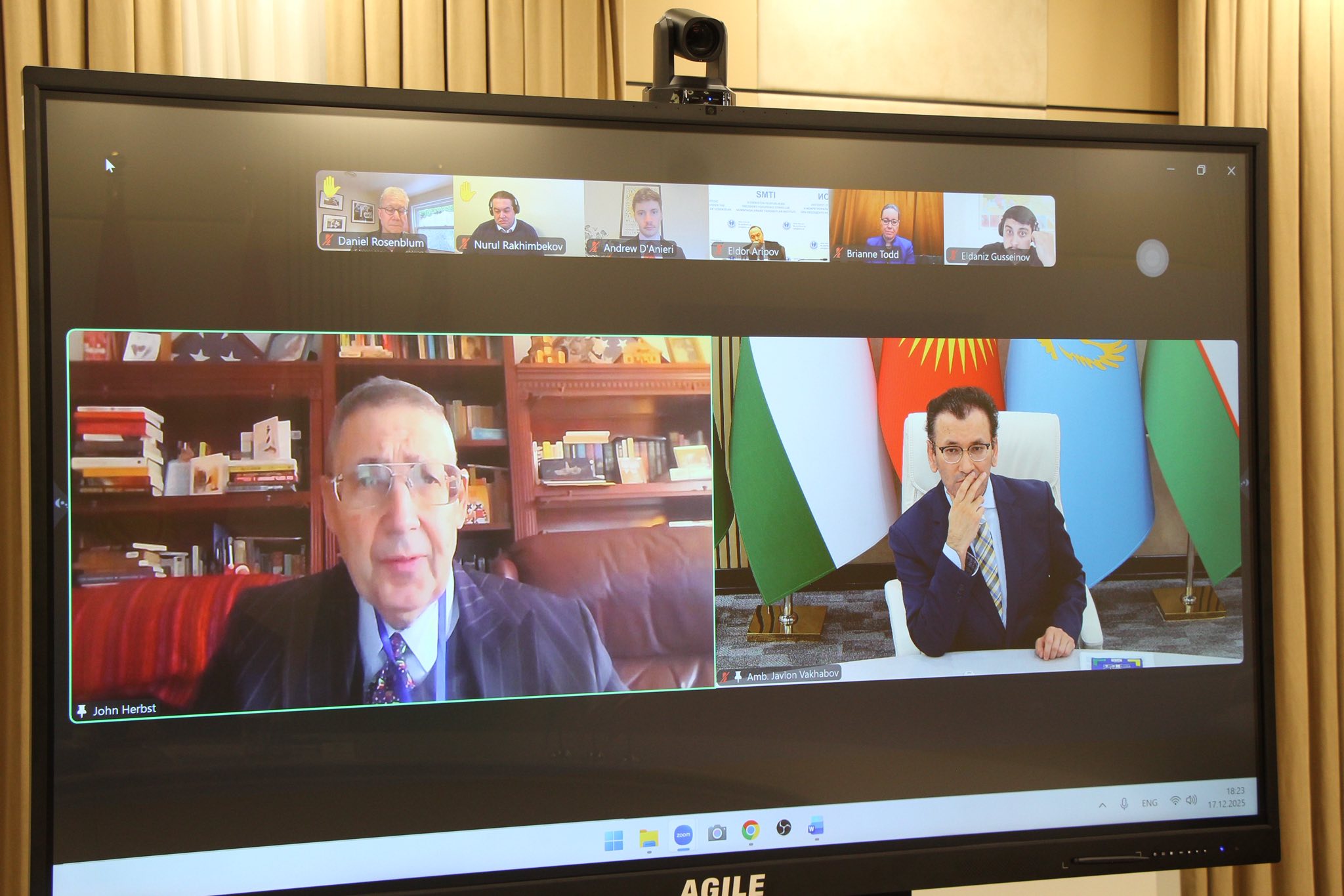
The event brought together heads and experts from leading governmental and non-governmental think tanks of the United States, Central Asian countries, and Azerbaijan, as well as former U.S. ambassadors to the region.
The discussion focused on further strengthening multilateral cooperation among Central Asia, Azerbaijan, and the United States within the C5+1 framework, including through enhanced engagement among research institutions.
Participants noted that amid the growing intensity and expansion of diplomatic contacts between Central Asia and the United States under the C5+1 format, the more active and systematic involvement of think tanks in this dialogue has become particularly important.
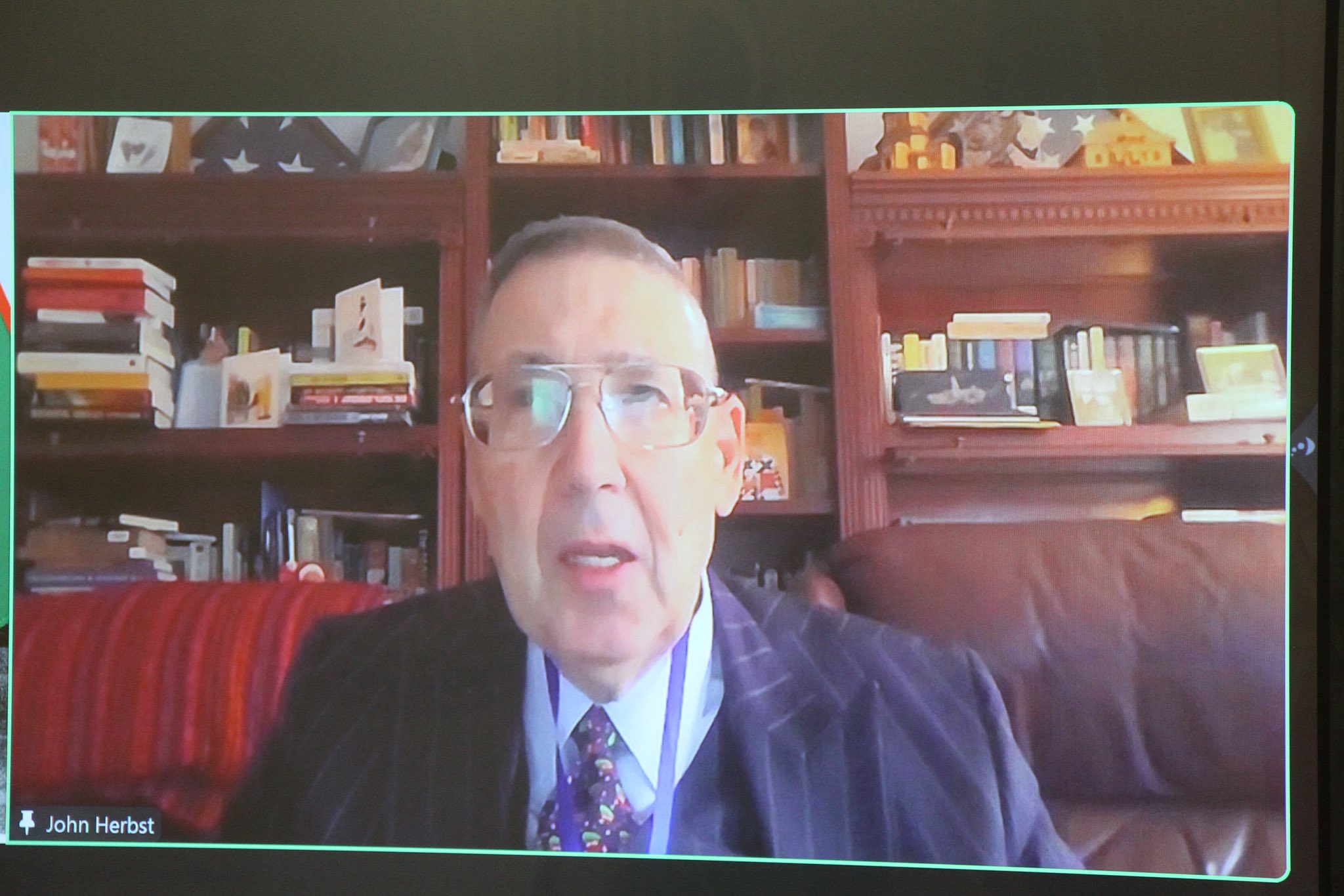
In this context, Director of the International Institute for Central Asia (IICA) Javlon Vakhabov emphasized that, in order to strengthen and institutionalize cooperation among think tanks, existing platforms should be actively utilized, including the “Central Asia–U.S. Think Tank Forum,” which could serve as a sustainable venue for developing practical policy recommendations and providing expert support to multilateral dialogue.
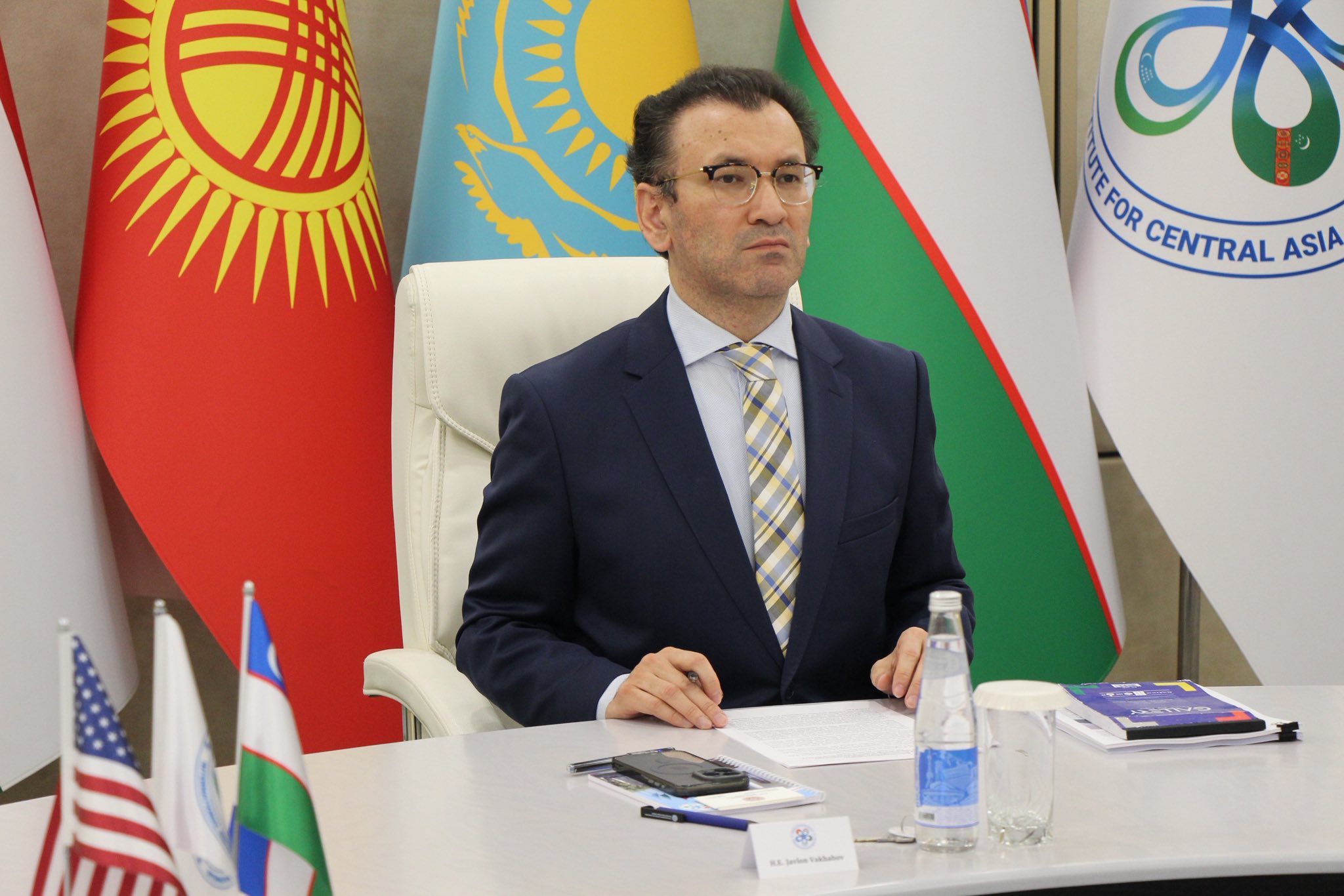
It was also noted that think tanks must take into account both global and regional transformations in their work. In this regard, the importance of engaging Azerbaijan-based think tanks in interregional dialogue was underscored, especially in light of Baku’s participation in the regional cooperation platform through the Consultative Meetings of the Heads of State of Central Asia.
According to Javlon Vakhabov, such an approach would allow for a deeper and more comprehensive examination of regional connectivity prospects and the development of transport and logistics corridors between Central Asia and the South Caucasus.
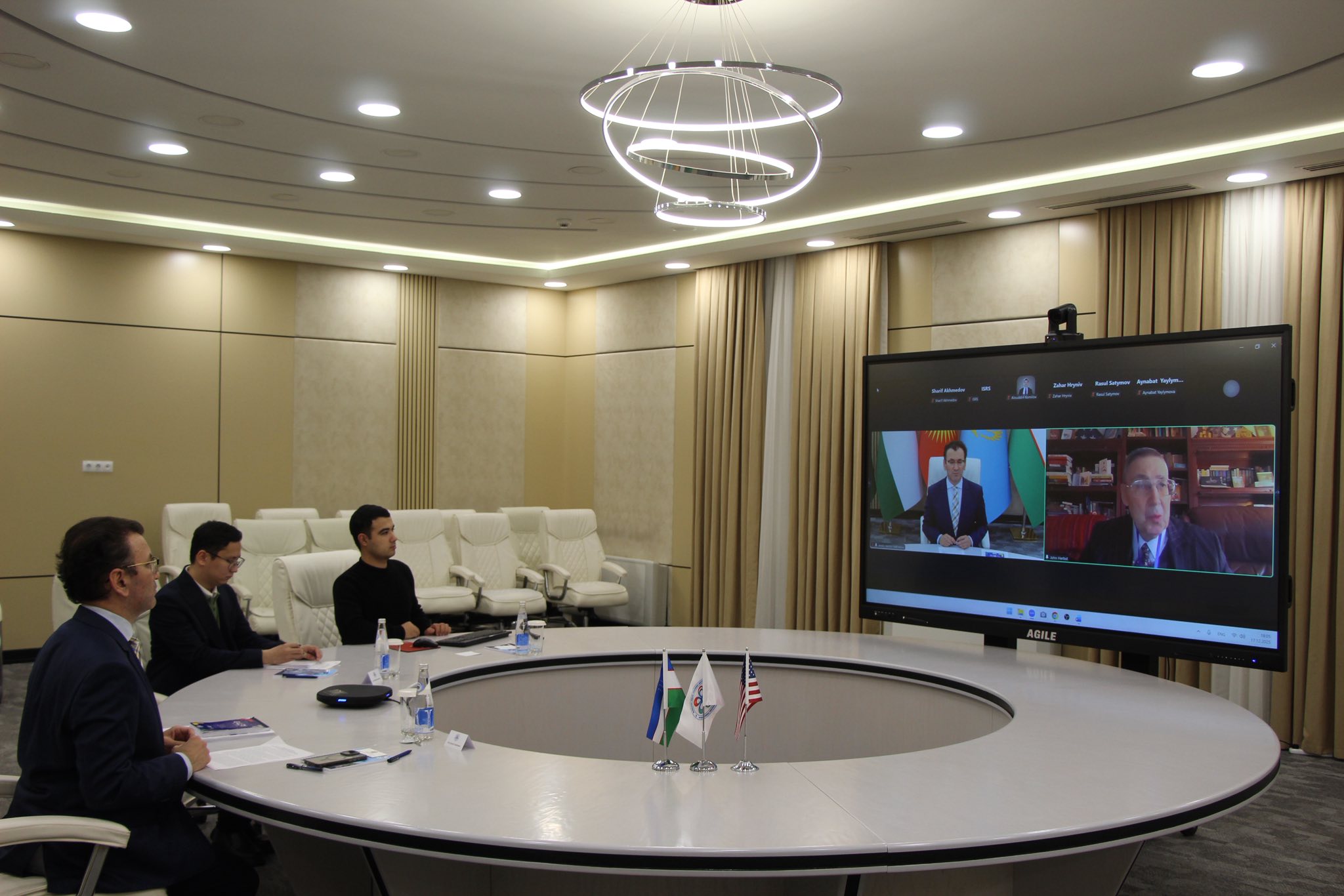
Participants further highlighted that transformation processes in Central Asia are currently unfolding at a rapid pace, and that the region has changed significantly compared to what it was ten years ago, when the C5+1 format was first established.
They noted that these positive changes have created favorable conditions for intensifying cooperation with external partners, including the United States, clearly demonstrated by the recent “Central Asia–U.S.” Summit held at the White House.
In conclusion, Javlon Vakhabov stressed that the future of the C5+1 format remains positive, and that with sufficient political will, sustained dialogue, and active engagement of think tanks, the format can continue to develop progressively, strengthening multilateral cooperation and enhancing Central Asia’s role as a reliable partner of the United States.