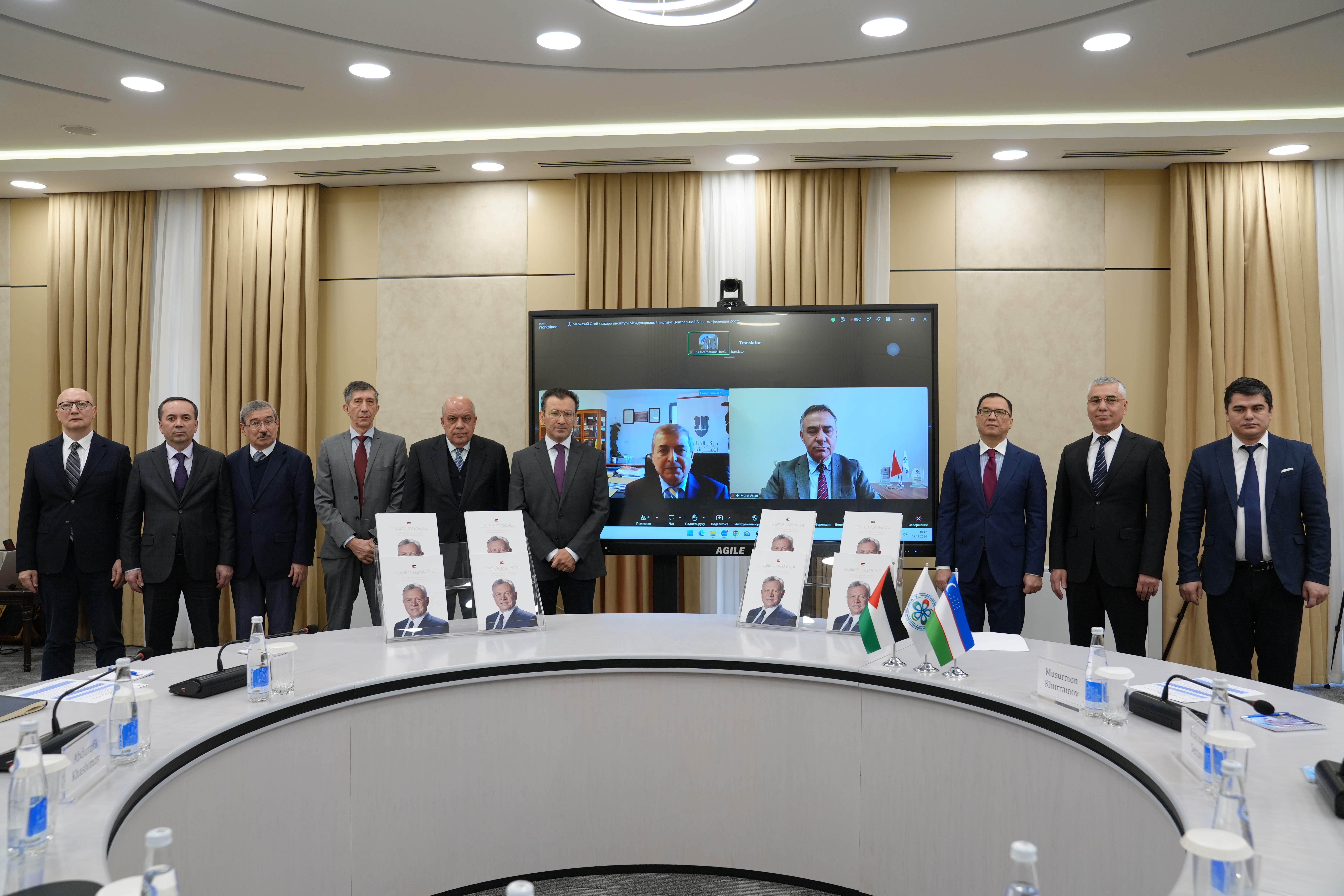
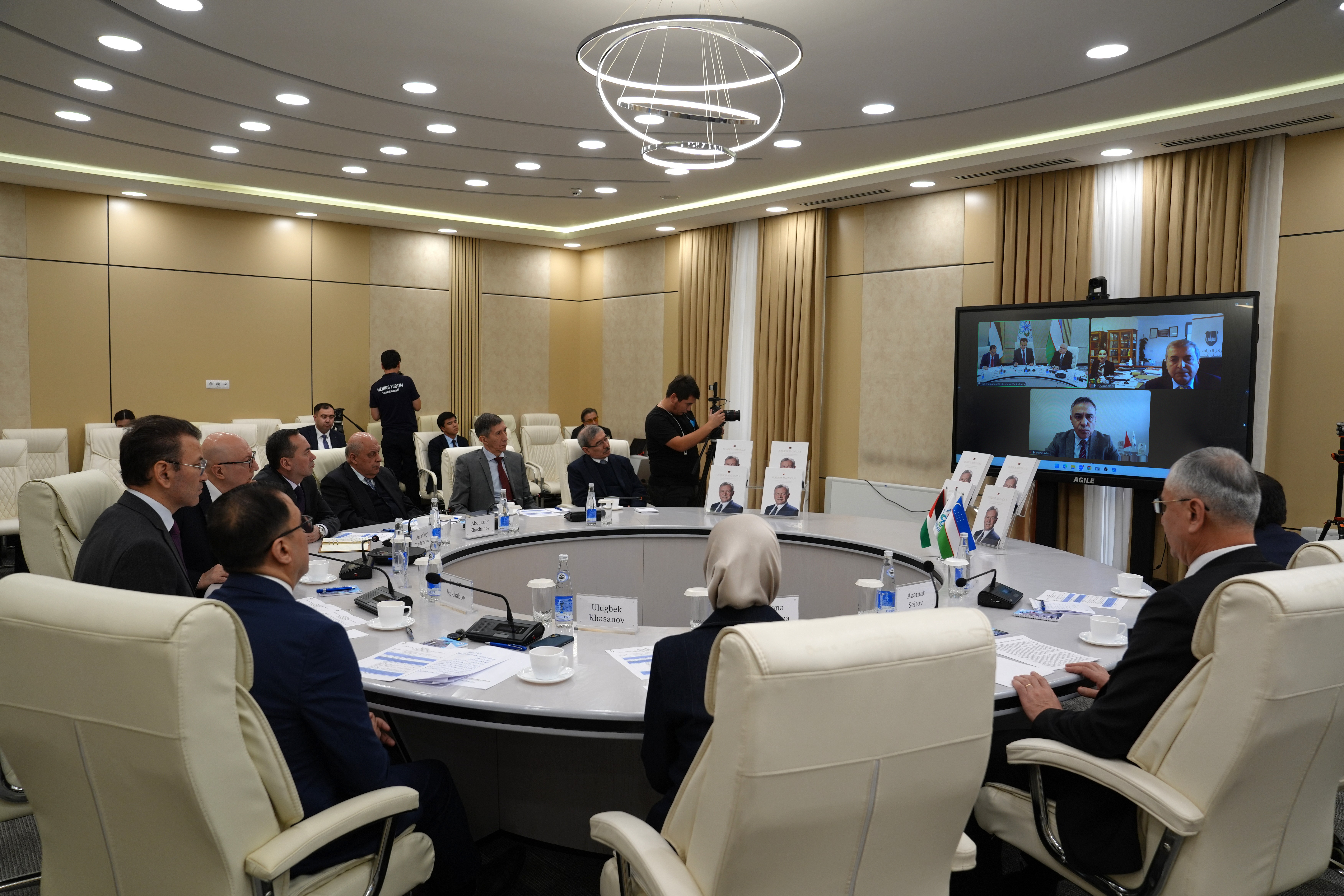
The roundtable brought together representatives of research institutes, universities, and the diplomatic corps accredited in Uzbekistan, as well as experts from the Center for Strategic Studies at the University of Jordan, Türkiye’s Foundation for Political, Economic and Social Research (SETA), and the Institute of Oriental Studies of the Russian Academy of Sciences (RAS).
Opening the roundtable, IICA Director Javlon Vakhabov noted that King Abdullah II’s book offers new approaches to understanding developments in the Middle East in light of contemporary trends in international relations. He emphasized that the very title of this fundamental work highlights the particular responsibility for the region’s future.
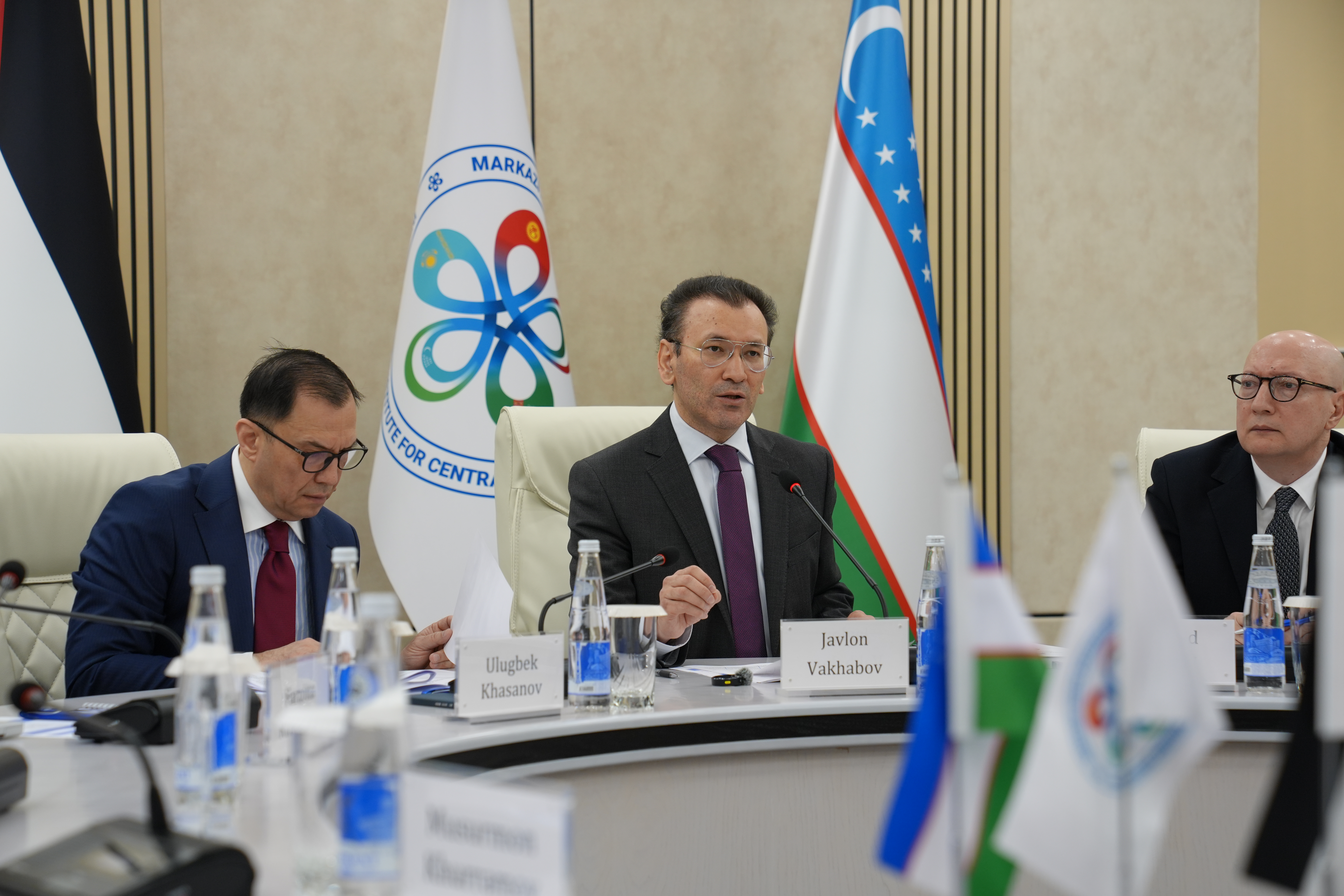
According to J. Vakhabov, Jordan’s position on the Palestinian issue largely aligns with that of Uzbekistan, which consistently advocates a just and lasting settlement of the Middle East conflict based on United Nations resolutions and the two-state solution. The IICA Director highlighted Jordan’s positive experience in combining principled positions with pragmatism in its foreign policy. He also drew attention to the considerable potential for interregional cooperation among Central Asia, Jordan, and the Gulf states, the political foundation for which was laid at the first Central Asia–Gulf Cooperation Council (GCC) Summit, held in Jeddah in 2023.
Ulugbek Khasanov, Professor at the University of World Economy and Diplomacy (UWED), noted that resolving the Middle East conflict could offer Palestinians a genuine prospect of sustainable statehood and future security guarantees.
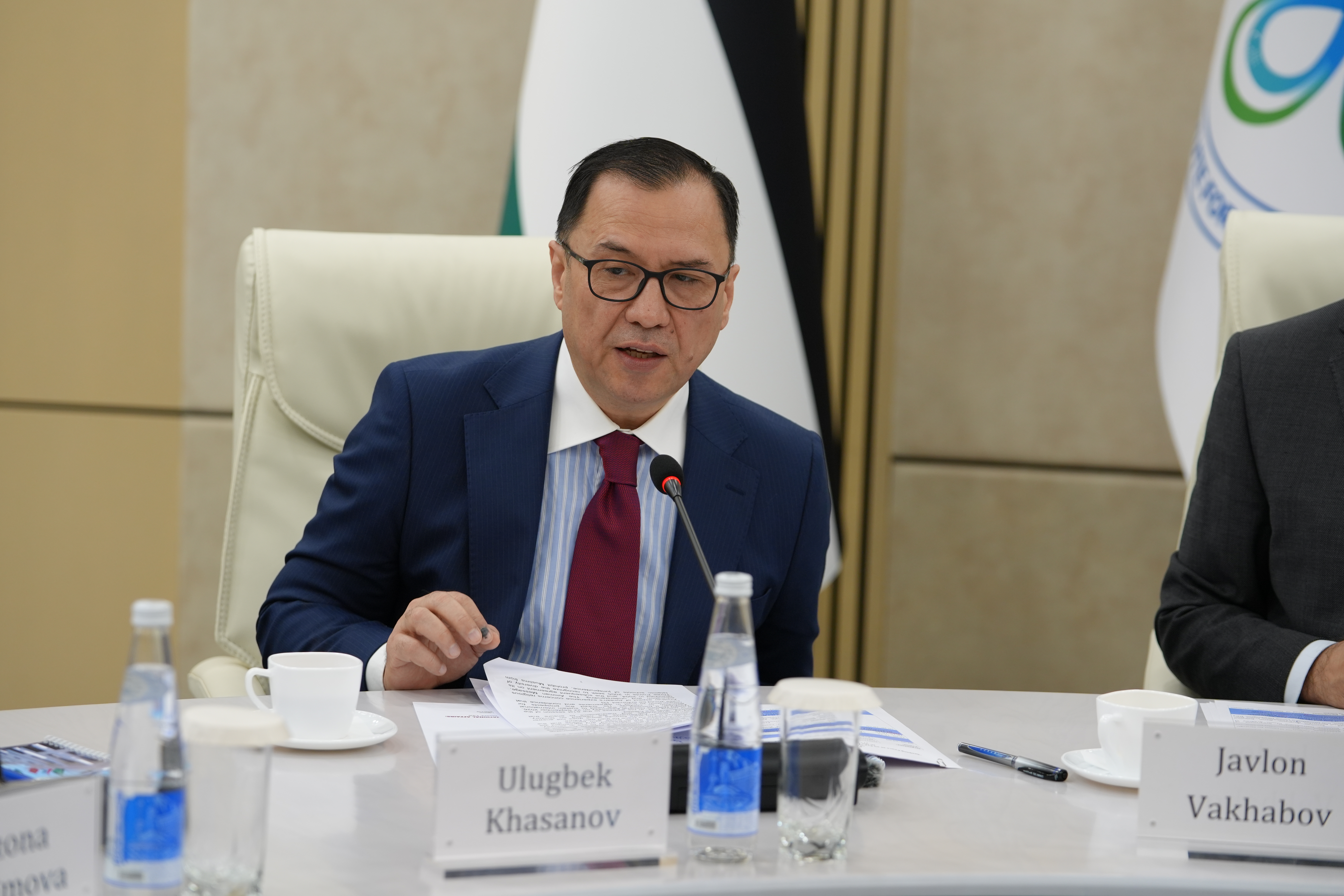
As an example, he referred to the signing of the Treaty between the Republic of Uzbekistan, the Kyrgyz Republic, and the Republic of Tajikistan on the Junction Point of the State Borders of the Three Countries, signed in Khujand in March 2025. According to the speaker, this agreement demonstrates the importance of political will in achieving peace. Khasanov proposed that IICA, UWED, and Jordanian think tanks conduct a joint study on mechanisms for ensuring the sustainability of agreements amid regional instability.
Hassan Al-Momani, Director of the Center for Strategic Studies at the University of Jordan, emphasized that King Abdullah II’s ideas reflect Jordan’s distinctive foreign policy philosophy, in which peace is simultaneously a value, a national interest, and a prerequisite for development.
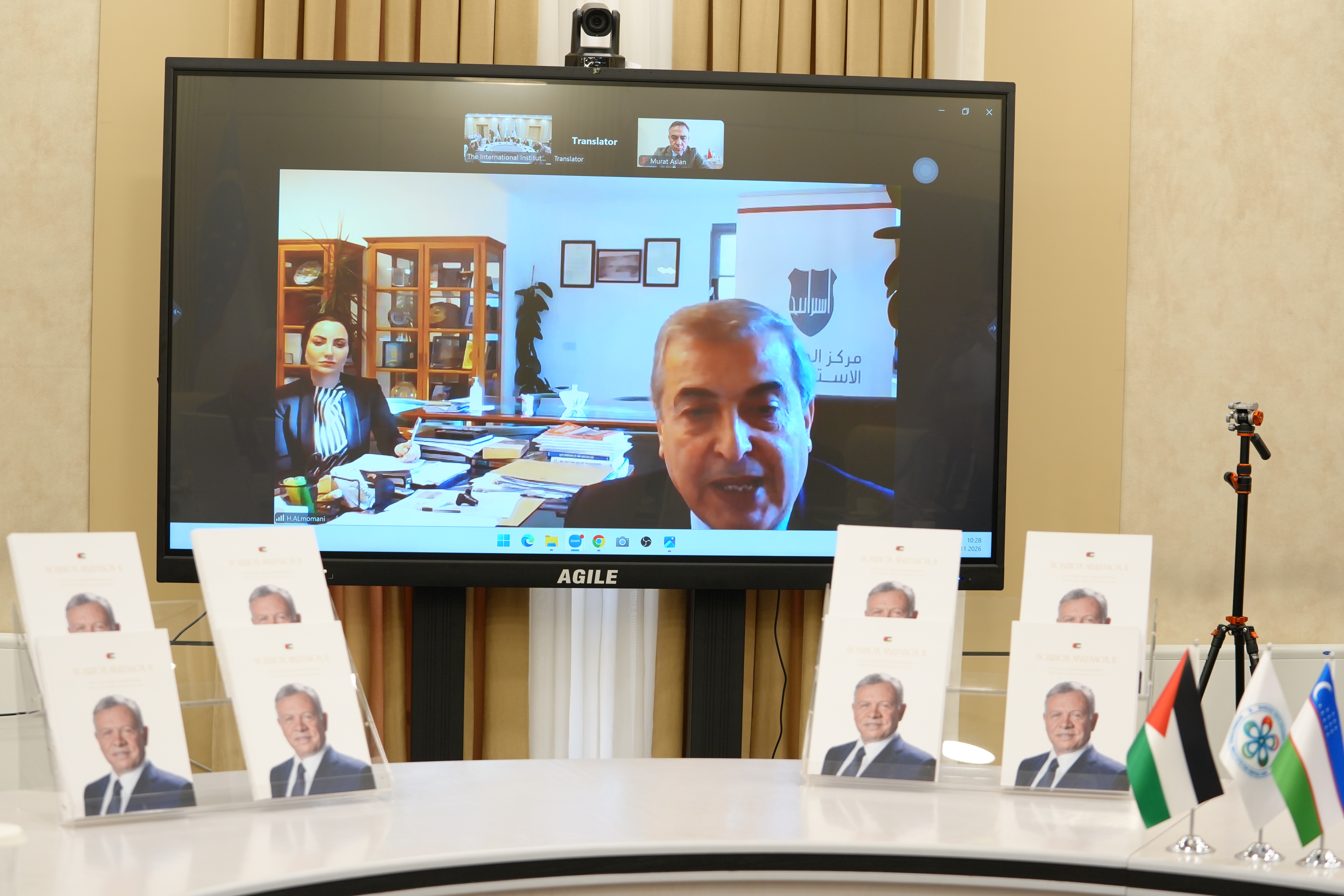
According to him, Amman consistently supports the two-state solution based on UN Security Council Resolutions 242 (1967) and 338 (1973), recognizing that “peace does not come for free” and that ideas must be translated into practical action. Comparing the Middle East and Central Asia, Hassan Al-Momani highlighted their rich historical and cultural heritage. He also referred to the widely held view that think tanks are an integral part of public diplomacy.
Murat Aslan, an expert at Türkiye’s Foundation for Political, Economic and Social Research (SETA), noted that Jordan, under the leadership of King Abdullah II, pursues a strategy of balance. He emphasized that the Middle East currently needs influential actors capable of mediating between states and communities.
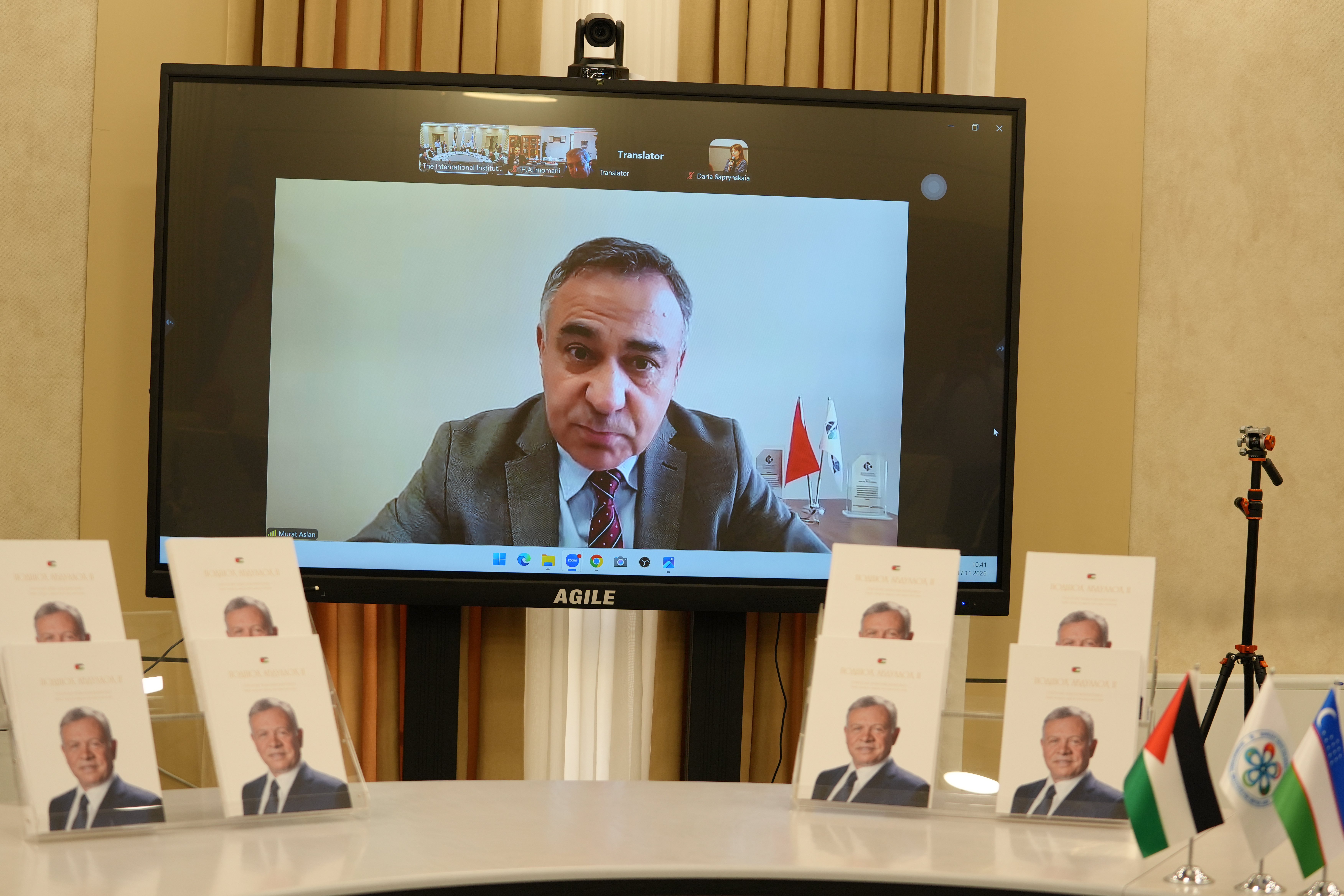
The Turkish expert proposed institutionalizing the contact groups of neighboring countries on Syria and the Gaza Strip, initiated by Jordanian Foreign Minister A. Safadi. Murat Aslan also highlighted opportunities arising from transport connectivity projects, including the Development Road project being implemented jointly by Iraq and Türkiye.
Abdurafik Khashimov, an experienced diplomat and representative of the Diplomatic Academy at UWED, outlined the main priorities of Jordan’s foreign policy presented in King Abdullah II’s book. These include support for the two-state solution, consideration of the interests of Palestinians in the Gaza Strip and the West Bank, protection of internationally significant religious holy sites, provision of humanitarian assistance, and the pursuit of a political settlement in Syria.
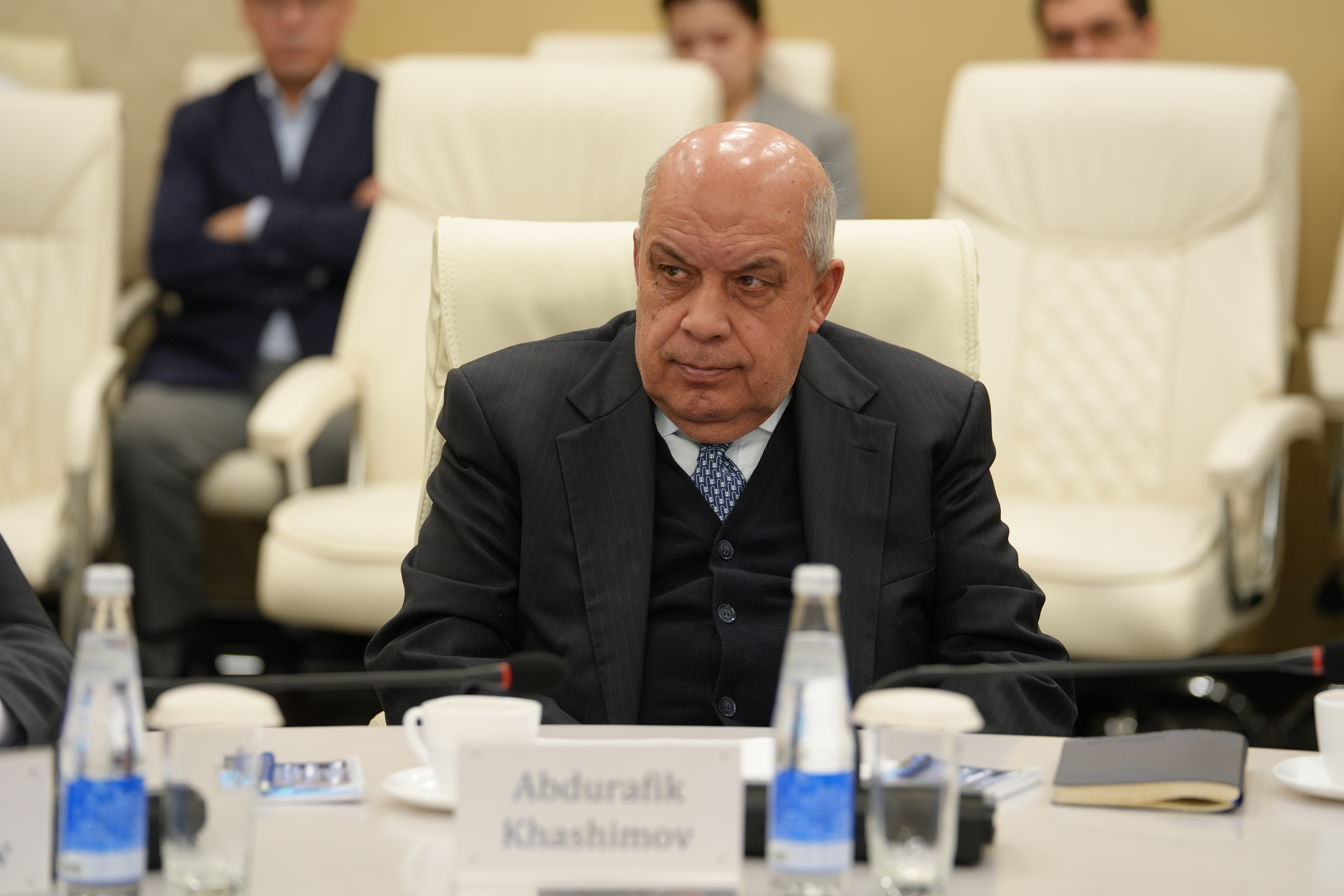
Abdurafik Khashimov emphasized the predictability and reliability of Jordanian diplomacy, as well as the positive dynamics of Uzbekistan–Jordan relations following King Abdullah II’s visit to Uzbekistan in August 2025.
Daria Saprynskaya, Research Fellow at the Institute of Oriental Studies of the Russian Academy of Sciences, drew attention to the principle of equal and indivisible security and the contradictions between declared principles and the realities of international relations.
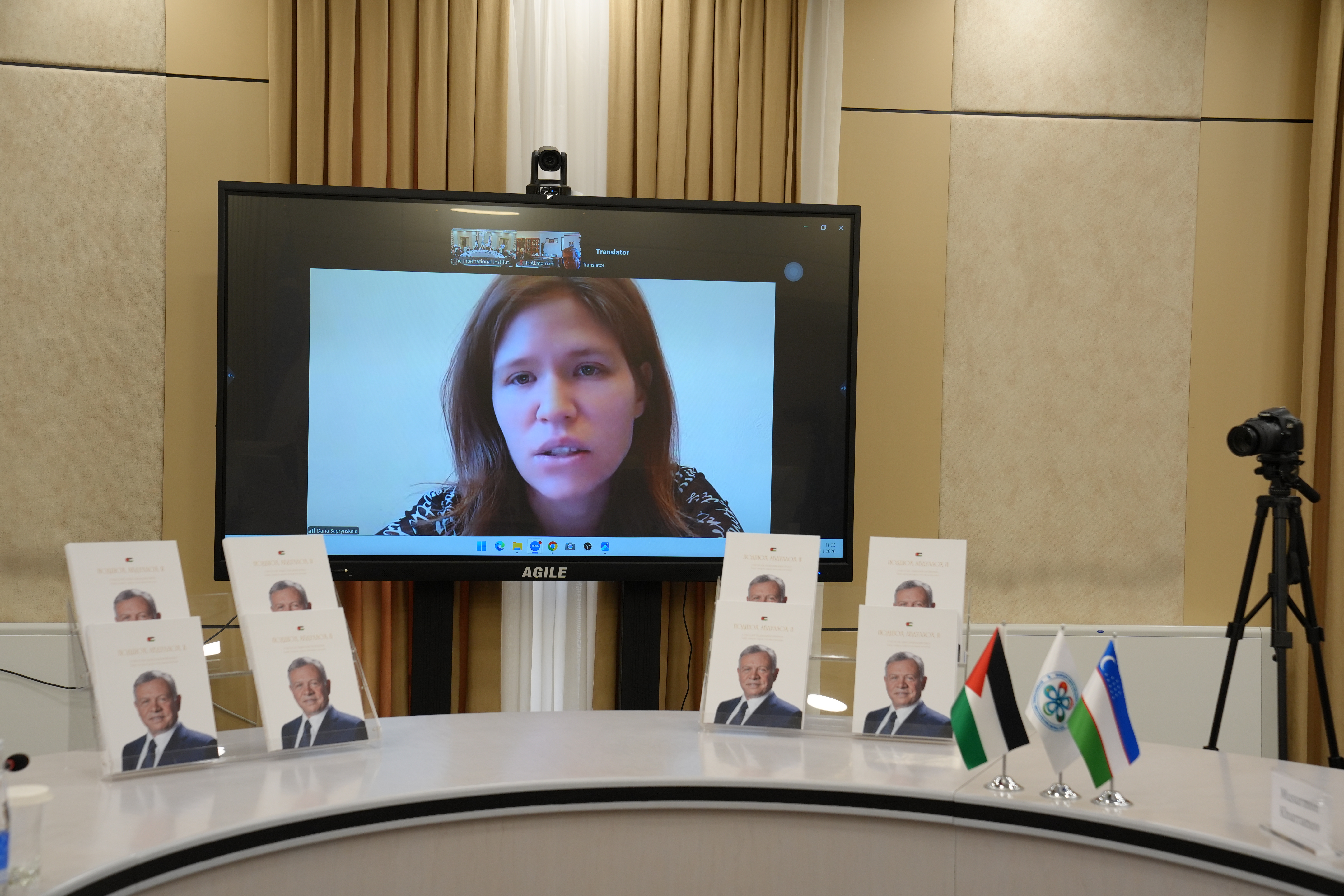
In her assessment, Central Asia and the Middle East face interconnected challenges, particularly regarding the security of transport and energy infrastructure, making sustainable development an integral component of regional security. The Russian expert also addressed the challenges facing Afghanistan, emphasizing that the country’s stability is closely linked to economic integration and its inclusion in regional transport networks. In this context, she highlighted the importance of Uzbekistan’s initiative to develop the Trans-Afghan transport corridor.
Azamat Seitov, Head of the Laboratory of Anthropology and Conflict Studies at the Institute for Advanced International Studies of UWED, examined trust as a social dimension of sustainable development.
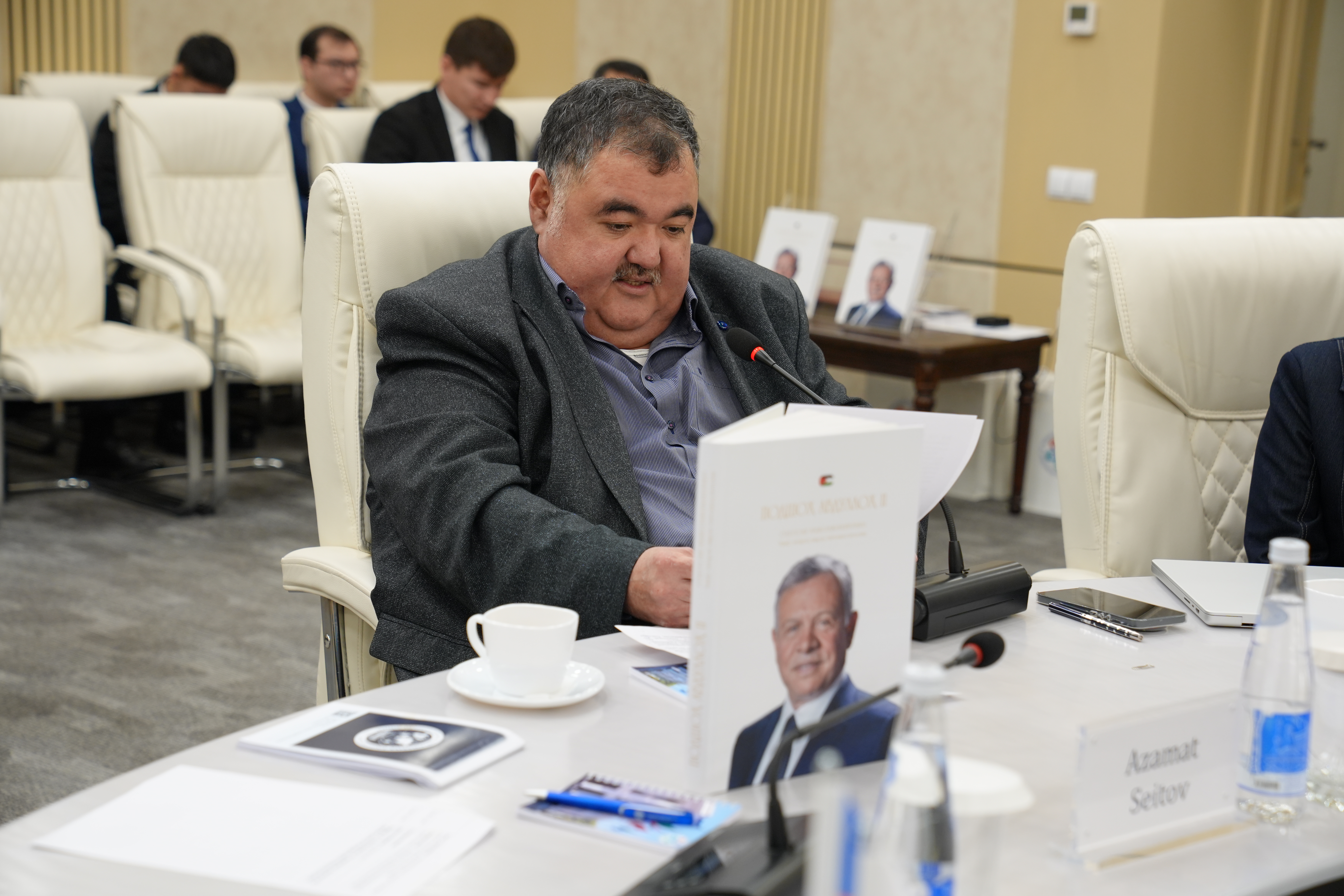
According to the Uzbek expert, Jordan’s internal resilience rests on a culture of moderation, traditions of hospitality, and respect for dialogue. Meanwhile, Central Asia has undergone its own process of building trust in recent years, transforming borders in the Fergana Valley from lines of tension into spaces for interaction. He identified three common characteristics connecting Jordan and the Central Asian republics - spiritual heritage, young populations, and the challenge of water scarcity.
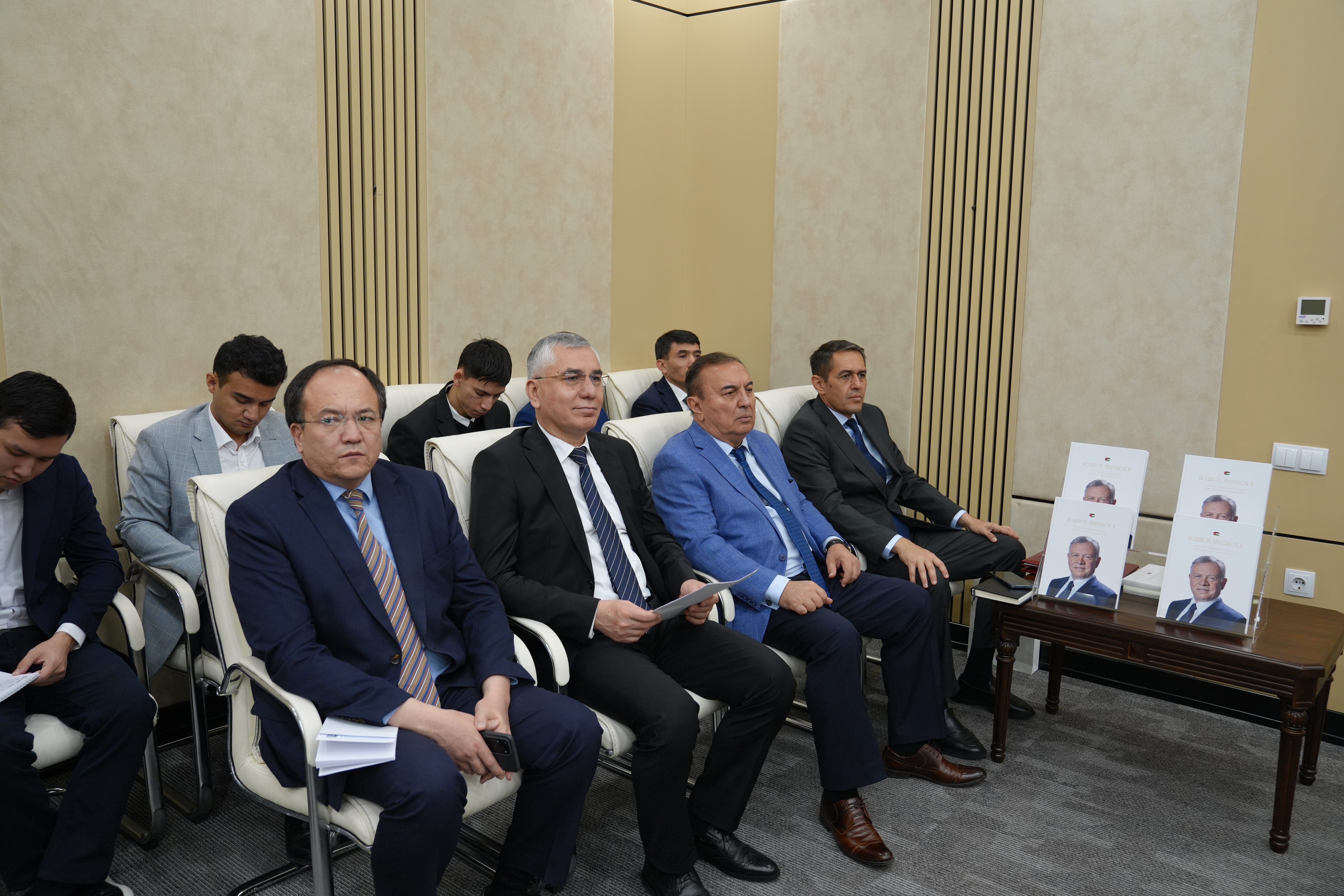
Following the discussion, participants emphasized the importance of strengthening expert and analytical cooperation between Uzbekistan and Jordan, exchanging experience in the peaceful resolution of conflicts, and building sustainable regional security.
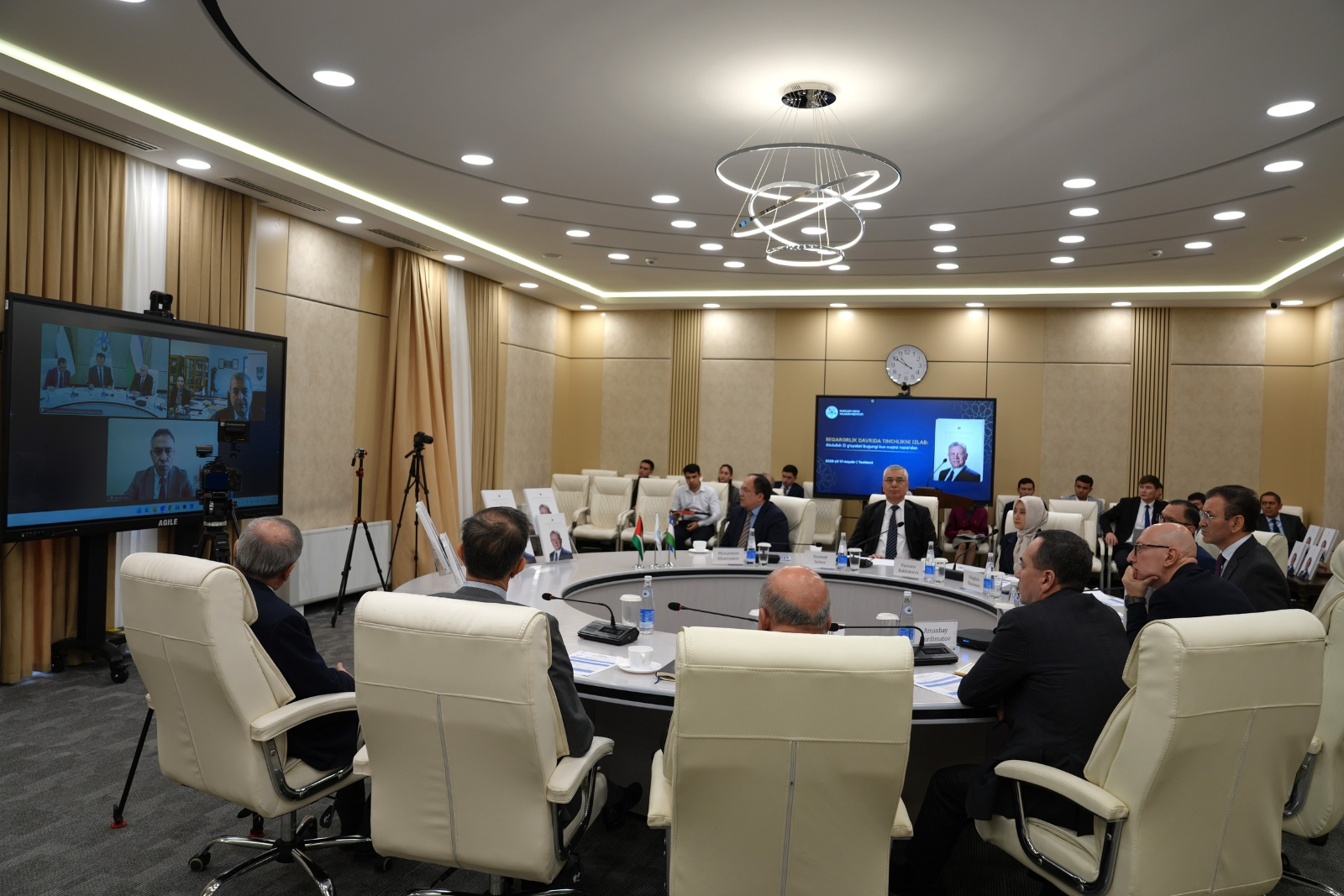
It was noted that fostering mutual trust, political dialogue, and joint research initiatives would contribute to expanding bilateral cooperation and strengthening interregional ties between Central Asia and the Middle East.
Background: King Abdullah II’s book Our Last Best Chance: The Pursuit of Peace in a Time of Peril was first published in 2011. This major work presents the Jordanian monarch’s views on resolving the Middle East conflict based on the two-state solution, as well as the concept of economic integration among Jordan, Israel, Lebanon, and a future Palestinian state.