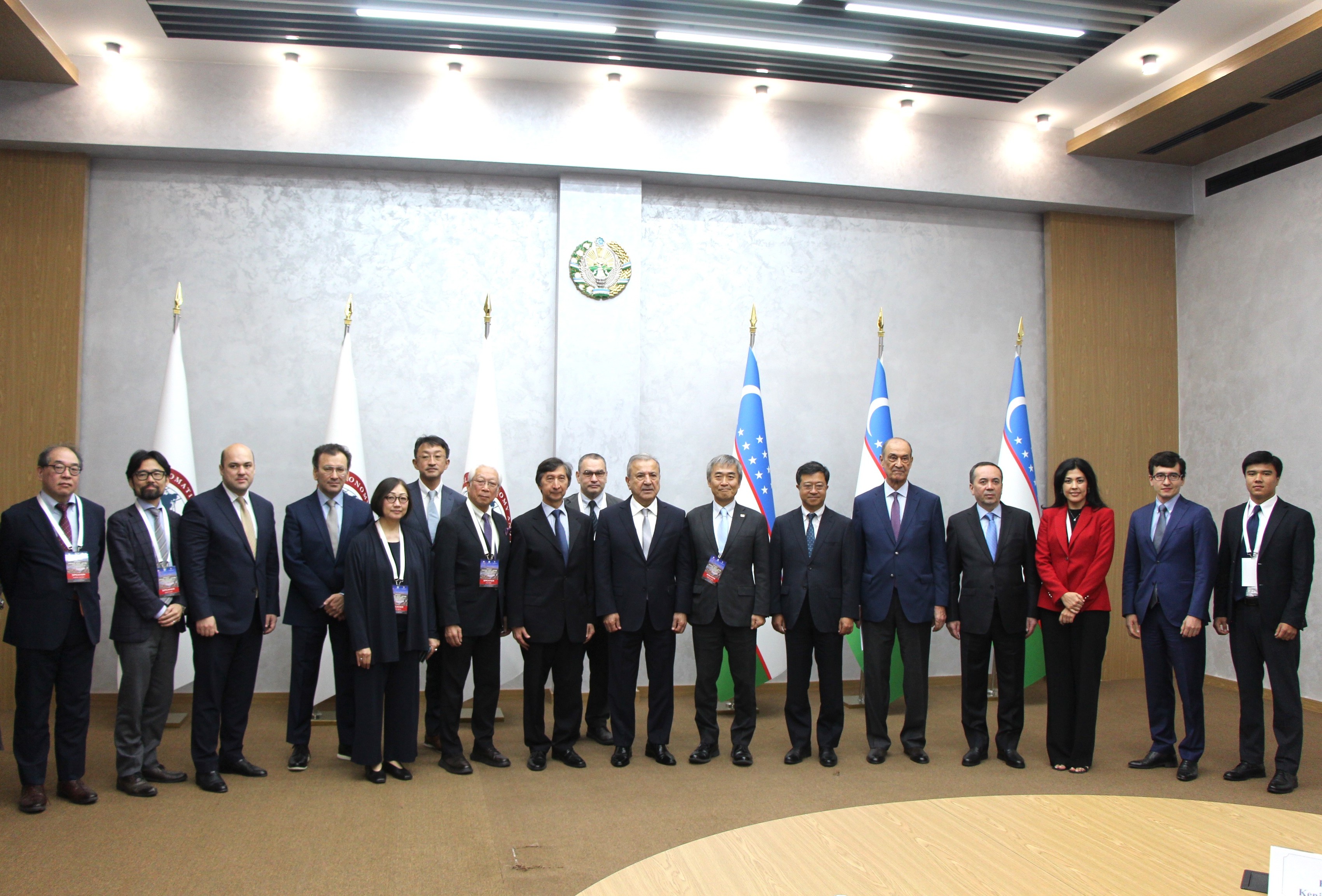
The Forum is being held on an initiative put forward by President Shavkat Mirziyoyev at the first "Central Asia–Japan" Summit in December 2025, and is aimed at advancing expert dialogue and developing practical proposals for further strengthening cooperation between the countries of the region and Japan.
The third session, "Connectivity Without Borders: Transport, Digitalization, and New Technologies," took up the prospects for advancing transport and digital connectivity, deploying new technologies, and expanding cooperation in digital transformation.
The session was moderated by Bekzod Kholmatov, Director of the Center for the Study of Transport and Logistics Development Problems under the Ministry of Transport of the Republic of Uzbekistan.
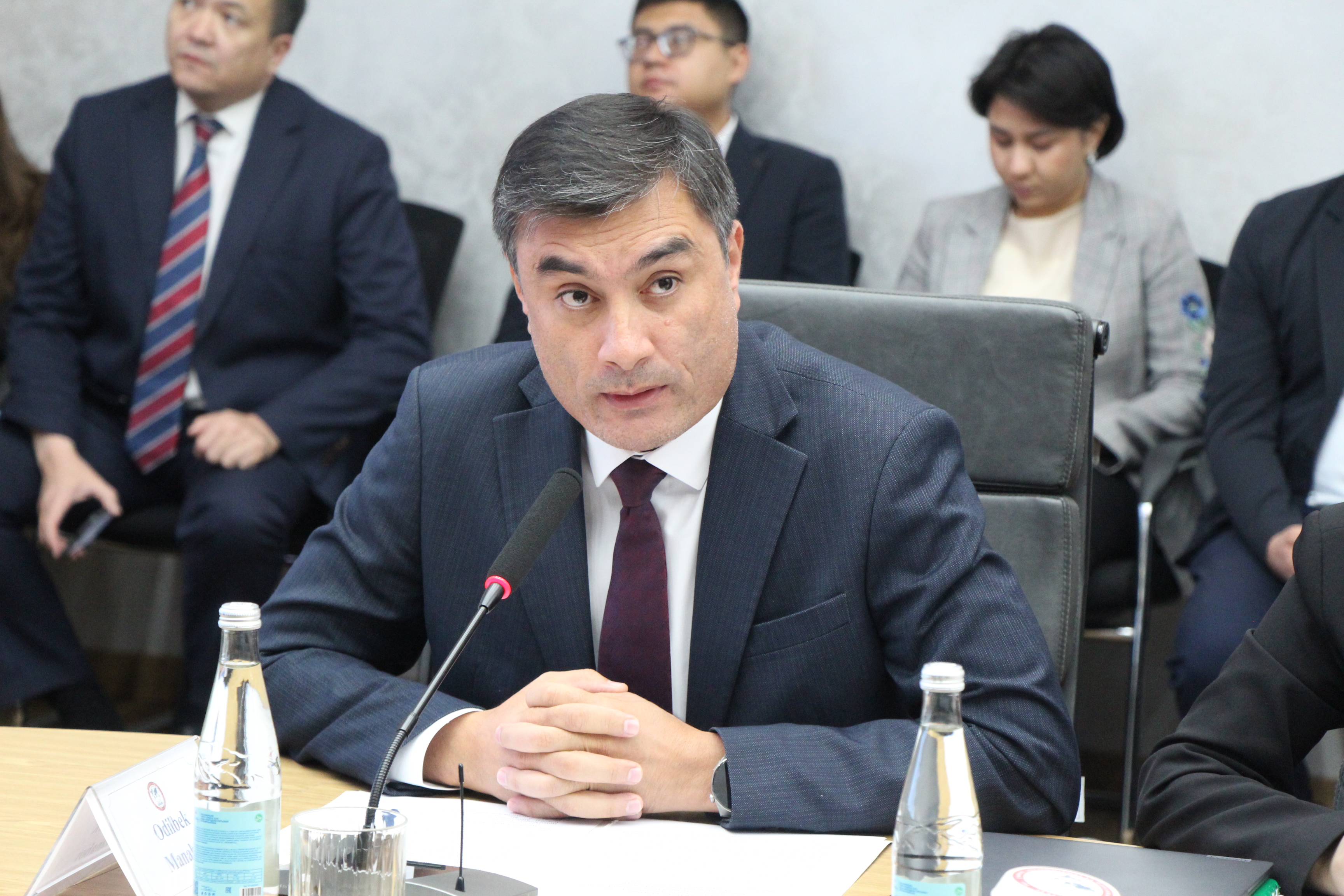
Hideo Fuseda, Vice-Minister for International Affairs of Japan's Ministry of Internal Affairs and Communications, observed that digital technologies and artificial intelligence are becoming an important foundation for economic growth and development across the region. Japan and the countries of Central Asia, he stressed, should build digital connectivity together — attending not only to infrastructure but also to cybersecurity, trust in technology, and workforce training — so as to open new opportunities for business and society.
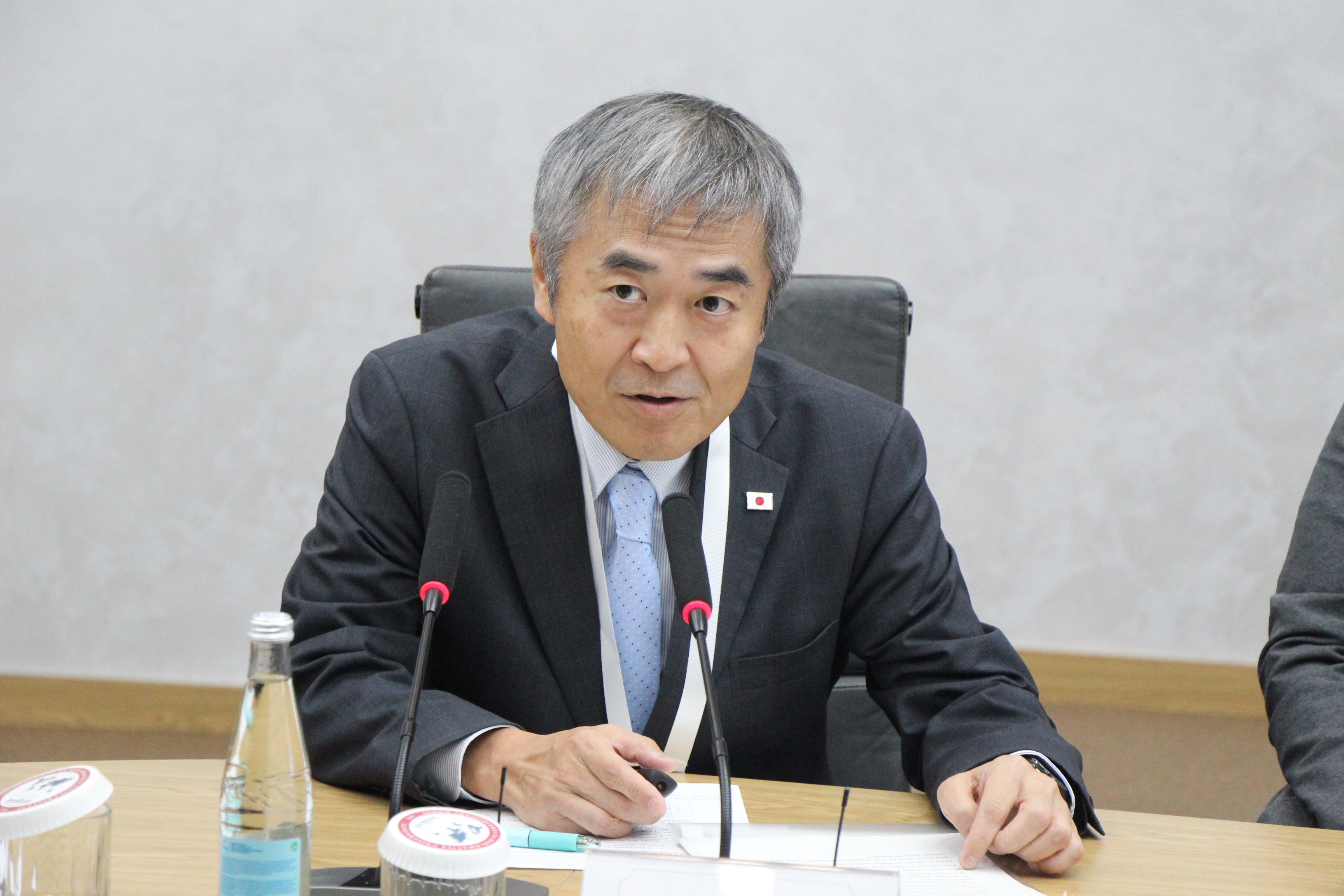
Alisher Shaykhov, former Ambassador Extraordinary and Plenipotentiary of the Republic of Uzbekistan to Japan, made the case for moving from isolated bilateral digital solutions toward an interoperable digital environment spanning Central Asia and Japan. This, he noted, calls for common technical standards and data-exchange rules, while preserving trust and national control over information.
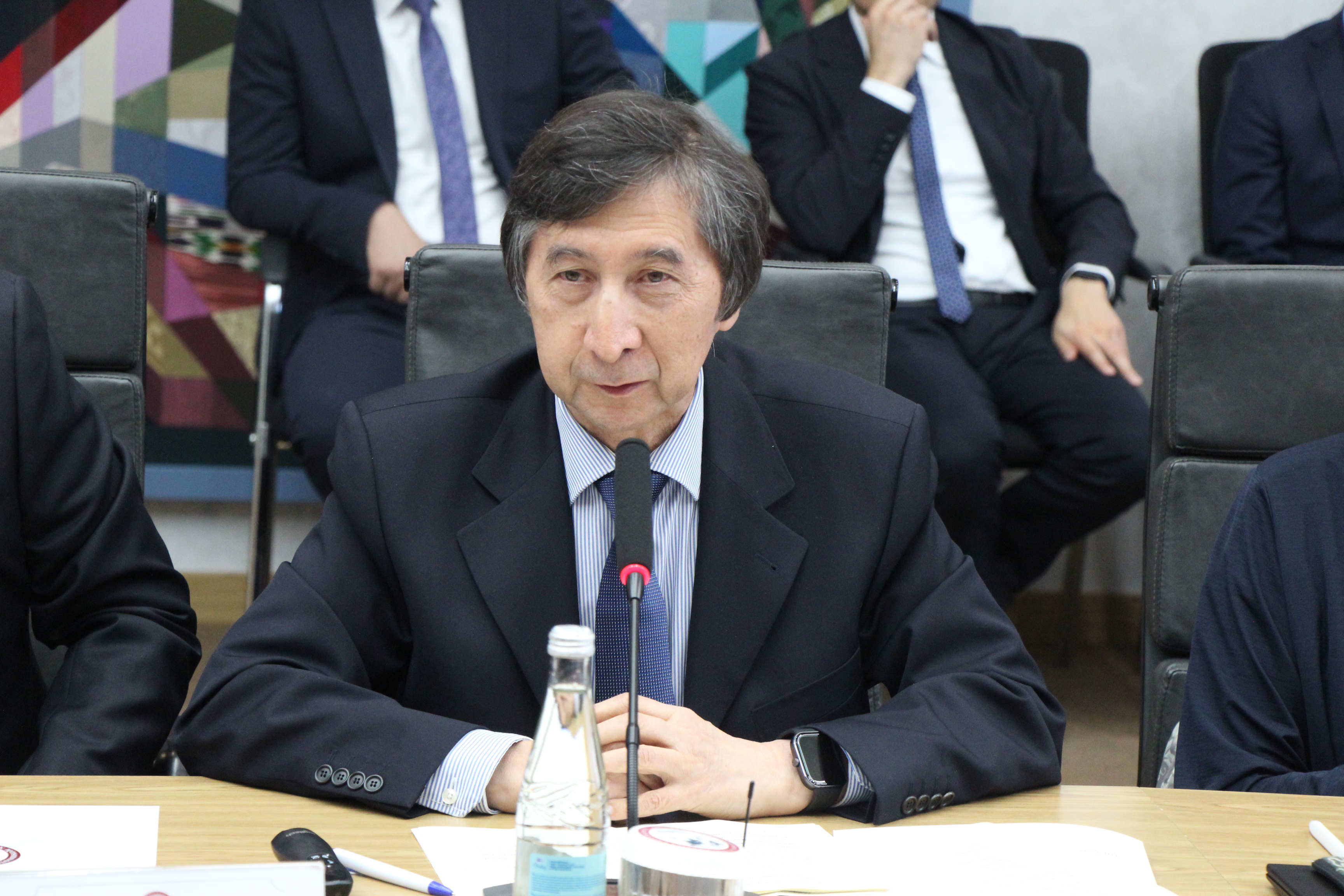
Roza Bayramli, Senior Adviser at Azerbaijan's Center of Analysis of International Relations, noted that the development of the Middle Corridor is opening the way to closer economic connectivity between Central Asia, the South Caucasus, and Europe. In this context, she highlighted the particular importance of deeper engagement between Azerbaijan and Uzbekistan — including the alignment of transport routes, the development of logistics, and new opportunities for trade and industrial cooperation.

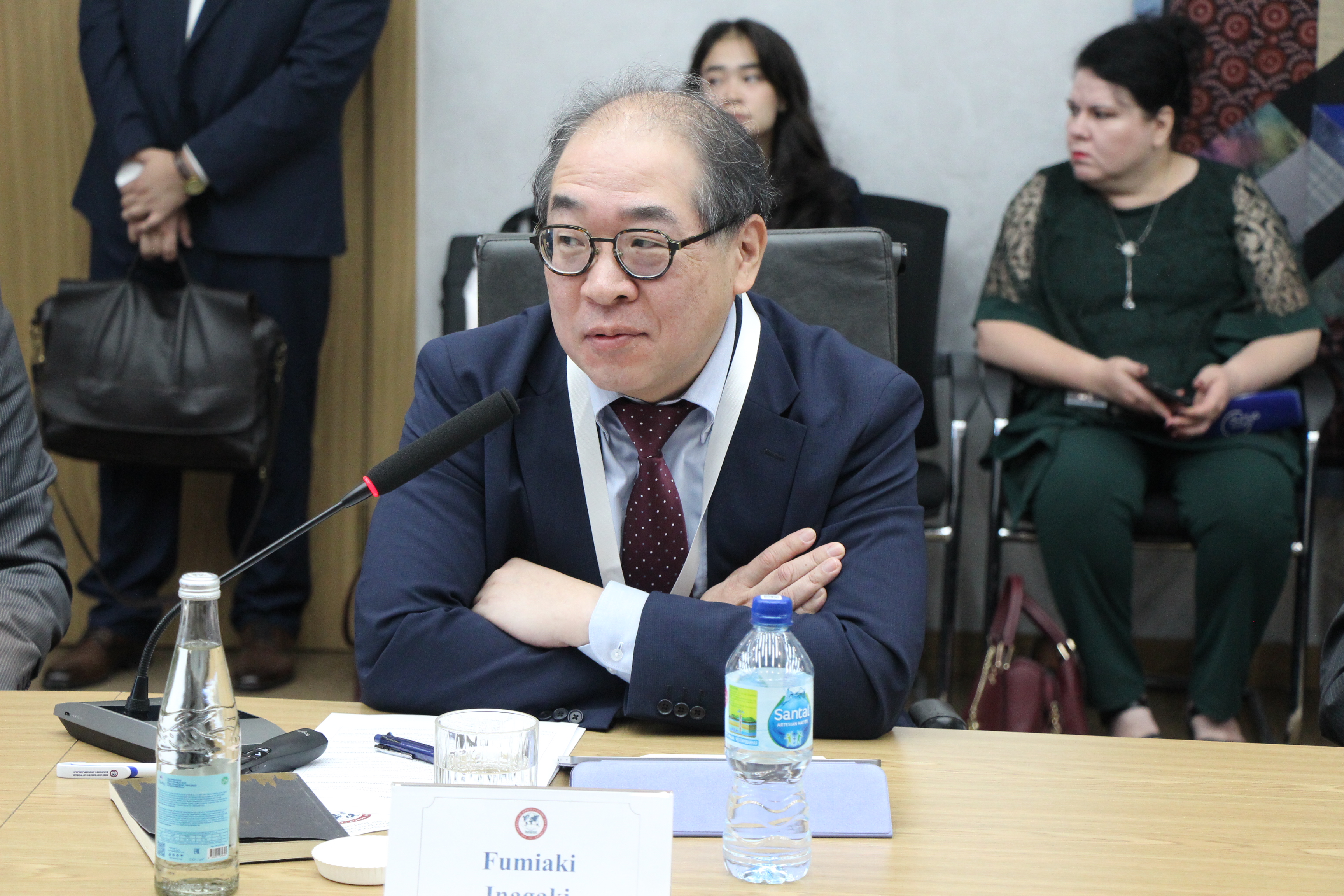
Professor Fumiaki Inagaki, Dean of the Graduate School of International Resource Sciences at Akita University, presented a joint Japanese–Tajik research project on geothermal heat pumps for more efficient and environmentally sound heating. The project, he noted, brings together scientific research, technology deployment, and specialist training with the use of digital tools and artificial intelligence, and its further development calls for stronger technological and digital connectivity between Japan and the countries of Central Asia.
The fourth session, "Humanitarian Cooperation, Education, and Expert Dialogue: Current State and Prospects," was devoted to advancing humanitarian ties, educational cooperation, and expert engagement between the countries of Central Asia and Japan.
It was moderated by Shigeto Sonoda, Specially Appointed Professor at the Institute for Advanced Studies on Asia at the University of Tokyo.
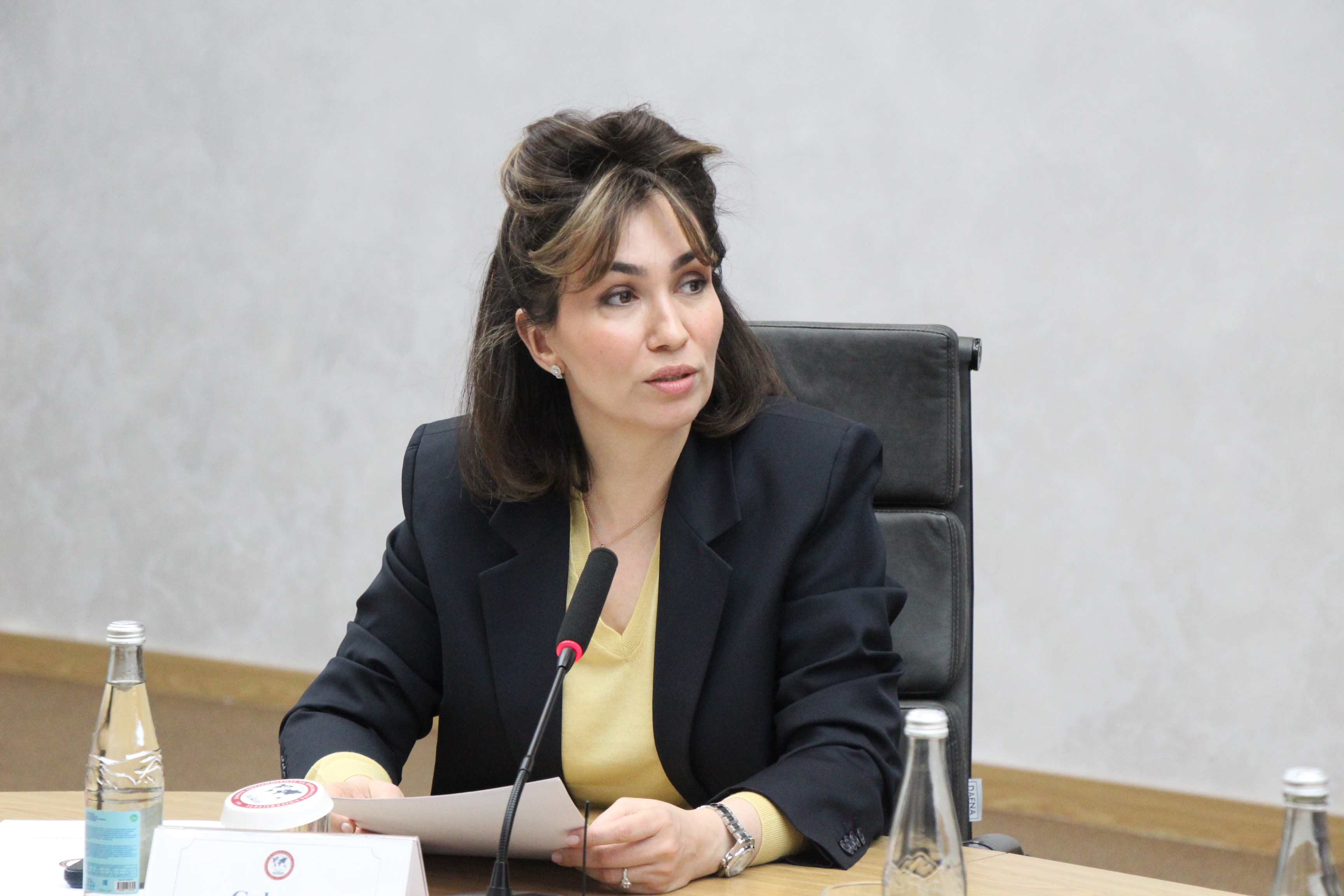
Gulnoza Ismailova, Executive Director of the El-Yurt Umidi Foundation, underscored the importance of human capital development in delivering the priority areas of Uzbekistan–Japan cooperation. Alongside expanding opportunities for students from Uzbekistan to study at Japanese universities, she noted, there is a need for targeted professional traineeships that let specialists absorb Japanese experience and apply it in government agencies, universities, research organizations, and companies in Uzbekistan.
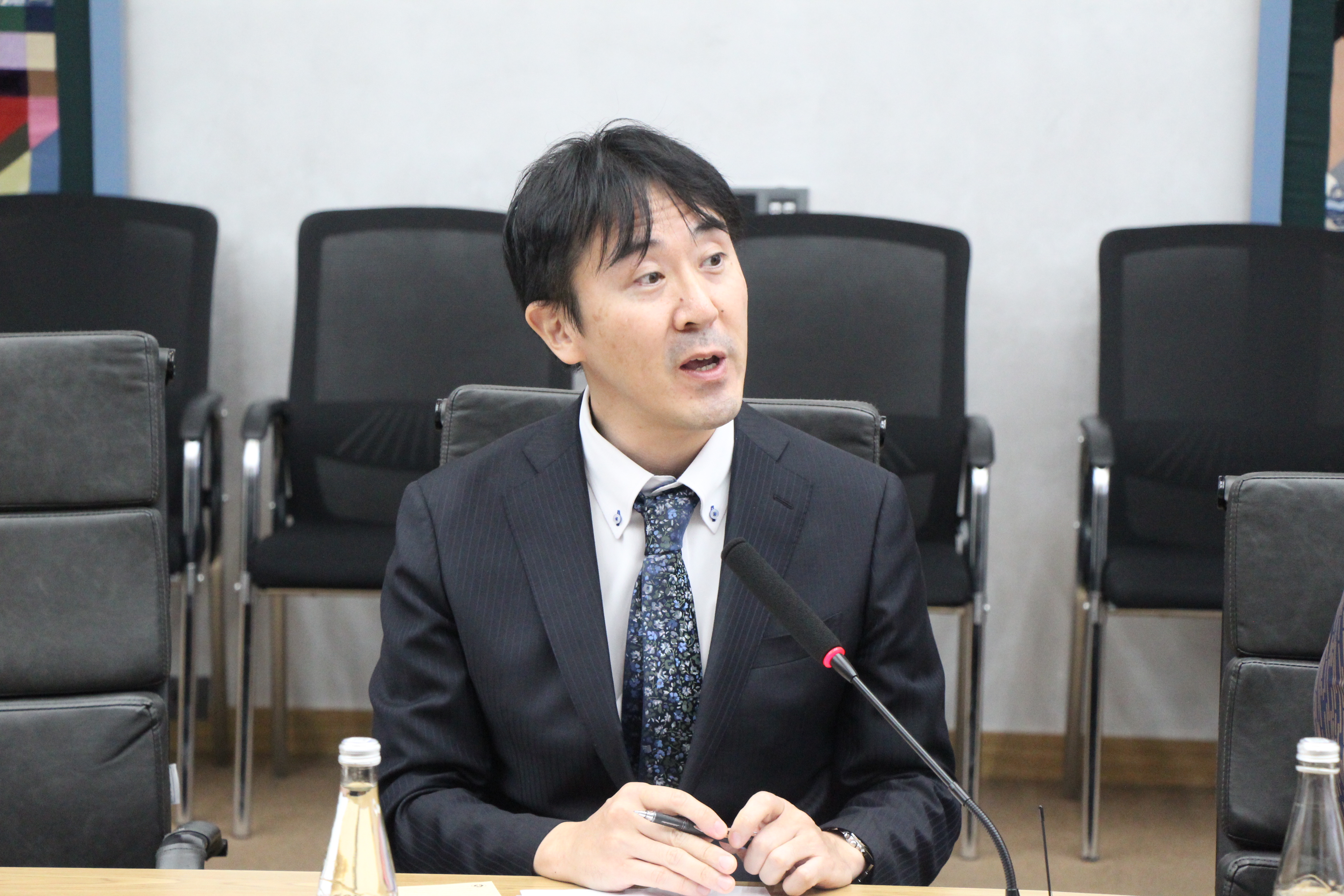
Sabina Insebayeva, Assistant Professor in the Department of Political Science and International Relations at Nazarbayev University, presented findings on how Japan is portrayed in Kazakhstan's school history textbooks. Japan, she noted, appears in them largely through the key events of world history, while the historical and contemporary ties between Japan and Central Asia receive far less attention. Deepening mutual understanding, in her view, calls for greater sensitivity to the regional context and for direct links among students, researchers, and specialists.

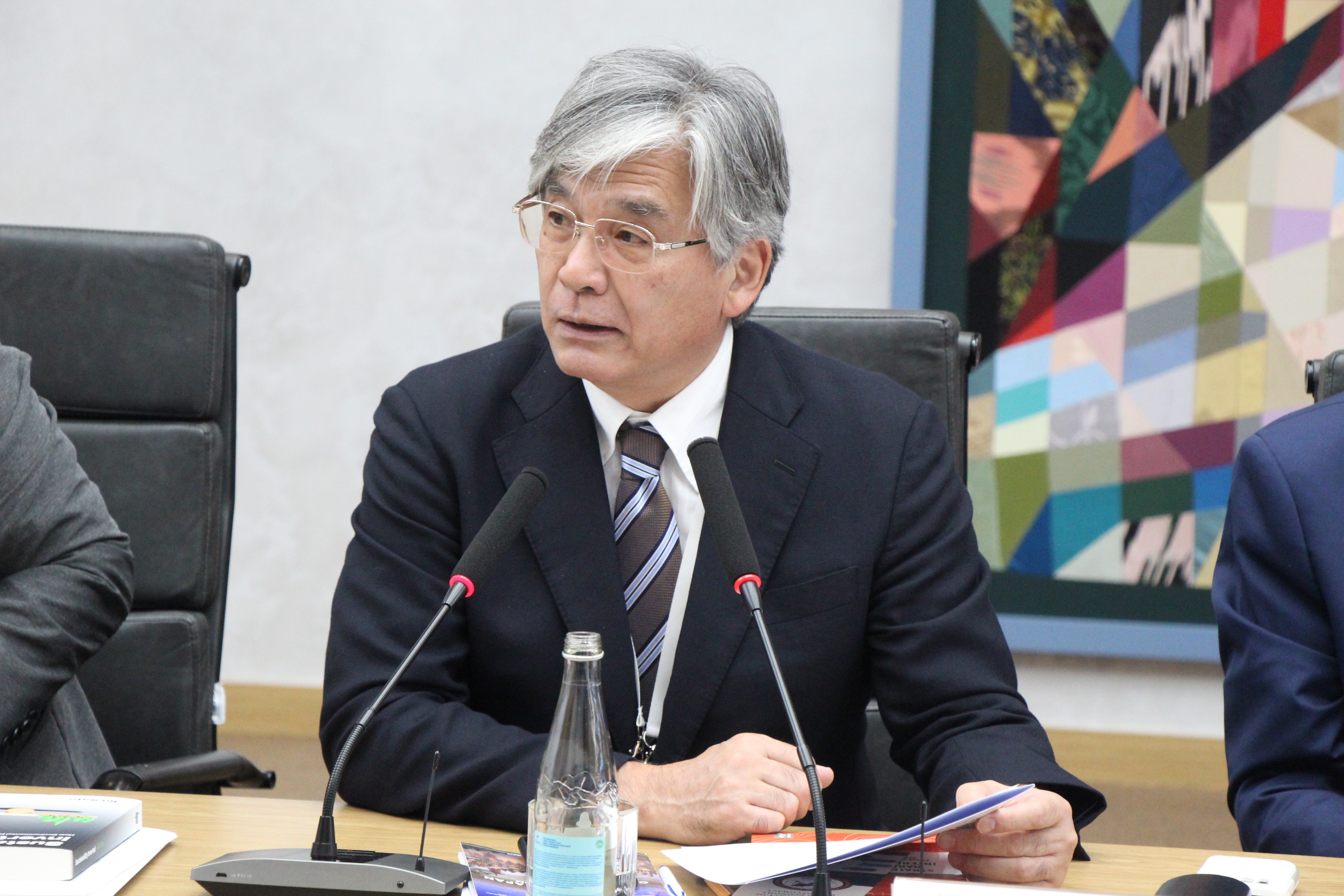
Mamoru Sakai, Chief Representative of JICA in Uzbekistan, noted that human-resource development is a key area of Japan–Uzbekistan cooperation. He stressed the value of expanding engagement in STEM education, vocational training, and research capacity — including the introduction of Japan's "laboratory-based education" approach and "kaizen" management methods. Advancing the partnership further, he added, also means a more active presence of Japanese business in Uzbekistan and conditions for training personnel and strengthening local companies.
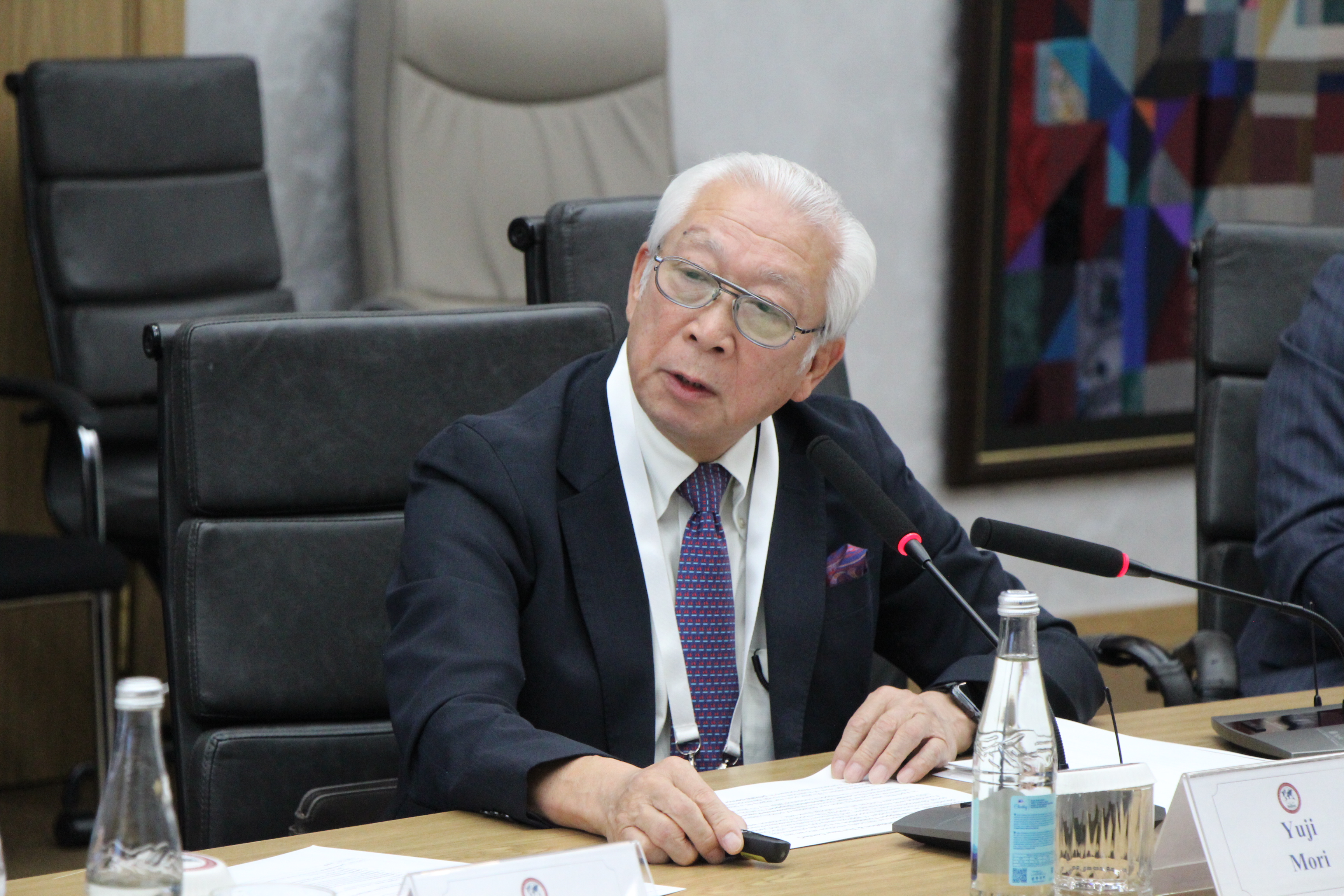
Yuji Mori, Adviser at the Sasakawa Peace Foundation's Center for Mediation Support, drew attention to the potential of private philanthropic foundations in peacebuilding and mediation in conflict and post-conflict regions. Their flexibility, long-term engagement, and capacity to deliver humanitarian assistance, he noted, allow such foundations to build trust between parties and support the resilience of peace processes — which makes strategic partnerships with them promising for responding to challenges affecting Central Asia.
Gulzada Turdubaeva, Chief Expert in the International Relations Department of the National Institute for Strategic Initiatives under the President of the Kyrgyz Republic, argued that human capital should be seen as the foundation of regional cooperation and the factor that turns political agreements into practical results. She proposed developing the "Central Asia + Japan" format as a standing expert platform for joint research, educational programs, knowledge exchange, and regional networks linking universities, think tanks, and government institutions.
IICA Director Javlon Vakhabov noted that delivering large-scale projects and reforms in Central Asia requires stronger human-resource and institutional capacity. He stressed the importance of training specialists able to connect academic research, public-policy analysis, and practical work, and pointed to considerable potential for cooperation with Japan in this area.
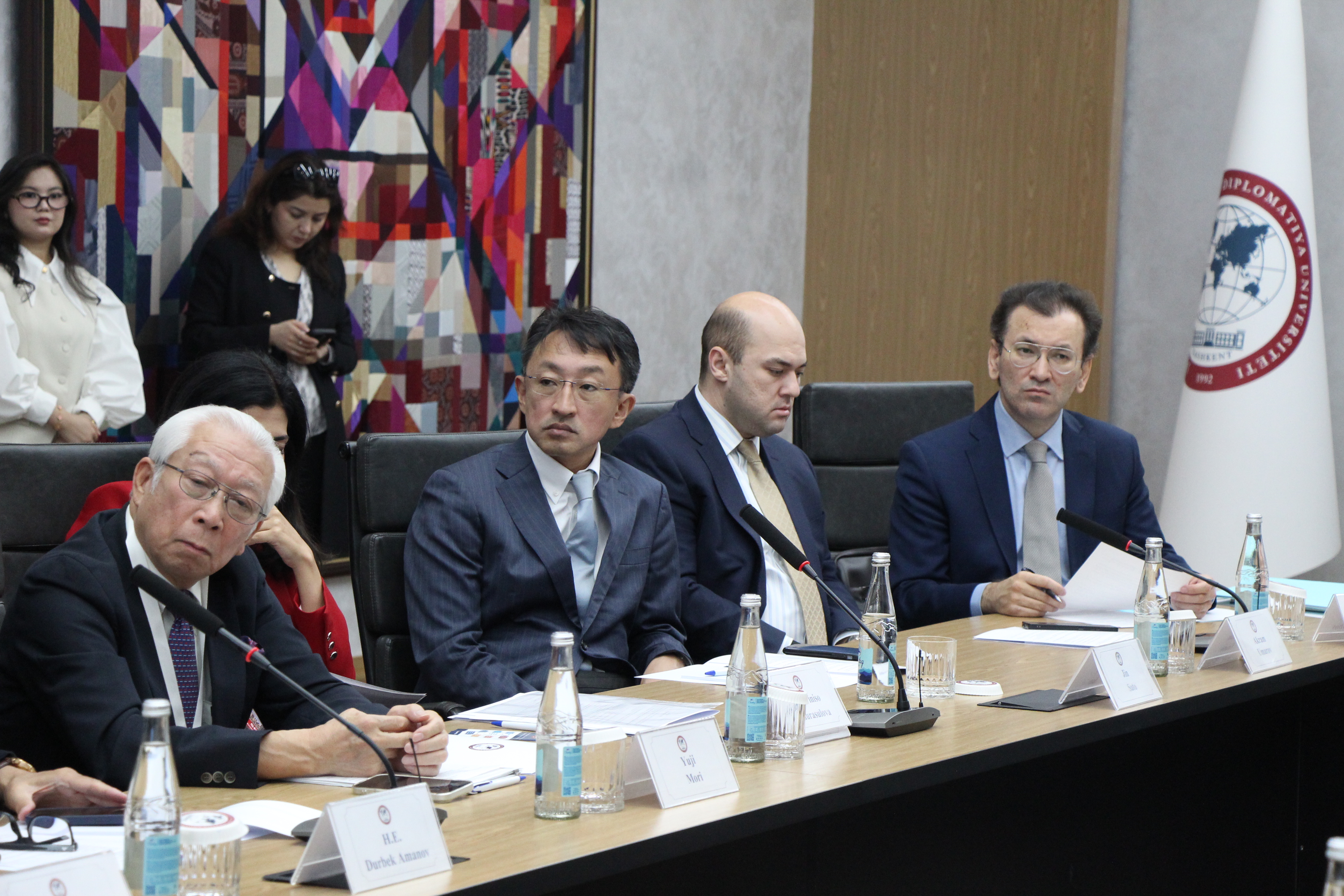
Summing up the two days of the Forum, participants underscored the need to further develop expert and academic cooperation, including through joint research, exchanges, and practical projects in priority areas. To that end, they affirmed their readiness to continue working within the "Central Asia–Japan" expert platform and to develop it as a regular mechanism of expert dialogue.