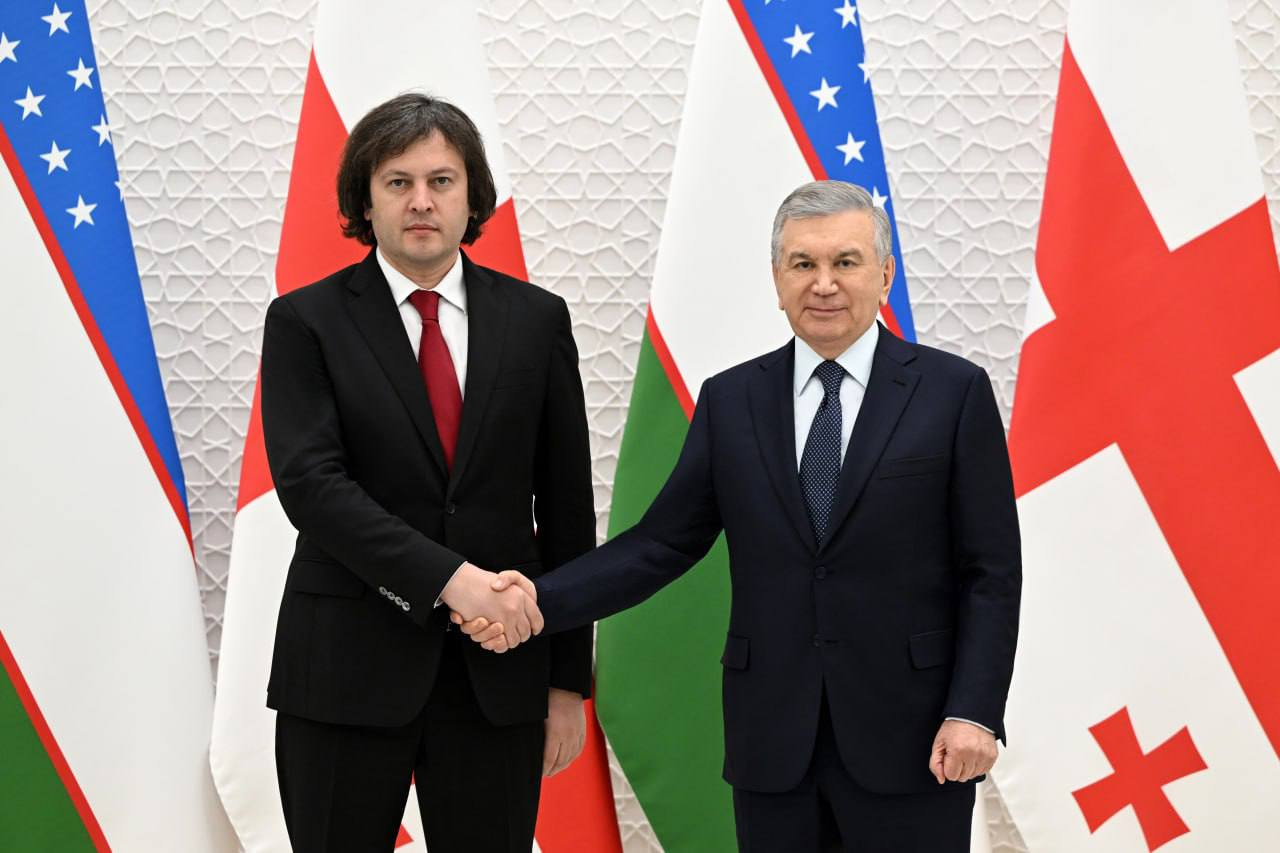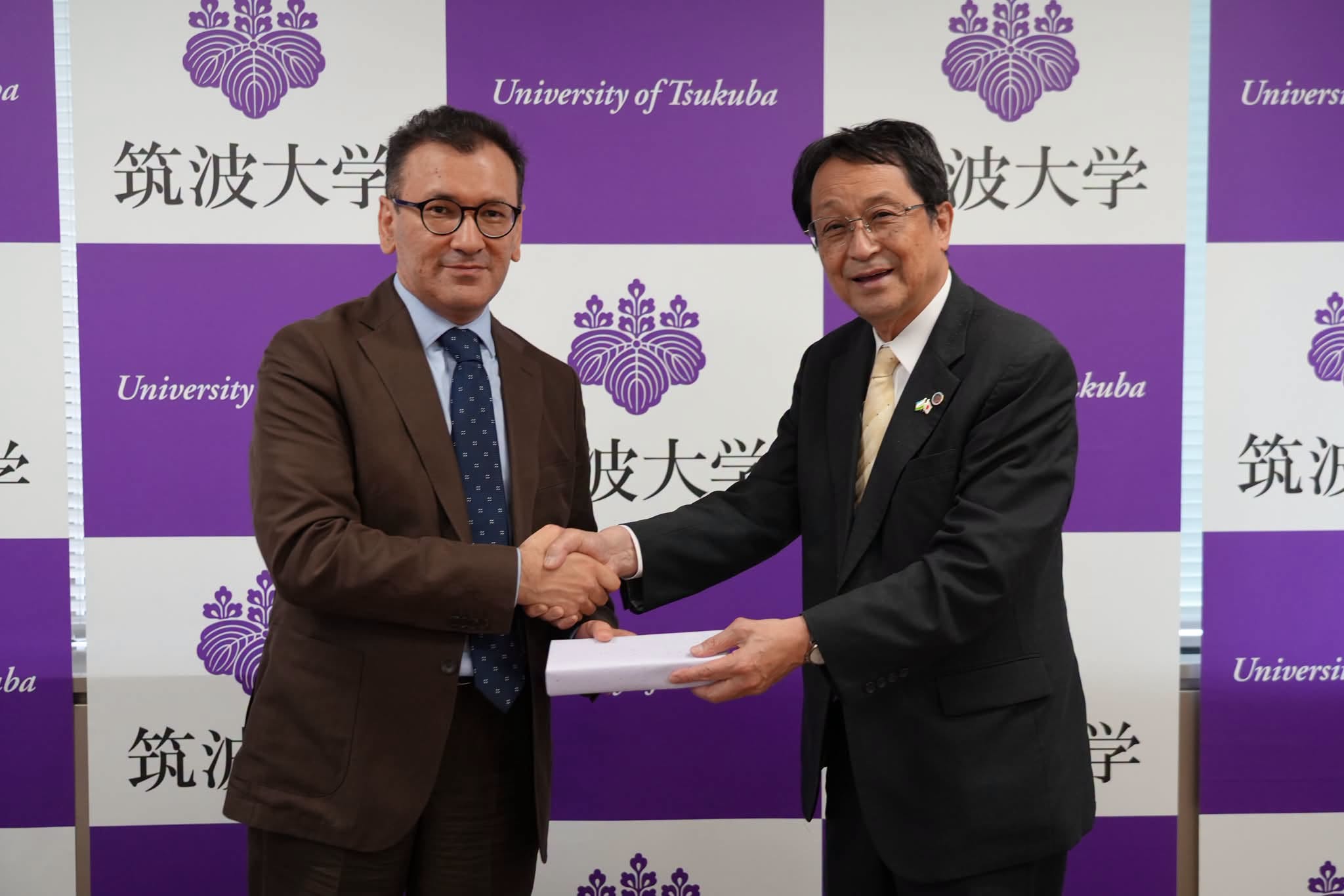
The conversation addressed the outcomes of Kyosuke Nagata's meeting with President Shavkat Mirziyoyev on the margins of the "Central Asia + Japan" Dialogue in December 2025, as well as prospects for expanding the university's academic cooperation with the countries of Central Asia.
Javlon Vakhabov noted that the University of Tsukuba holds a distinctive place in Japan's academic engagement with the countries of Central Asia. Over the years, he observed, the university has built a solid infrastructure of cooperation with the region — ranging from interuniversity agreements to dedicated scholarship programs.
It was emphasized that workforce training is one of the most sought-after areas of Uzbekistan–Japan cooperation. Japan's experience in public administration, sustainable development, and technological modernization is of practical interest for the reforms underway in the country.
As an example, mention was made of the enrollment of an IICA research fellow in the University of Tsukuba's master's program. Over the course of the eighteen-month program in international public policy, he will continue his research within the framework of the Special Program in Japanese and Eurasian Studies (SPJES) of the NipCA Project.
The NipCA Project (Nippon Foundation Central Asia–Japan Human Resource Development Project) is a workforce training program for the countries of Central Asia, launched by the University of Tsukuba in 2019 with the support of the Nippon Foundation.
Under the project, scholarships for master's-level study at the university are awarded on a competitive basis, including through the Special Program in Japanese and Eurasian Studies (SPJES).