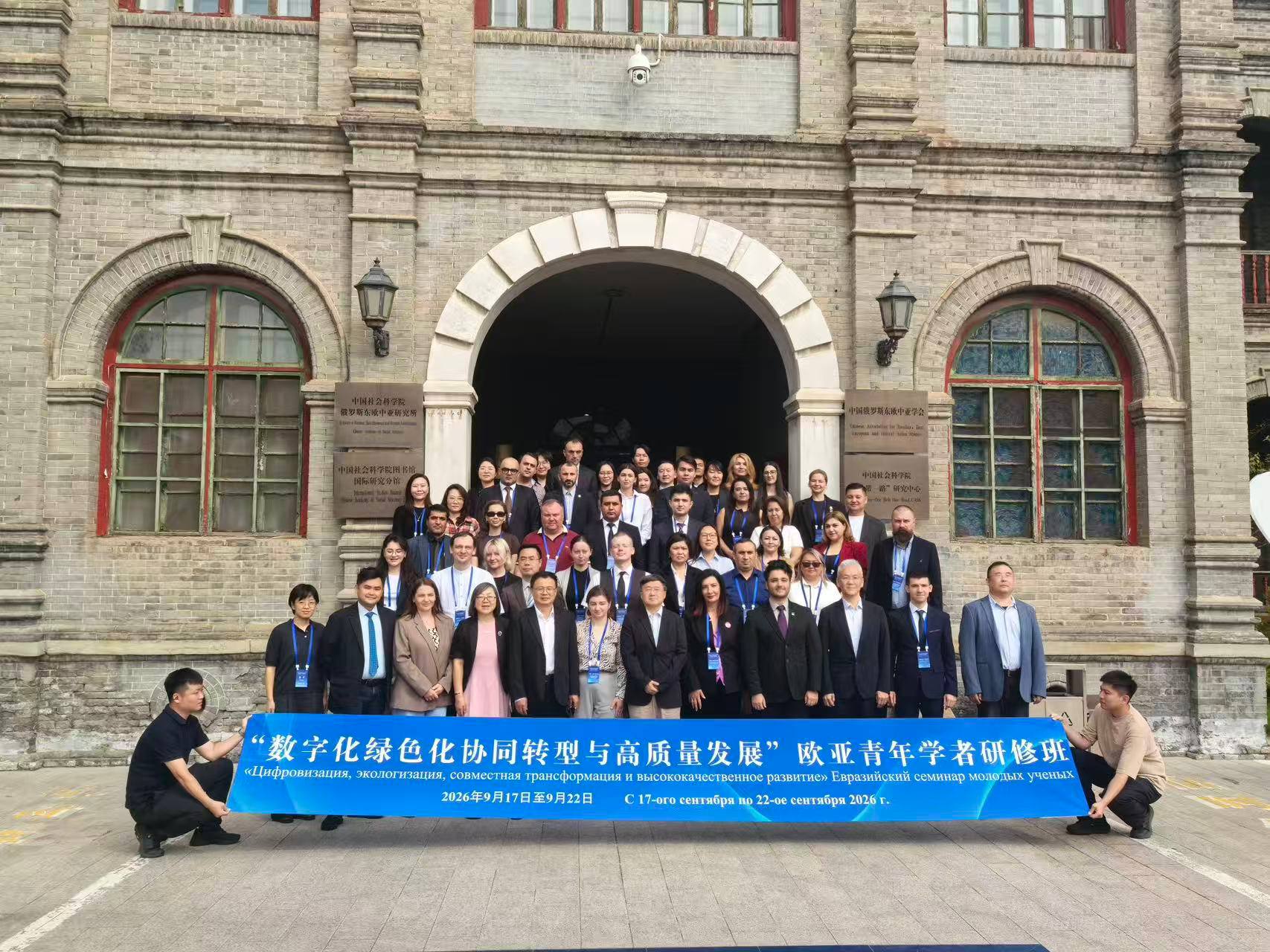
The programme brought together 41 researchers and scholars from 11 Eurasian countries and was aimed at studying China’s experience of economic and technological modernization, as well as building professional contacts among expert communities.
During the programme, participants attended a series of lectures and expert discussions on the digital economy, artificial intelligence, green technologies, and modern approaches to public governance.
Particular attention went to China’s experience in the technological upgrading of industry, the development of digital infrastructure, improvements in energy efficiency, poverty reduction, and the stimulation of economic activity in rural areas.
A distinct place in the programme was given to the prospects for cooperation between China and the countries of Central Asia. Participants examined the development of transport links, industrial cooperation, and cross-border e-commerce, including the significance of the China–Kyrgyzstan–Uzbekistan railway for strengthening regional connectivity.
The practical part of the programme featured a field visit to the city of Guiyang in Guizhou province, where participants explored the region’s experience in developing digital infrastructure and green energy. In the Guanshanhu district, they also studied approaches to developing the creative economy and generating additional sources of income for local communities by drawing on the natural potential of their territories.
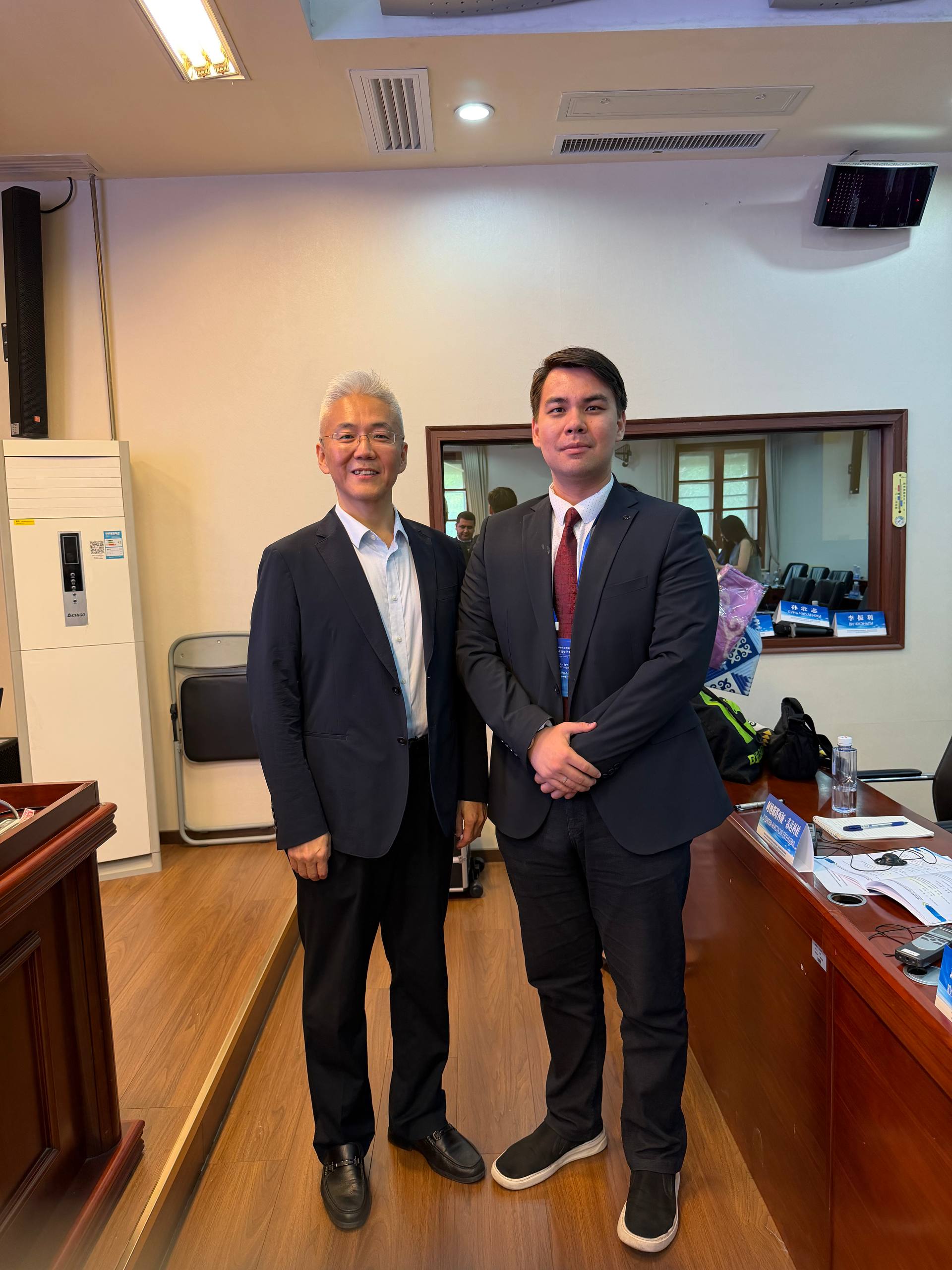
Alongside the educational programme, Ali-Askar Makhmutov exchanged views with IREECAS Director Sun Zhuangzhi on expanding cooperation between the analytical institutions of Uzbekistan and China.
The discussions covered the prospects for joint research, the exchange of analytical materials, and the organization of expert events. The Chinese side expressed its readiness to hold online seminars for specialists from Uzbekistan on poverty reduction and improving public well-being.
The programme helped deepen understanding of China’s practical experience in economic and technological modernization, strengthened professional contacts, and identified promising areas for further expert cooperation.