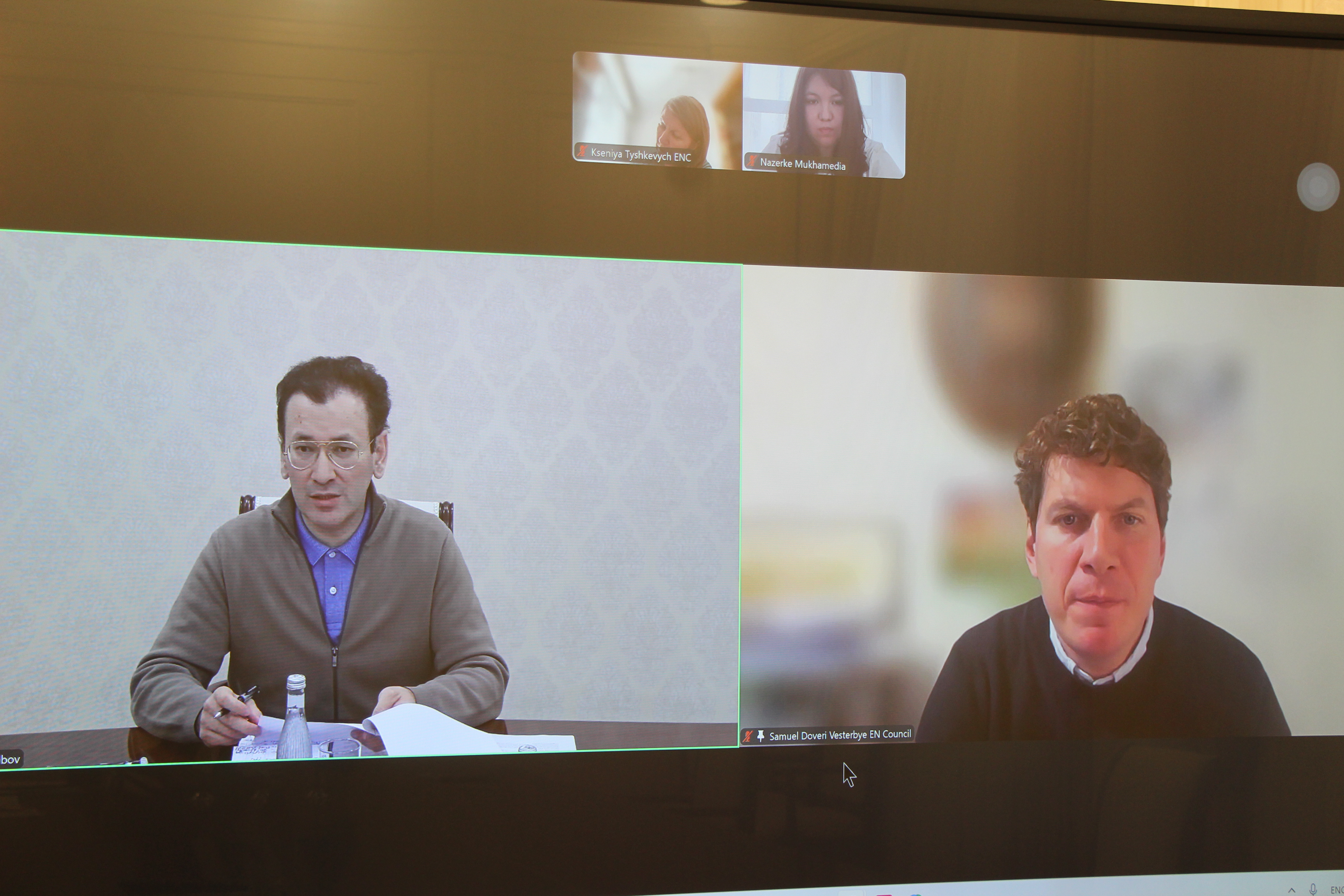
During the meeting, the current state and future prospects of cooperation between Uzbekistan and the European Union were discussed, both on a bilateral basis and within the Central Asia–EU framework. Particular attention was paid to further deepening this partnership and to enhancing interaction and cooperation between think tanks from the two regions.
Samuel Vesterbye noted that relations between Uzbekistan and the European Union have intensified significantly in recent years and have reached a qualitatively new level. According to him, the recent visit of President Shavkat Mirziyoyev to Brussels and the signing of the Enhanced Partnership and Cooperation Agreement have laid a renewed and more ambitious foundation for long-term strategic engagement between Tashkent and Brussels.

It was also emphasized that multilateral cooperation within the Central Asia–EU format is developing dynamically. As the ENC Managing Director underlined, the Central Asia–European Union Summit held in Samarkand in April this year marked an important milestone in the institutionalization of interregional dialogue and gave additional momentum to deeper political, economic, and expert-level cooperation between the two regions.
For his part, Javlon Vakhabov highlighted that a multi-level and institutionally structured partnership between Central Asia and the European Union has now taken shape. He noted that this is reflected in the development of high-level dialogue, the strengthening of inter-parliamentary ties, the regular convening of sectoral ministerial meetings, and the establishment of systematic cooperation between think tanks of the two regions.
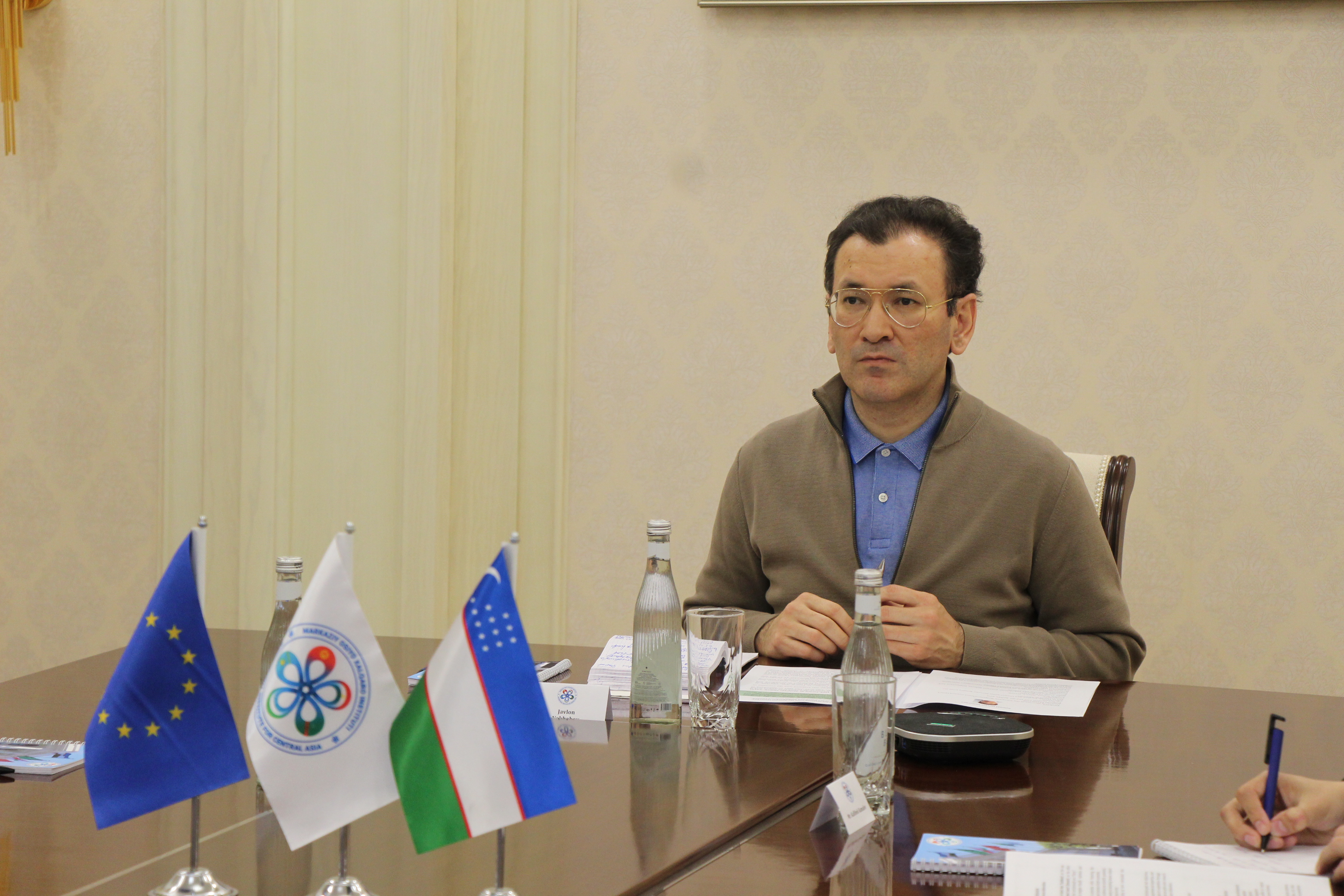
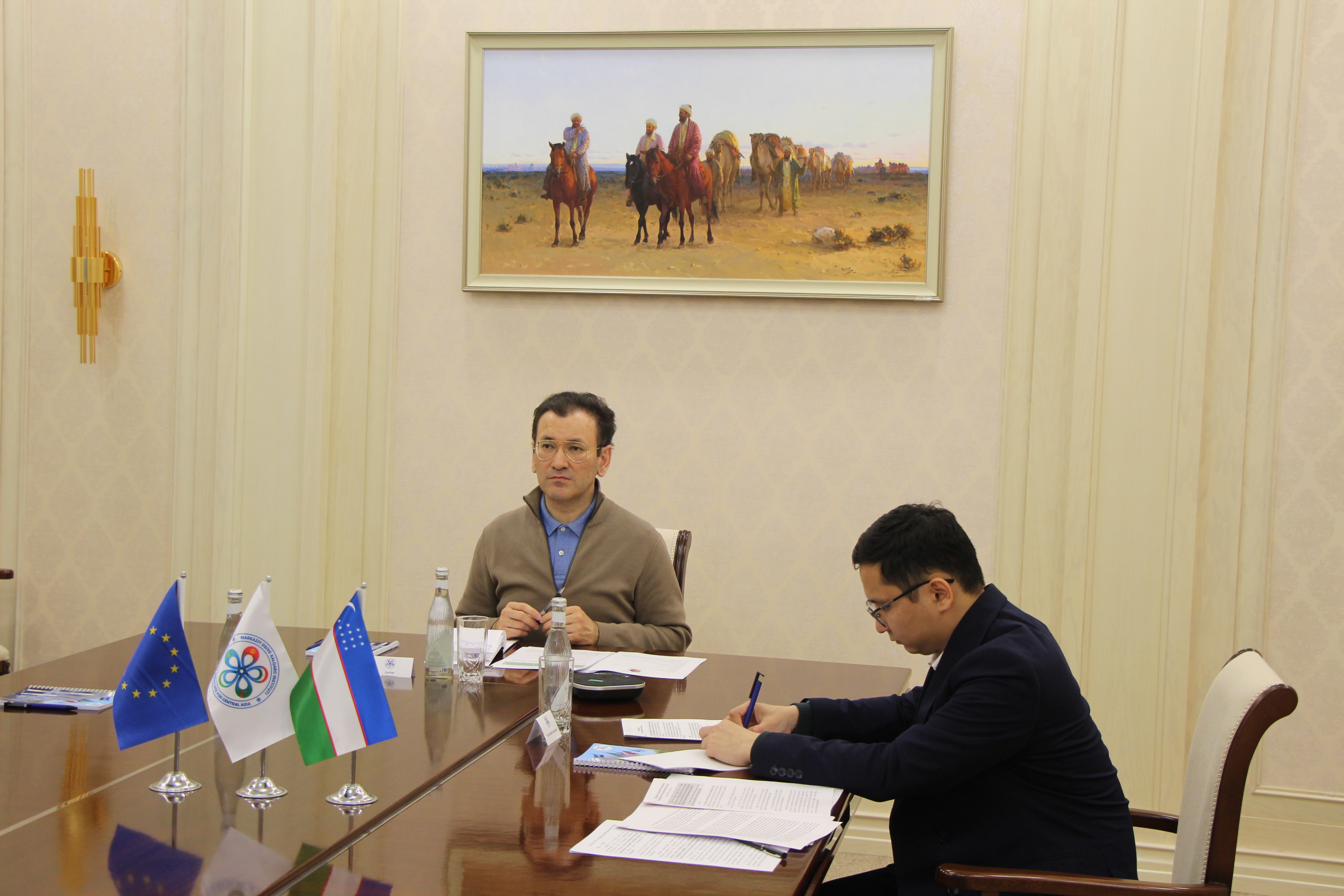
In this context, the heads of IICA and ENC reaffirmed their mutual commitment to further strengthening institutional cooperation between the two think tanks. In particular, the parties discussed plans for 2026 and agreed on the joint preparation of analytical publications for leading European outlets, the organization of seminars and training courses aimed at enhancing the professional capacity of IICA researchers, and the continuation of regular dialogue within the framework of the Central Asia–EU Think Tank Forum.
The European Neighbourhood Council is a European Union–oriented analytical institution whose activities focus on promoting political dialogue, economic cooperation, and expert engagement with the EU’s neighbouring and partner countries, including those of Central Asia, through analytical support, policy recommendations, and the advancement of joint initiatives.