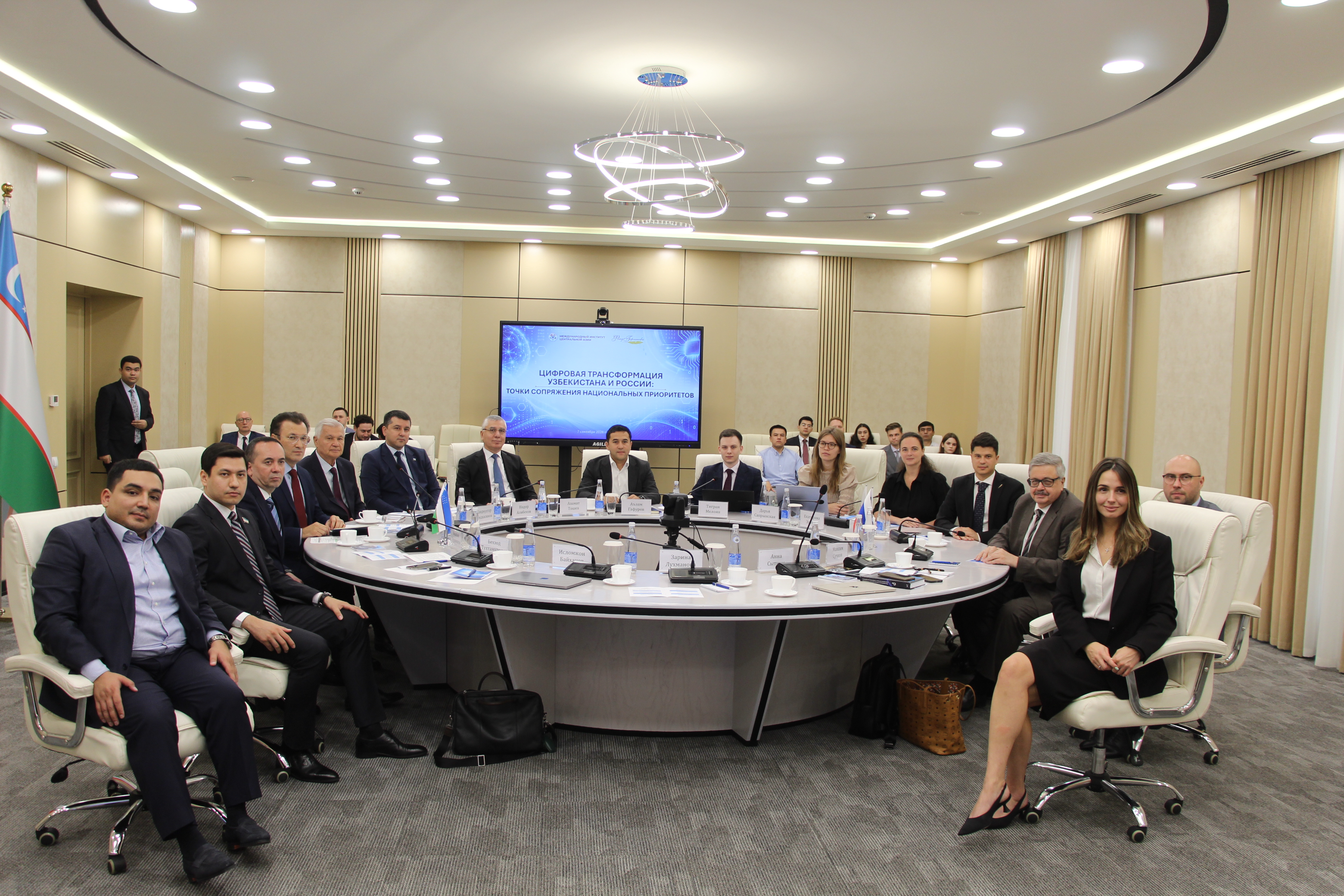
Discussions focused on the current state of and opportunities for Uzbek-Russian cooperation in digitalization and artificial intelligence (AI), the development of digital infrastructure and cybersecurity, and the creation of a shared digital economy ecosystem through stronger human capital and business cooperation.
Participants included representatives of government agencies, the Embassy of the Russian Federation in Uzbekistan, leading educational, research and analytical institutions, and the business communities of Uzbekistan and Russia.
Opening the roundtable, IICA Director Javlon Vakhabov highlighted the considerable potential for building a shared digital ecosystem between the two countries.
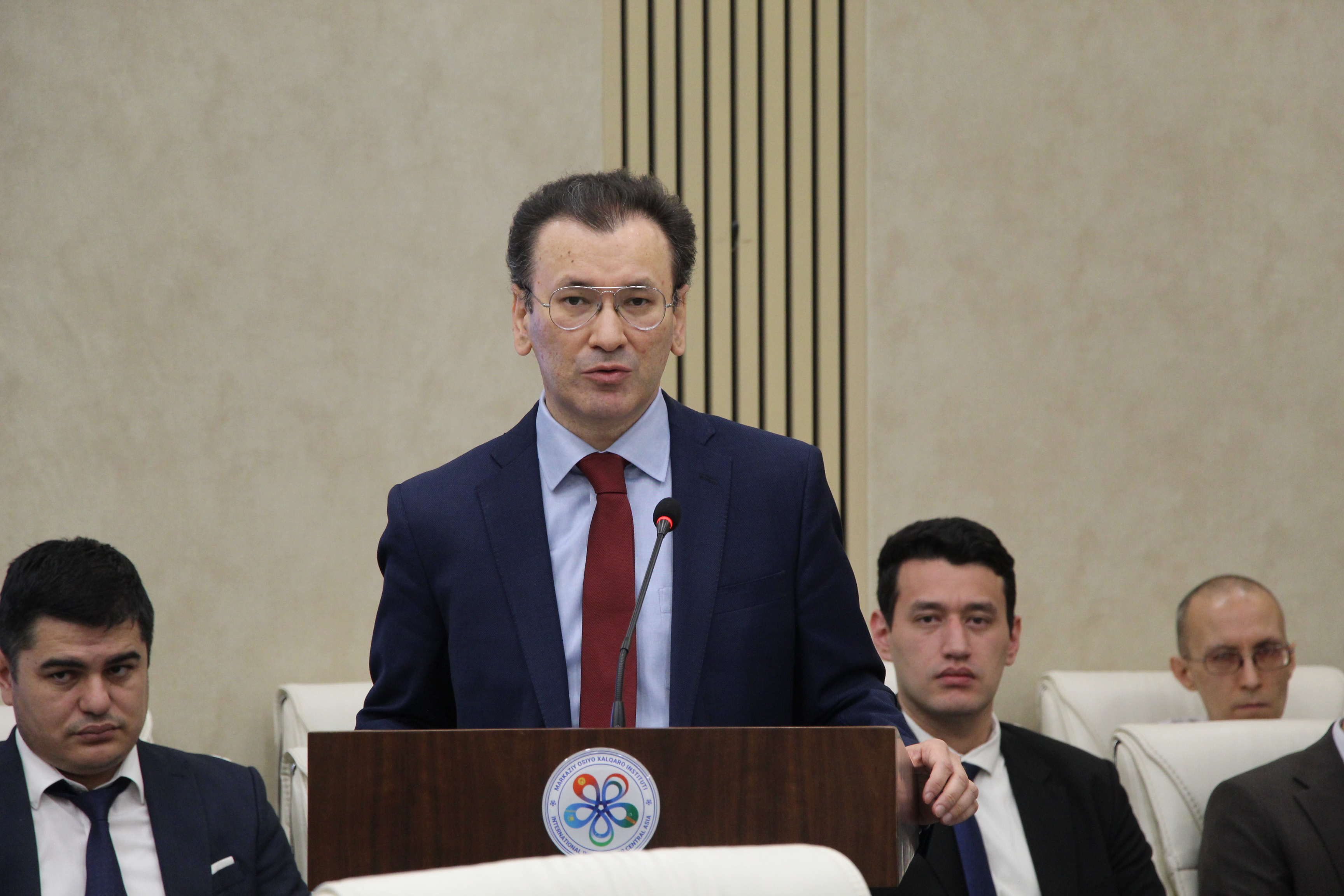
It was noted that this approach reflects agreements reached by the two countries’ leaders. At the St. Petersburg International Economic Forum in June, President of the Republic of Uzbekistan Shavkat Mirziyoyev proposed establishing a shared digital ecosystem between Uzbekistan and Russia encompassing digital trade, modern services, artificial intelligence and human capital cooperation.
Against this backdrop, J. Vakhabov called on the expert community to help define the architecture of the future ecosystem, identify areas for developing joint solutions and ensuring interoperability between national systems, and formulate approaches to sharing economic benefits, technological risks and responsibilities between the public and private sectors.
He noted that both countries had already set long-term priorities in this field. Uzbekistan is implementing its Strategy for the Development of Artificial Intelligence Technologies through 2030, which aims to increase the volume of AI-based products and services to $1.5 billion and raise the share of public services using AI to 10%. In Russia, the corresponding objectives are being pursued under the national project “Data Economy and Digital Transformation of the State.”
“It is important to identify areas in which the capabilities of the two countries can complement each other and support the long-term development of their technological and human capital,” – J. Vakhabov stressed.
Among these areas, he highlighted the development of resilient digital infrastructure, information-sharing on cyber threats and interoperable approaches to data protection. Particular attention was given to creating competitive digital products and expanding into third-country markets, as well as training specialists for long-term technological cooperation.
Ambassador Extraordinary and Plenipotentiary of the Russian Federation to the Republic of Uzbekistan Alexey Yerkhov noted the growing importance of artificial intelligence for countries’ economic and technological development.
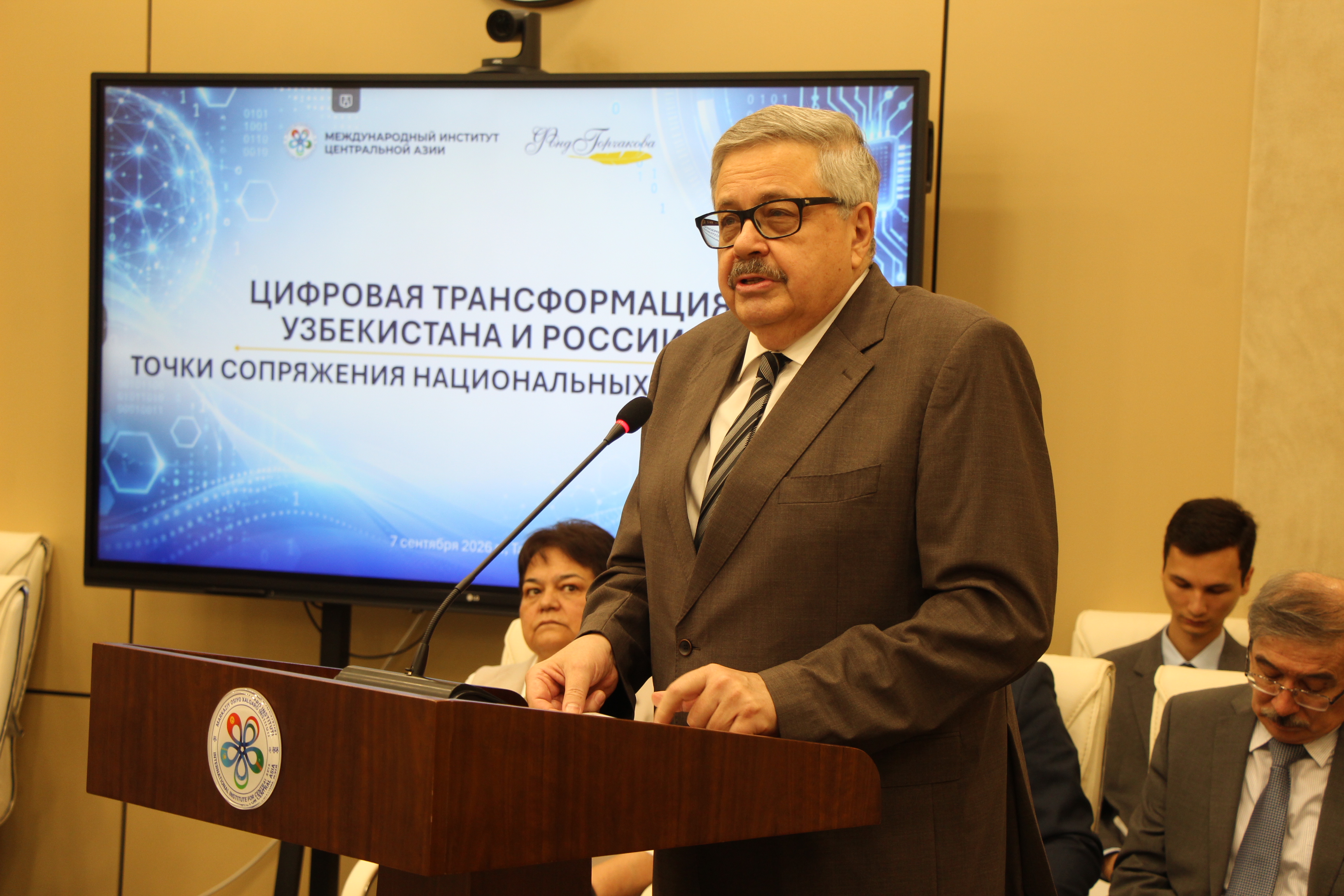
He identified the adaptation of AI models to the Russian and Uzbek languages, the use of national datasets, and the development of solutions for public services, industry, banking, healthcare, agriculture, energy and other sectors of the economy as promising areas for cooperation.
Gorchakov Fund Deputy Executive Director Sergey Orlov, speaking at the opening of the roundtable, highlighted the broad opportunities for expanding Uzbek-Russian cooperation in digitalization and artificial intelligence.
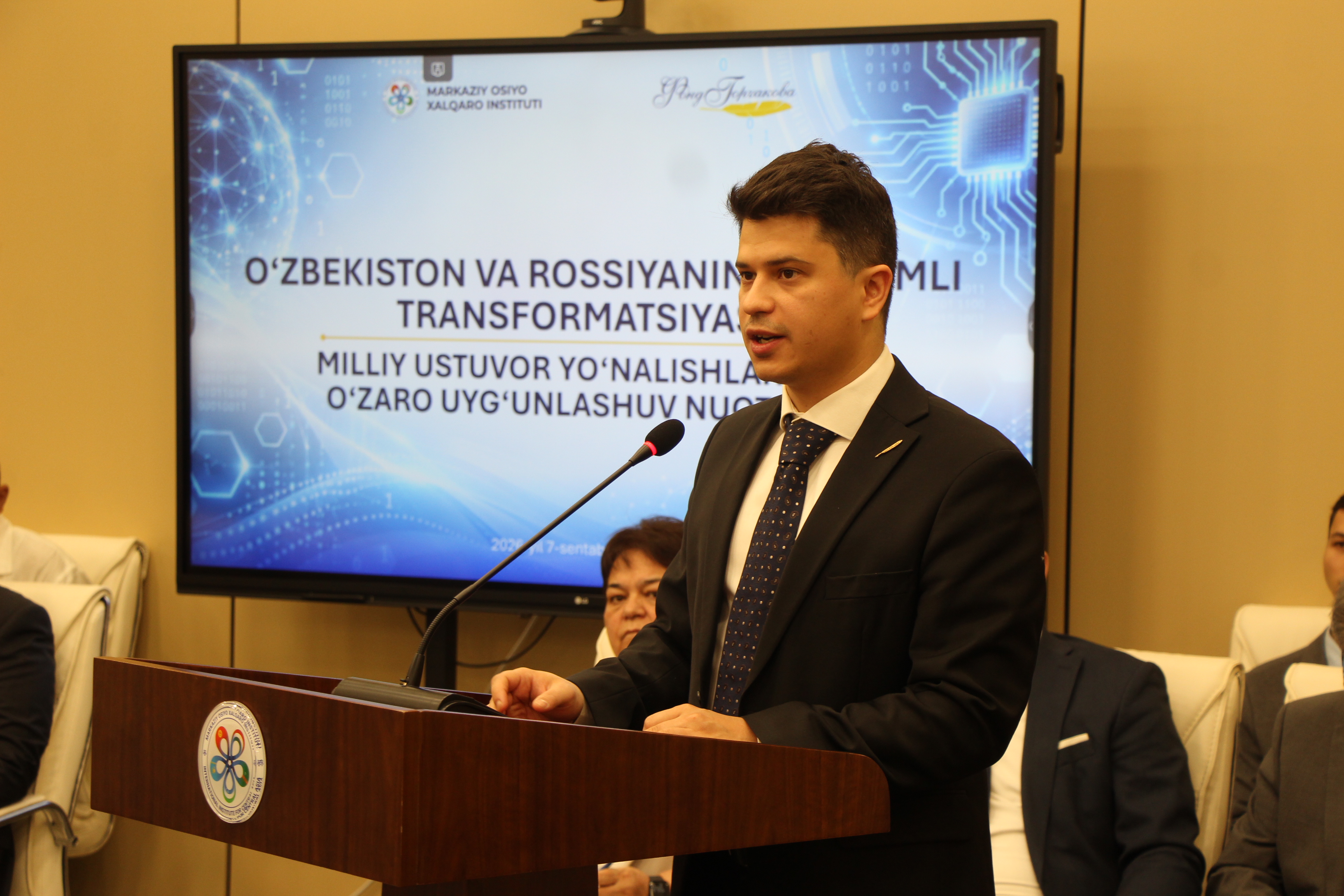
According to him, digital transformation is becoming increasingly prominent in Uzbekistan’s policy agenda and public discourse, creating favorable conditions for broader technological cooperation with Russia and the implementation of practical joint projects.
“Uzbekistan is seeking to establish itself as a leader in Central Asia and is gradually emerging as a regional hub for IT solutions, digital platforms and other areas of the digital economy,” Orlov noted.
He pointed to the rapid development of IT Park and the expanding presence of digital platforms in the Uzbek market. The expertise developed in both countries provides a foundation for the joint application of artificial intelligence, the development of advanced services and the introduction of new technological solutions.
Orlov stressed that combining the capabilities of Uzbekistan and Russia would support the development of the digital economy and strengthen mutually beneficial technological cooperation.
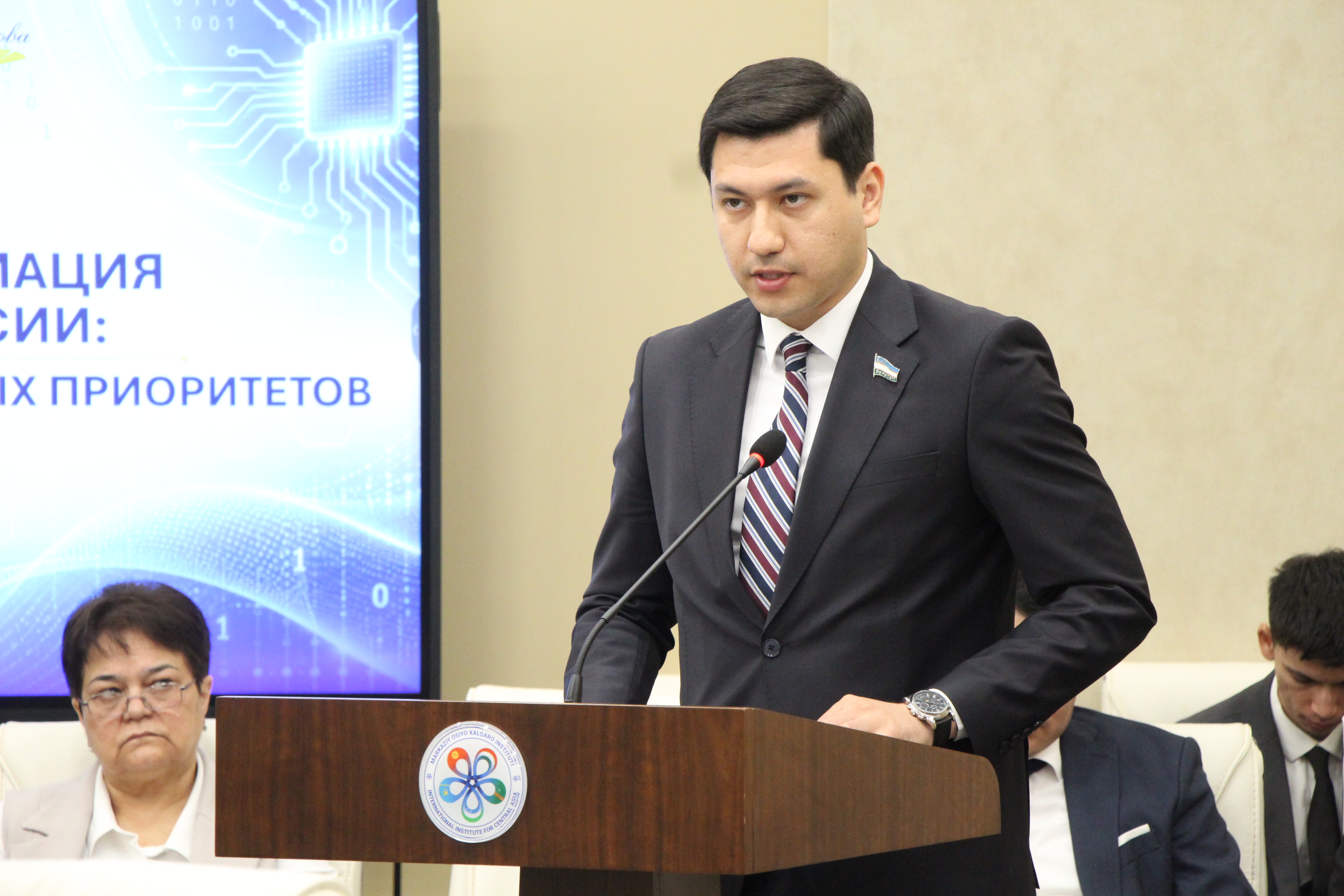
Bekhzod Tukhtamurodov, a member of the Committee on Innovative Development and Information Technologies of the Legislative Chamber of the Oliy Majlis, stressed that expanding Uzbek-Russian cooperation in artificial intelligence should be accompanied by improvements to the relevant legal frameworks.
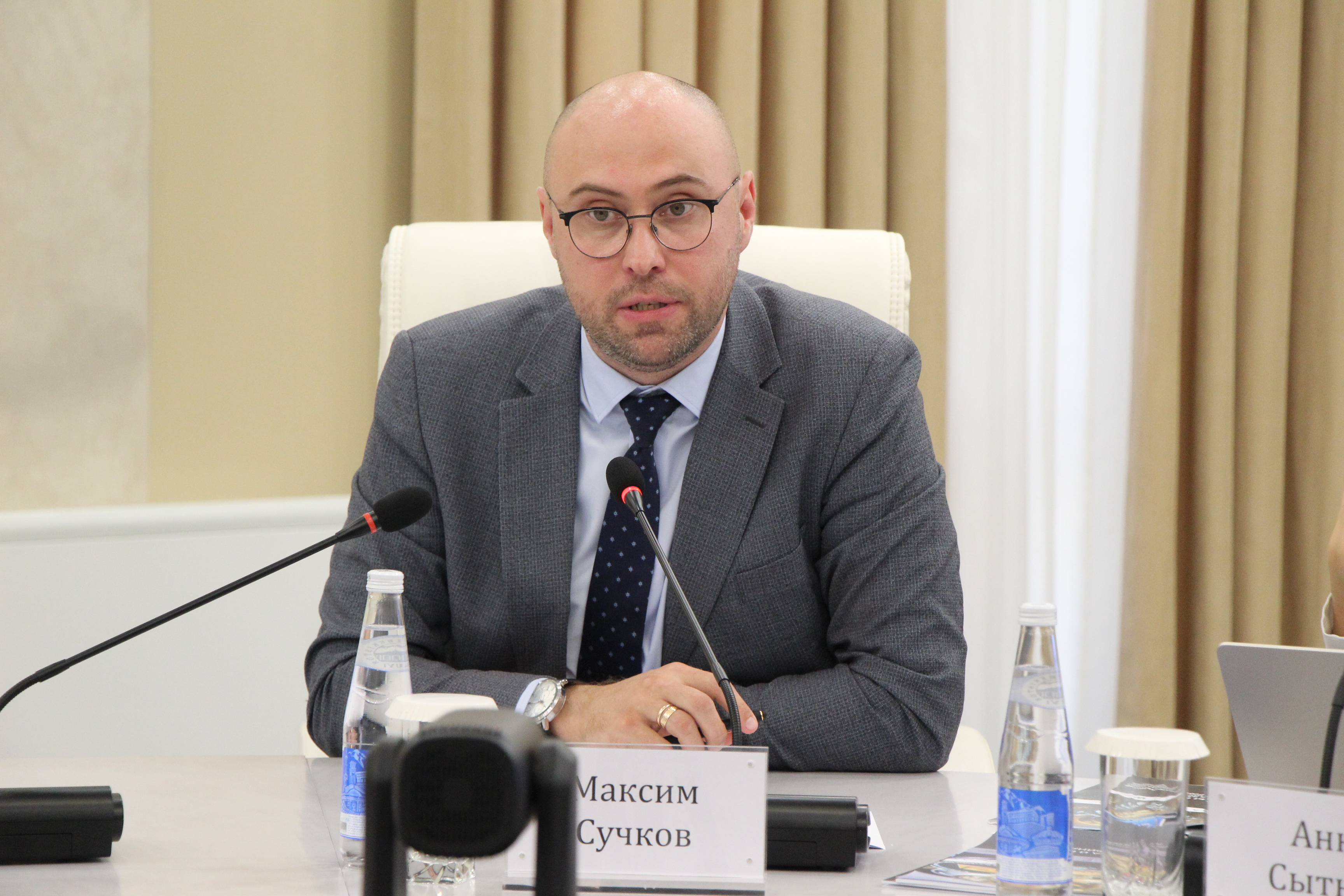
Maxim Suchkov, Director of the Institute for International Studies at MGIMO University, emphasized the need to translate Uzbek-Russian cooperation in cybersecurity into practical action. He highlighted the importance of joint efforts to protect critical infrastructure, data and digital public services.
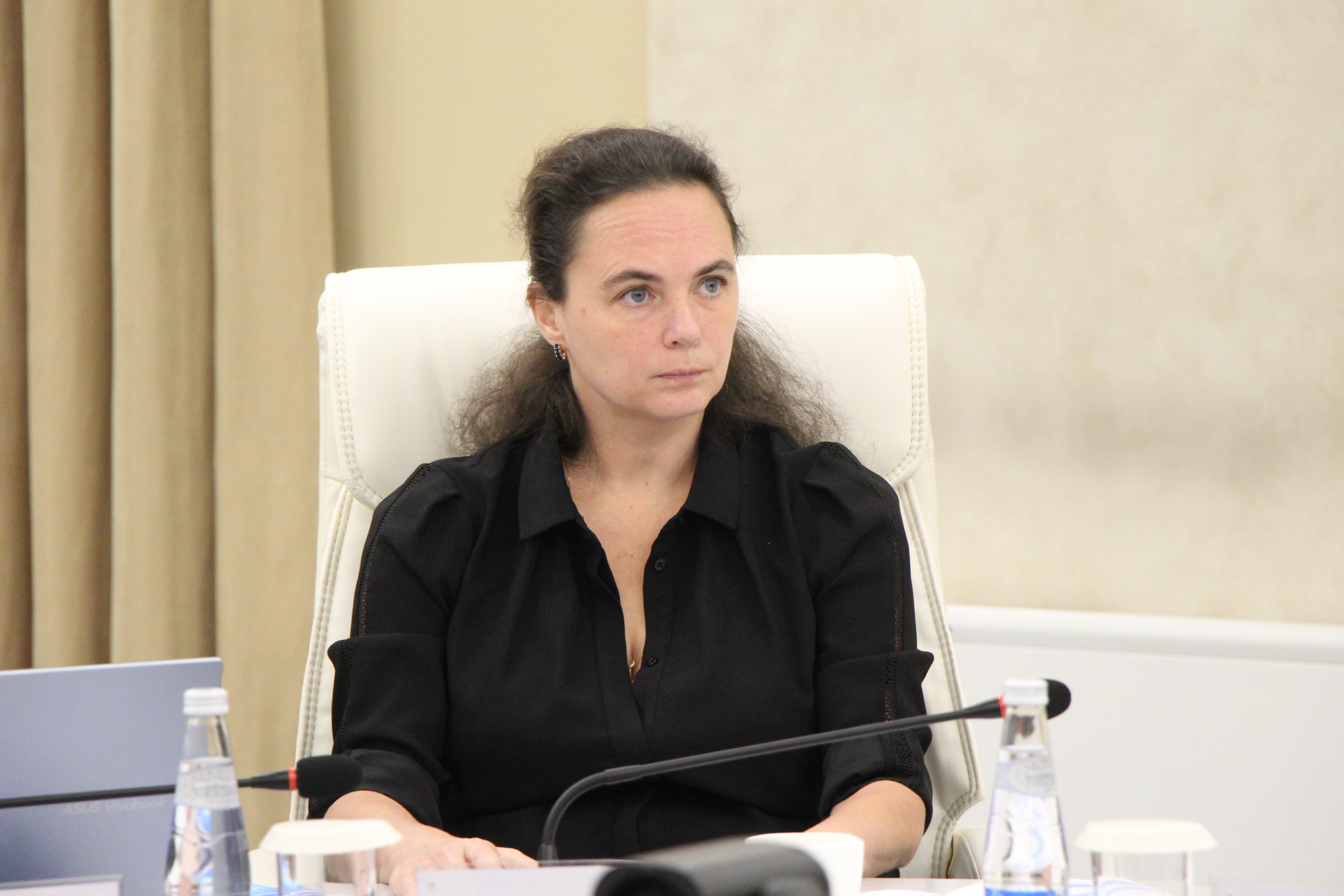
Addressing the development of artificial intelligence, Ekaterina Entina, Director of the Center for Mediterranean Studies at HSE University, identified four key risks requiring particular attention and timely responses. These included the rapid and insufficiently regulated development of AI systems, geopolitical turbulence and its impact on investment capacity, intensifying competition in the digital sphere, and a shortage of skilled personnel as technology advances faster than education systems can adapt.
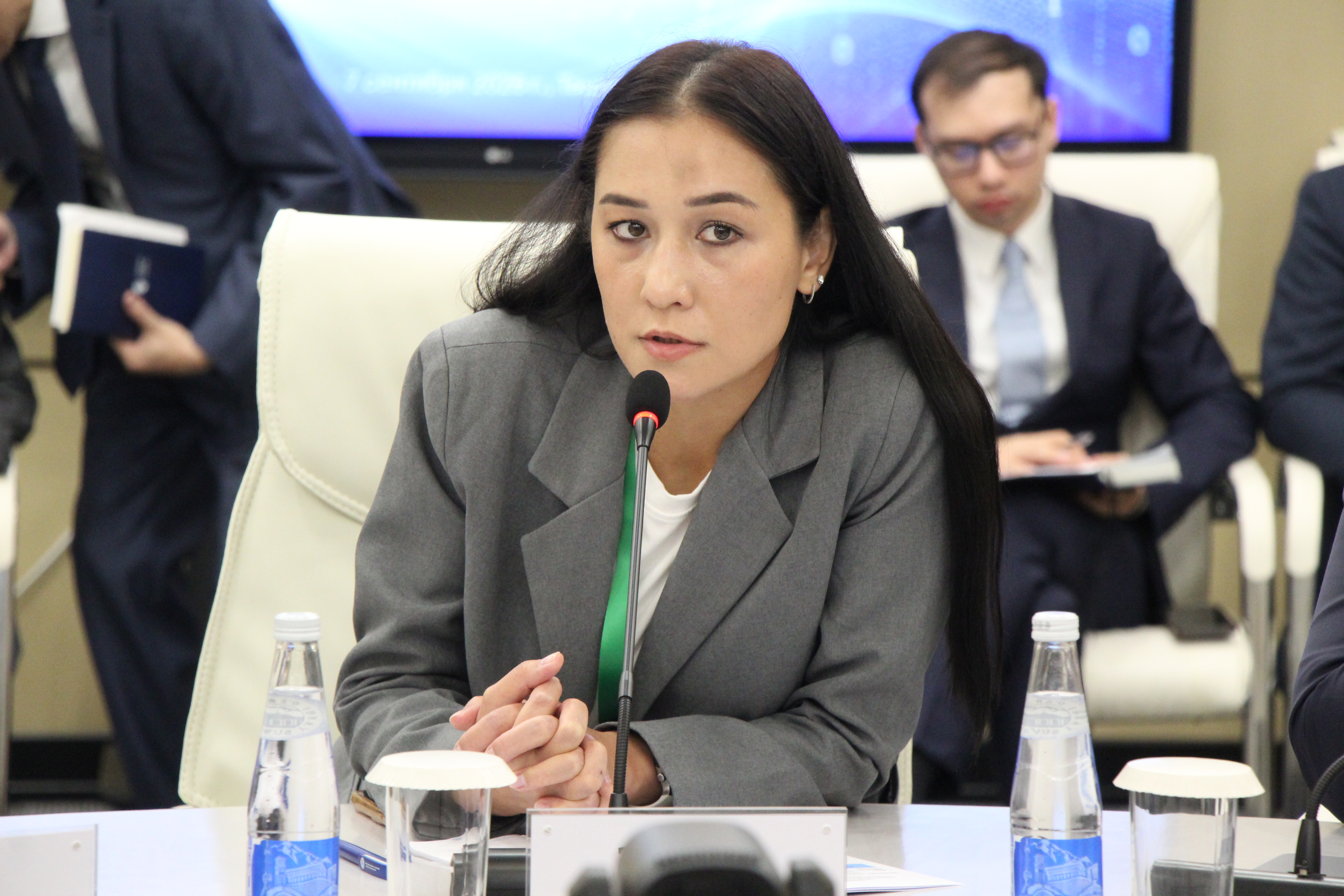
Zarina Lukhmanova, Executive Director of School 21 Uzbekistan, stressed the need to invest in education and digital skills, as this is essential to building a competitive workforce and strengthening the resilience of the digital economy.
The roundtable also considered practical proposals for advancing joint projects in artificial intelligence, cybersecurity, digital workforce development and cooperation between technology companies in the two countries.
Participants reaffirmed their shared interest in maintaining regular dialogue among relevant government agencies, research and educational institutions, and representatives of the IT and business communities of Uzbekistan and Russia.