The discussion focused on recent developments in the regional security architecture and the transformation of international cooperation frameworks in Central Asia. Particular attention was given to strengthening regional consolidation, institutionalizing dialogue among Central Asian states, and expanding partnerships with external actors.
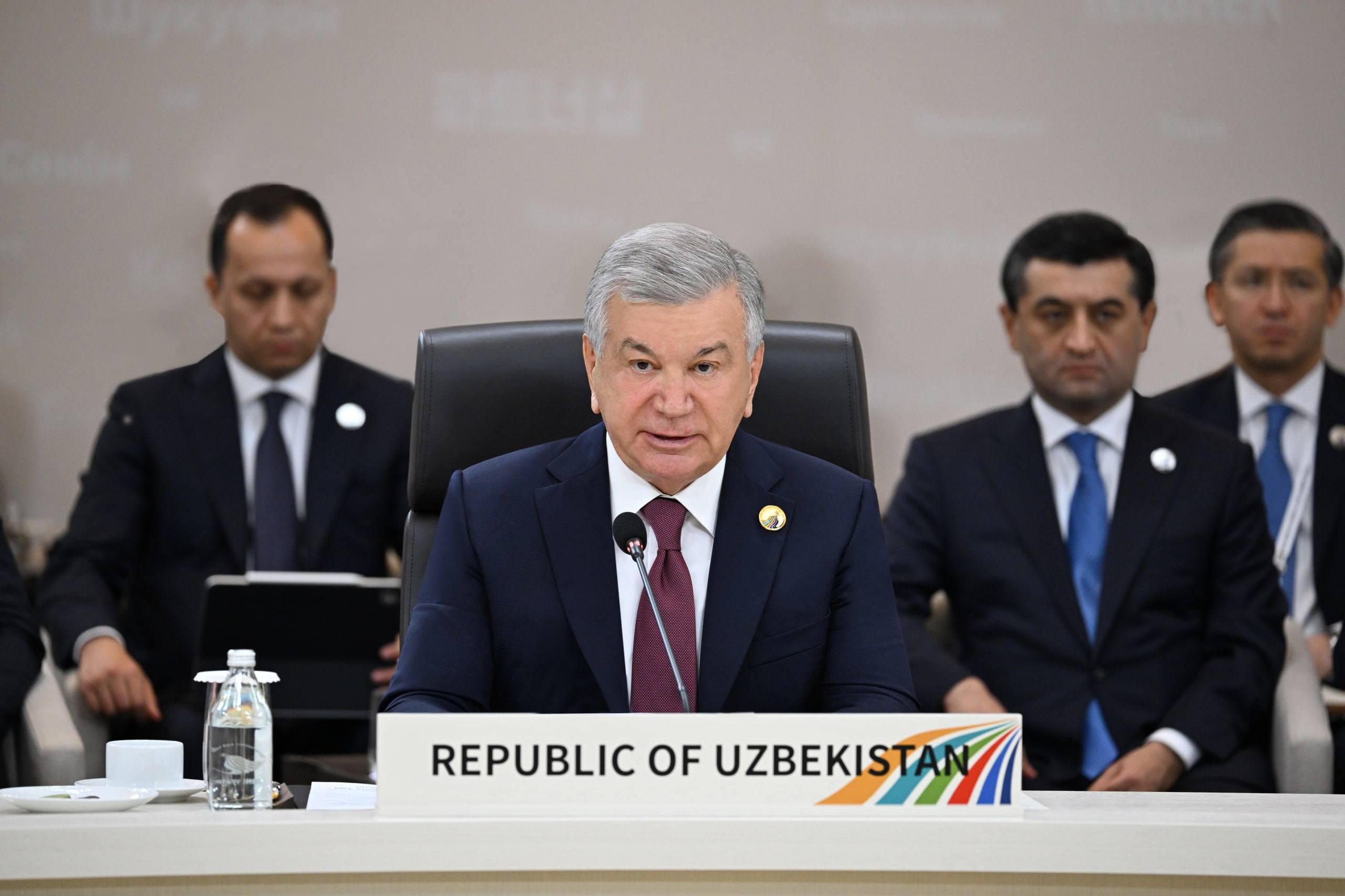
Javlon Vakhabov emphasized that Central Asia has undergone a remarkable shift in recent years—from a region marked by conflict to one of pragmatic diplomacy and sustainable development. He highlighted the significance of the Consultative Meetings of the Heads of State and the adoption of the Concept for the Development of Regional Cooperation – 2040, which outlines a shared vision for advancing cooperation in trade, transport, energy, and cultural exchange.
The Swedish side commended the region’s dynamic progress in economic integration, including the rise in intraregional trade, growing connectivity, the launch of renewable energy projects, and strategic infrastructure initiatives such as the China–Kyrgyzstan–Uzbekistan railway corridor.
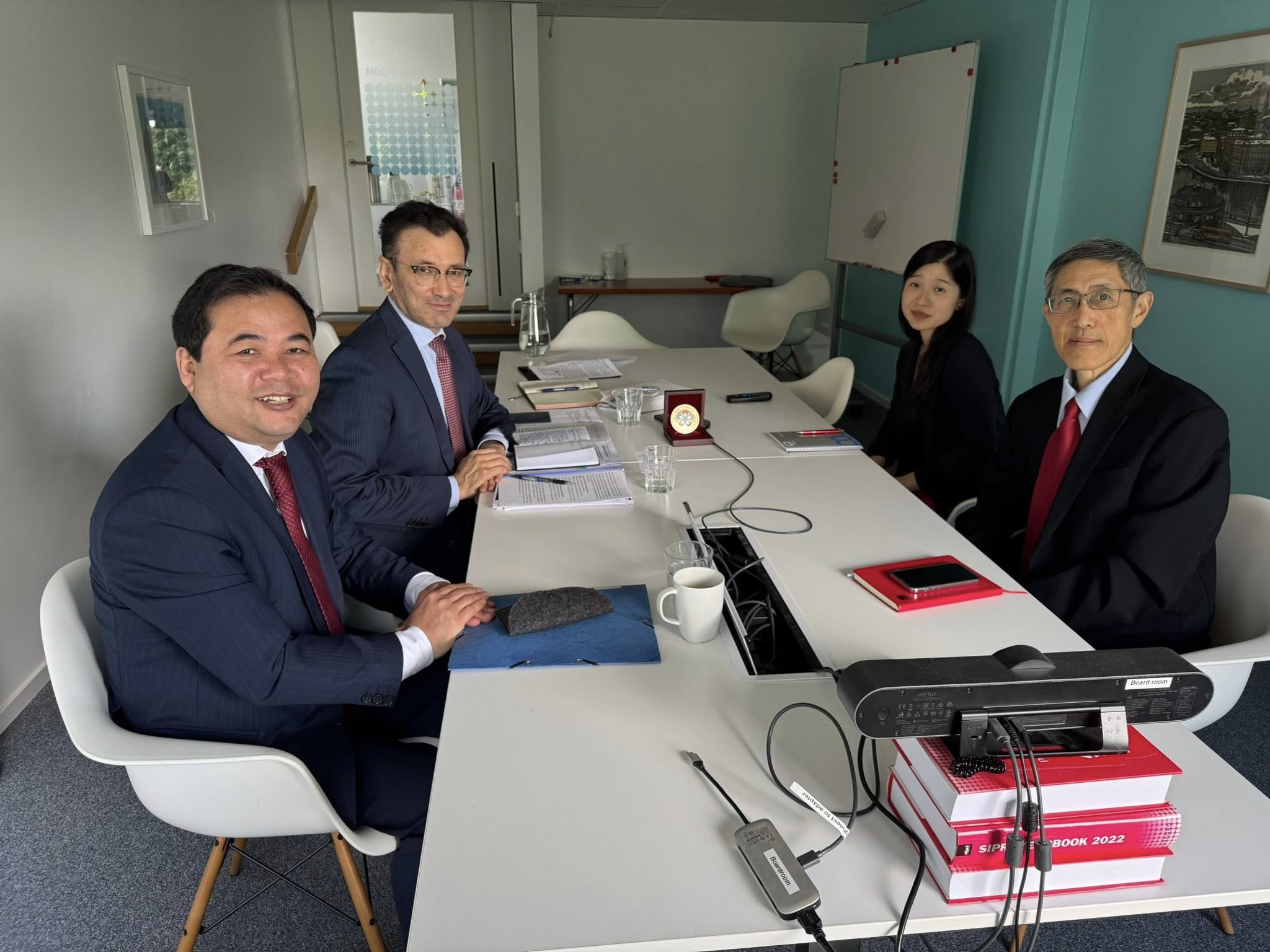
The two sides also discussed prospects for enhancing Central Asia–Nordic cooperation in key areas such as sustainable development, education, and digital transformation. It was noted that there is growing potential for engagement with the Nordic countries, which are global leaders in innovation and inclusive governance.
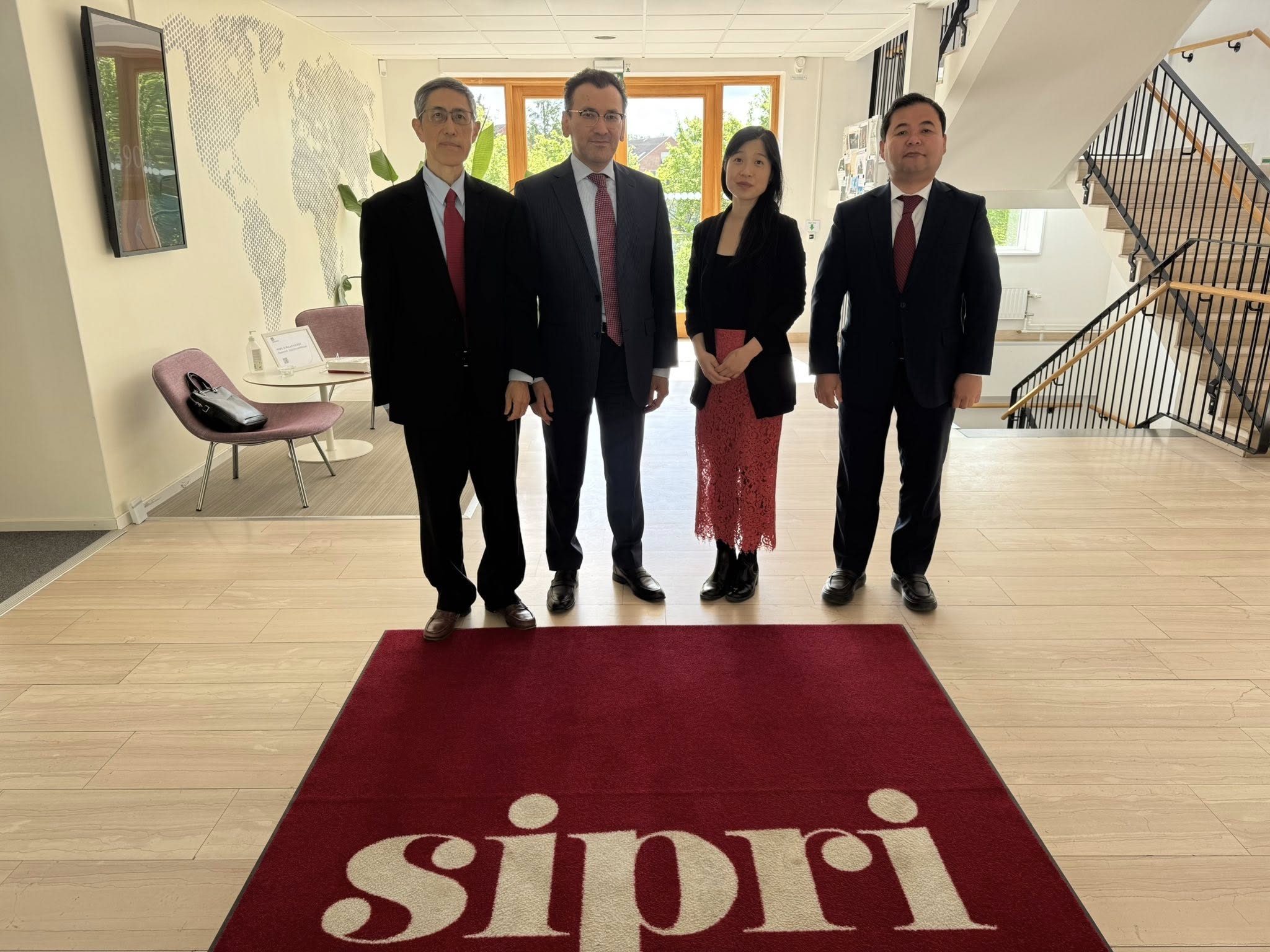
Both parties expressed mutual interest in developing a partnership between SIPRI and IICA, through joint events, expert exchanges, and collaborative research on peacebuilding, resilience, and regional connectivity.
The Stockholm International Peace Research Institute (SIPRI), established in 1966, is a globally recognized independent think tank that conducts research on conflict, armaments, arms control, and disarmament. It provides open-source-based data, analysis, and policy recommendations to decision-makers, scholars, the media, and the wider public.