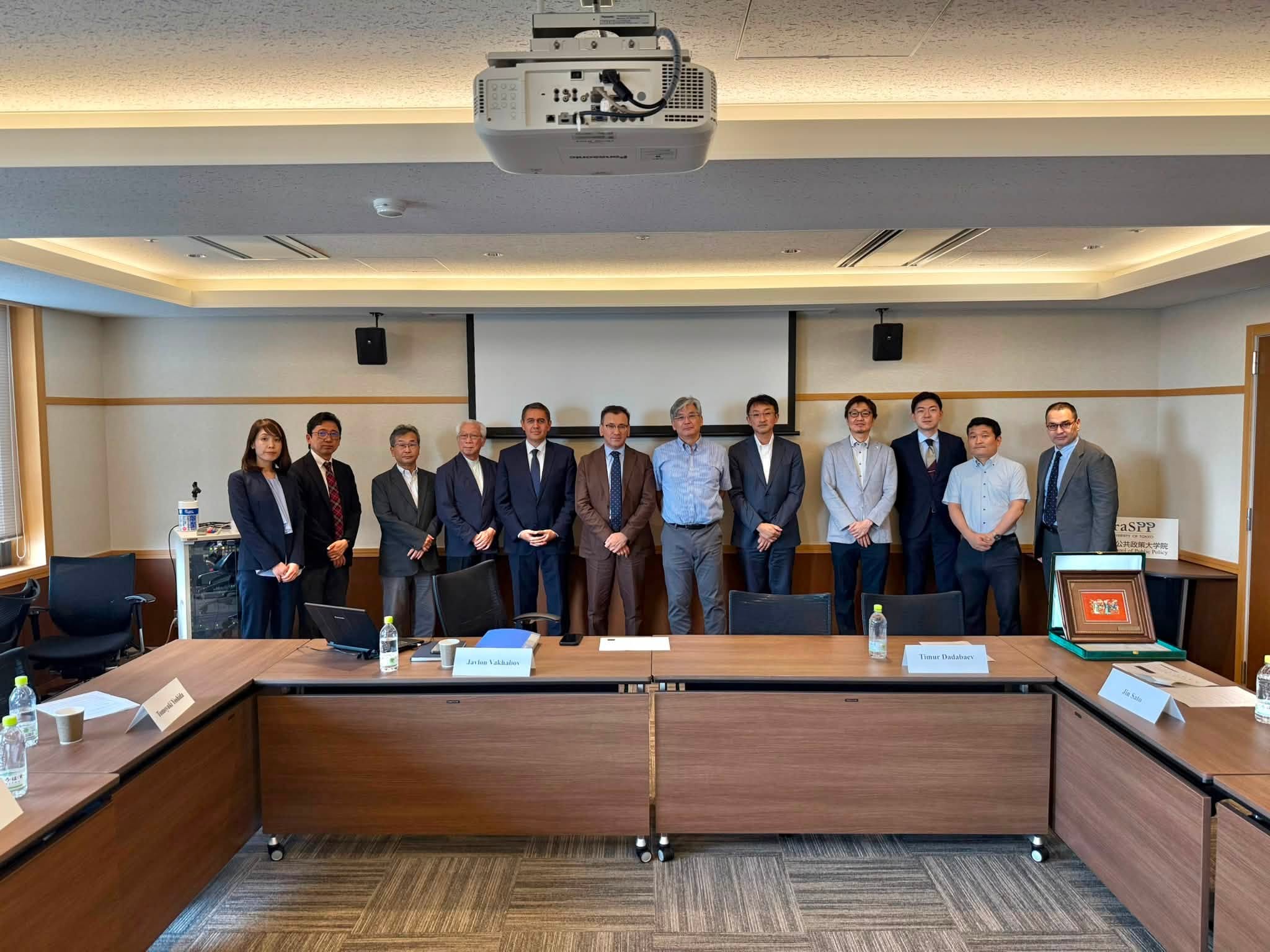
The event brought together representatives of the Ministry of Foreign Affairs of Japan, the Japan Institute of International Affairs, the Japan Foundation, and the Sasakawa Peace Foundation, along with leading Japanese experts on Central Asia.
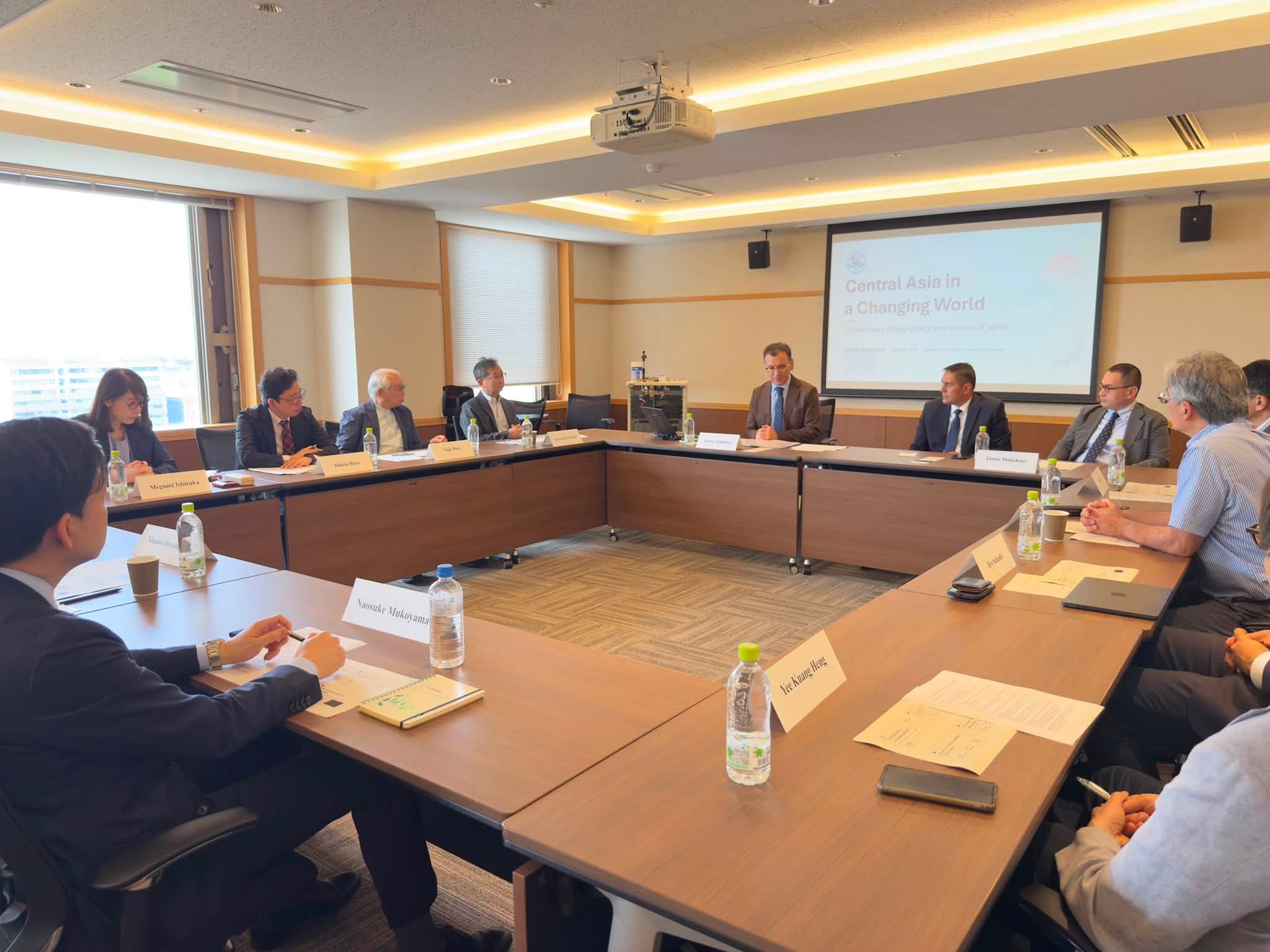
Opening the roundtable, participants discussed current trends in Central Asia–Japan cooperation, underscoring that the first summit in this format, held in December 2025, was an important milestone in the development of the regional partnership.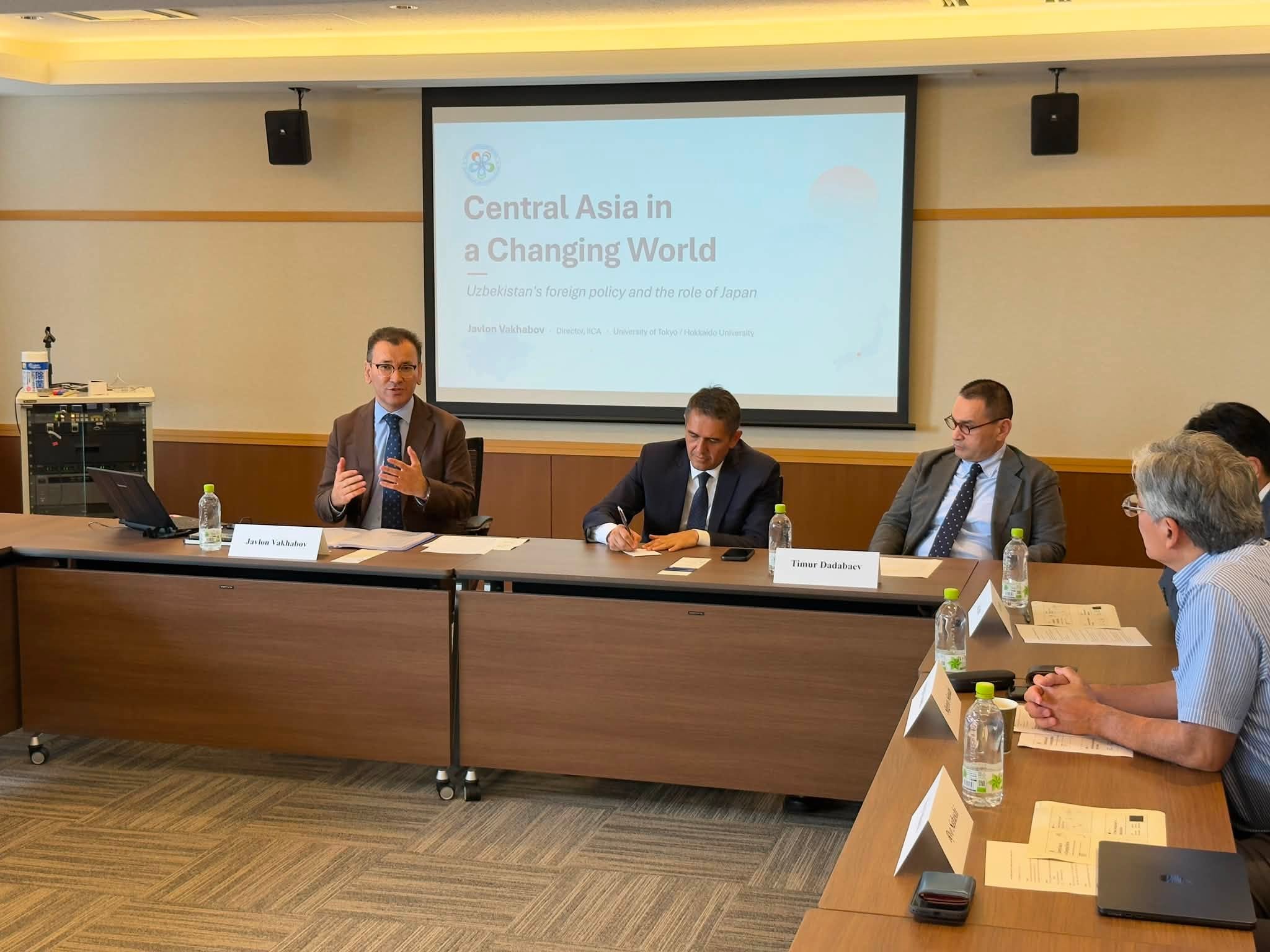
It was noted that the meeting of the leaders set strategic benchmarks for further engagement, reaffirming mutual interest in deepening cooperation in connectivity, sustainable economic development, innovation, and humanitarian exchanges.
In the course of the discussion, experts noted that, thanks to the consistent efforts of the heads of state of Central Asia, the region is increasingly asserting itself as a single political, economic, and humanitarian space.
Participants emphasized that Central Asia is gaining growing weight within Japan's foreign policy and foreign economic priorities. Among the promising tracks of engagement, they cited artificial intelligence, human capital development, and expanded cooperation in the area of workforce mobility.
It was noted that a long-term partnership must rest on active people-to-people contacts. Expanding youth, educational, and cultural exchanges, in the view of the participants, will help strengthen mutual understanding and build a durable foundation for further cooperation.
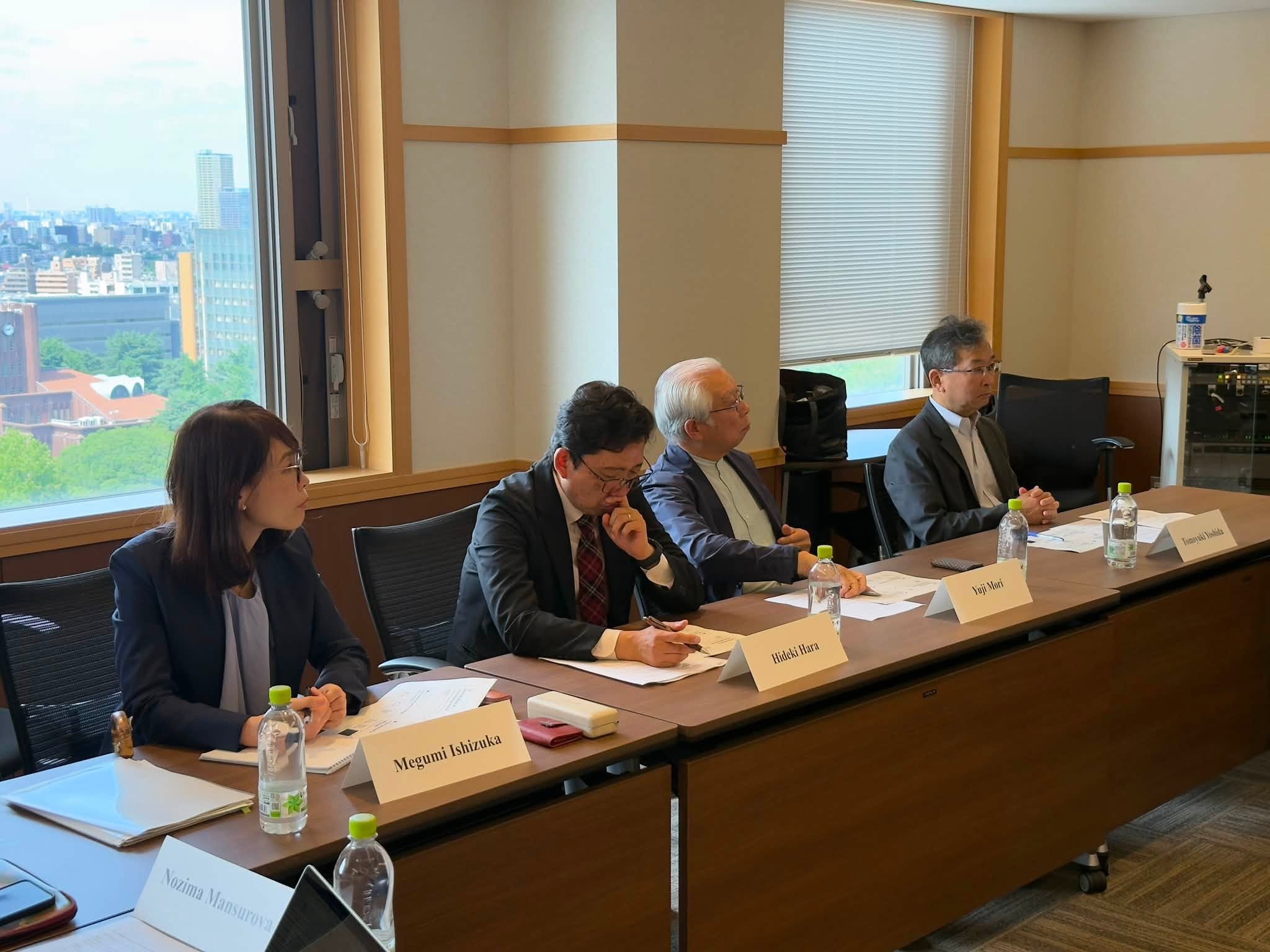
Participants also stressed that the further development of cooperation requires closer engagement not only of the academic community, but also of government structures and business circles.
In this regard, the importance was highlighted of building sustained expert ties and conducting joint research aimed at generating new knowledge that is in demand within the international expert and academic community.
Summing up the meeting, participants reaffirmed the high potential of expert cooperation between Central Asia and Japan. It was noted that the upcoming Central Asia–Japan Think Tank Forum in Tashkent will serve as an important platform for developing practical recommendations for the further advancement of cooperation between the countries of the region and Japan.
The University of Tokyo is Japan's oldest and most prestigious national research university, founded in 1877. It ranks first in national rankings and is among the world's leading universities, with 20 Nobel laureates among its alumni and faculty, along with a significant share of Japan's public and political figures.