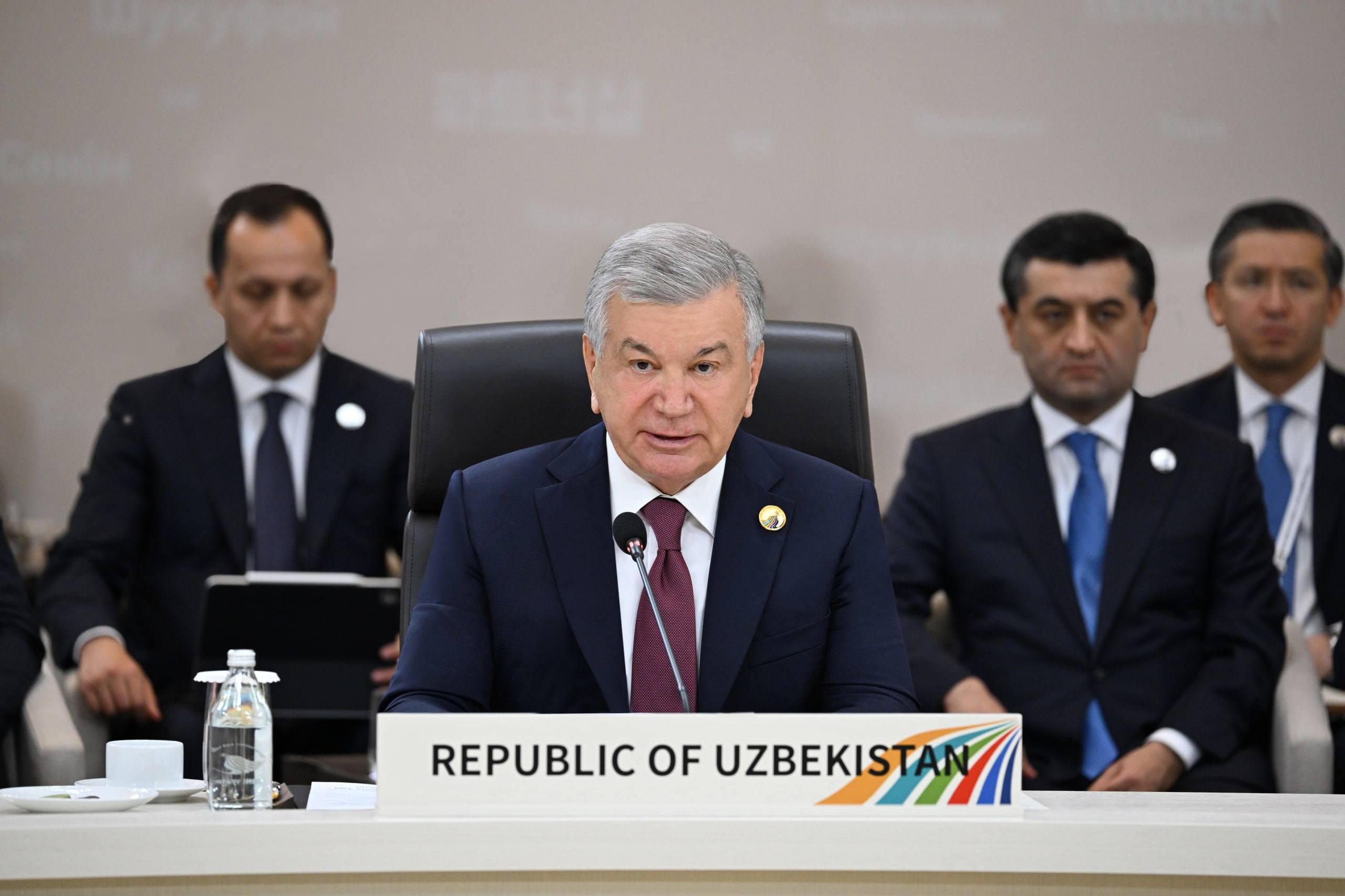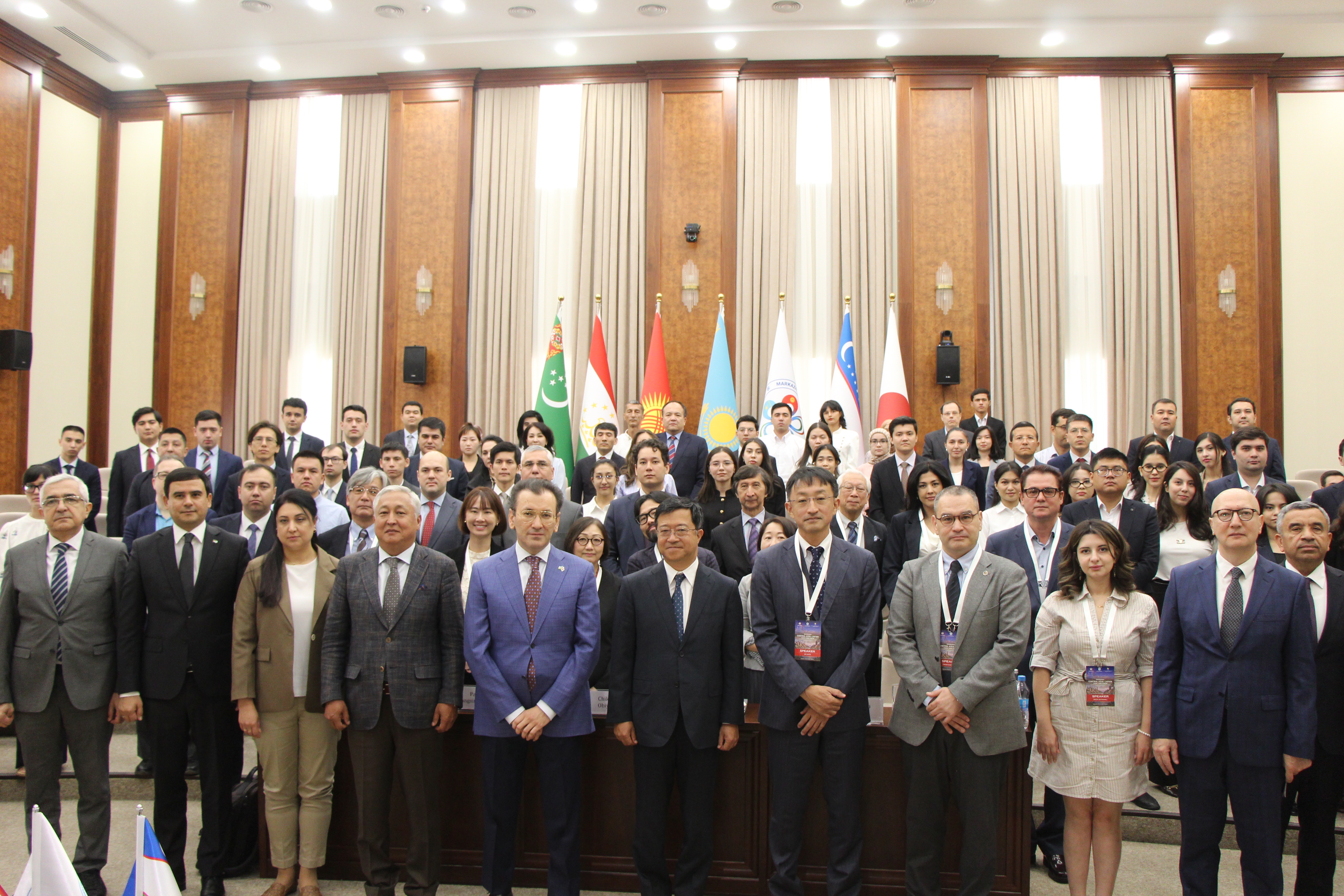
The Forum brings together representatives of leading think tanks and research institutes, the academic and business communities, and relevant ministries and agencies of the countries of Central Asia, Azerbaijan, and Japan.
Opening the Forum, IICA Director Javlon Vakhabov noted that the event grew directly out of an initiative put forward by President Shavkat Mirziyoyev at the first "Central Asia + Japan" Summit in December 2025. The "Central Asia + Japan" dialogue, he recalled, has been developing for two decades, taking in ministerial meetings, expert consultations, and business forums along the way — and the Tokyo Summit lifted this cooperation to a new level.
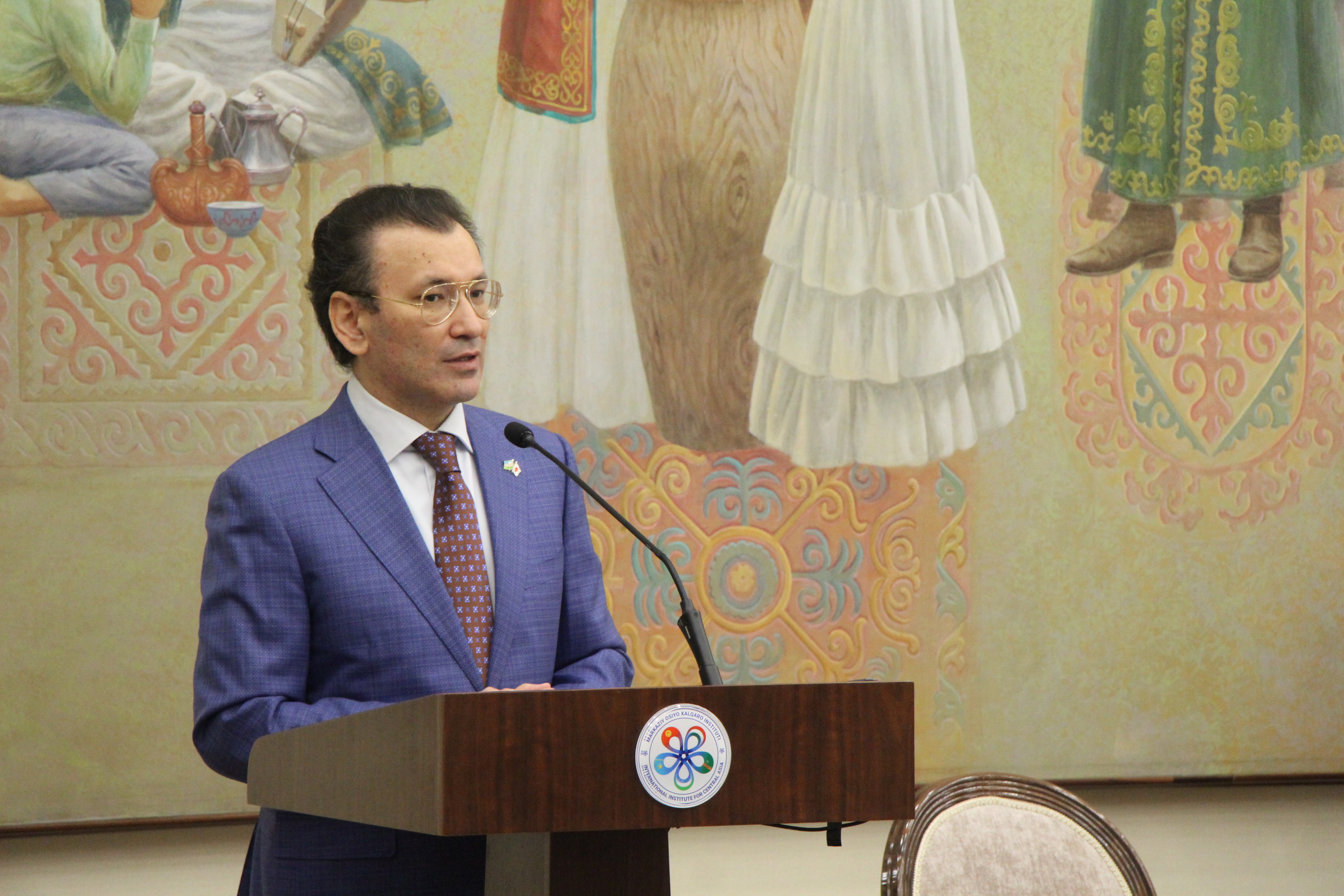
Creating the Forum, Vakhabov stressed, reflects a simple principle: political agreements need a firm expert and institutional foundation. That matters all the more today, as Central Asia itself has changed markedly, with the countries of the region building mutual trust and establishing regular channels of dialogue. The role of an expert platform, in his view, is to help translate the agreements already reached into concrete projects and practical recommendations — and to ensure that cooperation with Japan serves not only national projects but the development of the region as a whole.
"Summits set the direction. Governments build the framework. Business delivers the projects. Think tanks can tie these levels together — generating practical proposals, spotting new opportunities, and assessing the progress achieved," Vakhabov said.
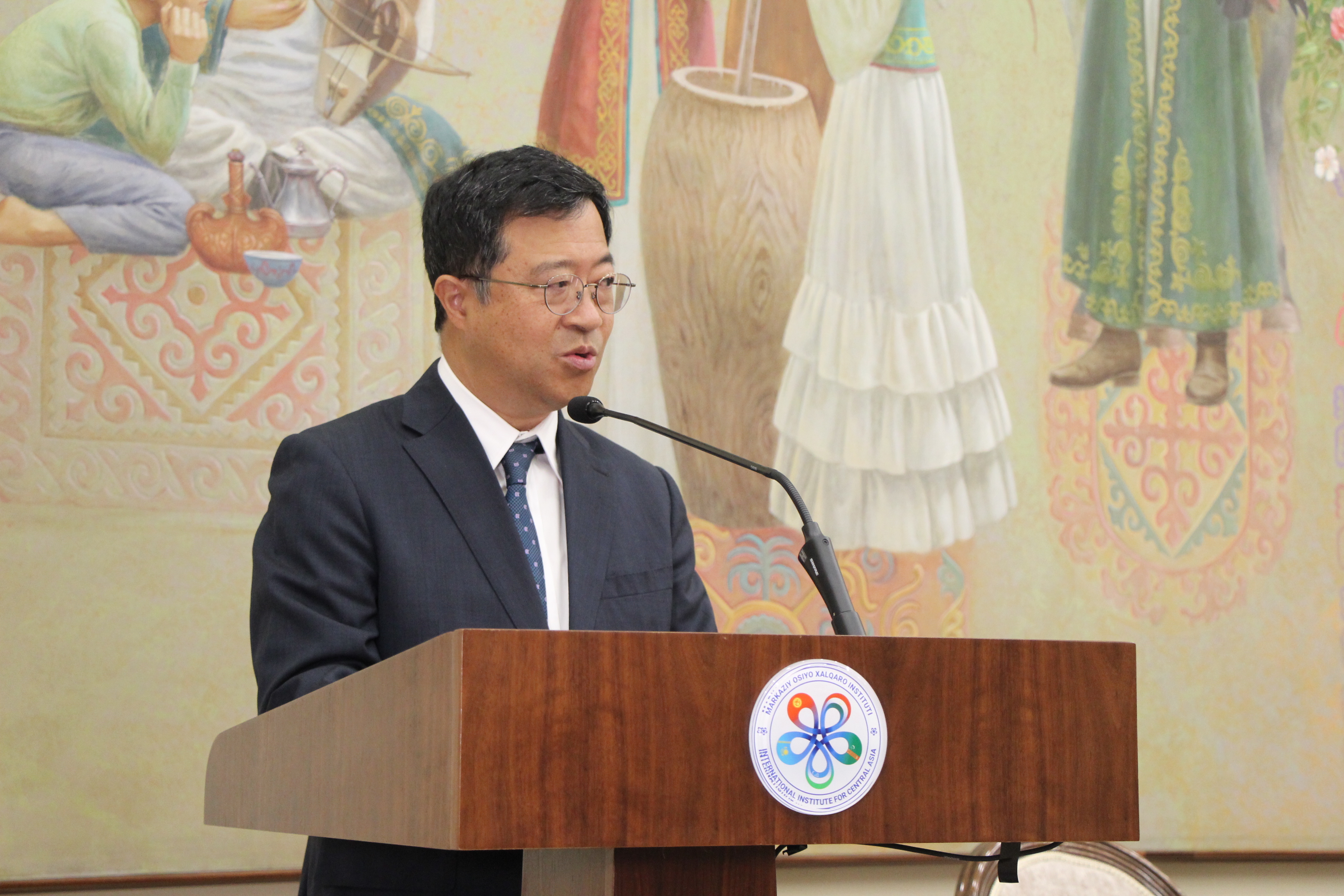
Kenji Hirata, Ambassador Extraordinary and Plenipotentiary of Japan to the Republic of Uzbekistan, observed that the strategic importance of Central Asia is drawing growing attention across the international community. The first "Central Asia + Japan" Summit last December, he noted, defined the key areas of cooperation and gave the six governments clear reference points for the work ahead.
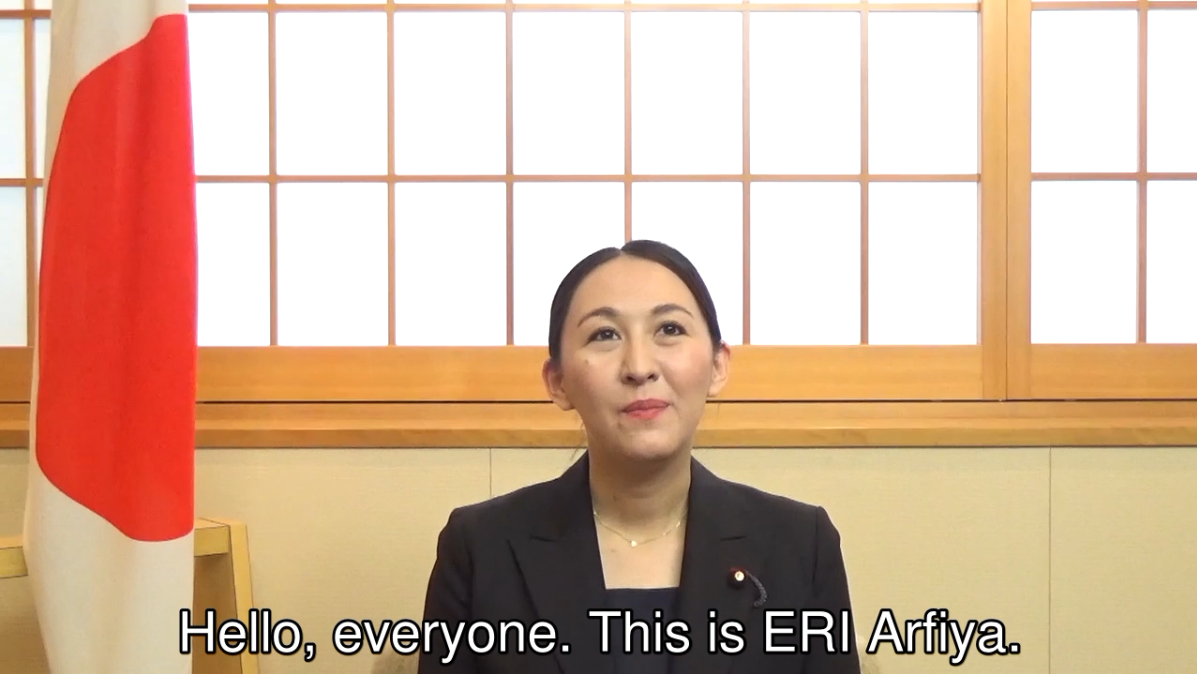
Eri Arfiya, Member of the House of Representatives of Japan, highlighted the important role of the expert and academic community in advancing cooperation between Japan and Central Asia. She recalled that the first summit produced the Tokyo Declaration, under which Japan intends to sustain practical engagement with the countries of the region and support the implementation of joint initiatives.
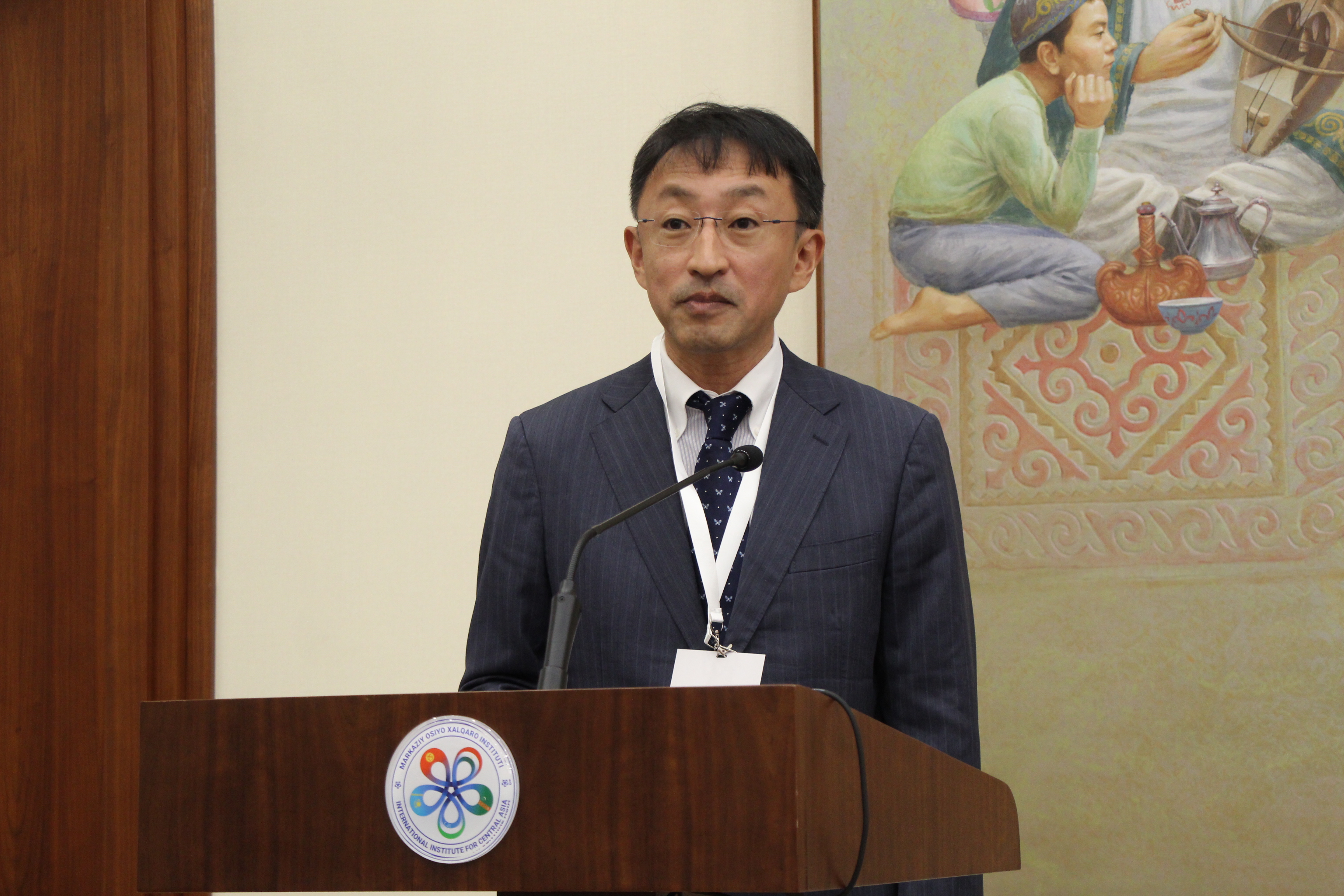
Professor Jin Sato, Director of the Institute for Advanced Studies on Asia at the University of Tokyo argued that, for all their apparent geographic distance, the historical ties between the two regions ran far deeper than is commonly assumed: the routes of the Great Silk Road stretched eastward across Asia and reached Japan, and Nara still holds traces of Central and West Asian artistic and cultural influence. The task today, in his view, is not to build the Japan–Central Asia relationship from scratch, but to rediscover those historical ties and give them a new form.
Presenting his report, Timur Dadabaev — Vice-Rector of the University of World Economy and Diplomacy and Professor at the University of Tsukuba — pointed out that more than three decades of engagement between Japan and Central Asia have built up a considerable "reserve of trust" that now needs to be converted into a deeper economic partnership. The next stage of cooperation, he argued, should mean a shift from traditional aid toward investment, trade, technology, and joint production, opening up more opportunities for the countries of the region. He gave particular attention to local processing, transport and digital connectivity, and workforce training and mobility.
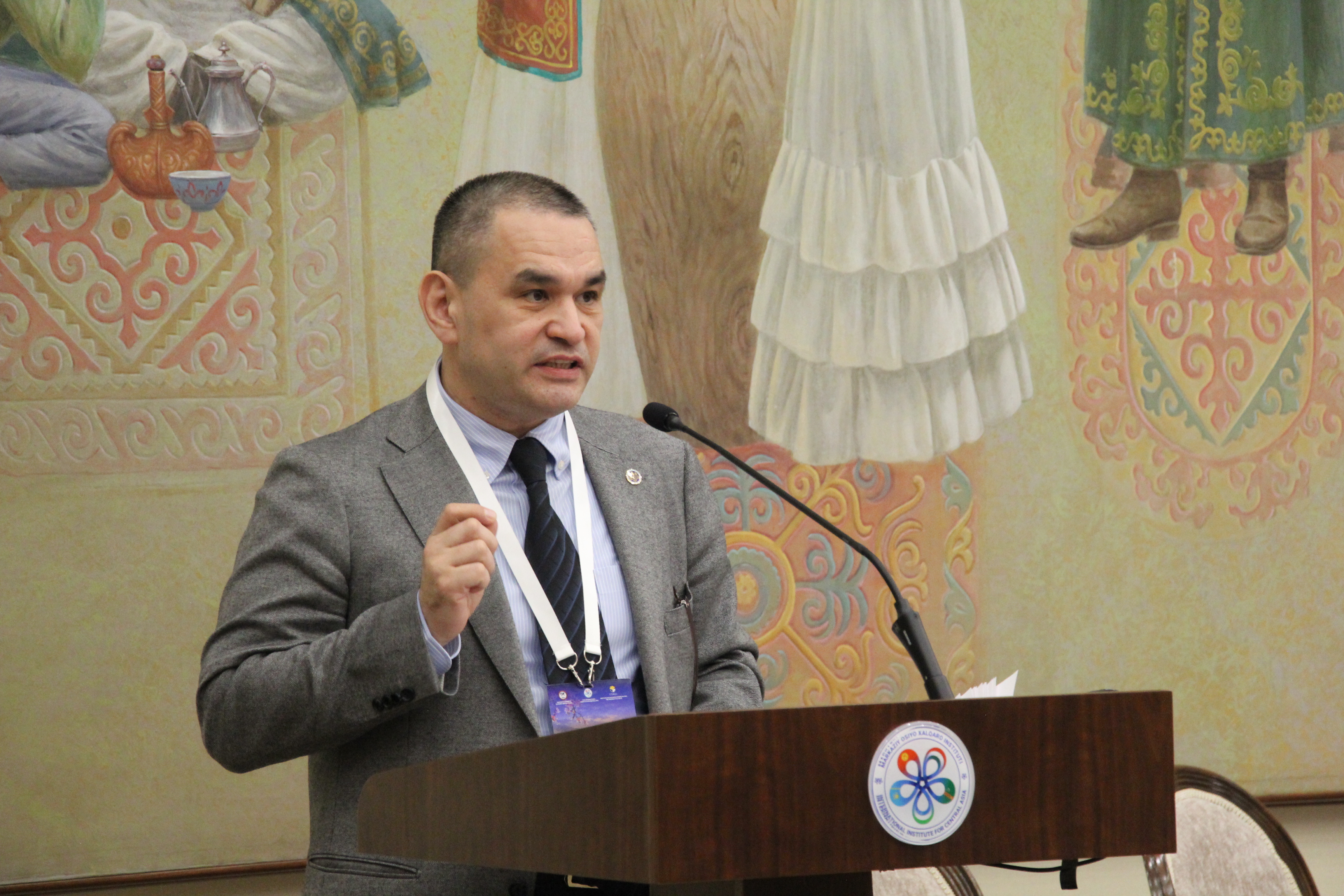
The Forum's first session was devoted to the "Central Asia plus Japan" dialogue and to building a resilient partnership amid a shifting geopolitical landscape.
Professor Shigeto Sonoda of the University of Tokyo underscored the value of systematically studying public opinion in Japan and the countries of Central Asia as a way to develop more effective and mutually beneficial approaches to cooperation.
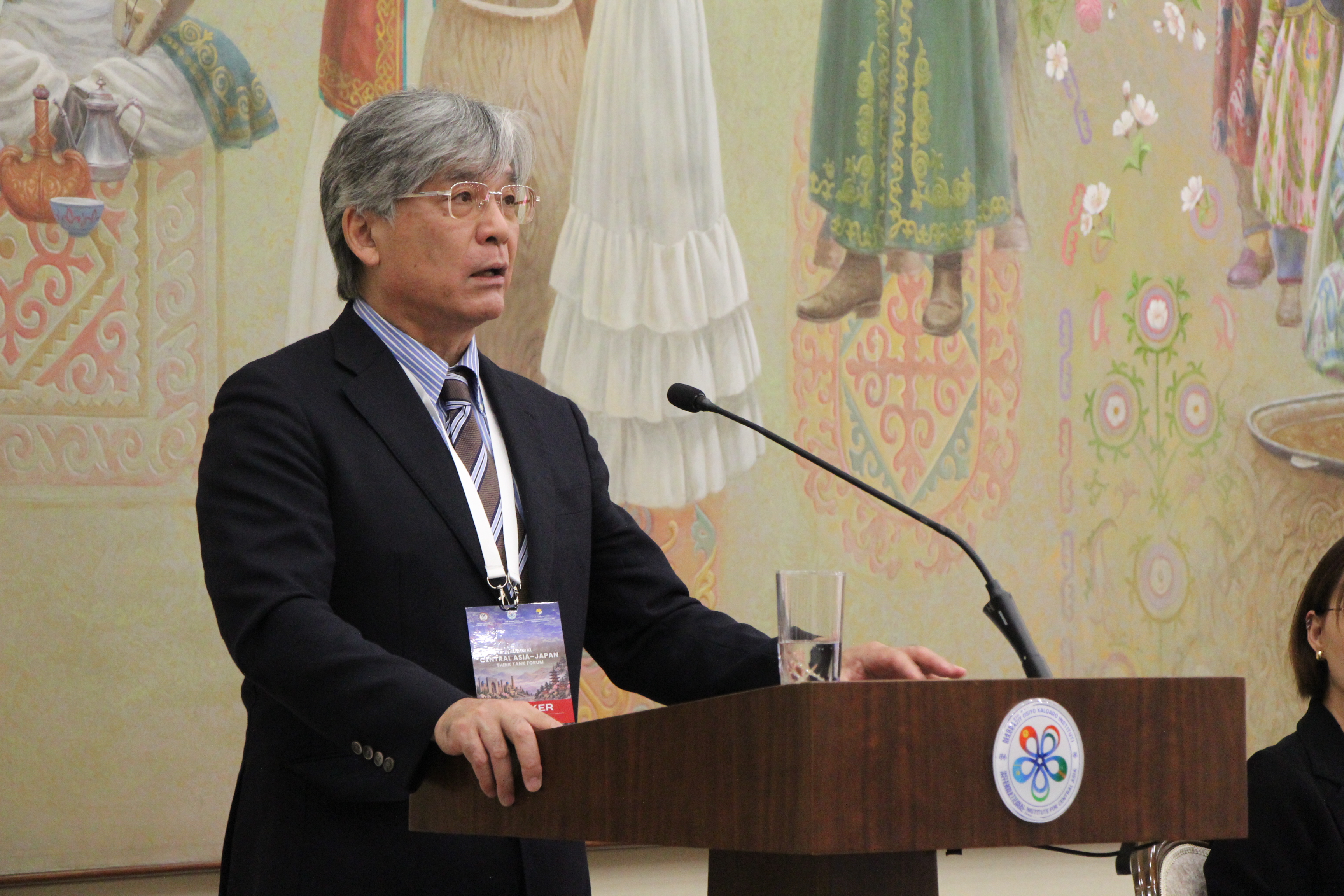
Ryota Saito, a researcher at the Japan Association for Trade with Russia & NIS (ROTOBO), drew attention to the need to remove logistical barriers in order to expand economic ties between Japan and Central Asia. Among the promising areas, he named digital transformation and human capital development, where the interests of the two sides largely converge. As practical steps, he proposed stepping up efforts to attract Japanese investment and broadening the dialogue to reflect the potential of the South Caucasus as an important link in the Middle Corridor.
The second session addressed the advancement of sustainable development in Central Asia, including the green transition, energy security, and cooperation on critical minerals.
Kenta Aoki, Senior Research Fellow at the Sasakawa Peace Foundation's Mediation Support Center, proposed developing practical engagement with Afghanistan through a trilateral "Uzbekistan–Japan–Afghanistan" partnership. Among the possible tracks he singled out transport connectivity, education, water resources, agriculture, counter-narcotics, and cultural heritage preservation, pointing to the potential of existing regional platforms, including the "Termez Dialogue."
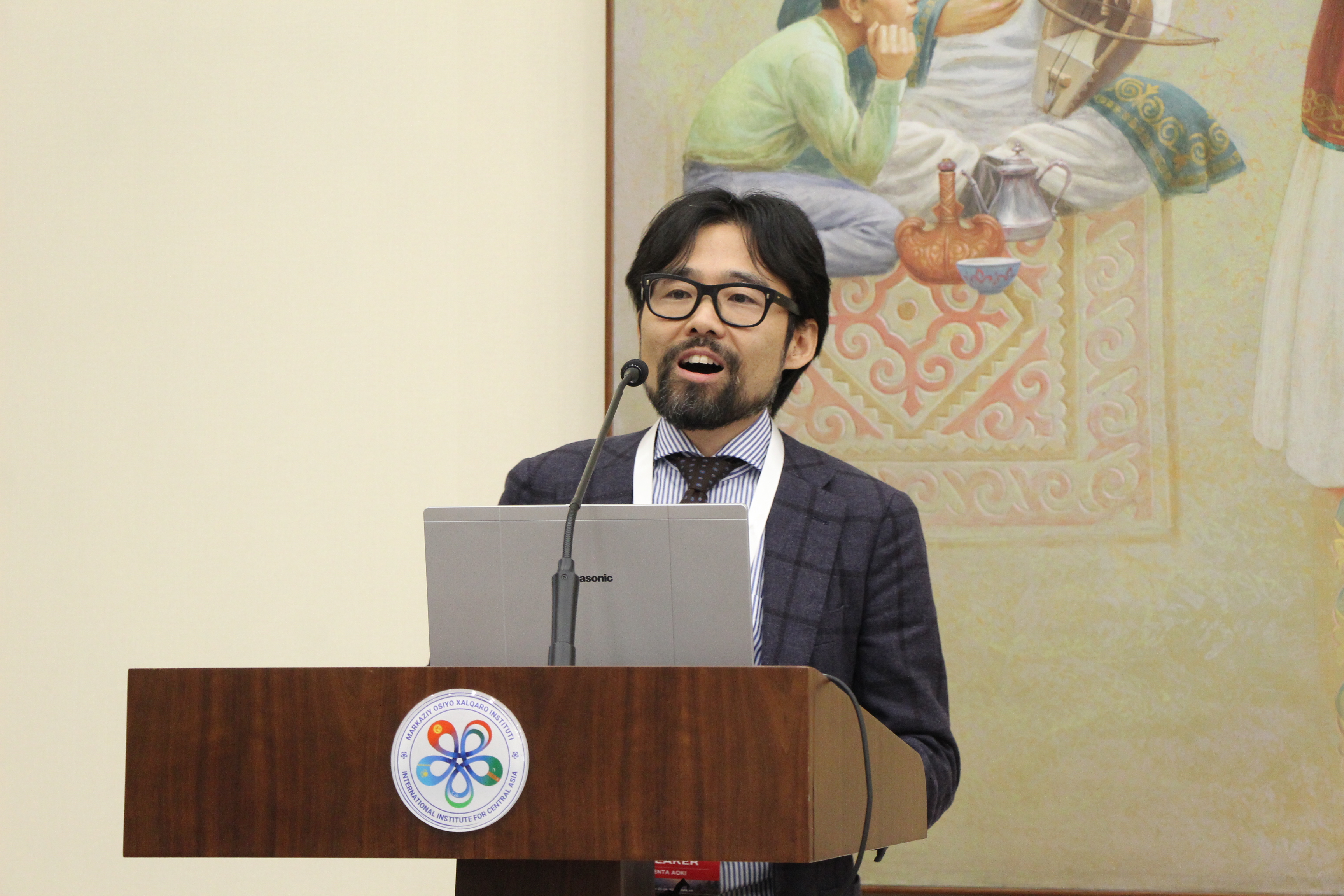
Professor Chisako Masuo of Kyushu University drew attention to the growing role of satellite technology in sustainable development and natural-resource monitoring. The countries of Central Asia, she noted, need to build their own capabilities and expand international cooperation in the space domain, including with Japan, which holds considerable potential in satellite data and its practical application.
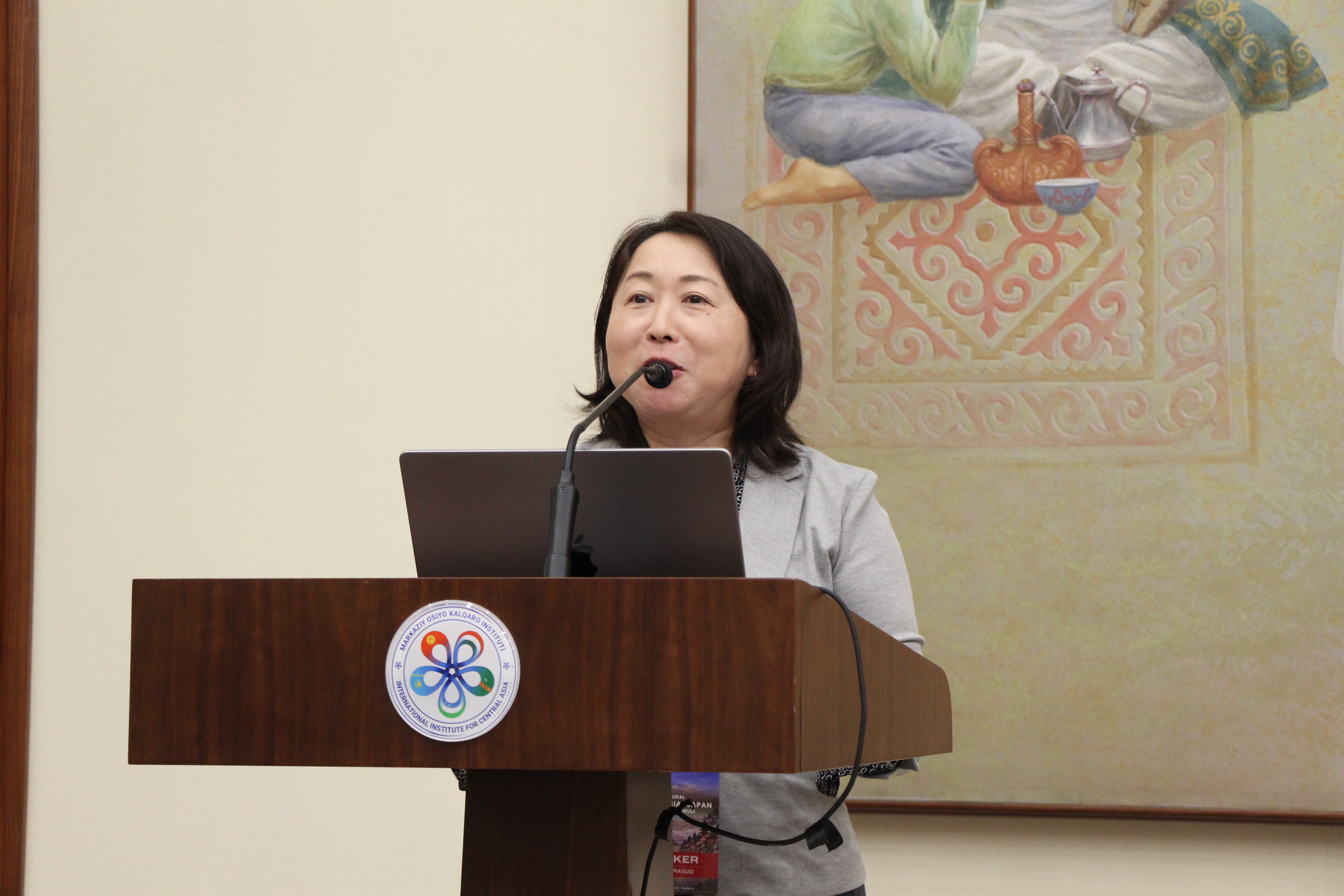
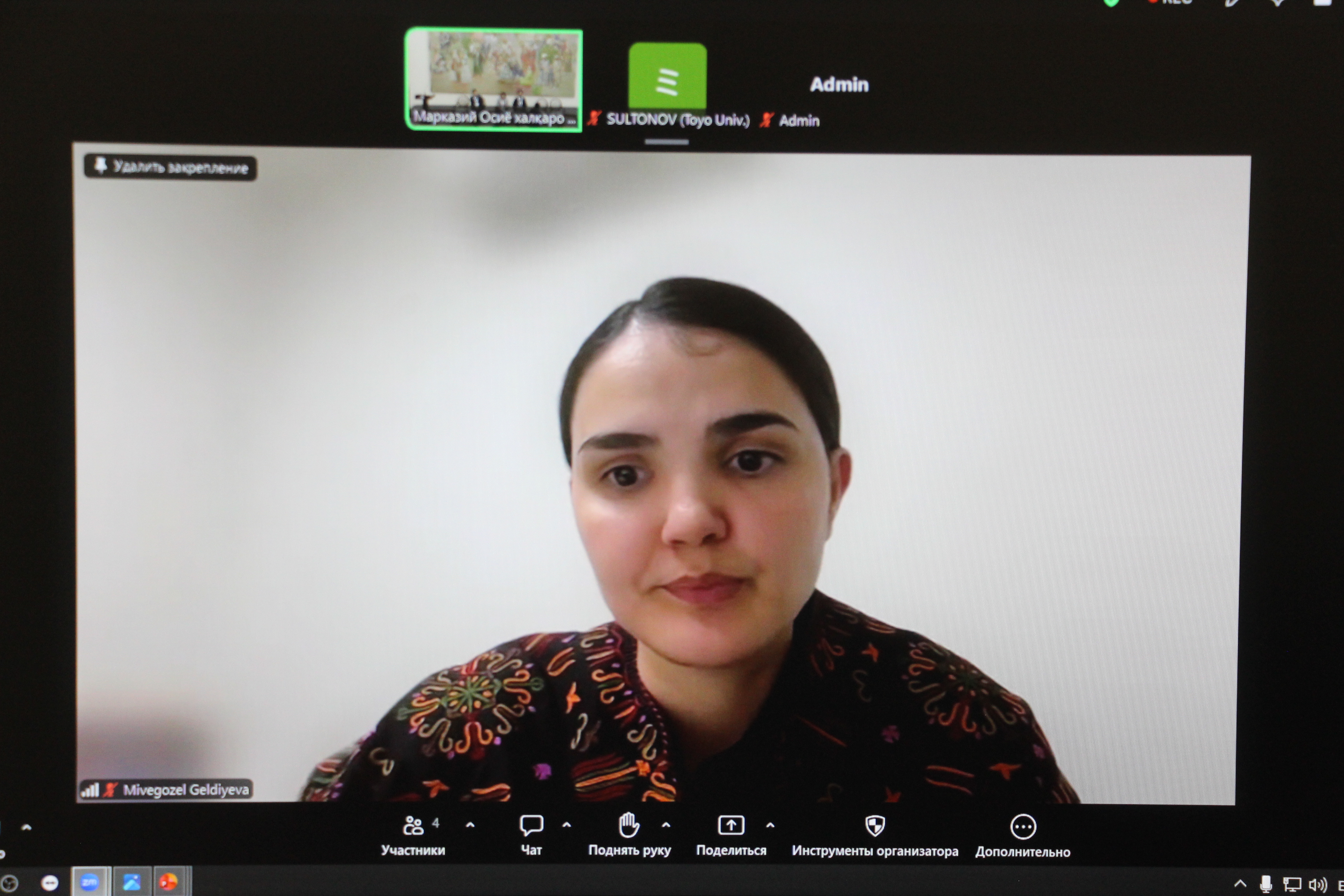
Mivegozel Geldiyeva, a doctoral candidate at the University of Tsukuba (Turkmenistan), presented research on Turkmenistan's hydrogen pathway and the opportunities for cooperation with Japan. She pointed to the need to move from policy initiatives and pilot projects toward practical implementation, stressing the importance of assessing the carbon efficiency, demand, and financial viability of hydrogen projects.
The Forum continues on September 24 at the University of World Economy and Diplomacy. On the second day, participants will discuss transport and digital connectivity, the development of new technologies, and the prospects for humanitarian cooperation, education, and expert dialogue.