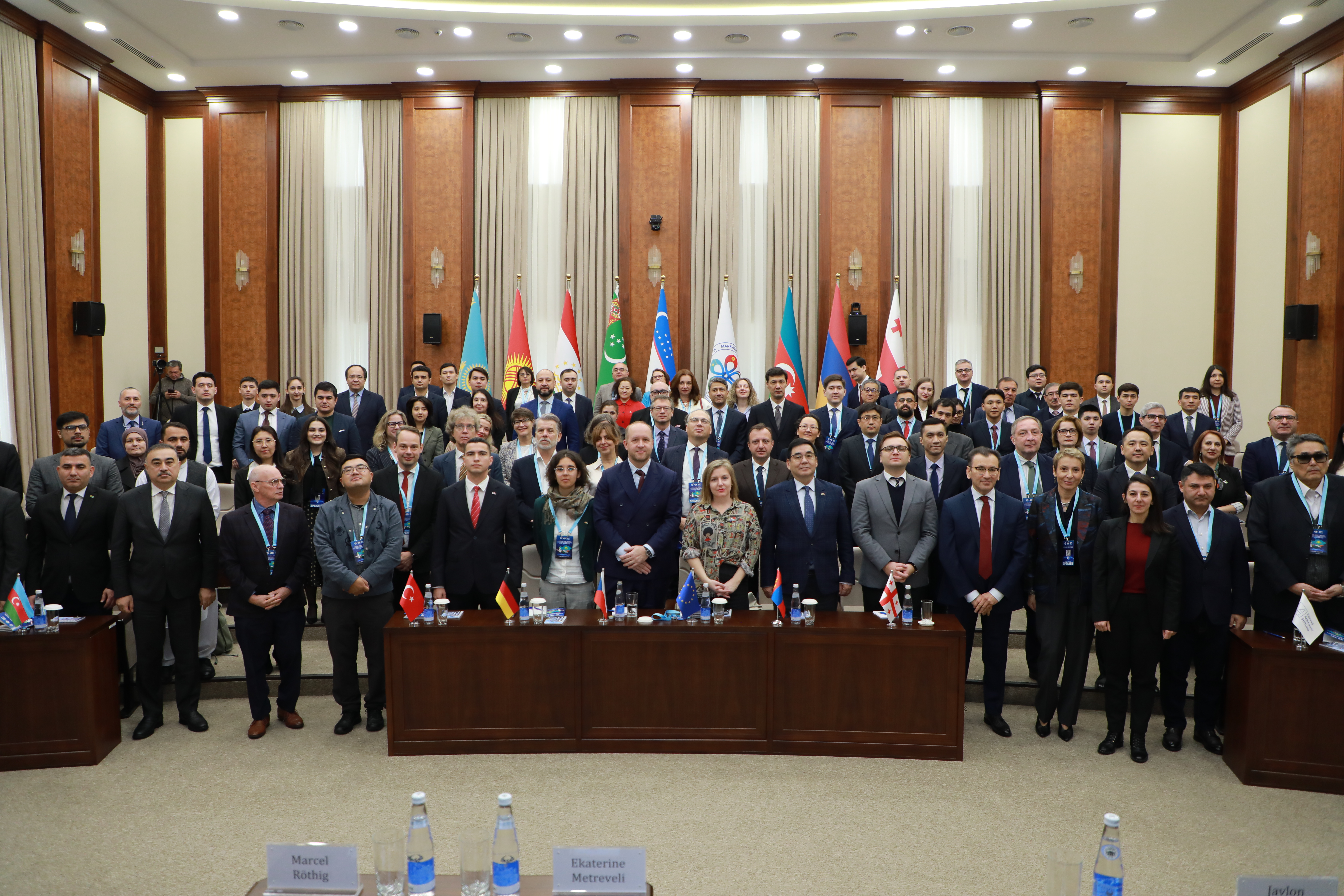
The conference brought together government officials, representatives of international financial institutions and the diplomatic corps in Tashkent, and researchers from leading think tanks across Central Asia, the South Caucasus, Europe and the United States.
Discussions focused on developing transport routes, streamlining transit procedures and exploring opportunities for industrial and energy cooperation between the two regions.
Opening the conference, IICA Director Javlon Vakhabov noted that geopolitical shifts in the world are creating new opportunities for Central Asia and the South Caucasus. Long viewed primarily as transit links between major markets, the countries of both regions now have greater scope to choose their own trade routes and economic partners.
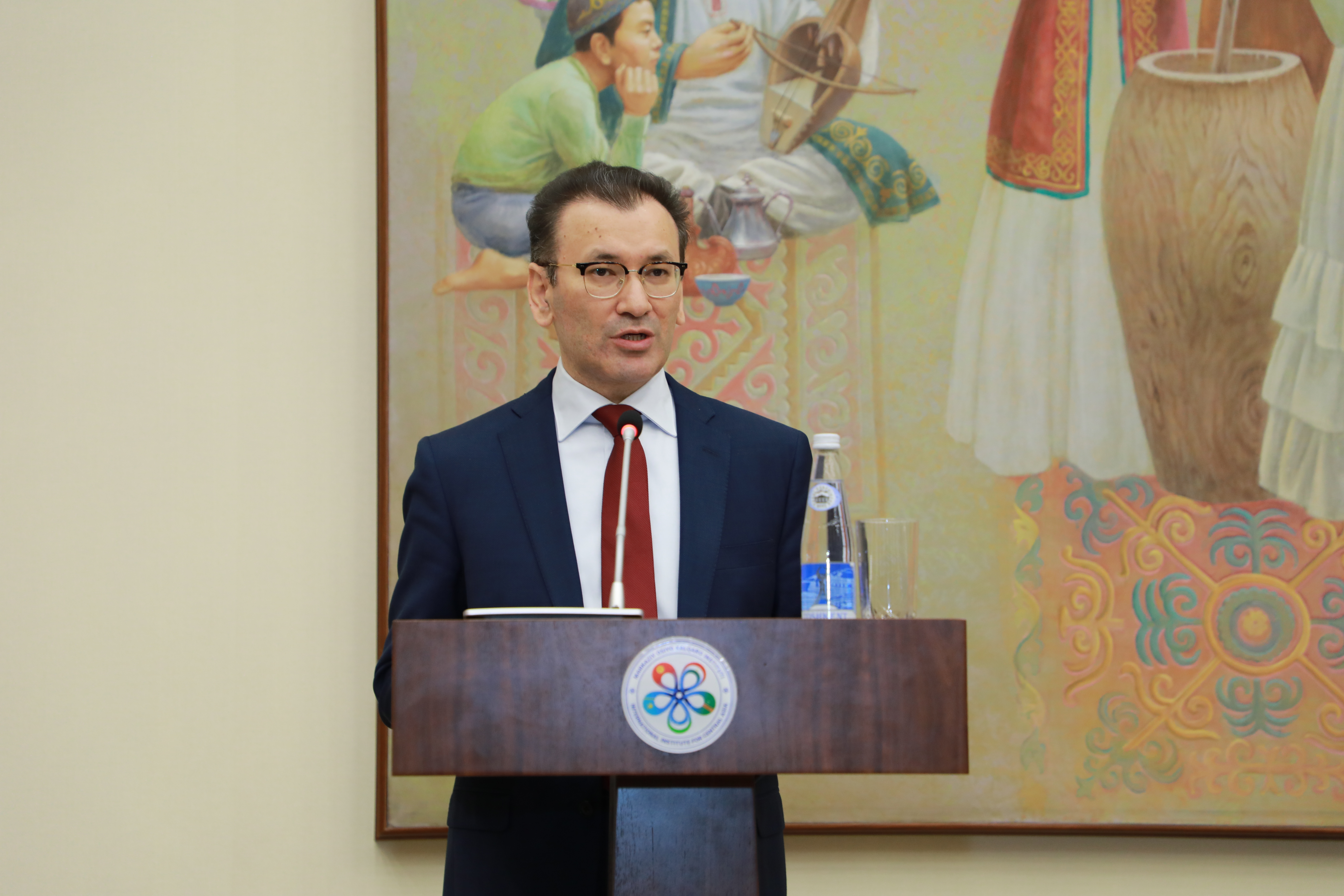
Developing a single transport corridor, however, does not remove exposure to external conditions, he argued. What is needed is a network of complementary routes whose reliability depends not only on infrastructure but also on aligned customs rules, interoperable digital systems and coordinated transit procedures.
“Connectivity should deliver more than transit revenues. It should foster industrial cooperation, attract investment and create new opportunities for the countries of our regions. We need to move from connectivity for transit to connectivity for development,” Vakhabov said.
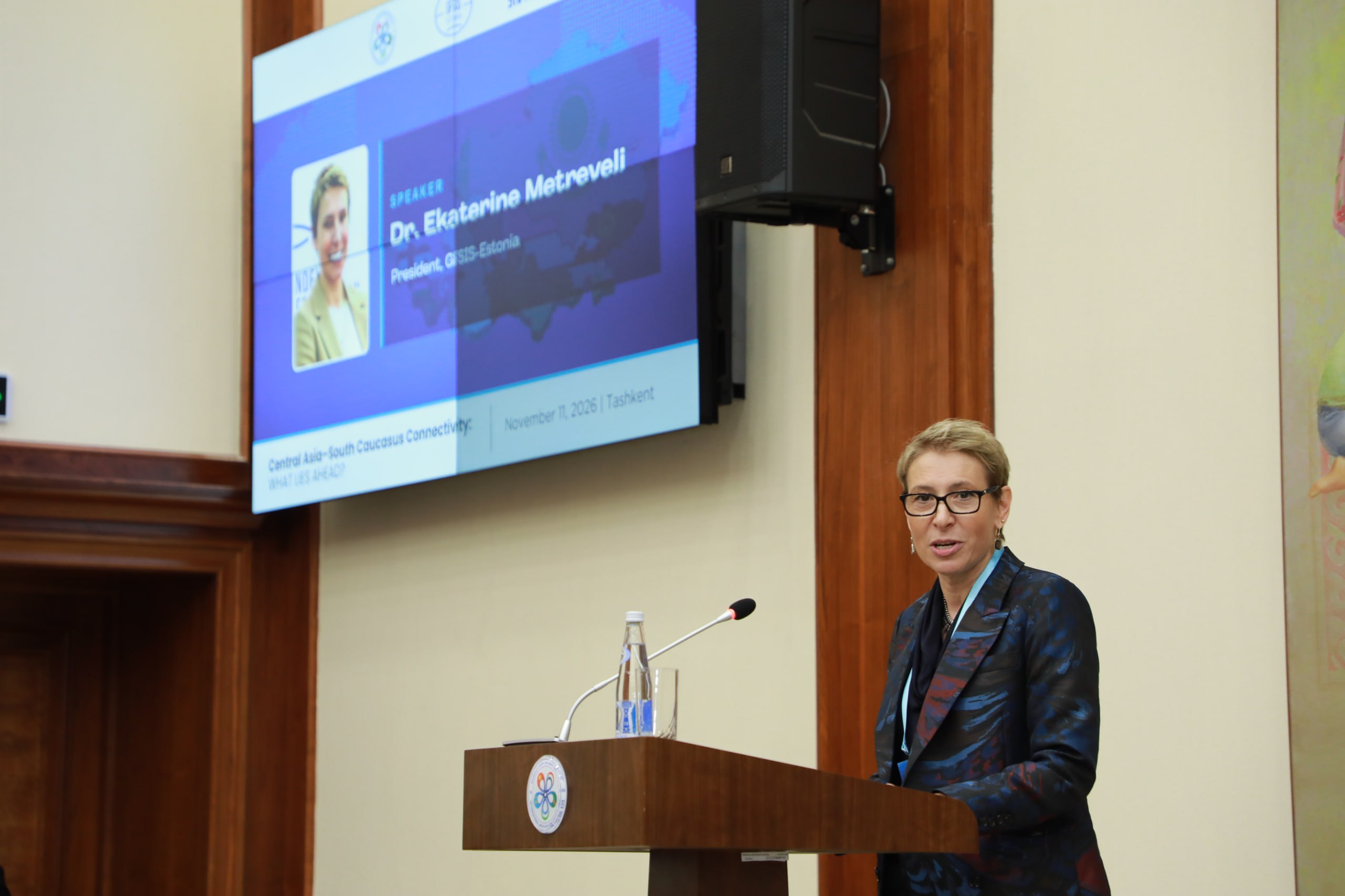
Ekaterine Metreveli, President of the Georgian Foundation for Strategic and International Studies-Estonia, noted that geopolitical shifts are bringing the interests of Central Asia and the South Caucasus into closer alignment, creating opportunities for stronger cooperation on security, trade and transport.
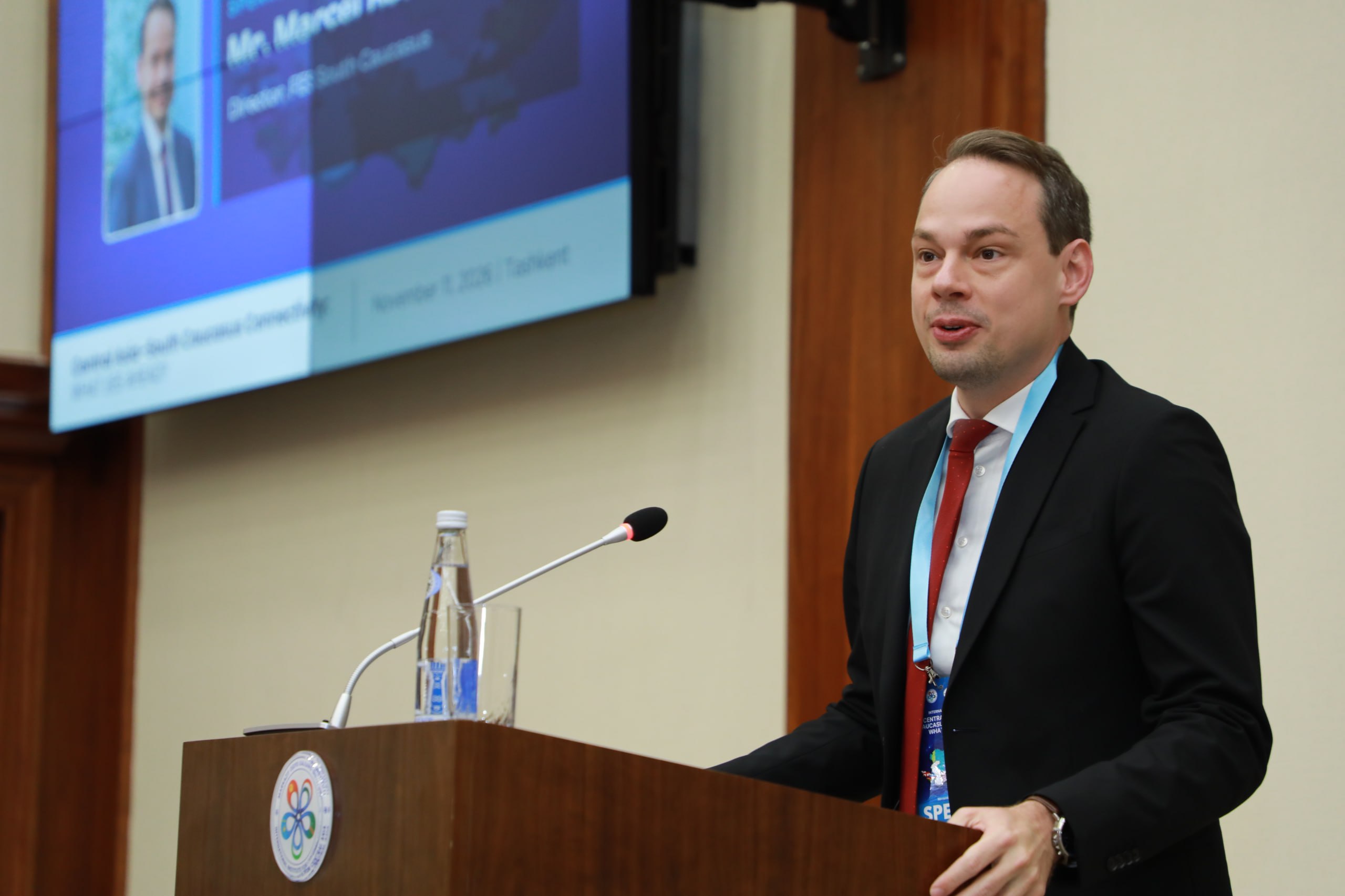
Marcel Röthig, Director of the Friedrich Ebert Foundation’s South Caucasus Office, said that Germany and other European countries want resilient, independent partners in Central Asia and the South Caucasus. Transport development, he stressed, must deliver tangible benefits to the countries of both regions by creating jobs and improving living standards.
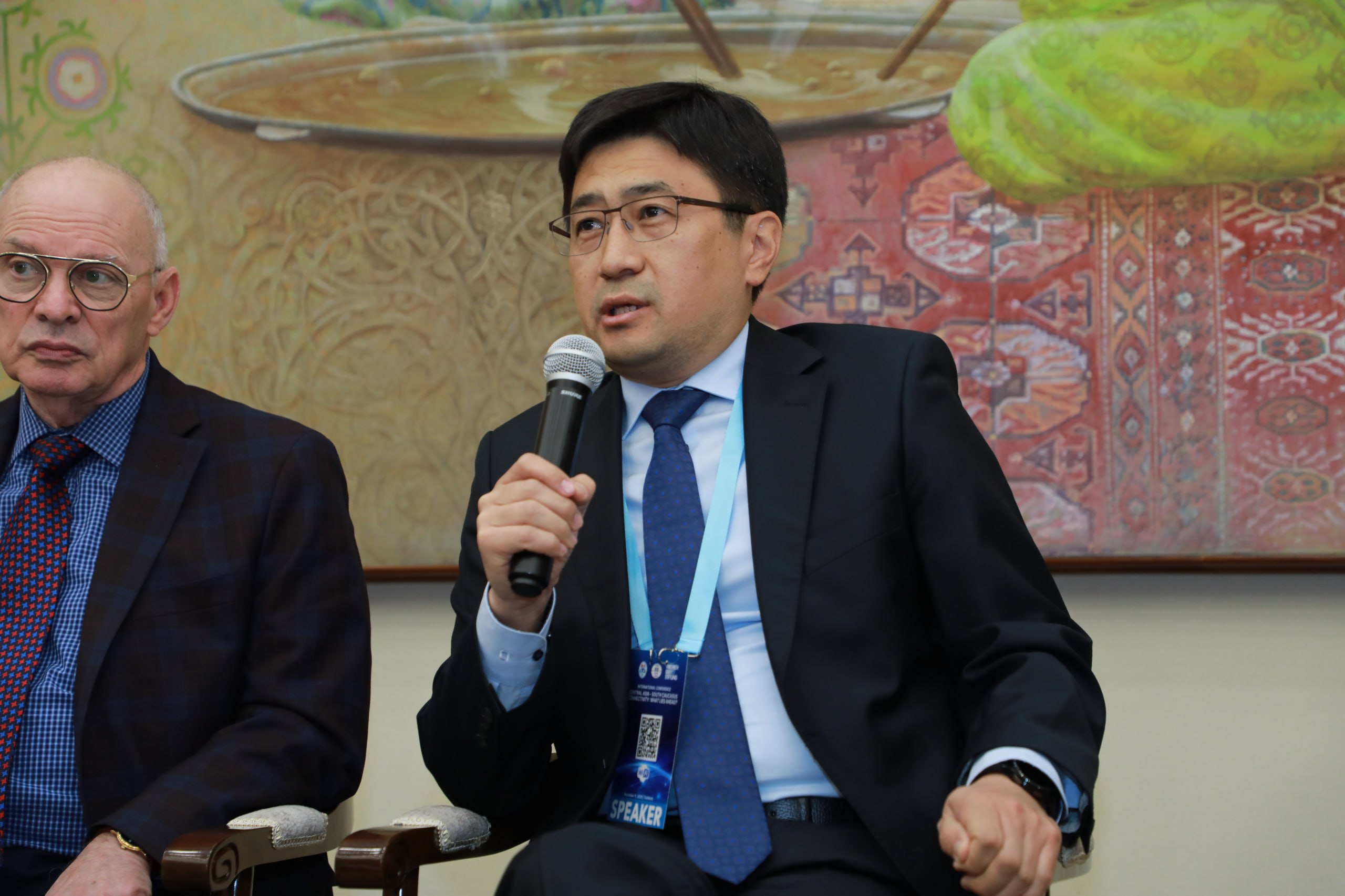
The first session examined the political and economic conditions for interregional cooperation. Shairbek Dzhuraev, President of Crossroads Central Asia (Kyrgyzstan), argued that international transport corridors must be underpinned by stronger ties among the countries of Central Asia and the South Caucasus themselves. Stable interstate relations, he noted, help keep freight moving even during periods of political tension.
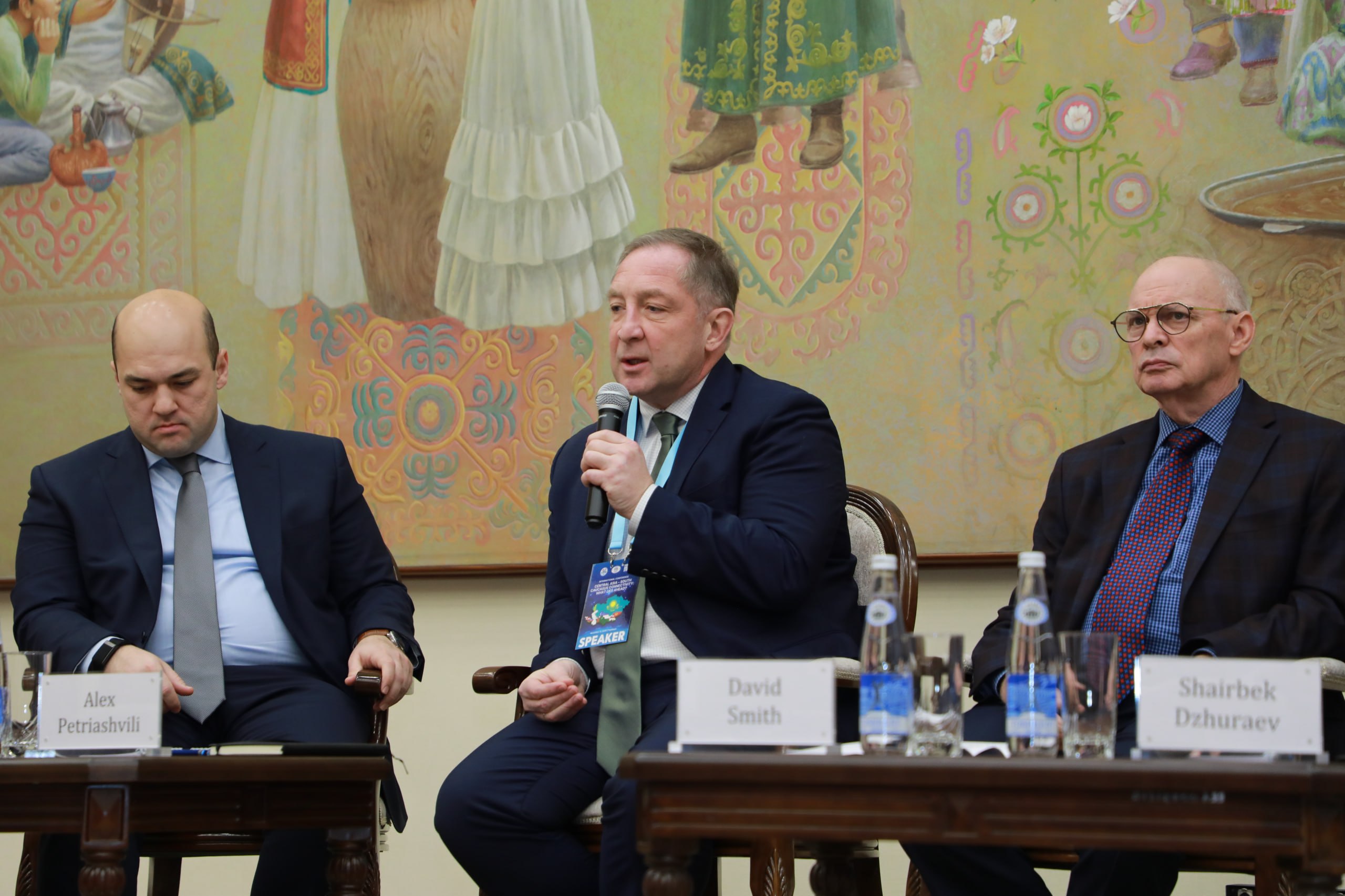
Alex Petriashvili, a researcher at the Georgian Foundation for Strategic and International Studies, stressed that regional security is a prerequisite for expanding economic ties between Central Asia and the South Caucasus.
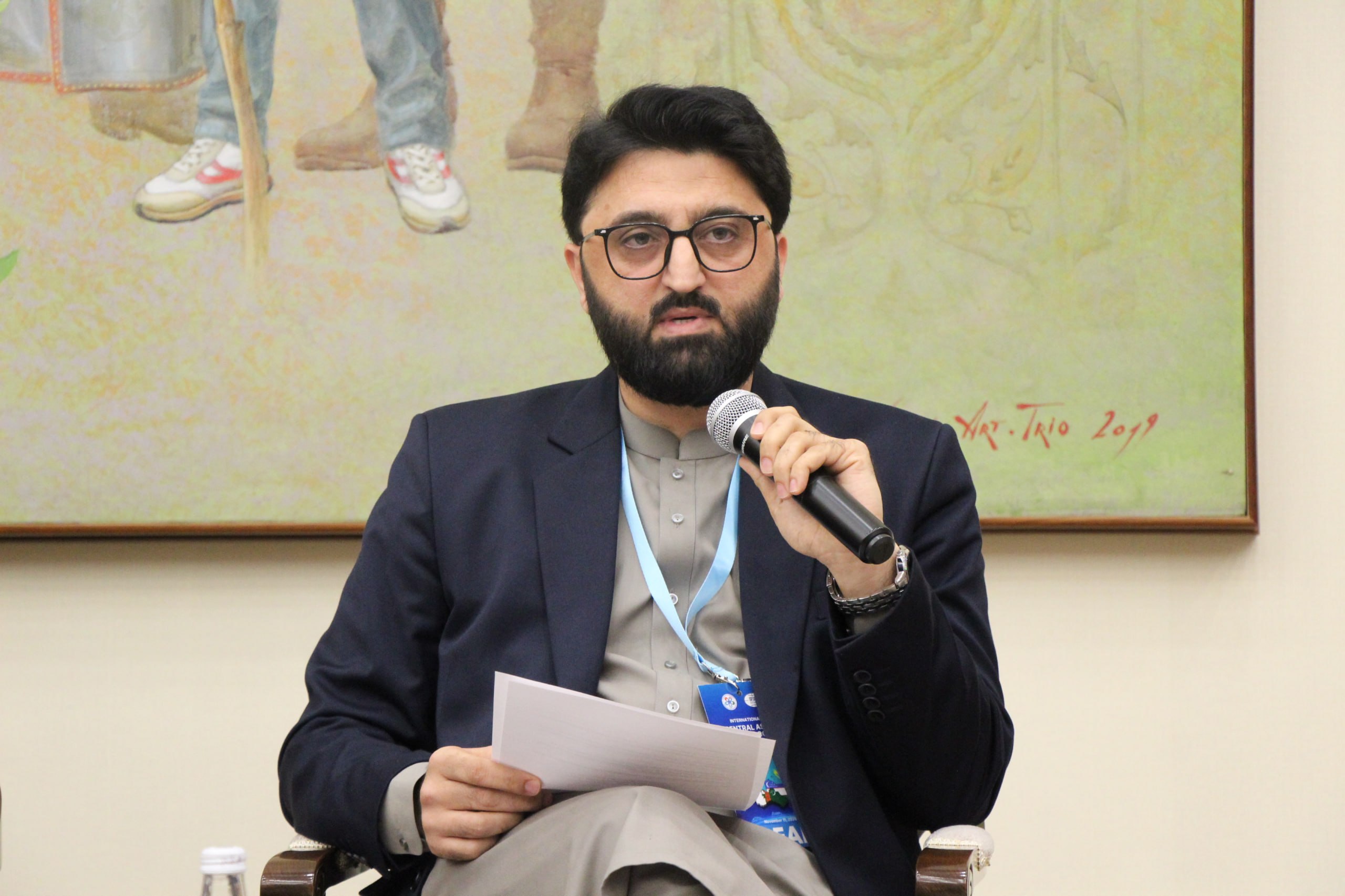
The discussion also turned to Afghanistan, long viewed primarily through the lens of security threats. Abdul Hai Qanit, Director of the Center for Strategic Studies at Afghanistan’s Ministry of Foreign Affairs, said that Uzbekistan’s experience demonstrates the potential to move beyond this approach towards practical economic cooperation. He cited the Trans-Afghan Railway, the Lapis Lazuli Corridor, the TAPI gas pipeline and the CASA-1000 energy project as examples.
The second session focused on the development of the Middle Corridor, particularly the expansion of port and rail infrastructure needed to increase freight flows between Central Asia and the South Caucasus.
Bibigul Omirbayeva, Head of Department at the Kazakhstan Institute for Strategic Studies, highlighted sustained growth in freight volumes along the route, which rose by 29% to 4.1 million tonnes in January–September 2026. This growth, she said, makes the development of Kazakhstan’s Aktau and Kuryk ports particularly important, as they provide Central Asian cargo with access to the Caspian Sea.

Addressing the corridor’s Caspian section, Yunis Gurbanov, Senior Adviser at Azerbaijan’s Center of Analysis of International Relations, outlined plans to increase the capacity of Alat Port from 15.5 million to 25 million tonnes and expand the capacity of the Baku–Tbilisi–Kars railway, which connects Azerbaijan with Georgia and Türkiye.
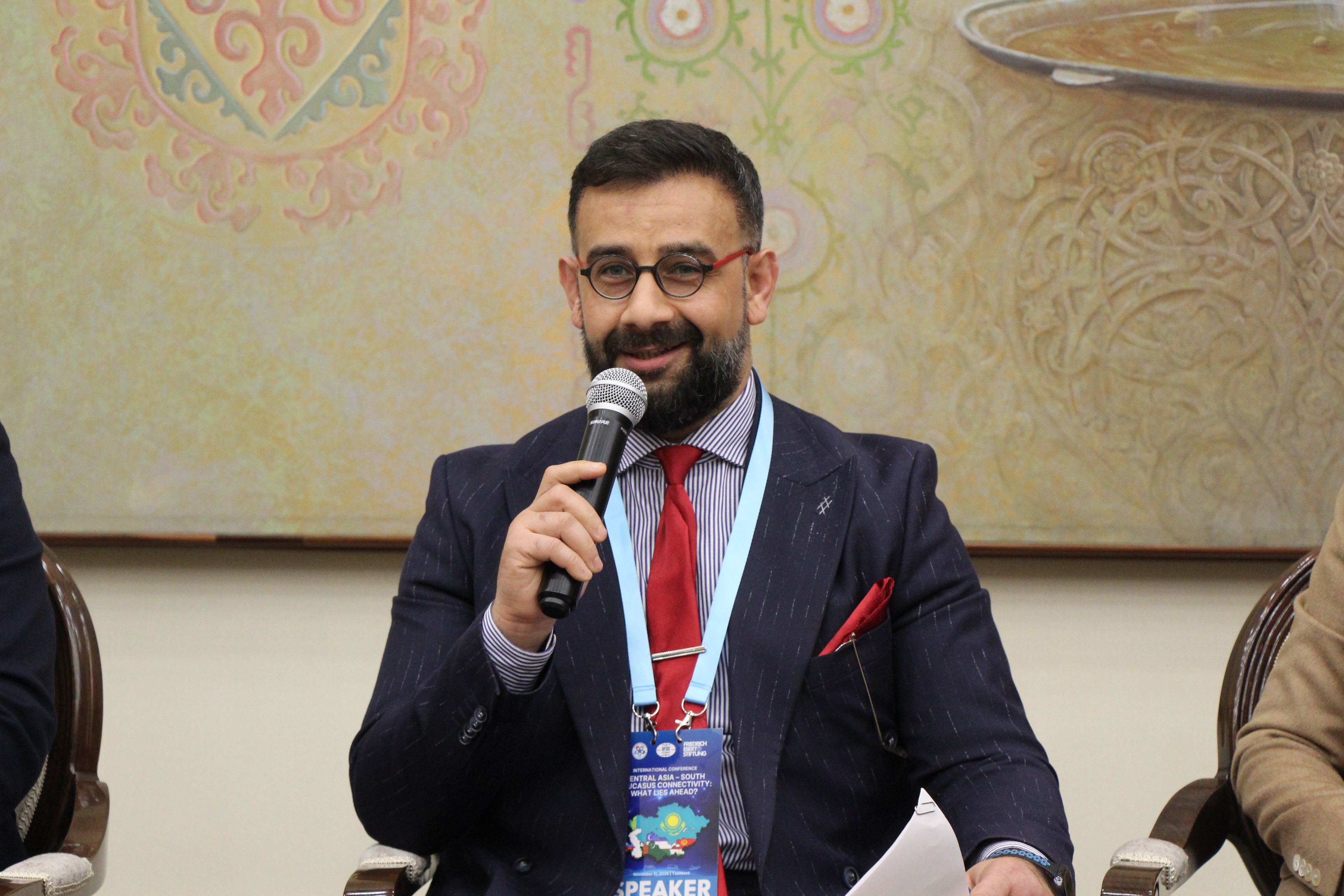
Giorgi Kacharava, Executive Director of the EU–Georgia Business Council, discussed the development of the Middle Corridor’s western section. He identified several priorities: expanding the capacity of the Black Sea ports of Poti and Anaklia, establishing a dry port in Tbilisi, and developing joint logistics centres involving companies from Central Asia and the South Caucasus.
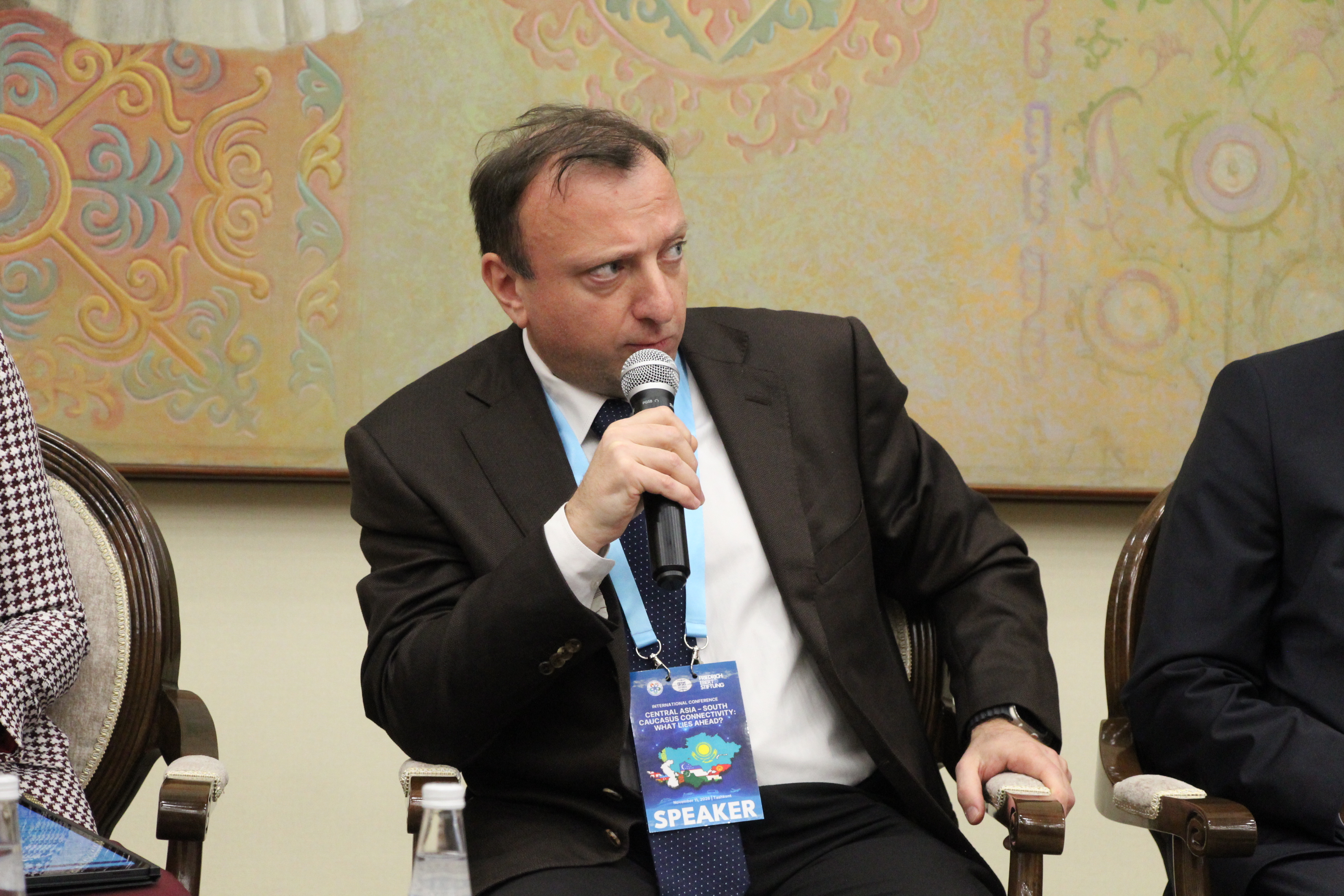
The third session explored how digitalising customs and border procedures could reduce freight delivery times.
Elyor Khakimov, Head of ICT and Cybersecurity at Uzbekistan’s Customs Committee, noted that despite progress in national digital systems, the lack of common rules for transit clearance continues to hamper international freight transport. Uzbekistan already exchanges electronic data with ten countries and is expanding transit cooperation with Kazakhstan and Turkmenistan. The next step, he argued, should be a shared regional system modelled on Europe’s New Computerised Transit System (NCTS).
Samson Uridia, an international customs expert, proposed a regional transit guarantee system involving insurers and financial institutions, along with joint border controls based on a one-stop approach.
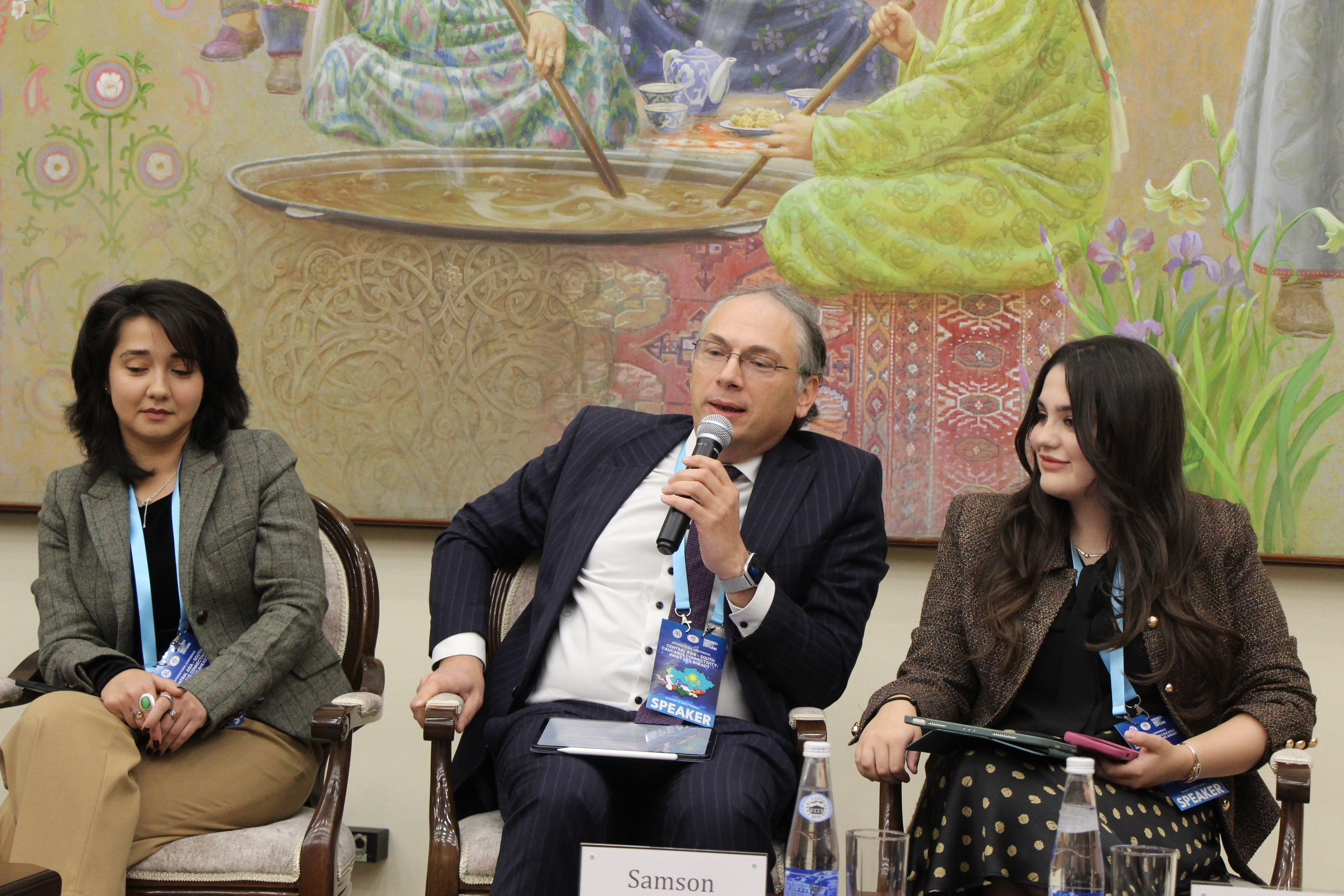
The practical importance of these measures was highlighted by Aknur Saparova, Head of Logistics and International Operations at Ykjam Hereket (Turkmenistan). She explained that quoted delivery times of 12–15 days from China to Azerbaijan exclude the time needed to book transport, wait for rail wagons and ferries, and complete paperwork when switching between modes of transport. She proposed advance document checks to reduce additional delays at border crossings.
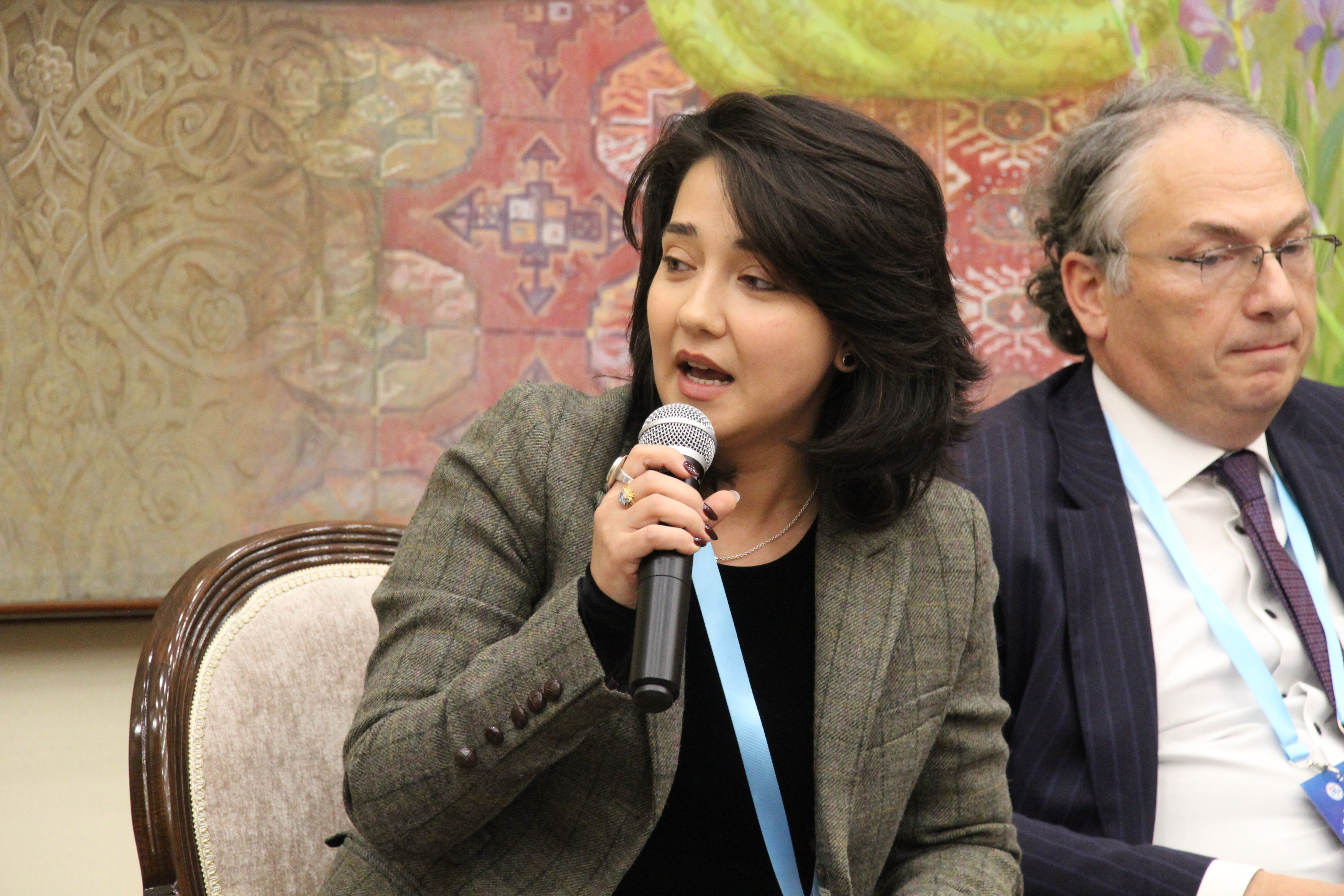
The final session focused on attracting investment and expanding economic cooperation. Citing World Bank estimates, Haykaz Fanyan, Director of the Armenian Center for Socio-Economic Studies, said that developing the Middle Corridor would require around $55 billion in investment, including approximately $11 billion in Uzbekistan.
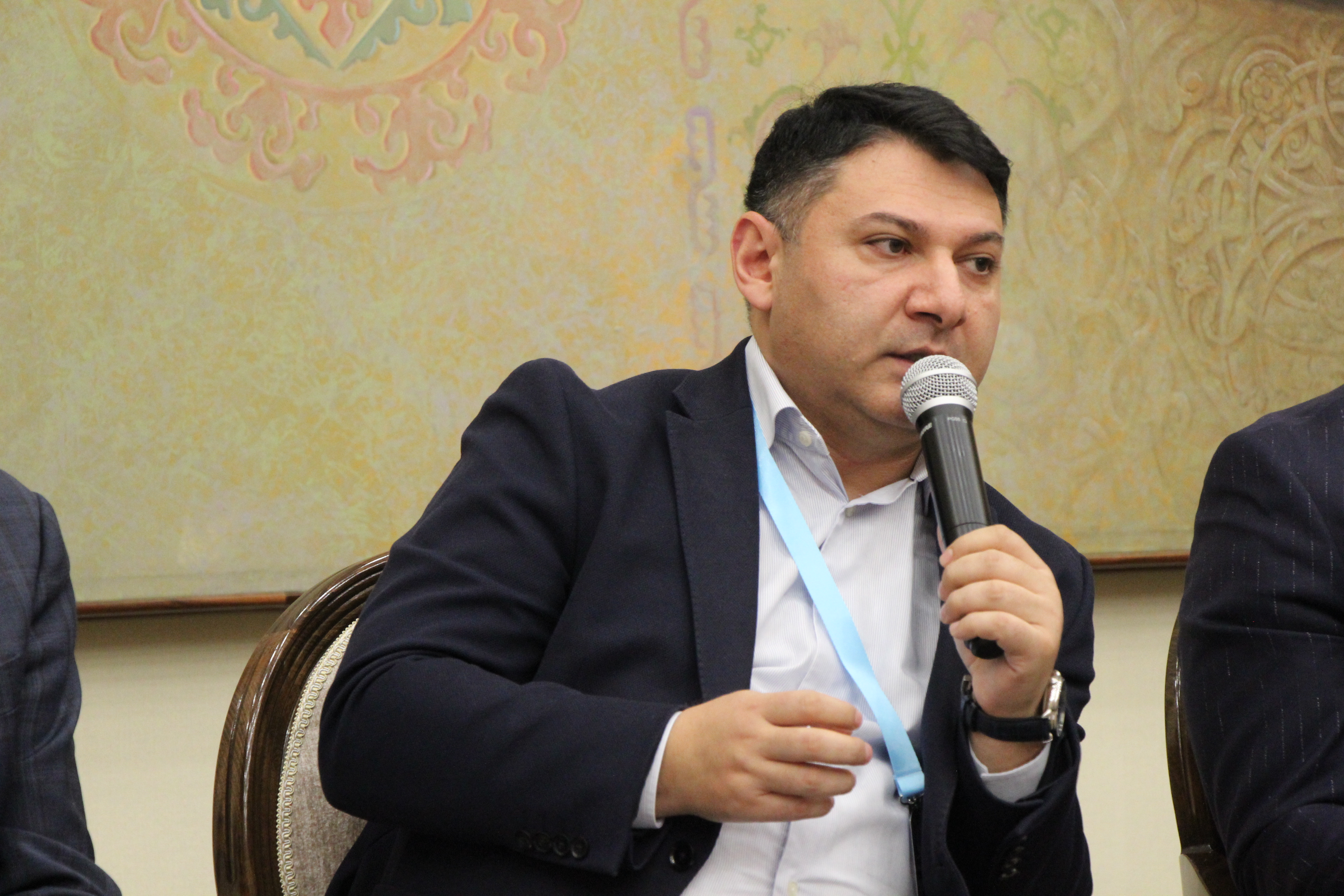
Farrukh Sultonov, a representative of the International Finance Corporation, addressed the financing of such projects. Infrastructure public–private partnerships typically run for 30–40 years, he noted, making predictable conditions and thoroughly prepared projects essential to attracting private capital.
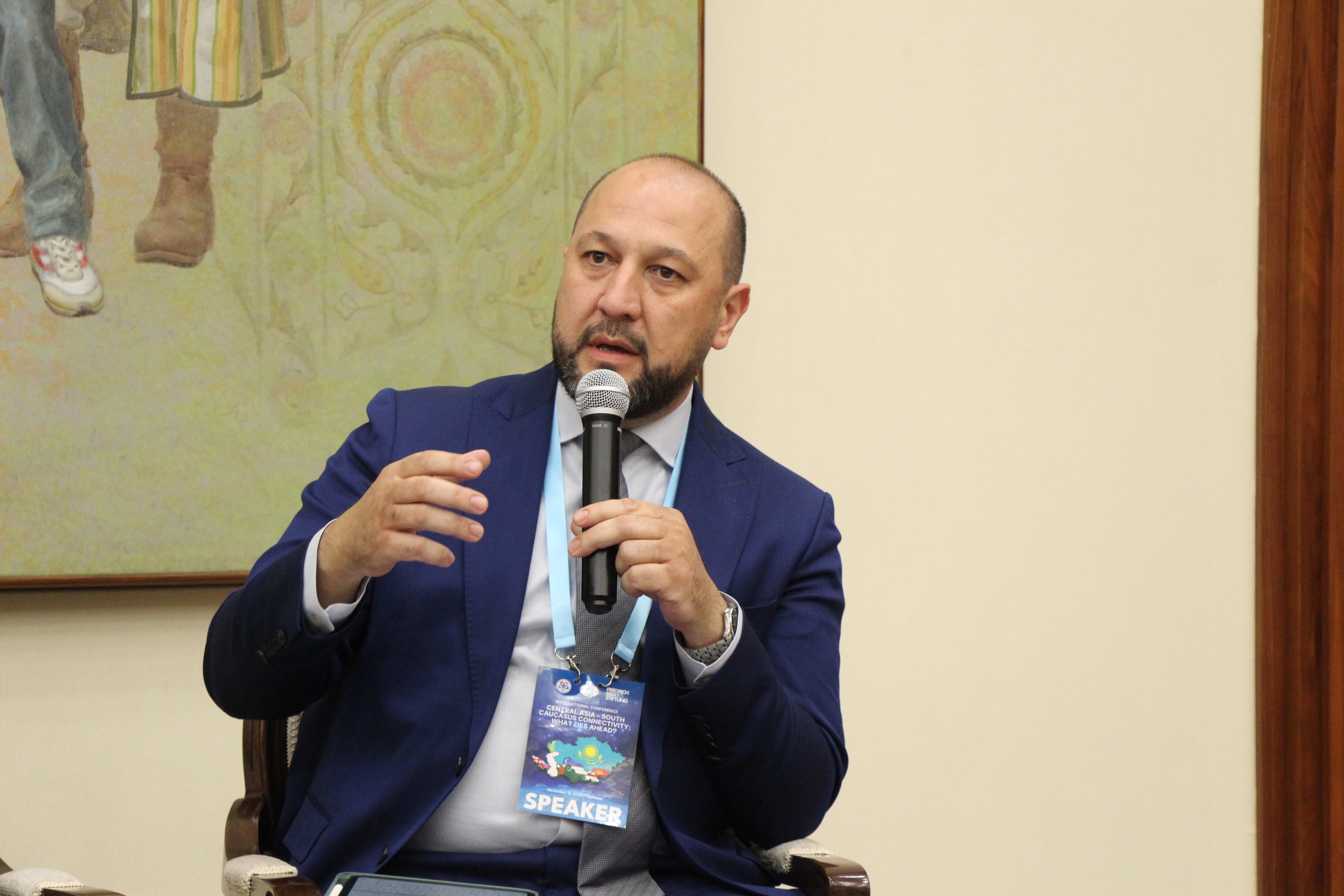
The economic opportunities created by transport corridors extend well beyond freight transit. Theresa Sabonis-Helf, Professor at Georgetown University, highlighted the potential for processing Kazakh and Turkmen oil in Uzbekistan, cooperation in the uranium industry, and a trans-Caspian data cable linking Kazakhstan and Azerbaijan.
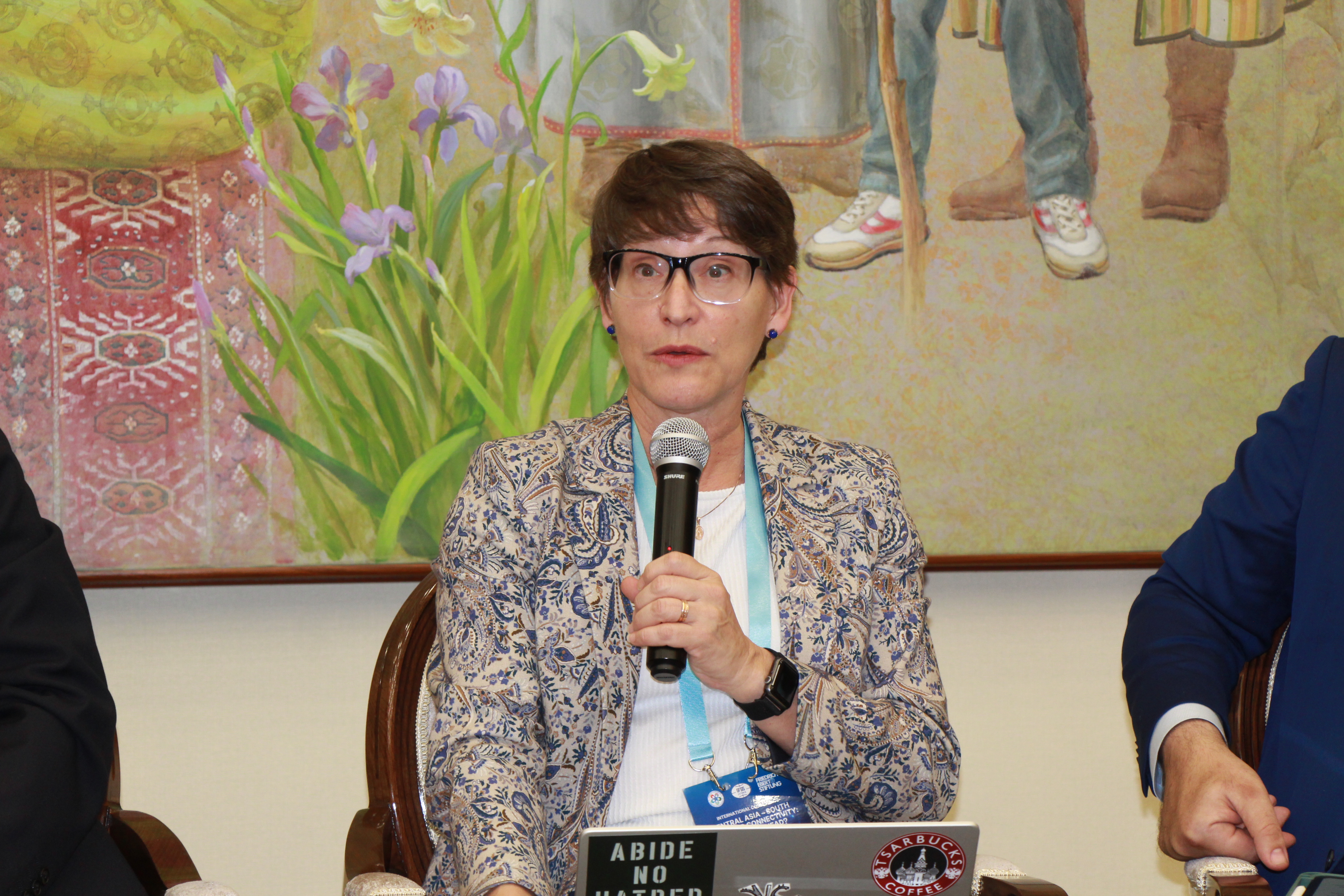
Participants concluded that developing transport corridors must go hand in hand with stronger trade and production links between Central Asia and the South Caucasus, the removal of existing barriers and greater investment.