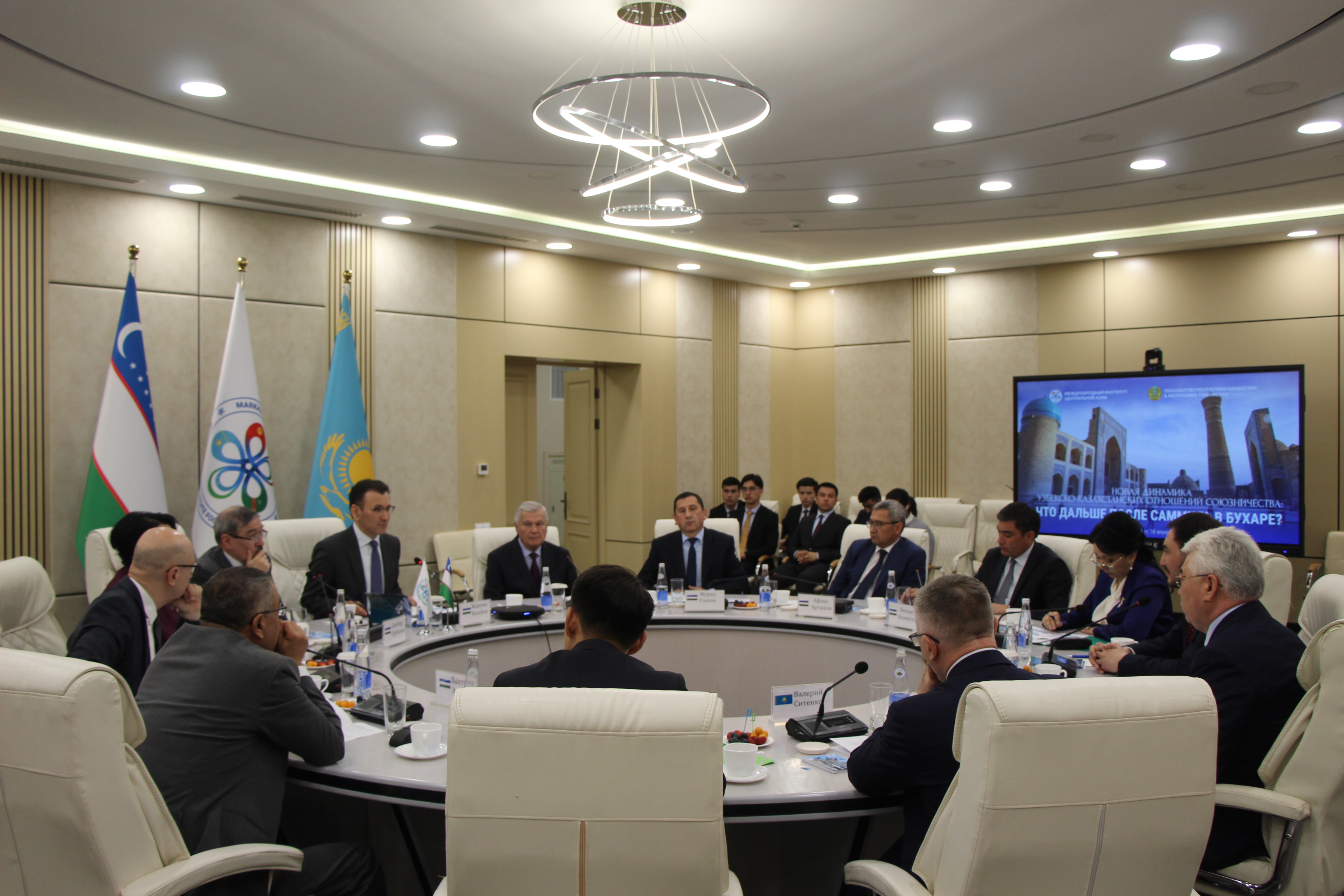
The event built on the outcomes of President Kassym-Jomart Tokayev’s recent visit to Uzbekistan.
Discussions focused on the current state and future trajectory of allied relations, including trade, investment, transport and connectivity, energy cooperation, and cultural and humanitarian ties, as well as broader regional connectivity across Central Asia.
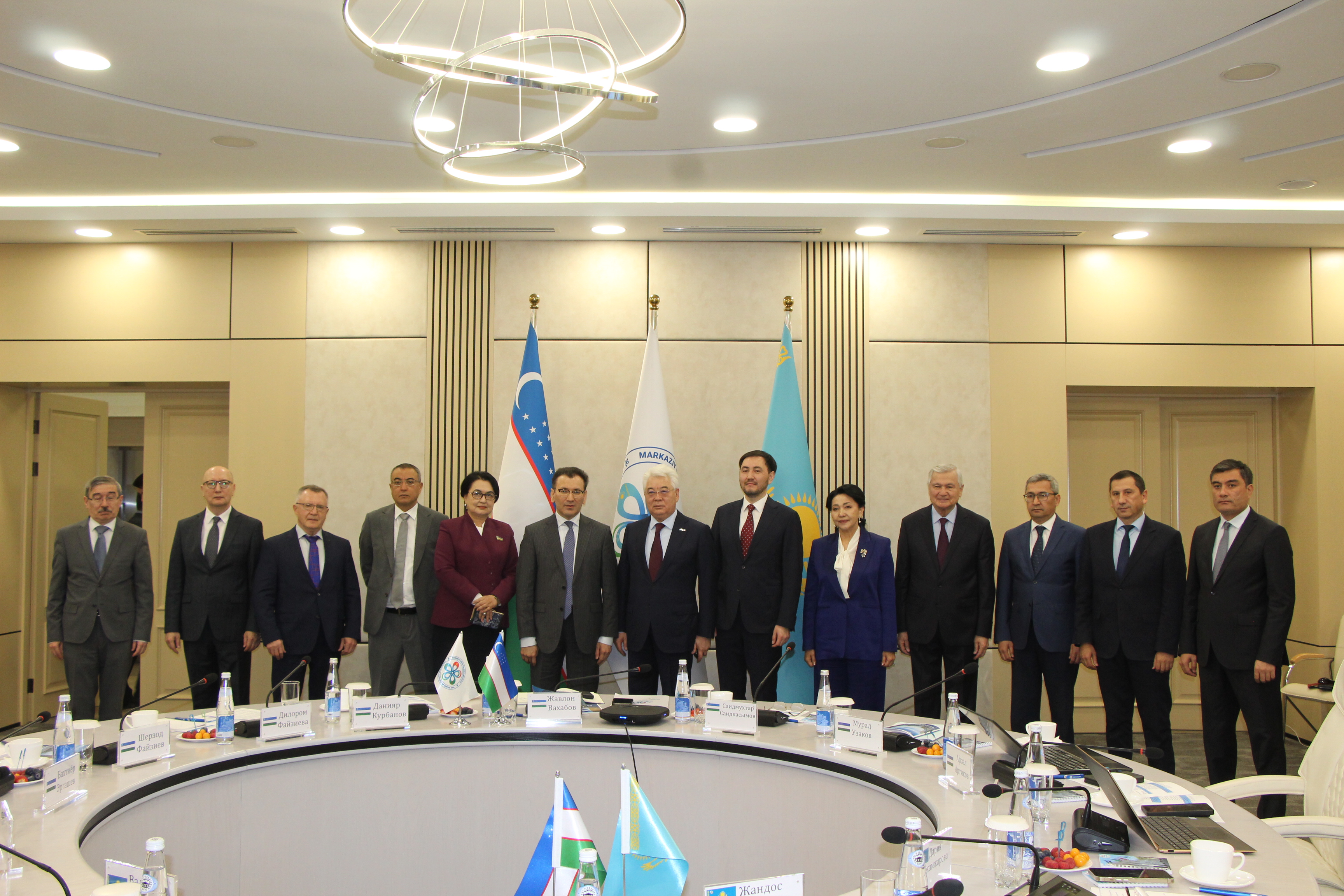
The roundtable brought together representatives of leading think tanks, government institutions, universities, and civil society organizations from both countries.
Opening the event, IICA Director Javlon Vakhabov highlighted the importance of sustained high-level engagement, noting that in 2025 alone, more than 20 contacts took place between Presidents Shavkat Mirziyoyev and Kassym-Jomart Tokayev — averaging nearly two interactions per month across both bilateral and multilateral formats.
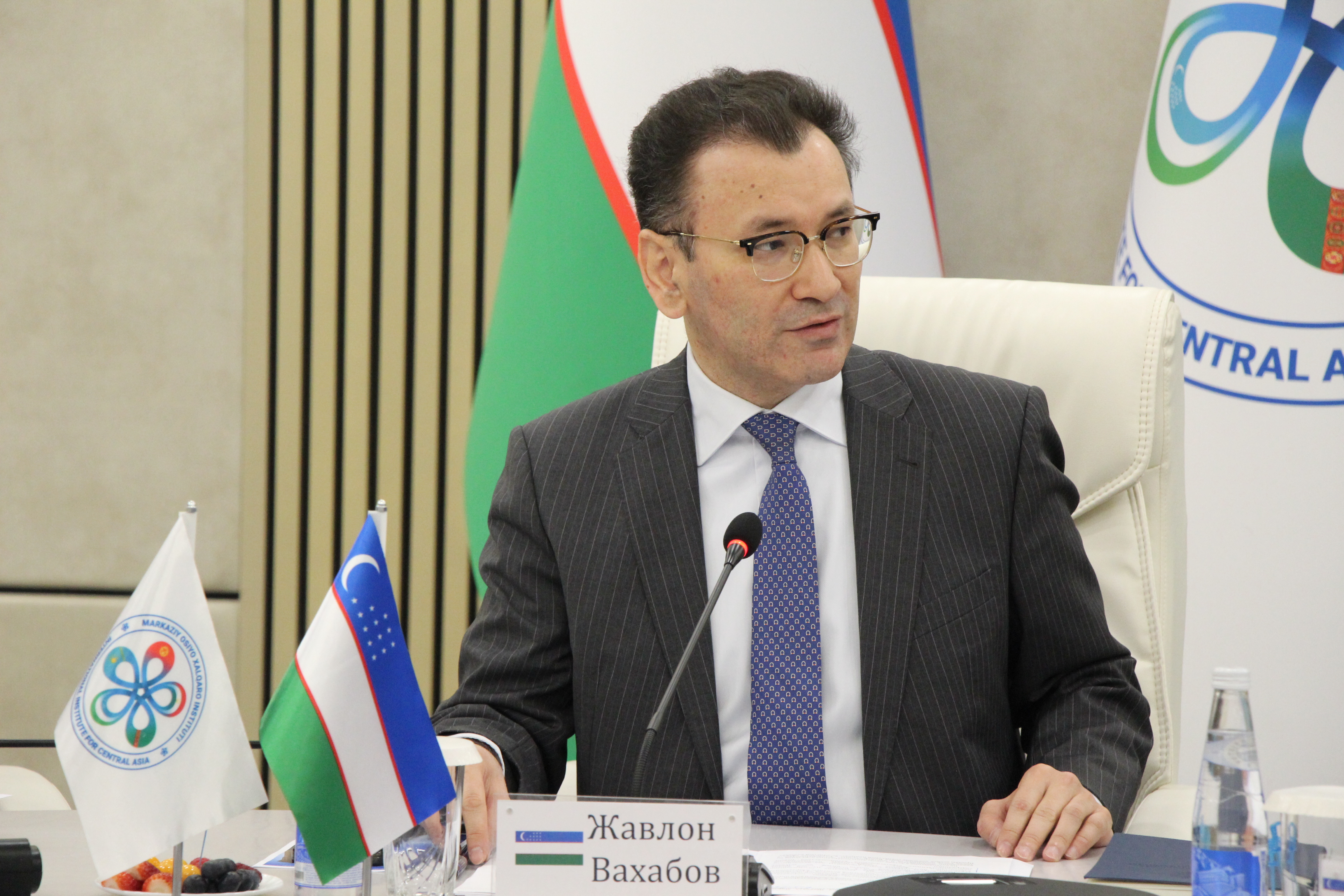
He stressed that this intensity of political dialogue is strengthening the regional role of Uzbekistan and Kazakhstan, positioning their partnership as a key pillar of stability and steady development in Central Asia.
“Regular high-level engagement builds trust, reduces decision-making costs, and creates a more predictable agenda — not only for bilateral relations but for the broader regional landscape,” – J.Vakhabov noted.
Kazakhstan’s Ambassador to Uzbekistan Beibut Atamkulov emphasized the need to further deepen strategic partnership and allied relations, highlighting trade, energy, investment, and cultural cooperation as key priorities.
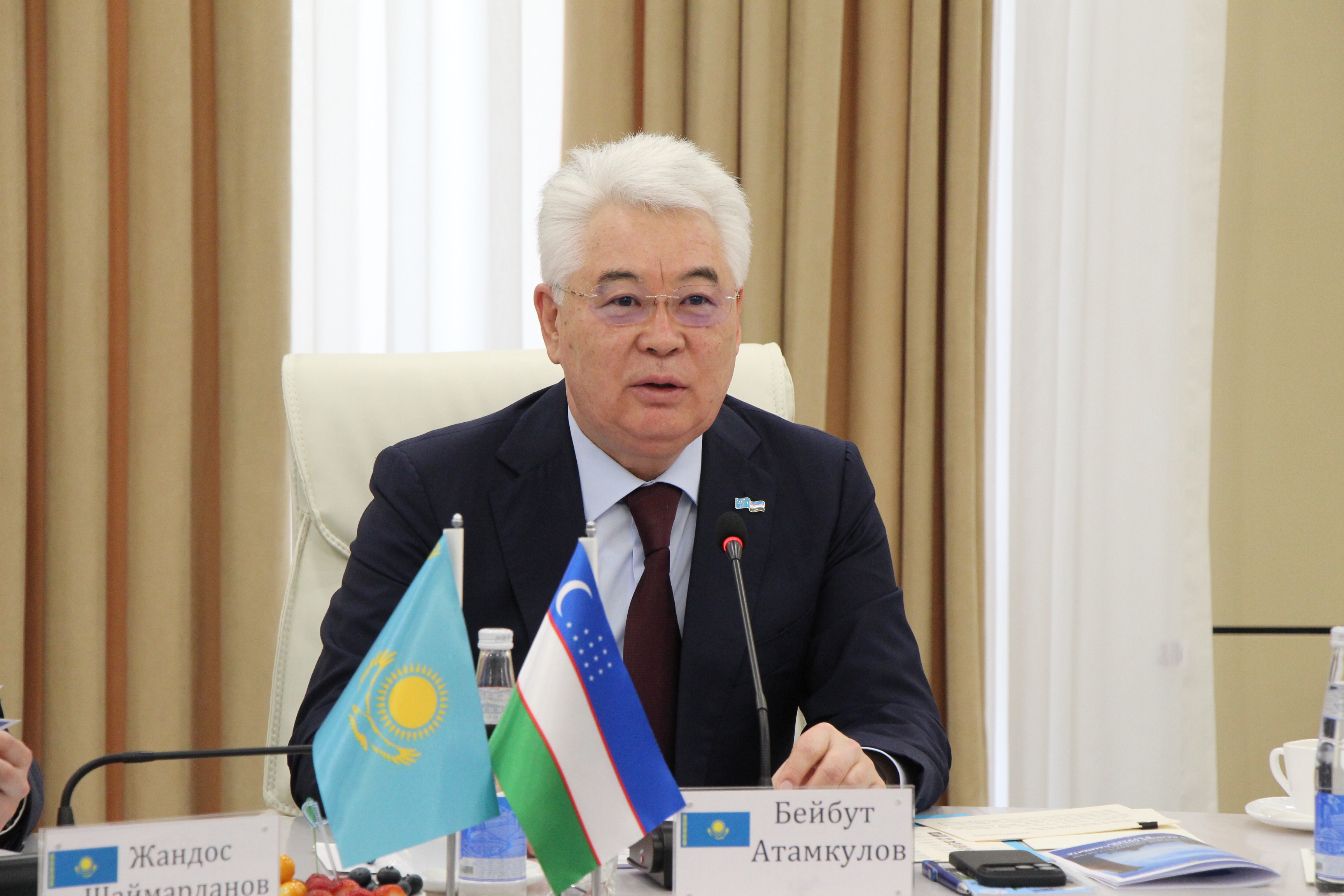
Particular attention was given to transport connectivity. In 2025, rail freight between the two countries exceeded 32 million tons, marking a 16% increase.
Tourism was also highlighted as a growing area of cooperation. Nearly 2.5 million Kazakhstan’s citizens visited Uzbekistan last year, while trips by citizens of Uzbekistan to Kazakhstan exceeded 1.3 million, reflecting strong people-to-people ties.
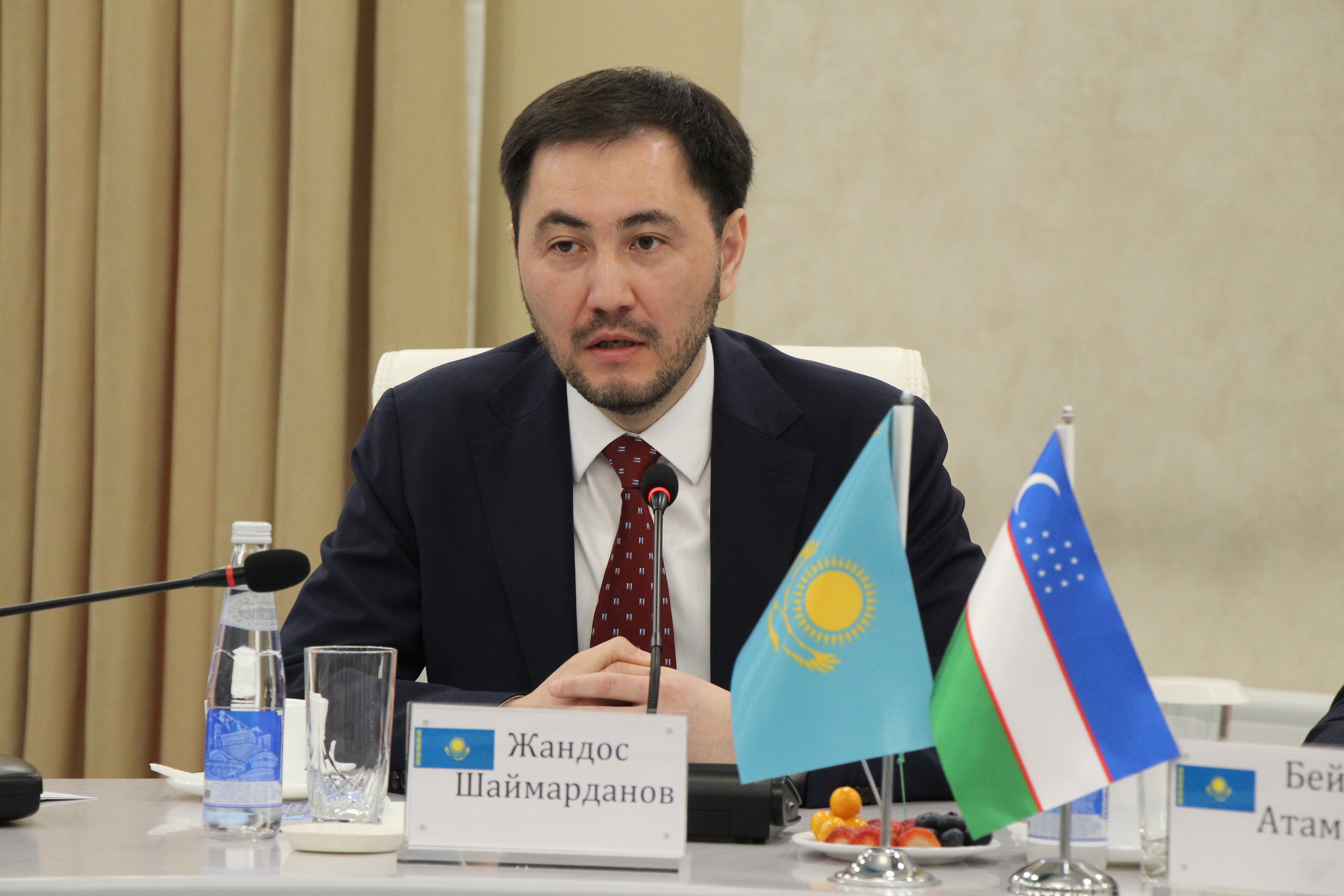
Zhandos Shaimardanov, Director of the Kazakhstan Institute for Strategic Studies, noted that bilateral cooperation is increasingly translating into tangible outcomes. In 2025, trade reached $4.8 billion, up 16.2%, while the number of joint ventures surpassed 1,100 and the investment portfolio includes 52 projects worth $3.8 billion.
Bekzod Kholmatov, Director of the Center for the Study of Problems of Transport and Logistics Development under the Ministry of Transport, highlighted strong growth in the transport sector. In the first quarter of 2026 alone, freight volumes reached 7.7 million tons — a 40% increase year-on-year — supported by tariff incentives of up to 65%, which boosted exports via the port of Aktau.
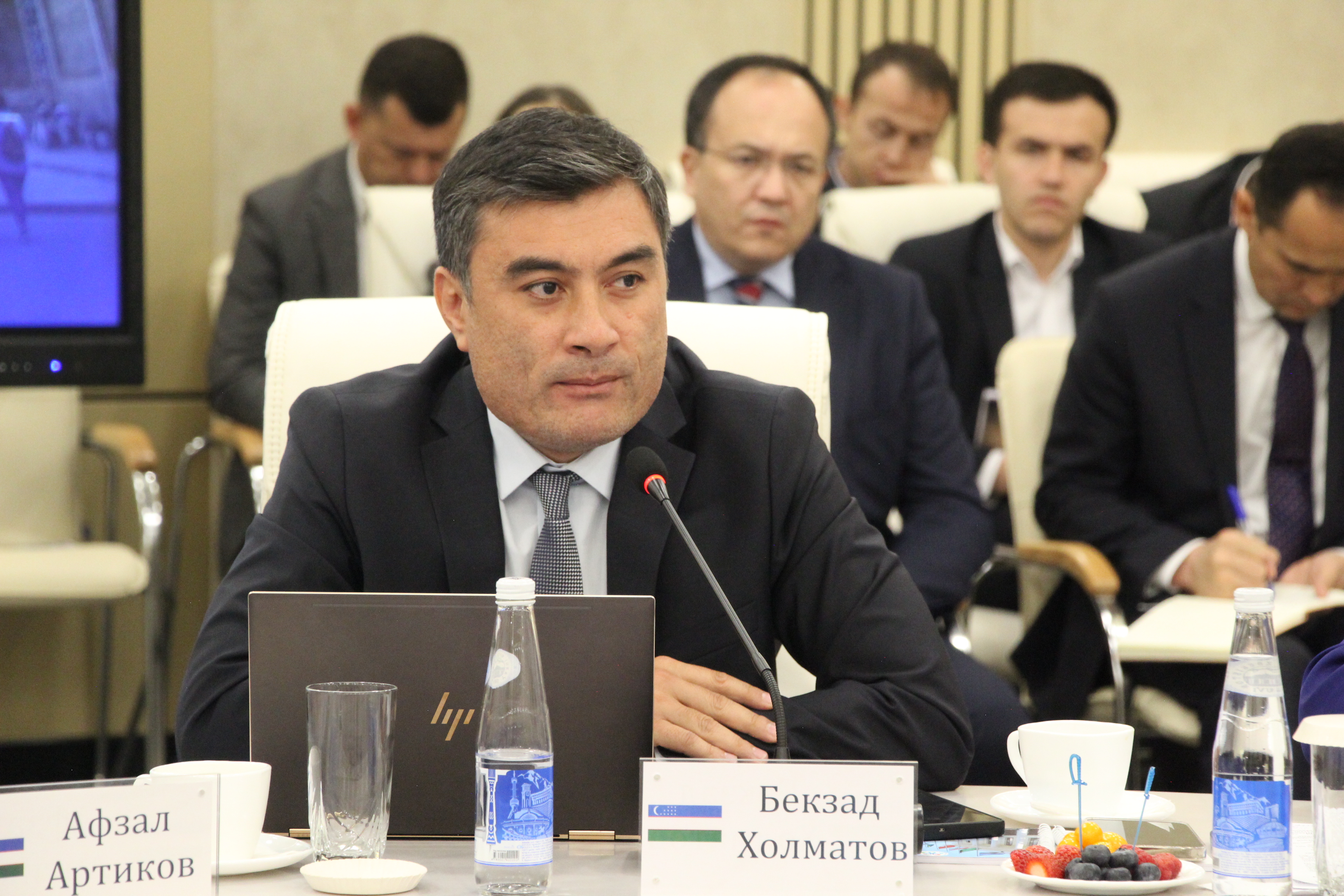
The aviation sector has also seen significant progress, with the number of weekly flights doubling to 40 and passenger traffic rising by 117% to over 633,000.
Marina Kuznechevskaya, Vice President of Women in Logistics and Transport, stressed that improving border procedures, modernizing infrastructure, and introducing digital solutions are already helping streamline documentation and reduce crossing times, supporting trade and business activity.
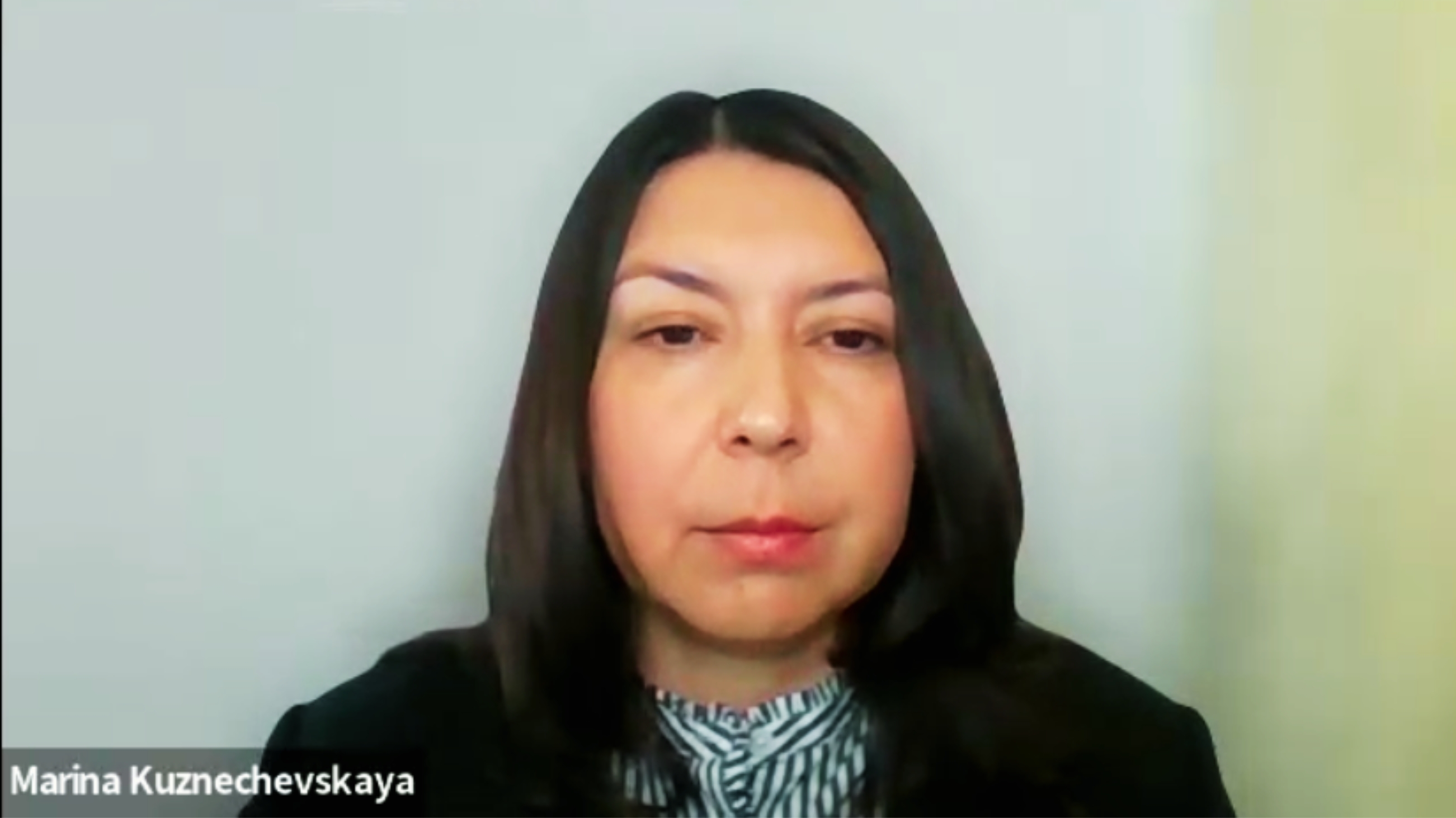
She cited the Kaplanbek–Navoi border crossing, модернизированный в 2025 году, as an example of increased capacity and improved trade flows. In addition, the opening of the Zhibek Zholy (Kazakhstan) and Gishtkuprik (Uzbekistan) checkpoints in 2026 is expected to significantly boost throughput along a key corridor.
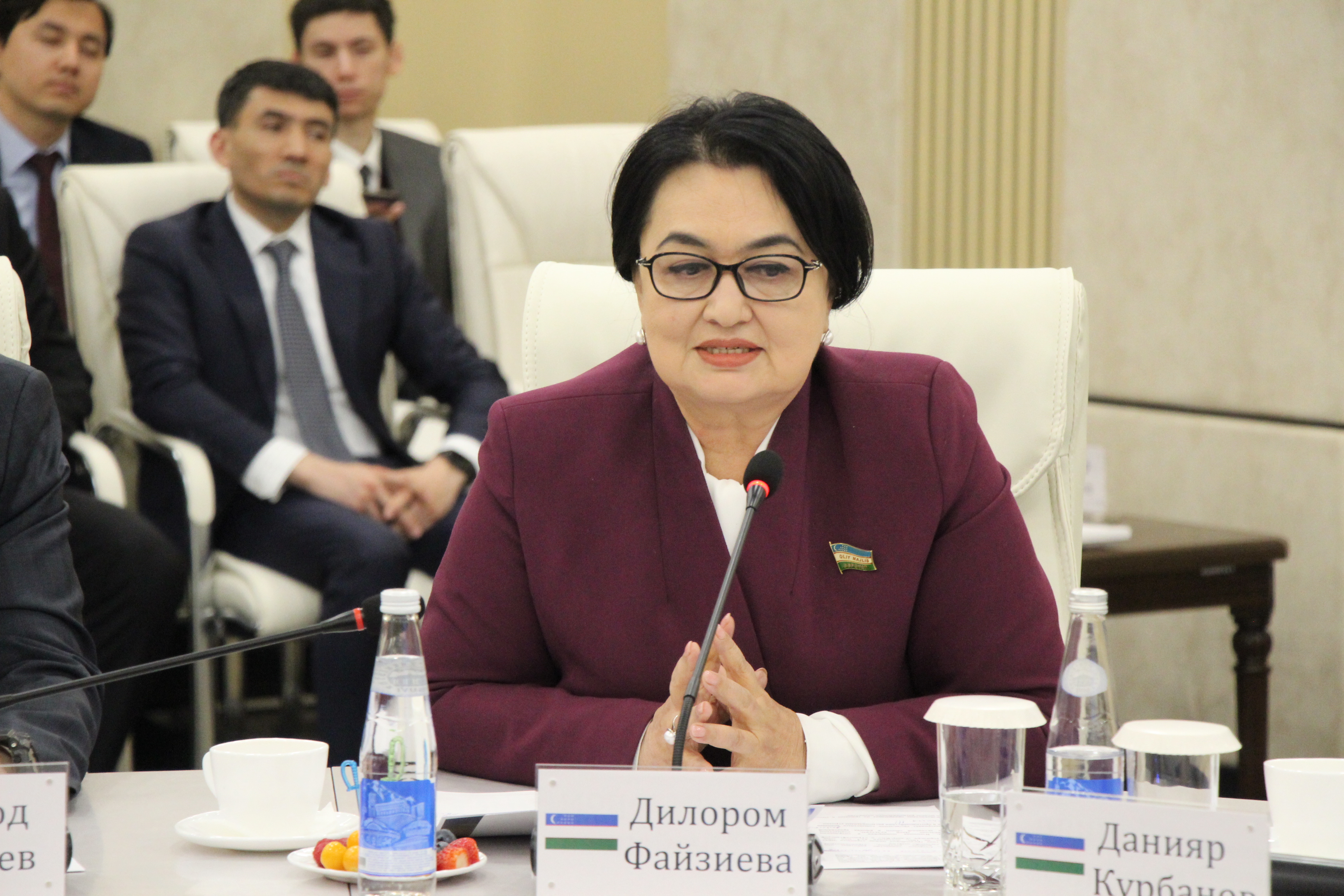
Dilorom Fayzieva, Member of the Legislative Chamber of Uzbekistan’s Oliy Majlis, emphasized the importance of interparliamentary dialogue as an effective tool for strengthening bilateral ties and aligning positions on international issues.
Dariya Kozhamzharova, Director of the Chirchik branch of South Kazakhstan University named after M. Auezov, highlighted the role of education and science as a foundation for long-term partnership, noting that investment in human capital is key to deeper economic integration.
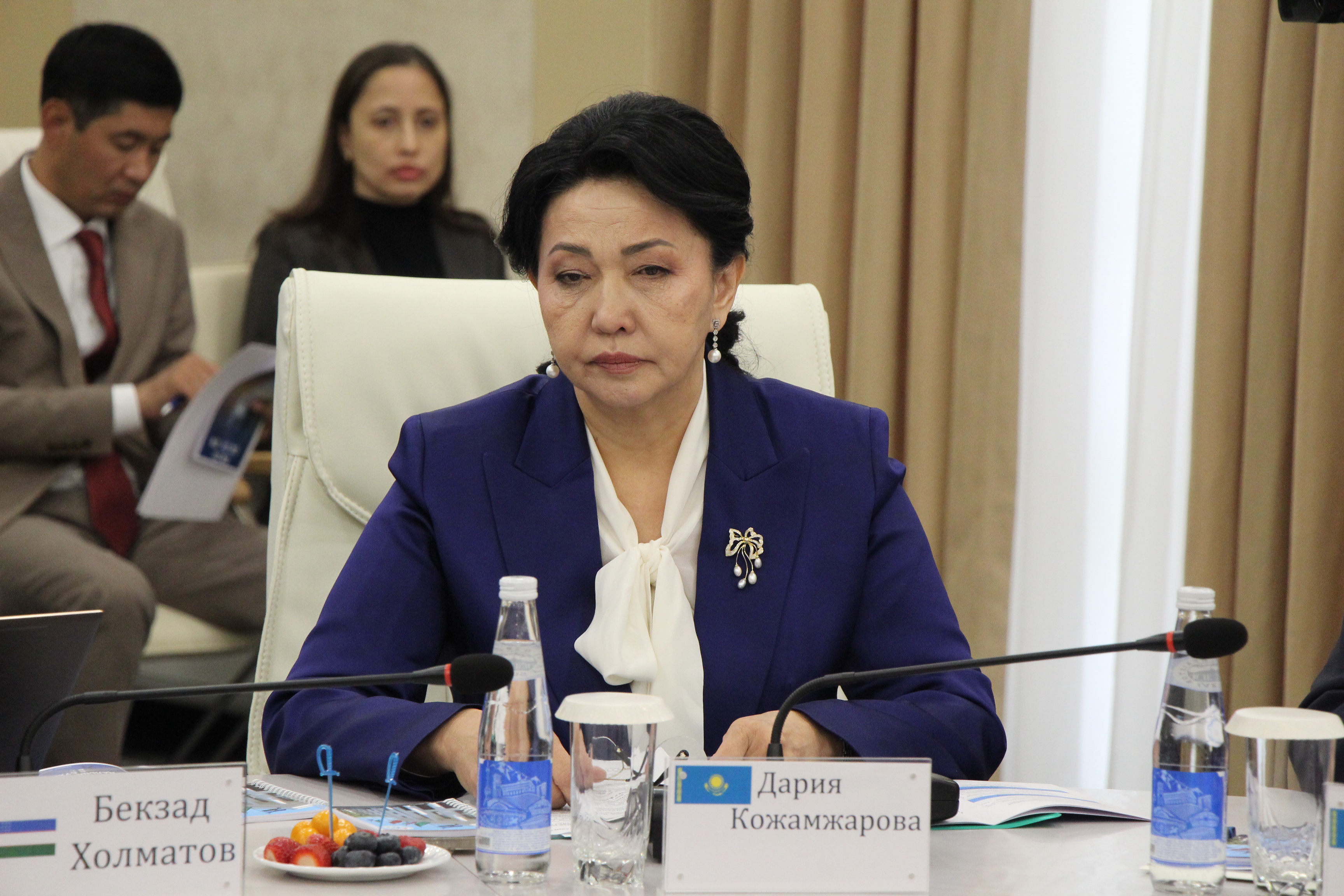
She also pointed to successful cooperation in higher education, including the opening of a branch of the Tashkent Institute of Irrigation and Agricultural Mechanization Engineers in Almaty in 2024, as well as the South Kazakhstan University branch in Chirchik.
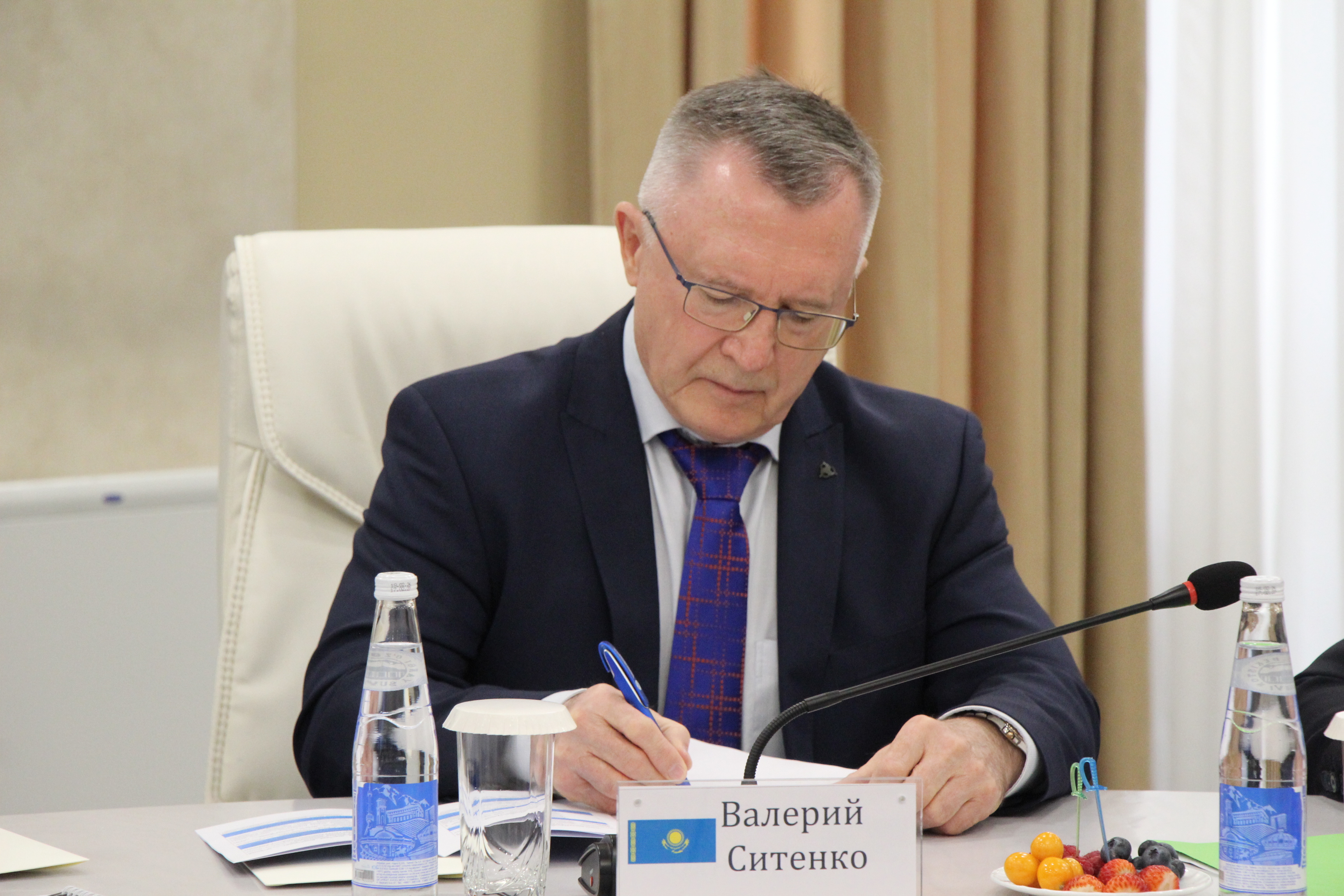
Valeriy Sitenko, Senior Expert at the Foreign Policy Research Institute under Kazakhstan’s MFA, underlined the importance of the “Central Asia Plus” format as a platform for coordinated approaches and a unified regional voice. He noted that amid global uncertainty, Central Asia’s stability is enhancing its strategic relevance.
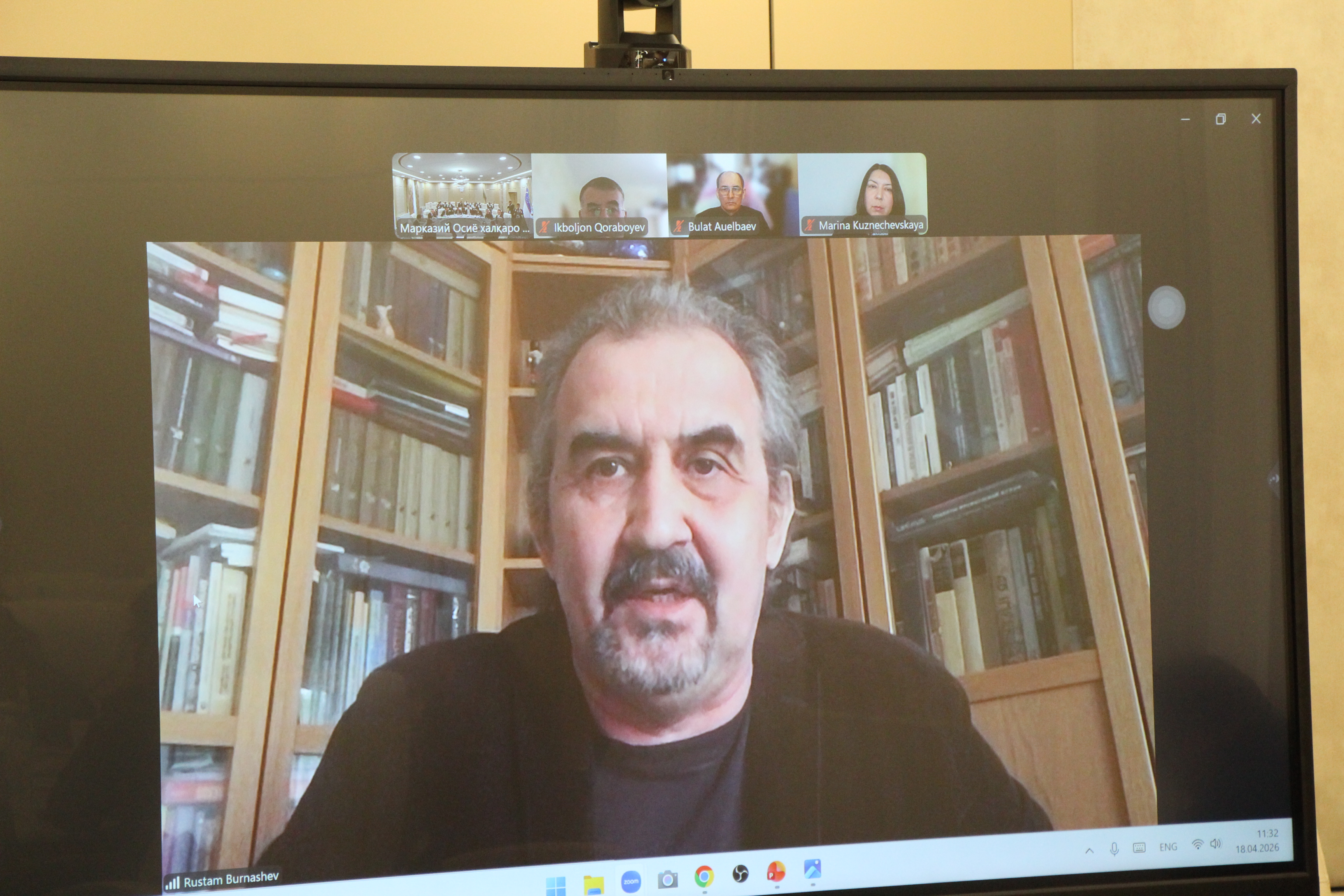
Professor Rustam Burnashev of the Kazakhstan-German University added that strengthening allied relations contributes to the growing agency of Central Asia, creating new opportunities to expand trade, investment, and technological ties with external partners.
The roundtable concluded with a set of practical recommendations aimed at advancing cooperation in trade, economy, transport, investment, and cultural and humanitarian areas.
Participants reaffirmed the strategic commitment of Uzbekistan and Kazakhstan to deepening partnership and emphasized the importance of continued dialogue between government institutions and expert communities.