Dear Eldor Takhirovich
Dear Secretary General Zhang Ming,
Ladies and gentlemen,
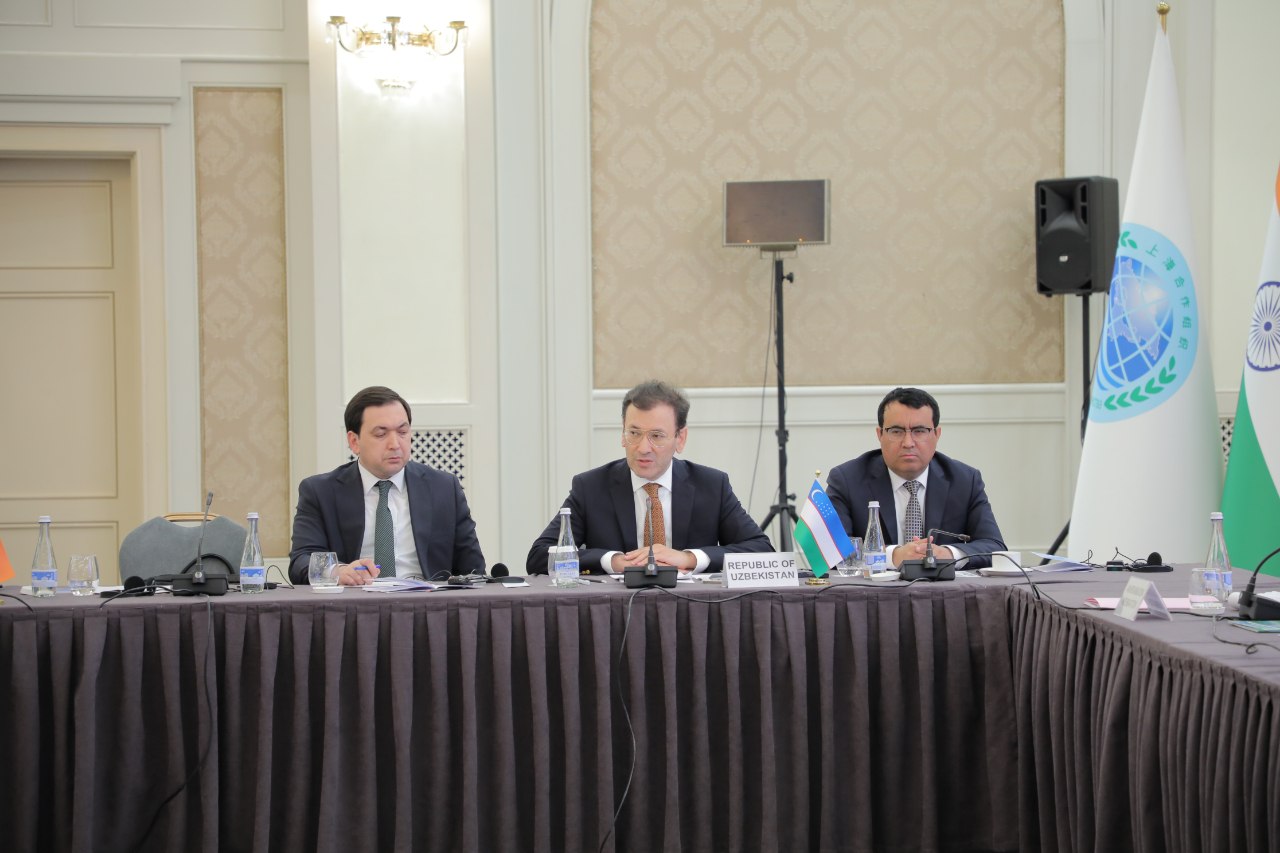
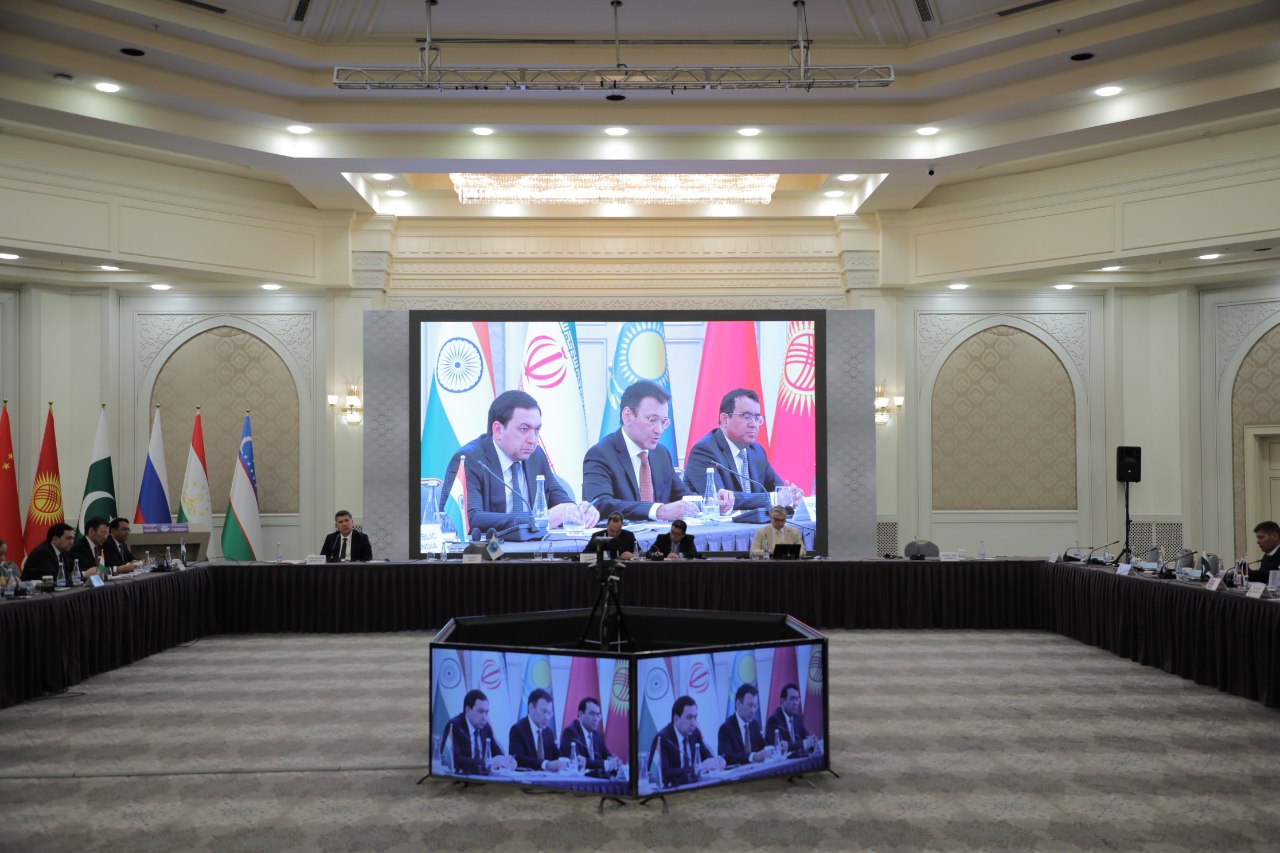
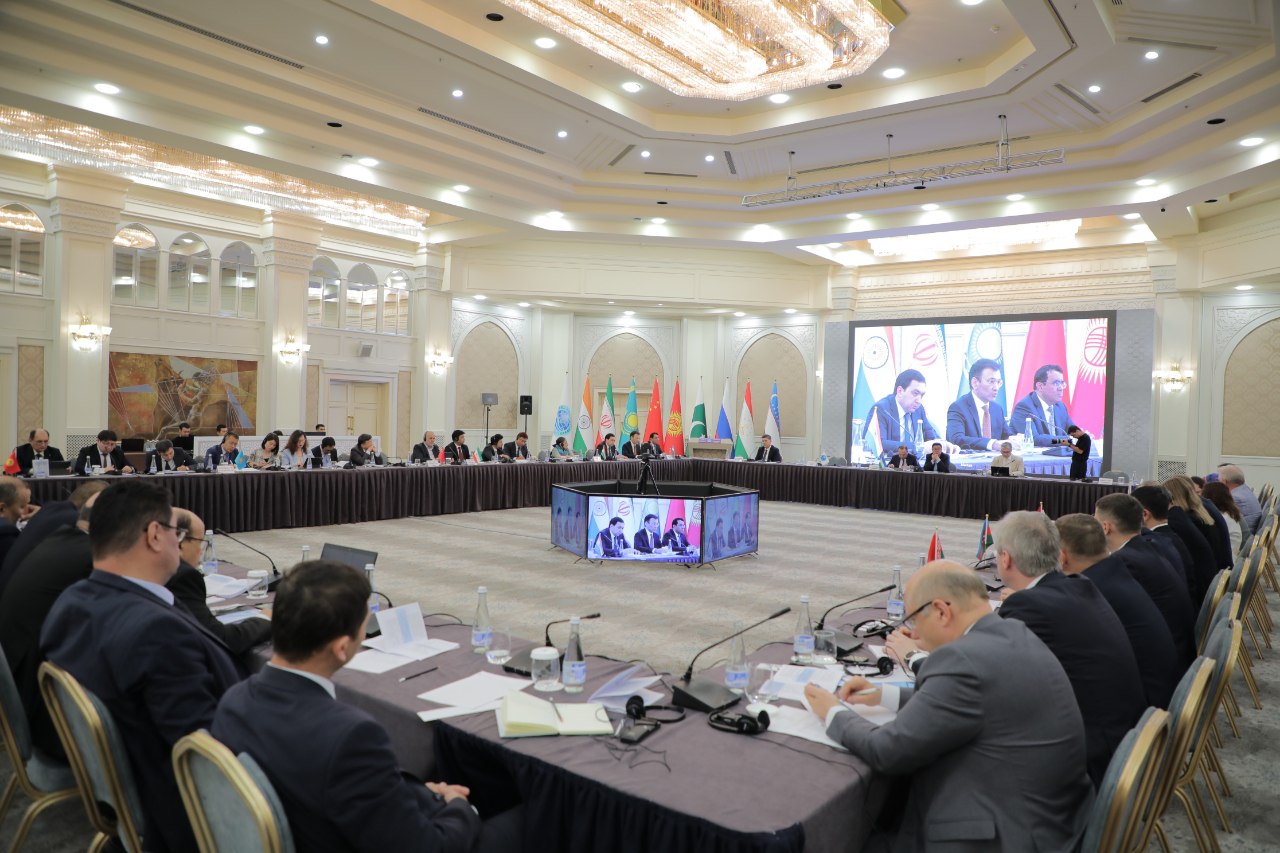
I am sincerely pleased to welcome all the participants of the Forum and to express my gratitude to the organizers for the invitation to take part in the annual meeting of the Shanghai Organization's expert platform, which brought together heads and analysts of the leading think tanks of the growing SCO “family”.
I would like to support the result-oriented agenda of the Forum meeting. It is obvious that in the context of large-scale global transformation and growing challenges to the stability of the world economy, the expert communities of the member states should discuss in detail what the role of the Organization should be in uniting international efforts to ensure universal security, stability and prosperity.
Today, the SCO is the largest association in Eurasia. Under the new conditions, it is necessary to revisit the priorities of cooperation, identify untapped opportunities and ways to realize them.
It is also necessary to exchange views on improving the effectiveness of the Organization, which, more than 20 years after its founding and the adoption of its charter documents, requires substantial renewal and systemic modernization.
It is also evident that, in order to achieve these goals, it is necessary to significantly improve the information and analytical support for the decisions taken by the leaders of the countries, and thus to improve the activities of our Forum.
Dear friends,
In recent years, in the context of the Organisation's expansion and the admission of major countries of South and West Asia to its ranks, the question of Central Asia's place and role in the SCO has become more relevant.
It is no coincidence that at the last three SCO summits - in Dushanbe, Samarkand and New Delhi - their outcome documents stressed that Central Asia remains the core of the Organisation and supported the efforts of the region's countries to "ensure prosperity and peace, sustainable development and the formation of a space of good-neighbourliness, trust and friendship".
Since the Qingdao Summit in 2018, SCO joint declarations have welcomed the efforts of the Central Asian countries to intensify cooperation in various spheres and supported the Consultative Meetings of Heads of State.
In this way, the members of the Organisation supported the processes launched in 2017 by Uzbekistan together with the countries of the region to strengthen good-neighbourliness and cooperation. Uzbekistan, together with the countries of the region, launched in 2017 the processes of strengthening good-neighbourliness and co-operation, promoting co-operation to ensure security and development in Central Asia. As a result of these efforts, regional stability has been strengthened, trade, investment and humanitarian exchanges between the countries of the region have increased, which has had a stimulating effect on cooperation within the SCO.
Another important and, in our opinion, useful trend for SCO cooperation is the intensification of interaction between the countries of the region and all partners interested in ensuring the security and development of Central Asia.
Strengthening regional stability and cooperation of CA countries was supported by many leading countries of the world, which was manifested in the increase of dialogue platforms of states and associations with them in the format "Central Asia Plus" up to 10.
Including in 2019, such ministerial dialogues were launched with India and Russia, in 2020. - With China. In 2022-2023, the level of these formats was raised from ministerial to the highest level, and summits of the leaders of the region's countries and a number of states, including China, India and Russia, were held.
The transformation of Central Asia into a more cohesive, dynamic and open region is becoming an important factor in effectively advancing the SCO expansion process and engaging new members, observers and dialog partners in practical cooperation.
Geographically, Central Asia is located at the crossroads of historical and now actively revitalized transport corridors connecting China and Russia with South Asia and the Middle East, as well as the Arab countries and the South Caucasus. In 2023 in Dushanbe, SCO dialog partner Azerbaijan participated for the first time in the Consultative Meeting of Heads of State of our region, and the first Central Asia-Gulf Cooperation Council summit was held in Saudi Arabia.
In 2021, at the initiative of the President of Uzbekistan, a major international conference on the interconnectedness of Central and South Asia was held, and already today we have witnessed an increase in the number of students from the countries of this region in Central Asian universities, as well as their labor migrants in our cities.
Active development of transportation corridors through Central Asia, connecting China with the Middle East and Europe, Russia with South Asia and the Persian Gulf countries, could have a potentially huge economic effect. The planned construction of the China-Kyrgyzstan-Uzbekistan railroad may give impetus to the promotion of projects to lay railroads through Afghanistan to Pakistan and Iran. In this regard, it is proposed to involve investors from Arab countries - dialog partners, many of which are already actively investing in the development of "green" energy in CA countries.
The rapidly emerging trade and investment ties of Central Asian countries with observers and dialog partners are also important from the point of view of developing a common space of SCO industrial and technological cooperation. Many of the Arab investors have long been actively cooperating with China, India and Russia, and in the future it is necessary to actively involve them in the implementation of joint multilateral projects of the SCO countries in the Central Asian region.
In general, the participation of observer countries and dialogue partners in the interaction of SCO business communities, including the Business Council segment, as well as sectoral meetings in the areas of transport, energy, digital and green economy, should be expanded. The practice of cooperation of Uzbekistan and other Central Asian countries with China, India and other SCO countries also testifies to the significant potential of cooperation at the regional level. In this regard, we believe it is advisable to hold Regional Cooperation Forums as part of the large SCO "family", i.e. with the active involvement of interested observer countries and dialog partners.
From a cultural and historical point of view, Central Asia is closely connected with new member states, observers and dialogue partners, and can become an important link in strengthening cultural and humanitarian ties in the expanding "family" of the SCO.In this regard, projects of research on cultural and historical heritage and related programs for the development of cooperation in the field of tourism, in general, the formation of cultural and humanitarian space of the SCO family may be of interest.Thus, the development of Central Asia as the core of the SCO in the context of the process of expanding the cultural and humanitarian space of the SCO family.
In this connection, I also believe it is necessary to pay greater attention to the initiatives for the development of co-operation expressed at SCO summits by the leaders of Central Asian countries. Most of them are aimed not only at resolving problems that are directly linked to Central Asia and the SCO, but also at addressing certain global issues, including proposals to resolve the situation in Afghanistan, as well as to promote its socio-economic development, counter terrorist threats, strengthen food security, take measures to adapt to climate change and others.
Taking into account the interests and initiatives of the Central Asian countries can be important for agreeing on priorities for multilateral co-operation and their effective implementation.
Dear Forum participants,
In the current complex international environment, there is a growing need for broader cooperation based on the principles of openness and non-alignment, rejection of confrontational approaches to the problems of international and regional development. In this regard, in our opinion, it is necessary to continue expanding the SCO's international ties, strengthening contacts with the UN and its agencies, as well as ASEAN, OECD, OIC, LAS and other regional organizations of the so-called "Global South".
In addition, despite the confrontations and geopolitical rifts that have emerged, many global challenges, including the threats of international terrorism, pandemics and climate change, require the mobilization of the resources of the entire international community.
We believe it necessary to involve a broader range of States and associations, including the G-20 countries, in the dialogue on overcoming these challenges and to seek coordinated approaches and solutions with them.
In conclusion, allow me to wish you a successful Forum and interesting proposals for the development of cooperation and their relevance in preparing for the upcoming summit of leaders of the Shanghai Organization member states.
Thank you for your attention.