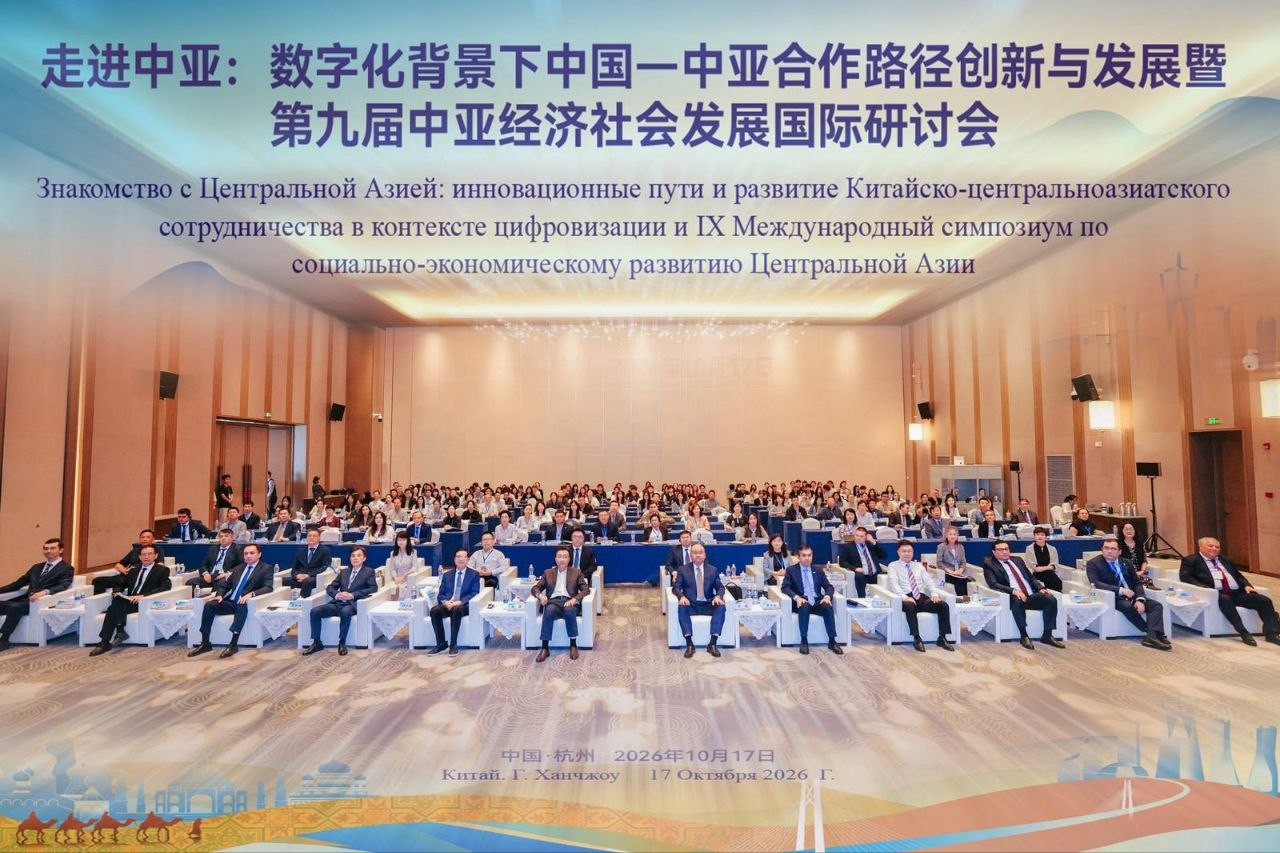
The event was organized by the Zhejiang Association for Regional and Country Studies and the Zhejiang University of Finance and Economics. It brought together representatives of think tanks, academic institutions, business communities, and the diplomatic corps from China and Central Asian countries.
Participants discussed how digital transformation is reshaping trade, public administration, and logistics, as well as the new opportunities these developments create for cooperation between China and Central Asian countries.
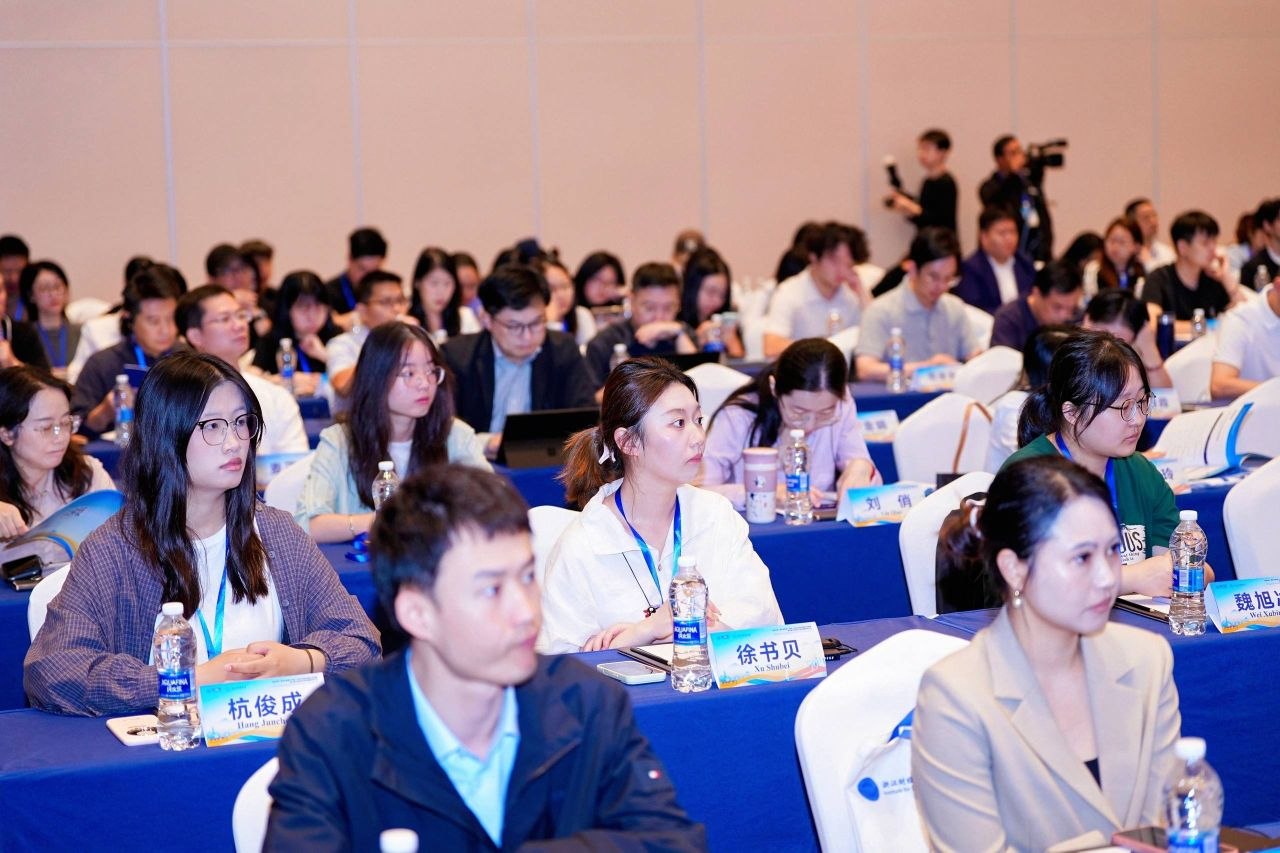
Particular attention was paid to human capital development, including training specialists in the digital sector, expanding joint educational programs, and strengthening cooperation between Chinese and Central Asian think tanks.
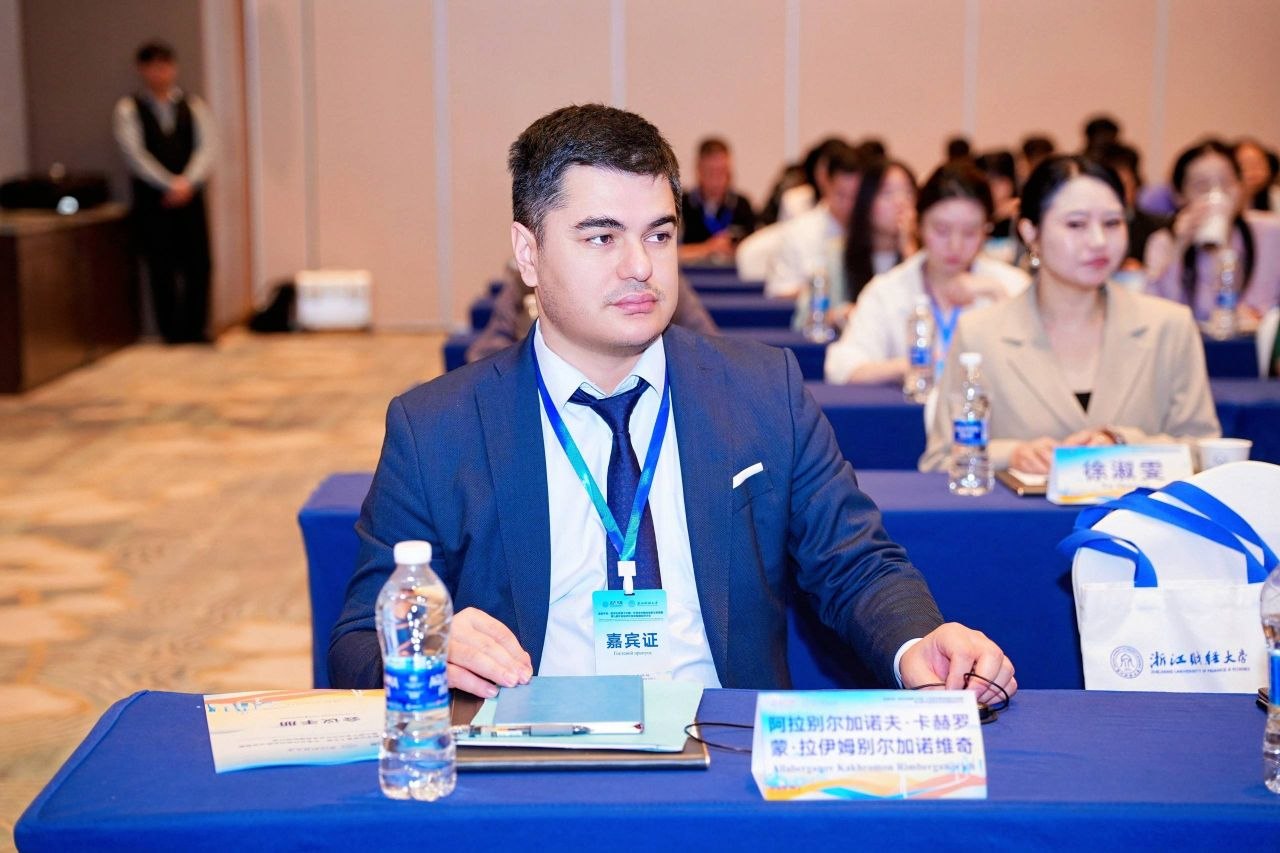
Speaking at the symposium, K. Allaberganov emphasized that digitalization is becoming an important driver of further growth in trade and economic relations between China and the countries of the region. By the end of 2025, bilateral trade turnover between China and Central Asian countries had exceeded $100 billion for the first time, reaching $106.3 billion.
In his assessment, industrial cooperation, technological development, and the establishment of new production facilities, including those based on digital solutions, are becoming increasingly important. Accordingly, joint projects should contribute to the localization of production and the development of local enterprises.
The expert also addressed Azerbaijan’s accession to the format of the Consultative Meetings of the Heads of State of Central Asia. In his view, the expansion of the format strengthens the region’s transit role, thereby creating additional opportunities for developing transport routes and trade relations, including with China.
At the conclusion of the symposium, participants noted that the digital agenda is becoming one of the key areas of China–Central Asia cooperation and expressed interest in continuing expert dialogue on e-commerce, digital logistics, and professional training.
On the sidelines of the event, K. Allaberganov held meetings with representatives of Chinese think tanks and universities, including the symposium organizers. The parties discussed opportunities for conducting joint research and facilitating expert exchanges.