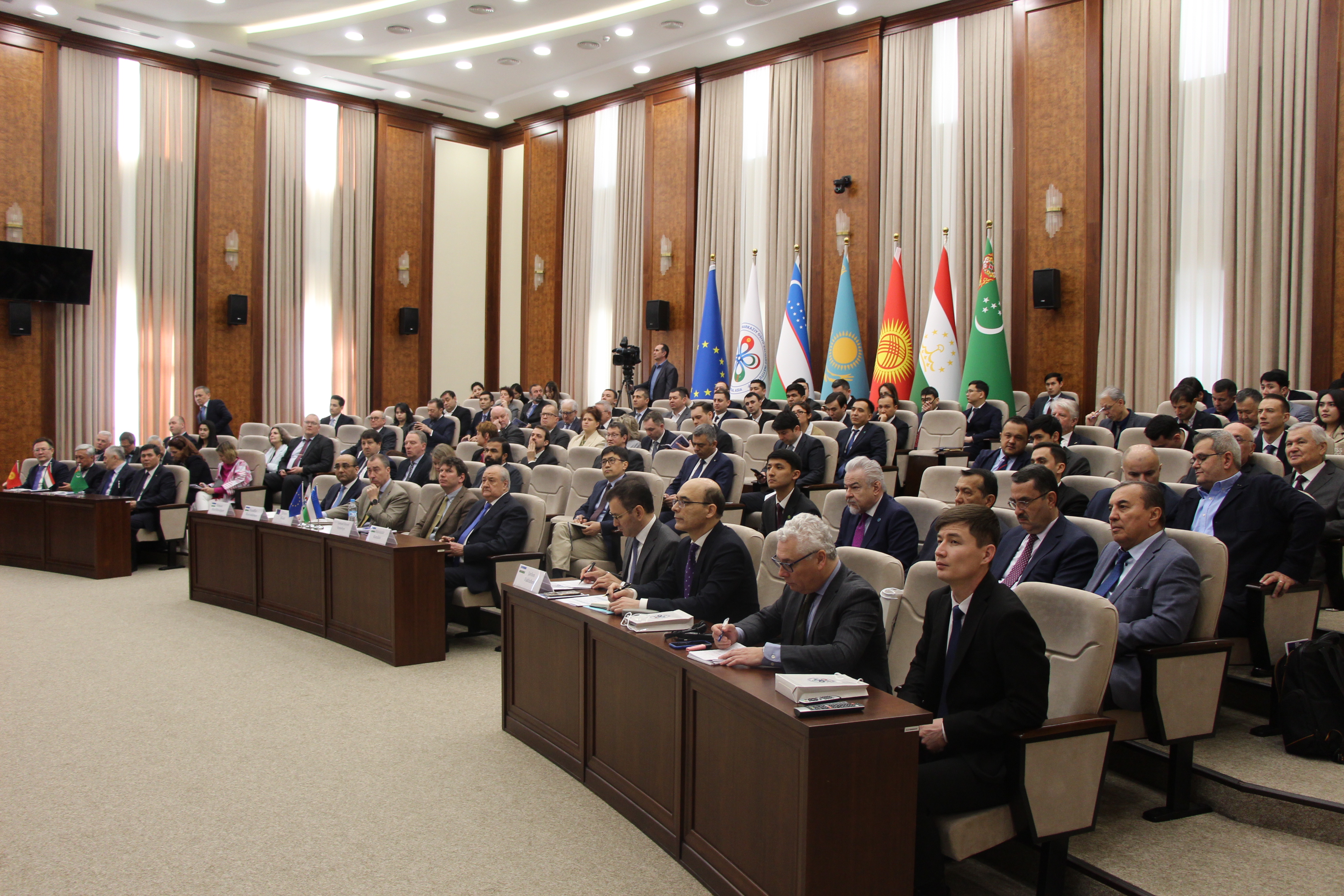
The forum brought together approximately 150 participants, including official representatives, heads and members of diplomatic missions, domestic and international governmental and non-governmental think tanks, business circles, and media representatives.
Experts from Belgium, the United Kingdom, Germany, Spain, Ireland, Italy, Latvia, Lithuania, Poland, Türkiye, Finland, France, Kazakhstan, Kyrgyzstan, Tajikistan, Turkmenistan, and Uzbekistan took part in this historic event.
During the forum, participants discussed prospects for expanding bilateral and multilateral cooperation between the two regions in such areas as technology and artificial intelligence, trade and investment, transport and logistics, critical minerals, education, and tourism.
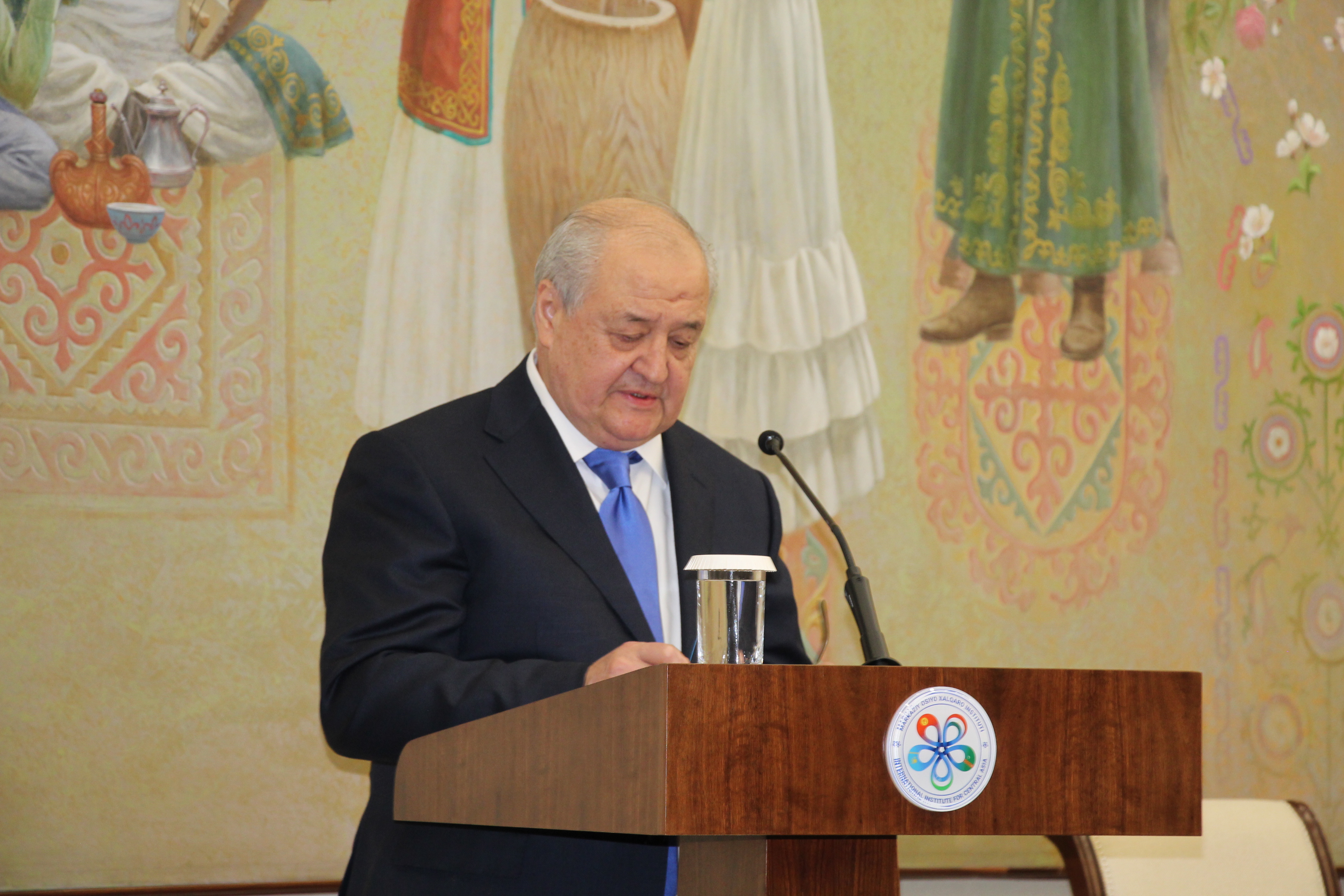
With an opening speech at the forum, Abdulaziz Kamilov, Special Representative of the President of Uzbekistan for Foreign Policy, noted that cooperation between the European Union and Central Asia is reaching a new level based on shared values, a commitment to sustainable development, and regional stability. According to him, economic cooperation plays a particularly significant role in this process, as it not only strengthens partnerships but also creates new opportunities for the sustainable development of the region.
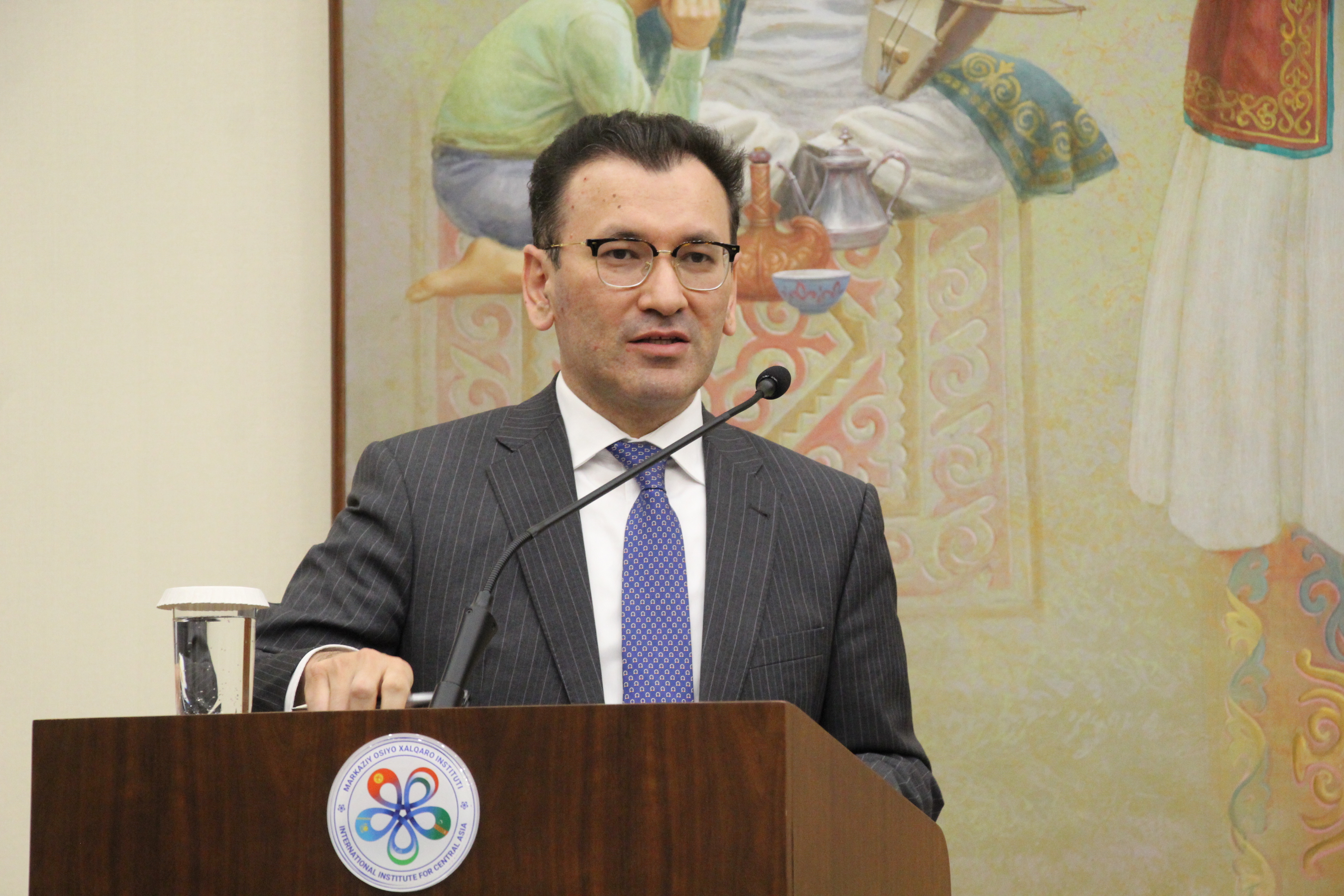
In turn, Javlon Vakhabov, Director of IICA, emphasized that the results of this forum will not only influence the agenda of the upcoming "EU – Central Asia"Summit in Samarkand but will also become an important step toward transforming Central Asia into a prosperous, secure, and sustainable region. As noted, cooperation between the two regions is no longer a choice but a necessity. According to him, success will be measured not only by agreements but also by how effectively the dialogue is translated into concrete actions.
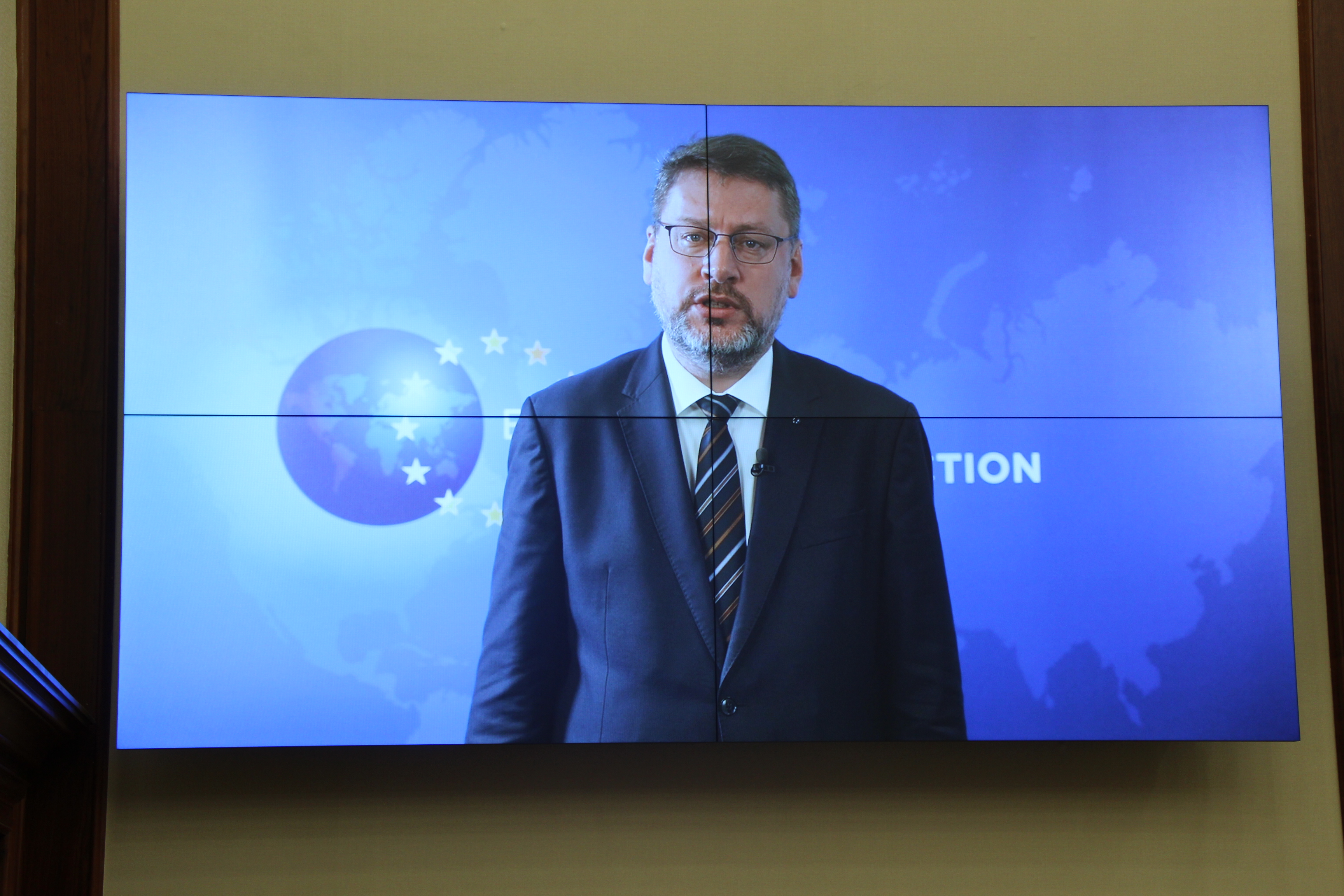
In his welcoming speech, Eduards Stiprais, EU Special Representative for Central Asia, noted that in recent years, cooperation between the EU and Central Asia has expanded significantly, covering both traditional areas such as water resources and security and new directions, including critical raw materials. According to him, the growing number of high-level meetings confirms the strategic significance of this partnership and the mutual interest in its further strengthening.
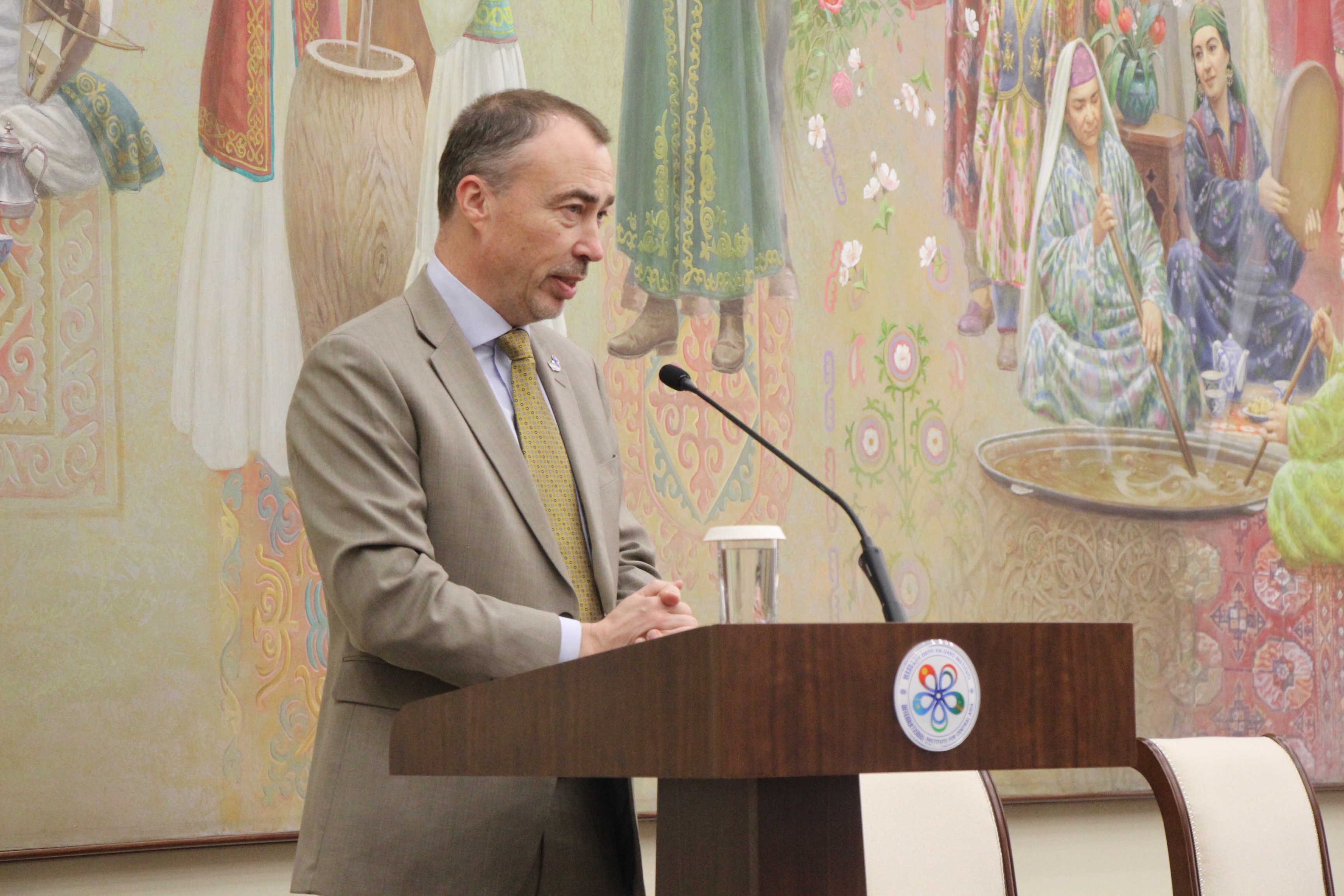
During his speech, Toivo Klaar, Head of the EU Delegation to Uzbekistan, emphasized Europe's growing interest in Central Asia. According to the diplomat, the event was a landmark moment reflecting the desire to deepen cooperation between the EU and Central Asia. For the first time, the forum brought together leading experts from both regions, creating a unique platform for exchanging opinions and developing joint solutions.
Additionally, as noted by Toivo Klaar, during a recent meeting between EU Commissioner for International Partnerships Jozef Sikela and President Shavkat Mirziyoyev, the growing dynamics of Uzbekistan's cooperation with the EU were discussed, and mutual interest was expressed in promoting joint projects and programs in transport and logistics, energy, digitalization, agriculture, and water management, as well as other priority areas.
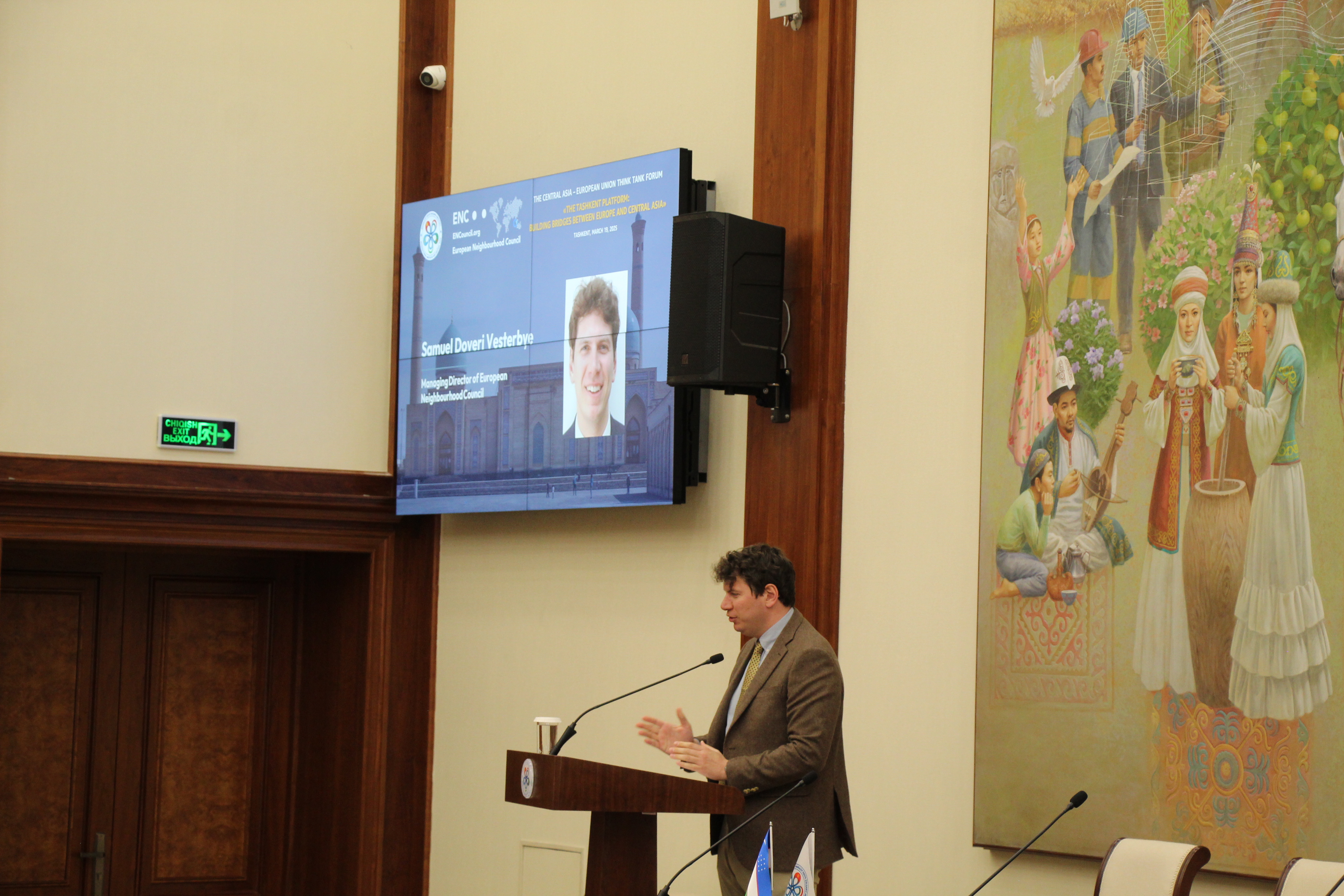
Samuel Doveri Vesterbye, co-organizer of the forum and Director of the European Neighbourhood Council (Belgium), expressed hope that the Tashkent Platform would become a regular dialogue venue for expert communities from the European Union and Central Asian countries.
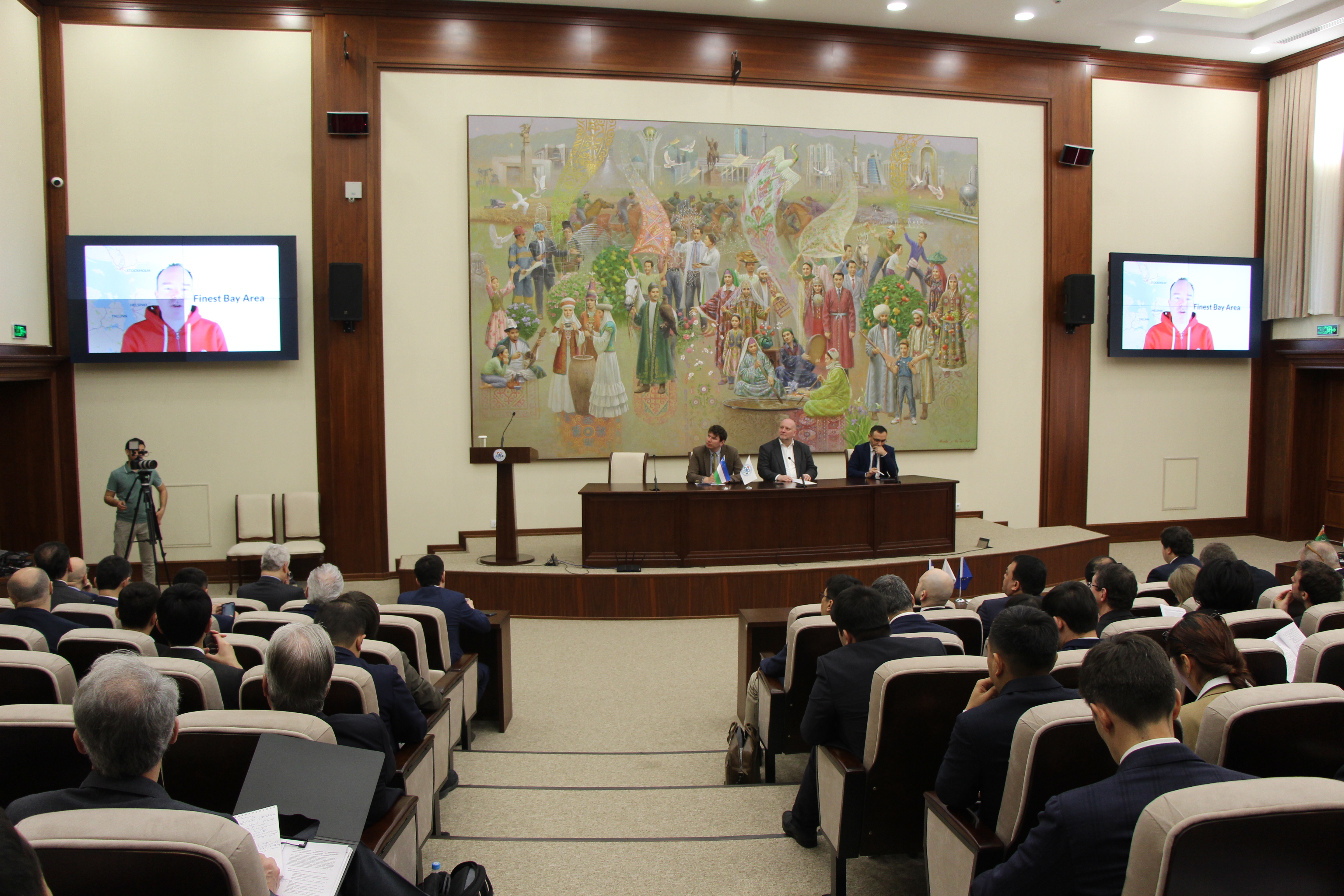
As part of discussions on strengthening cooperation in technology and artificial intelligence, Peter Vesterbacka (Finland), founder of the Slush startup ecosystem, highlighted the importance of training Uzbek youth in entrepreneurial and digital skills, investing in human capital, and fostering innovation.
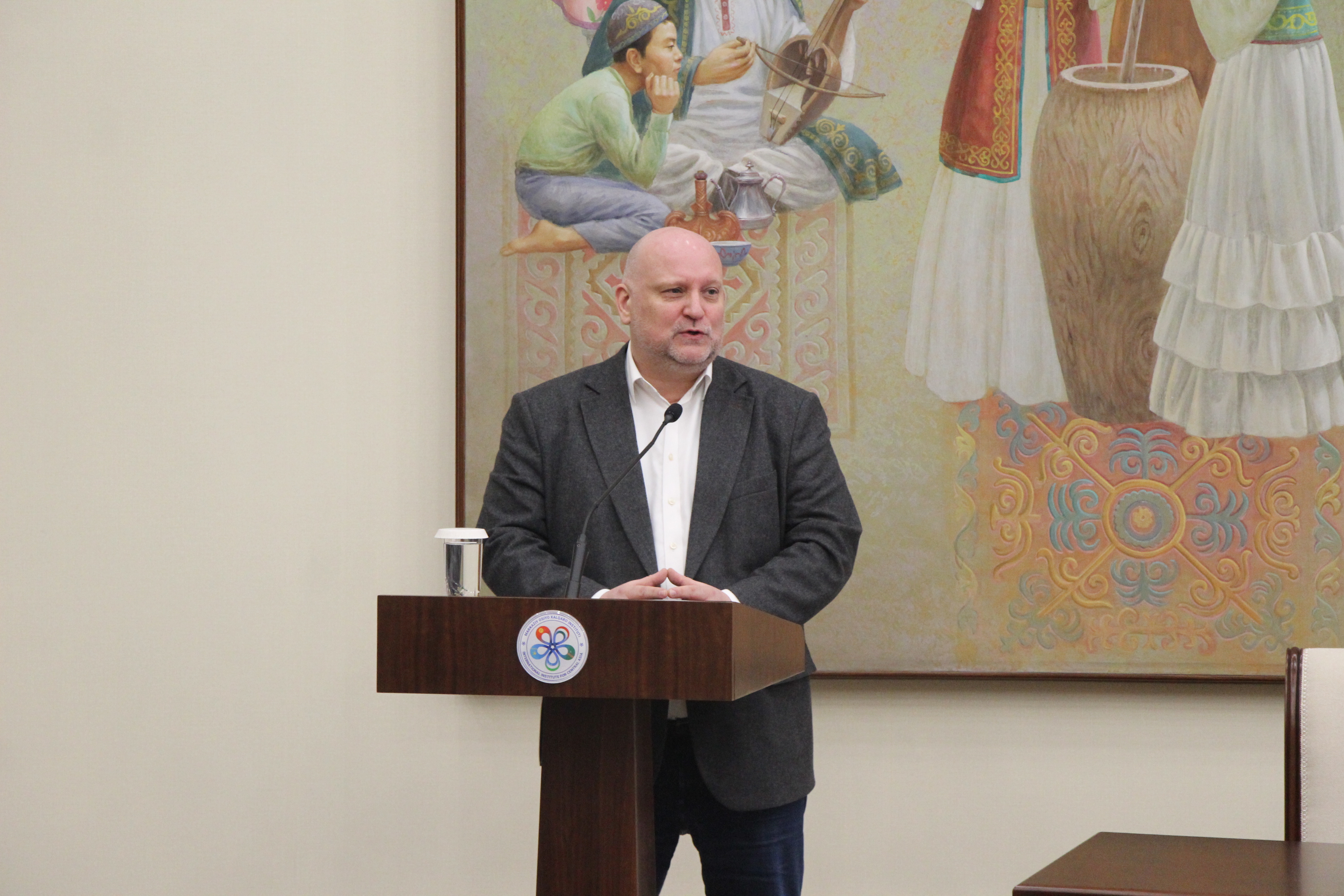
In turn, Adamas Ilkyavičius, a Lithuanian expert, presented successful examples of AI implementation in Europe, including the digital modernization of transport and energy systems, government procurement monitoring, and civil servant training.
Forum participants also paid special attention to issues of regional connectivity and attracting European investments into the region.
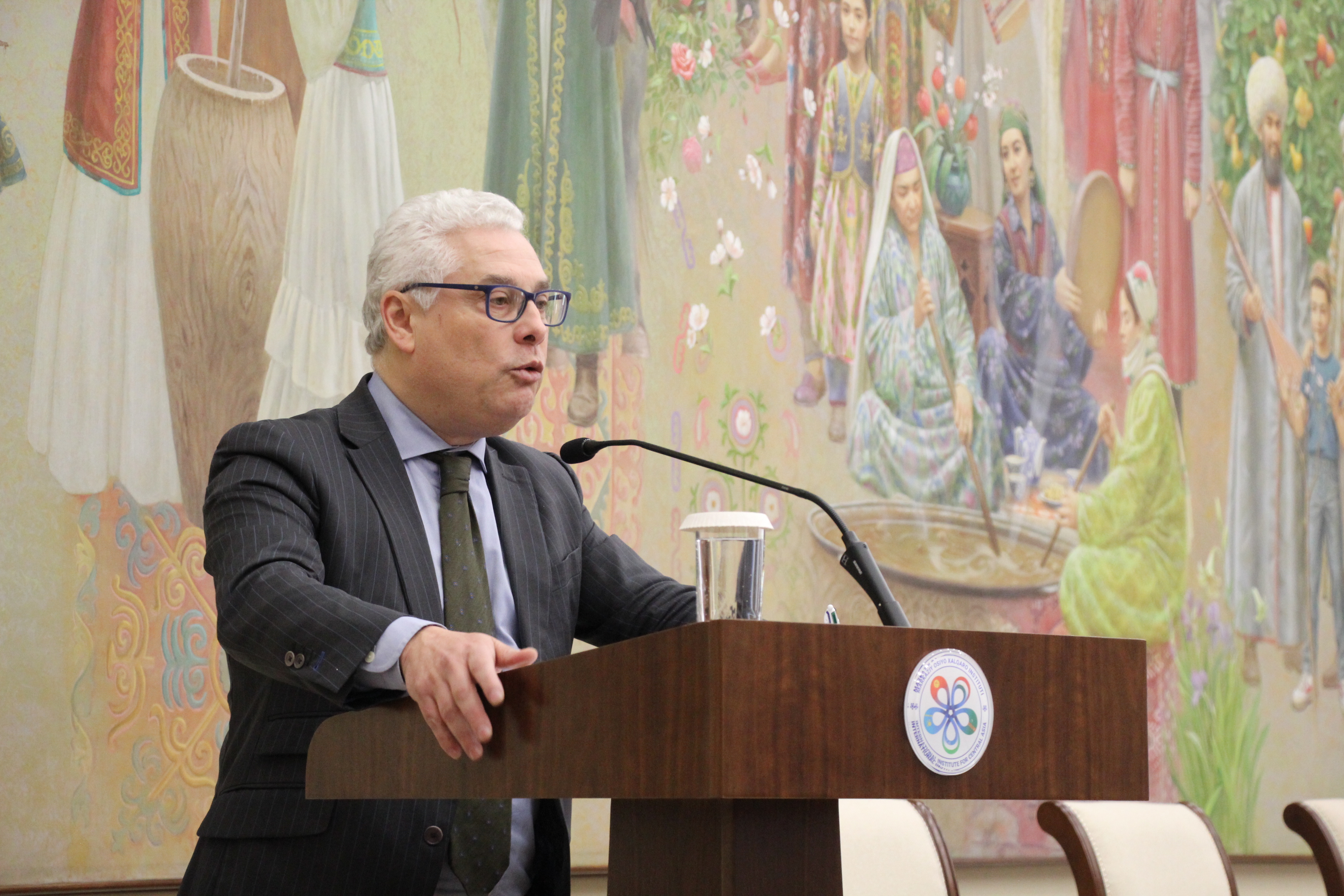
Emmanuel Dupuy (France), President of the Institute for European Prospective and Security (IPSE), emphasized the importance of promoting the "Global Gateway" and "Build Back Better World" initiatives as strategic tools for strengthening infrastructure connectivity, sustainable development, and the economic integration of Central Asia with the European Union.
Alongside this, Yerlan Zhakupov, Head of the Department at the Kazakhstan Institute for Strategic Studies, emphasized the strategic importance of the Middle Corridor, highlighting its potential for diversifying routes between China and Europe, the need to reduce tariffs, improve digital logistics, address infrastructure challenges, and boost reverse cargo flows.
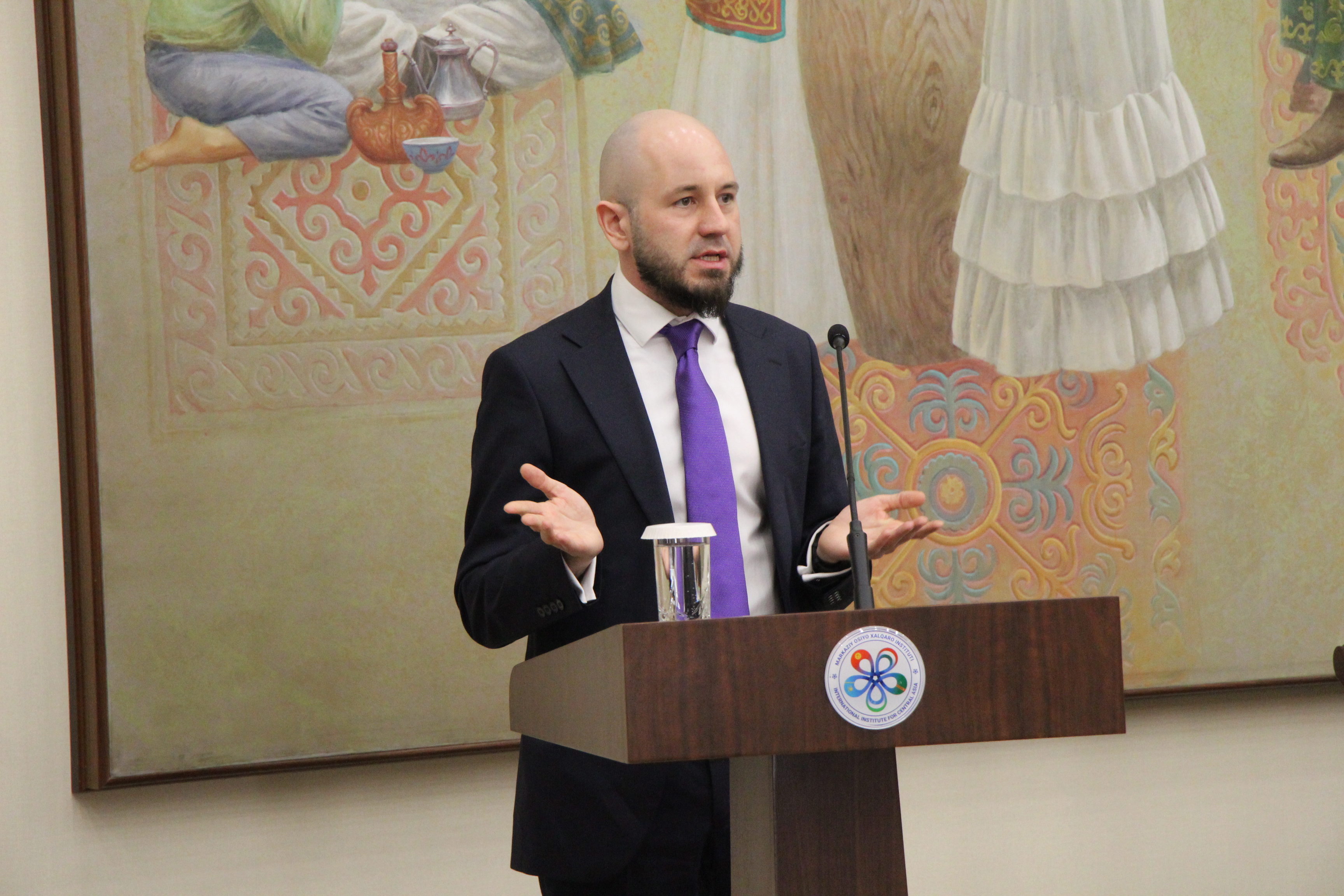
Roman Dovolnov, Senior Manager for Climate Change and Sustainable Development at Ernst & Young (UK), noted that the implementation of ESG (Environmental, Social, and Corporate Governance) principles will increase investor and partner trust and help businesses adapt to new market and regulatory requirements.
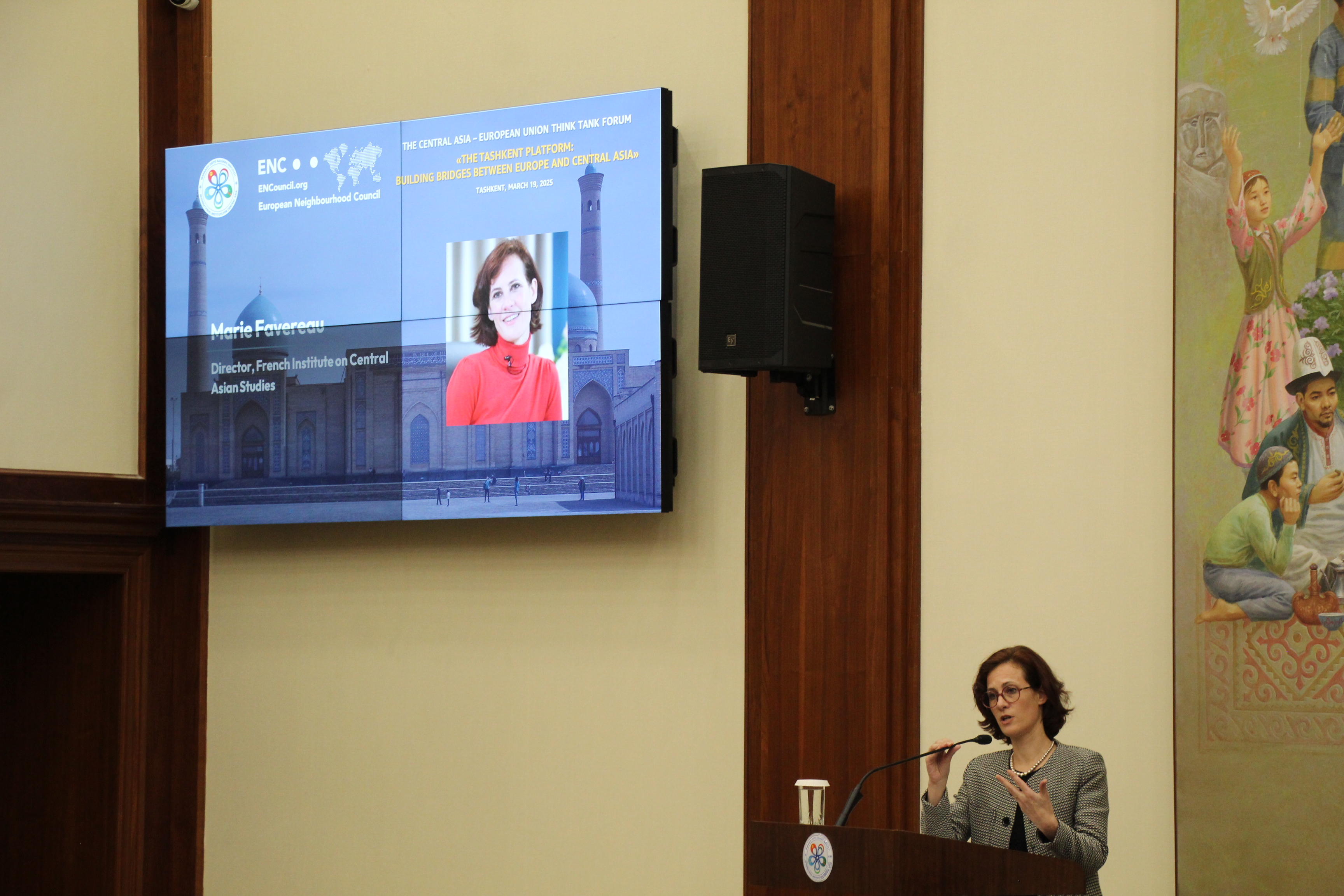
Marie Favereau, Director of the French Institute for Central Asian Studies, highlighted the importance of expanding academic cooperation, including the development of joint scientific research, increasing dual-degree programs, as well as simplifying visa regulations and scholarships for students from Central Asia.
Overall, the forum allowed for a thorough exchange of views among experts from EU and Central Asian countries on the current state and prospects of dialogue between the two regions and contributed to the development of concrete practical proposals for the agenda of the upcoming "Central Asia – EU" Summit in Samarkand.
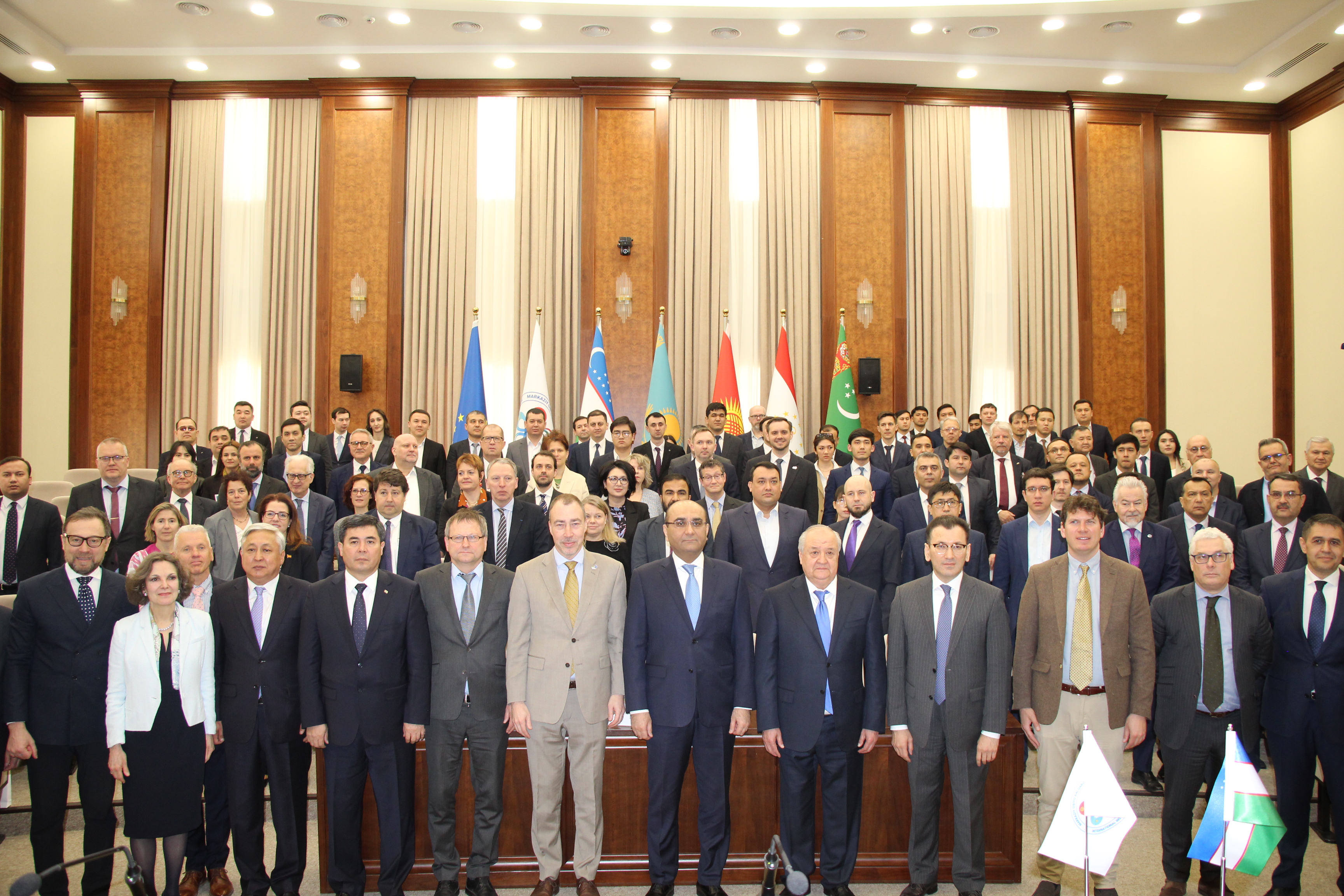
Following the forum, participants agreed to continue the expert dialogue in this format and hold such meetings every two years ahead of the "Central Asia - EU"Summits.