Dear guests,
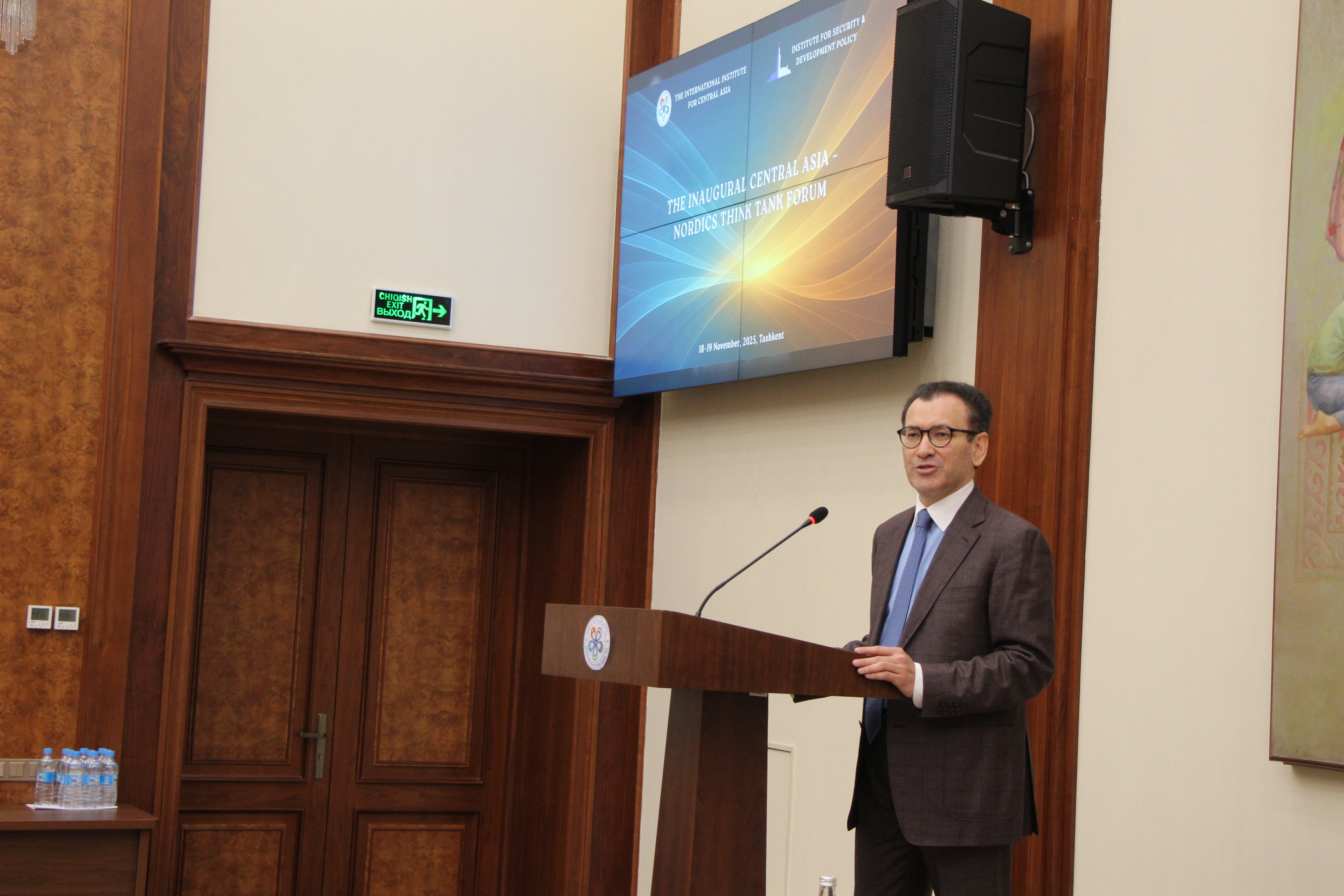
Thank you once again for joining us today. Before we begin, I’d like to briefly reflect on yesterday’s discussions. I must admit, our conversation was so lively and engaging that we ran over time—but that is only natural. Our regions are meeting in this format for the first time, and it’s clear we have a great deal to explore together.
Yesterday’s speakers highlighted key areas of cooperation across two dynamic sessions. The first session examined how we can expand trade and investment ties between our regions. One conclusion was unmistakable: raising awareness of Central Asia in the Nordic countries is essential.
During my visit to Stockholm earlier this year, where I engaged with Swedish, Norwegian, Danish, and Finnish experts, I realized that certain stereotypes about the Soviet legacy and human rights in Central Asia still persist. And the same is true on our side. Many in our region are not fully familiar with the Nordic countries, let alone the opportunities they offer.
That is why gatherings like this forum are so important. Bringing together Nordic and Central Asian experts, business leaders, private sector representatives, and diplomats helps bridge this knowledge gap—especially since our Nordic partners do not visit the region very often.
There is tremendous potential and so many untapped business opportunities between our regions. What we need is more regular dialogue and more moments like this to better understand one another.
In the second session, we turned to a particularly promising area: cooperation on green energy and critical minerals. The Nordic states are global leaders in environmental innovation and green transition.
Their achievements are not only impressive but also highly relevant to Central Asia’s future. This experience closely aligns with the ambitions of our region—including Uzbekistan’s goal of reaching a 40% renewable share in its energy mix by 2030.
Reaching these targets will require not only significant investment, but also advanced technologies and engineering solutions that the Nordic countries can provide—especially in solar and wind power, smart-grid development, and emerging sectors such as green hydrogen.
We will discuss equally important topics today, including Nordic experiences in regional integration, education, human capital, and digitalization. We will also have a special ambassadorial session, where diplomats from the Nordic and Central Asian states will share their perspectives. We intentionally scheduled this session at the end of the forum, as it is crucial for our diplomats to hear expert insights and ideas before discussing how to implement them in practical terms.
By the end of today, I am certain that we will have not only a clearer shared vision, but also a tangible set of practical recommendations to advance cooperation between our regions.
Dear colleagues,
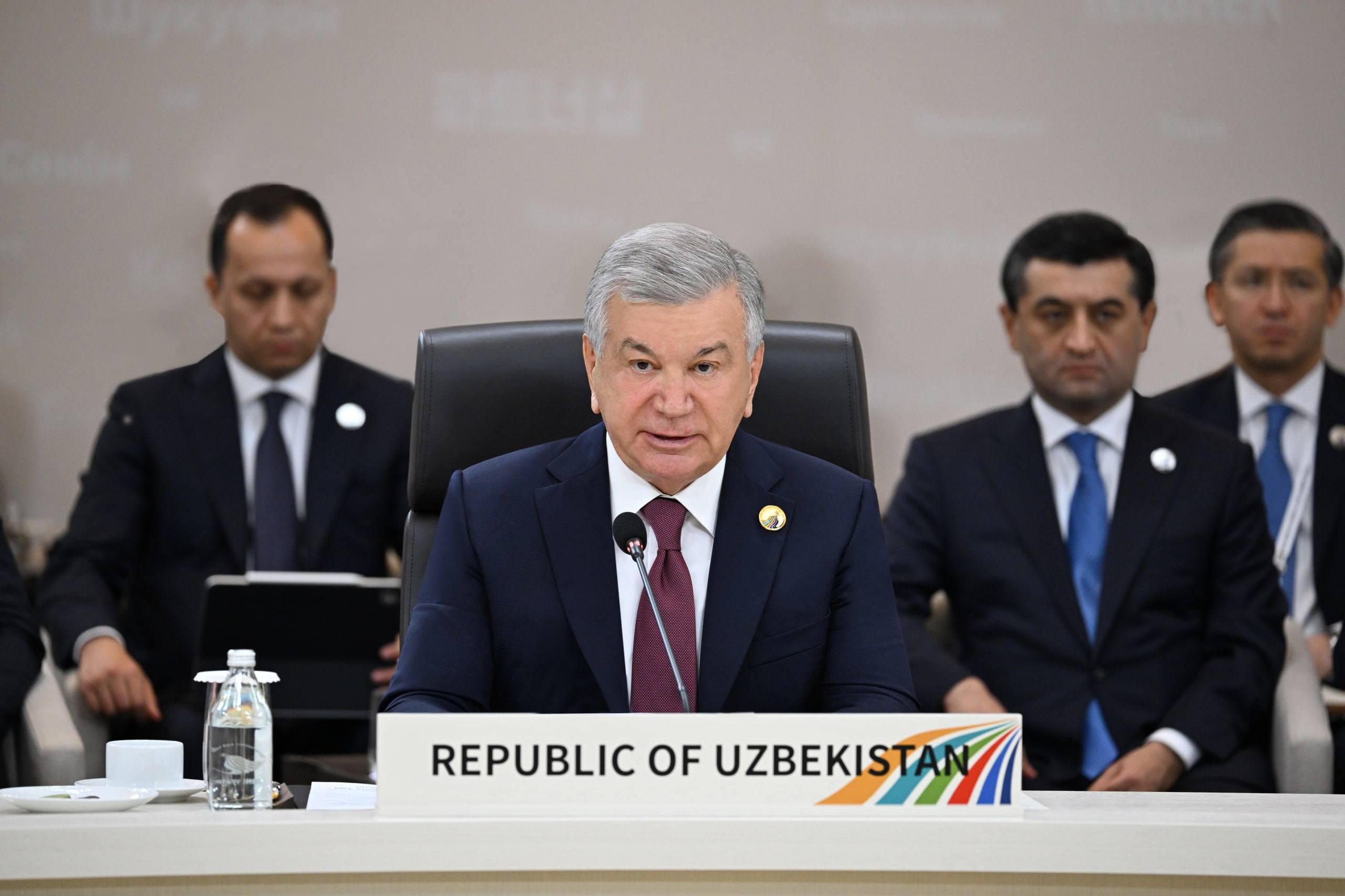
I would also like to touch on one more important outcome of the recent C5 Summit held here in Tashkent. At this meeting, President Shavkat Mirziyoyev put forward the idea of establishing a Central Asian Community. If realized, this initiative would give our region a stronger, more unified voice on the international stage. It would also create new opportunities for cooperation with our partners— including the Nordic countries—through a more structured C5+ (or even C6+) format. After all, it is always easier and more effective to engage with a single, coordinated regional platform than with several individual states separately.
Dear participants,
Thank you once again and wish you fruitful and engaging discussions today.