Dear Alexander Alexandrovich,
Dear Fyodor Genrikhovich,
Dear Ambassadors, experts, and distinguished participants of the event,
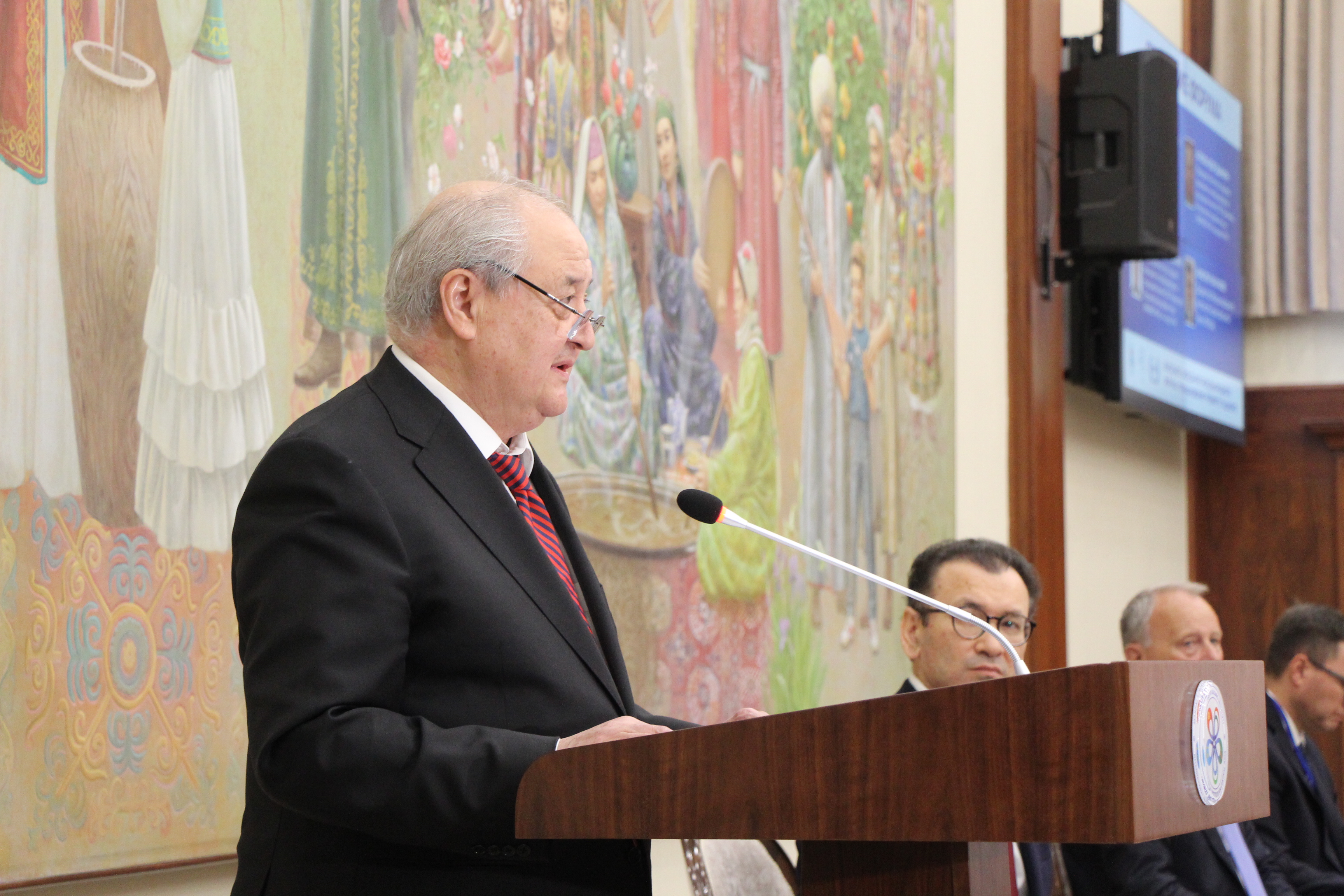
It is a great pleasure to welcome you all to this important forum – the off-site session of the “Primakov Readings” being held in Uzbekistan.
It is a great honor for us to host such distinguished experts, scholars, and practitioners, as well as representatives of government bodies, esteemed members of the diplomatic academic communities.
Let me express my sincere gratitude to the Institute of World Economy and International Relations of the Russian Academy of Sciences for its support in organizing this forum and for its contribution to the development of a trust-based dialogue that is so essential in the current global turbulence.
I would also like to express my appreciation to Academician Alexander Alexandrovich Dynkin and Fyodor Genrikhovich Voytolovsky for their continued attention to Central Asia and for their profound scholarly approach to studying the region, which helps to effectively bridge theoretical analysis and practical experience.
It would be inappropriate not to mention the contributions of Yevgeny Maksimovich Primakov when discussing the “Primakov Readings”. His ideas of dialogue-based diplomacy, multilateral cooperation, and strategic thinking remain more relevant and in demand today than ever before. Y.M.Primakov taught us to view global challenges with regard to the interests of countries and regions, contributing to the development of a balanced and pragmatic foreign policy based on mutual trust and respect.
Yevgeny Maksimovich was well known and highly respected in Uzbekistan. He visited our country on numerous occasions as an honored guest, outstanding scholar and expert. I had the privilege of accompanying him during his trips across our country. He maintained close ties with the national leadership, had many friends and like-minded colleagues here, and actively promoted exchanges between universities and scholars, thereby laying the foundation for long-term academic cooperation.
Today, the “Primakov Readings” represent a unique platform for professional exchange of views, analysis of global processes, and the development of practical recommendations, while at the same time enabling us to correlate accumulated experience with contemporary challenges and identify new opportunities for regional development and cooperation.
Dear friends,
Hosting the off-site session of the “Primakov Readings” in Uzbekistan carries special symbolic significance.
Just a few days ago, Tashkent hosted the seventh summit of regional leaders — the Consultative Meeting of the Heads Central Asia States.
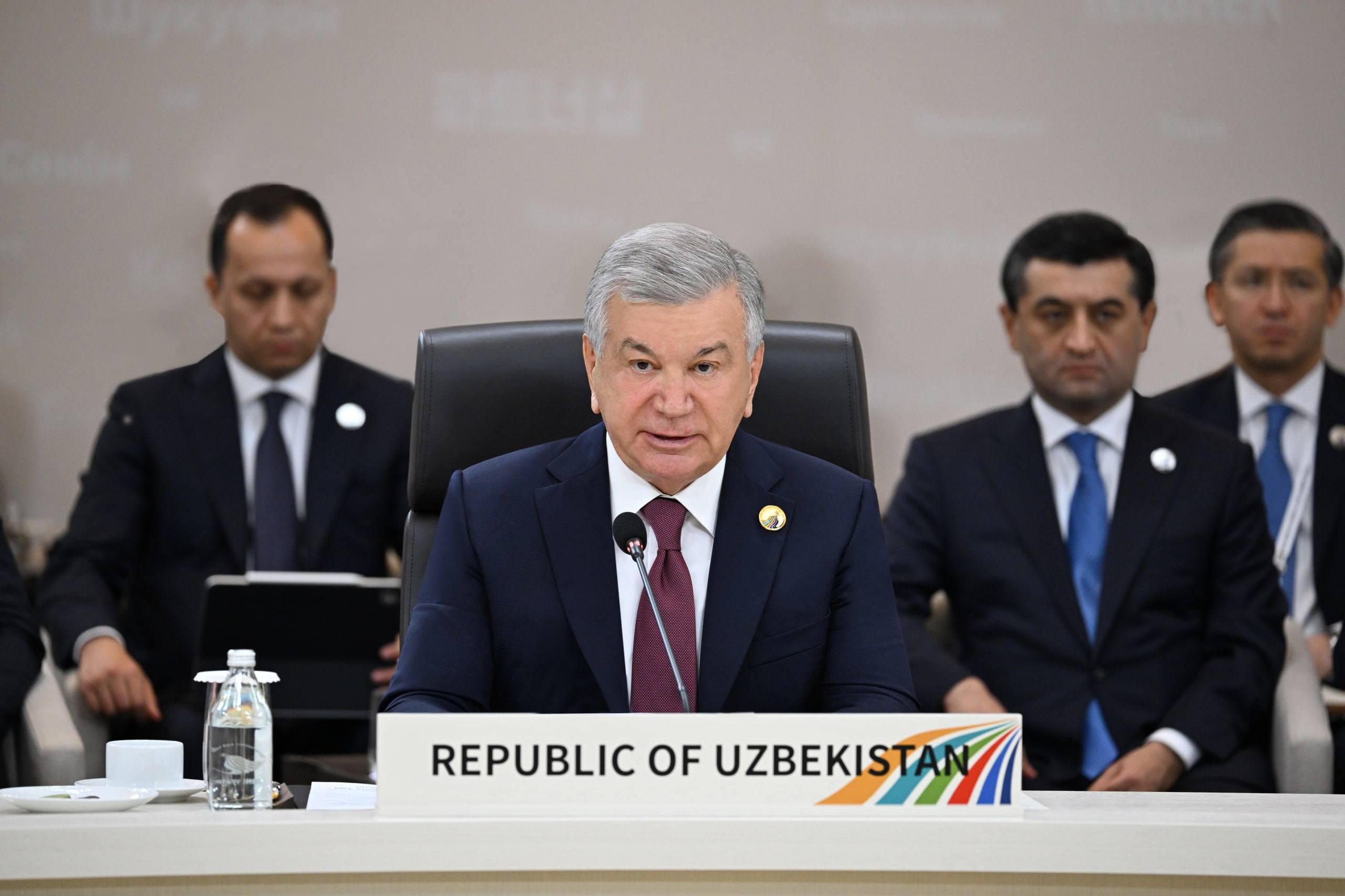
I see that many of you have brochures containing the text of the speech delivered by the President of Uzbekistan, Shavkat Miromonovich Mirziyoyev. I will leave the key messages for your direct consideration.
At the same time, I would like to note that all the statements made by the heads of state and the initiatives they put forward were directly aimed at further deepening our cooperation. Close joint efforts and the effectiveness of the measures being undertaken have already become key drivers shaping a shared regional identity and strengthening the international agency of the region.
A vivid confirmation of this is the expanding number of partnership formats under the “Central Asia Plus” framework, including those with key global powers and international groupings.
One of the most important among these formats is cooperation with the Russian Federation. In October, the second “Central Asia–Russia” Summit was held with the participation of the leaders of our countries. It demonstrated a high level of mutual trust and the readiness of the parties for practical cooperation across a wide range of areas — from industrial cooperation and infrastructure to energy and security.
I would like to particularly note that in his speech at the summit, the President of Uzbekistan proposed holding regular high-level meetings, establishing a Coordinating Council at the level of Deputy Prime Ministers, developing transport and logistics connectivity, launching the “Central Asia–Russia Agro-Express” project and an Industrial Engineering Hub, establishing a Regional Competence Center, expanding energy partnership, and strengthening educational, cultural, and social ties.
The integrative processes taking place in the region and cooperation with external partners once again confirm that Central Asia, alongside deepening regional integration, is building constructive engagement with other countries as a unified subject of international politics, contributing to stability and sustainability across the entire Eurasian space.
Dear colleagues!
We are living in an era of profound and rapid changes in the global system. Growing instability, an increasing number of armed conflicts, declining trust in international institutions, rising protectionism, and technological imbalances are creating a complex environment for regional development.
In this context, the theme of our forum — “Central Asia: Global Challenges for Regional Development” — reflects not only the growing importance of the region amid a transforming world order, but also the need for strategic coordination among the countries of Central Asia to ensure stability, sustainable development, and prosperity for our societies.
Today’s forum provides a unique opportunity to discuss shared challenges, align priorities, and define prospects for regional development.
I am confident that the discussions held here will lead to the formulation of practical recommendations and the generation of new ideas to promote Central Asia as a region of sustainable development, trust, and strategic partnership.
Once again, welcome to Uzbekistan!
I wish you all productive work, lively and constructive discussions, and a constructive exchange of views and ideas that will help strengthen regional cooperation and respond effectively to the challenges of the modern world.
Thanks for your attention.