The completed visit was extremely successful and was a logical continuation of the constructive and open dialog and agreements on a wide range of bilateral relations between the two heads of state, the foundations of which were laid in 2018.
The agenda of the Uzbek-Tajik summit events was extremely rich and aimed at achieving practical results in the interests of the two brotherly countries and promoting further strengthening of strategic partnership and alliance.
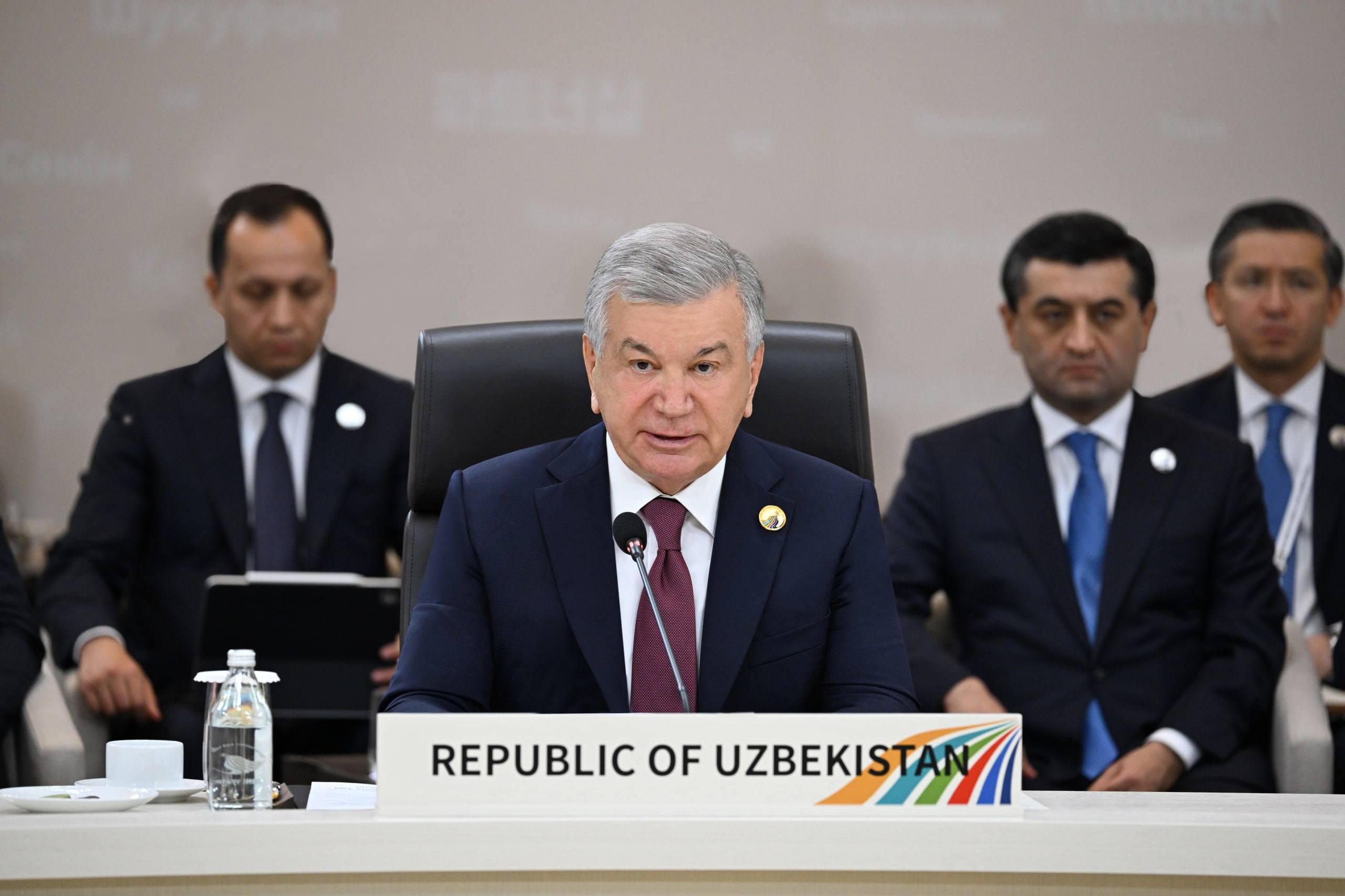
The main and probably the most important event during the visit, without exaggeration, was the signing of the historic Treaty on Allied Relations, which, according to Shavkat Mirziyoyev, "fully meets the fundamental interests of the two fraternal peoples and demonstrates the transition to a qualitatively new stage in Uzbek-Tajik relations".
It is important to note that the Treaty is aimed at further expansion and strengthening of interaction in political, economic, investment, scientific-technical, cultural-humanitarian, transport-logistical and other spheres between Uzbekistan and Tajikistan, which will make it possible to further unlock all the existing potential between the countries.
Moreover, the joint document symbolizes the fact that we are united not only by cooperation in solving pressing problems, but also by a common vision of the future aimed at strengthening independence, peaceful, conflict-free development and contributing to the solution of common challenges and tasks facing the region. All of this suggests that we stand on the threshold of a new era of cooperation, where solidarity and mutual understanding become the foundation stones of our progress and prosperity.
Today, Uzbekistan and Tajikistan adhere to a balanced, multi-vector policy, advocating consolidation of the legal foundations of international relations, de-escalation of global tensions and sustainable development of humanity. The two sides actively cooperate within various international structures, such as the United Nations, the Commonwealth of Independent States, the Shanghai Cooperation Organization, the Organization of Islamic Cooperation and others. Both countries demonstrate similar positions on key issues on the international agenda, including combating contemporary security threats and challenges, strengthening the nuclear non-proliferation regime, protecting human rights, and achieving the Sustainable Development Goals.
Thanks to this approach, in recent years it has been possible to radically change the political climate in the region, create a completely new atmosphere of cooperation and remove most of the issues that for many years served as an obstacle to the development of our countries. In particular, borders have been opened and favorable conditions for mutual travel of citizens have been created, new air, road and rail routes have been restored and launched, implementation of major projects has begun, including joint construction of two hydroelectric power plants on the Zarafshan River, and much more.
Meanwhile, it should be emphasized that the activation of relations between the two countries began in 2016, when, within the framework of consistent reforms aimed at the formation of the New Uzbekistan, the main strategic direction of foreign policy became the improvement of relations with Central Asian states, including Tajikistan.
Mutual state visits in 2018, which opened a new page in the history of Uzbek-Tajik relations, also deserve special attention, during which a solid package of documents - 35 (Dushanbe, 2018) and 28 (Tashkent, 2018) agreements, memorandums, programs and road maps in the spheres of politics, trade, energy, transport, culture, science, education, and security were signed.
President E. Rahmon's official visit to Uzbekistan on June 2-3, 2022 played an important role in the development of bilateral cooperation, following which the two sides signed 12 more documents, including the historic Declaration on strengthening eternal friendship and alliance.
Thus, as of today, the total number of bilateral documents regulating Uzbek-Tajik cooperation exceeds 200, and most of them have been signed only in the last few years. This demonstrates the high interest of both sides in creating the necessary conditions for expanding long-term mutually beneficial cooperation in all areas of common interest.
Given this positive trend aimed at strengthening strategic partnership and alliance, it is no exaggeration to emphasize the merits of the Presidents of Uzbekistan Shavkat Mirziyoyev and Tajikistan Emomali Rakhmon, who have taken unprecedented historic steps to expand bilateral ties.
In general, relations between Uzbekistan and Tajikistan are characterized by a high level of trust and mutual respect. Regular trusting dialog at the highest level between the heads of state, their firm political will and joint efforts become an important factor in developing cooperation and deepening mutual understanding.
Today, allied relations between our countries and centuries-old, historical and spiritual ties of our peoples have acquired a comprehensive, multidimensional and steadily developing character, which is an important condition for ensuring regional security as well as sustainable development of the whole Central Asia.