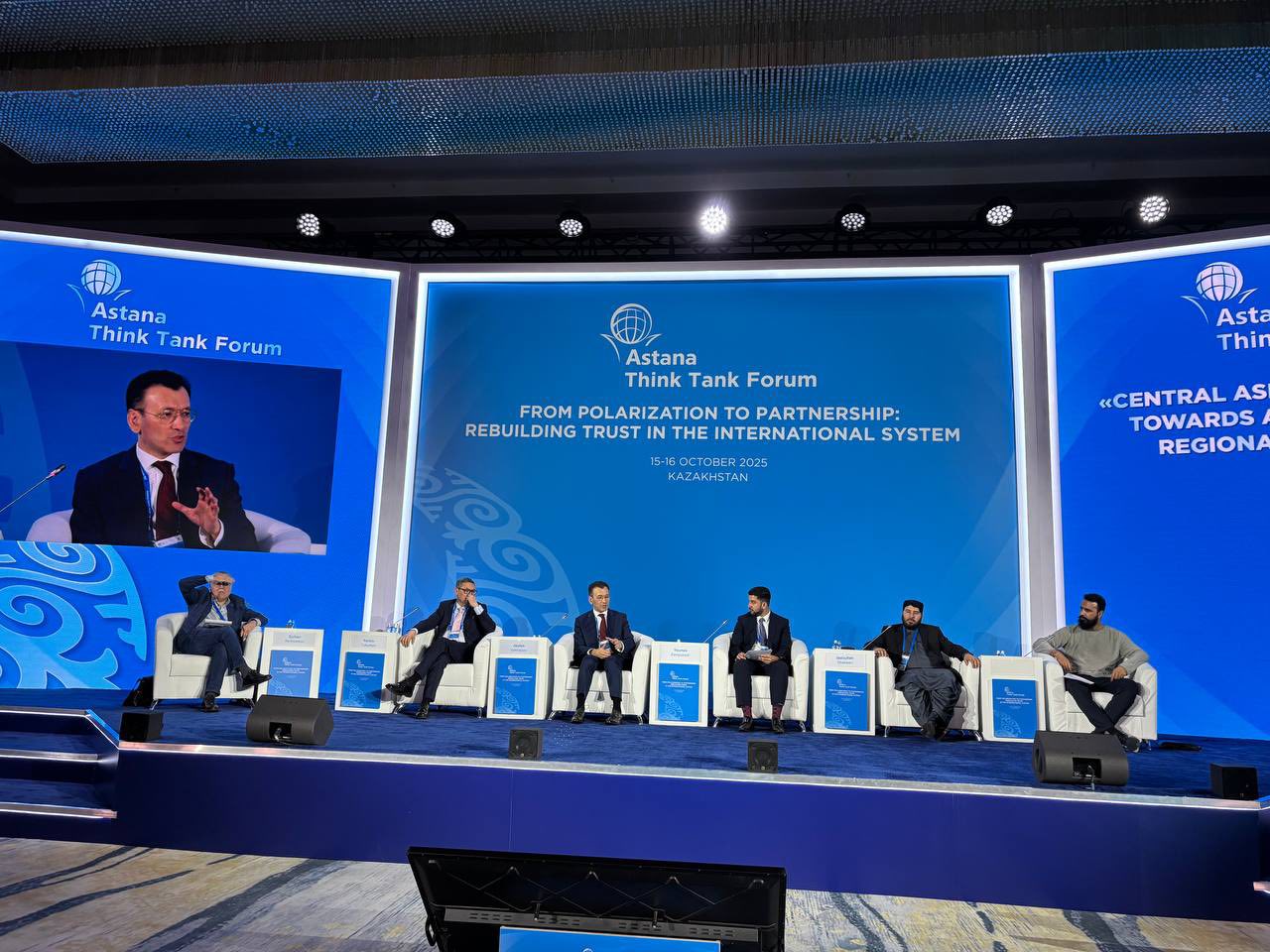
The forum was organized by the Kazakhstan Institute for Strategic Studies under the President of the Republic of Kazakhstan and brought together representatives of international organizations and heads of leading think tanks from 20 countries, including the United States, the European Union, China, Russia, India, as well as the nations of Central Asia, the Middle East, and others.
Participants discussed key issues of multilateral cooperation amid growing global competition, the transformation of the international security architecture, the future of nuclear disarmament, the role of Central Asia in the evolving geopolitical landscape, and Afghanistan’s engagement in regional processes, among other topics.
Speaking at the session “Central Asia and Afghanistan: Towards a New Chapter of Regional Cooperation,” Javlon Vakhabov emphasized that mutually beneficial cooperation with Afghanistan remains a key factor for regional stability.
He noted that from the outset, the countries of Central Asia have been building dialogue with the new authorities in Afghanistan across trade, infrastructure, education, and humanitarian assistance — all aimed at ensuring stability and sustainable development across the region.
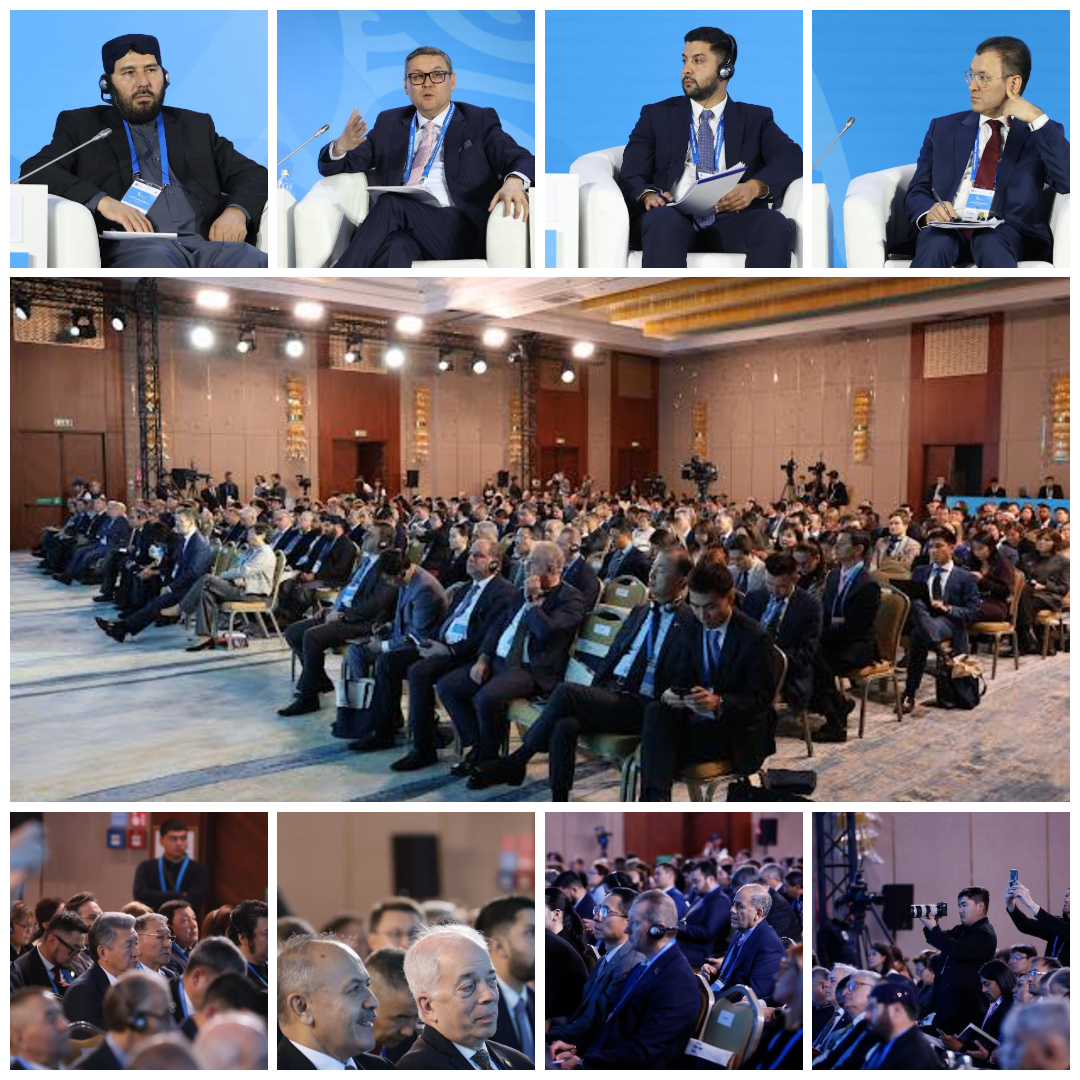
He underlined that each country has found its own effective approach to cooperation with Afghanistan, helping to strengthen mutual understanding and build lasting connections. Turkmenistan was among the first to resume bilateral trade relations. Tajikistan, demonstrating a responsible approach to the political situation in Afghanistan, continues electricity supplies and maintains trade links. Meanwhile, Kazakhstan and Kyrgyzstan have removed the Taliban from their national lists of terrorist organizations and are actively developing economic and humanitarian cooperation.
Javlon Vakhabov also stressed that since 2017, Uzbekistan has moved away from viewing Afghanistan solely as a source of threats, instead pursuing a policy of constructive engagement based on trust and partnership.
In this spirit, Tashkent has been advancing sustainable platforms to strengthen regional cooperation on Afghan-related issues. A vivid example was the first meeting of Special Representatives of the Central Asian countries on Afghanistan, held on August 26 of this year at Uzbekistan’s initiative.
He noted that a stable and interconnected Afghanistan serves the interests of the entire region. Uzbekistan consistently regards Afghanistan as an integral part of Central Asia, shaping its foreign policy around the principle “Stability through Connectivity.” This approach is based on good-neighborliness, respect for sovereignty, and non-interference in internal affairs, reflecting Uzbekistan’s firm commitment to a peaceful, stable, and economically resilient Afghanistan.
In this context, Uzbekistan today is leading the implementation of major transformational projects such as the Trans-Afghan Railway and the Surkhan–Puli Khumri Power Transmission Line, aimed at restoring Afghanistan’s historical role as a continental bridge between Central and South Asia.
According to Javlon Vakhabov, the Ayritom Free Economic Zone, established in 2024 in Termez and already visited by tens of thousands of Afghans, has become a hub for trade and humanitarian exchange. In 2024, Uzbekistan–Afghanistan trade volume exceeded USD 1.1 billion, a clear sign of the deepening partnership between the two countries.
Given the progress achieved in cooperation with Afghanistan, Javlon Vakhabov proposed convening an international business forum in the “B5+1” format with the participation of business communities from Central Asia and Afghanistan. Such a platform, he noted, could serve as an important mechanism for dialogue and coordination of efforts toward sustainable development and stability across the region.