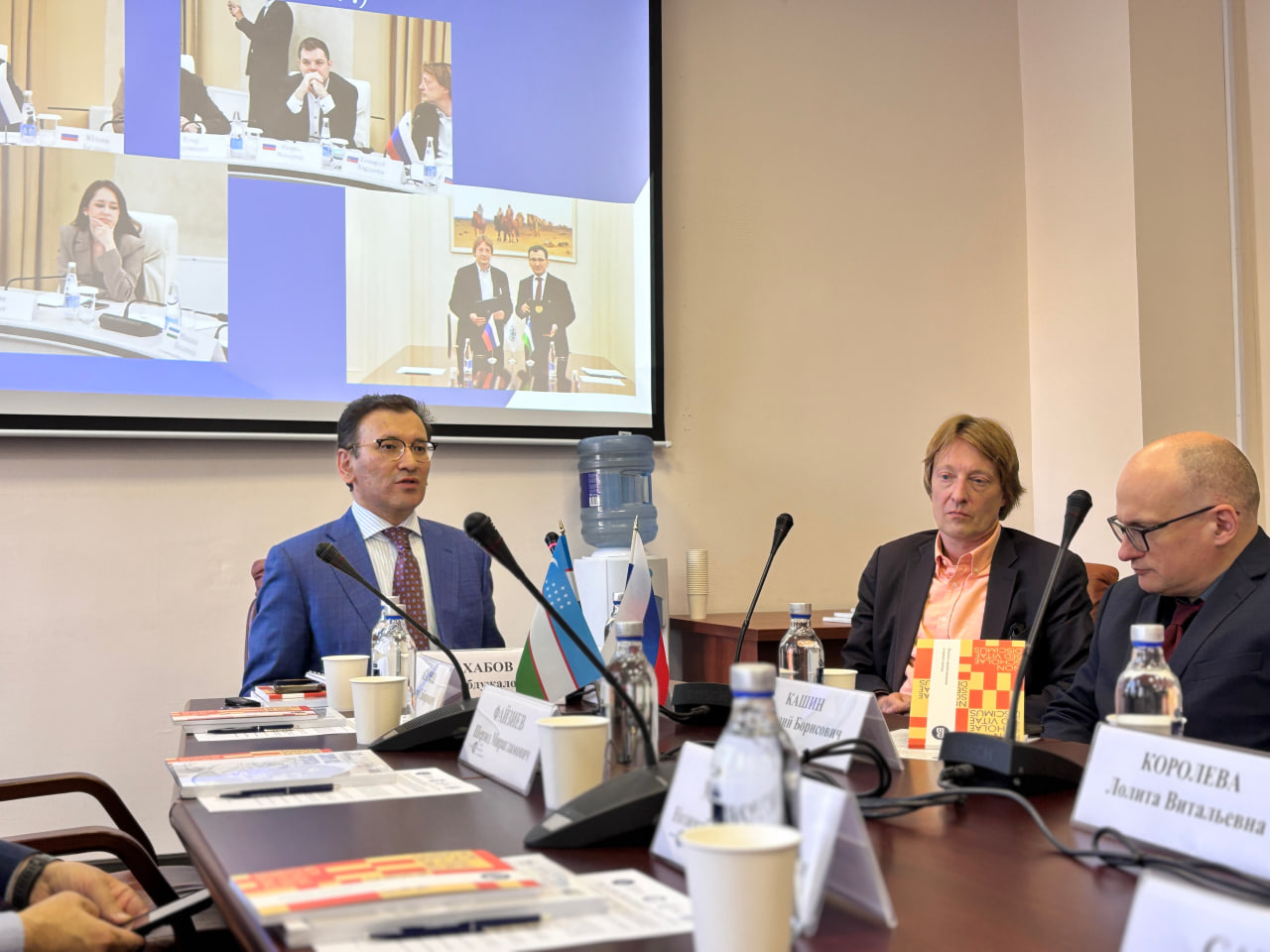
In his address, Director Vakhabov outlined the evolution of regional cooperation formats in Central Asia, emphasizing that over the past 7–8 years, the region has made significant progress in establishing a durable model of trust, resolving a number of historical disagreements, and fostering a conducive environment for regional consolidation.
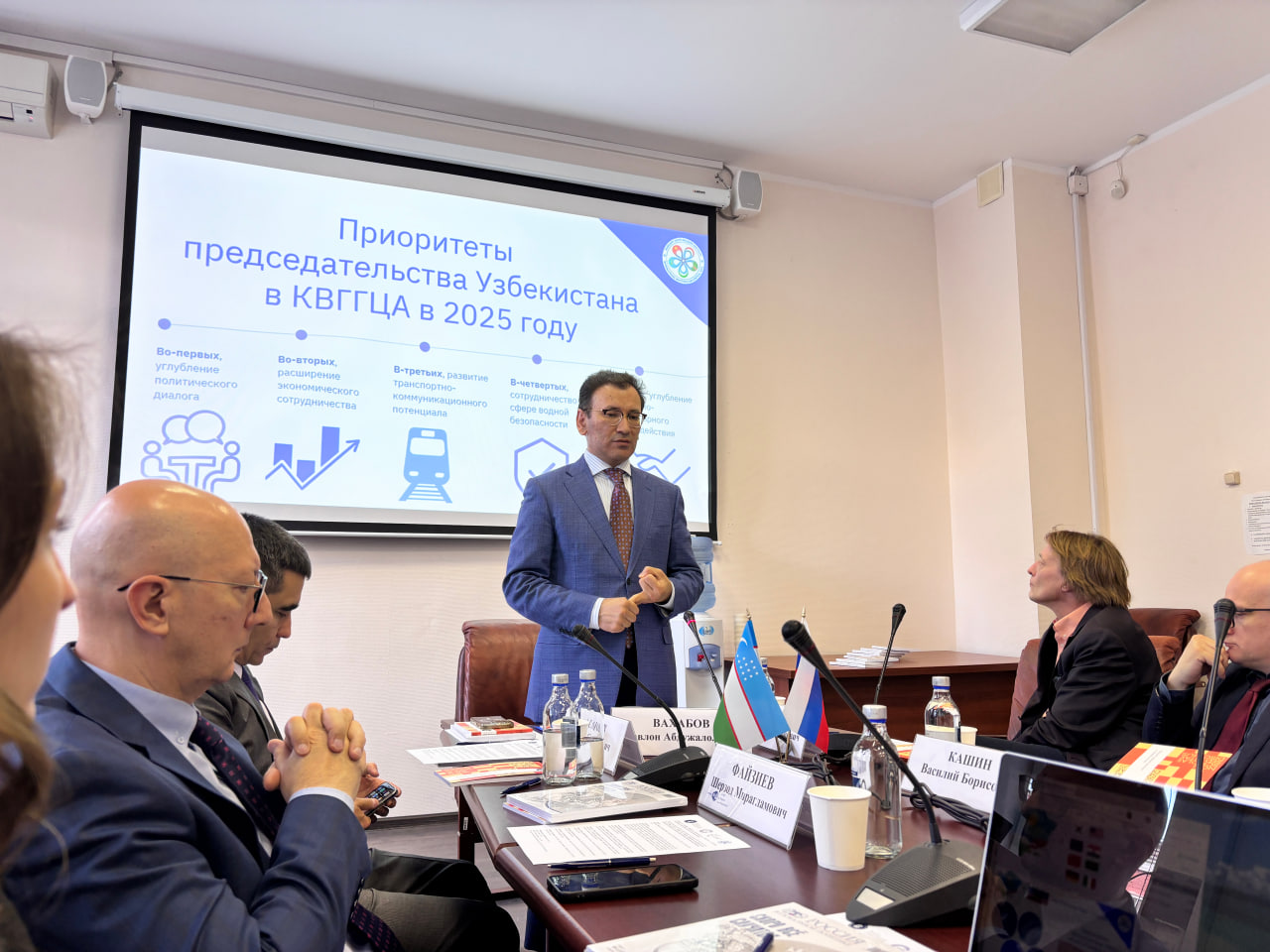
Particular attention was given to the Consultative Meetings of the Heads of State of Central Asia, which, according to Vakhabov, have emerged as a key mechanism for intraregional dialogue. He highlighted the outcomes of the summits held in Dushanbe (2023) and Astana (2024), which laid the groundwork for the institutionalization of regional cooperation, including the establishment of permanent coordination structures and the adoption of the “Central Asia 2040” Strategy.
Vakhabov elaborated on Uzbekistan’s chairmanship priorities for 2025, which include the development of transport connectivity, diversification of trade, ensuring water security, enhancing resilience to climate-related threats, and strengthening cooperation in response to transboundary challenges.
The lecture also addressed regional humanitarian initiatives, notably the promotion of a shared Central Asian identity and the proposal to launch a scientific forum focused on identity discourse.
A significant part of the presentation was devoted to the region’s foreign policy coordination efforts. Vakhabov underlined the growing role of the “Central Asia+” formats (with the EU, Germany, Italy, and India) and the importance of aligning regional initiatives with broader integration frameworks such as BRICS, the EAEU, and the CIS. He noted that such engagement contributes to a more flexible and pragmatic model of Eurasian cooperation.
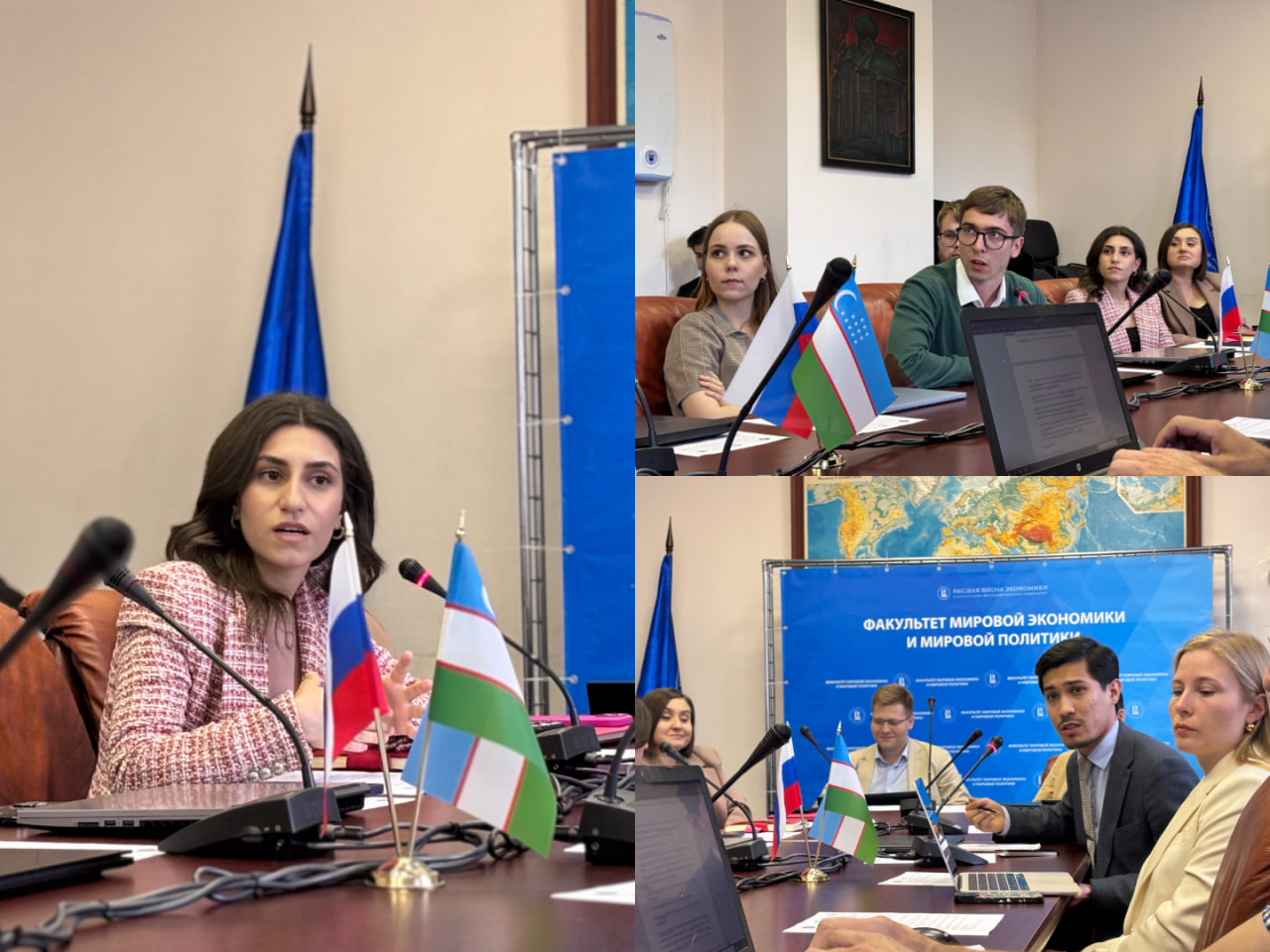
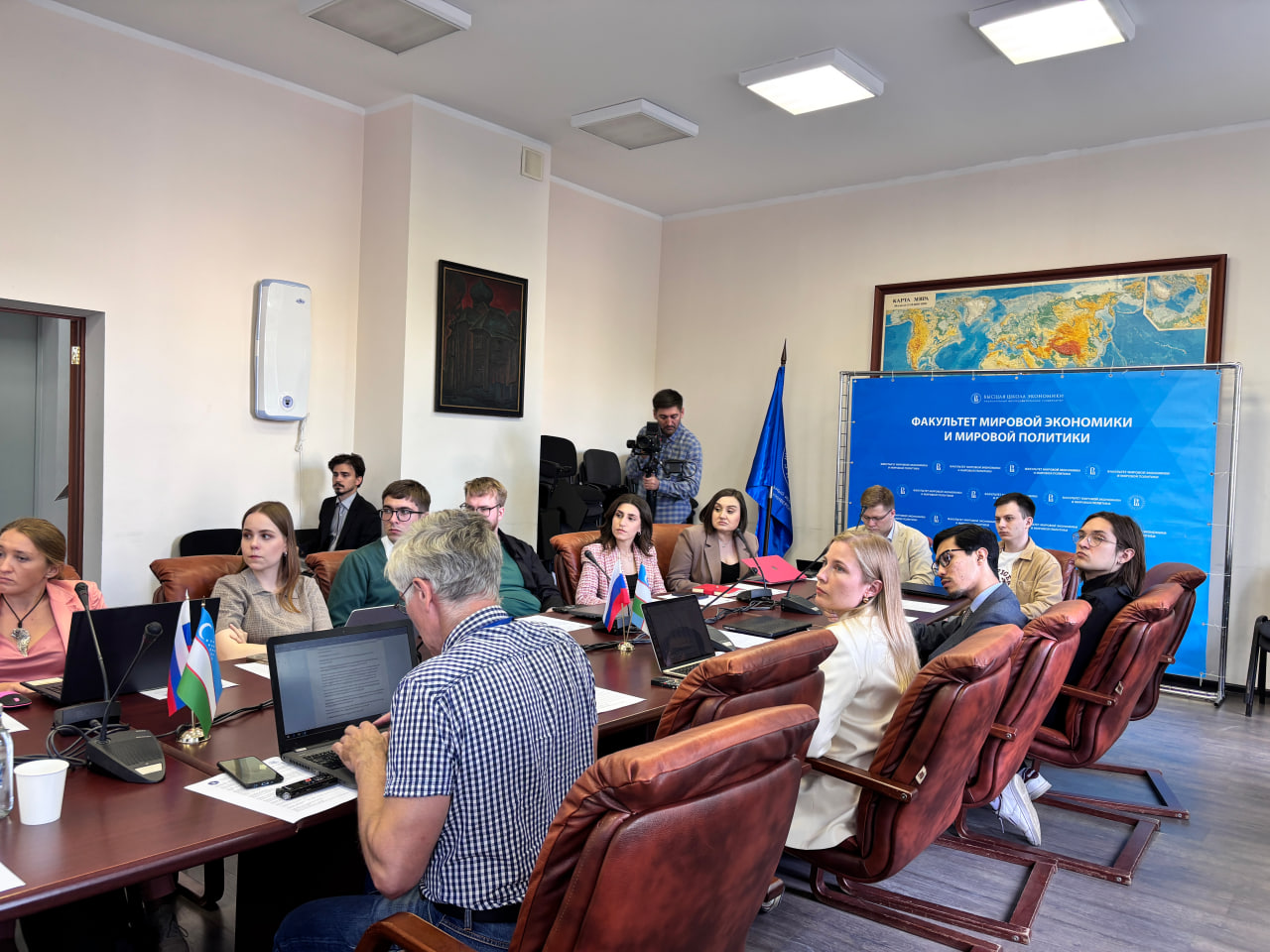
The lecture concluded with a dynamic Q&A session. Students, graduate researchers, and academic staff raised a wide range of questions—from the prospects of introducing a “Silk Visa” (analogous to the Schengen visa) to facilitate free movement across the region and measures for water security, to the development of regional identity and the role of expert communities in shaping strategic policy decisions.