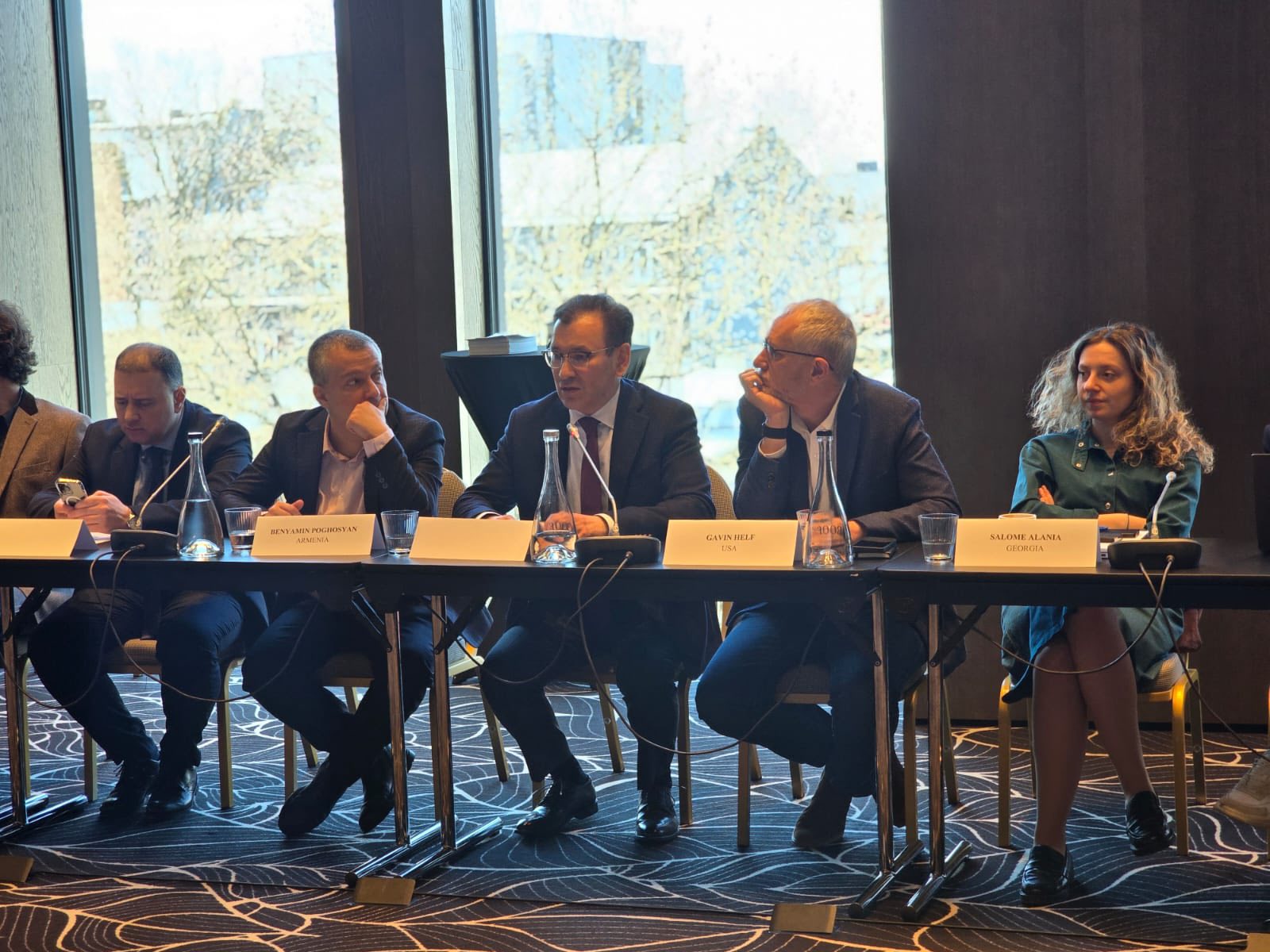
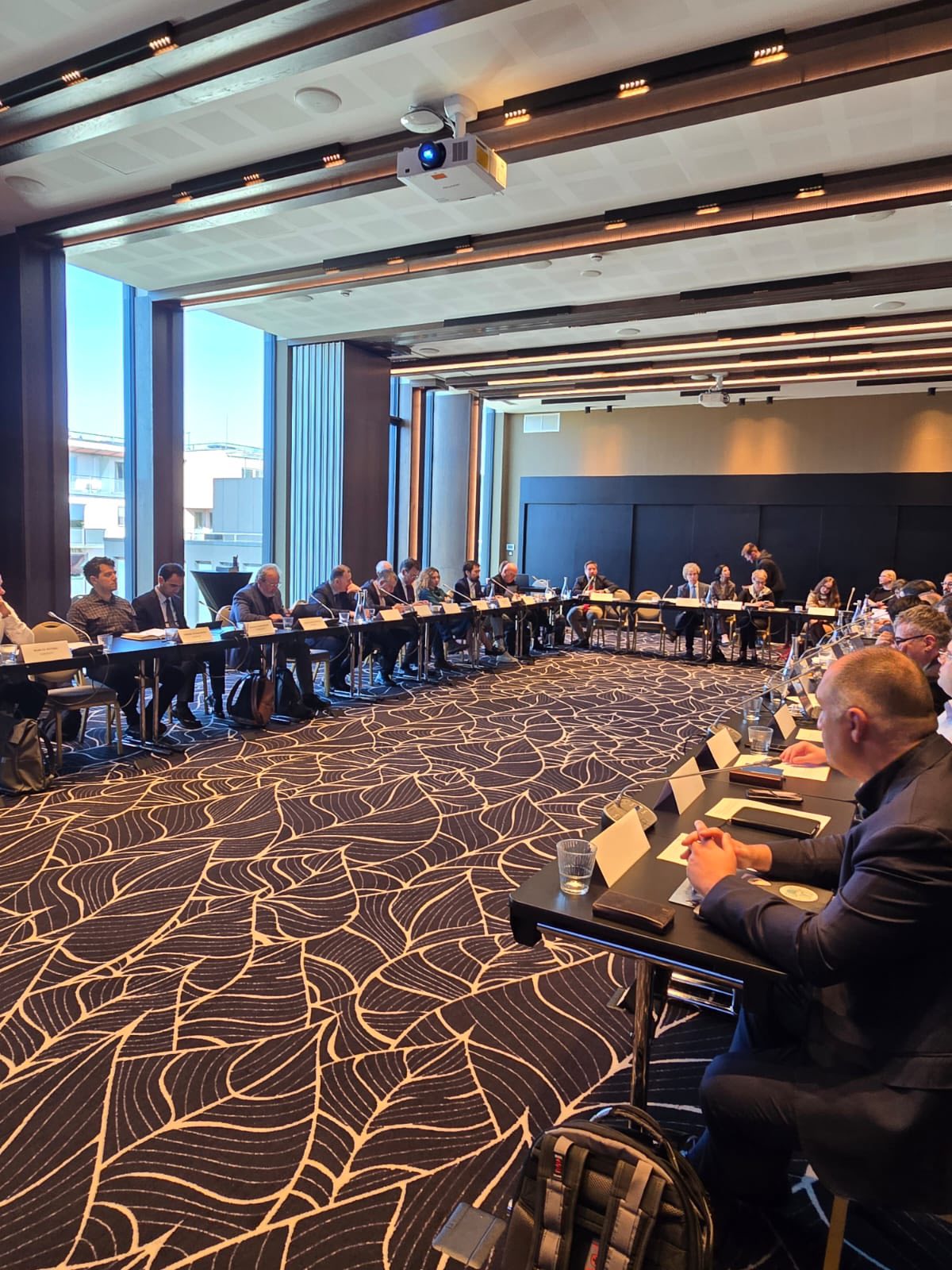
The event was organized by the Georgian Foundation for Strategic and International Studies, also known as the Rondeli Foundation, and the Estonian School of Diplomacy.
The conference brought together heads and experts of leading think tanks from Central Asia, the South Caucasus, as well as the United States, Türkiye, and Estonia.
In his remarks, Javlon Vakhabov noted that regional transformation in Central Asia is becoming irreversible, while Azerbaijan’s engagement in multilateral cooperation formats will open up additional opportunities for connectivity, economic growth, and joint efforts to address common challenges.
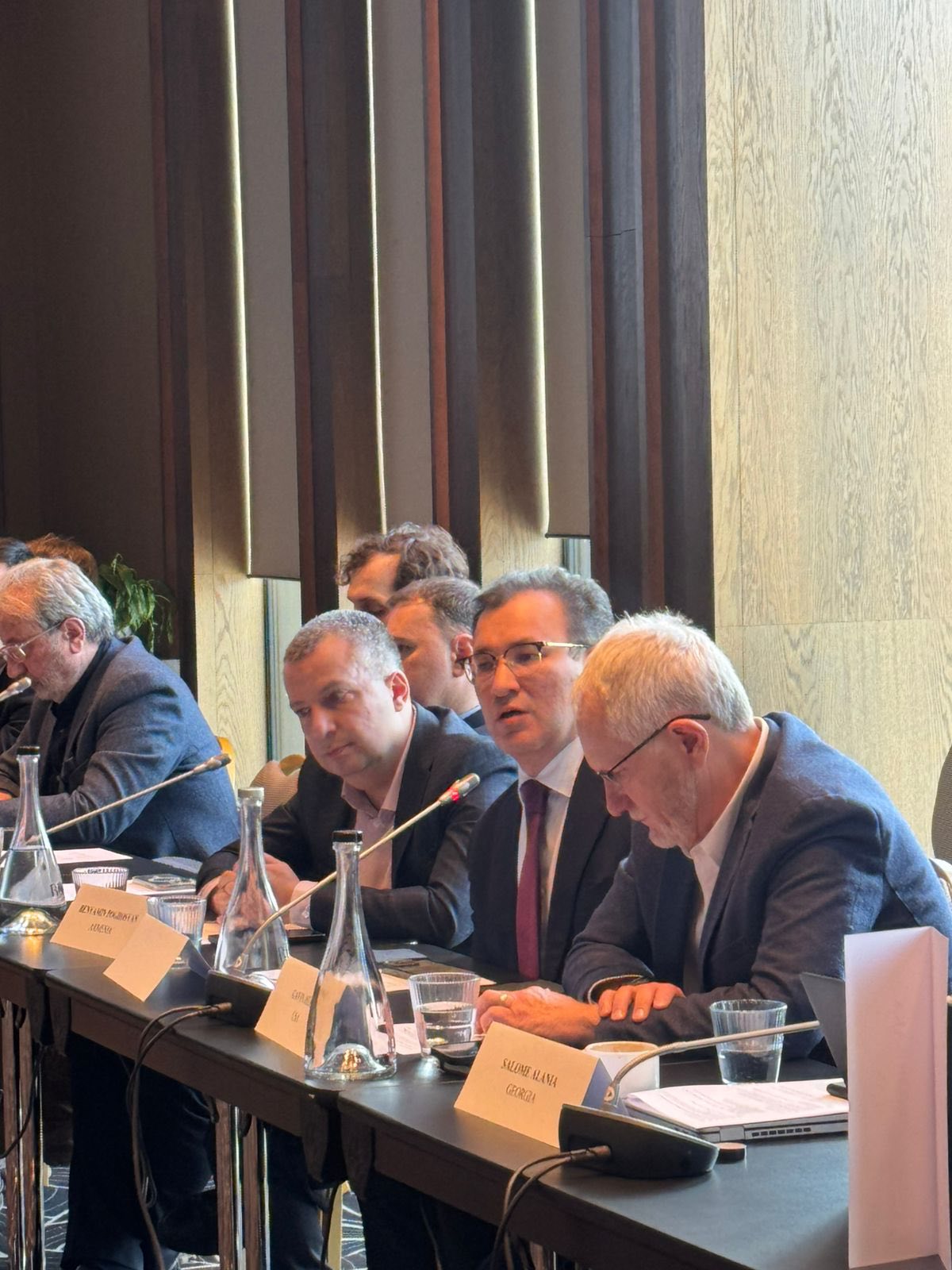
It was noted that the countries of Central Asia are consistently expanding the range of their external partnerships through “C5+” cooperation formats, which contribute to domestic modernization, greater resilience, and the fuller realization of the region’s potential.
According to the IICA Director, multi-vector foreign policy does not mean moving away from partners. Rather, it reflects the ability of states to make independent decisions, diversify external markets and sources of investment, and shape regional priorities based on their own interests.