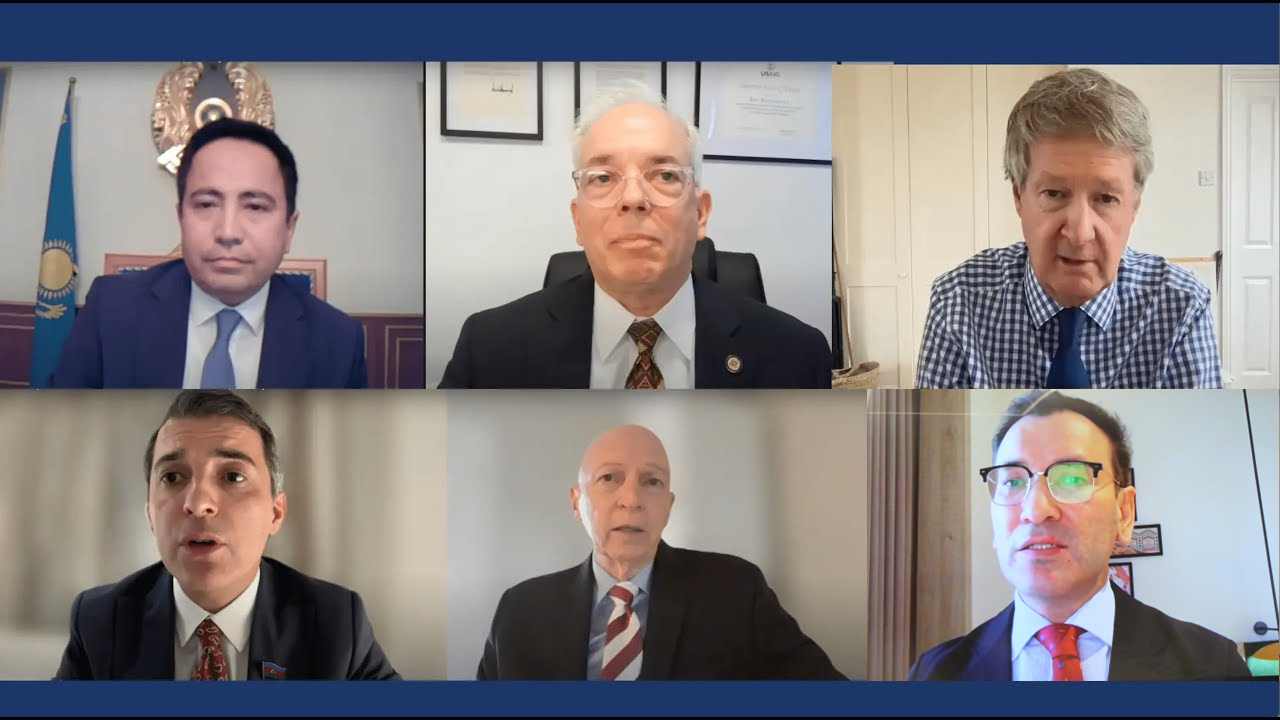
The event brought together diplomats, parliamentarians, and experts from Central Asia, the South Caucasus, the United States, and Europe. Discussions focused on deepening cooperation between Caspian region countries and international partners amid the region’s rising geopolitical importance and new initiatives in infrastructure, trade, and natural resource development.
During his remarks, IICA Director Javlon Vakhabov highlighted a significant increase in diplomatic activity in the Caspian Sea region and Central Asia in recent months. Against the backdrop of a global shift toward decarbonization, critical minerals are moving to the top of the international agenda, reaching a level of importance comparable to oil and gas in previous decades.
At the same time, Javlon Vakhabov noted, competition remains fierce in the global mineral resources market. In this context, Central Asia occupies a strategically important position as one of the world’s largest suppliers of key resources, including uranium, lithium, and rare earth elements.
Looking ahead, Javlon Vakhabov stated that competition for access to mineral resources will drive significant changes in the region over the next five years. He noted that the growth in mineral exports is already transforming the economies of Kazakhstan, Uzbekistan, Kyrgyzstan, and Tajikistan, and is raising expectations for transparency, corporate responsibility, and reforms in the mining sector.
In closing, the IICA Director emphasized the need to move beyond the “extract-and-export” model, calling for investment in infrastructure, workforce development, and technological cooperation to foster processing and innovation-driven industries. Transparent rules, ESG standards (environmental, social, and corporate governance), trust among partners, and long-term joint projects are all critical, he noted. With effective coordination through initiatives such as the “Central Asia+” dialogue on critical minerals, the region can become not only a supplier of raw materials but also a major player in green technologies and sustainable development.