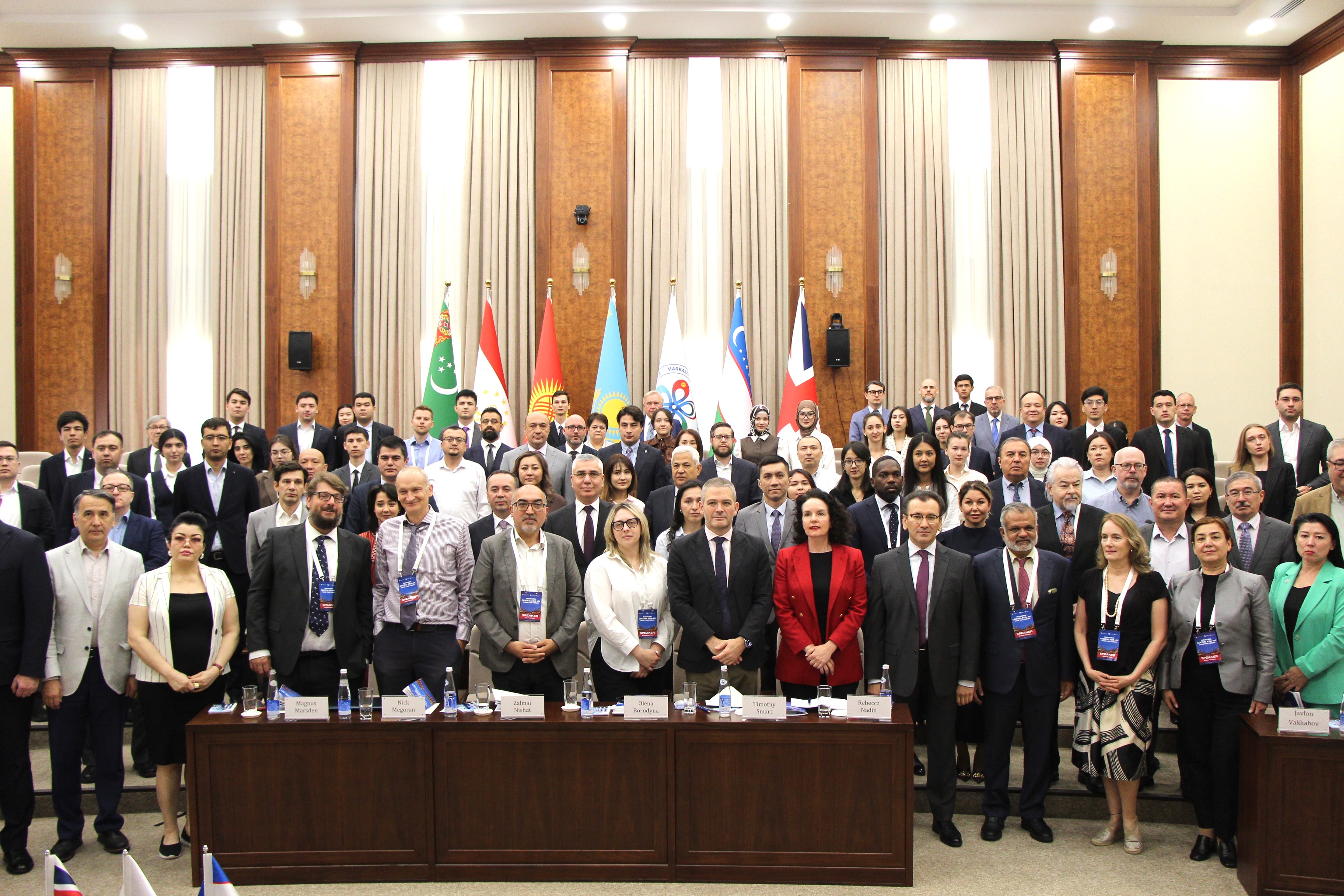
The first area of discussion focused on Eurasian transport connectivity. In this context, Rebecca Nadin, Director of the Global Risks and Resilience Programme at ODI Global, highlighted the growing potential of the Middle Corridor.
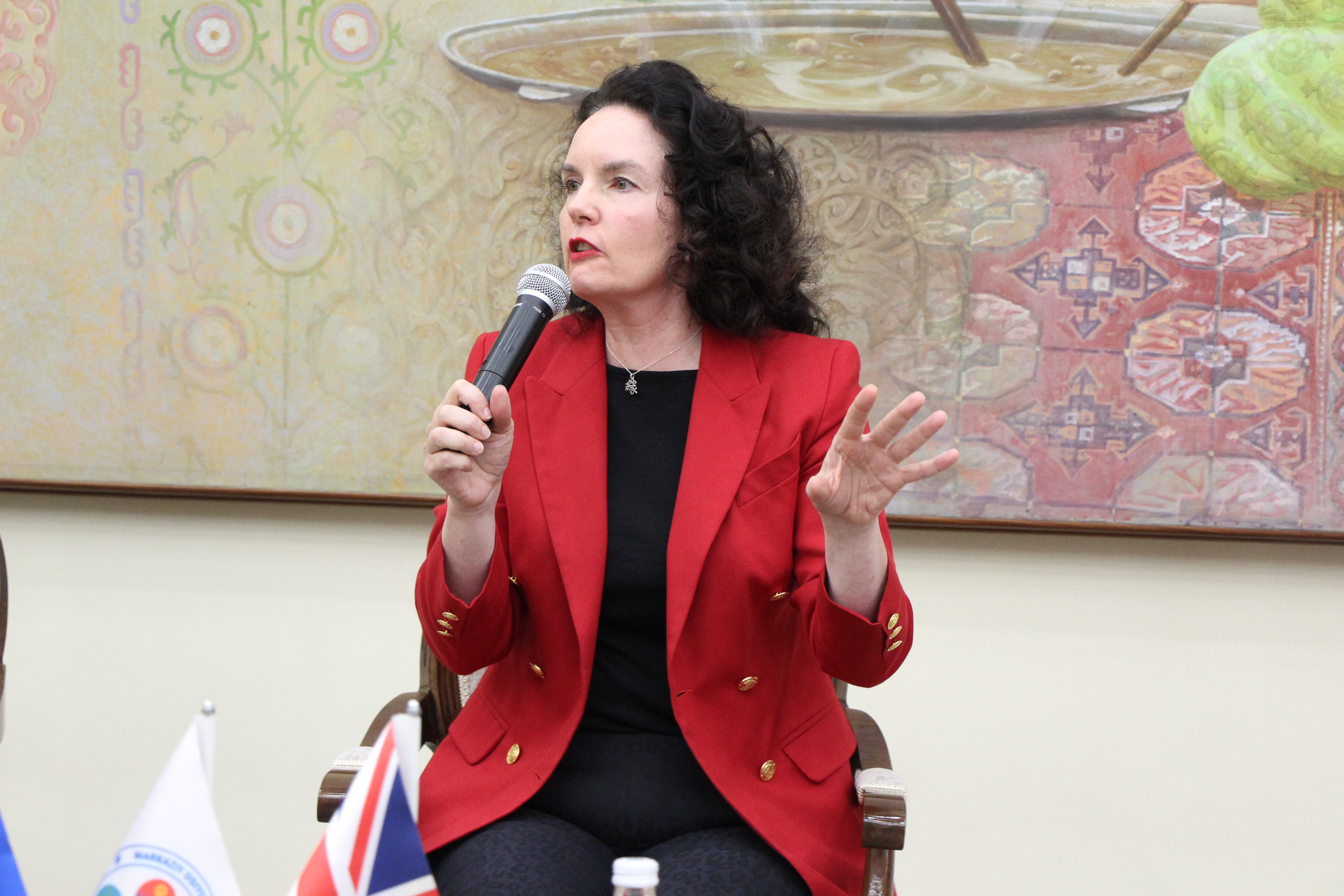
According to her, freight volumes along the route increased from 0.8 million tonnes in 2020 to 4.1 million tonnes in 2025, while the corridor’s capacity could reach 11 million tonnes by 2030.
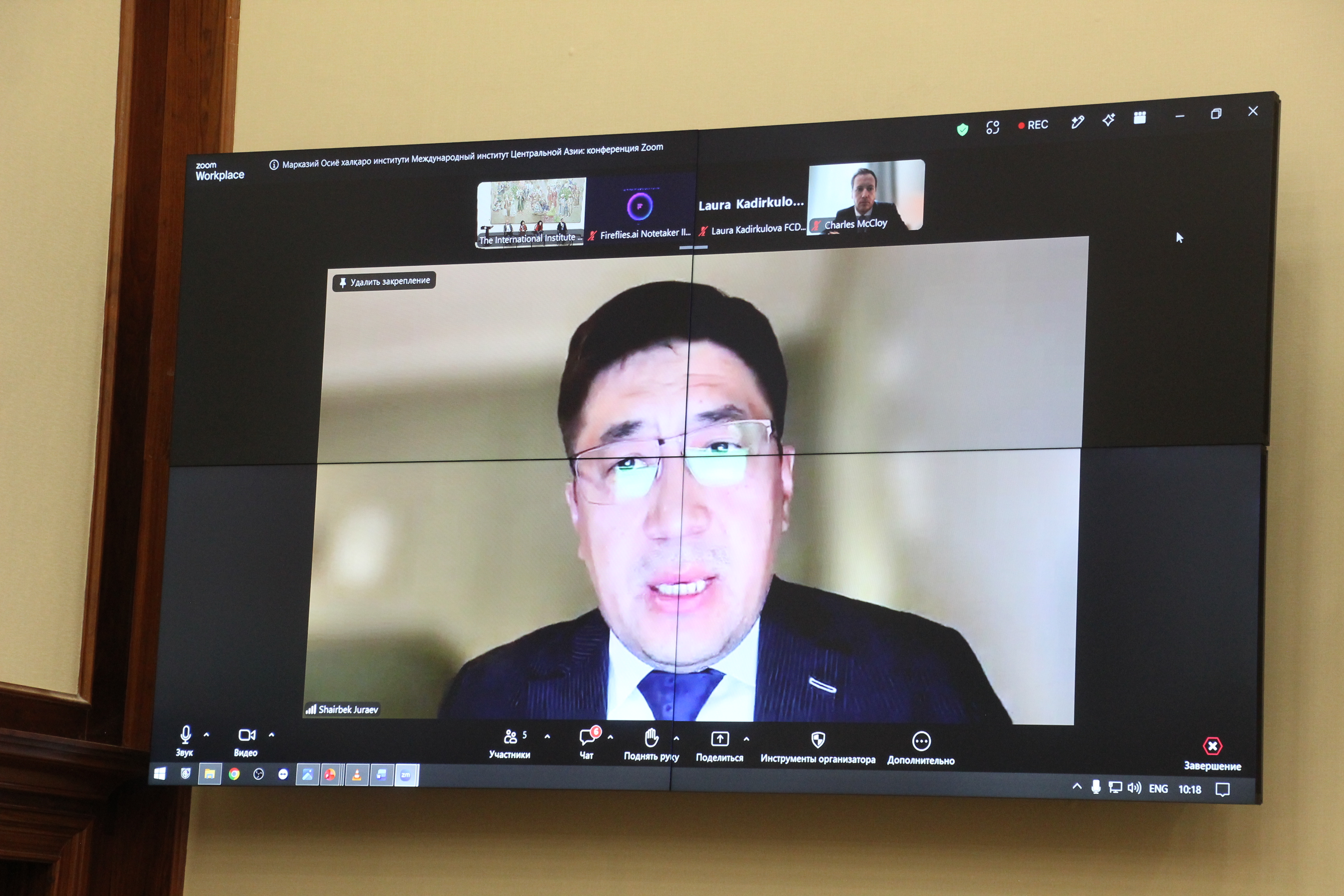
Shairbek Juraev, President of Crossroads Central Asia (Kyrgyzstan), called for the Middle Corridor to be viewed as more than a standalone transport project. He argued that it represents both stronger connectivity within the region and Central Asia’s integration into global transport routes.
Aknur Saparova, Head of Logistics and International Operations at Ykjam Hereket (Turkmenistan), drew attention to the role of professional expertise in improving the performance of the Middle Corridor, particularly in risk management, routing and the digital management of freight operations.
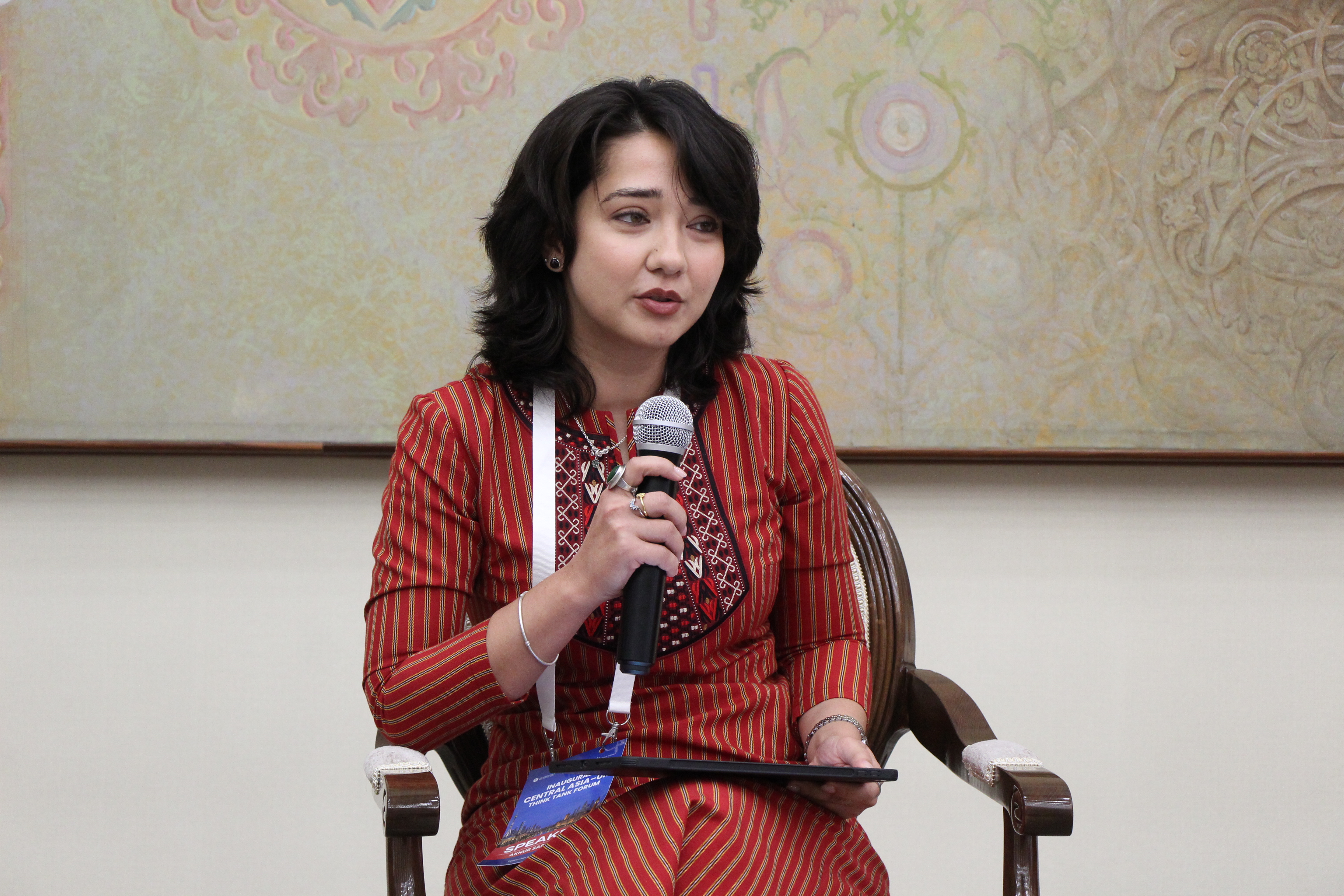
According to her, modern tracking and monitoring systems enhance transparency and make logistics processes more predictable, creating demand for specialists in risk management and supply-chain management. Developing these competencies, she noted, directly improves the reliability and efficiency of the entire route.
Participants also examined opportunities to expand investment cooperation and strengthen the legal environment for international investors.
Zhanar Gabdullina, Deputy Director of the Kazakhstan Institute for Strategic Studies, noted the growing interest of international companies in Central Asia, which is increasingly viewed as a single investment space rather than a collection of separate markets.
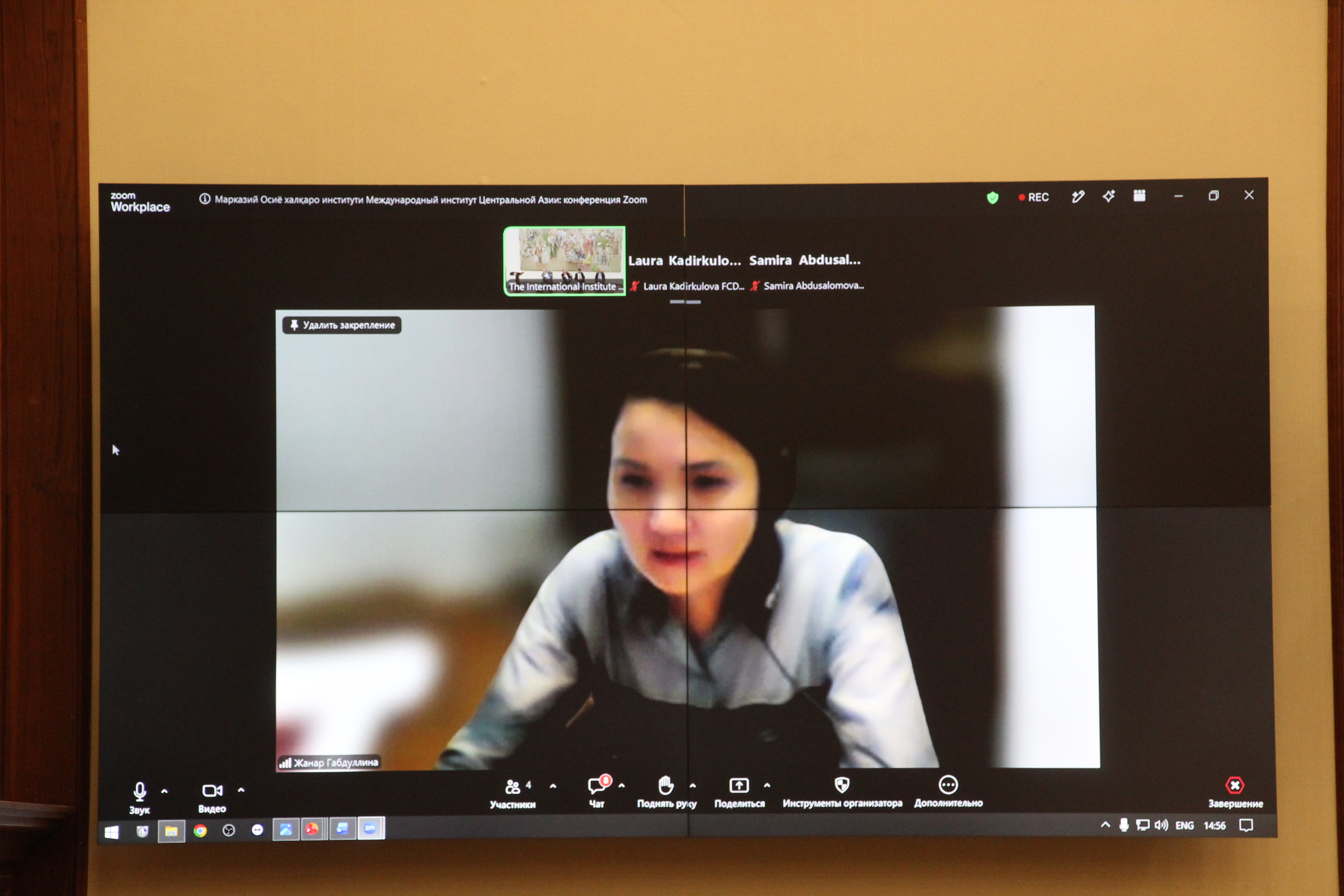
She attributed this trend to the region’s gradual alignment around internationally recognised regulatory standards, which, while preserving national legal traditions, makes it considerably easier for businesses to operate across several countries.
David Lewis, Senior Political Adviser at the European Bank for Reconstruction and Development, provided data illustrating this trend. According to him, Central Asia is the fastest-growing region across the Bank’s countries of operation, with economic growth expected to exceed 5% this year.
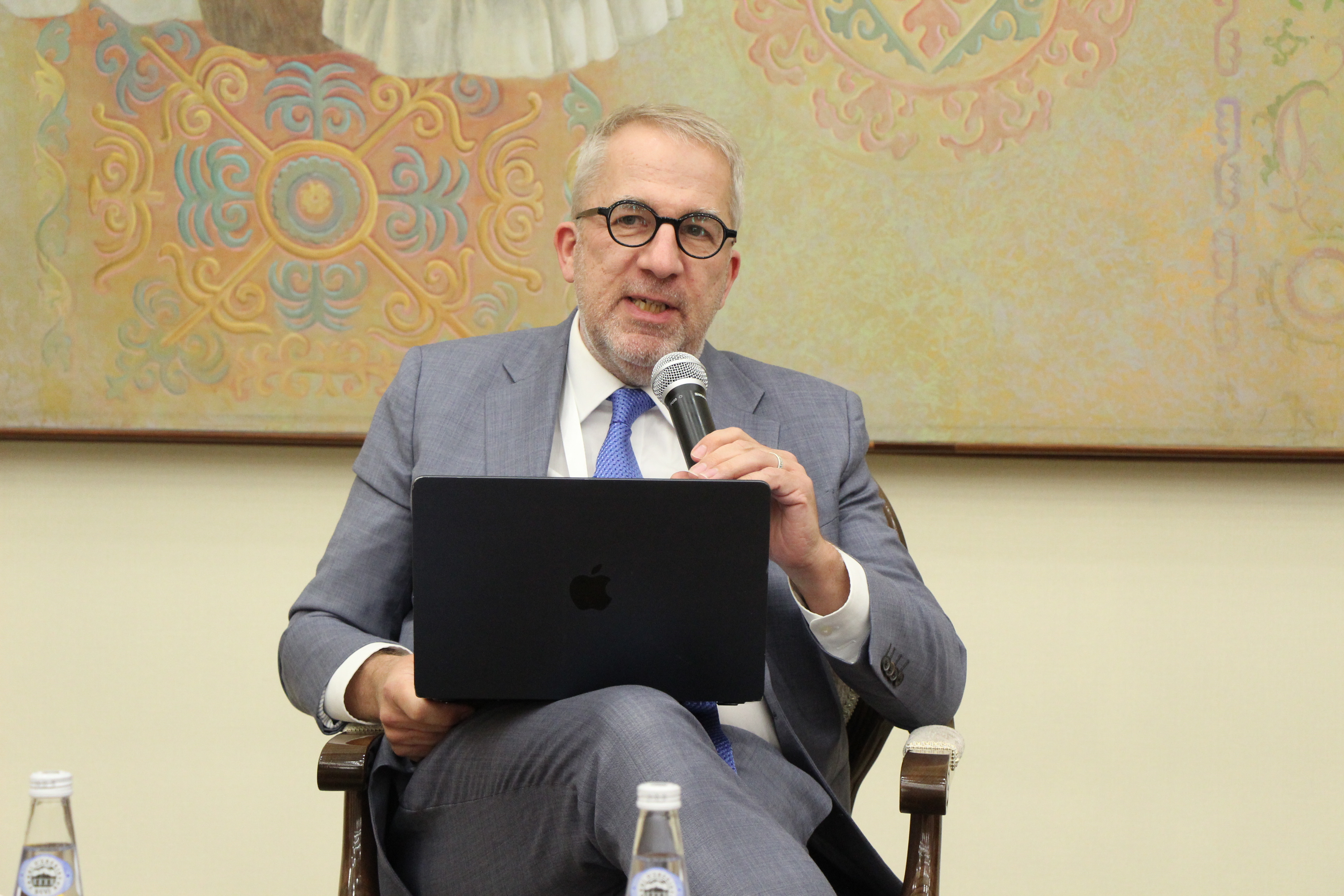
In 2025, the EBRD invested approximately $2 billion in the region, primarily in the private sector and local companies. Uzbekistan remains the Bank’s largest recipient in Central Asia, with annual investment exceeding $1 billion.
The concluding area of discussion, devoted to “human bridges”, covered education, academic exchanges, professional skills and safe labour mobility.
Aikumush Sarkobenova, Head of the Social Development Department at the National Institute for Strategic Initiatives of Kyrgyzstan, proposed addressing these areas as part of an integrated human capital development agenda.
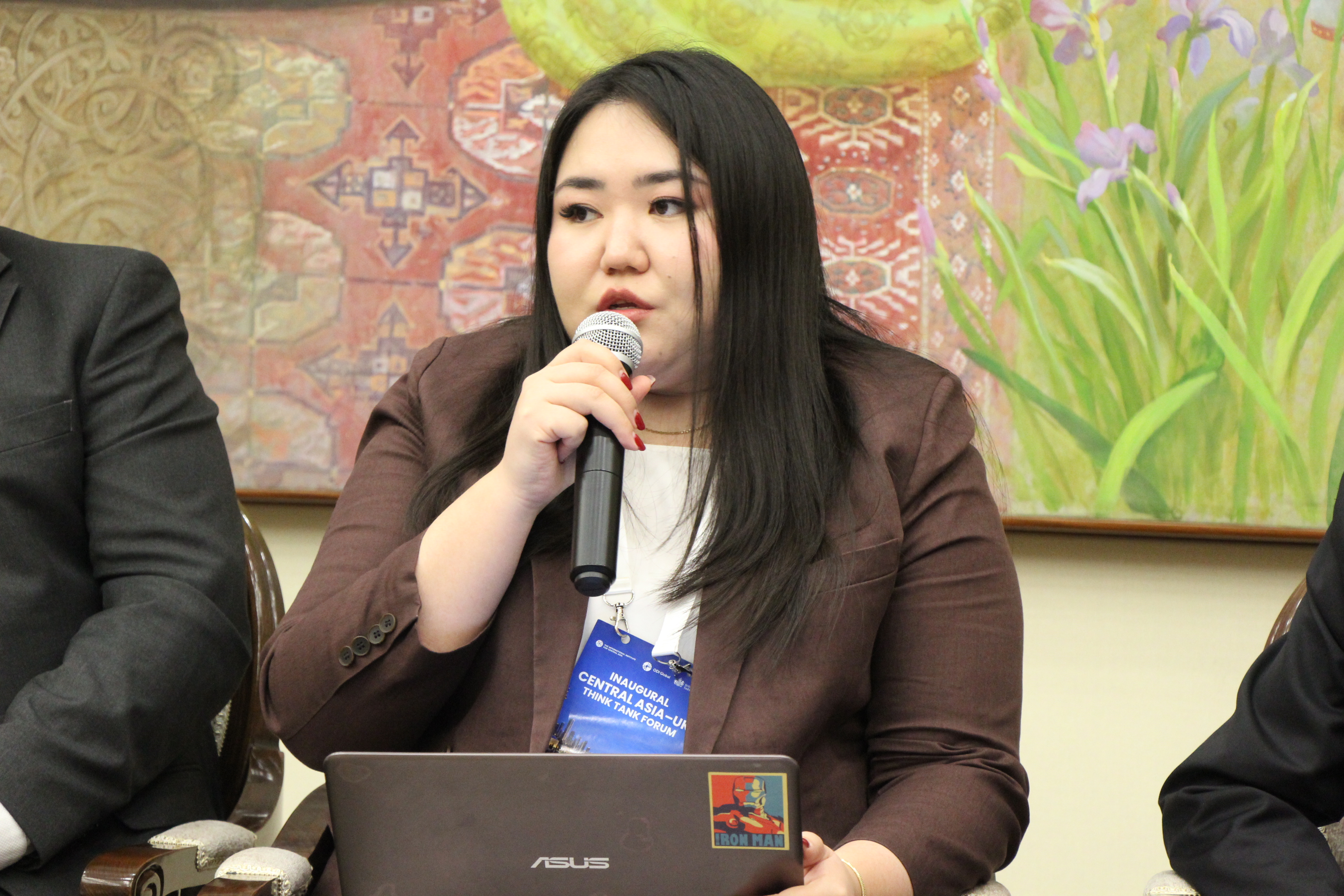
She identified English-language teacher training as the most practical avenue for cooperation with the United Kingdom, noting that strengthening teachers’ professional capacity benefits substantially more people than supporting individual students, particularly in rural areas.
Bekdurdy Amansaryev, Senior Research Fellow at the Center for Strategic Studies of Turkmenistan, presented examples of programmes already under way. According to him, an accelerated English-language learning programme supported by the British Council is being implemented across several Turkmen universities in partnership with UK universities. In addition, Chevening alumni launched a regional platform in 2026 bringing together participants from Kazakhstan, Kyrgyzstan, Tajikistan and Uzbekistan.
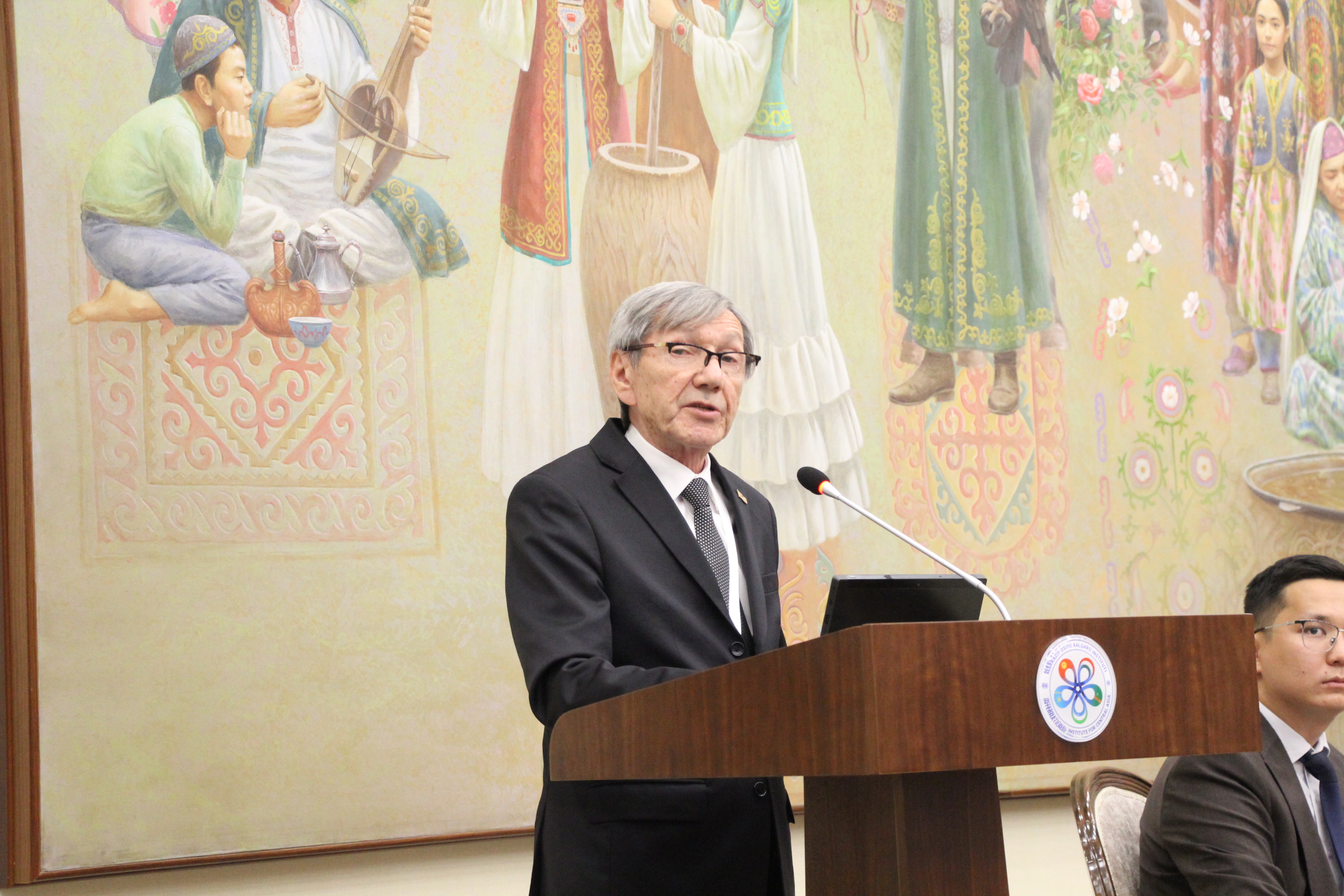
At the conclusion of the Forum, participants agreed that the growing engagement between Central Asia and the United Kingdom should be underpinned by expert analysis and that the proposals developed during the discussions could provide a basis for joint research and practical projects.
Participants also supported placing the Forum on a regular footing and expanding direct links between think tanks in Central Asia and the United Kingdom.