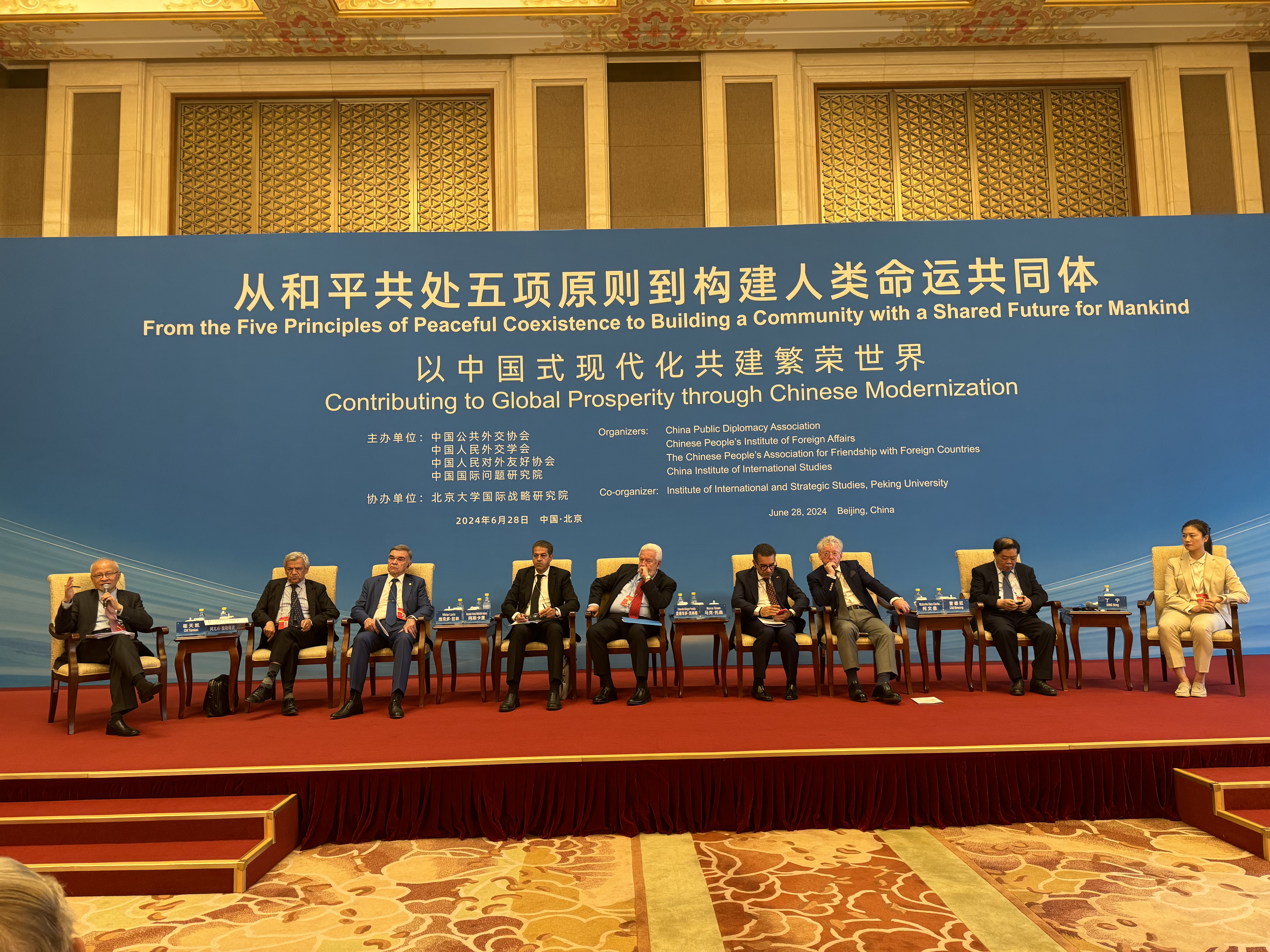
On June 28 this year, an anniversary meeting and international conference were held in Beijing to commemorate the 70th anniversary of the proclamation of the Five Principles of Peaceful Coexistence.
More than 600 people, including former leaders of Vietnam, Myanmar, Brazil, France, France and other countries, representatives of international and regional organizations, members of the diplomatic corps from more than 100 countries, Chinese and foreign experts and scholars, media figures and business leaders, attended the events.
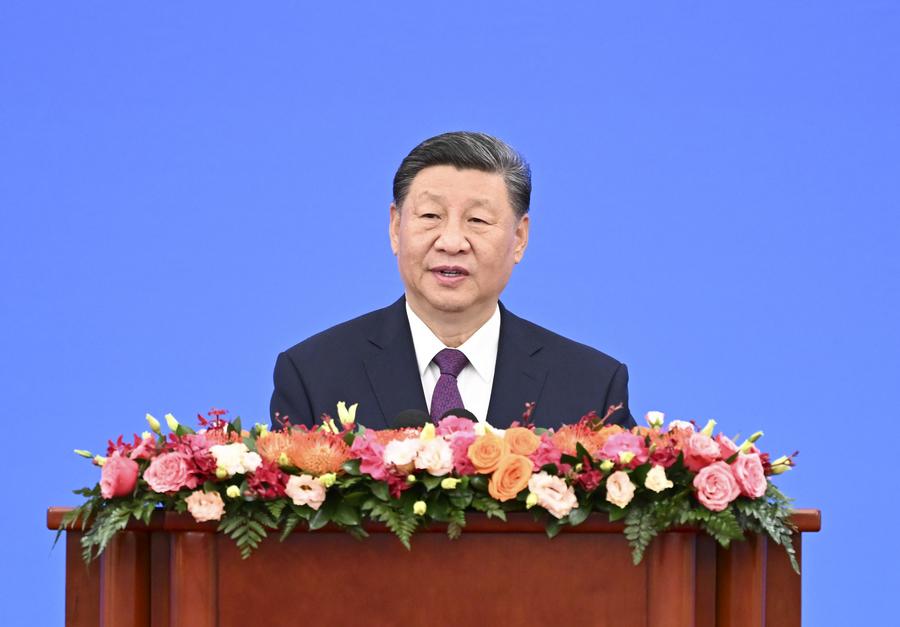
Chinese President Xi Jinping's speech at the anniversary gathering noted that the five principles of peaceful coexistence have become open, inclusive and universal norms of international relations and fundamental principles of international law.
The Chinese leader emphasized that the five principles fully reflect the goals and principles of the UN Charter. They were included in the "Declaration on Principles of International Law" and the "Declaration on the Establishment of a New International Economic Order" adopted at the UNGA sessions in 1970 and 1974. Their enshrinement in important international documents shows that the principles of peaceful coexistence are widely recognized around the world and observed as a criterion for international relations," said the President of the People's Republic of China.
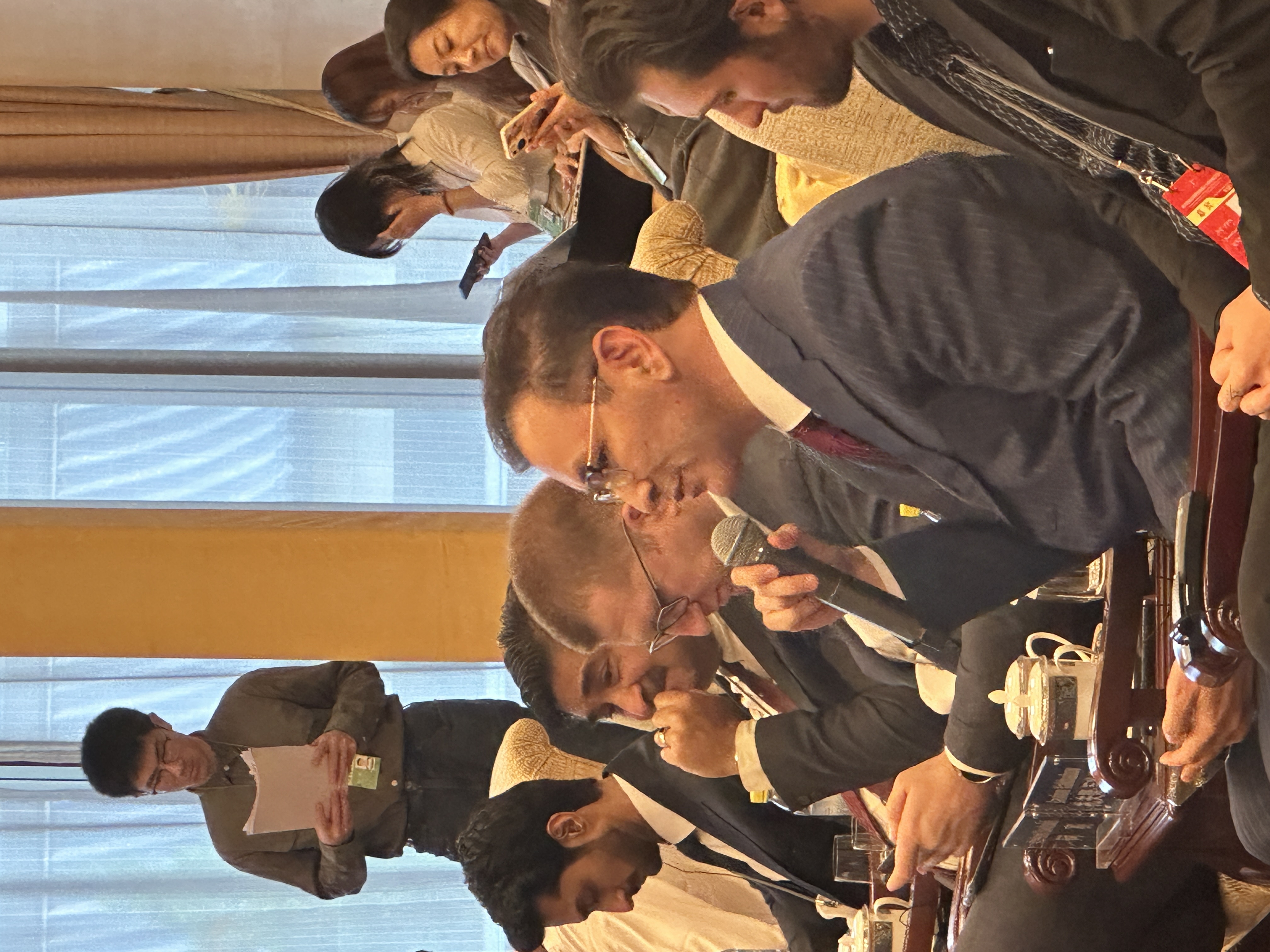
Director of the International Institute of Central Asia (IICA) Javlon Vakhabov in his speech at the thematic session of the conference "Mutual Benefit: Chinese Practice Creates New Opportunities for the World" emphasized that China's achievements on the path of reform and development can be applied globally, including in the context of Uzbekistan.
It was noted that through the implementation of the transformation program, China has managed to lift about 850 million people out of poverty, eradicate extreme poverty and become a global economic power.
This transformation has been achieved through a combination of reforms in agriculture, industry and other sectors, economic diversification, infrastructure development and targeted poverty reduction programs. In foreign policy, guided by the five principles of peaceful coexistence, China has created a stable external environment for economic growth and development," said the IICA Director.
J. Vakhabov emphasized that Uzbekistan under the leadership of President Shavkat Mirziyoyev since 2016 has embarked on the path of reforms and regional cooperation. The positive changes that have taken place since then, including a 40% increase in the aggregate GDP of Central Asian countries and a nearly 3-fold increase in mutual trade, reflect our commitment to growth and development.
As was emphasized at the forum by the representative of IICA, taking into account China's experience and other best practices from around the world, our country continues its efforts to diversify the economy, increase investment in infrastructure, modernize agriculture through reforms, involve the private sector in programs to create jobs and stimulate economic growth, and increase investment in education and vocational training.
The IICA director emphasized that "China's poverty alleviation methods and strategies have helped make significant progress in Uzbekistan, reducing poverty from 17% in 2021 to 11% in 2023." "By adopting more of China's targeted approaches, such as vocational training, entrepreneurship support and land allocation, we can further reduce poverty," said the head of our country's think tank.
In conclusion, Vakhabov stressed that integrating Chinese lessons of modernization, as well as the successful experience of other countries, into Uzbekistan's development strategy "can help us achieve sustainable economic growth, reduce poverty and generally improve the quality of life of our citizens".