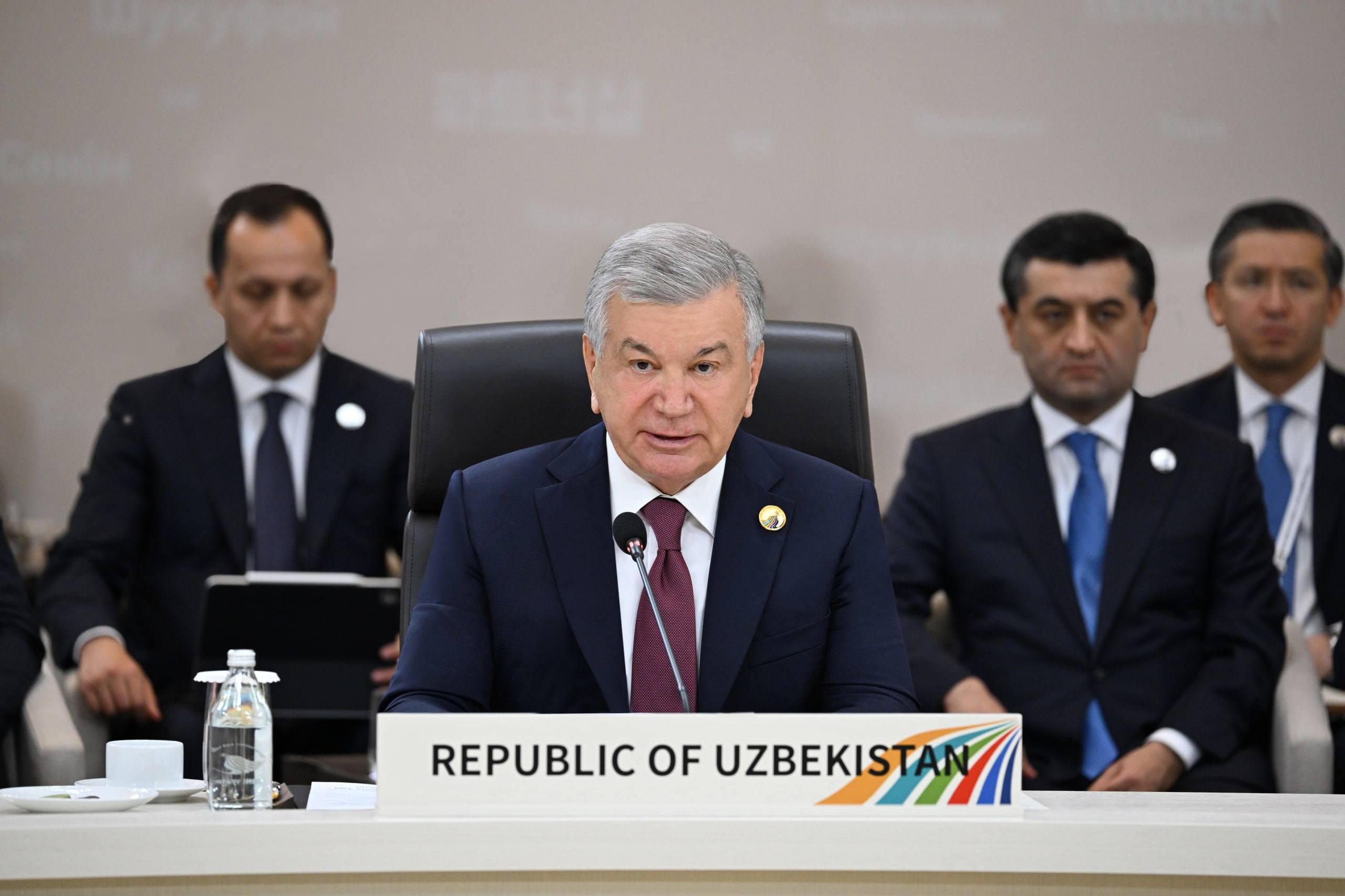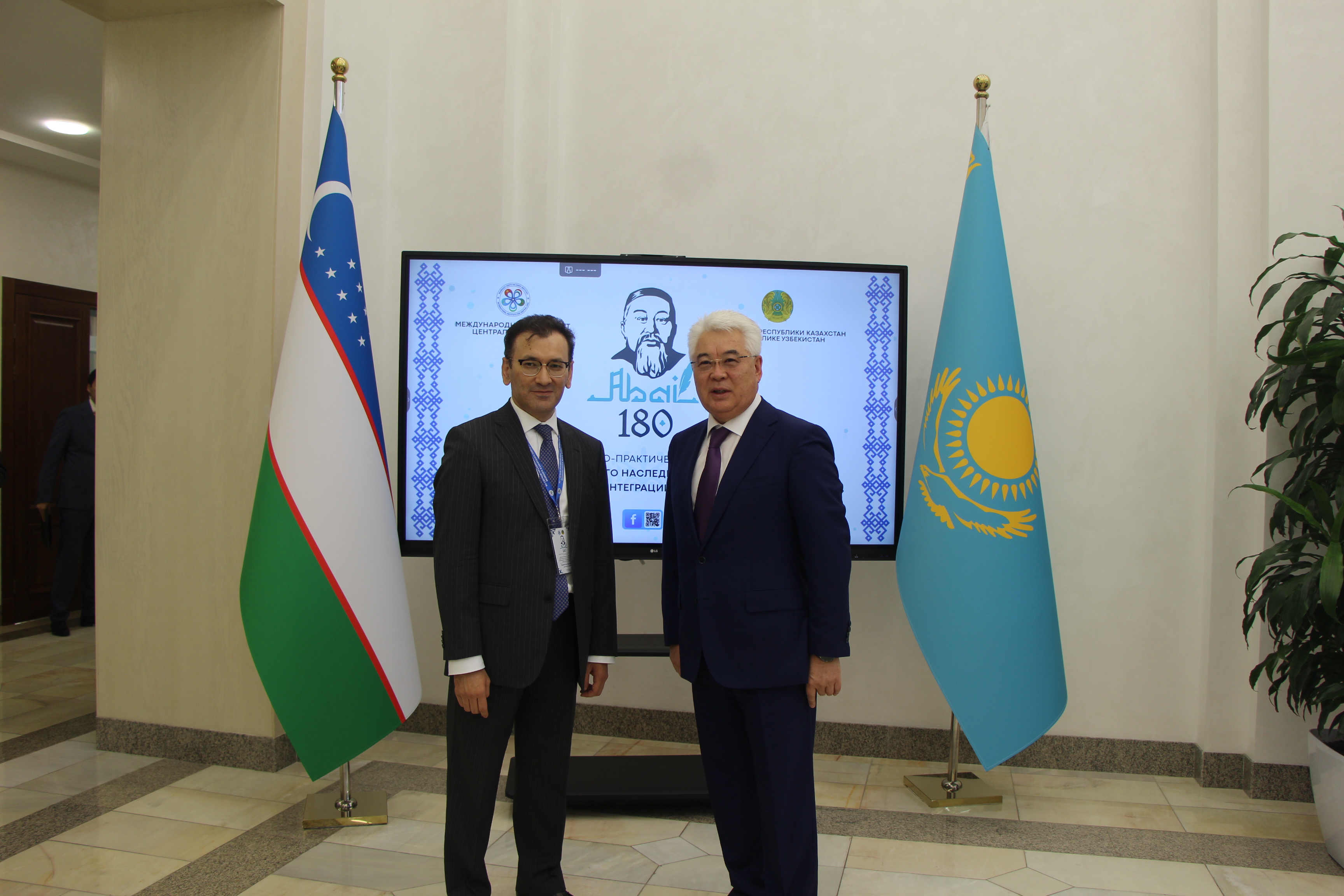
The event holds a special place in the region’s cultural and humanitarian agenda, serving as an important platform for interaction among representatives of state institutions, the diplomatic corps, academic and creative circles, as well as the student and scholarly communities.
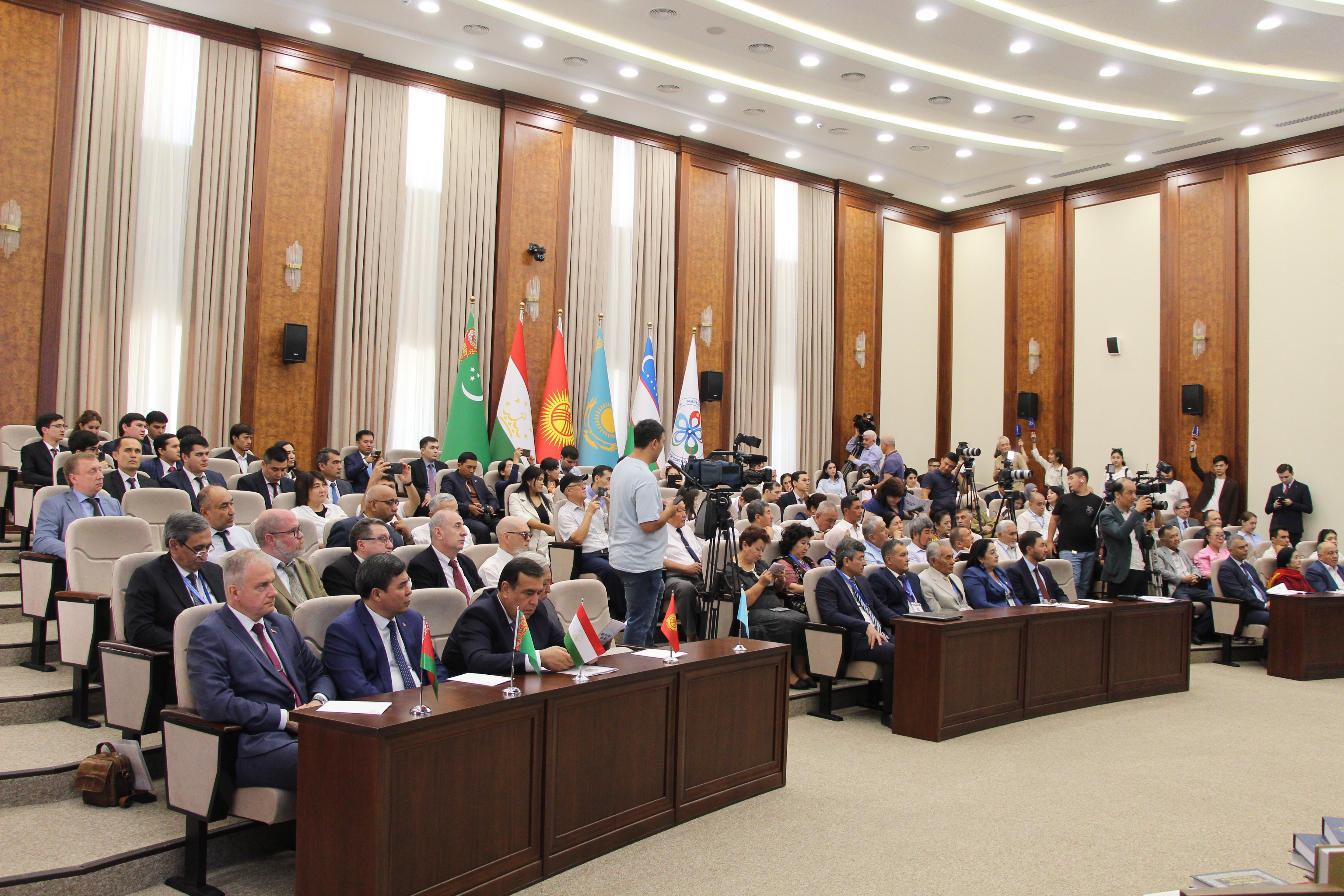
Among the participants are researchers, writers, translators, and cultural figures from Central Asian countries, international organizations, and cultural centers of Kazakh, Kyrgyz, Tajik, Turkmen, Azerbaijani, Belarusian, Russian, Tatar, and Bashkir communities in Uzbekistan.
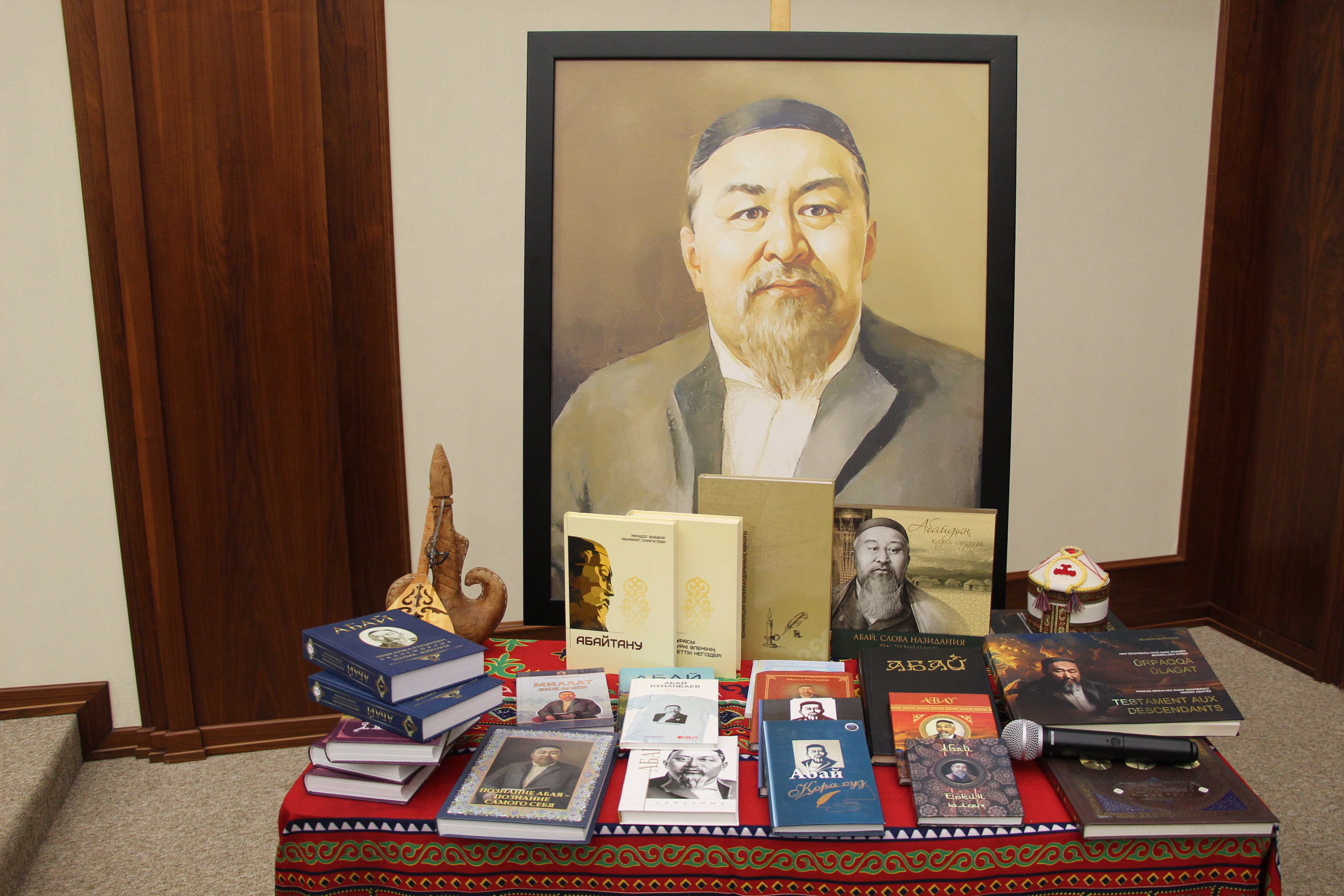
At the heart of the discussions is the 180th anniversary and multifaceted legacy of Abai Qunanbaiuly — an outstanding Kazakh poet, thinker, and reformer. His reflections on humanity, society, education, and moral values remain deeply relevant in the 21st century, continuing to inspire interstate dialogue and cultural cooperation. Abai’s humanistic principles, expressed through his poetry and “Words of Edification,” form a solid foundation for fostering mutual understanding among nations, enriching spiritual culture, and advancing the ideals of harmonious coexistence — a goal of particular importance in the face of global challenges and growing interdependence.
Participants emphasize that Abai’s creative work is not only a part of Kazakhstan’s cultural heritage but also a shared treasure of all Central Asia, uniting its peoples through common values, historical memory, and a shared pursuit of knowledge. The conference provides a venue for exchanging scholarly perspectives, cultural interpretations, and developing practical initiatives aimed at promoting his ideas among youth, academic circles, and the wider public.
This gathering strengthens cultural and humanitarian ties, expands the horizons of intercultural dialogue, and demonstrates that the legacy of great thinkers can serve as a lasting bridge between the past and the future of the peoples of Central Asia.