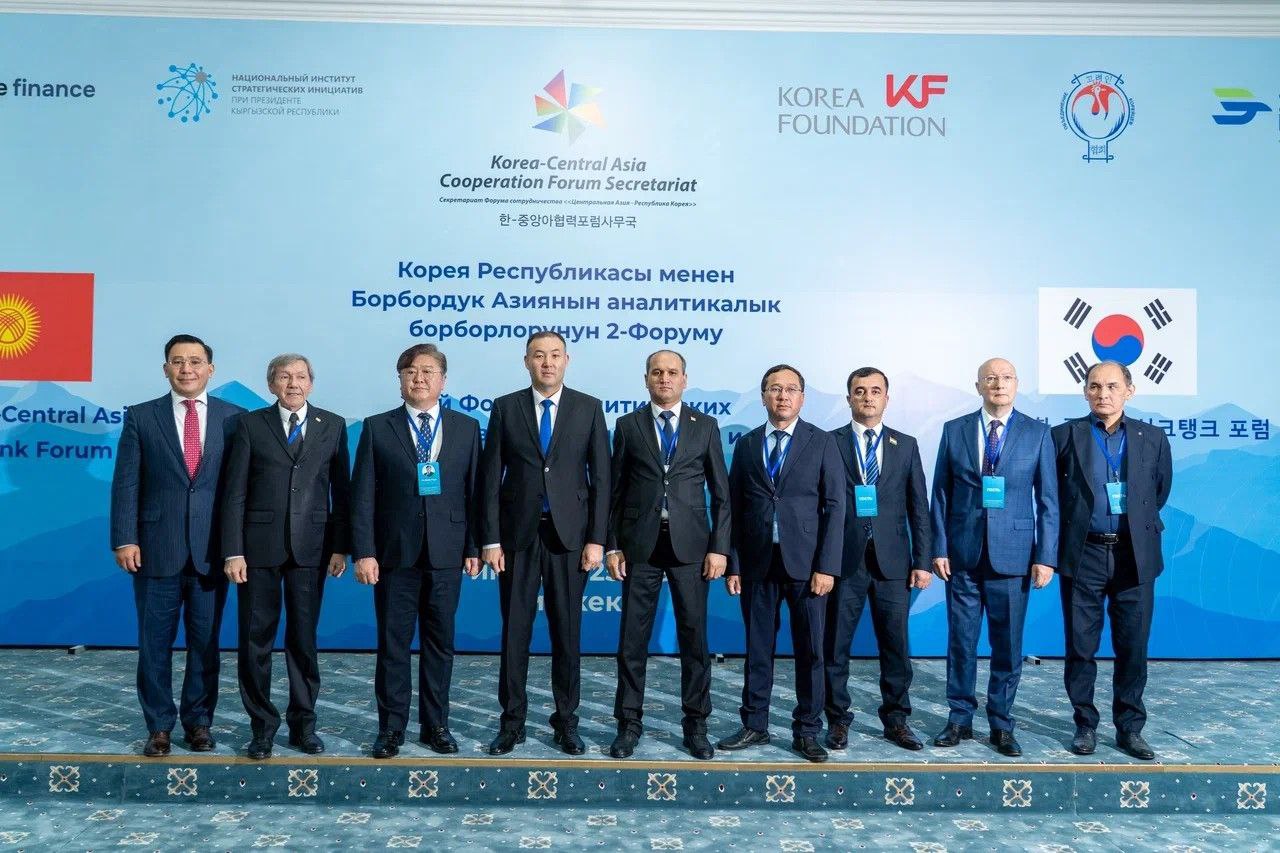
The event brought together delegations from leading analytical and research institutions of the Republic of Korea, Kazakhstan, Kyrgyzstan, Tajikistan, Turkmenistan, and Uzbekistan.
The Forum served as an open platform for expert-level exchanges on key aspects of regional cooperation, including energy security, transport and logistics development, digital transformation, climate resilience, as well as strengthening ties in the fields of science, education, and technology.
The program featured thematic panel discussions on a range of issues, including mineral resource development and energy security, ESG transformation and the climate agenda, the digital economy and artificial intelligence, as well as connectivity and sustainable infrastructure development.
Among the featured speakers were R.J. Kook, Executive Director of the Korea–Central Asia Cooperation Forum Secretariat, S. Nurlan, Deputy Director of the Kazakhstan Institute for Strategic Studies under the President of the Republic of Kazakhstan, M. Oraz, First Deputy Director of the Center for Strategic Studies under the President of the Republic of Tajikistan, C.S. Jung, Chief Geophysicist at the Korea Institute of Geoscience and Mineral Resources and other prominent experts.
The International Institute for Central Asia (IICA) was represented by Deputy Director Sherzod Fayziyev, who delivered a keynote address highlighting the vast potential for partnership in the critical minerals sector. He emphasized that Central Asia possesses substantial reserves of manganese, chromium, lithium, uranium, rare earth elements, and other strategically important resources essential for the global transition to a green economy. As a globally recognized technology leader, the Republic of Korea could play a pivotal role in advancing value-added processing, developing sustainable supply chains, introducing environmentally sound solutions, and building a resilient industrial base rooted in circular economy principles.
Mr. Fayziyev also underscored the importance of enhancing regional connectivity, intensifying technological exchange, and establishing joint scientific and educational platforms aimed at training highly qualified professionals, fostering R&D, and promoting innovation transfer. He further stressed the need to integrate Korean standards of environmental sustainability and cutting-edge digital solutions into relevant sectors across the region.

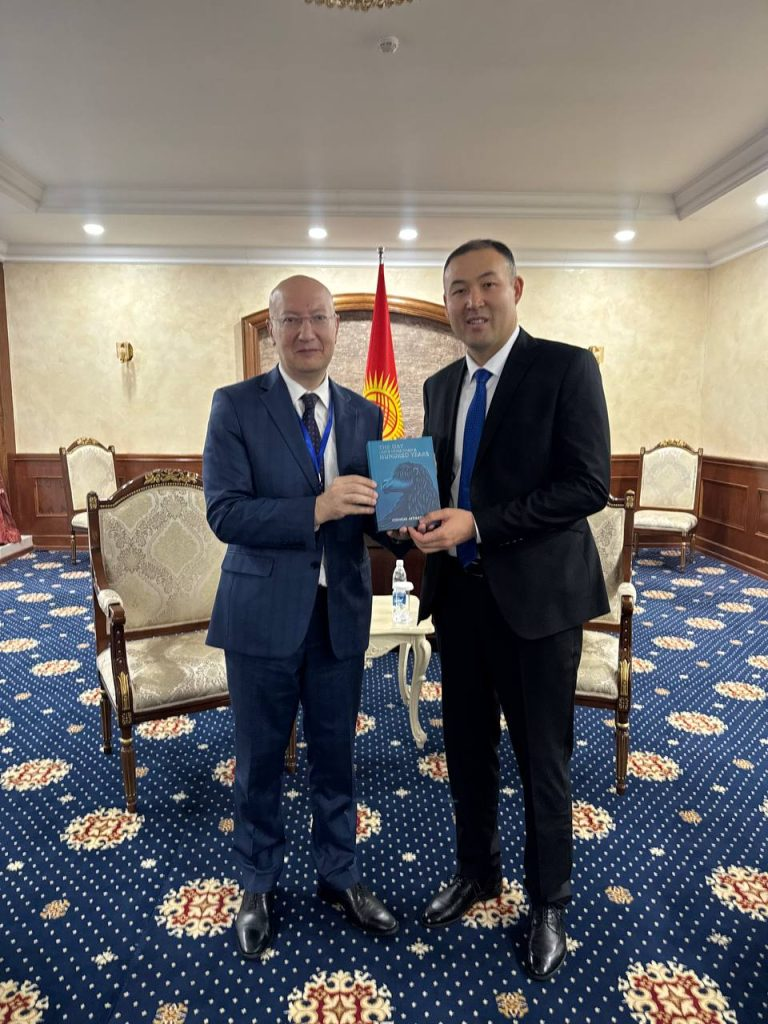
On the sidelines of the forum, a bilateral meeting was held between Shamil Adylbek uulu, Deputy Director of the National Institute for Strategic Initiatives of Kyrgyzstan, and Sherzod Fayziyev. The discussion focused on the practical implementation of joint technological and educational initiatives, the development of expert cooperation mechanisms, and deeper coordination on sustainable development and human capital enhancement.
At the conclusion of the forum, participants expressed strong interest in institutionalizing the “Central Asia – Republic of Korea” format, expanding joint projects, and coordinating the efforts of think tanks to develop balanced and effective approaches to addressing the region’s sustainable growth priorities.