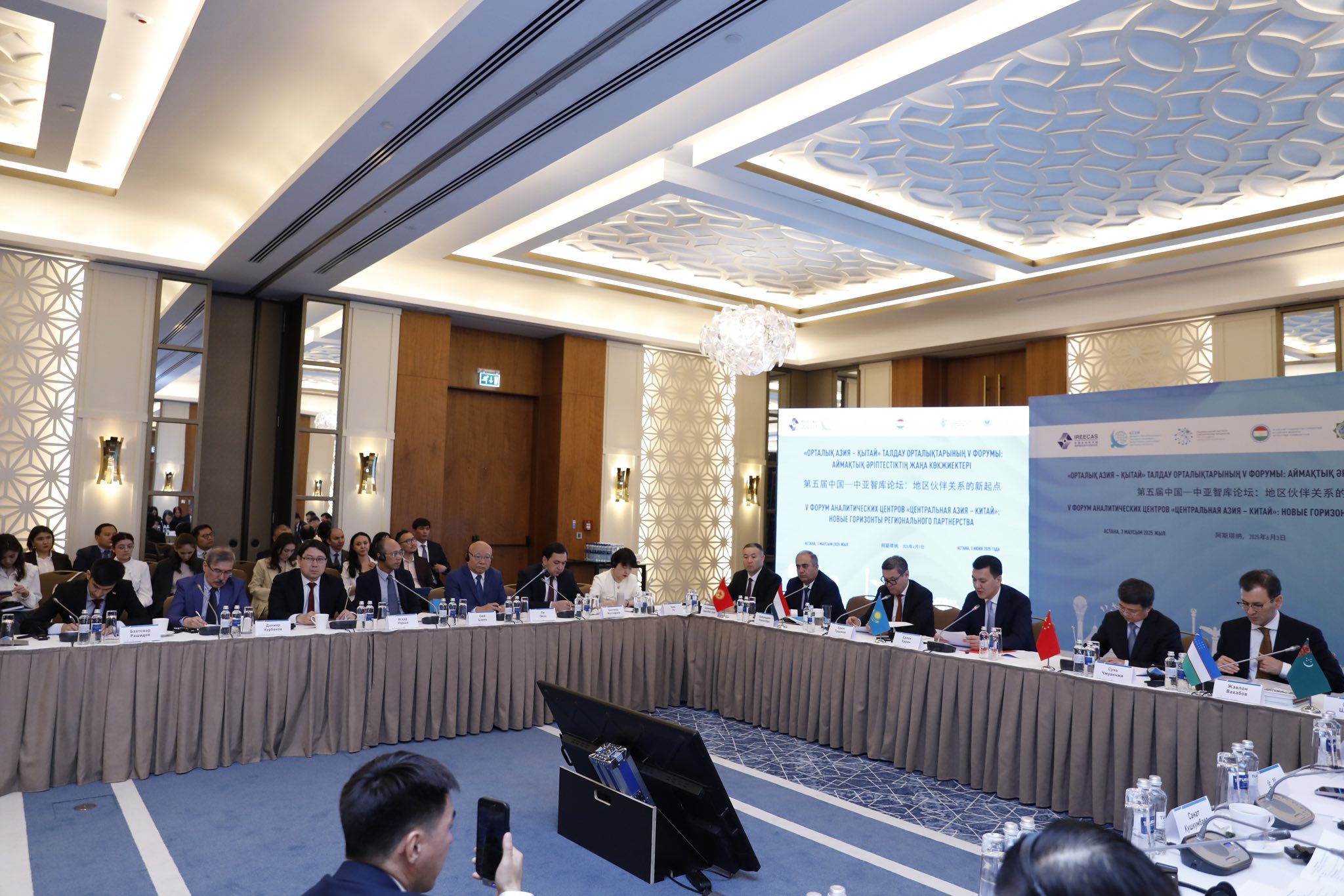
The forum brought together leading experts and heads of analytical centers from Central Asia and China, including the Chinese Academy of Social Sciences (CASS), the Institute for Eurasian Studies at CASS, the Institute of Economics at CASS, Shanghai University of Political Science and Law, and major think tanks from Kazakhstan, Tajikistan, Kyrgyzstan, Turkmenistan, and Uzbekistan.
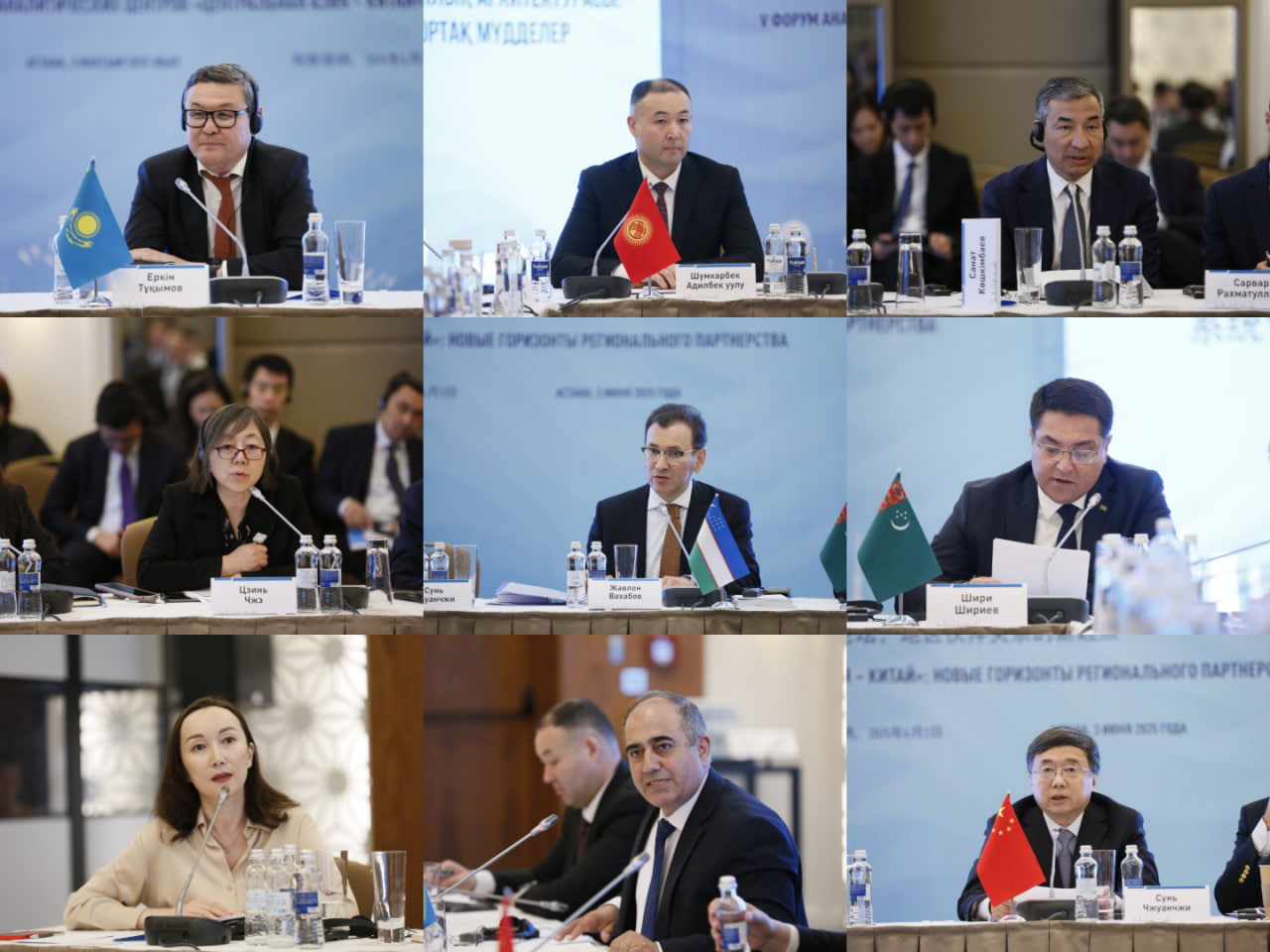
During the opening session, State Counsellor of the Republic of Kazakhstan Yerlan Karin delivered welcoming remarks. He emphasized the rapid progress in cooperation between China and the Central Asian countries, underscoring the crucial role of expert dialogue and multilateral engagement in strengthening these ties. Yerlan Karin further noted that the upcoming second “Central Asia–China” summit, set to take place soon in Astana, would mark another milestone in the development of the strategic partnership between the regions.
In his remarks, IICA Director Javlon Vakhabov emphasized that the Central Asia–China format has entered a new stage of institutionalization: a permanent Secretariat has been established in Xi’an, and new working groups have been launched in trade, agriculture, green economy, and emergency response. He noted that Central Asia is becoming not only a bridge between China and Europe but an emerging driver of growth, innovation, and new opportunities.
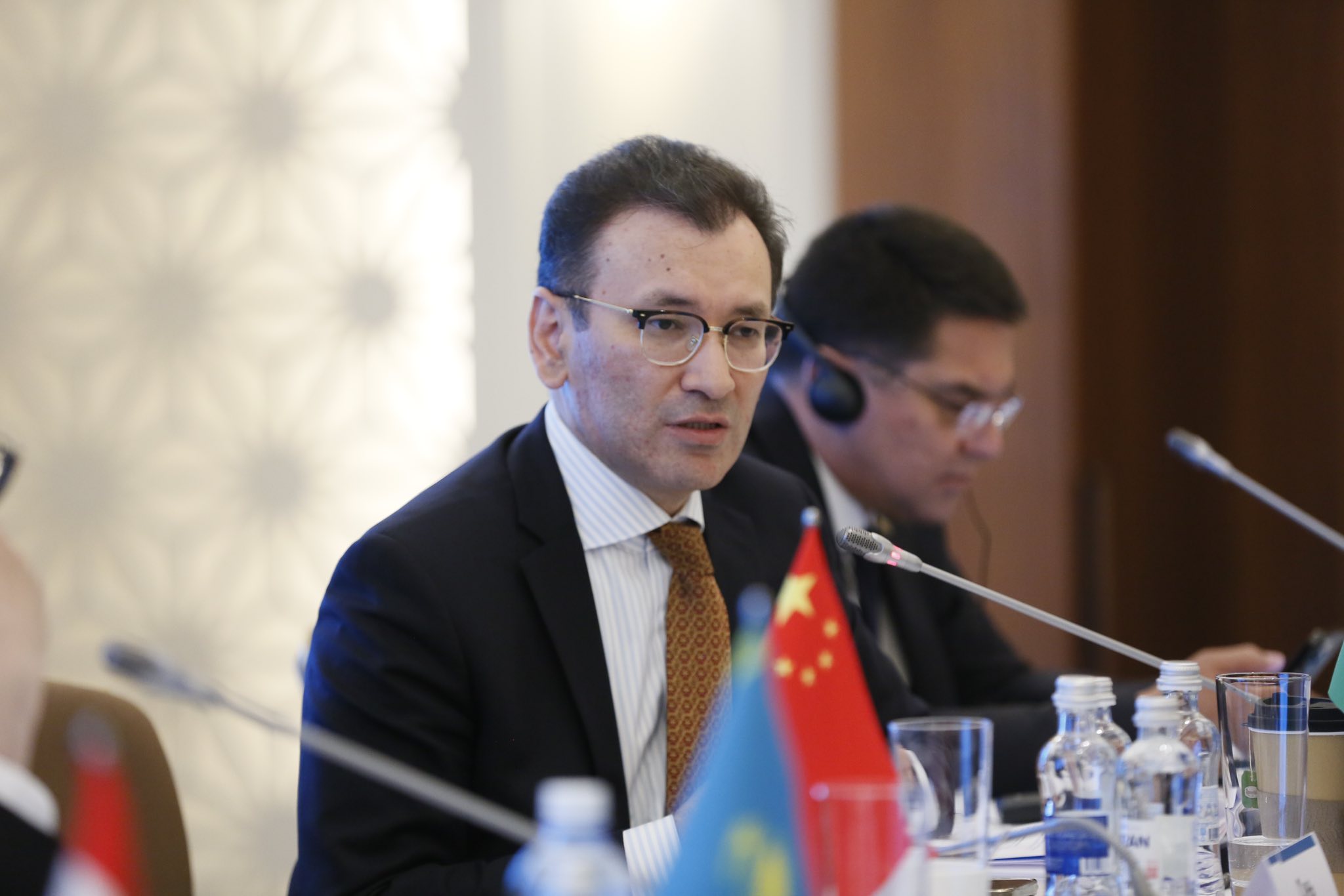
J.Vakhabov highlighted key figures: over the past five years, intra-regional trade among Central Asian states has grown by 80%, reaching $11 billion. Trade with China reached $94.8 billion in 2023, while Chinese investment in the region now exceeds $15 billion. The average annual GDP growth in Central Asia is around 6%.
During the discussions, participants gave special attention to national development strategies. Kazakhstan’s progress in introducing educational capital and digital government was highlighted, as was Kyrgyzstan’s work on developing transport corridors. The Tajik side spoke in detail about their green economy and energy sustainability initiatives, while Uzbekistan focused on digital transformation and investment in human capital.
The forum devoted a separate panel to digitalization, artificial intelligence, and technological innovation. Daniyar Kurbanov, Head of the Department for the Study of Historical and Cultural Heritage at IICA, noted the significant potential for closer regional cooperation with China on joint research and new technology adoption.
The agenda also covered cooperation in education, people-to-people exchanges, water resources, and ecology. Proposals were made for the establishment of a regional center in Almaty for rational water ecosystem management, as well as for expanding academic and tourism exchanges.
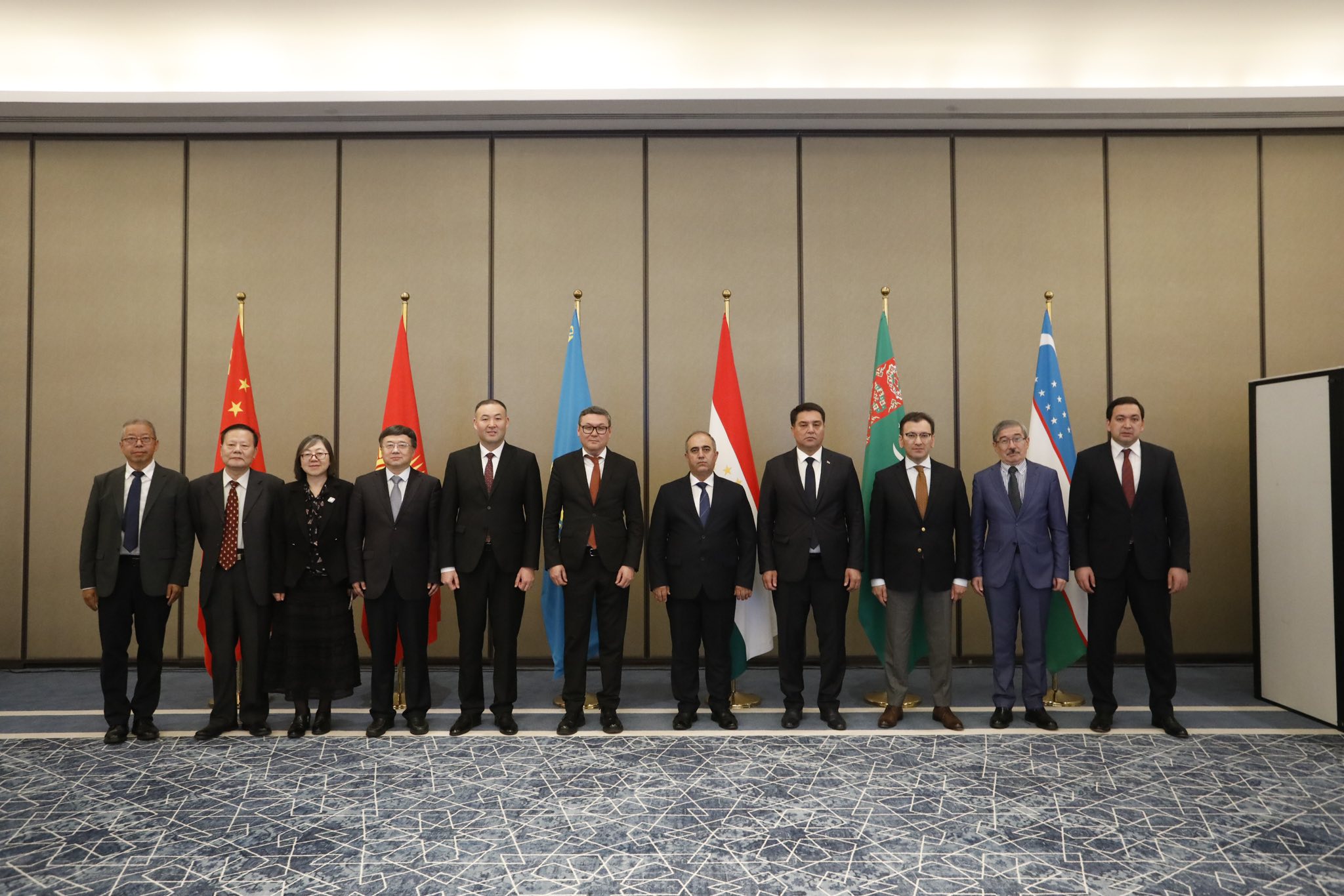
The event concluded with an energetic exchange of views among regional and Chinese researchers. Participants agreed to continue expert-level engagement to advance strategic partnership—developing joint initiatives in the digital, economic, humanitarian, and environmental spheres.