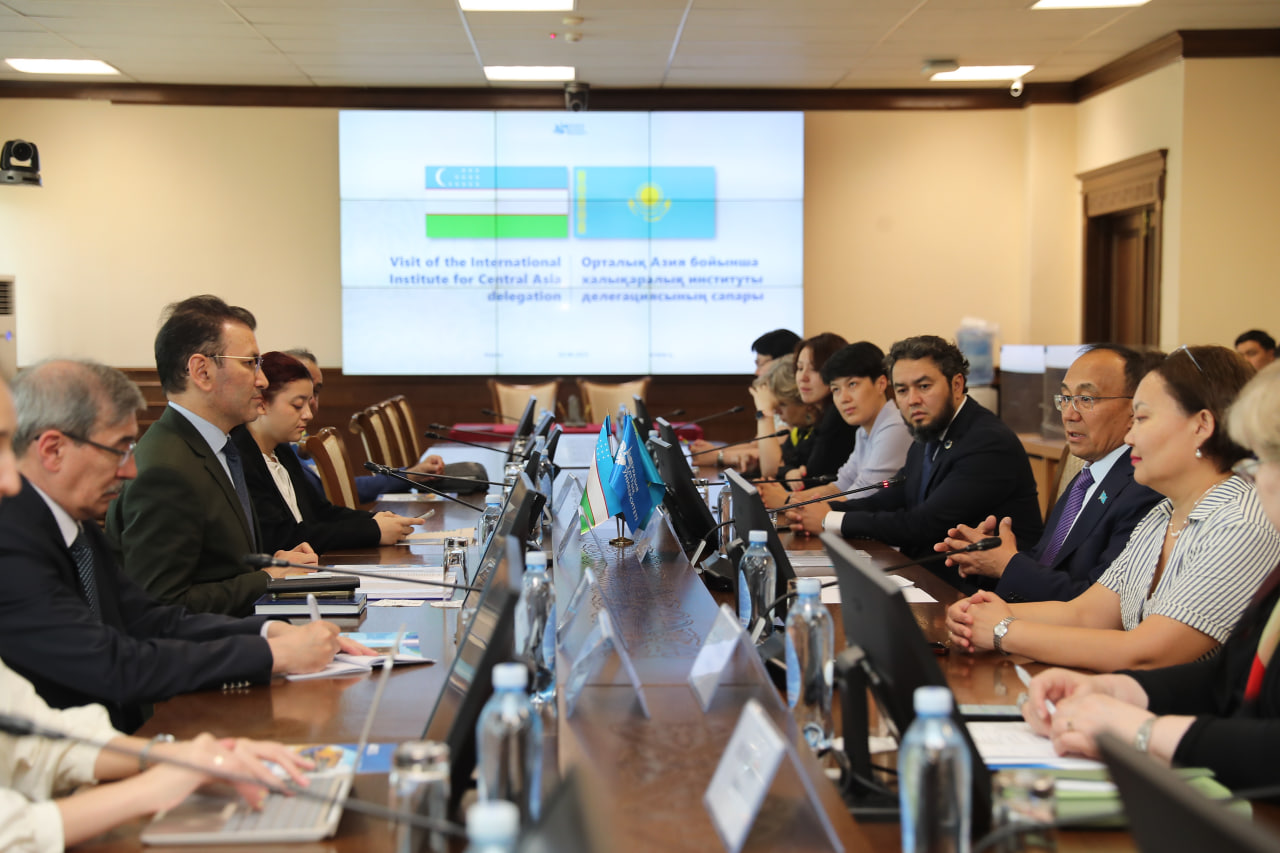
During the meeting, prospects for expanding academic and research collaboration were discussed, including plans to organize joint analytical events focused on key issues of regional development. In his welcoming remarks, ENU Rector Erlan Sydykov highlighted the historical connections and strong academic and cultural ties among the Central Asian countries. He also noted that in the coming year, ENU and the city of Astana will mark the university’s 30th anniversary.
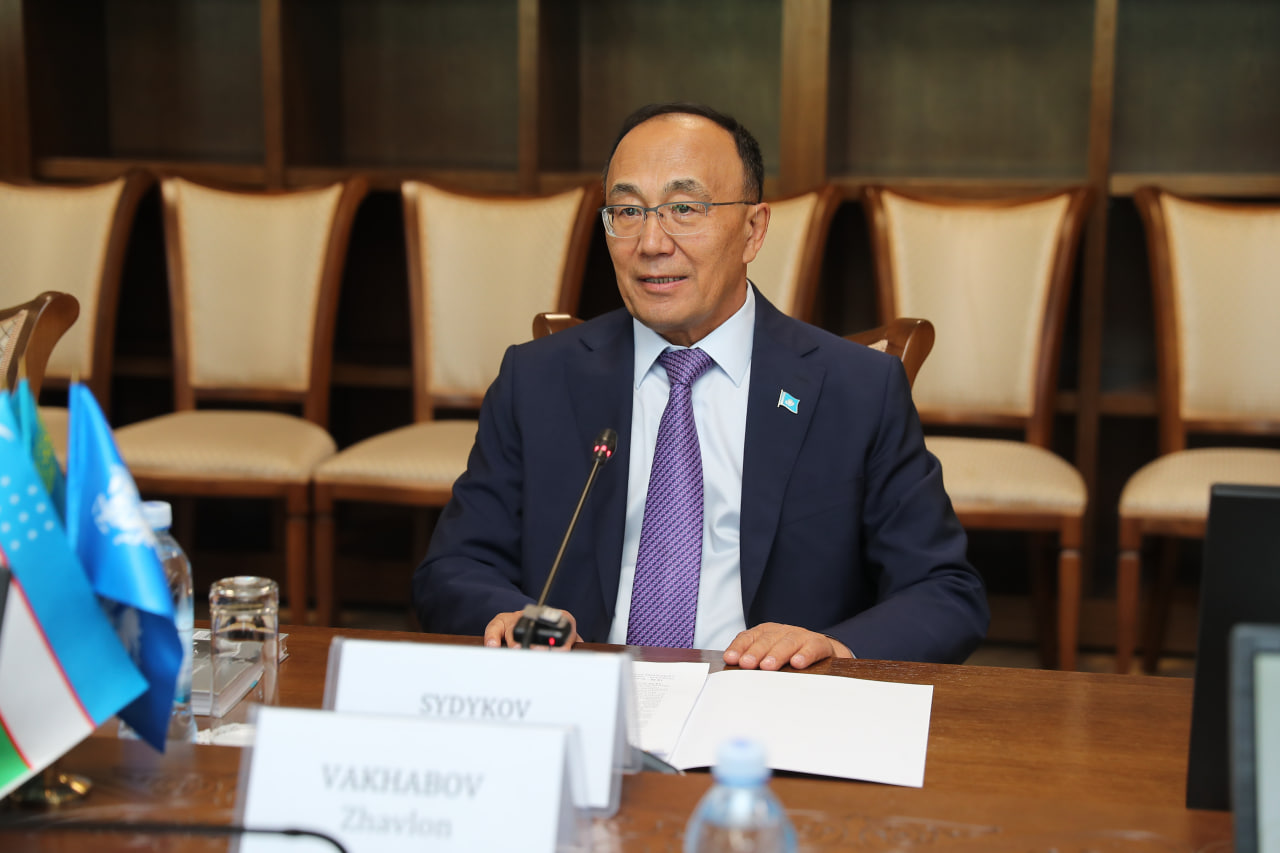
Rector Sydykov shared that ENU currently comprises 13 faculties, providing a broad spectrum of educational and scientific opportunities. He drew special attention to the university’s growing international partnerships: ENU actively cooperates with educational and research institutions worldwide, runs academic exchange programs, and regularly hosts faculty from leading universities abroad. According to the Rector, such joint initiatives in education and research help lay a solid foundation for long-term scientific and expert engagement across the region.
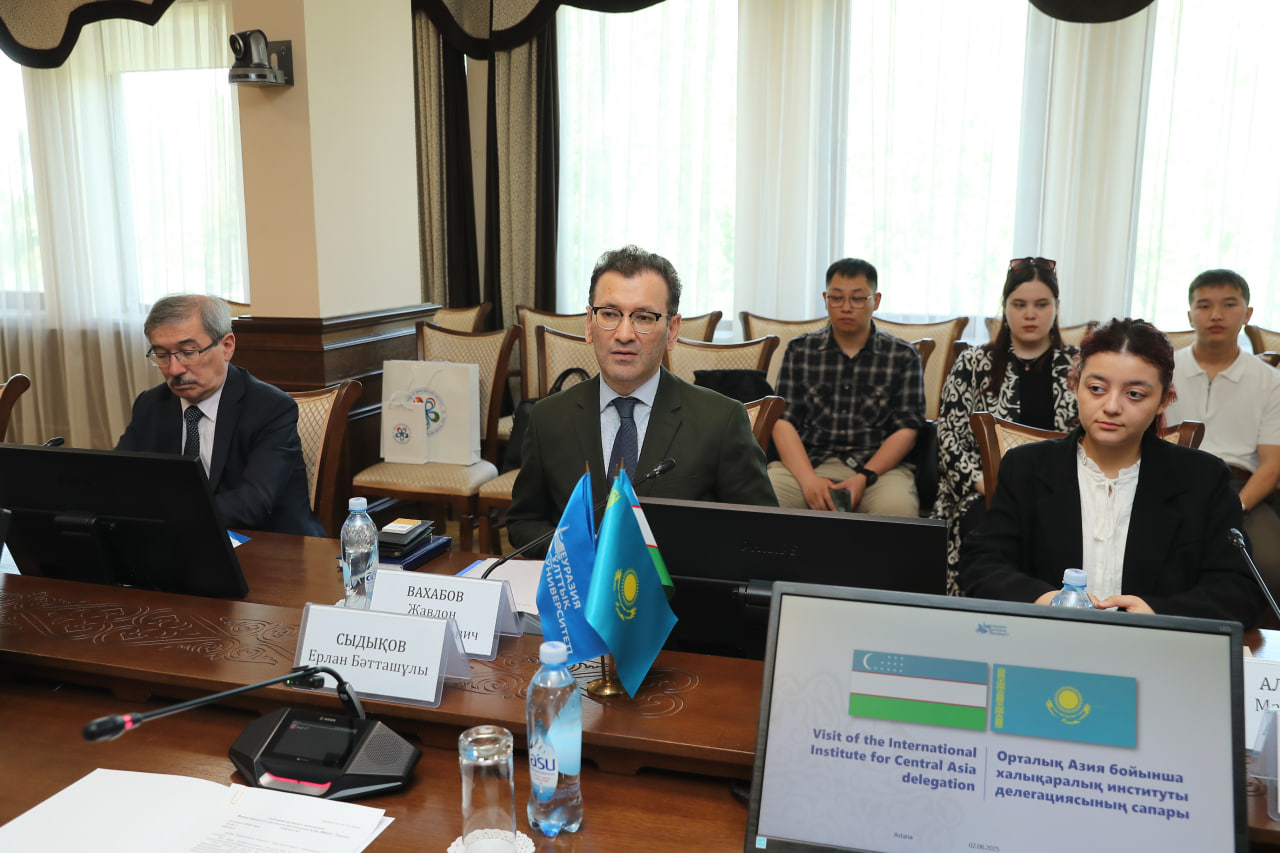
Javlon Vakhabov emphasized that building ties with one of Kazakhstan’s top universities opens up new opportunities for joint interdisciplinary projects in sustainable development, digital transformation, human capital development, and expert support for regional integration in Central Asia. He especially highlighted the importance of involving young researchers and students in new bilateral initiatives.
The conversation also touched on the increasing significance of emerging regional formats—recently, Astana hosted the “Central Asia–Italy” summit, and another meeting in the “Central Asia–China” format is expected soon. Erlan Sydykov pointed out that these developments call for thorough academic analysis and expert input, ensuring that resulting insights and recommendations become practical tools for strategic decision-making across the region.
Javlon Vakhabov also stressed that deepening collaboration with ENU is particularly relevant, given Central Asia’s growing role in global politics and the economy. He praised the work of ENU’s Laboratory for Eurasian and Regional Studies, describing it as an innovative platform for launching joint projects and training a new generation of regional specialists.
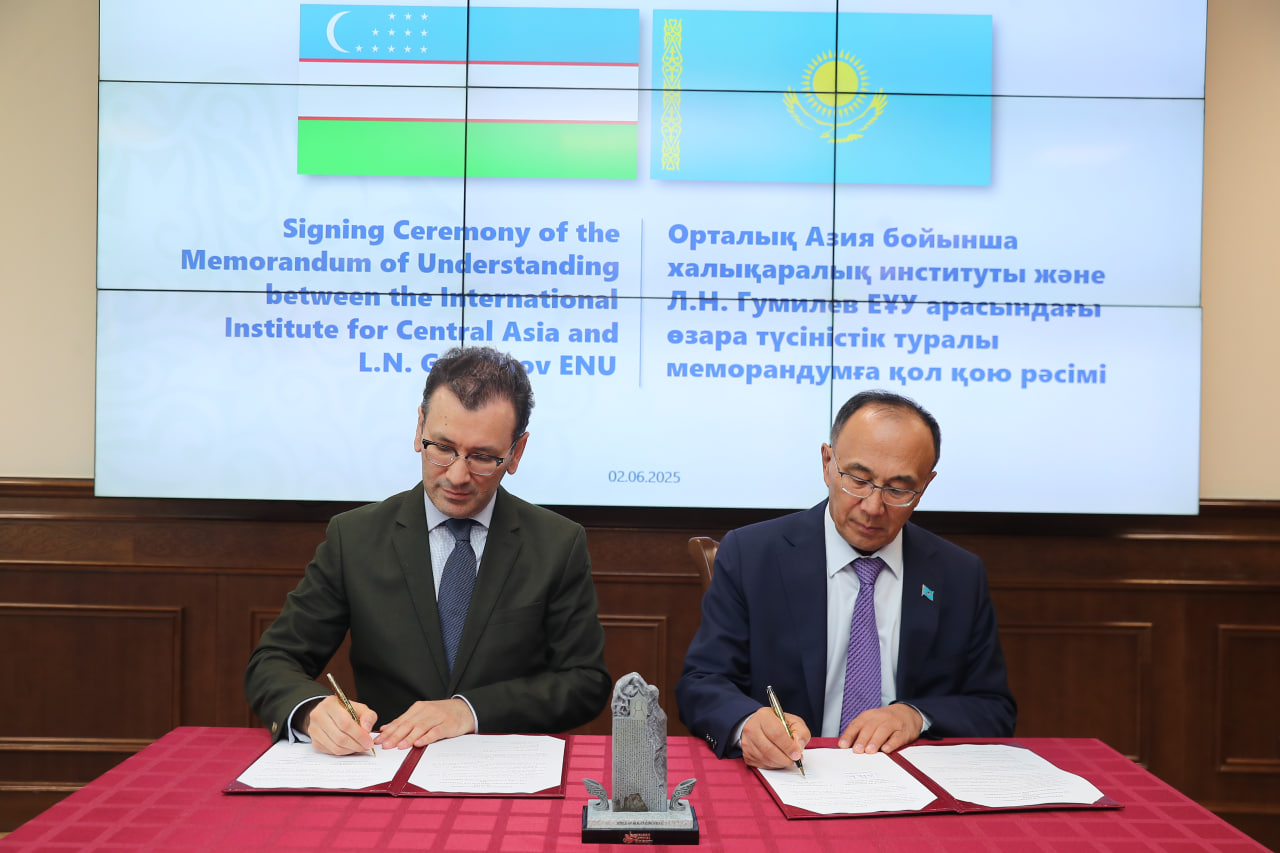
At the conclusion of the meeting, a cooperation agreement was signed, paving the way for joint research, conferences, sharing of analytical materials and publications, and wider access to educational resources.
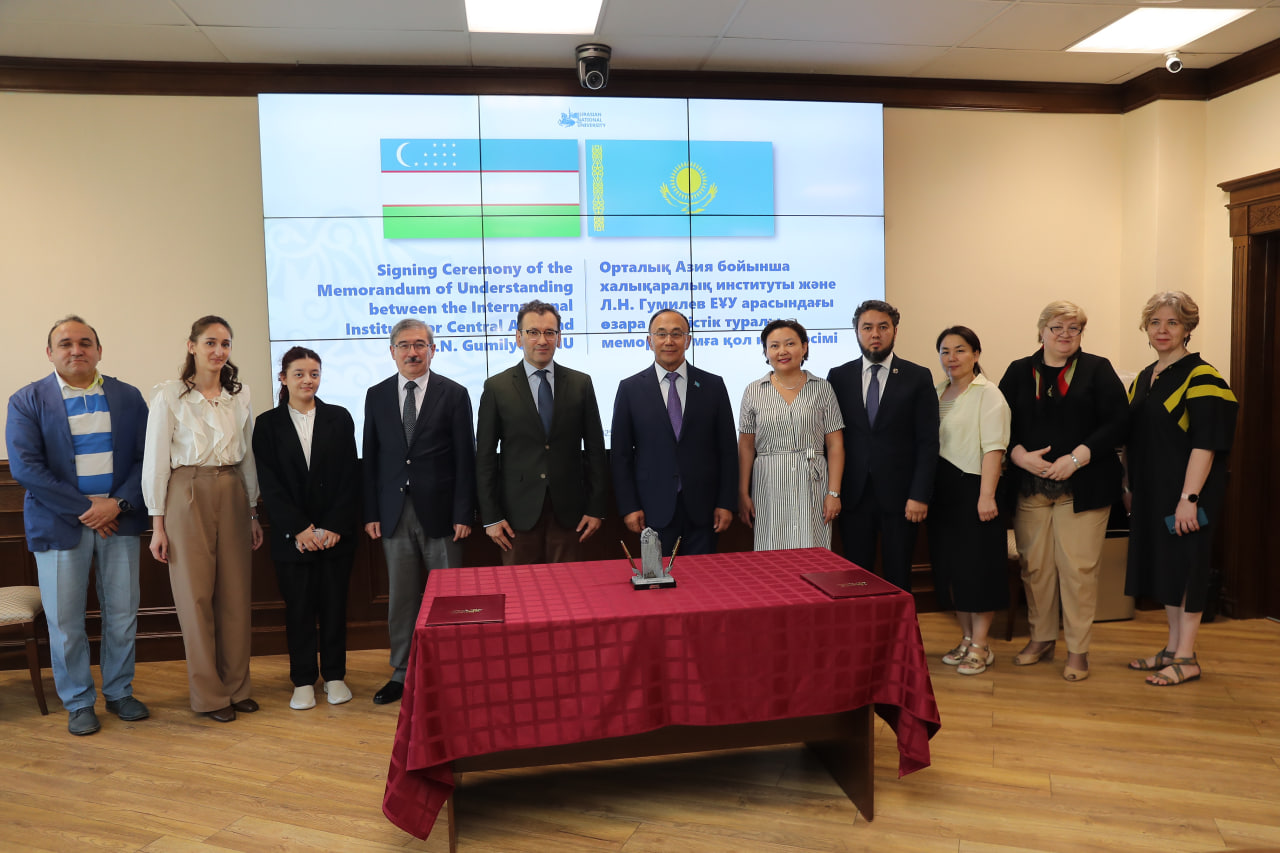
During the visit, the IICA delegation also met with Dr. Natalia Kalashnikova, Head of the Department of the Assembly of the People of Kazakhstan at ENU and Chair of the Association of Assembly Departments at leading Kazakhstani universities. Dr. Kalashnikova spoke in detail about the department’s structure, objectives, and major initiatives. She highlighted its unique role as a national platform for promoting peace, tolerance, and intercultural dialogue in academic and scientific circles. The Assembly brings together over 130 ethnic groups, including more than 600,000 ethnic Uzbeks, and is at the forefront of shaping modern models for inclusive development and dialogue.
Both institutions emphasized the importance of exchanging best practices and launching joint research projects aimed at strengthening regional dialogue and expanding the humanitarian dimension of cooperation in Central Asia.
L.N. Gumilyov Eurasian National University is one of Kazakhstan’s leading universities, well-known for its dynamic international partnerships and recognized in the QS WUR 2024 global top 200 in “Politics and International Relations.” ENU is also home to the Laboratory for Eurasian and Regional Studies, an interdisciplinary academic platform integrating the scientific and expert community of the region.