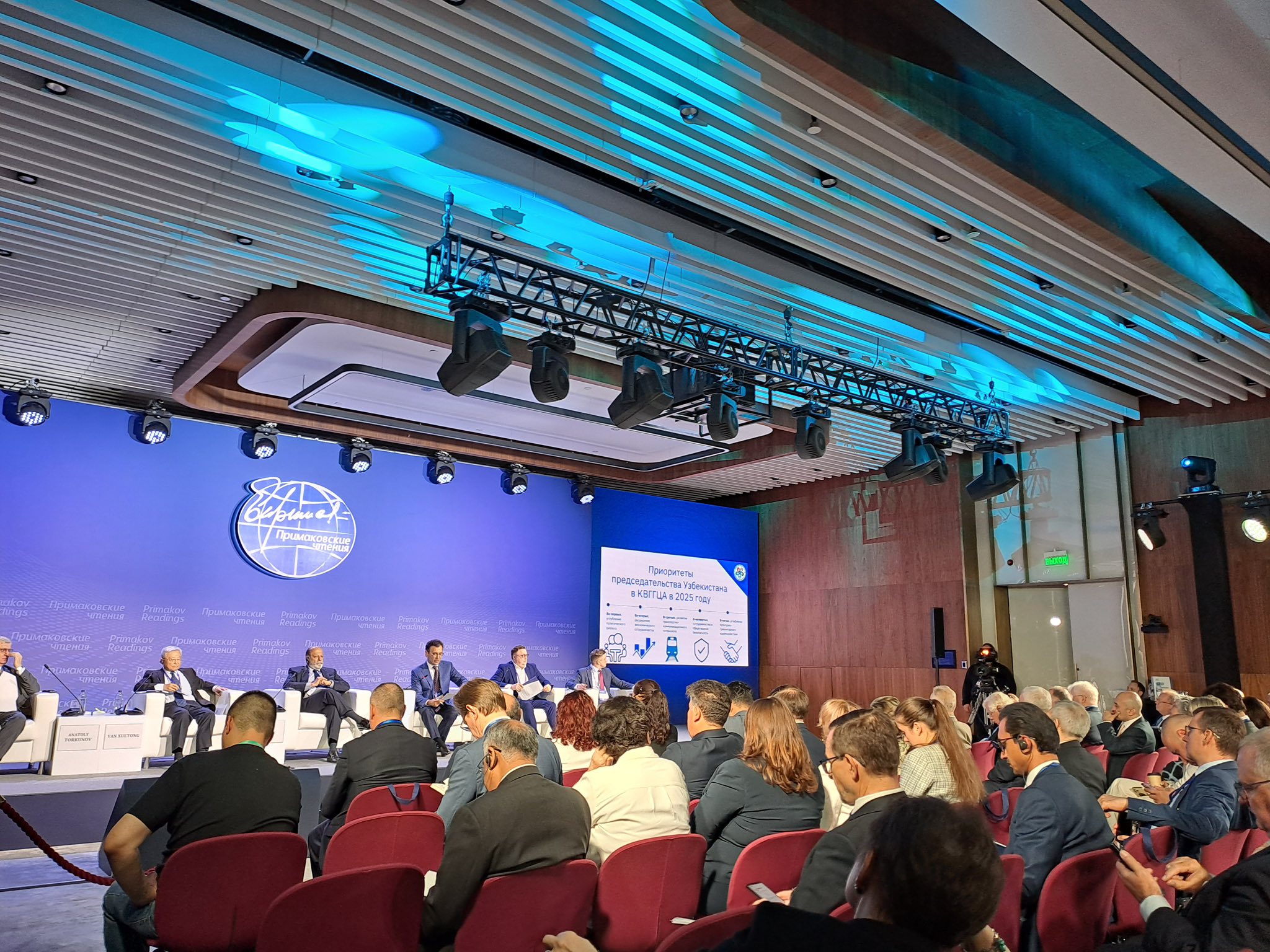
The forum gathered government officials, representatives of international organizations, and leading experts and scholars from around the world. The International Institute for Central Asia (IICA) took part in the event, presenting a regional perspective on the evolving architecture of global affairs from a Central Asian standpoint.
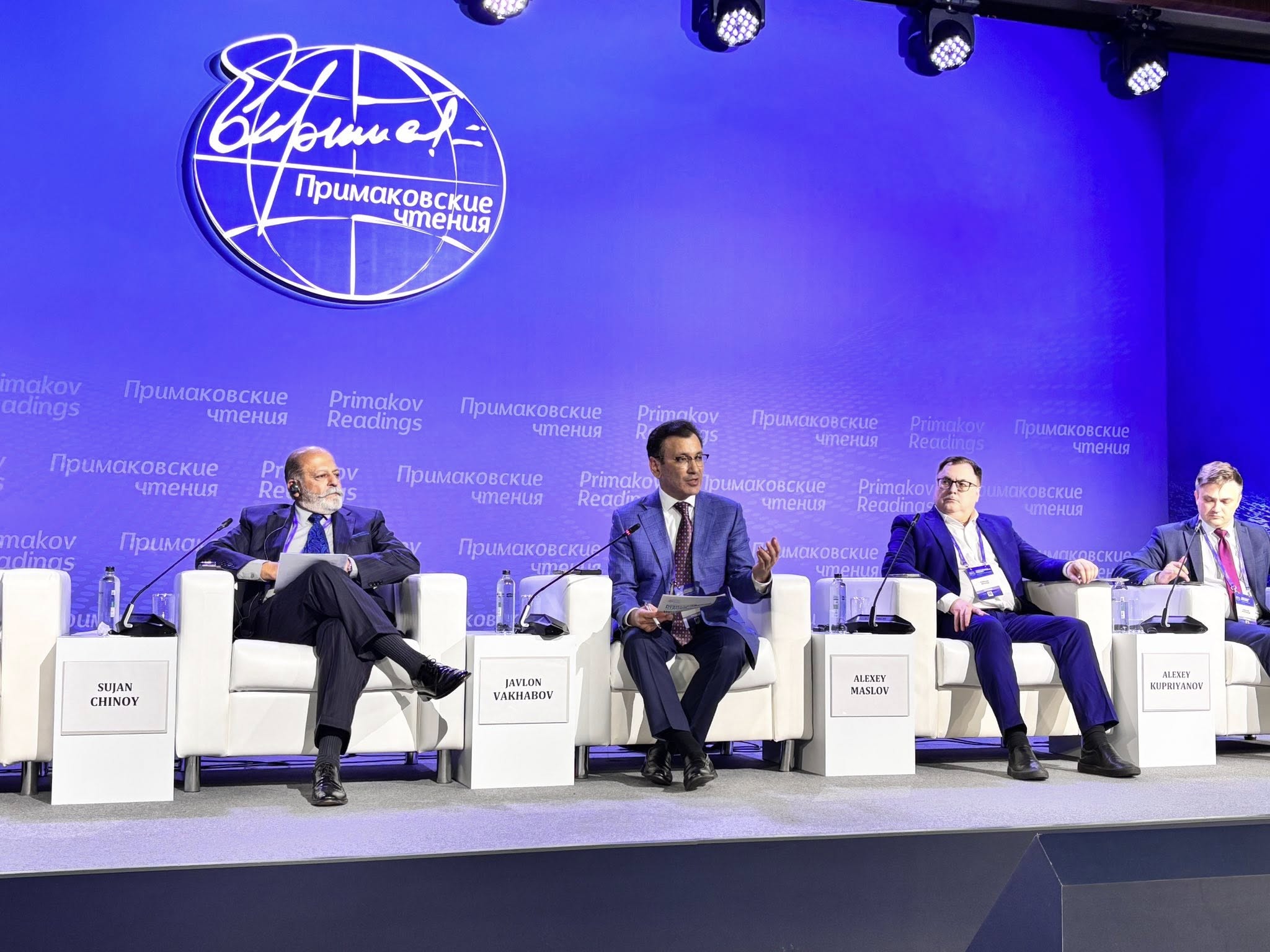
Javlon Vakhabov, Director of IICA, spoke at the session titled “Greater Eurasia: A Space for Responsible Development,” where he outlined the region’s core priorities at the current stage of its development. He emphasized that Central Asia today demonstrates a consistent trajectory of internal consolidation, growing mutual trust, and enhanced political and economic cooperation among the countries of the “Central Asian Five.”
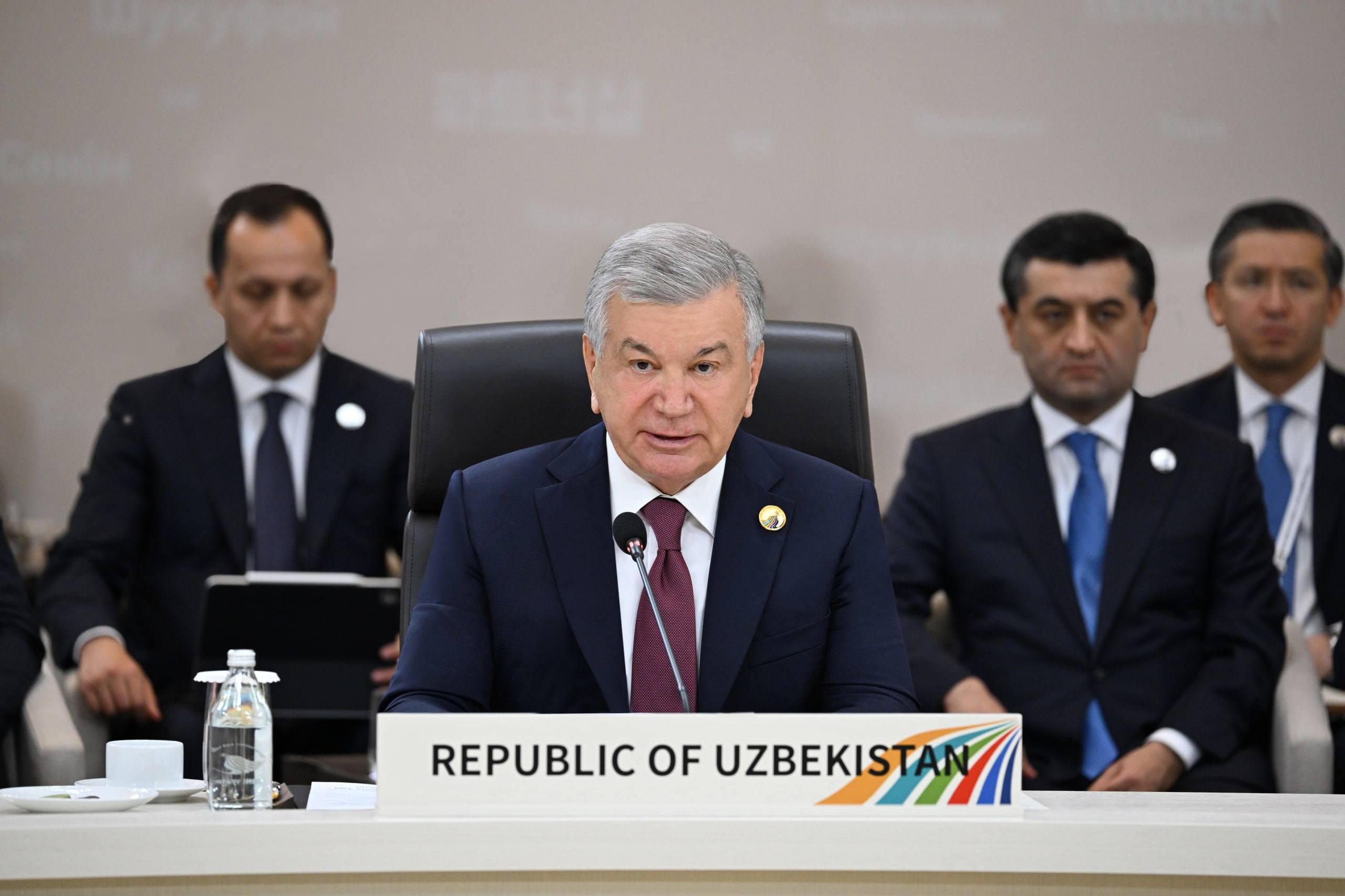
According to Vakhabov, these positive transformations have been made possible by the proactive and well-calibrated foreign policy of President Shavkat Mirziyoyev of Uzbekistan — one grounded in openness, good neighborliness, and respect for national interests.
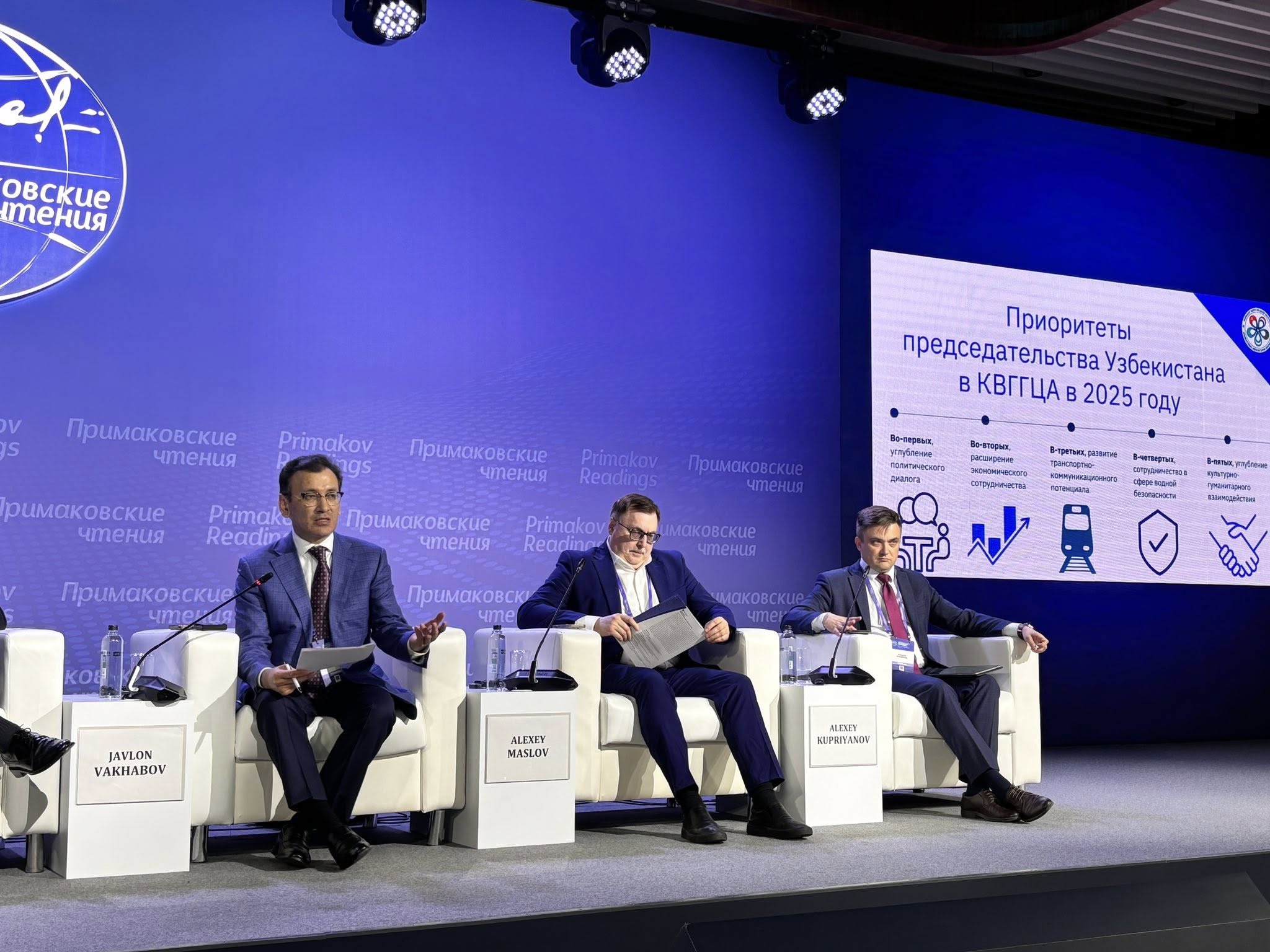
He also highlighted tangible progress achieved in regional rapprochement. Over the past five years, intra-regional trade has more than doubled, while mechanisms for intergovernmental coordination in transport, water resource management, security, and humanitarian affairs have significantly expanded.
Regular consultative meetings of Central Asian leaders have been institutionalized, joint economic and expert platforms established, and coordination within international organizations has deepened.
Vakhabov underlined that Central Asia is increasingly emerging as an independent and strategically significant decision-making center — capable of articulating a common agenda and engaging constructively with external partners.
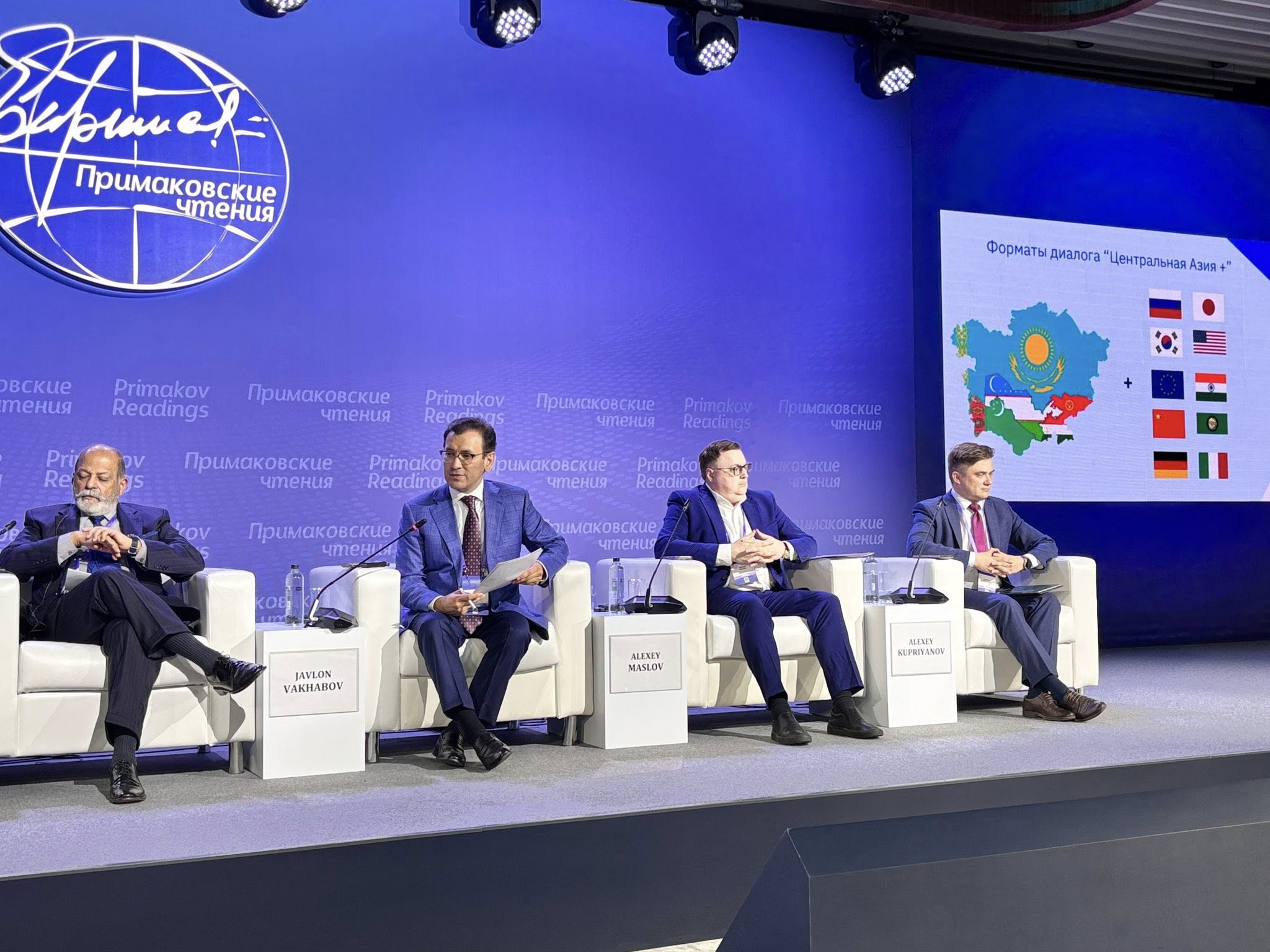
In this context, the “Central Asia + Russia” dialogue format, launched in 2022, has taken on added significance. It not only sustains regular high-level dialogue but also enables the development of coordinated responses to current global challenges — strengthening regional resilience and strategic foresight.
In the bilateral dimension, Vakhabov noted that 2025 marks the 20th anniversary of the Treaty on Allied Relations between Uzbekistan and the Russian Federation.
Over the past two decades, the bilateral relationship has grown from pragmatic cooperation into a genuine alliance — covering a wide array of areas, including trade, education, academic exchange, and cultural initiatives.
Today, Uzbekistan–Russia relations are distinguished by depth, trust, and a shared commitment to implementing ambitious long-term projects.
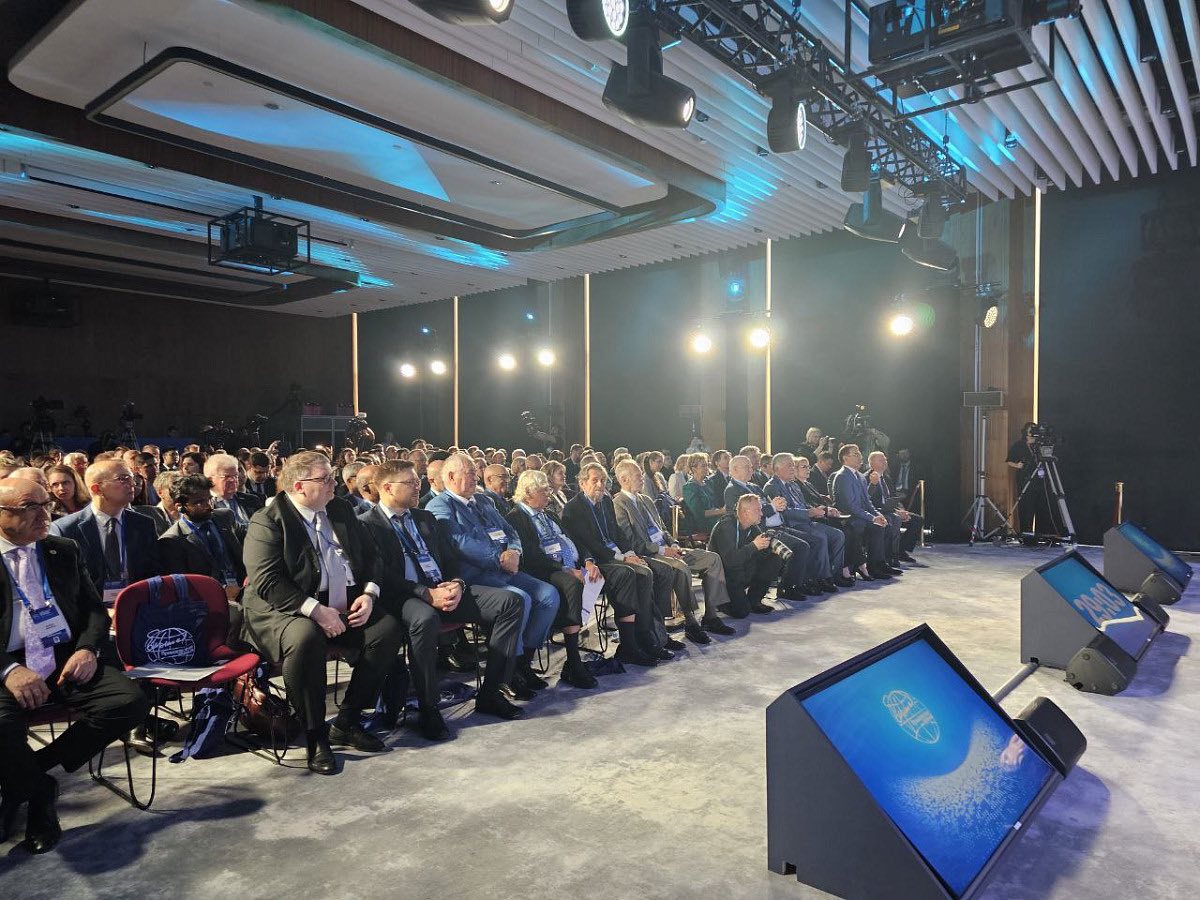
The Primakov Readings reaffirmed the importance of sustained dialogue between government institutions and the expert community in shaping balanced, future-oriented approaches to Eurasian development.
Participants agreed on the value of the discussions and expressed their readiness to continue engagement through both bilateral and multilateral formats.