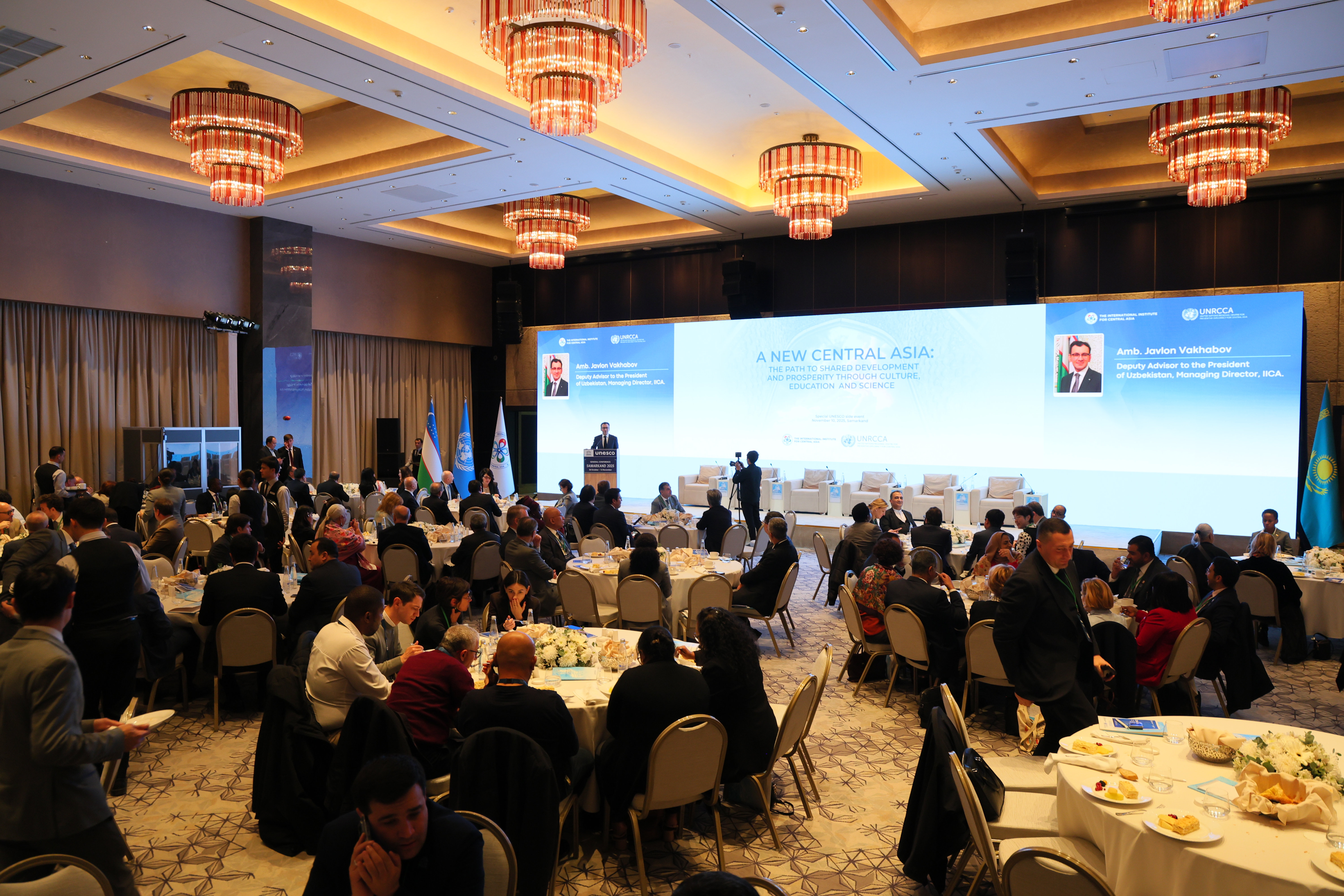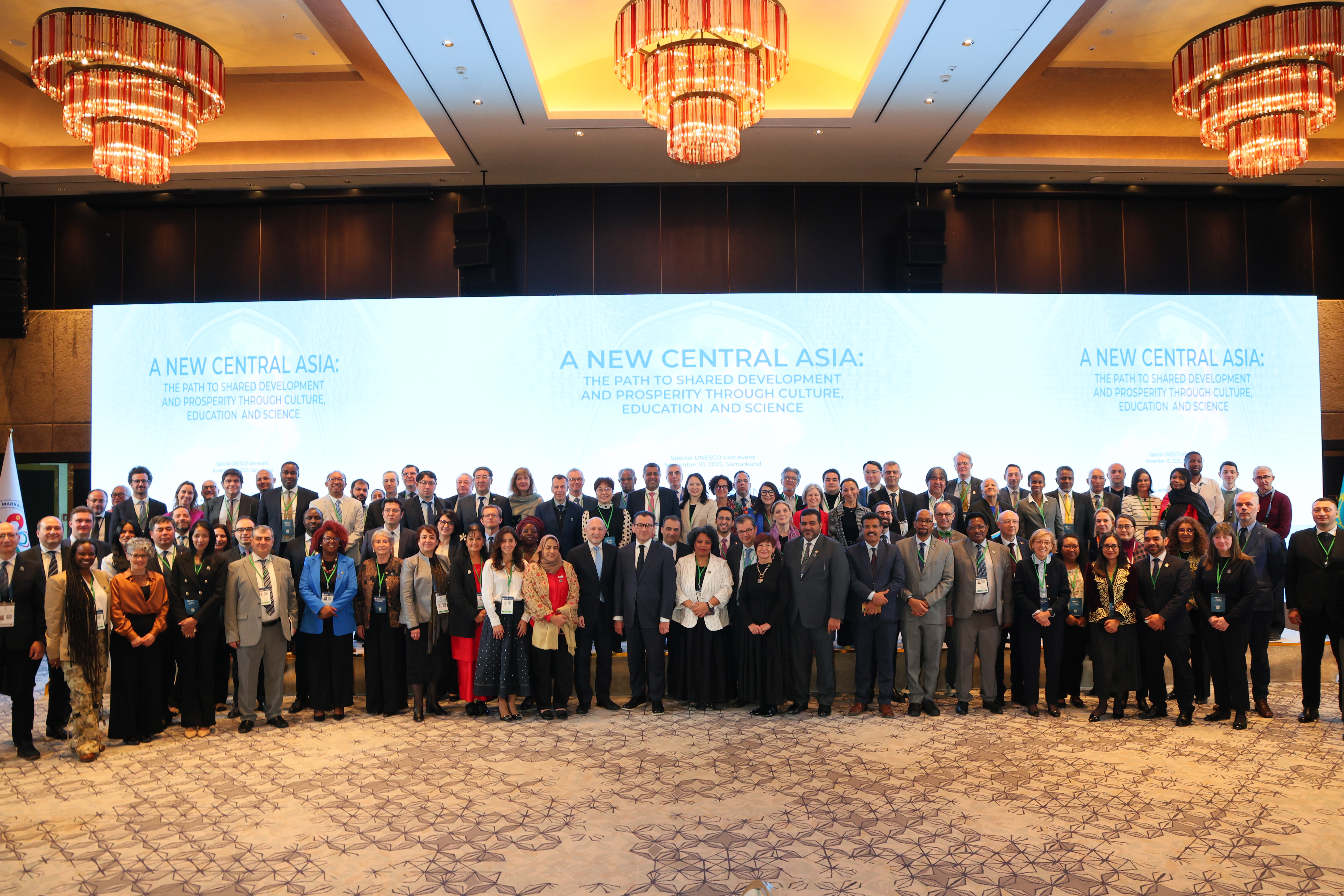
The International Institute for Central Asia (IICA) organized the event in cooperation with the United Nations Regional Centre for Preventive Diplomacy for Central Asia (UNRCCA).
The event brought together representatives of government bodies, senior officials and diplomats from the UN and UNESCO, as well as experts from Central Asian think tanks.
During the side event, participants discussed key achievements and prospects for regional cooperation, including the priorities of Uzbekistan’s chairmanship at the 7th Consultative Meeting of the Heads of Central Asian States and the role of UNESCO in promoting regional cooperation through culture, education, and science.
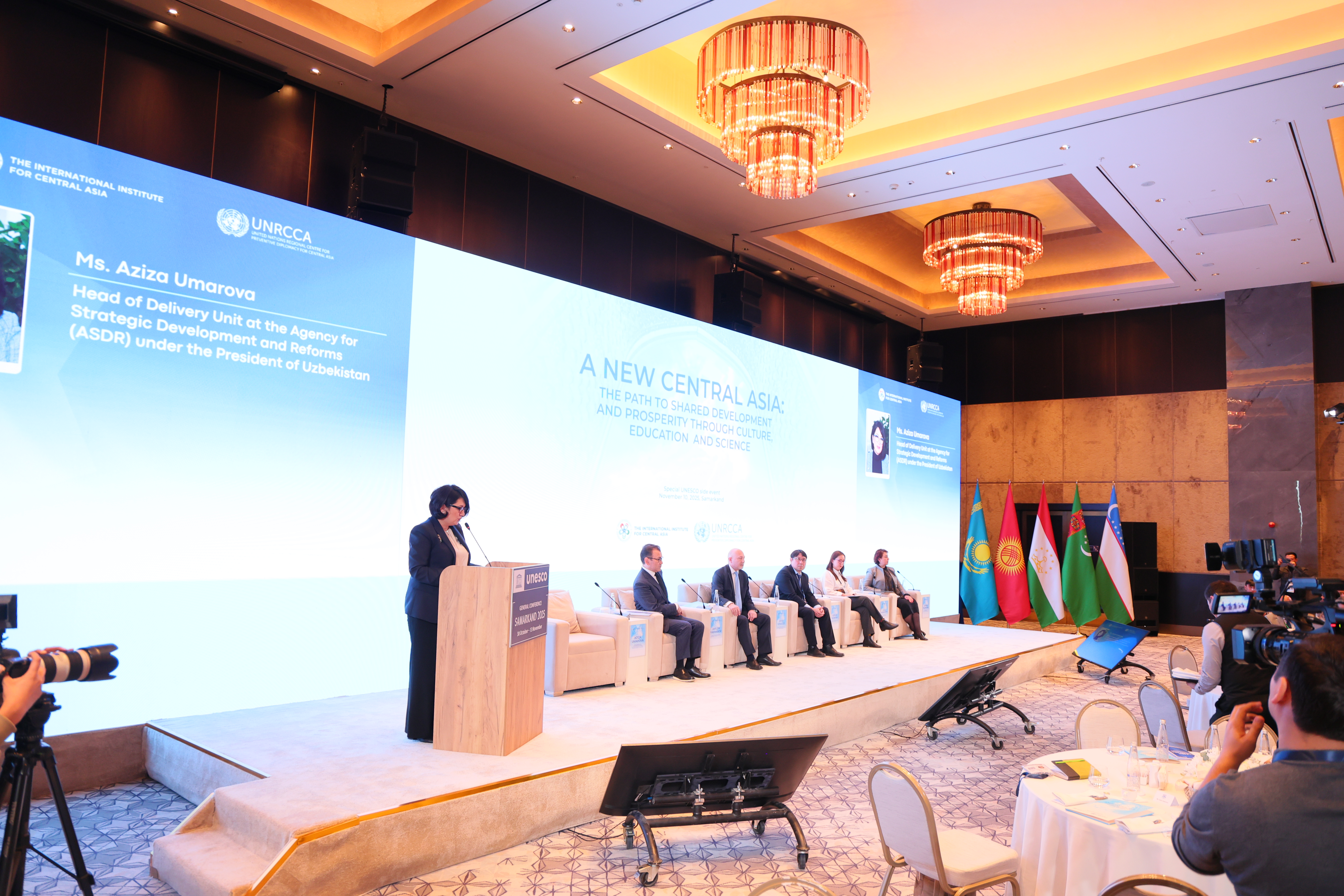
The event also featured a presentation of the forthcoming publication by the Agency for Strategic Development and Reforms under the President of the Republic of Uzbekistan titled “Central Asian States: A Regional Foresight Dialogue”.
In his welcoming remarks, Managing Director of IICA Amb. Javlon Vakhabov emphasized that holding the 43rd session of the UNESCO General Conference in Samarkand marked a historic event for both Uzbekistan and UNESCO, as it was the first time in forty years that the annual gathering was held outside Paris.
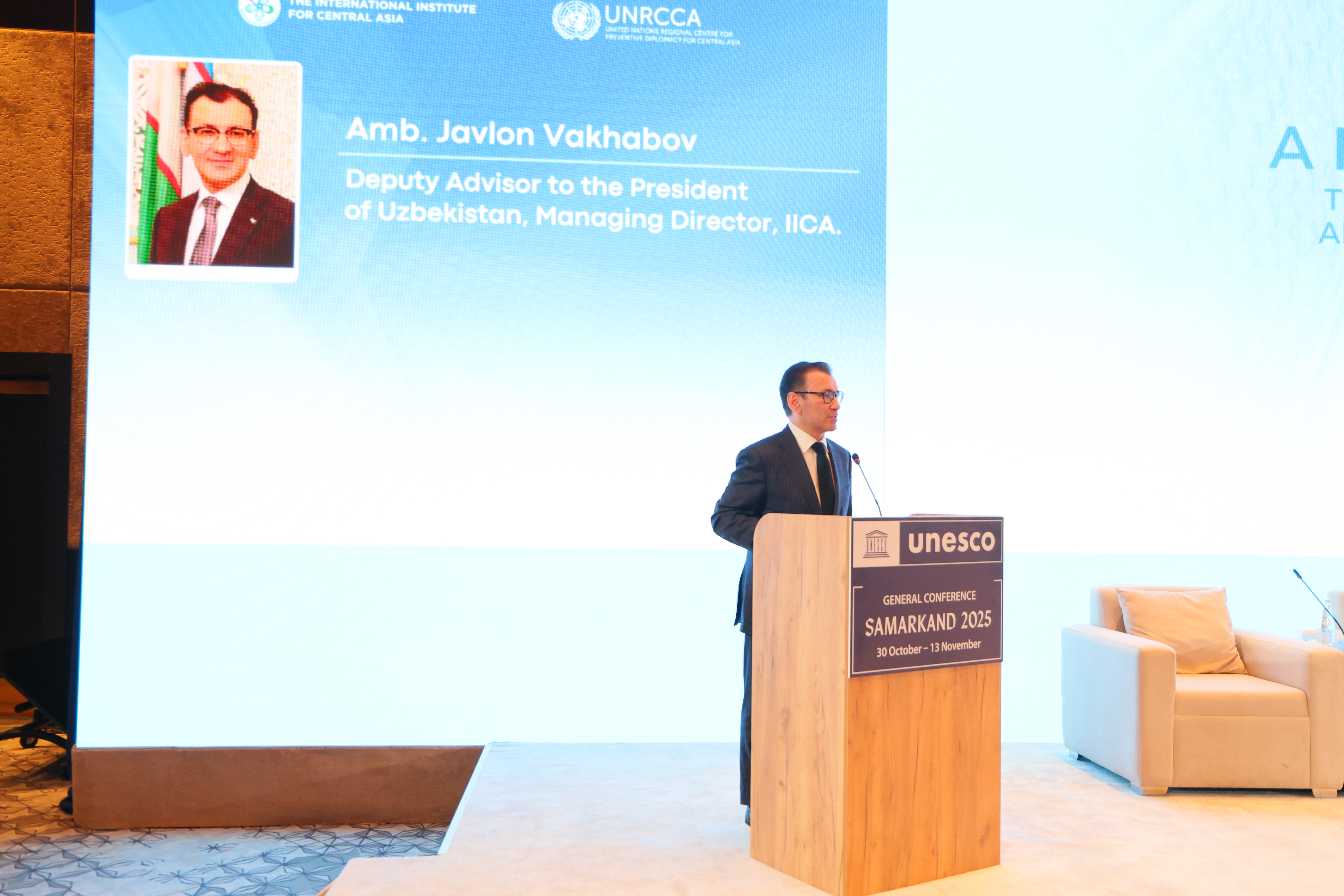
Amb.Vakhabov noted that in recent years Central Asia has become a space of dialogue and constructive partnership thanks to the political will and mutual trust of the region’s leaders. He expressed confidence that the upcoming seventh Consultative Meeting of the Heads of Central Asian States in Tashkent would further strengthen this positive and dynamic process, providing an opportunity for the leaders of Central Asia to define new long-term priorities for deepening cooperation and amplifying the region’s collective voice on the global stage.
The Special Representative of the UN Secretary-General for Central Asia and Head of UNRCCA, Amb. Kaha Imnadze, highlighted the strategic importance of holding the discussion on the sidelines of the UNESCO General Conference. He noted that the active engagement of the region’s countries is opening new opportunities for strengthening cooperation, while culture, education, and science serve as key tools for mutual understanding and development.
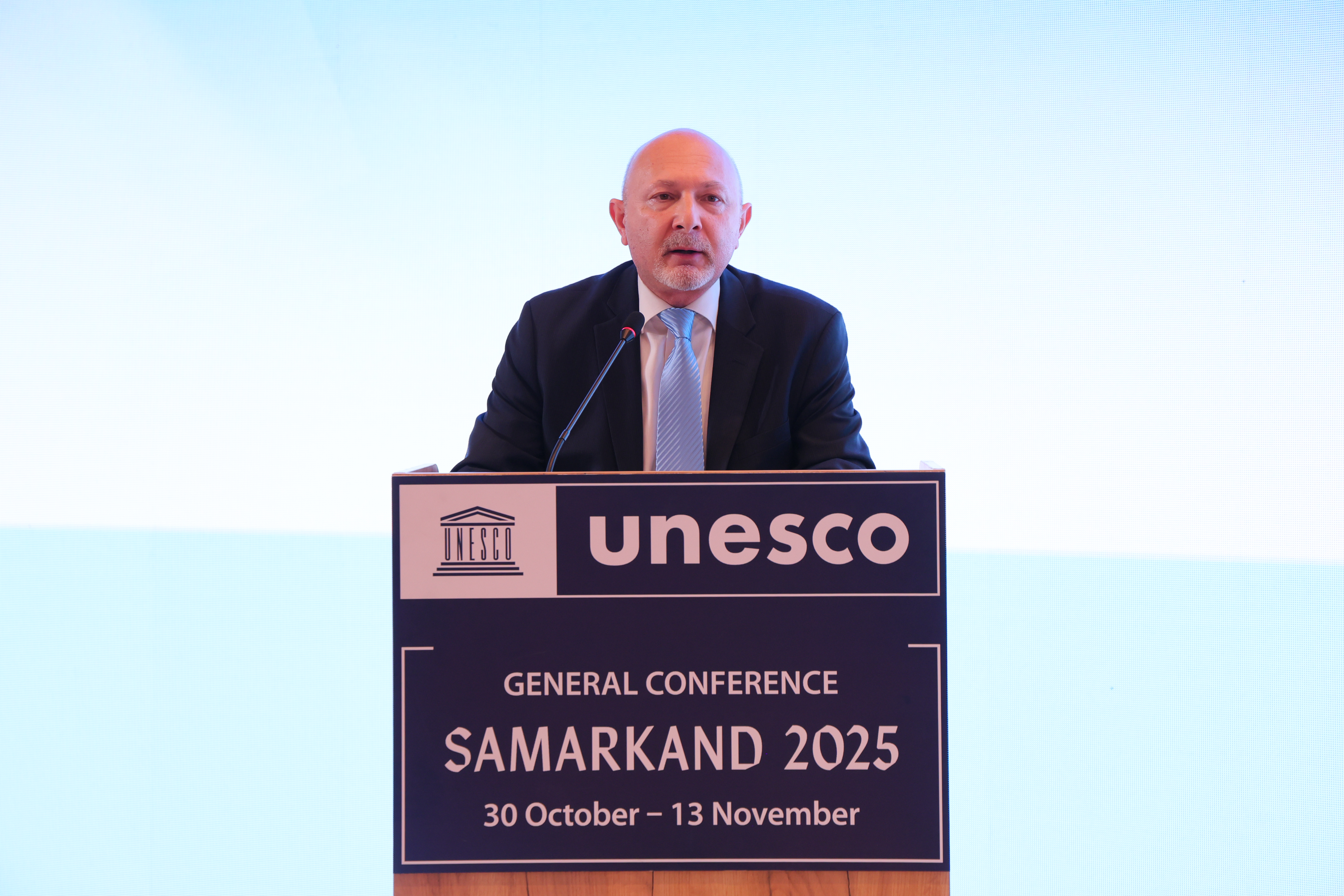
Amb. Imnadze also underlined Uzbekistan’s role as one of the main drivers of the region’s new dynamics, noting that the country’s foreign policy is focused on good-neighborliness, regional integration, and practical cooperation across various areas, including infrastructure and connectivity, youth empowerment, and cultural diplomacy.
Kazakh political scientist and expert on geopolitics and security Dr. Askar Nursha emphasized that the Consultative Meeting of the Heads of Central Asian States demonstrate the transition of inter-state relations in the region to a new level. The priorities of Uzbekistan’s chairmanship focus on strengthening political dialogue and economic cooperation. This approach, as he notes, finds positive resonance in Kazakhstan and a willingness for bilateral cooperation in seeking mutually beneficial solutions.
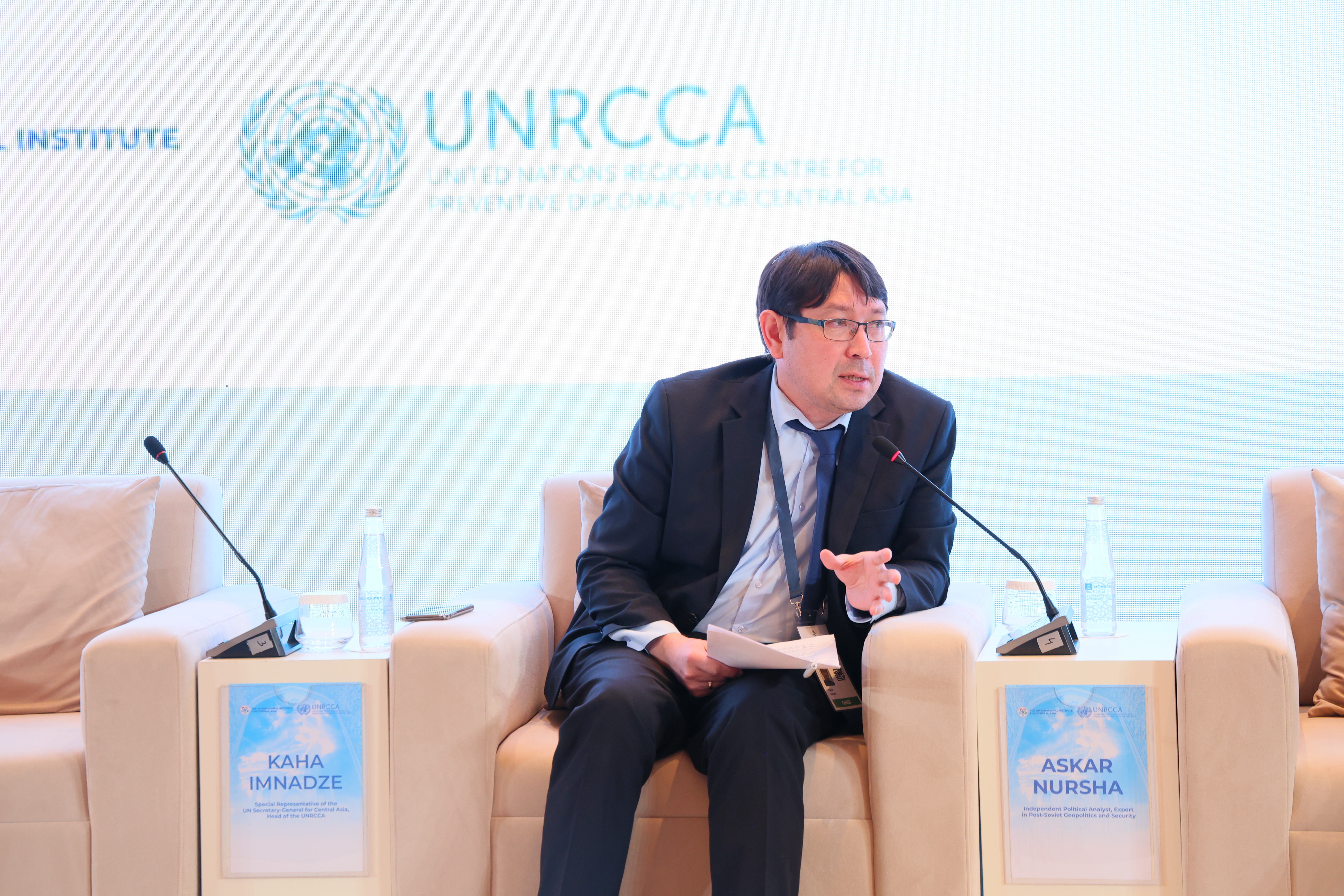
Dr. Nursha added that the region’s economy continues to show stable growth, while the development of railway and road connectivity is opening new opportunities for national economies, fostering mutual tourism, strengthening transit potential, and helping countries more effectively pursue their trade and economic interests.
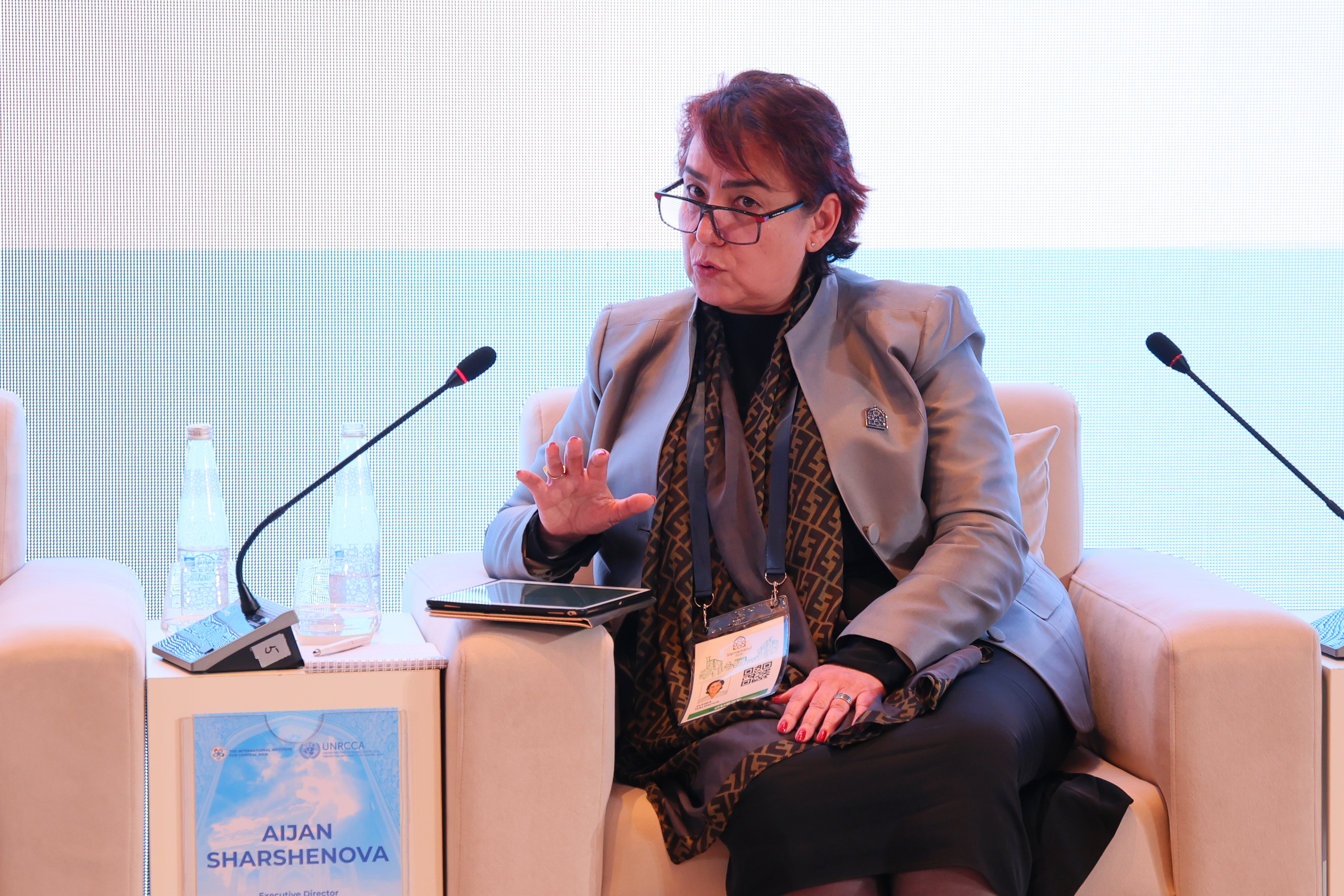
Dr. Aijan Sharshenova, Executive Director of the Crossroads Central Asia think tank in Kyrgyzstan, highlighted the emergence of a genuine sense of shared Central Asian identity among both younger and older generations. According to the expert, in recent years, there has been a renewed interest in issues that truly unite the Central Asian countries, as well as in shared goals and values.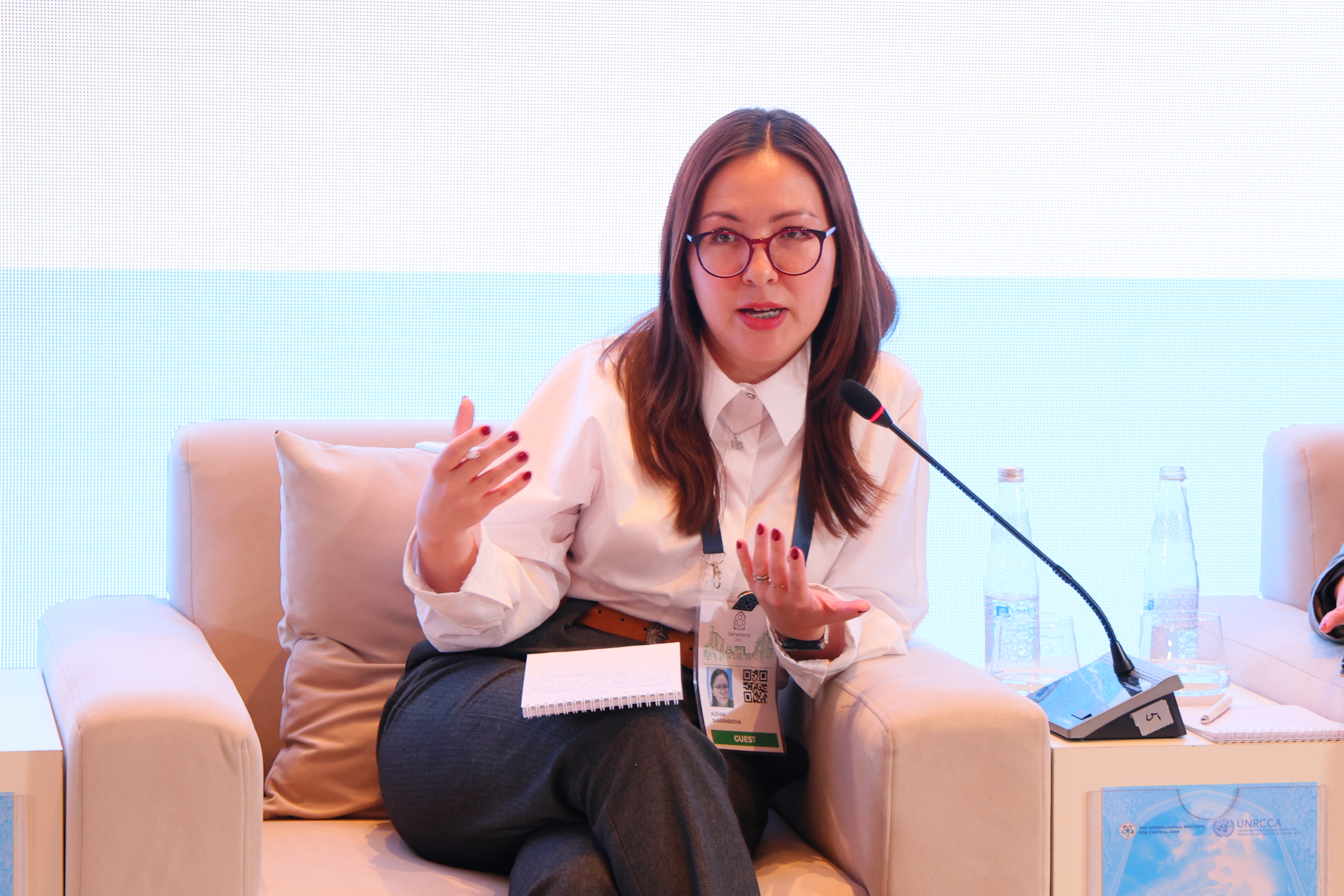
Ms. Zukhra Halimova, Senior Advisor at the CAPs Unlock think tank in Tajikistan and International Consultant for the World Bank, focused on the importance of expanding regional cooperation in education and scientific research. She emphasized that the region’s rich youth potential and high intellectual capacity form a solid foundation for building a sustainable future for Central Asia.
In conclusion, participants underlined the importance of holding the side event in Samarkand, which served as a platform for experience sharing, strengthening mutual trust, and developing joint ideas for advancing Central Asia’s development. The discussion reaffirmed the shared commitment of the region’s countries to deepen regional cooperation and enhance collaboration with the UN and UNESCO in achieving sustainable development goals through active cultural, educational, and scientific exchange.