The forum’s primary objective was to develop strategies for effective water resources management, the preservation of glaciers, and coordinated responses to the challenges facing sustainable development and food security. The event was organized by Tajikistan’s National Organizing Committee and the International Advisory Council (which includes UNESCO, WMO, ICIMOD, AMAP, among others).
Conference discussions addressed a broad range of issues, including cryosphere monitoring, climate finance, the advancement of scientific research, the adoption of innovative technologies, and data sharing to improve water resource governance.
Special attention was given to the socio-economic consequences of glacier melt, risks to agriculture, biodiversity, and the prospects for enhanced transboundary cooperation in the region.
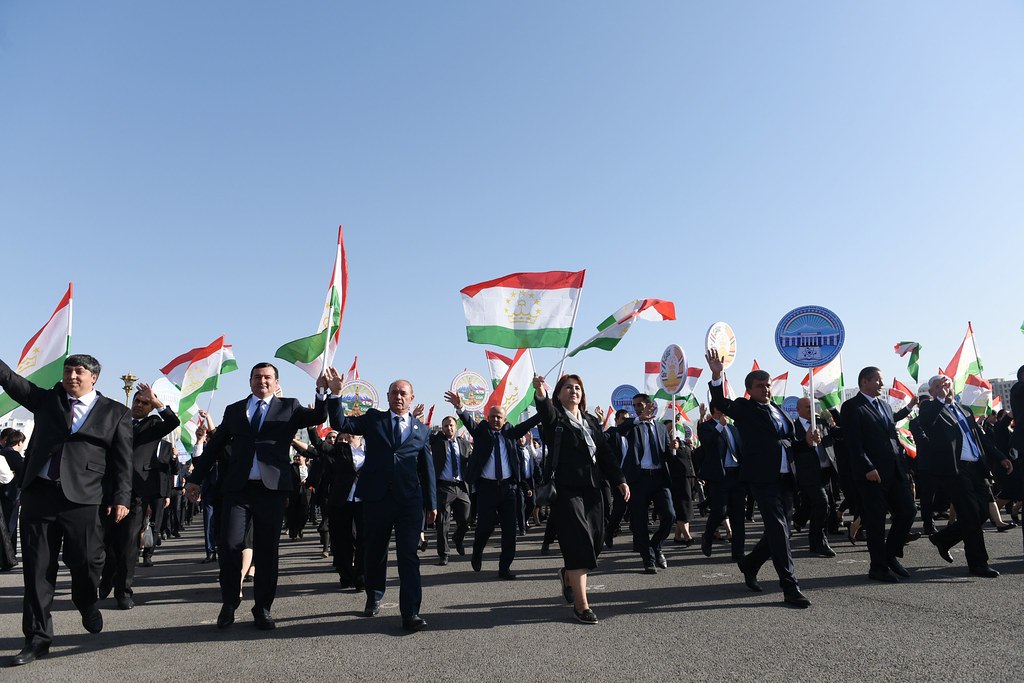
During plenary and thematic sessions, President of Tajikistan Emomali Rahmon presented a series of proposals, including the establishment of a regional glaciological laboratory in the country, the launch of an international expedition to study glaciers, and the drafting of the Dushanbe Declaration on Glaciers to be presented at COP30.
Key themes at the forum included scientific monitoring, the integration of climate and water strategies, the mobilization of climate finance, and support for the Decade of Cryospheric Sciences (2025-2034).
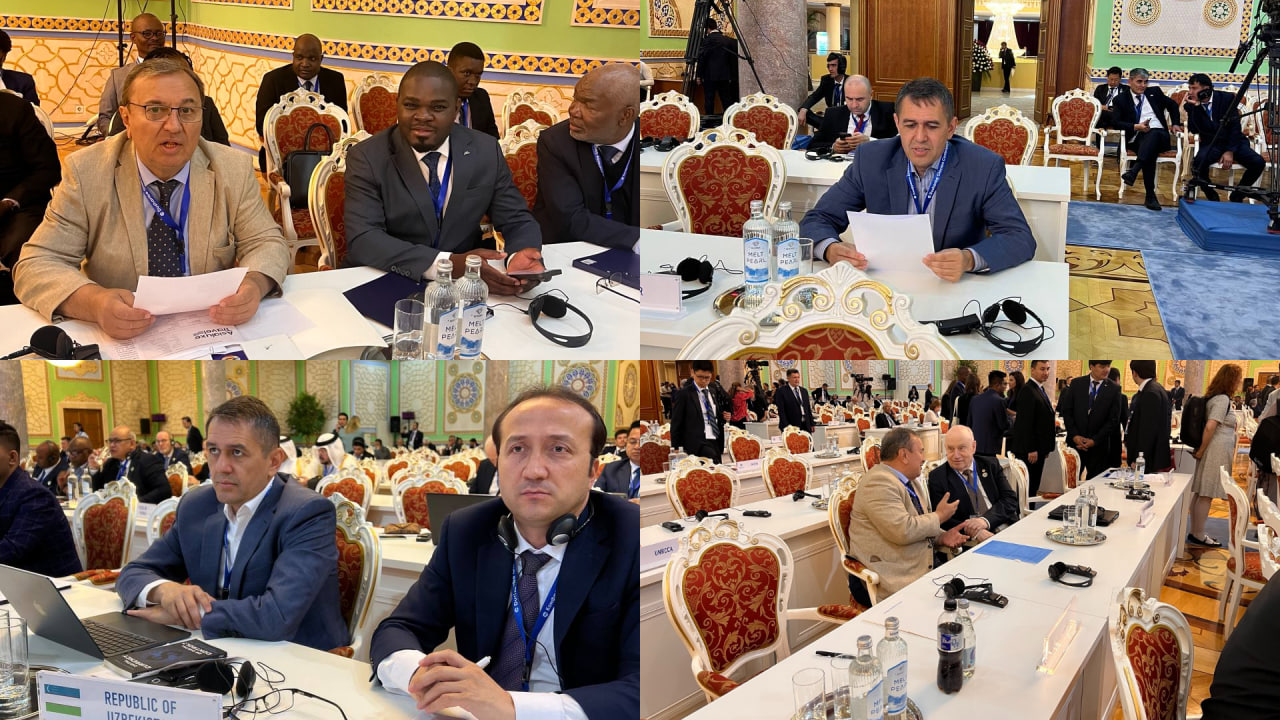
The IICA delegation, represented by Bahrom Babaev (Head of the Department of Water and Environmental Research) and Kadamboy Sultanov (Chief Research Fellow of the same department), actively participated in the conference and delivered thematic presentations.
In his address, Bahrom Babaev emphasized: “In the long run, glaciers will gradually lose their function as an additional water source, and glacier degradation will inevitably affect the environment and socio-economic situation across the entire region. Only a joint strategy for glacier preservation and protection can ensure sustainable development and environmental security in Central Asia.”
Kadamboy Sultanov highlighted: “Central Asia is one of the world’s most climate-vulnerable regions, and effective transboundary cooperation is possible only if the interests of all parties are respected, with due regard for contemporary climate challenges and trust as the foundation.” He further stated, “Water is the foundation of trust in our region. Only through partnership and joint efforts can we adapt to climate change, modernize the water management sector, and preserve glaciers as a strategic resource for future generations.”
According to data presented during the sessions, up to 70% of glacier mass has been lost in the mountains of Central Asia since 1975, and the number of glacial lakes now exceeds 4,500, creating real risks for regional security and sustainable development.
Participants paid particular attention to the expansion of scientific exchange and the launch of the Regional Coordination Center for Glacier Research under the auspices of the WMO in Dushanbe, as well as to new formats for international engagement—including water diplomacy and initiatives linked to the United Nations’ International Year of Glaciers’ Preservation. In this context, the cultural program, including the Glacier Festival, highlighted the importance of education and youth engagement.
On the sidelines of the conference, IICA representatives held meetings and consultations with experts and international organizations, reaffirming their commitment to developing joint scientific and outreach projects.
The conference concluded with the adoption of the Dushanbe Declaration, calling for deeper scientific cooperation, the expansion of joint research, and a commitment to a sustainable future for the region. The documents adopted at the conference formalized states’ obligations to intensify scientific exchange, strengthen measures for cryosphere protection, and support new international initiatives in the field of climate security. This forum has become a pivotal step toward the formation of new tools for regional water and climate partnership in Central Asia.