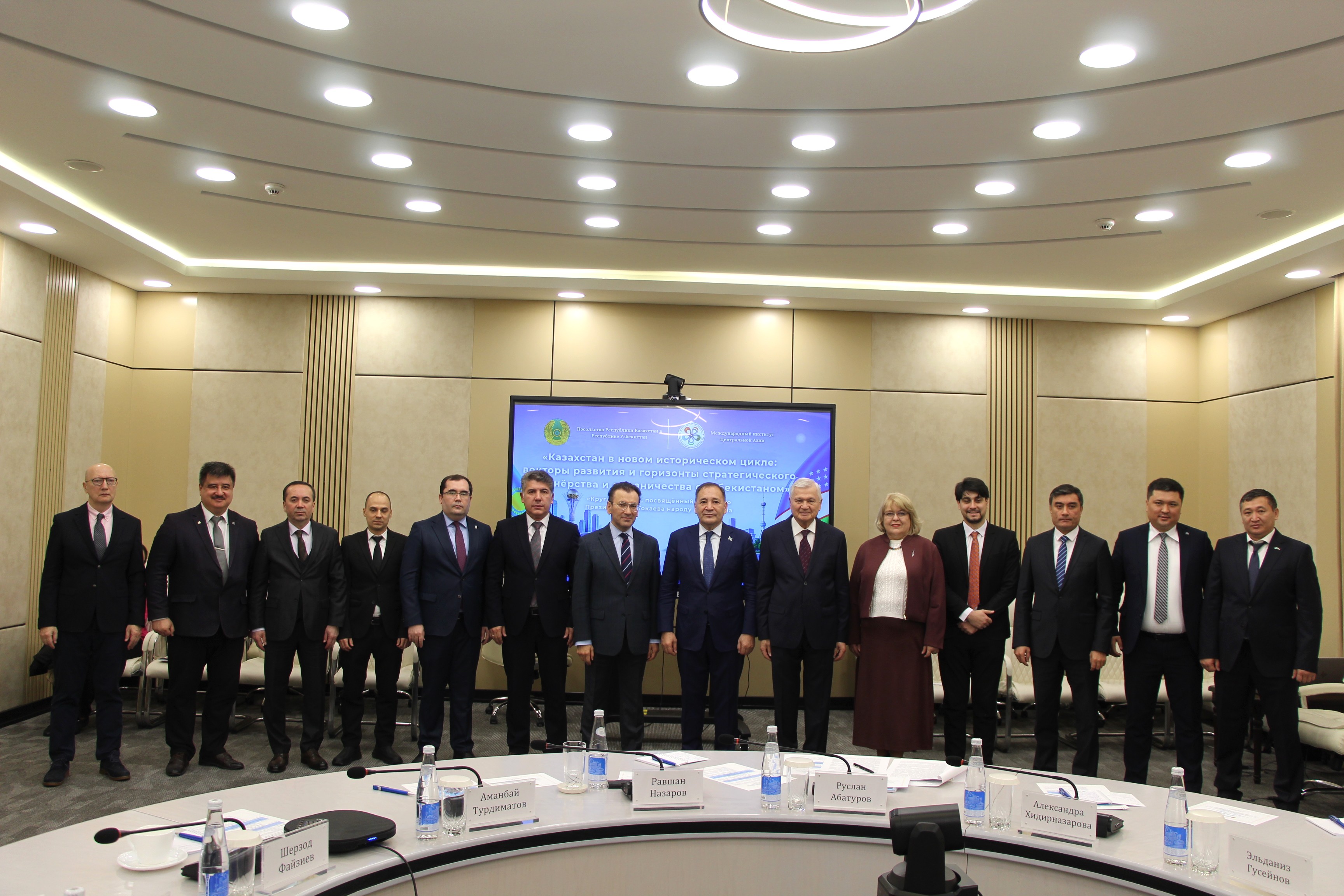
The event brought together representatives of the diplomatic corps, government institutions, think tanks, the academic, expert and business communities, as well as the Kazakh diaspora.
Opening the discussion, IICA Director Javlon Vakhabov noted that the Address reflects Kazakhstan’s aspiration to adapt its economic model to ongoing global changes, with particular emphasis on diversification and technological modernization. In his view, Kazakhstan’s geographical position and its role in developing Eurasian transport links are of key importance not only for the country itself but also for the further development of the entire region.
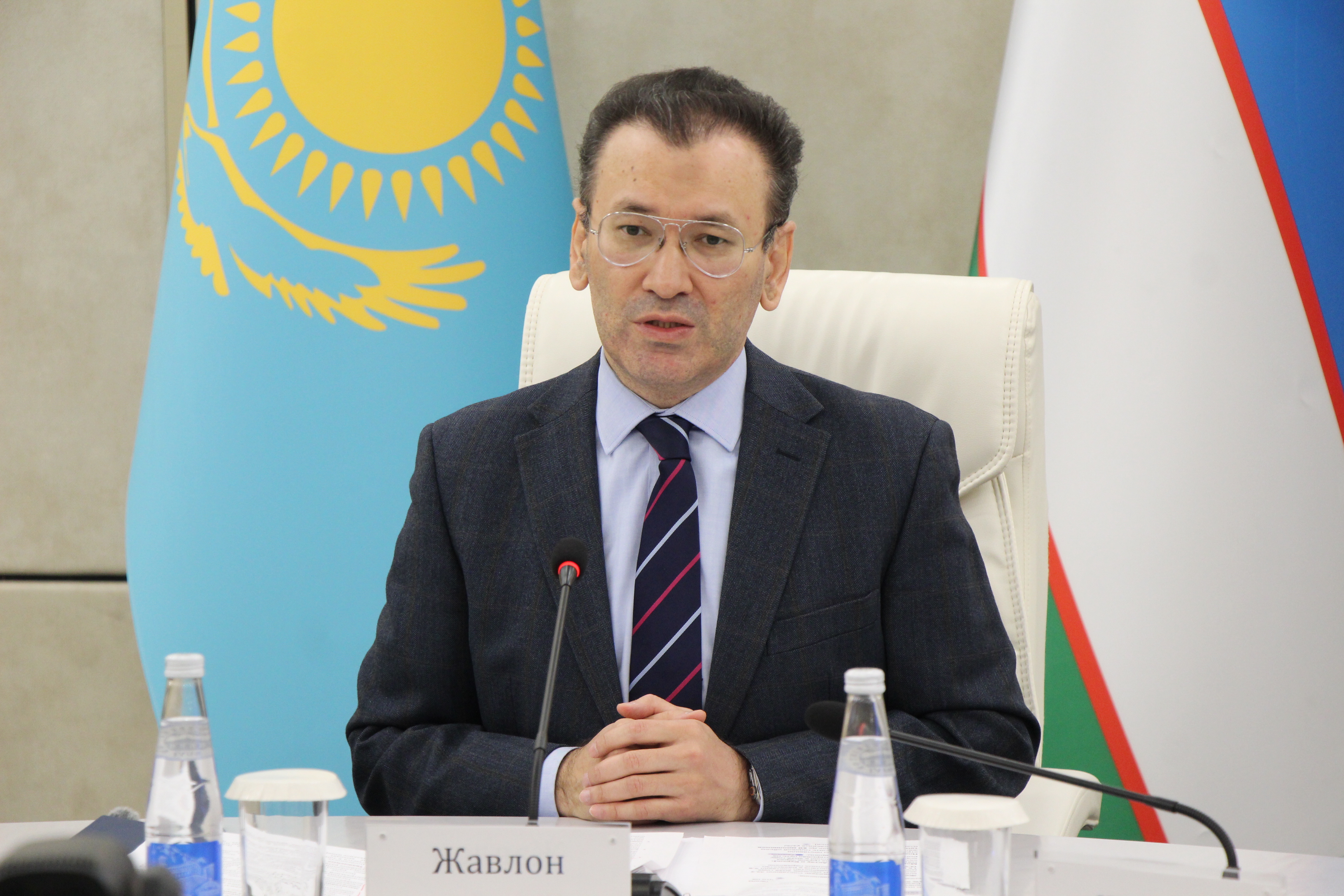
It was emphasized that Uzbekistan–Kazakhstan cooperation, based on allied relations and a high level of political trust, plays a special role in this context. According to J. Vakhabov, such cooperation creates favorable conditions for aligning long-term priorities, advancing joint initiatives, expanding mutual trade and implementing projects in industry, transport and logistics, and energy.
Ambassador Extraordinary and Plenipotentiary of the Republic of Kazakhstan to Uzbekistan Yerali Tugzhanov noted that the historical experience of Central Asian countries demonstrates their ability to overcome challenges and build relations based on good-neighborliness and mutual trust.
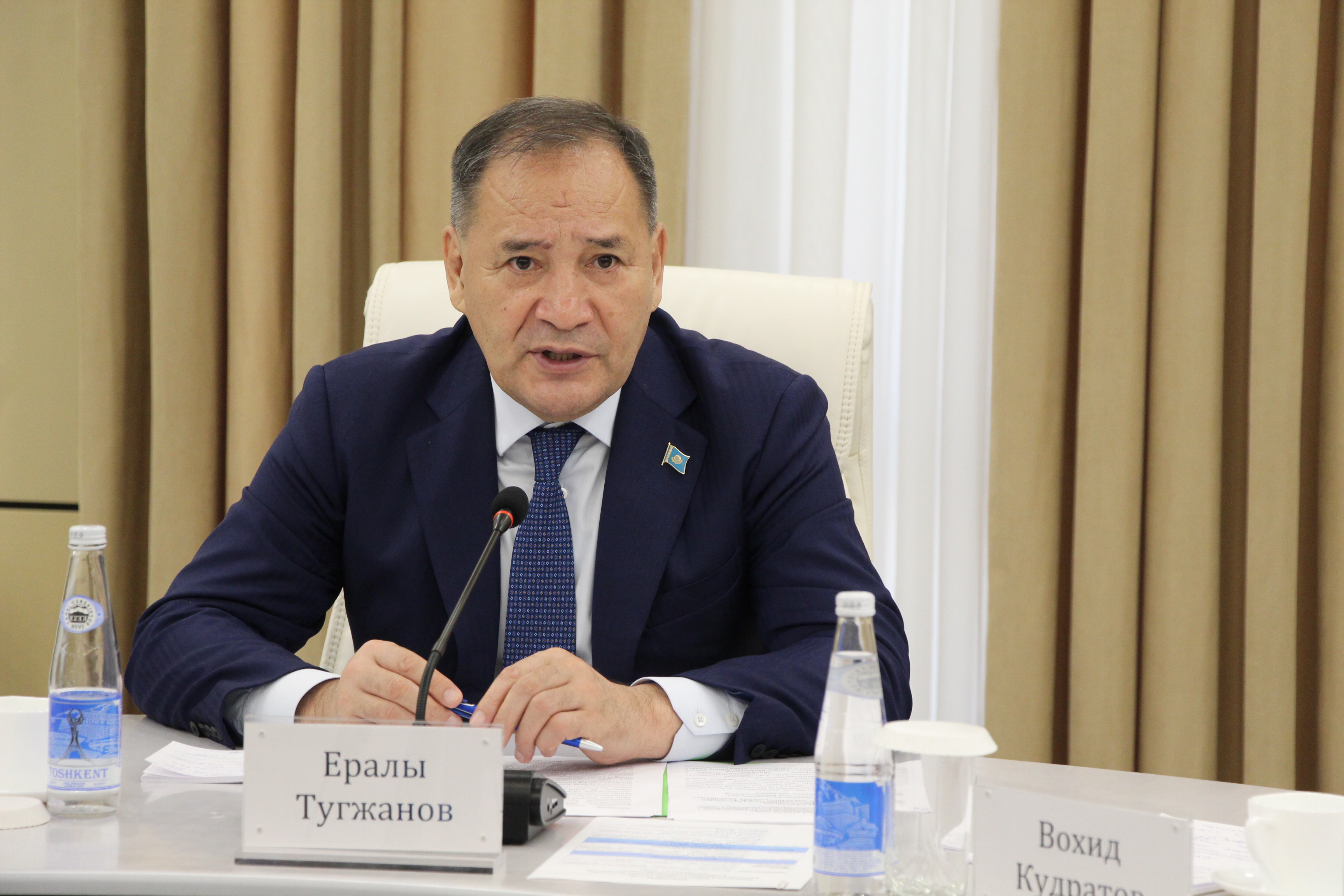
According to the diplomat, Kazakhstan’s modernization opens new opportunities for the development of the whole region, strengthening its economic potential and enhancing its competitiveness in global markets. Transport connectivity and the rational use of water resources play a particularly unifying role in this regard.
First Deputy Director of the Institute for Strategic and Regional Studies under the President of the Republic of Uzbekistan Akramjon Nematov stressed that a state’s ability to renew itself in a timely manner and adapt to changes in the external environment is one of the most important indicators of its viability.
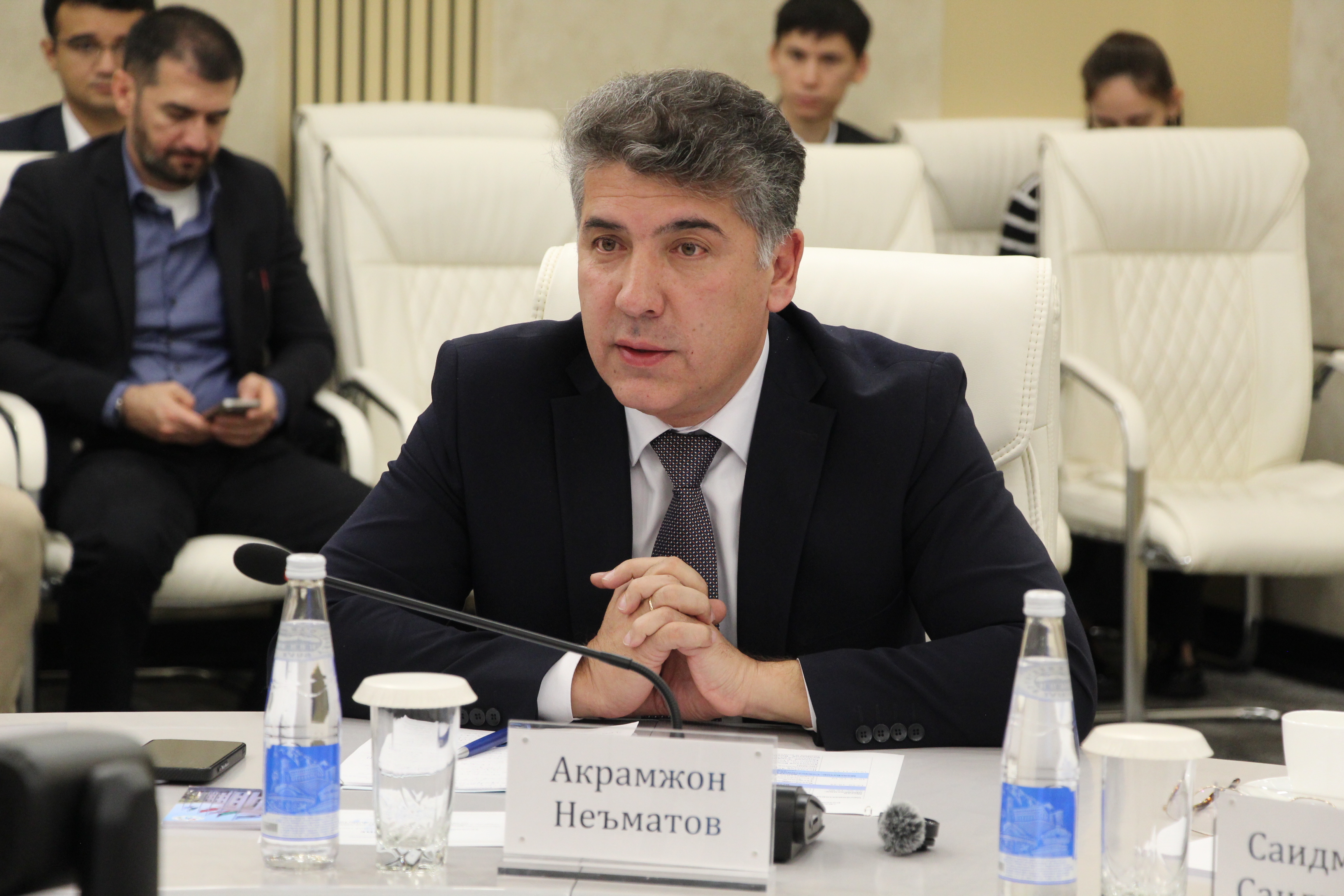
In his words, modernization processes in Uzbekistan and Kazakhstan follow a similar logic of transformation aimed at improving the efficiency of public administration, developing infrastructure and strengthening industrial capacity.
Director of the Center for Research on Transport and Logistics Development under the Ministry of Transport of the Republic of Uzbekistan Bekzod Kholmatov highlighted the strategic importance of transport cooperation for strengthening regional connectivity.
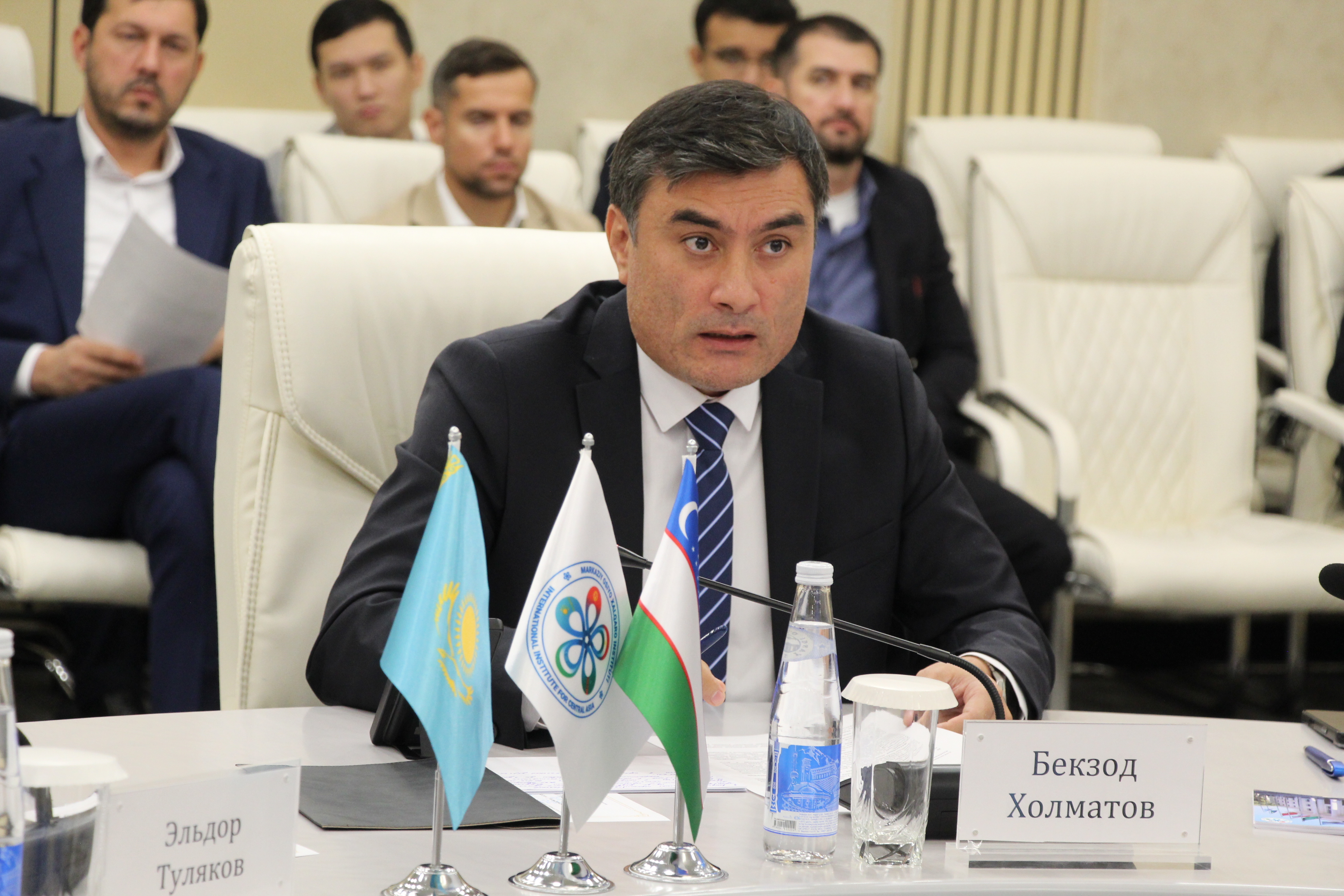
In his assessment, the Uzbekistan–Kazakhstan border has the potential to develop further as a modern transport and logistics corridor, ensuring more efficient movement of goods and expanding trade ties.
Executive Director of the «Development Strategy» Center Eldor Tulyakov noted the similarity of the two countries’ approaches to modernizing their strategic planning systems.
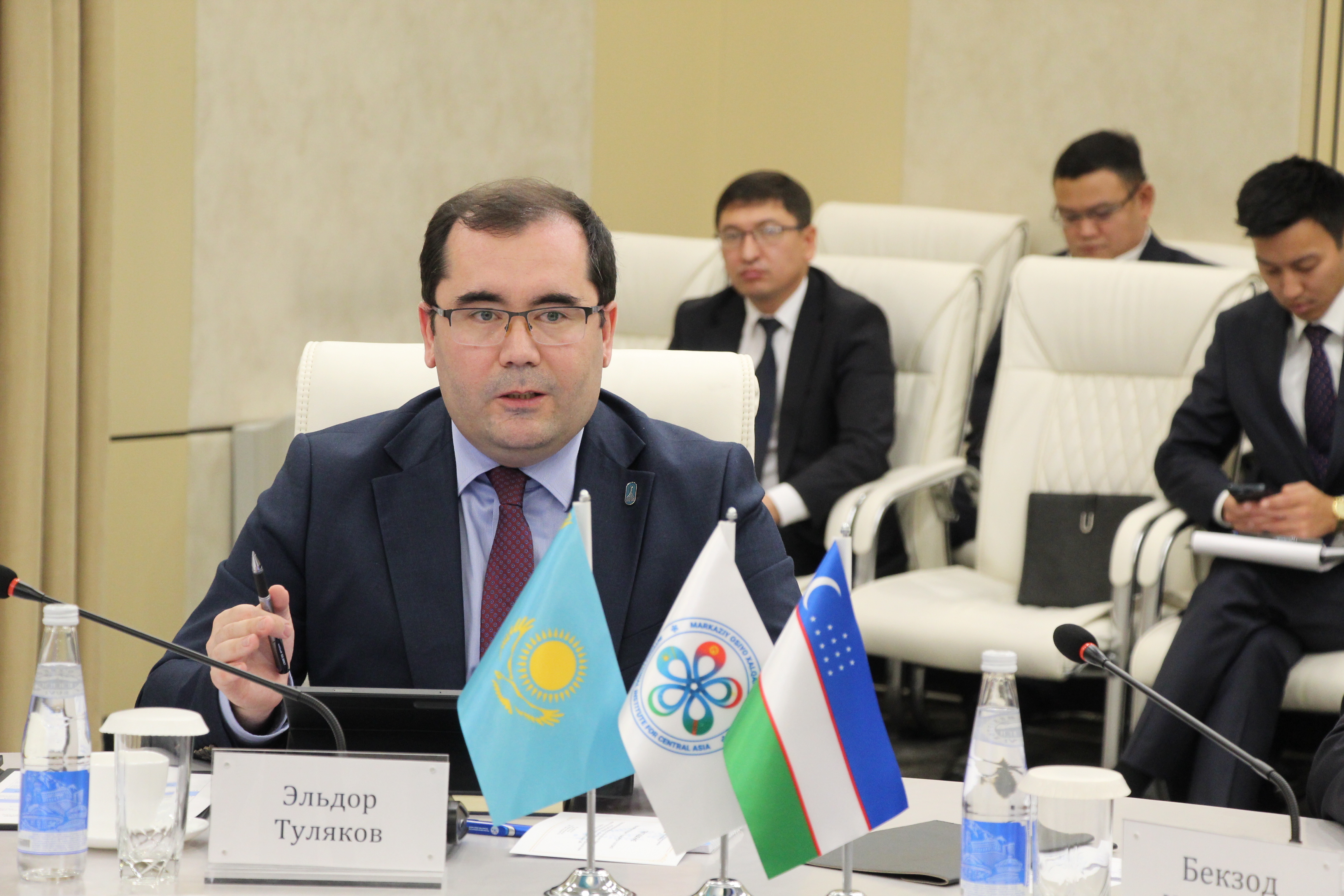
In this regard, he drew attention to the importance not only of developing policy documents but also of their practical implementation, focused on achieving concrete results and improving socio-economic indicators.
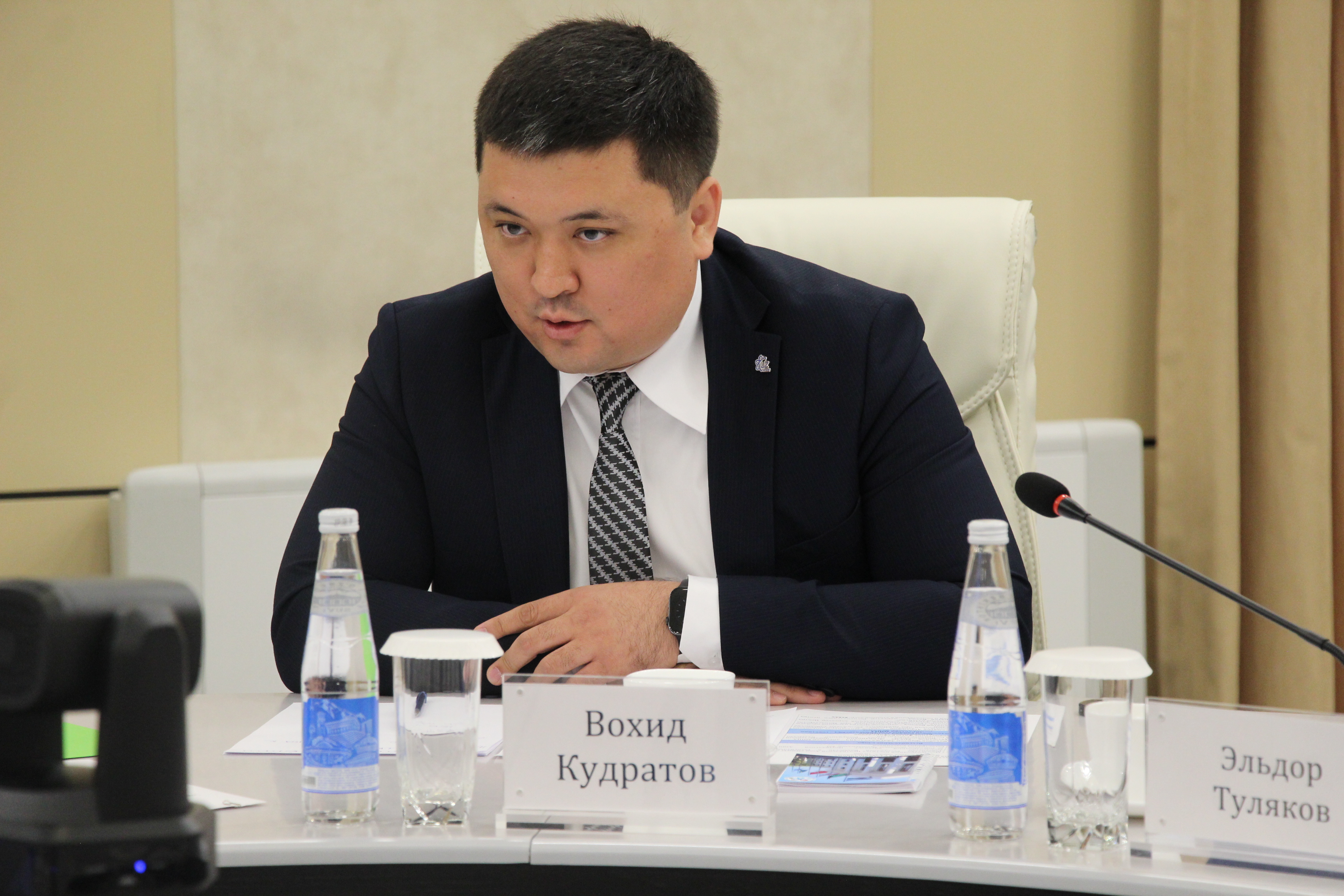
According to the Director of the Regional Center of Knowledge and Competence in Nuclear Energy Vokhid Kudratov, Uzbekistan–Kazakhstan cooperation in the nuclear sphere retains significant potential for further development. In his view, pooling scientific and technical expertise, training specialists and developing industrial cooperation in the nuclear industry are of particular importance.
In turn, Head of the Industrial Safety, Environmental Protection and Occupational Safety Department of the State Institution «Directorate for NPP Construction» under the «Uzatom Agency» Aleksandra Khidirnazarova underlined the long-term nature of nuclear energy projects, viewing their implementation as a contribution to the well-being of future generations.
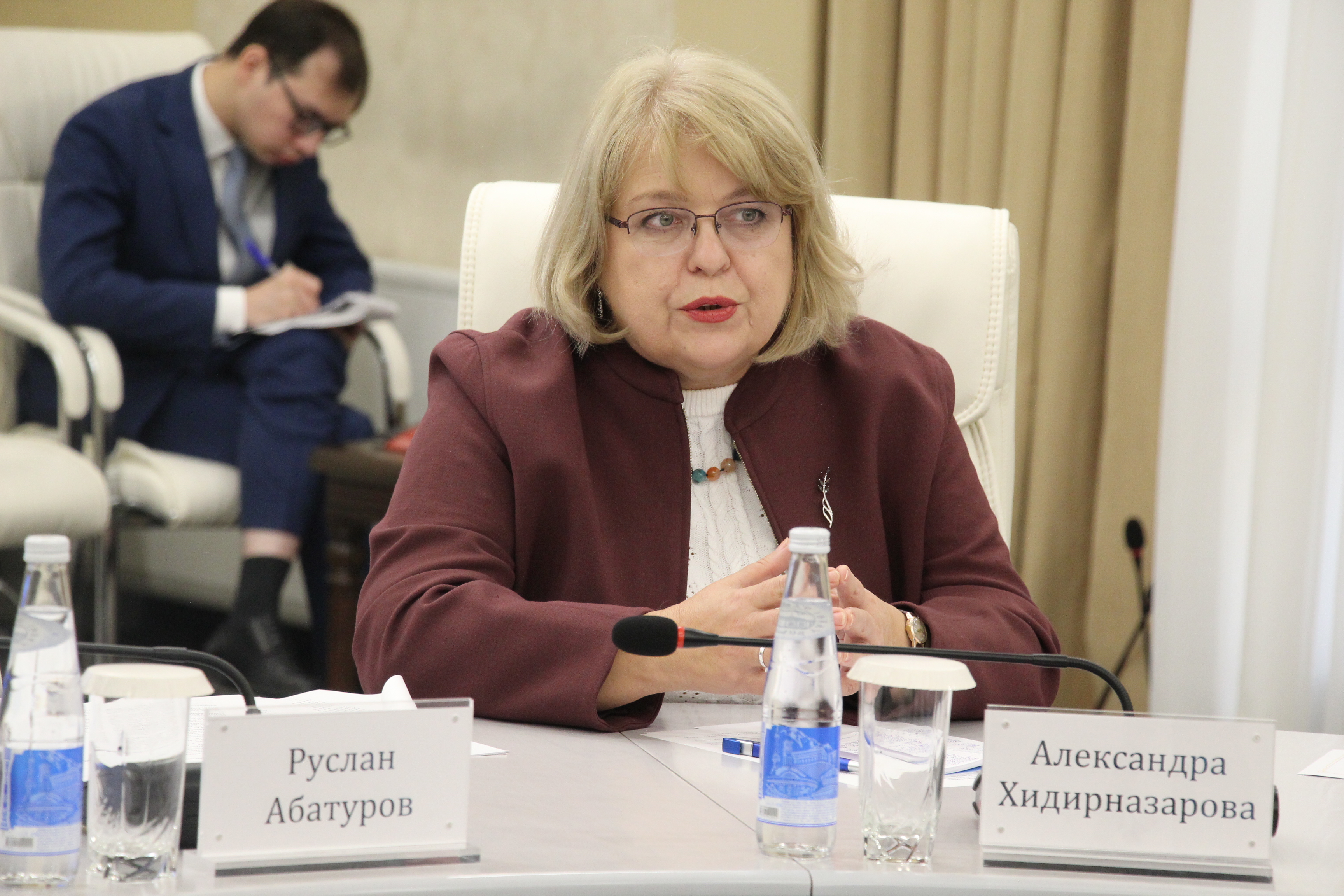
In this context, the need to ensure continuity of personnel and expand professional cooperation between the two countries was noted.
Co-founder and Head of Research at «Nightingale Int» Eldaniz Guseynov noted that regional cooperation is acquiring new substance, reflecting a shift from multi-vector external economic ties to multi-connectivity among states.
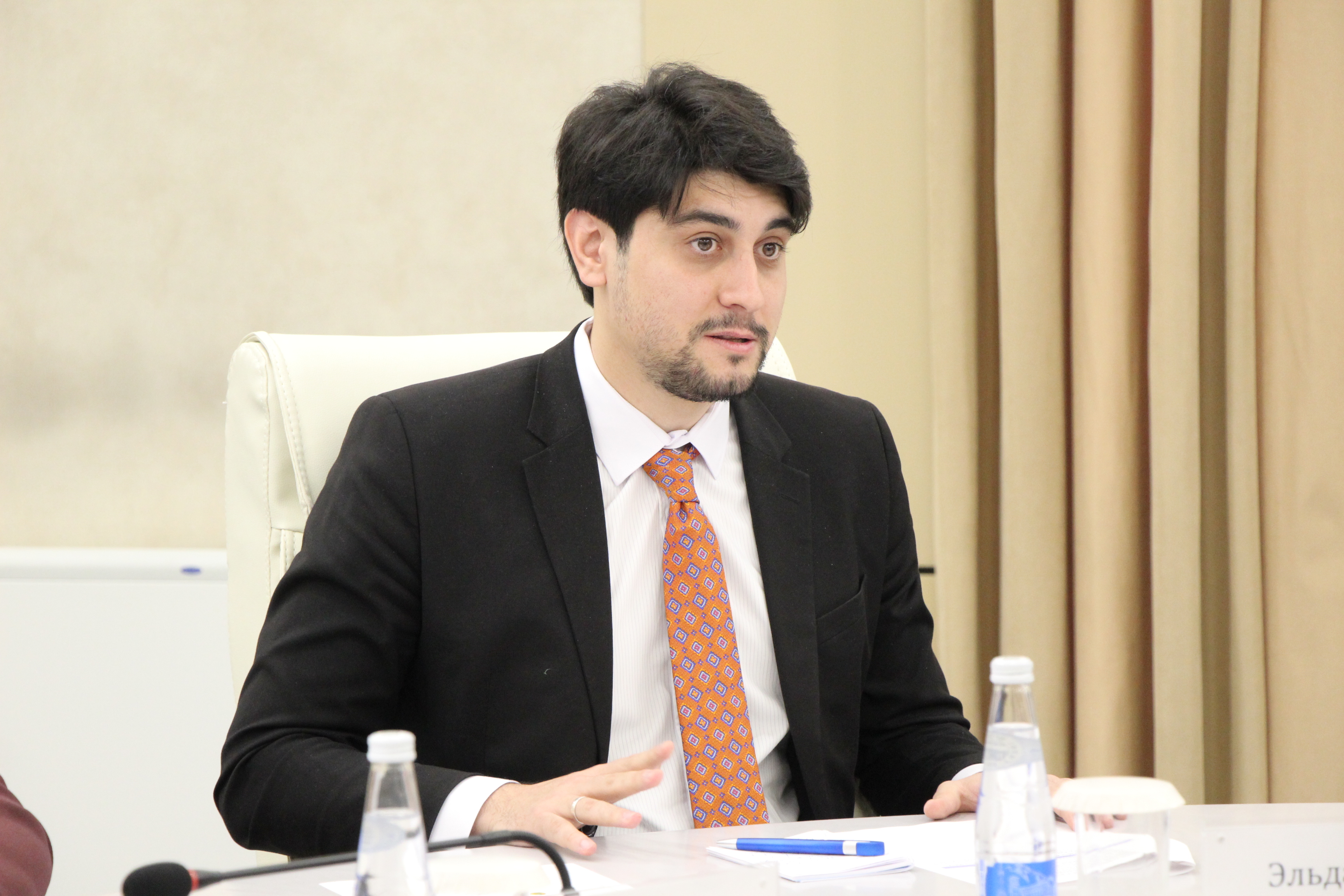
In his assessment, amid growing geopolitical uncertainty, the resilience of transport and production chains – ensured through coordinated action, the development of digital infrastructure and the use of artificial intelligence technologies – is of particular importance.
Head of Sector at the Center for Economic Research and Reforms Ruslan Abaturov discussed in detail the transformation of the structure of Uzbekistan–Kazakhstan trade and economic relations.
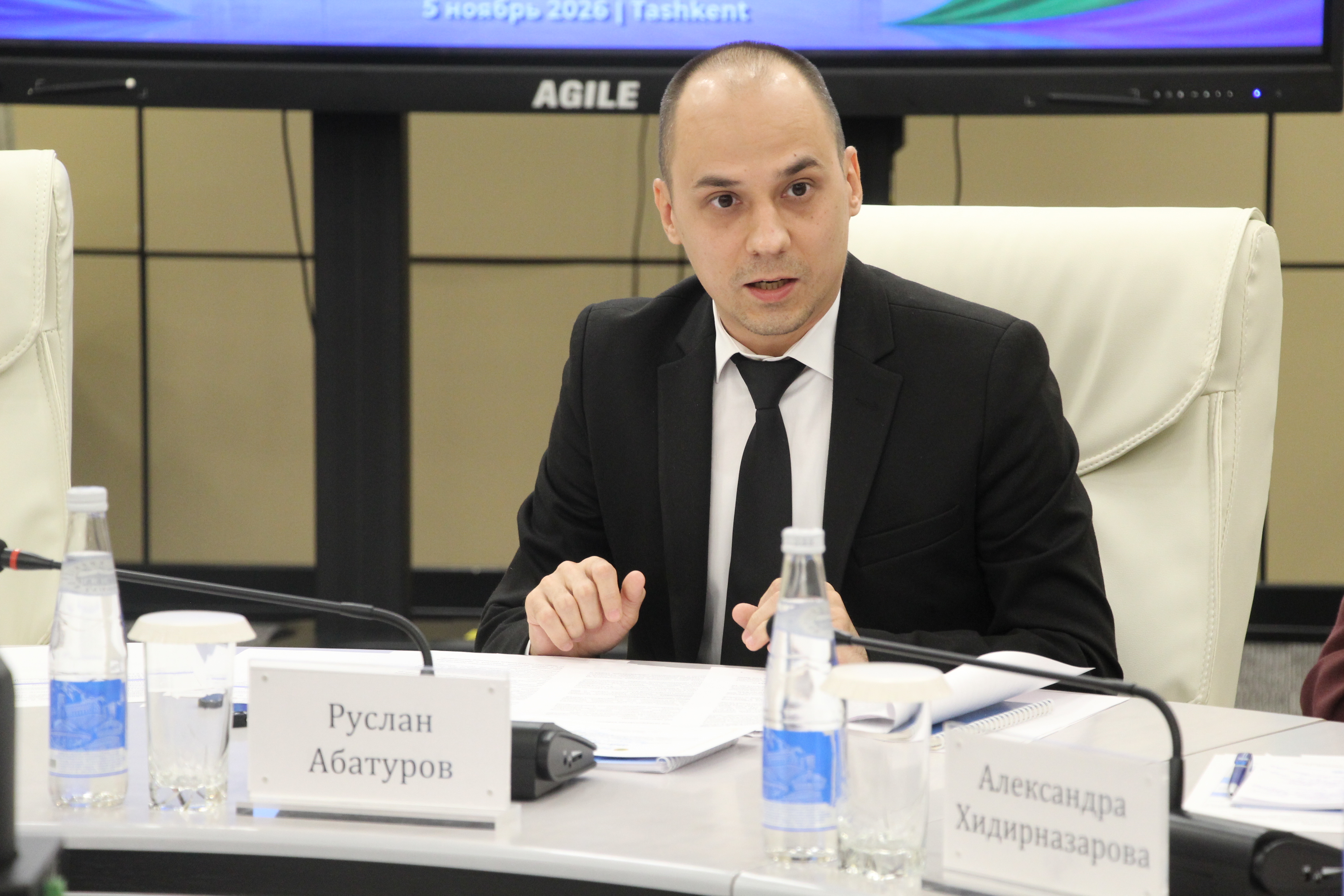
Particularly, in his view, the declining share of raw materials and the growing share of finished products in mutual trade indicate a gradual transition to deeper industrial cooperation. At the same time, combining the economic potential of the two countries creates additional opportunities for jointly entering third-country markets.
Candidate of Philosophical Sciences, Associate Professor at the Tashkent Branch of the Plekhanov Russian University of Economics Ravshan Nazarov emphasized that cultural and humanitarian cooperation is an important component of the long-term rapprochement between the peoples of Uzbekistan and Kazakhstan.
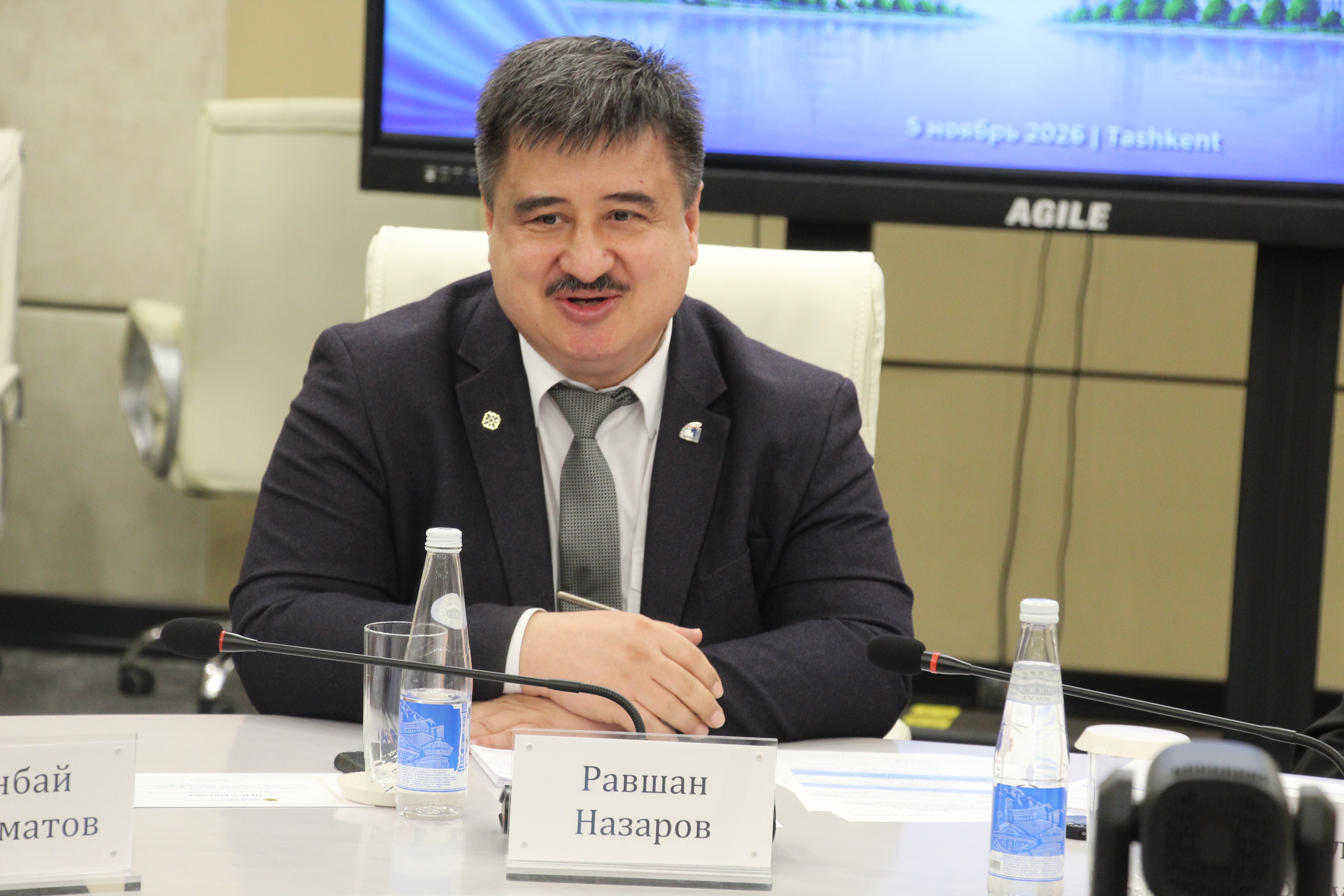
Among the key areas, he highlighted the preservation of the shared historical and cultural heritage, the expansion of educational exchanges, the development of cooperation between universities of the two countries, as well as strengthening ties in pilgrimage tourism and implementing joint cultural projects.
Summing up the discussion, participants noted that modernization processes in Uzbekistan and Kazakhstan are becoming increasingly complementary, creating additional prerequisites for deepening the strategic partnership and alliance between the two countries.
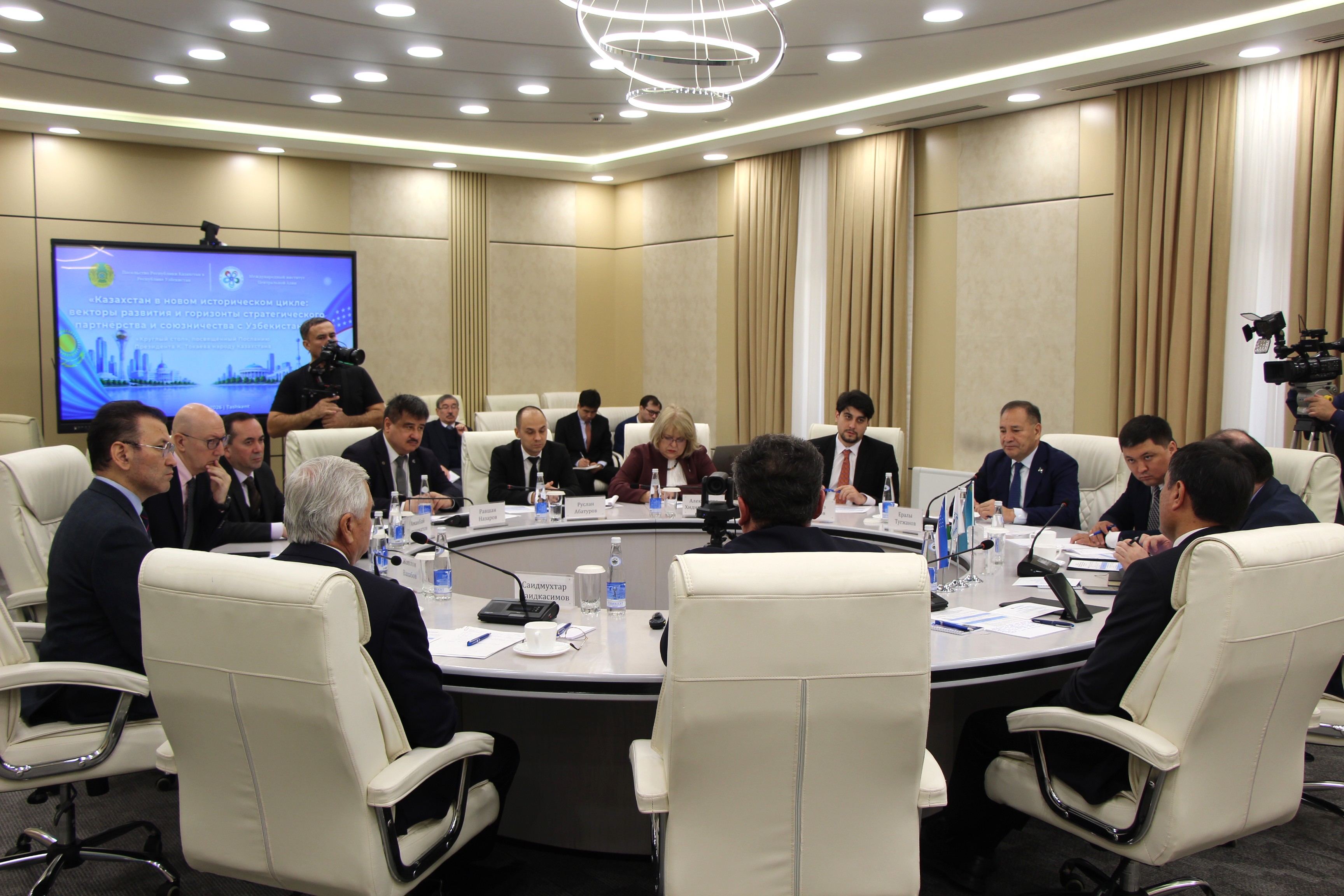
It was emphasized that closer alignment of national priorities, stronger transport and industrial connectivity, and expanded scientific, technological, cultural and humanitarian cooperation would contribute to strengthening the resilience and competitiveness of Central Asia as a whole.