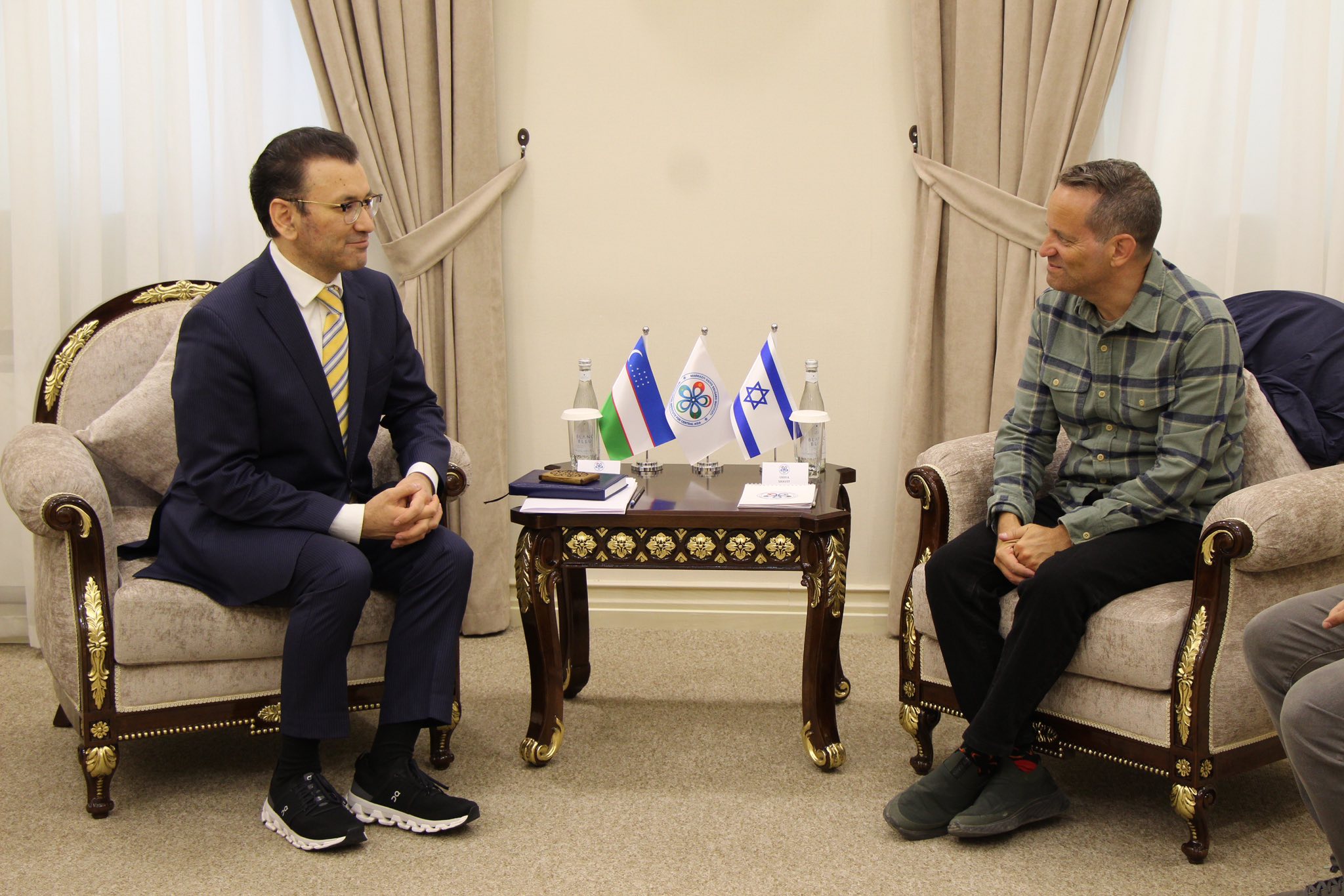
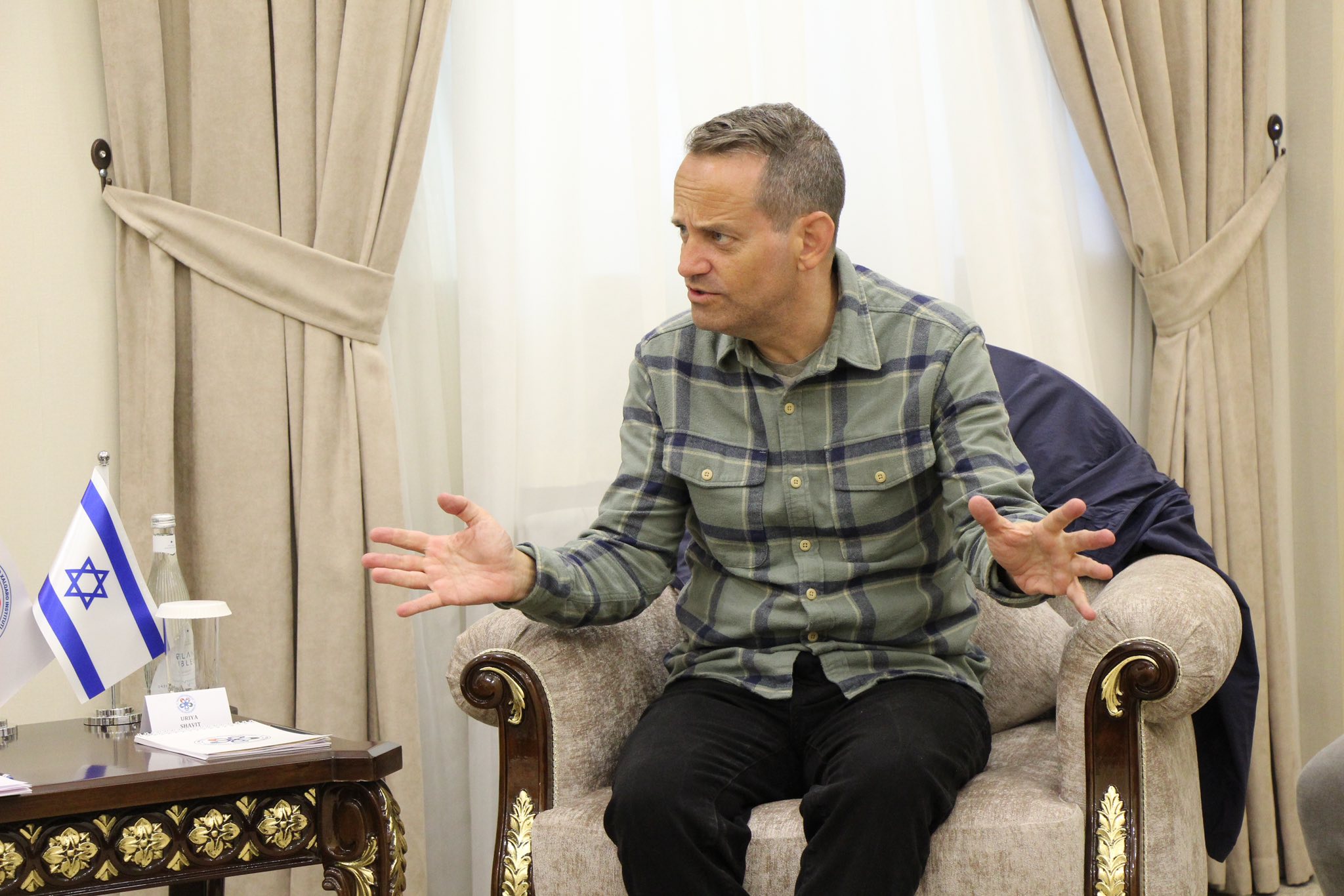
During the discussion, Professor Shavit, known for his research in Jewish-Muslim relations, highly praised the historical and cultural legacy of Jewish communities in Central Asia. Specifically, he highlighted the role of Bukharan Jews, who, despite their small numbers, left an indelible mark on the cultural and social life of the region, serving as vital links between various ethnic groups.
As noted by the IICA Director, Central Asia is an attractive region for understanding the multicultural processes that have always been inherent to this space.
The importance of the Bukharan Jewish diaspora, which today resides in Israel, the United States, Canada, European Union countries, and other parts of the world, was particularly emphasized. This diaspora has, for over two thousand years, been an integral part of the cultural landscape of Central Asia.
Despite the geographic distance, members of this community continue to preserve and pass on their unique traditions, language, and spiritual values from generation to generation, contributing significantly to the promotion of the region's historical and cultural heritage on the international stage.
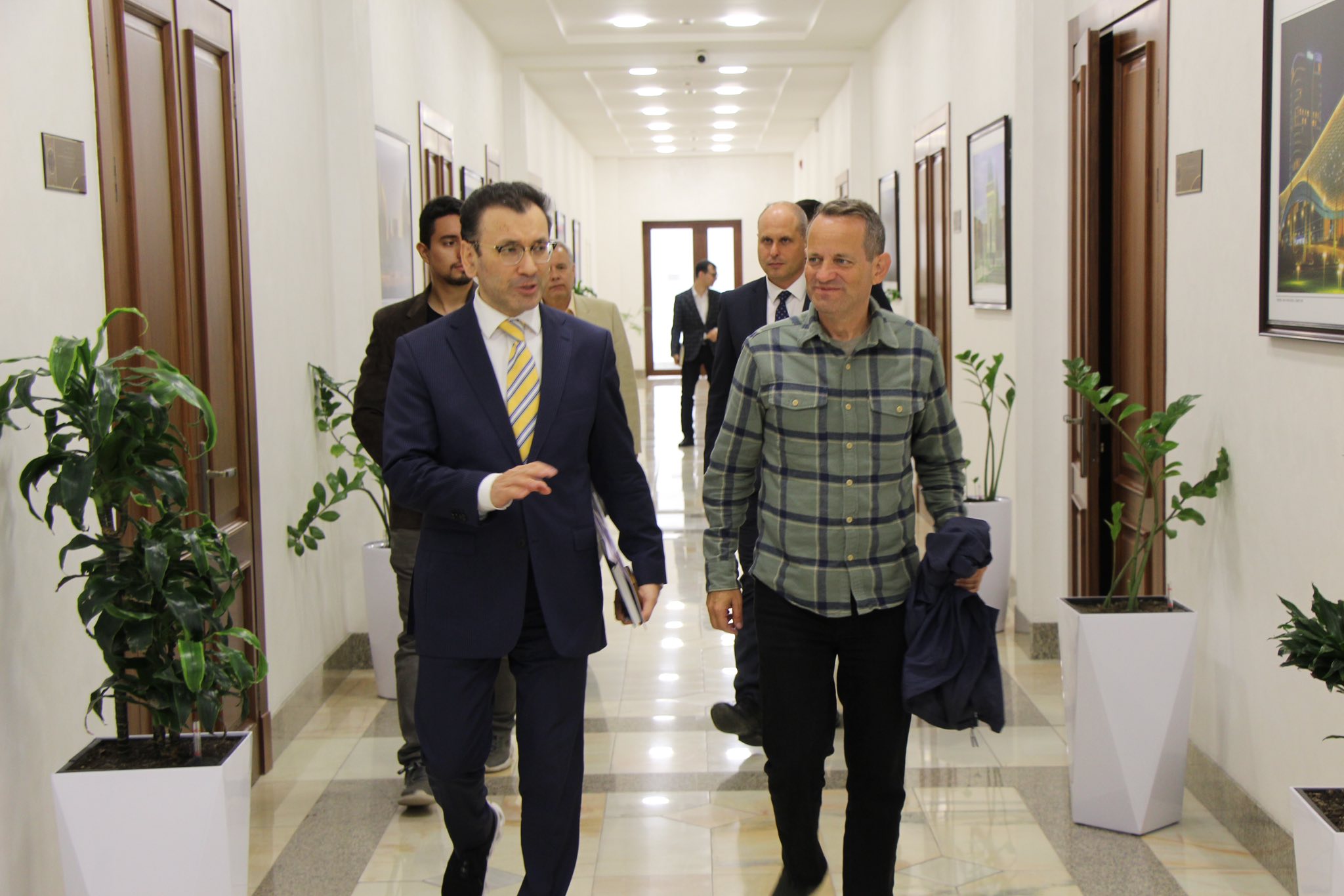
In this context, the meeting participants noted that the development of sustainable humanitarian ties with diasporas opens up vast opportunities for deepening cultural exchange, strengthening mutual understanding, and expanding international cooperation. Such initiatives not only help preserve shared historical heritage but also form a solid foundation for bringing together nations from different countries, united by common memories and values, despite geographical distances.
The Center for the Study of Contemporary European Jewry at Tel Aviv University, led by Professor Shavit, is widely recognized for its research and initiatives aimed at preserving Jewish cultural identity in a rapidly changing world.