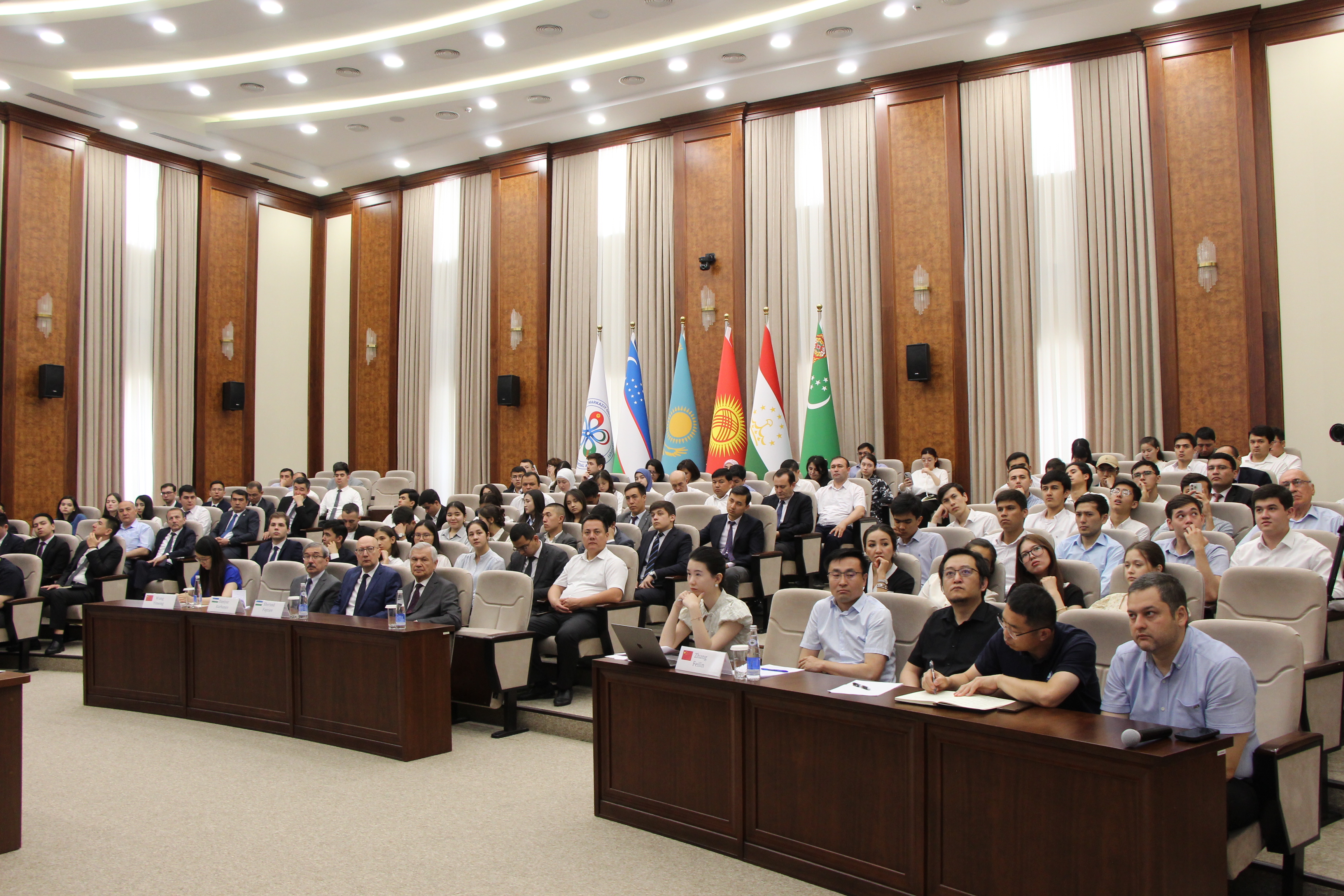
The event served as a significant platform for in-depth dialogue on key regional issues, China’s current foreign policy agenda, and the prospects for Uzbek–Chinese strategic partnership.
Among the participants were leading representatives from Uzbekistan’s academic and research community, including experts from the Institute for Macroeconomic and Regional Studies, the Institute for Strategic and Interregional Studies (ISRS), the Center for Political and International Studies, and the Center for Economic Research and Reforms (CERR), as well as faculty and students from major academic institutions such as the Academy of Public Administration, the University of World Economy and Diplomacy (UWED), the National University of Uzbekistan, Tashkent State University of Economics (TSUE), Uzbek State University of World Languages, and Tashkent State University of Oriental Studies. Representatives of local and foreign media outlets also attended.
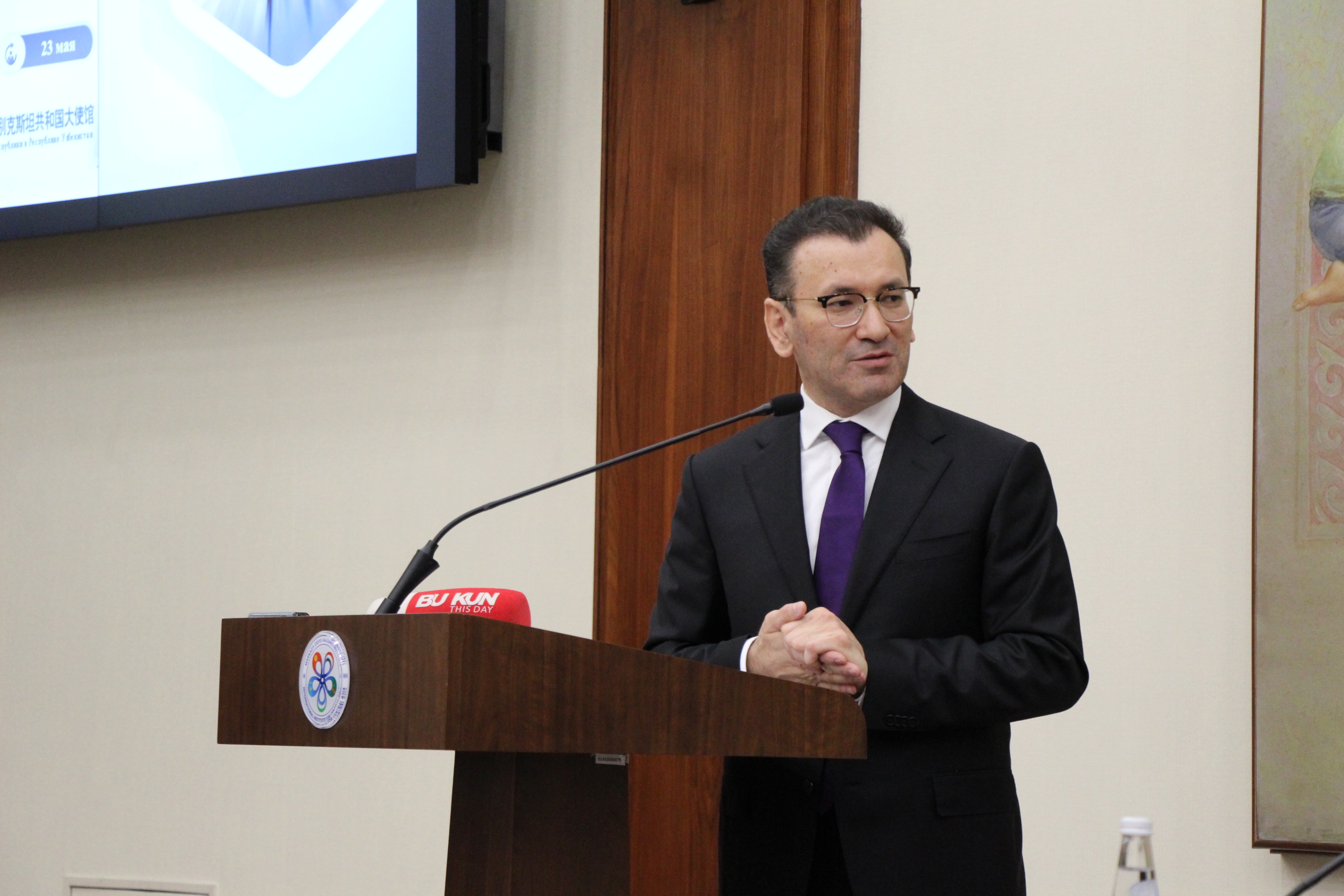
Opening the event, Director of IICA Javlon Vakhabov emphasized that this address by the Chinese Ambassador at the Institute was not only a landmark initiative in strengthening expert and academic dialogue but also a step toward building a stable platform for advancing joint strategic initiatives.
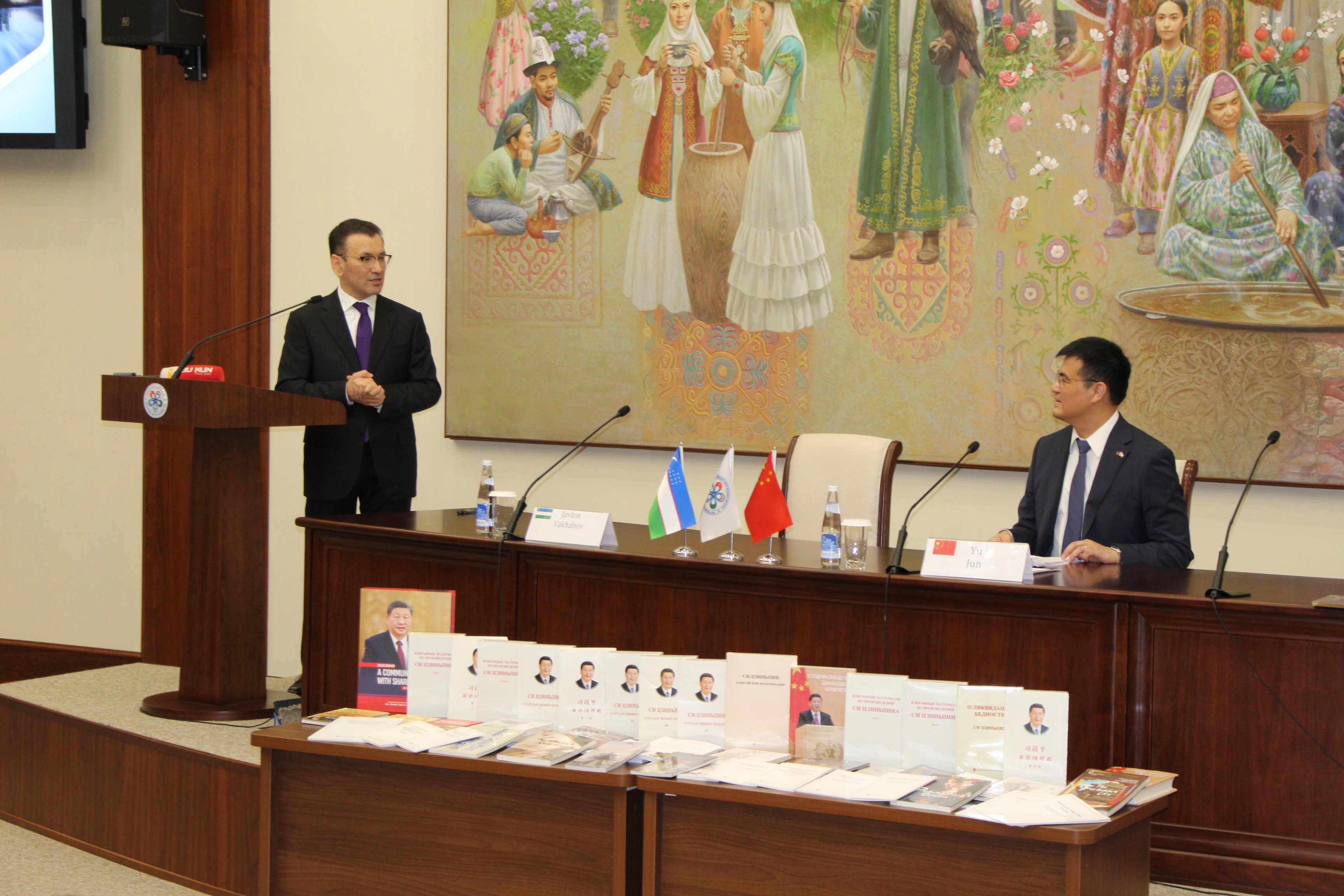
He noted that with the support of the Chinese Embassy in Tashkent, IICA has been actively expanding its partnerships with leading Chinese think tanks, including the China Institute of International Studies, the Institute of European and Asian Social Development, the Central Asia Studies Institute at Shaanxi Normal University, and the Shanghai Institutes for International Studies.
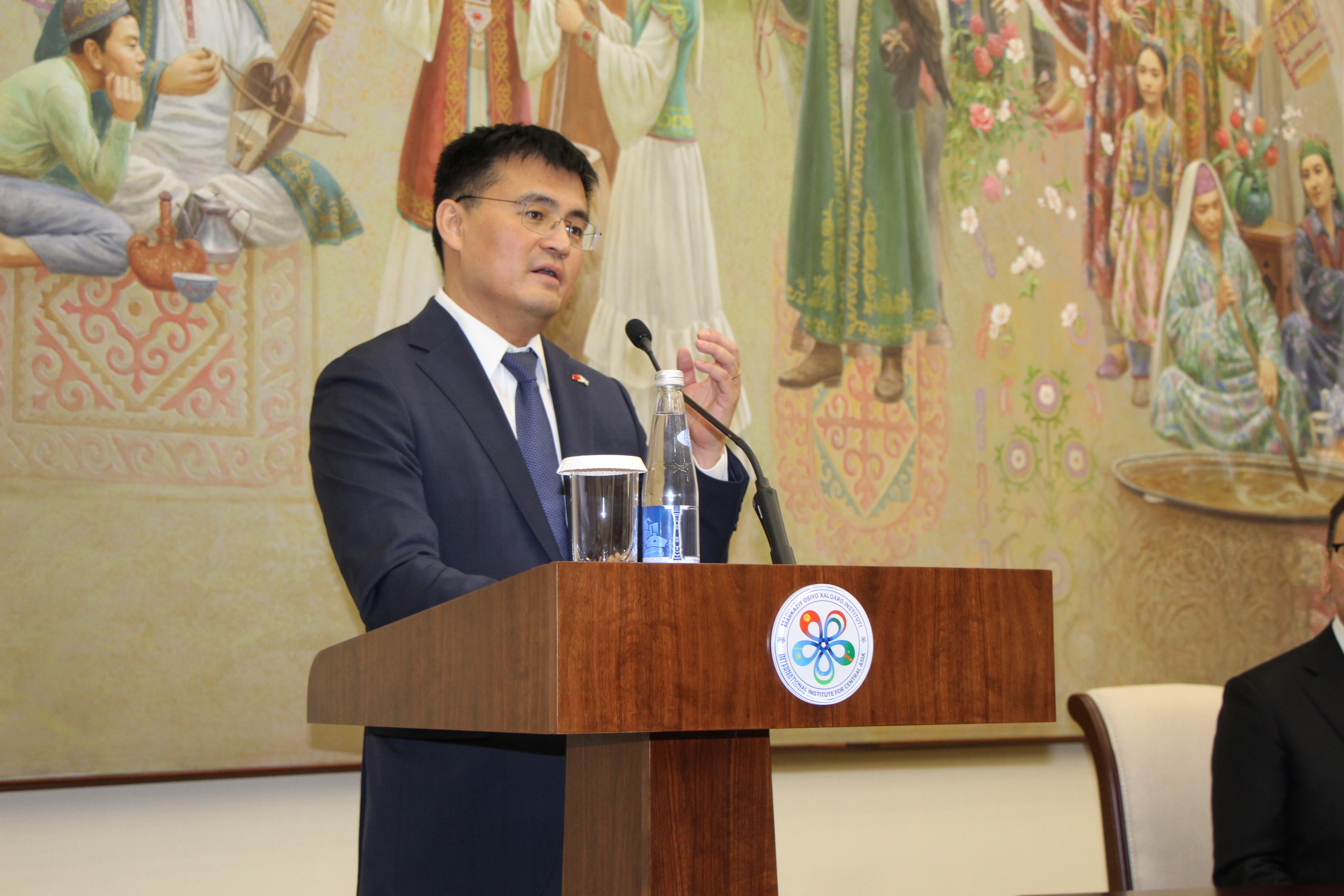
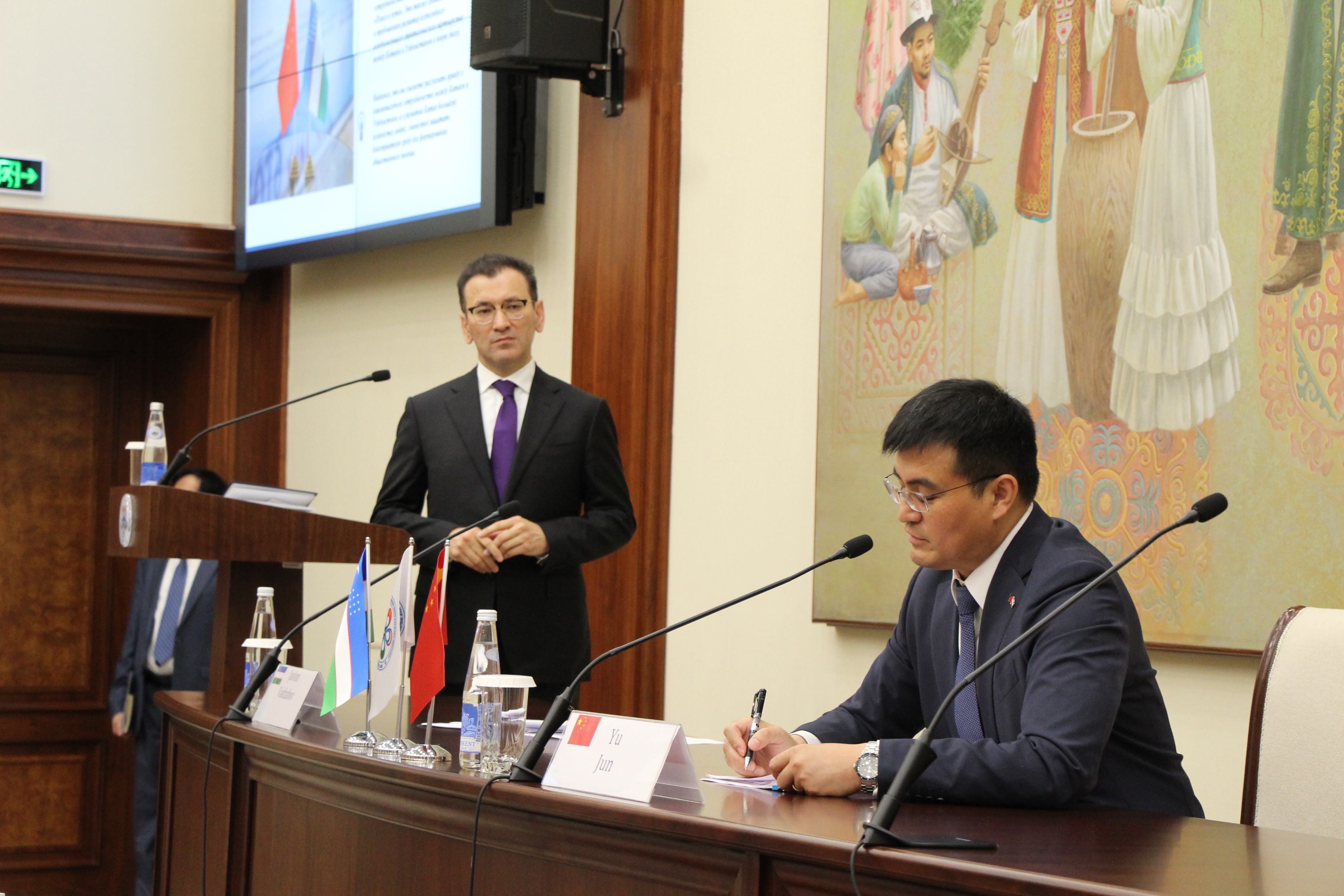
In his keynote address, Ambassador Yu Jun outlined the main pillars of China’s foreign policy in the region, placing particular emphasis on the Asian model of good-neighborliness, cooperation, and openness. He noted that Central Asia holds a special place in China's foreign policy as a region bound to China by millennia of historical, cultural, and geographic ties. “All five Central Asian nations are strategic partners of China, making the region not only a close neighbor but also a reliable ally in building a ‘community with a shared future,’” he remarked.
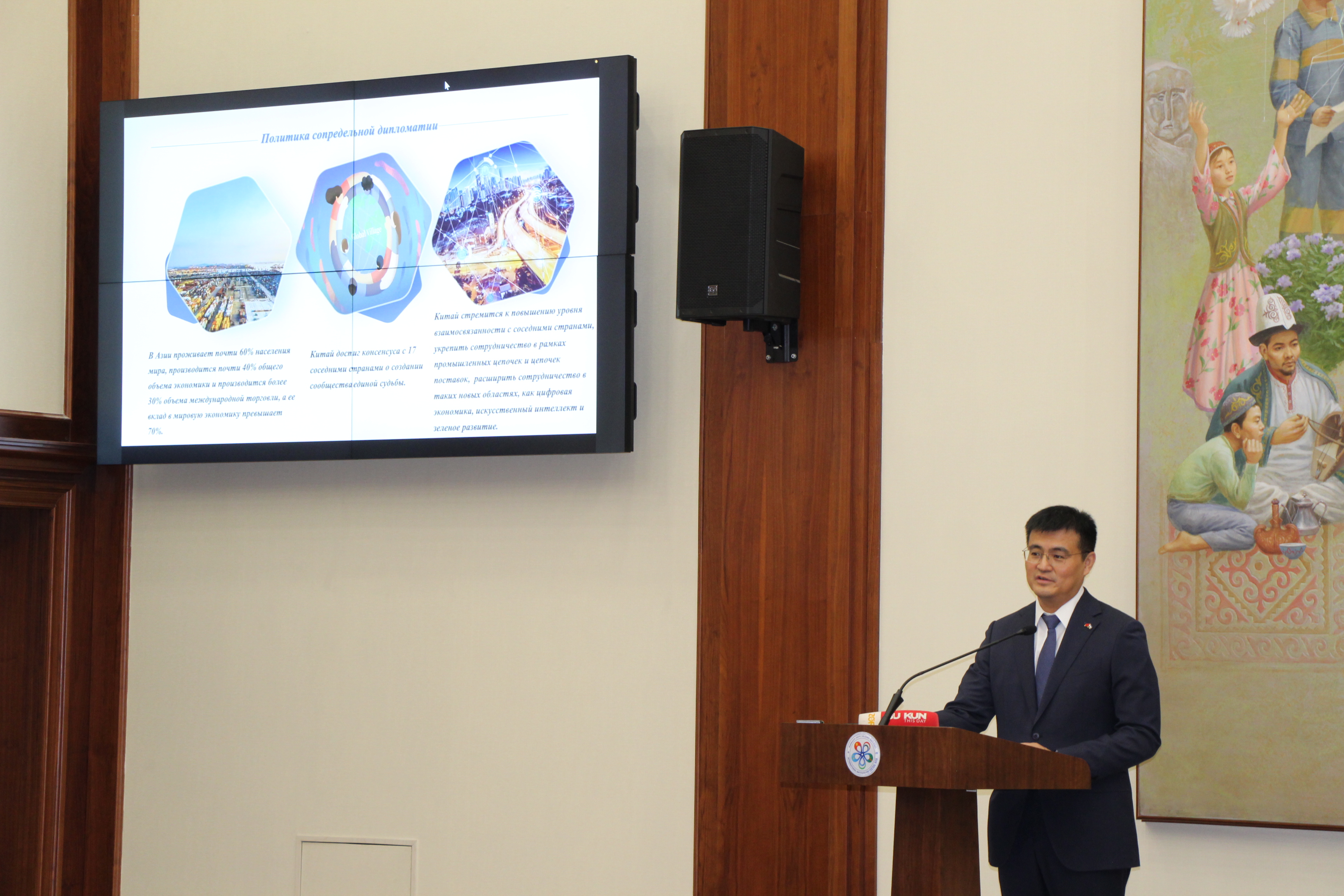
The Ambassador placed particular emphasis on the dynamics of economic cooperation. Over the past 30 years, trade between China and the countries of Central Asia has grown from $460 million to $94.8 billion, while China’s direct investment in the region has exceeded $15 billion. China has emerged as a leading trade and investment partner for Central Asia. According to Ambassador Yu Jun, the total value of engineering contracts signed by Chinese companies in the region now amounts to several tens of billions of dollars, reflecting the rapid expansion of practical cooperation.
One of the most notable logistical breakthroughs, he noted, is the launch of construction of the China–Kyrgyzstan–Uzbekistan railway, which will become the shortest overland route connecting East and West Asia. Already today, 80% of China–Europe freight trains transit through Central Asia, and in 2024 alone, more than 12,000 trains made the journey — an 11.3% increase compared to the previous year.
Ambassador Yu also addressed technological transformation and digital cooperation. He noted that Chinese companies are playing a significant role in developing Uzbekistan’s digital infrastructure — including data centers, 5G platforms, and artificial intelligence hubs. In this context, China’s participation in projects promoting environmental sustainability and green development is of particular importance, such as solar power plants and smart water conservation systems in Uzbekistan.
In the humanitarian sphere, China and Central Asian countries continue to demonstrate a robust partnership based on mutual respect and support. The Ambassador highlighted the role of Confucius Institutes and the Luban Workshop program, which trains technical professionals to meet modern Chinese standards.
Ambassador Yu Jun also shared details of medical initiatives carried out in Central Asia under China’s leadership, including the “Bright Path” international express program, under which thousands of citizens from across the region, including Uzbekistan, have received ophthalmological and cardiac surgeries performed by top Chinese specialists.

The lecture concluded with a Q&A session, during which experts, academics, and think tank representatives posed insightful and timely questions regarding the future of Uzbek–Chinese relations, cooperation within the SCO, and developments within the China–Central Asia format.
A symbolic highlight of the event was the official handover ceremony of a new collection of specialized Chinese publications to the IICA library. The collection includes works on history, politics, law, culture, ecology, and technology — notably including “Selected Speeches of Xi Jinping” and recent research on digital transformation and poverty alleviation. According to both sides, these materials will serve as a valuable resource for academic and research activities, and will significantly enrich the Institute’s sinology and Chinese policy studies.
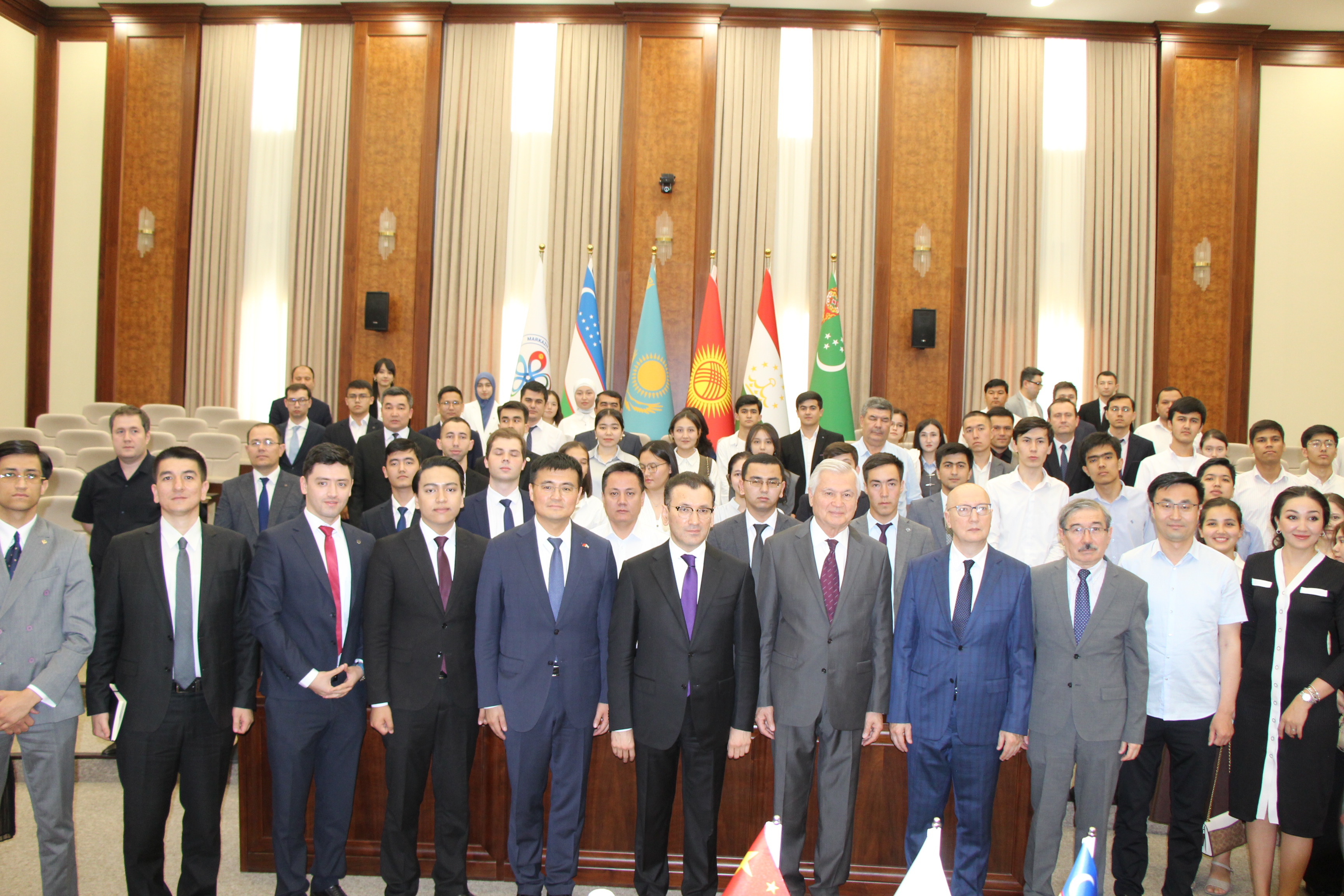
In closing, both sides expressed confidence that the upcoming 2025 China–Central Asia Summit in Astana and the SCO Summit in Tianjin will serve as catalysts for new joint initiatives. The IICA reaffirmed its intention to actively support bilateral formats with expert contributions and to deepen cooperation with the Chinese Embassy in Tashkent in the implementation of joint scientific, educational, and humanitarian projects.