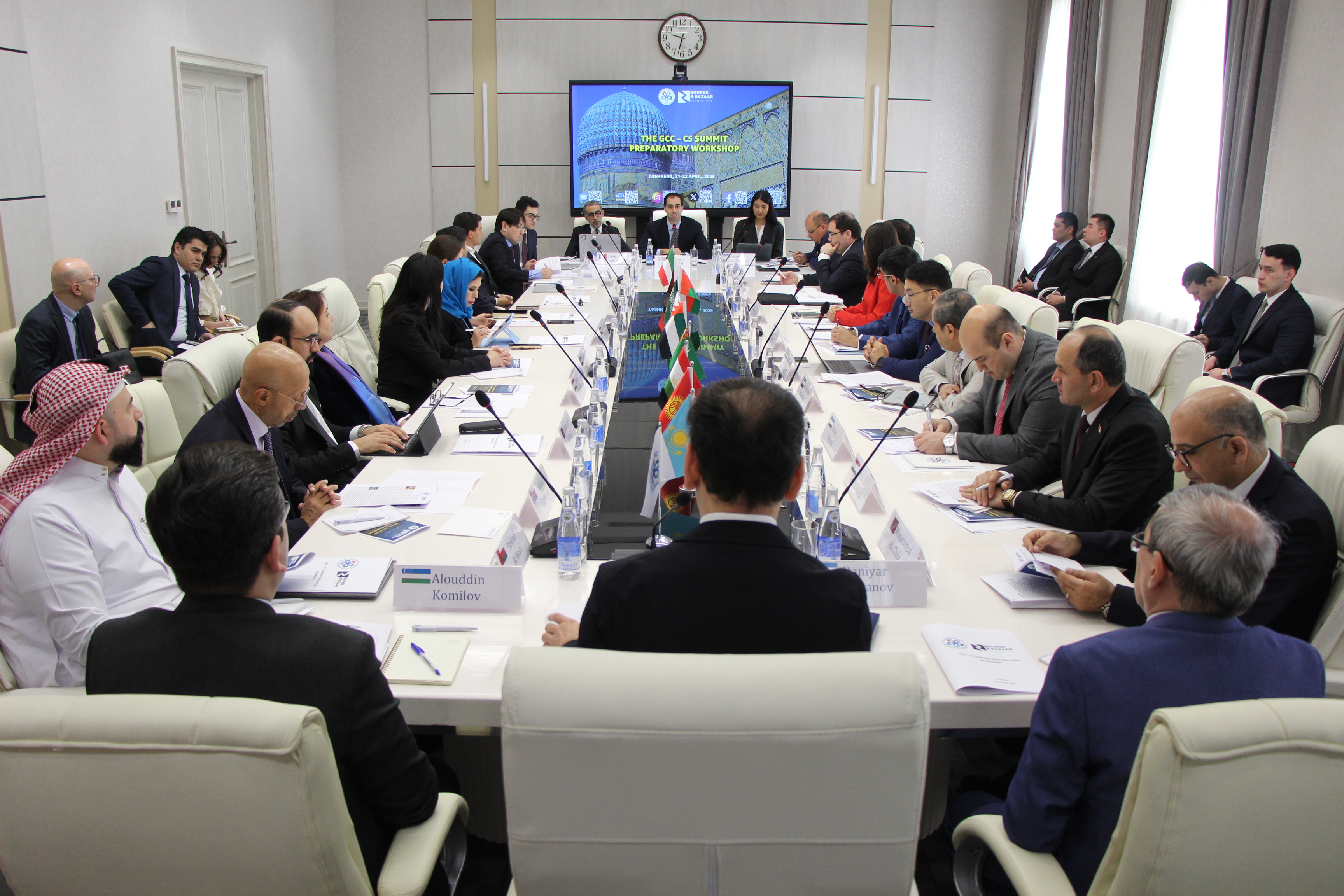
Organized in collaboration with the Bourse and Bazaar Foundation, the event brings together over 40 experts from Central Asia and the Gulf countries.
The forum is being held in the lead-up to the second summit of the heads of state of Central Asia and the GCC, which will take place on May 5 in Samarkand. The forum aims to strengthen dialogue and foster practical cooperation between the two regions. Participants expressed confidence that the expert platform in Tashkent will be an important step in preparing for the upcoming high-level meeting.
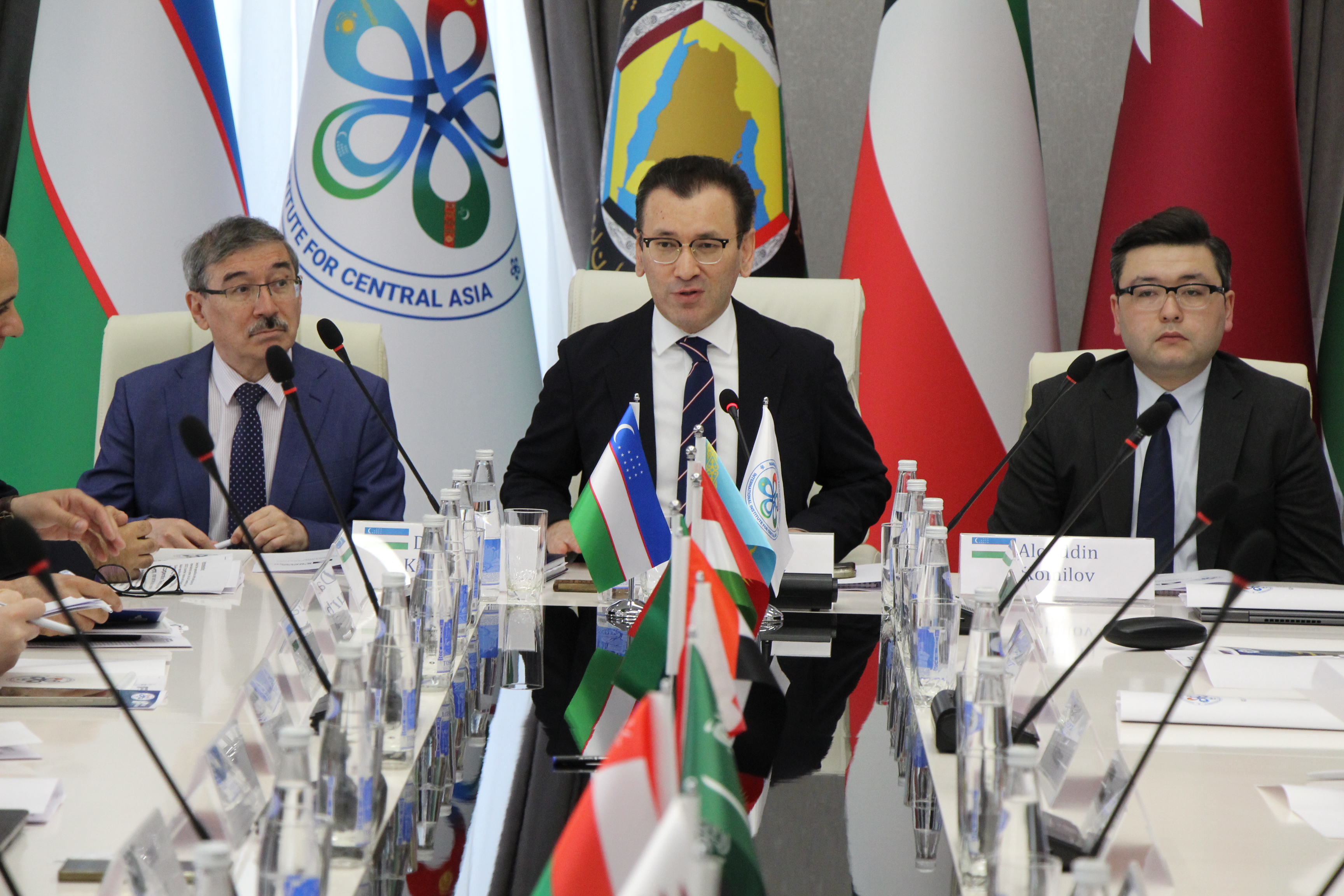
In his welcoming speech, IICA Director Javlon Vakhabov emphasized that the upcoming summit of leaders in Samarkand holds significant symbolic value, reflecting the revival of centuries-old trade, scientific, and cultural ties between Central Asia and the Persian Gulf – two regions that have long shaped the world civilization together.
He also called for a deeper understanding of the key features and developmental trends of the two regions, stressing that this is a vital condition for crafting effective solutions aimed at enhancing economic complementarity and advancing interregional cooperation.
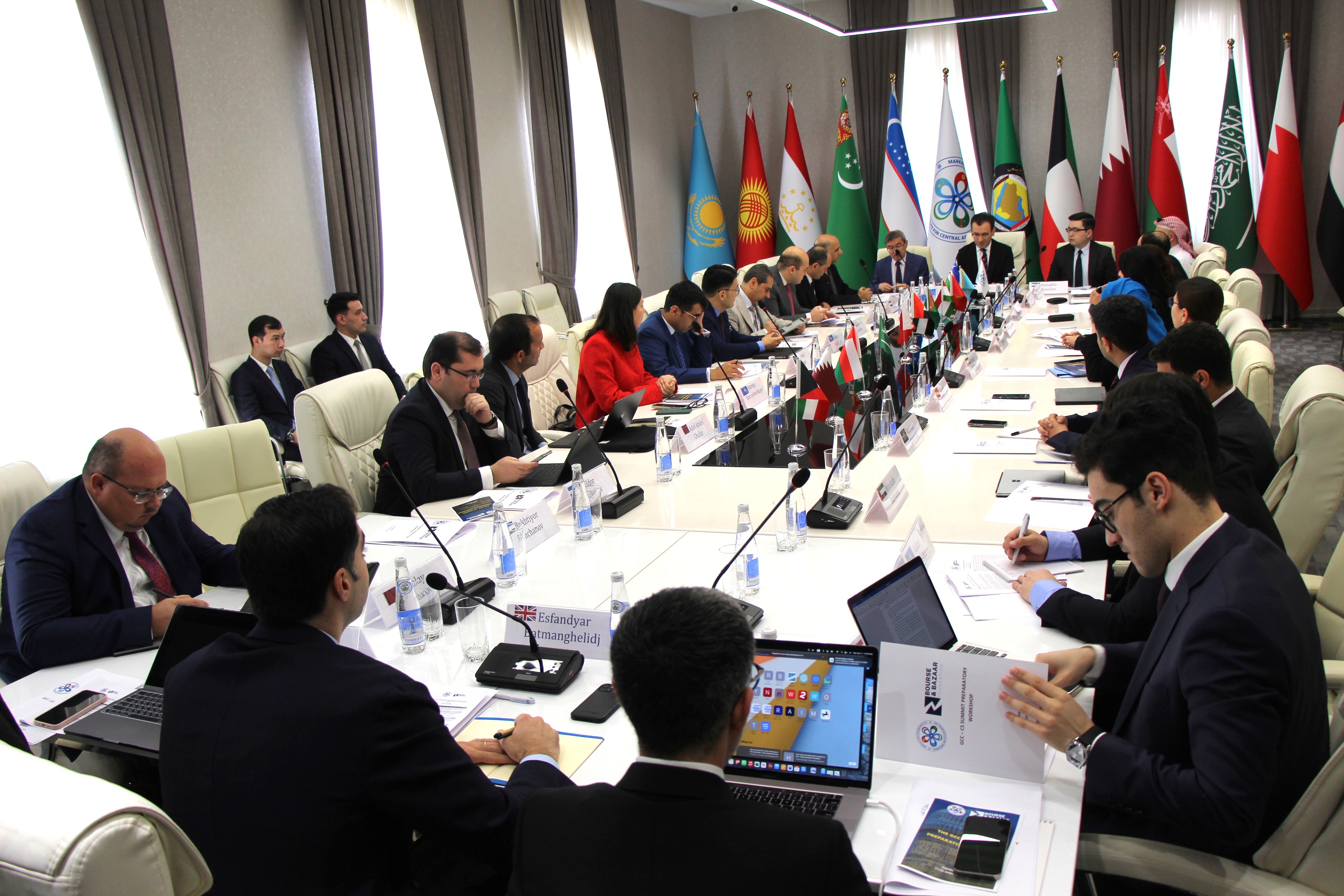
On the first day of the forum, participants focused on key aspects defining the future of interregional cooperation between Central Asia and the Gulf countries. The discussions covered a wide range of topics, from political and economic priorities to security and sustainable development issues.
In the trade sector, Javlon Vakhabov highlighted that one of the key conditions for strengthening interregional connectivity remains the development of transport infrastructure. In this regard, he noted that the involvement of the Gulf countries in the construction of the Trans-Afghan Railway Corridor holds particular significance, as it, in combination with the China-Kyrgyzstan-Uzbekistan project, can create a sustainable and efficient route linking Central Asia with South Asia.
The participants also paid special attention to developing legal mechanisms to simplify visa regimes, improve customs regulations, protect investments, and create conditions for effective cooperation in energy and trade, all of which will form the foundation for further integration and stable economic relations.
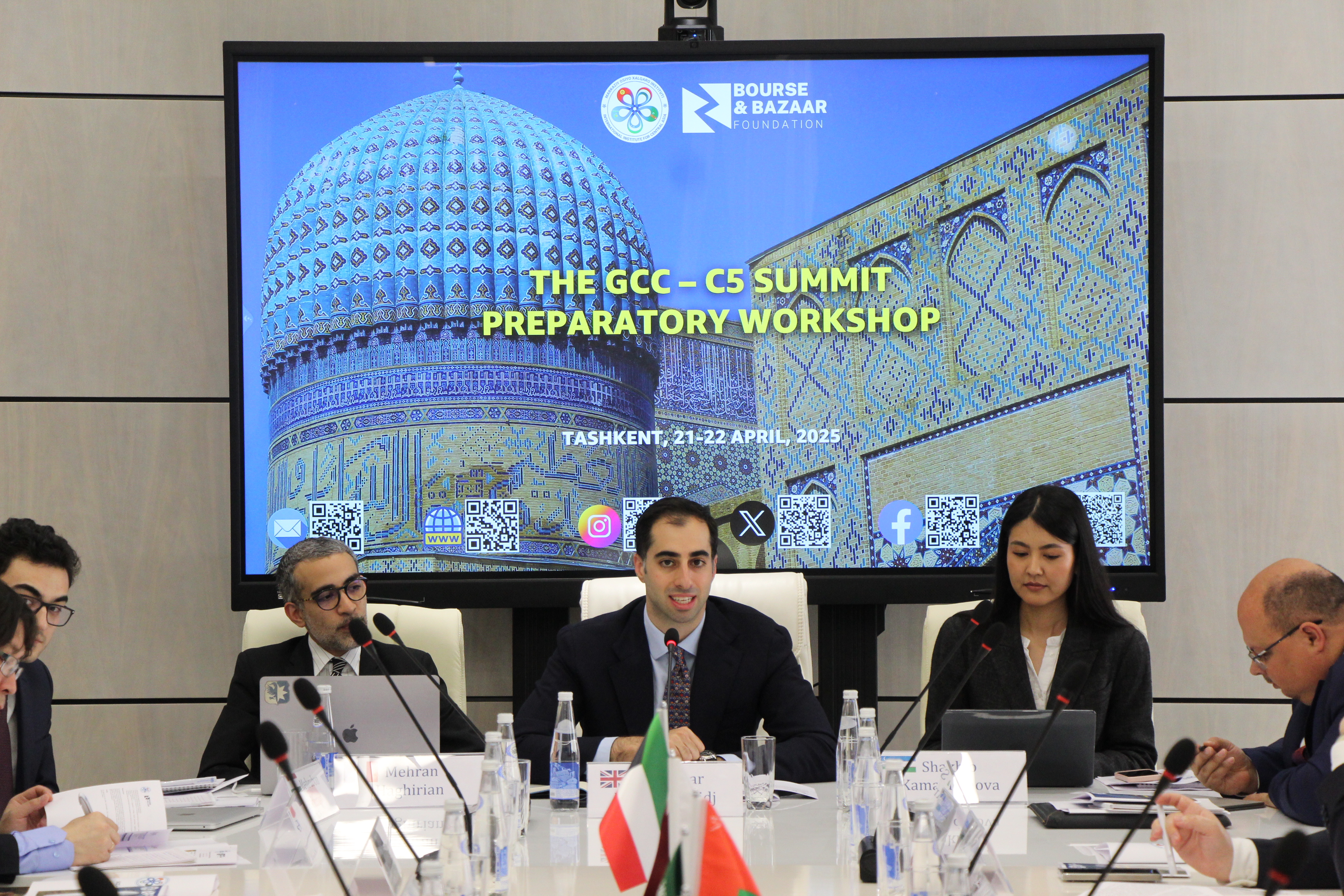
Additionally, significant emphasis was placed on energy cooperation, where experts discussed opportunities for joint projects in renewable energy sources and infrastructure. Amid the global energy transition, the key priorities included cross-border investments, knowledge exchange, and the development of joint infrastructure initiatives. This cooperation has the potential to significantly strengthen regional interconnectivity and contribute to the achievement of shared sustainable development goals.
Overall, the first day of the forum proceeded in an atmosphere of open and constructive dialogue, with participants actively seeking common ground and proposing practical solutions.
The forum continues its work.