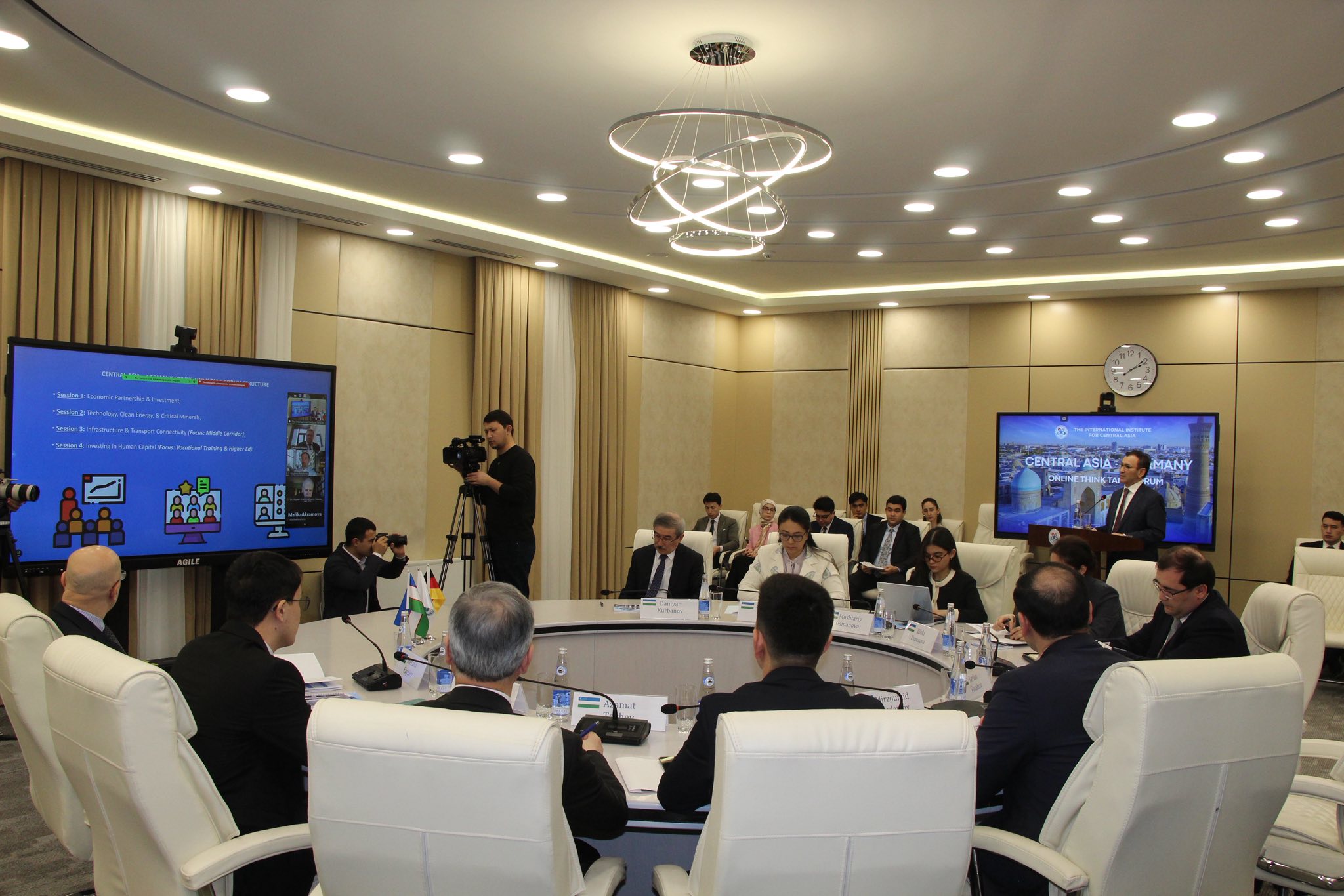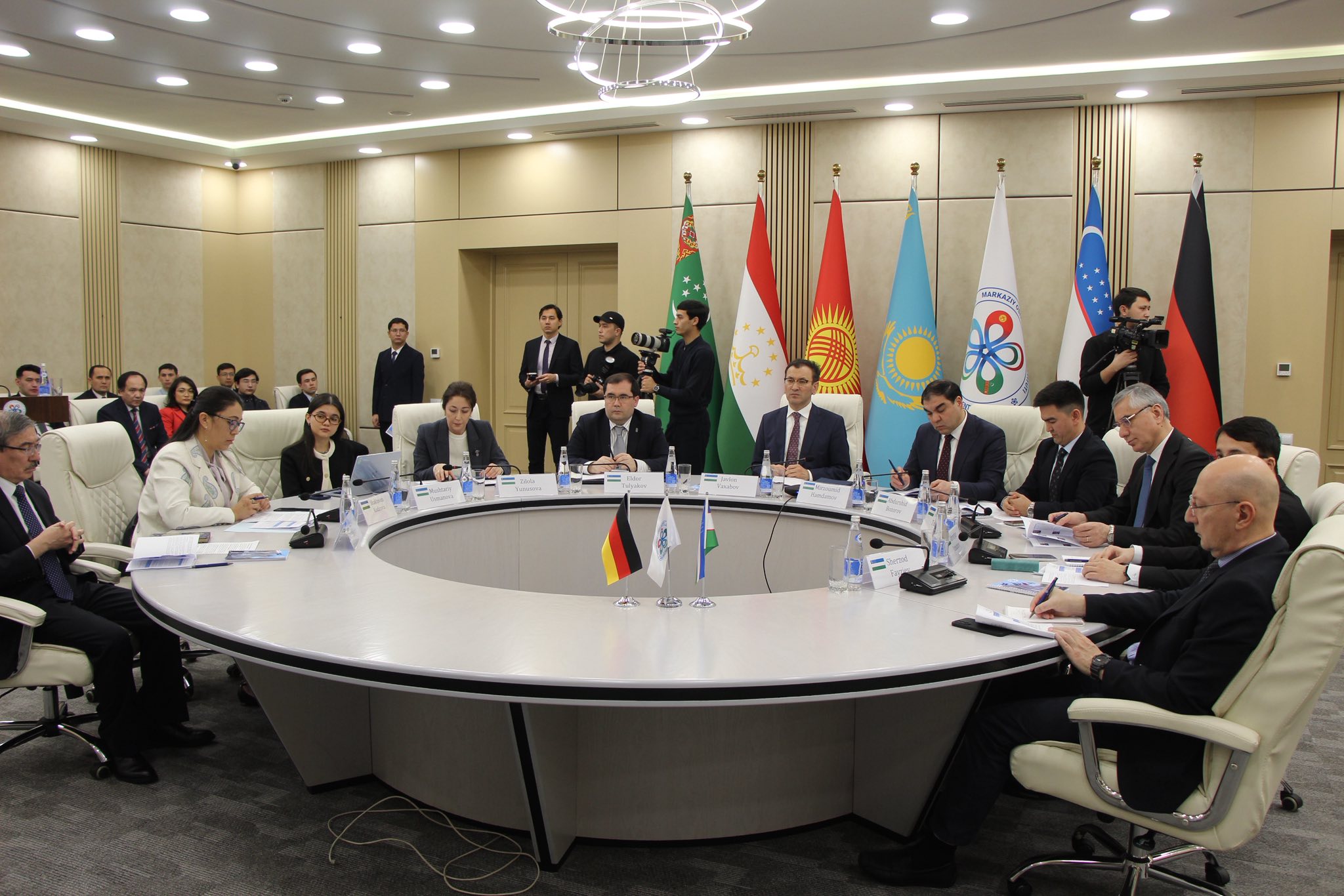
The forum brought together heads of diplomatic missions from both sides, experts from leading think tanks in Central Asia and Germany, as well as representatives of German foundations and the business community, with a total of 70 participants in attendance.
During the event, participants discussed issues of strategic alignment between the interests of Central Asian countries and Germany, as well as joint efforts to enhance transport connectivity and logistics, including the development of the Middle Corridor and the expansion of digital and energy infrastructure.
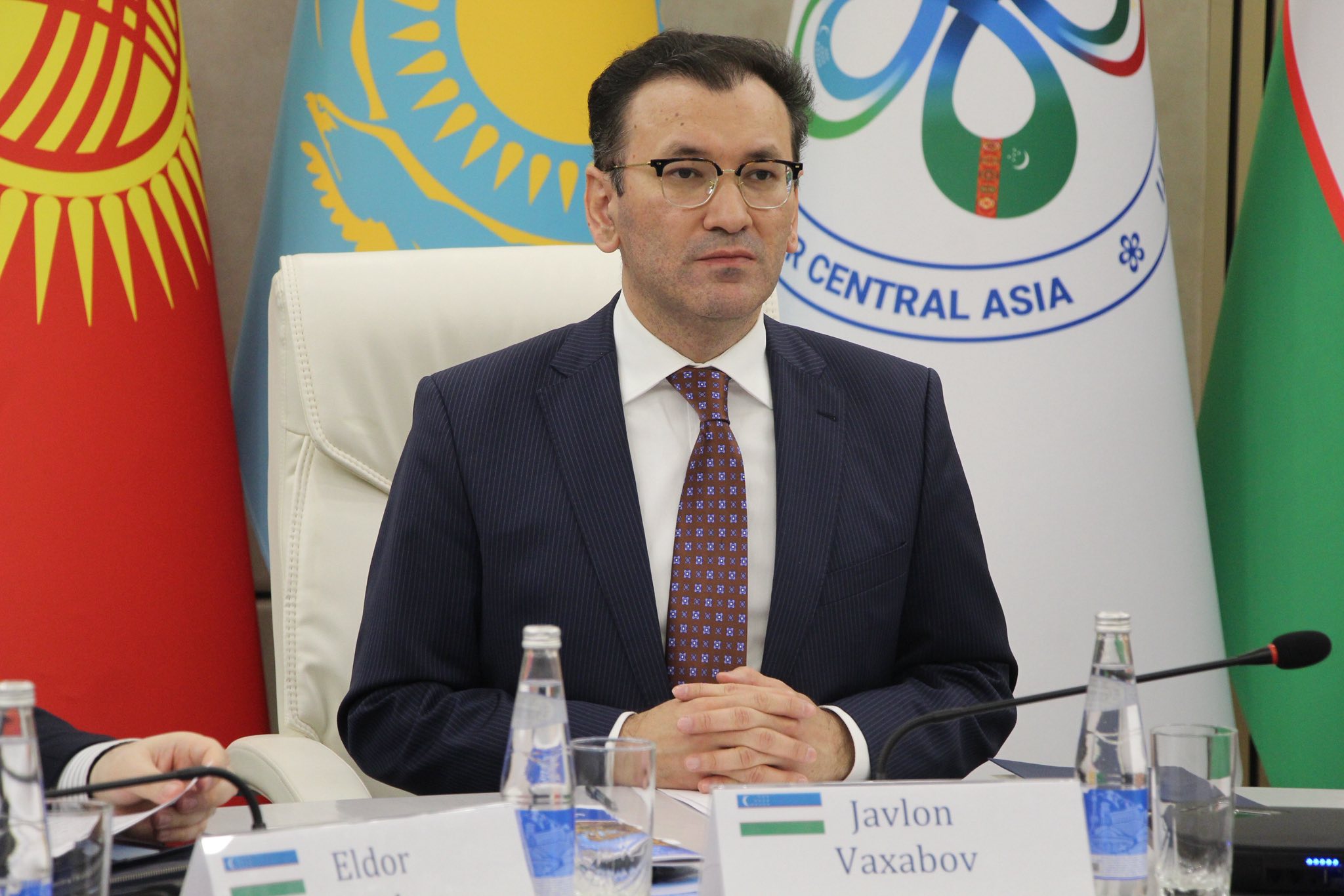
Opening the event, Javlon Vakhabov, Director of the International Institute for Central Asia, noted that in recent years cooperation between Central Asia and Germany has entered a phase of qualitative growth, driven by the convergence of strategic interests. He emphasized that the “CA+” format has emerged as a key mechanism in this process and, following the summits in Berlin (2023) and Astana (2024), has consolidated its institutional standing and advanced to a new strategic level.
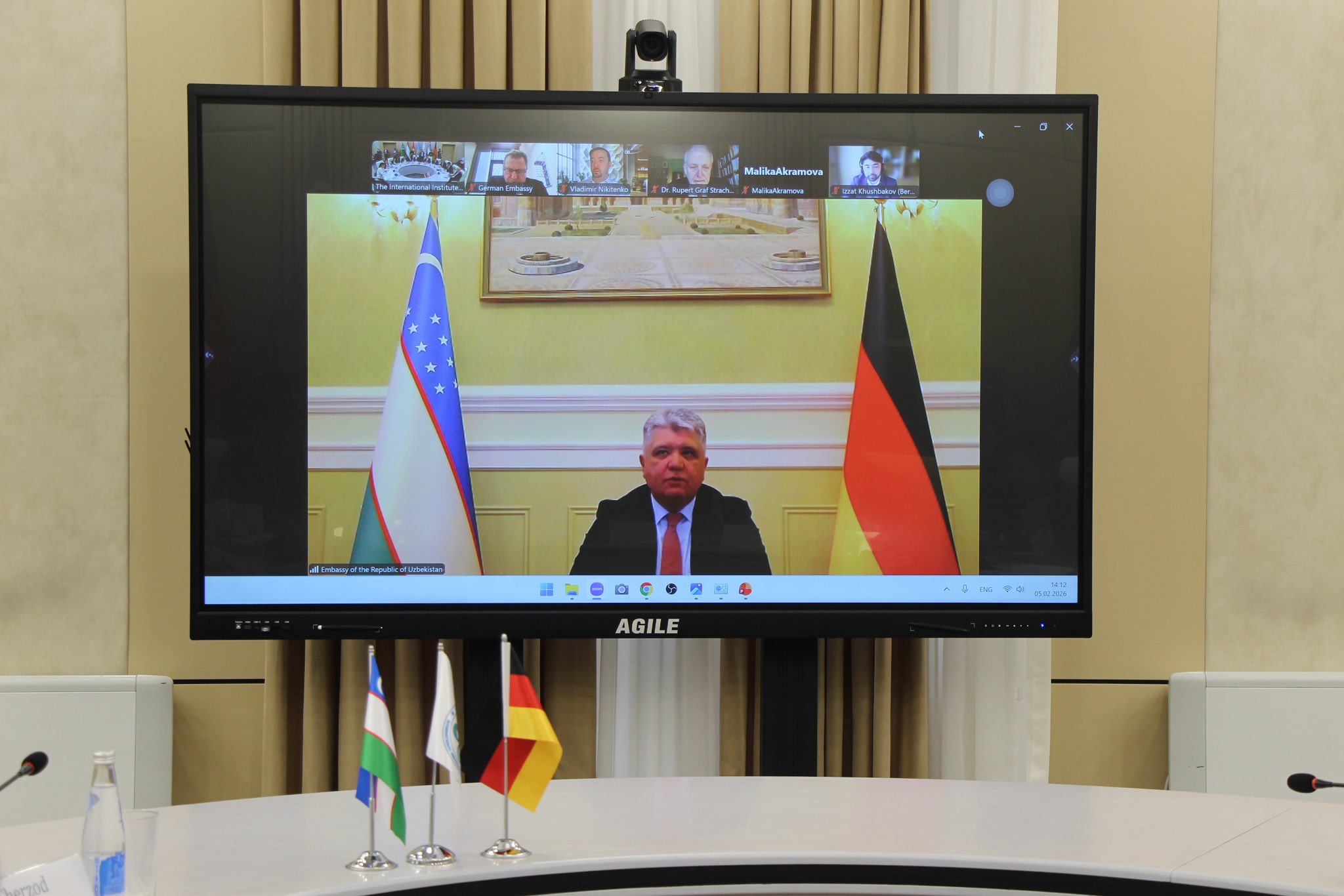
Expanding on this point, Dilshod Akhatov, Ambassador of Uzbekistan to Germany, highlighted a qualitative shift in the regional atmosphere. He emphasized that the strengthening of good-neighborly relations and mutual trust in Central Asia is underpinned by an unprecedented intensity of high-level engagement, including within the “Central Asia–Germany” format, which has firmly established a course toward long-term and constructive dialogue.
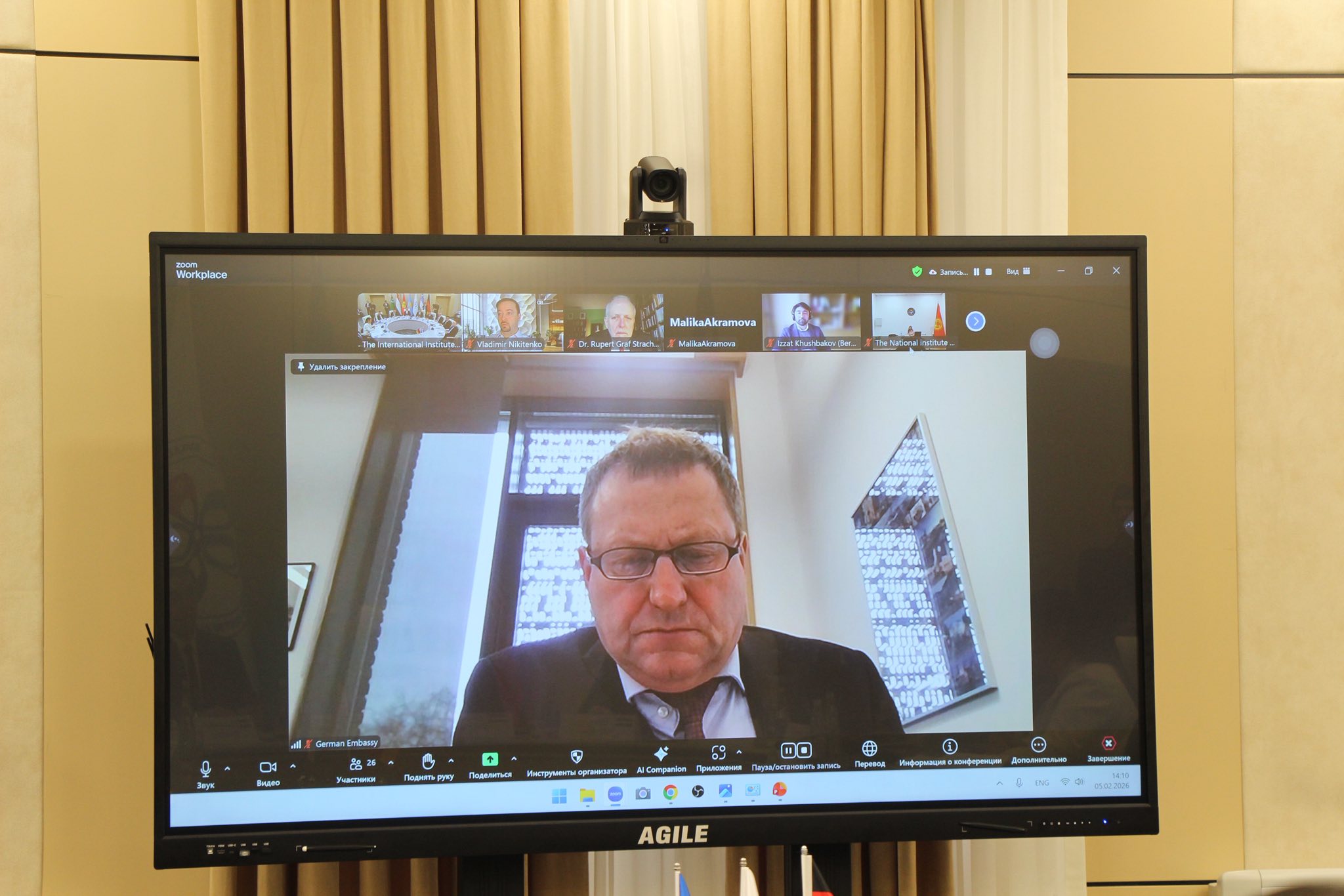
In turn, Manfred Huterer, the German Ambassador to Uzbekistan, stated that Central Asia has emerged as a strategically significant region with growing influence on the international stage. He noted that Berlin is interested in building a long-term, equal partnership aimed at supporting stability, promoting sustainable development, and strengthening regional independence.
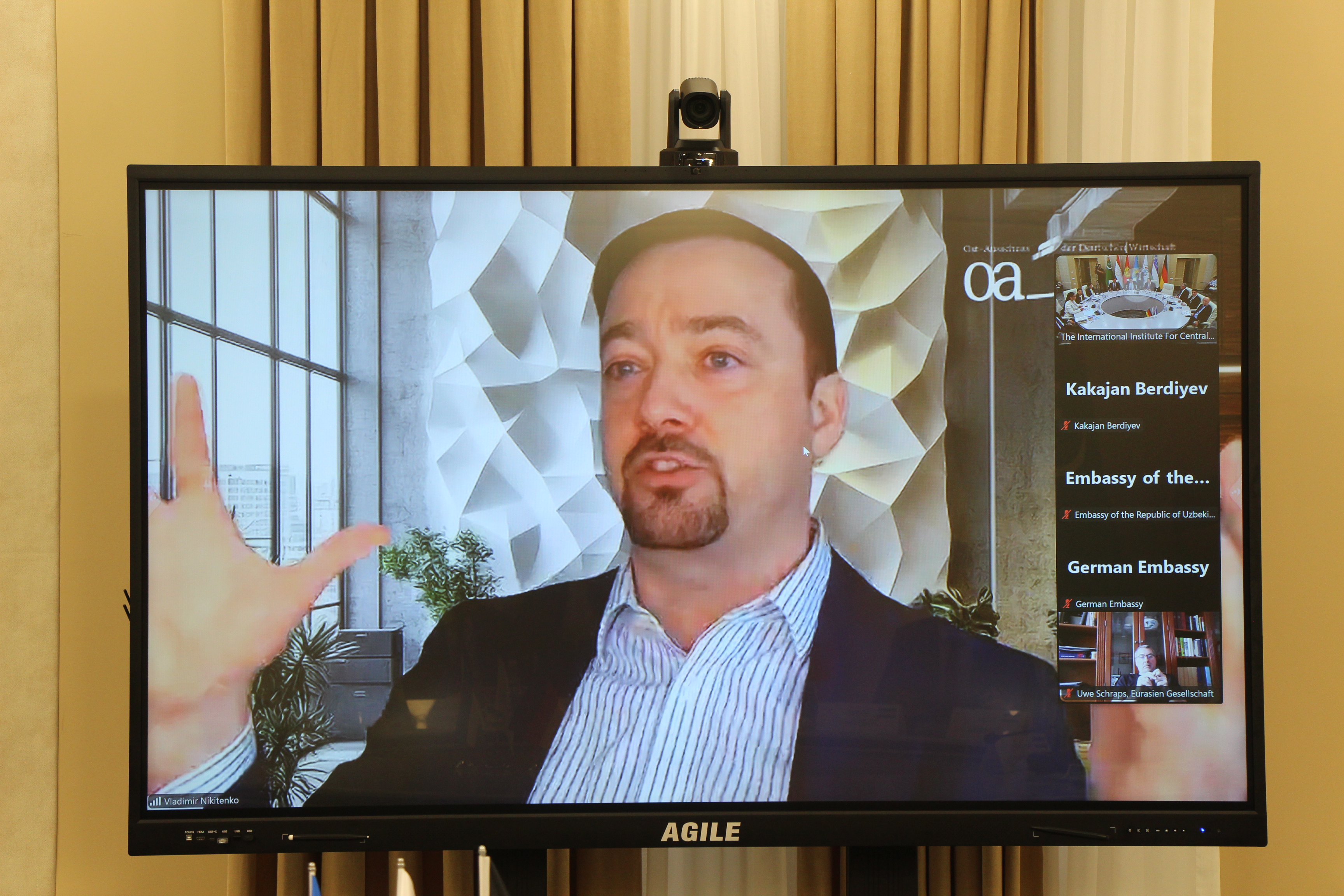
Nikitenko, Regional Director of the German Eastern Business Association, noted that Central Asia, with a total population of approximately 80 million and an average GDP growth rate of around 6 percent, occupies an important place in Germany’s economic agenda.
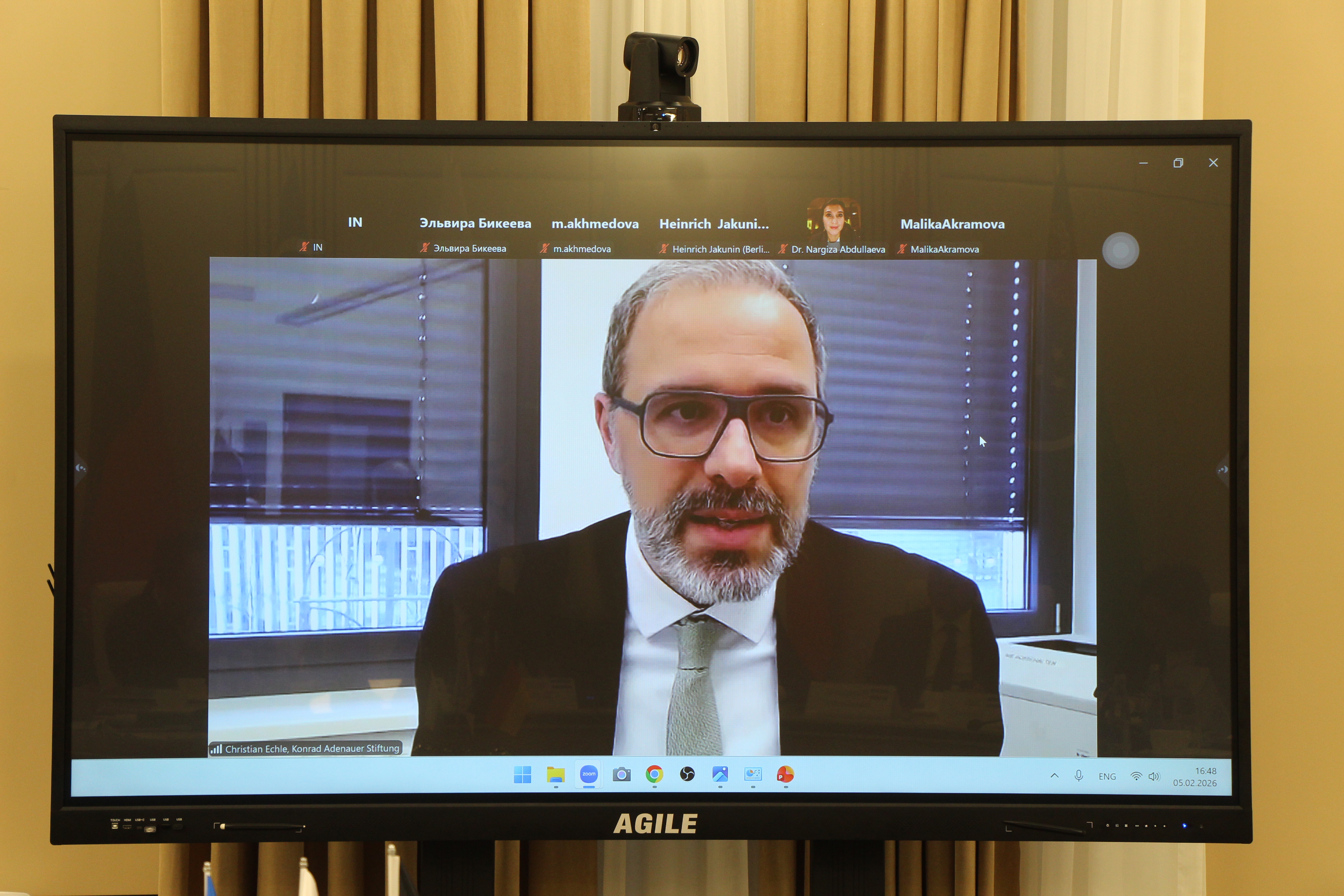
Echle, a representative of the Konrad Adenauer Foundation, highlighted the significance of the “CA+” formats, emphasizing that greater regional consolidation substantially strengthens negotiating capacity and enhances the effectiveness of dialogue.
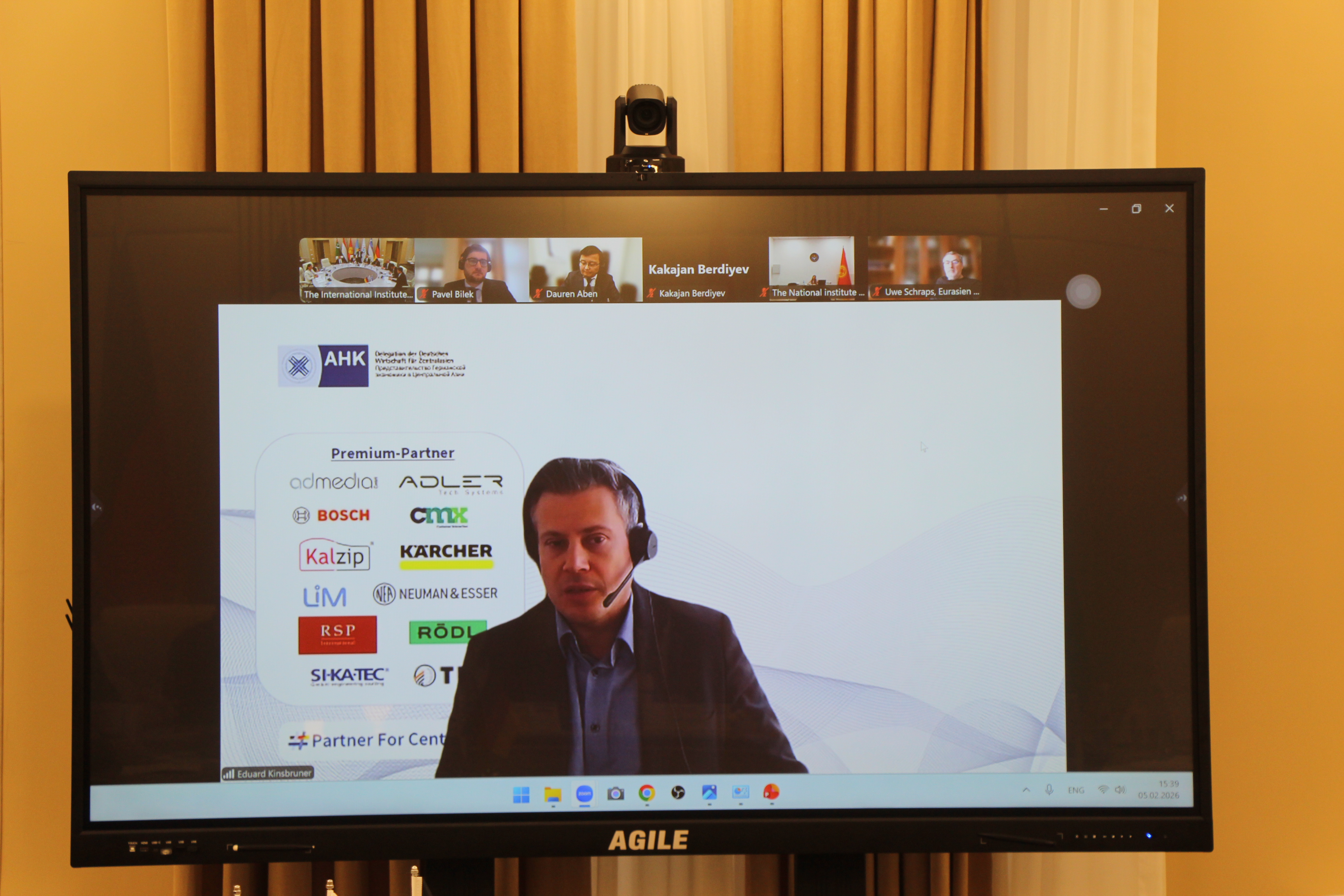
Kinsbrunner, Head of the Delegation of German Industry and Commerce in Central Asia (AHK), placed particular emphasis on cooperation in the field of critical raw materials. He noted that the region’s geological potential, combined with German technologies for environmentally responsible mining, enables the development of high value-added chains essential to the advancement of global “green” technologies.
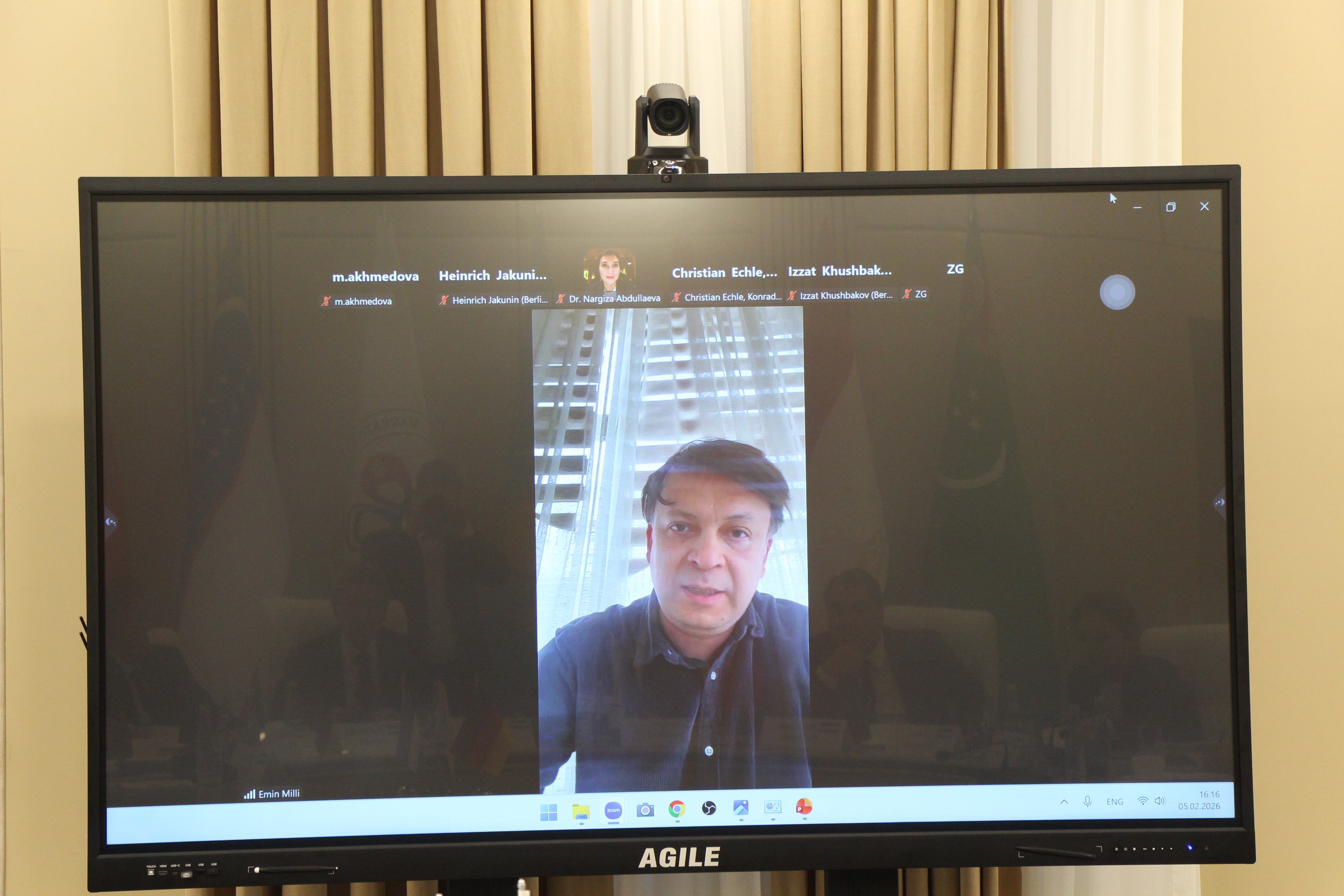
Milli, founder of the Restart Initiative, pointed out that the development of the Middle Corridor requires close coordination of efforts among all participating countries. In his view, the project should be grounded not only in economic calculations but also in a spirit of genuine partnership and solidarity.
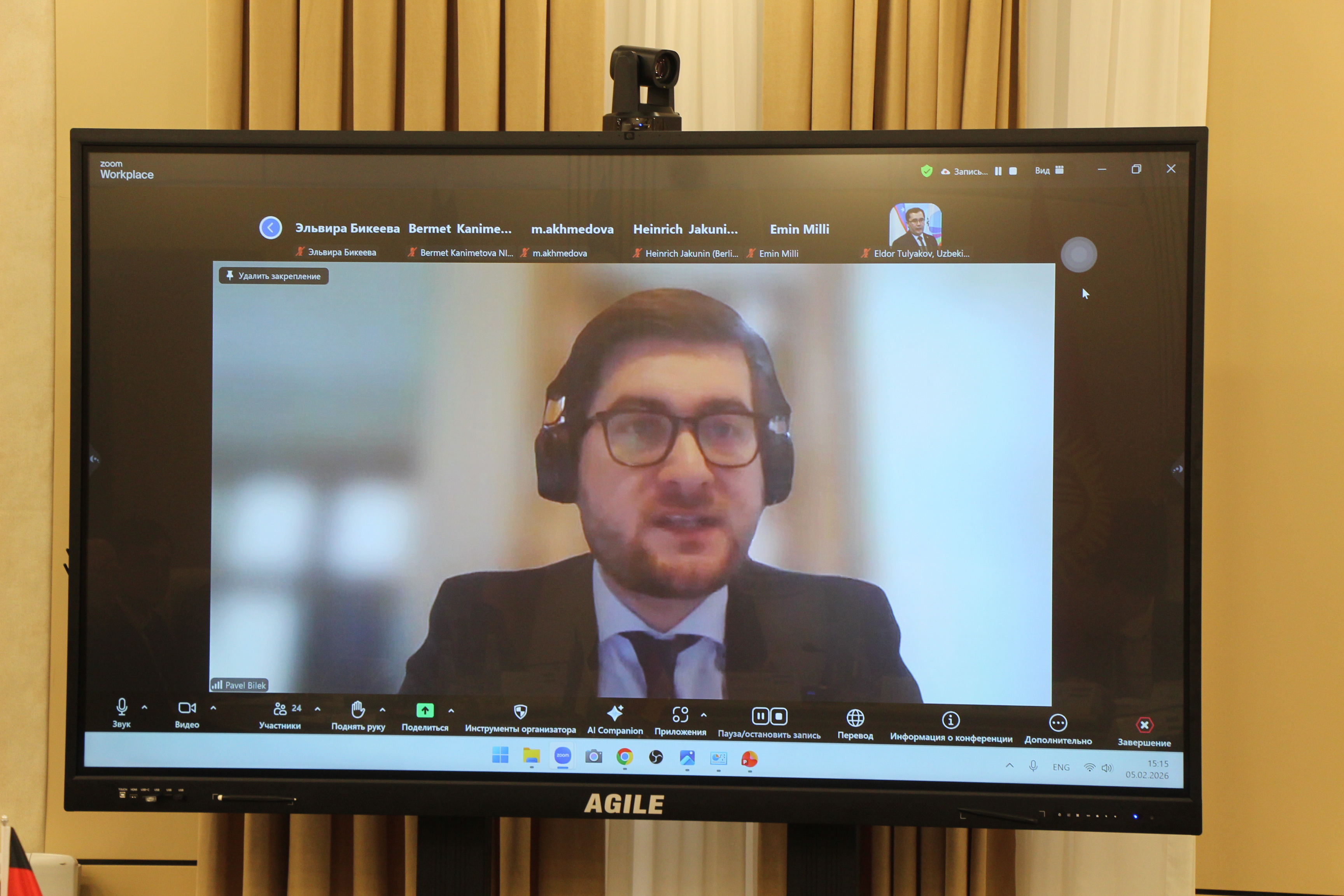
Bilek, an expert from the German Federal Ministry for Economic Affairs and Energy, noted that under current conditions transport infrastructure remains a vital factor in ensuring supply chain resilience and strategic autonomy.
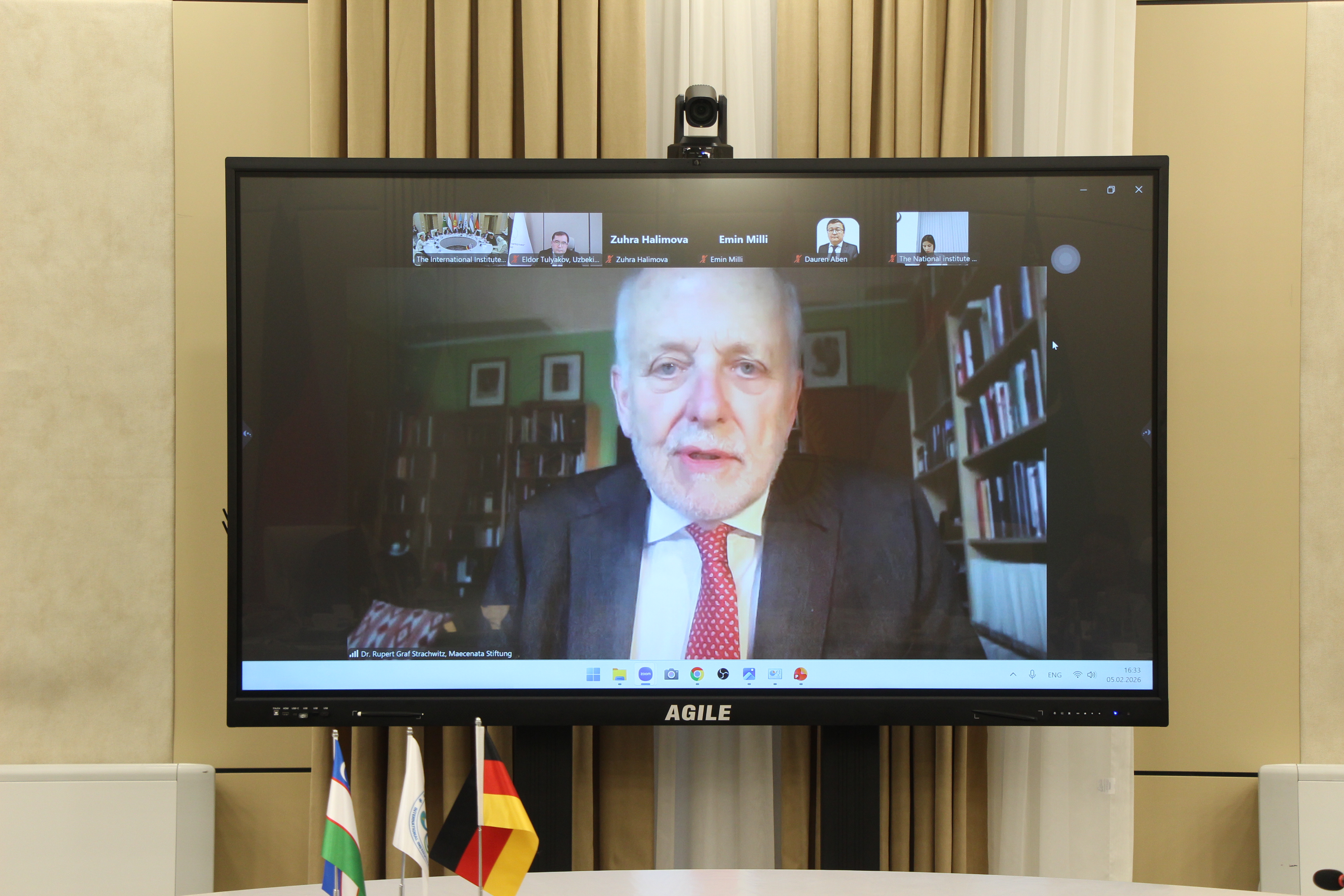
Dr. Rupert Graf Strachwitz, Senior Strategic Advisor to the Maecenata Foundation, placed particular emphasis on the development of human capital. He noted that investments in education and science constitute the foundation of technological partnership. Today, approximately 400,000 people in Uzbekistan are studying the German language, creating a unique basis for expanding academic exchanges. Cooperation between New Uzbekistan University and the Technical University of Munich (TUM) was cited as a successful example of such collaboration.
In conclusion, participants agreed that the “Central Asia–Germany” format has firmly established itself as a significant platform for strengthening partnership and defining priorities for interregional development.
The current level of interaction between Central Asia and Berlin enables a transition toward more practical forms of cooperation, while the region’s multi-vector foreign policy fully aligns with the strategic interests of Germany and the European Union.
The forum demonstrated the commitment of both sides to shaping a new model of cooperation based on trust, institutional compatibility, and long-term engagement.