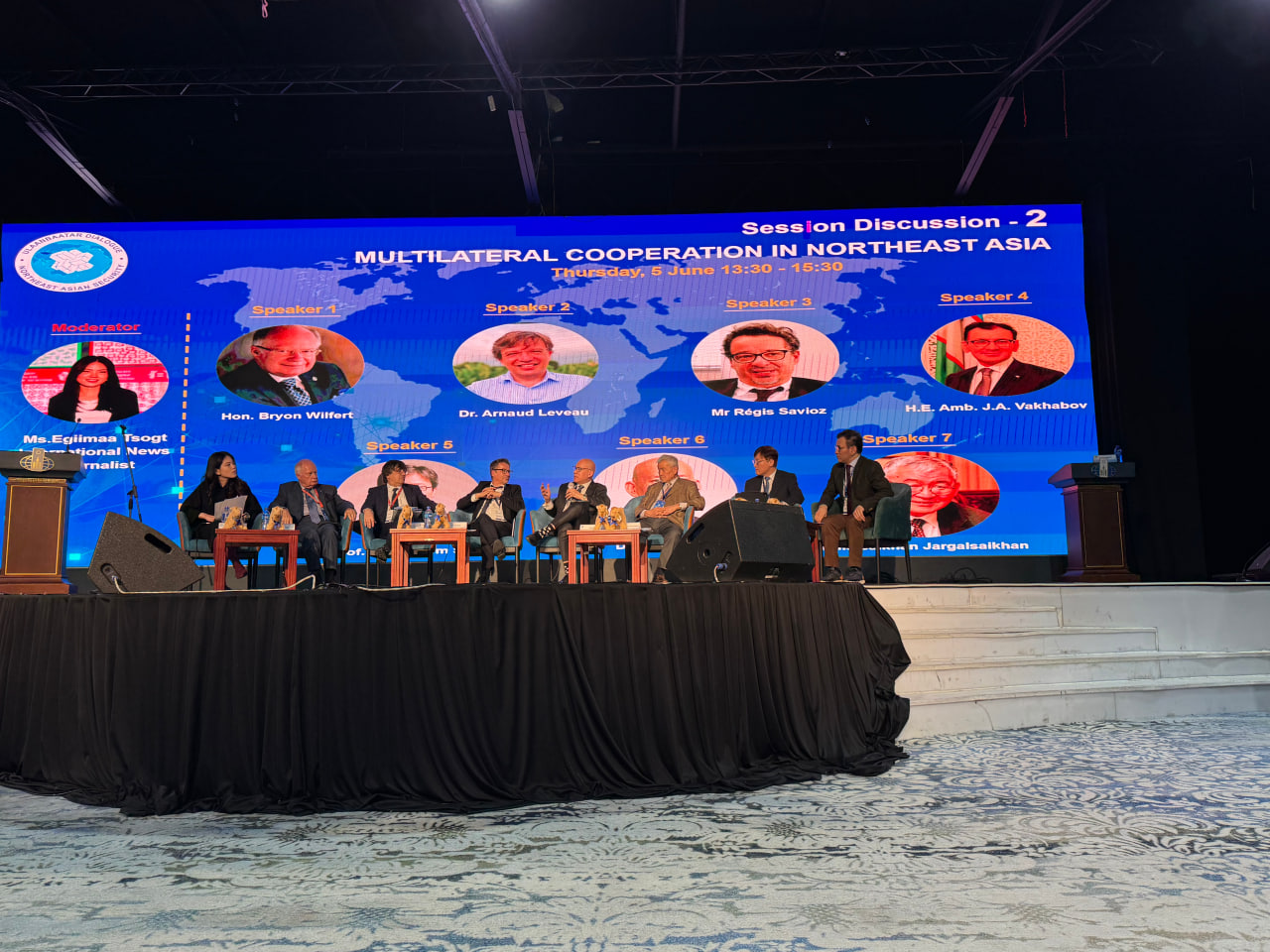
In his remarks, Javlon Vakhabov, Director of the International Institute for Central Asia (IICA), noted that Central Asia is currently undergoing a phase of sustainable regionalization grounded in trust, dialogue, and joint initiatives. He emphasized the region’s openness to engagement with external partners, including the states of Northeast Asia.
According to J.Vakhabov, economic interdependence between the two regions is intensifying: trade volume between Central Asia and Northeast Asian countries has surpassed $100 billion, while annual investment flows consistently reach approximately $3 billion. He highlighted considerable potential for deepening cooperation in high-tech sectors, particularly under the “Digital Silk Road” initiative, which has already launched dozens of digital projects in Kazakhstan, Uzbekistan, Kyrgyzstan, and Tajikistan.

Vakhabov drew special attention to logistics and infrastructure development, underscoring the importance of diversifying transport corridors and advancing major projects such as the Uzbekistan–Kyrgyzstan–China railway and the Trans-Caspian transport corridor. These initiatives, he argued, could provide a more resilient link between Central and Northeast Asia.
In the energy sector, the IICA Director stressed that countries of the region are keen to expand partnerships with leading companies from Japan, the Republic of Korea, and China. He noted ongoing renewable energy projects in Kazakhstan and Uzbekistan, implemented with the participation of Marubeni, KEPCO, Samsung C\&T, and PowerChina. He also touched upon prospects for collaboration in nuclear energy and energy efficiency.
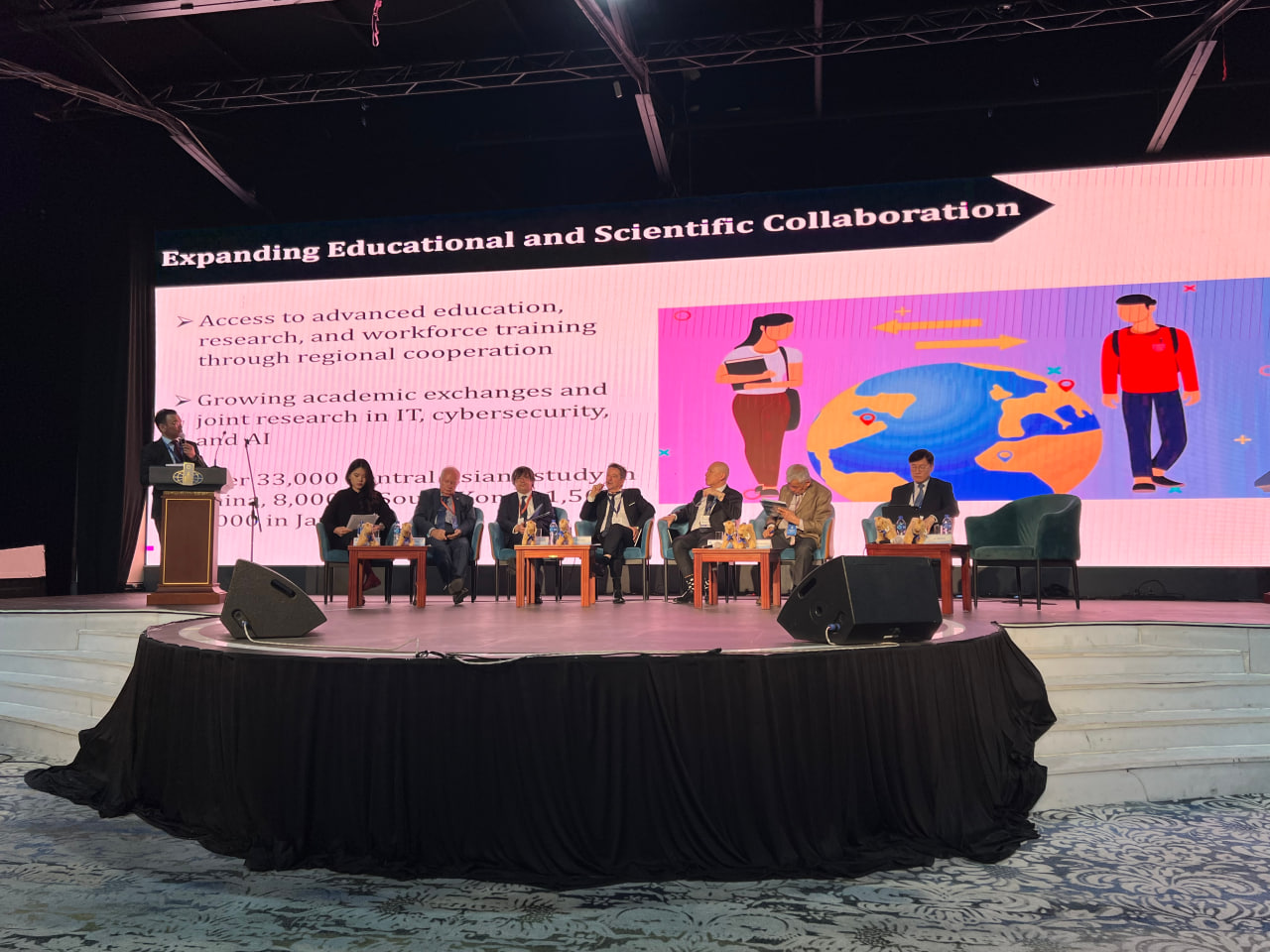
Addressing environmental challenges, IICA director highlighted critical issues such as water scarcity, soil salinization, and climate risks faced by Central Asia. He expressed confidence that knowledge and technology exchanges with Northeast Asia could help introduce sustainable solutions in water management and facilitate the adaptation of agriculture to changing climate conditions.
At the conclusion of the event, participants underscored the need to establish an expert platform connecting Central and Northeast Asia, enabling regular knowledge exchange, joint analysis of challenges, and coordination of collaborative projects.