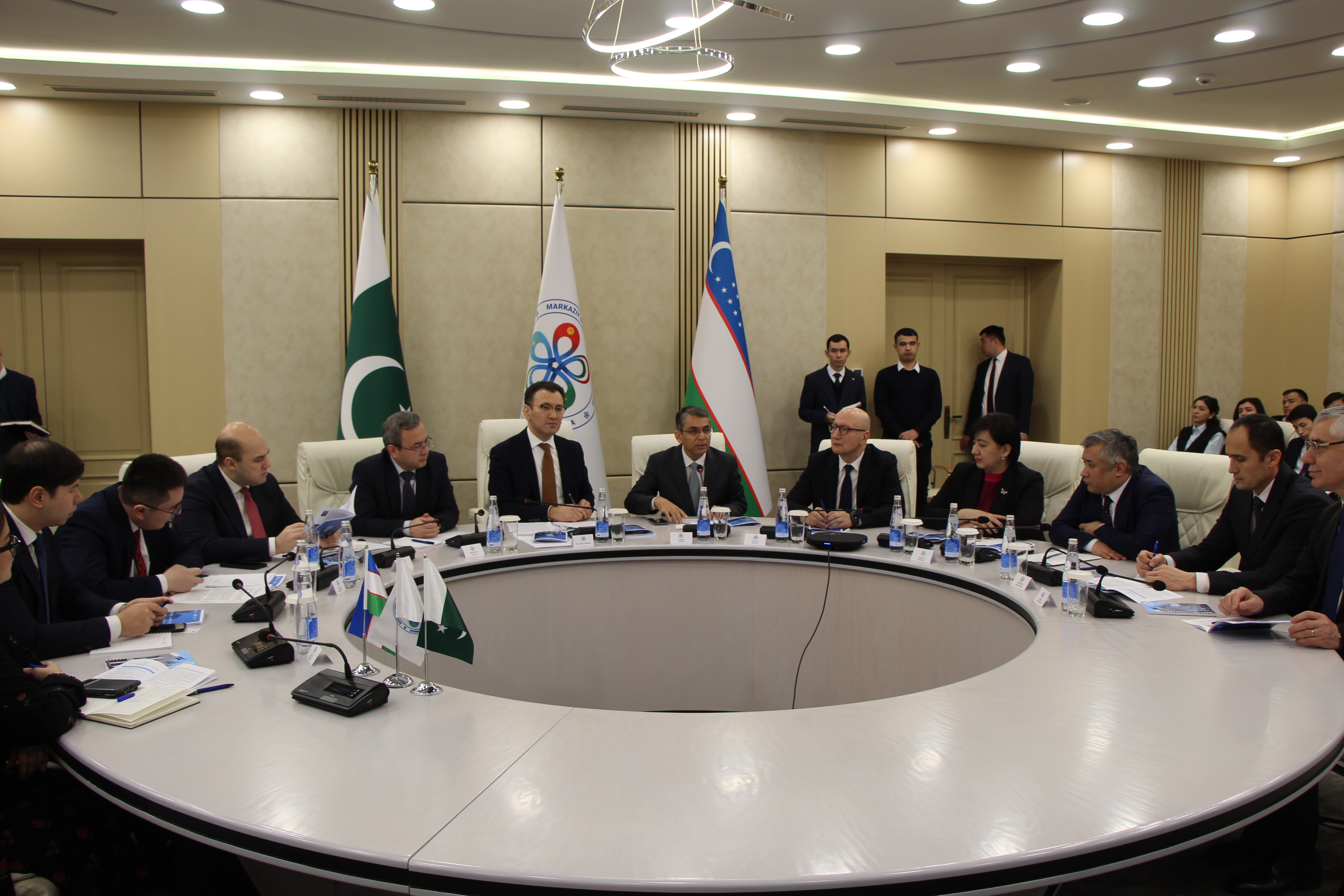
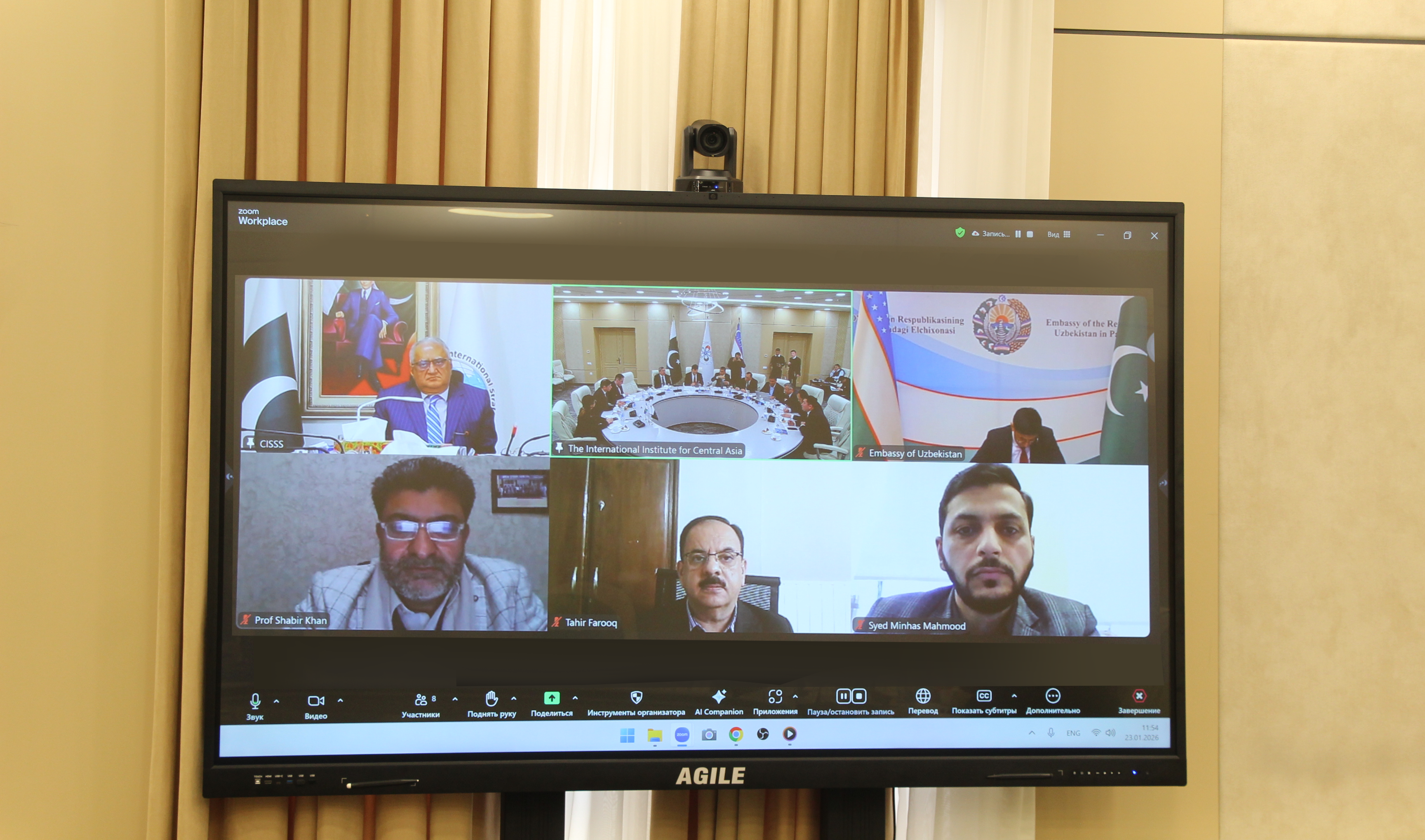
The event was organised by the International Institute for Central Asia (IICA) in collaboration with the Embassy of the Islamic Republic of Pakistan in Uzbekistan.
The forum was attended by diplomats and officials, as well as representatives from leading research institutes in Uzbekistan and Pakistan and members of the academic community.
The participants discussed the state and prospects of Uzbekistan-Pakistan cooperation with a view to developing specific proposals for the summit meetings to be held during the upcoming visit of the President of Uzbekistan to Islamabad.
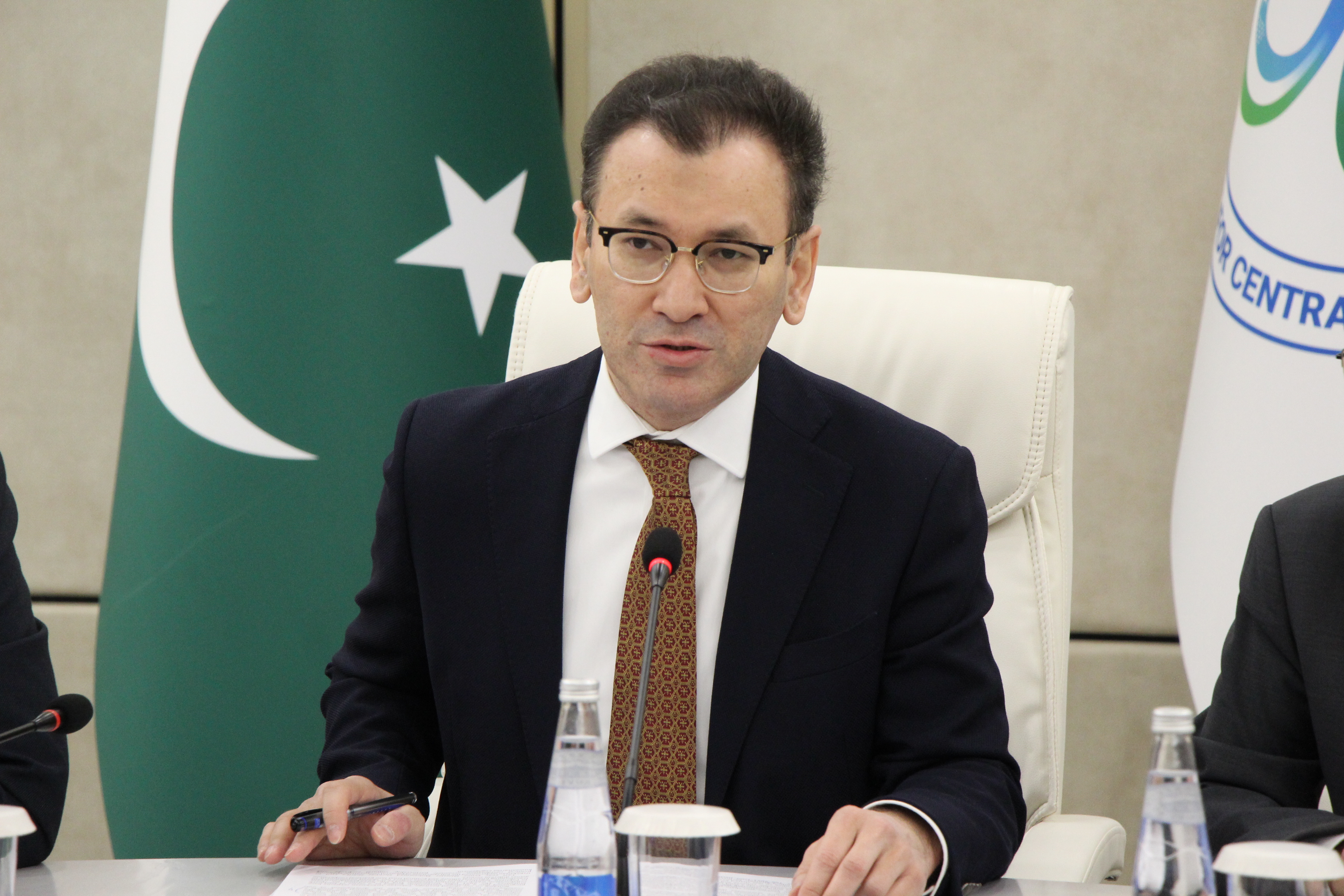
Speaking at the opening ceremony, IICA Director Javlon Vakhabov noted that Pakistan serves as a gateway to the vast South Asian market with a population of over 2 billion people, opening up unique economic opportunities for Central Asian countries. At the same time, our region offers Pakistan a wide range of prospects, from investment and industrial cooperation to access to new markets.
'Bilateral trade has grown from $36.5 million in 2017 to almost $450 million in 2025 — an impressive twelvefold increase in under a decade. Looking ahead, both countries have set themselves the ambitious yet realistic goal of achieving $2 billion in bilateral trade, which is entirely achievable given the scale of the opportunities and the shared commitment," emphasised Javlon Vakhabov.
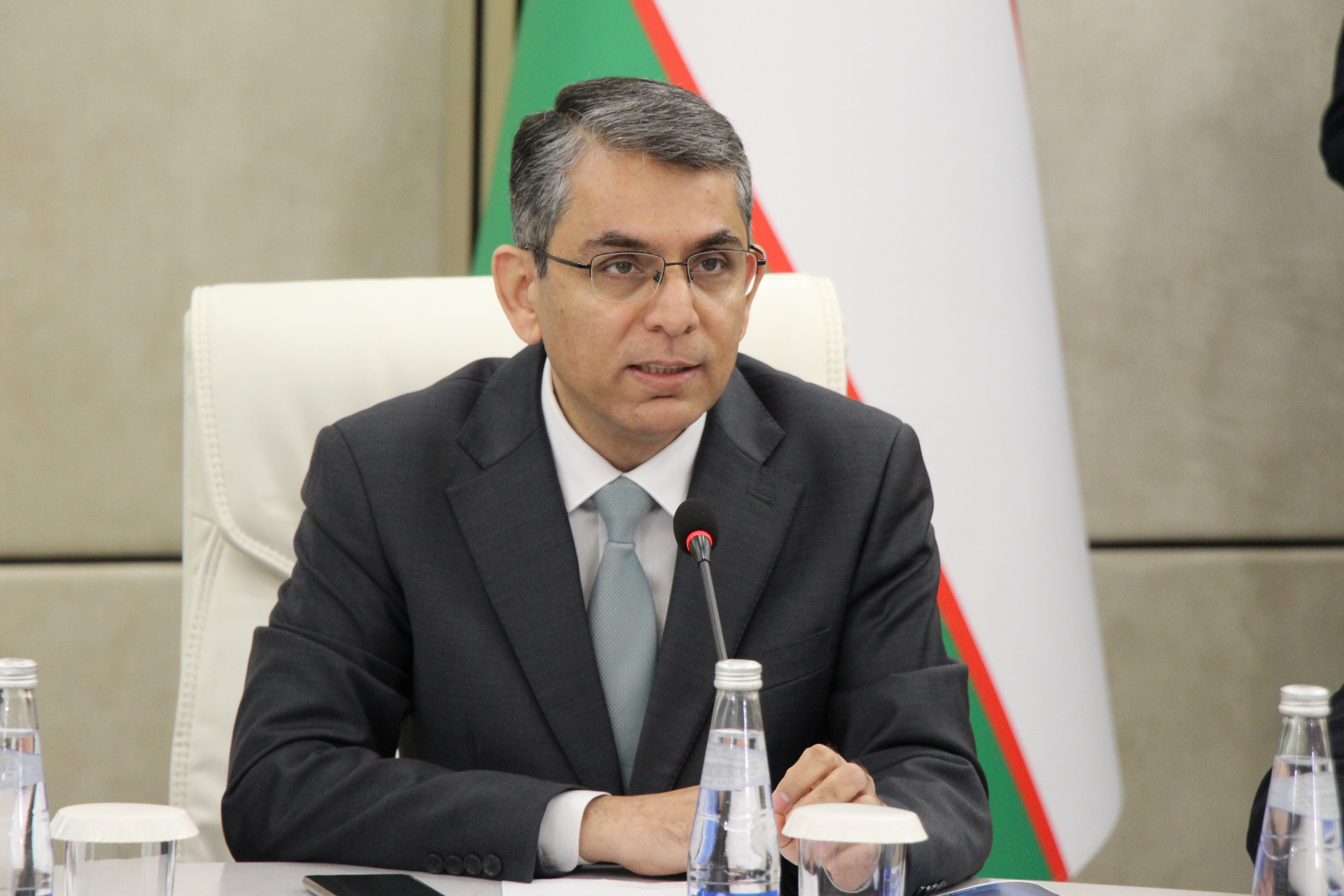
In turn, Pakistan's Ambassador to Uzbekistan Ahmed Farooq noted that Uzbekistan's advantageous geographical location in the centre of the region, its rapidly growing population and the consistent policy pursued by President Shavkat Mirziyoyev make the country an important and reliable partner for Pakistan. According to him, the development of transport and economic connectivity remains one of the key areas of bilateral cooperation.
“The Pakistan-Uzbekistan railway project, also known as the ‘project of the century’, is an important factor in regional connectivity. It opens up new opportunities for connecting Central Asia with the Arabian Sea and integrating Eurasian transport corridors, including the China-Kyrgyzstan-Uzbekistan route,” emphasised Ahmed Farooq.
In addition, the Pakistani diplomat added that, against the backdrop of positive political, trade and economic developments, humanitarian contacts and tourist exchanges are expanding. This is being facilitated by direct flights, simplified visa procedures, and the joint promotion of tourism.
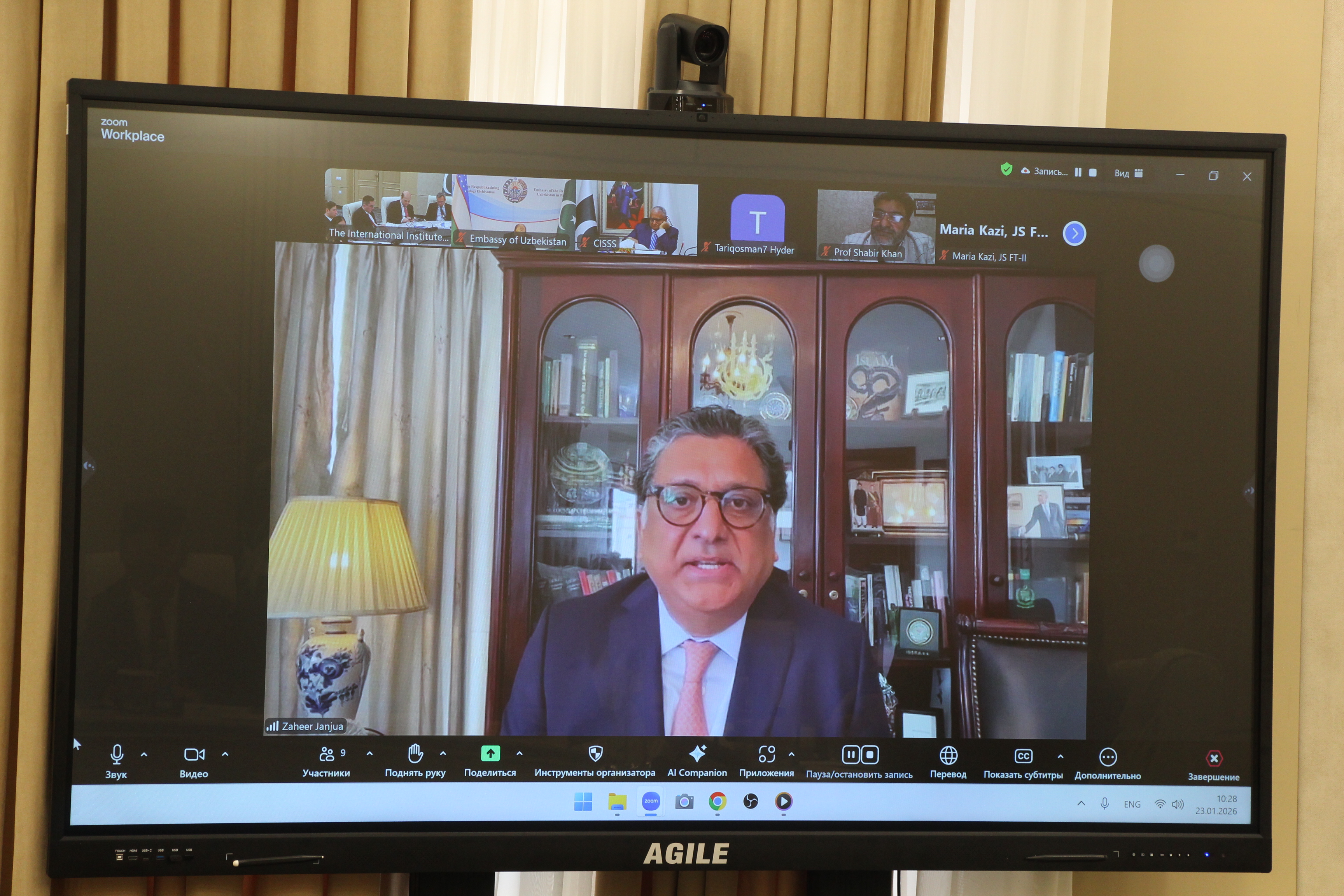
Professor Zaheer Aslam Janjua noted that with the election of Shavkat Mirziyoyev as President of the Republic of Uzbekistan, bilateral relations have acquired irreversible momentum and a strategic dimension.
‘Uzbek-Pakistani relations have reached a qualitatively new level of strategic partnership and have been filled with new content covering issues of regional security, connectivity, and transport and logistics cooperation,’ said Zaheer Aslam Janjua.
Akram Umarov, Director of the Institute for Advanced International Studies, added that their key achievement in recent years has been institutionalisation. This is reflected in the creation of the Strategic Partnership Council in 2025 and the conclusion of agreements covering science, innovation, vocational education, and youth policy.
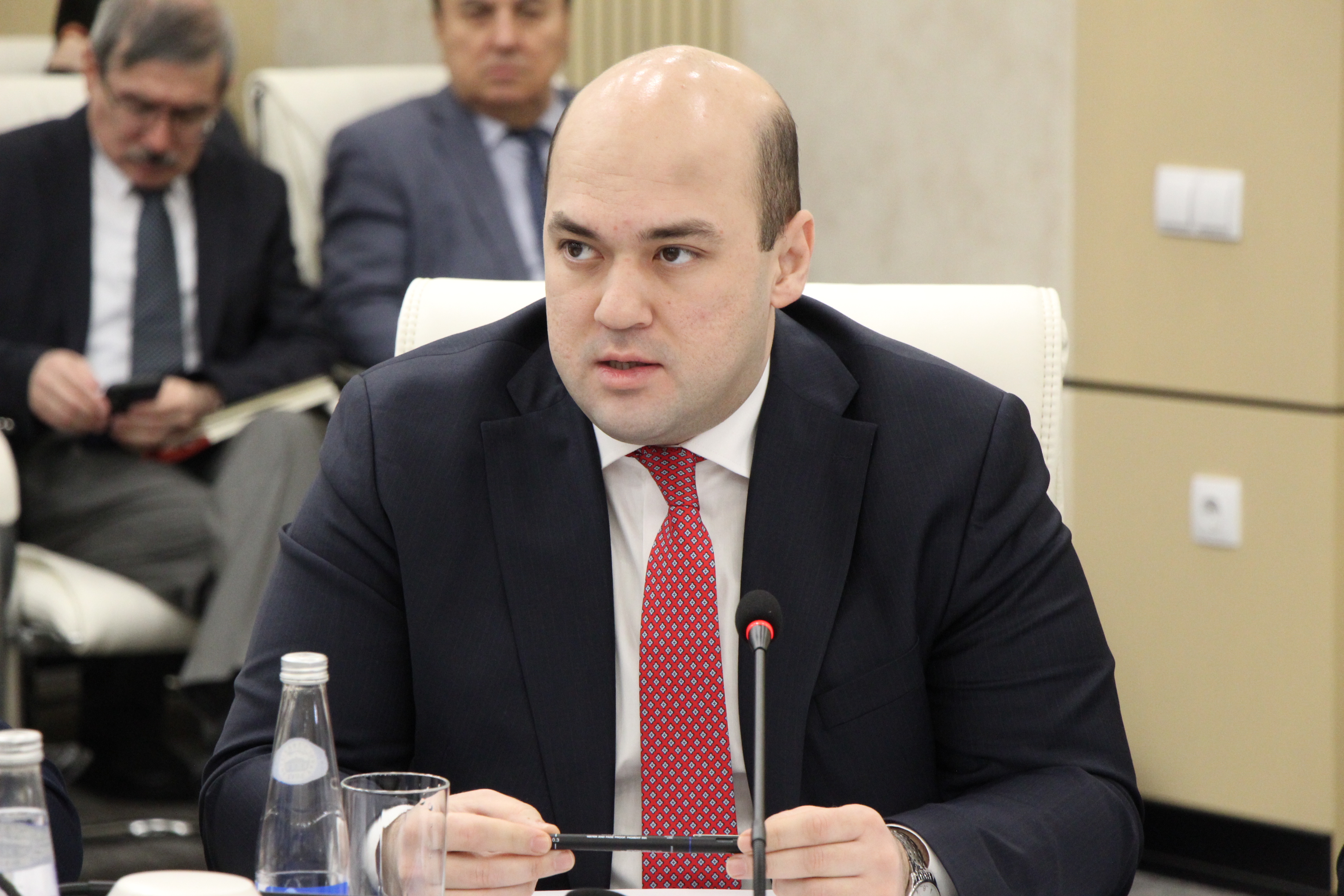
Qazi M. Khalilullah, the Executive Director of the Sindh Centre for International Strategic Studies, emphasised that Islamabad considers regional cooperation, interconnectivity and economic integration to be vital tools for adapting to the evolving international landscape amidst the growing fragmentation of the global economy.
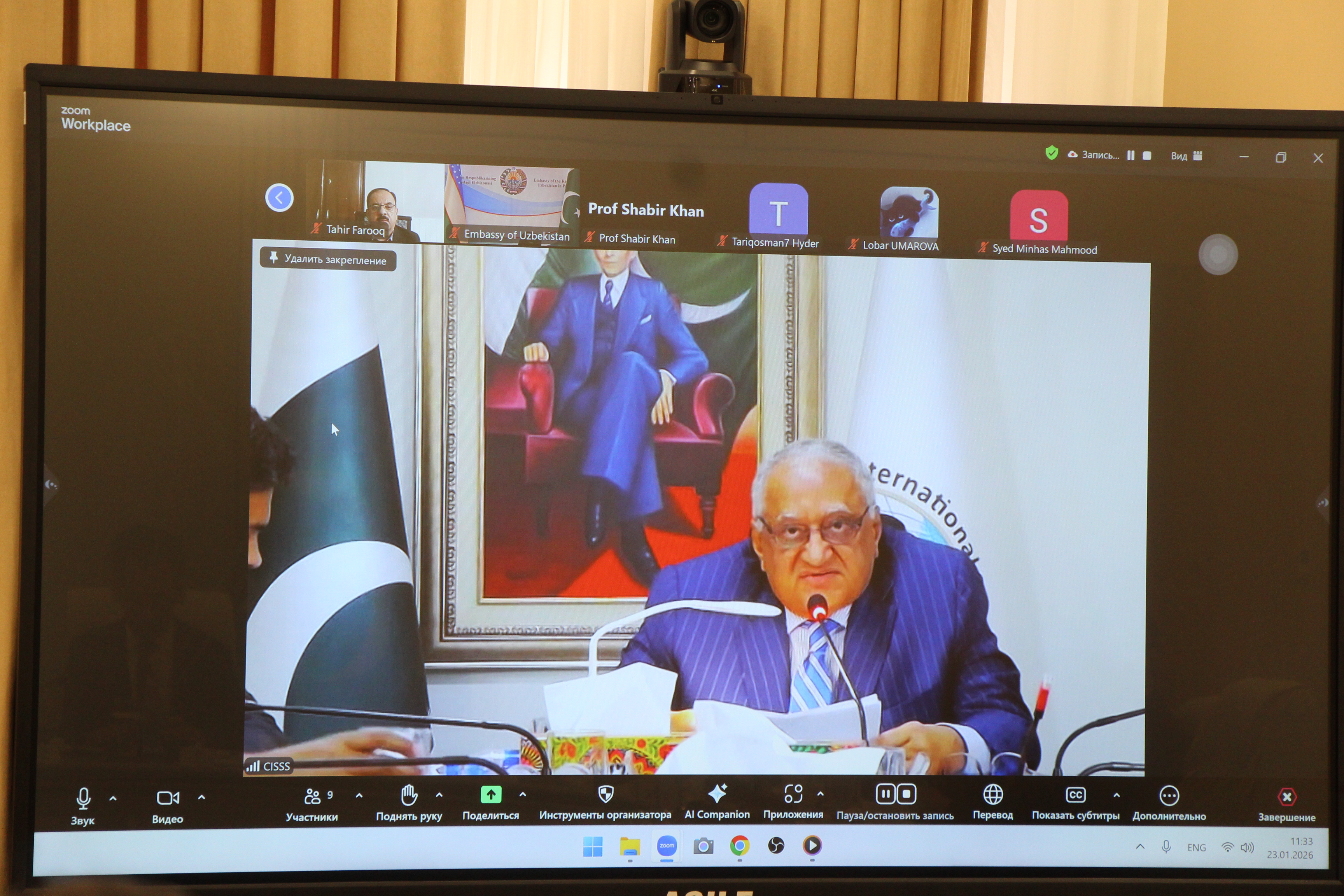
Against the backdrop of efforts to enhance transport connectivity between Uzbekistan and Pakistan, Bekzod Kholmatov, Director of the Centre for Transport and Logistics Development, observed that the 2021 signing of the Intergovernmental Agreement on Transit Trade was a pivotal catalyst for the bilateral economy. By the end of 2025, the volume of export and import cargo transported between the two countries had reached 450,000 tonnes, which was 37% higher than the previous year.
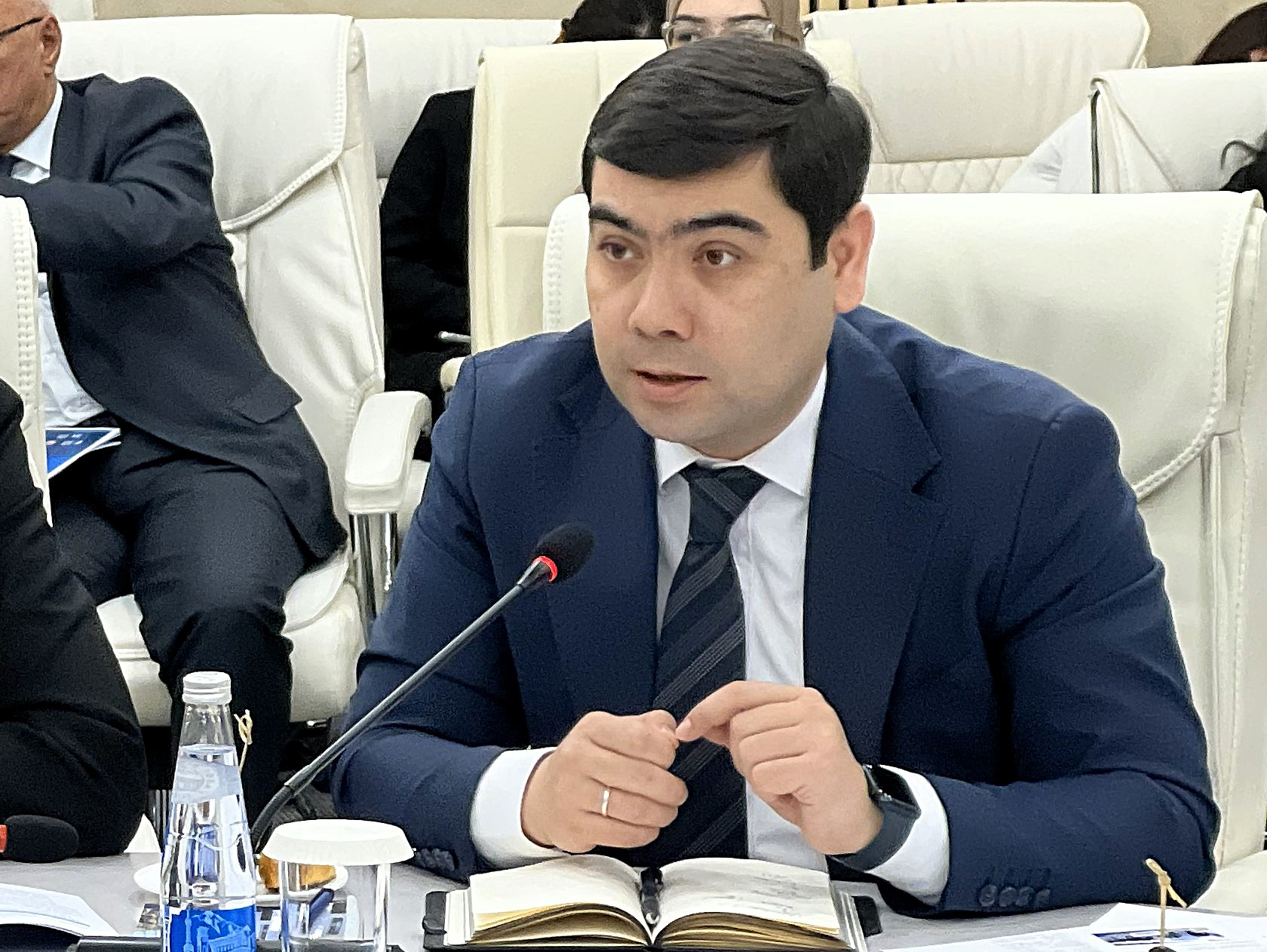
Syed Minhas Mahmood, Deputy Secretary of Pakistan's Ministry of Communications, informed attendees of Pakistan's practical steps to develop transport connectivity between Central and South Asia. He noted the active role of Uzbekistan as one of the region's key partners and coordinators of initiatives. He emphasised that Uzbekistan is the depositary of the multilateral Memorandum on Transit and Transport, signed in September 2024, and that it heads the joint working group on its practical implementation.
In addition, Tahir Farooq, Director of the Pakistan Center for Regional Connectivity for a Shared Future, noted that the expansion of trade routes, improved rail and road connectivity, and the development of energy cooperation — including power transmission and gas pipeline projects — are creating conditions for new economic opportunities in both regions.
“Ultimately, strengthening interregional connectivity between Central and South Asia is not only a strategic necessity but also a shared responsibility. With Uzbekistan’s leading role in Central Asia and Pakistan’s position as a key partner in South Asia, both countries are well placed to shape a new era of cooperation that will benefit millions of people across the region,” Tahir Farooq concluded.
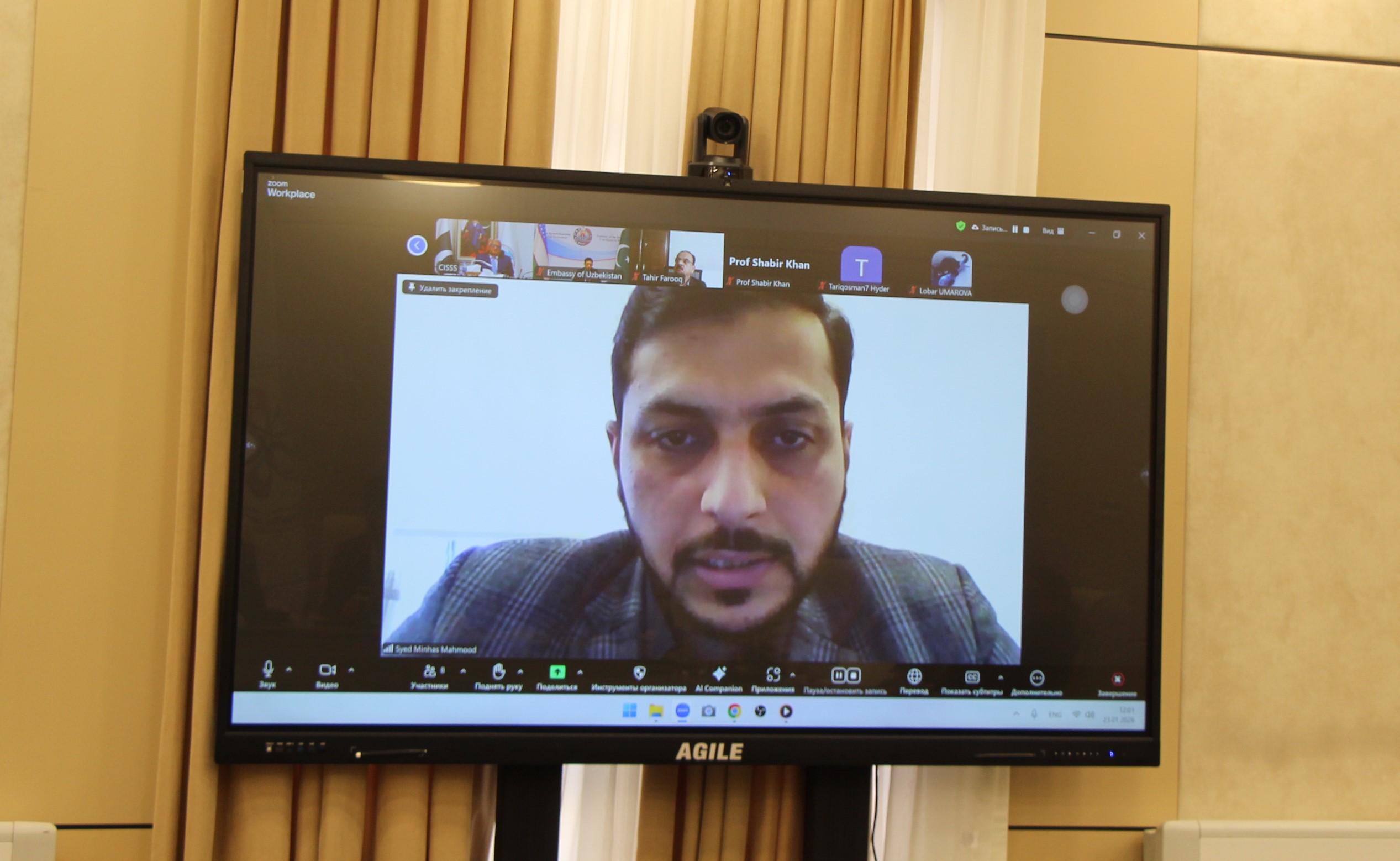
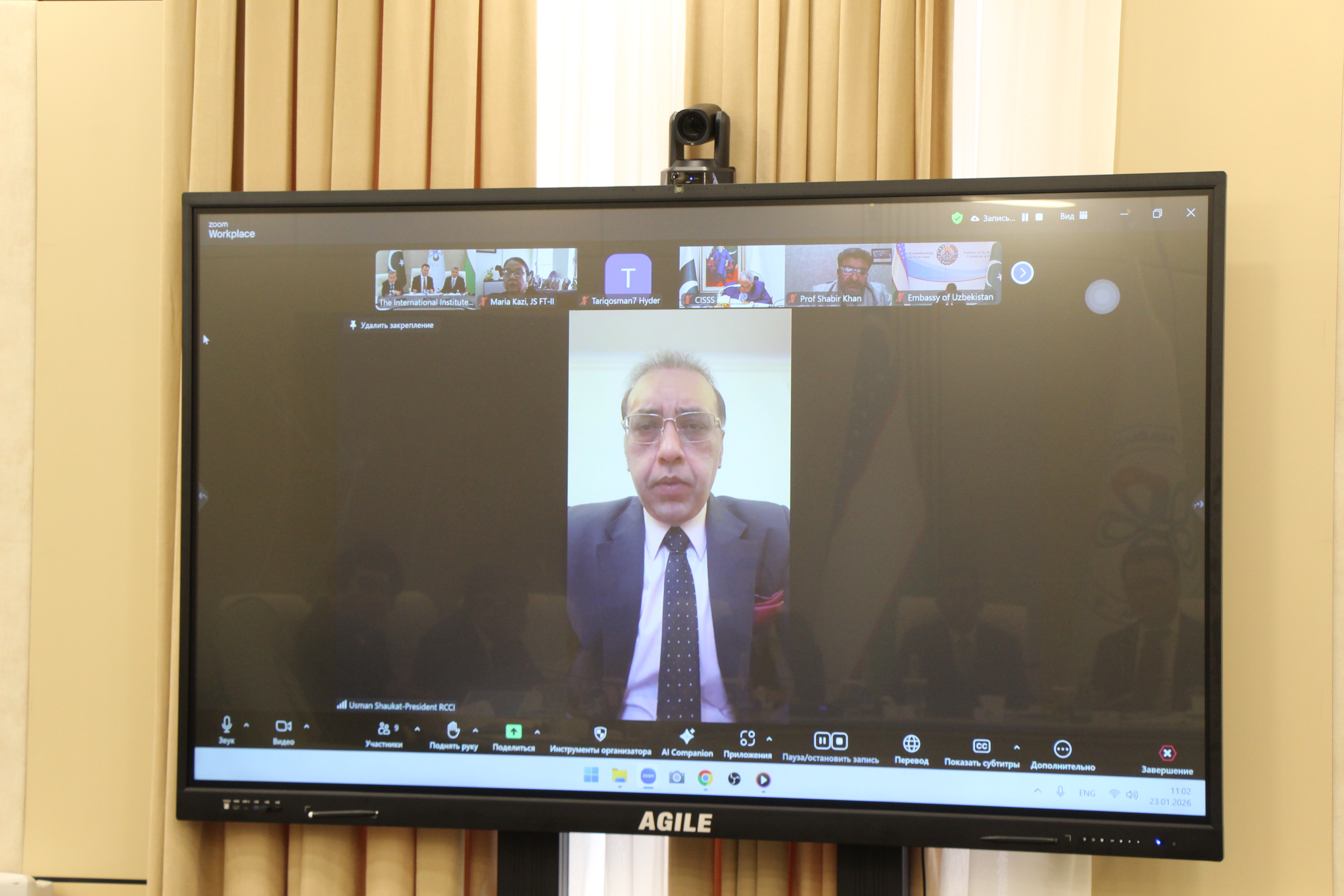
Plans were announced for the creation of a joint pharmaceutical park, which will establish a comprehensive production and economic cooperation ecosystem in both countries. Regarding this, Usman Shaukat, the President of the Rawalpindi Chamber of Commerce and Industry, noted that the Tashkent pharmaceutical park is a model platform for this type of cooperation, with over 30 international manufacturers based there.
Farrukh Ermatov, Deputy Head of the International Relations and Ratings Department of the Uzbekistan Tourism Committee, noted that tourism indicators between the two countries are showing steady growth. In 2024, Uzbekistan was visited by around 6,000 tourists from Pakistan. By 2025, this figure had increased to almost 19,000, marking a rise of over 200% in just one year. He added that this clearly demonstrates Pakistan's growing interest in Uzbekistan as a tourist destination.
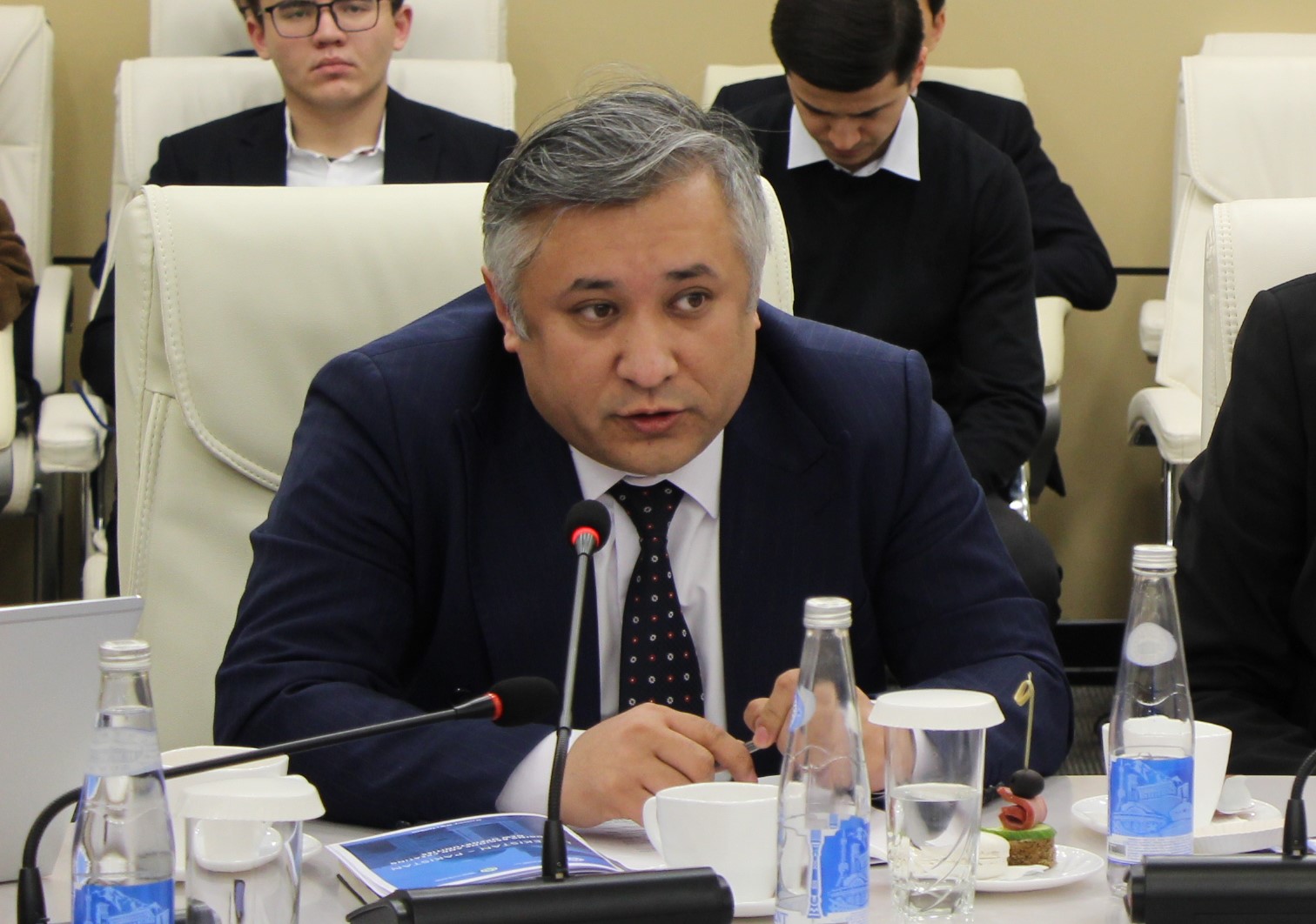
The extractive industry has also been identified as a promising area for bilateral cooperation. In this regard, Maria Kazi, Deputy Secretary of the Ministry of Commerce of Pakistan, emphasised Pakistan's interest in Uzbekistan's experience in the mining and mineral resources sector, proposing the development of practical partnerships in this area.
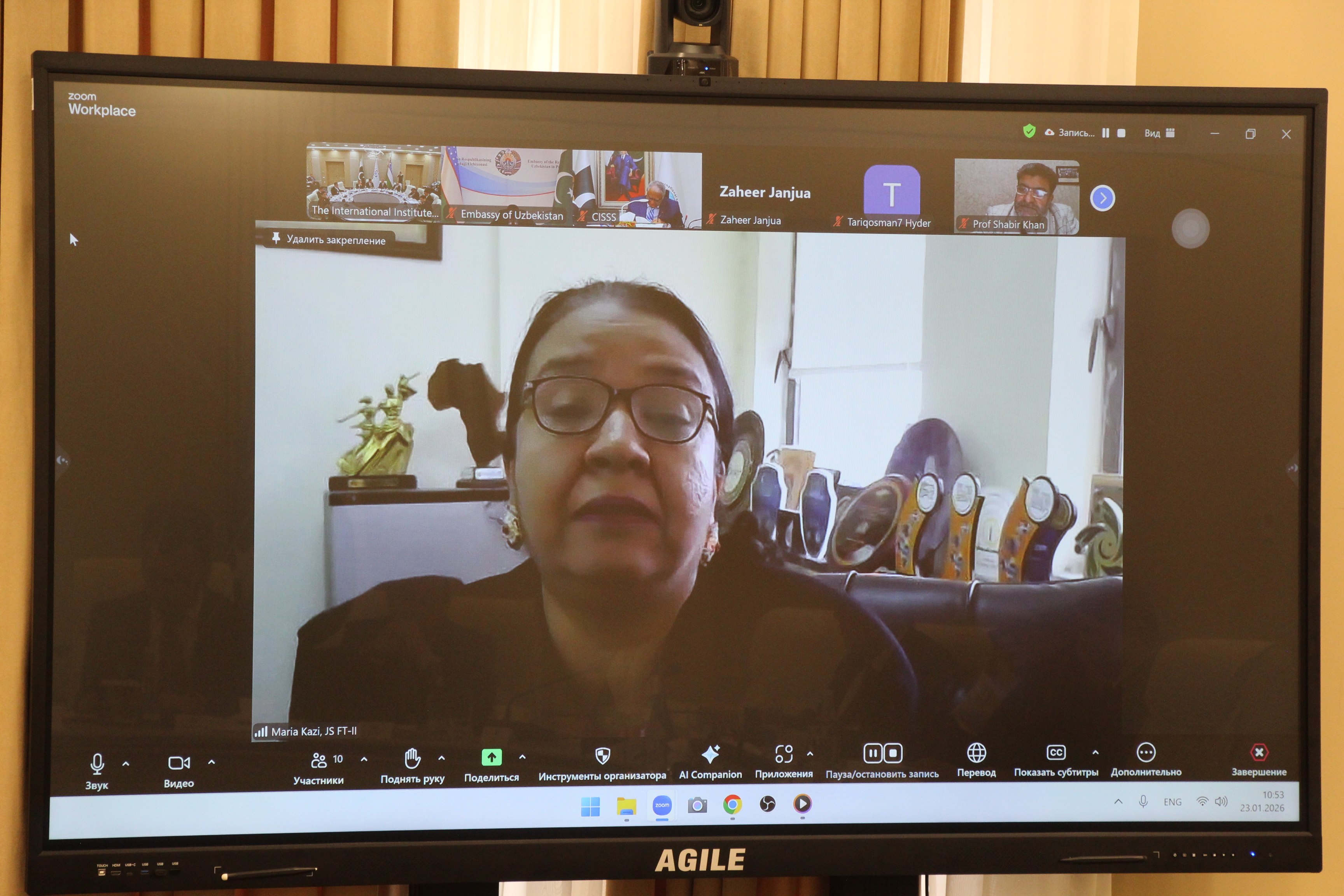
Islomkhon Gafarov, a senior researcher at the Centre for Progressive Reforms, emphasised that the relationship between Central and South Asia should not be confined to infrastructure projects, but should also encompass the strengthening of humanitarian, cultural, and value-based ties.
Overall, participants confirmed Uzbekistan's and Pakistan's strategic focus on deepening their partnership and expanding their cooperation with Central and South Asia. They also put forward a number of specific proposals for upcoming summit meetings.