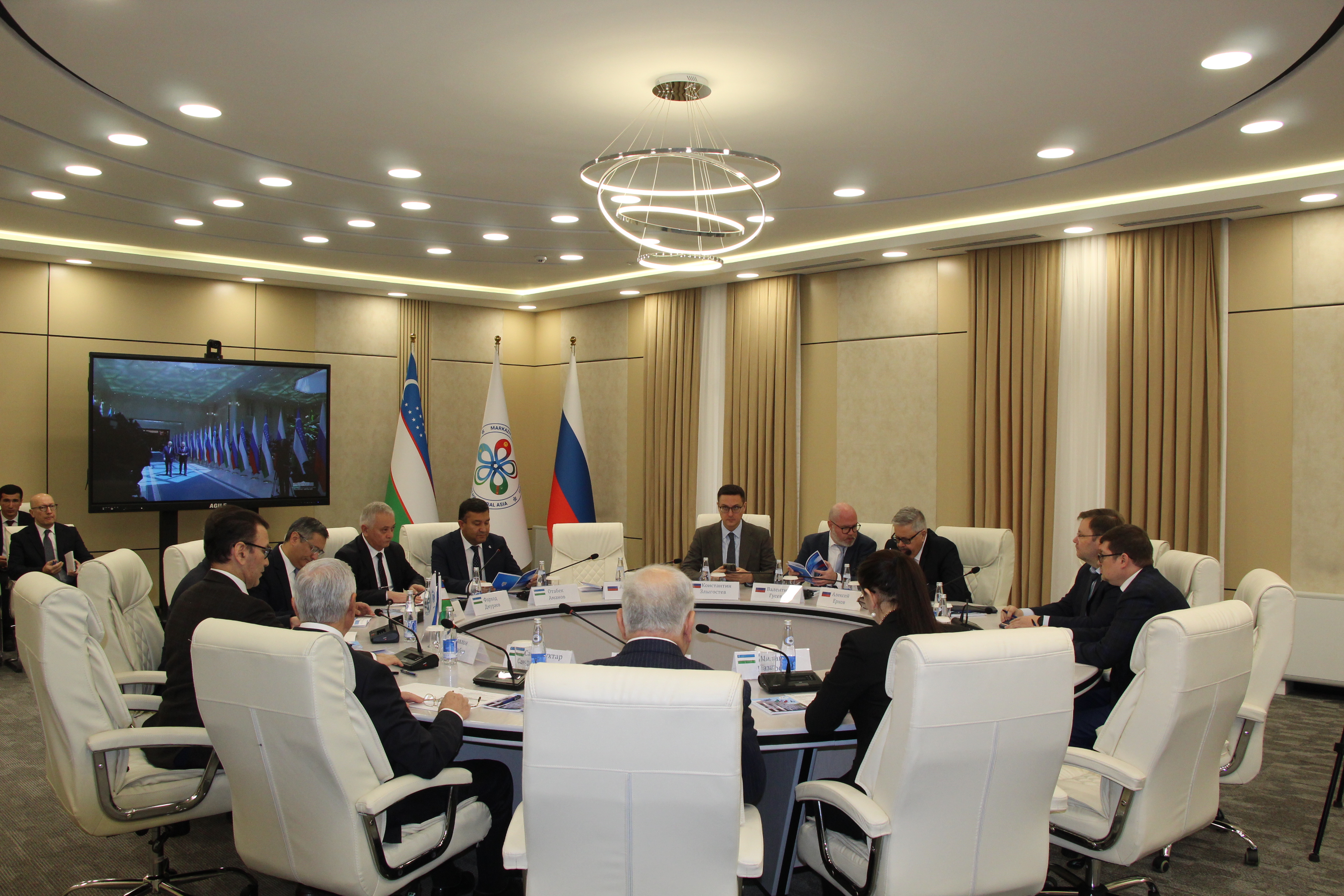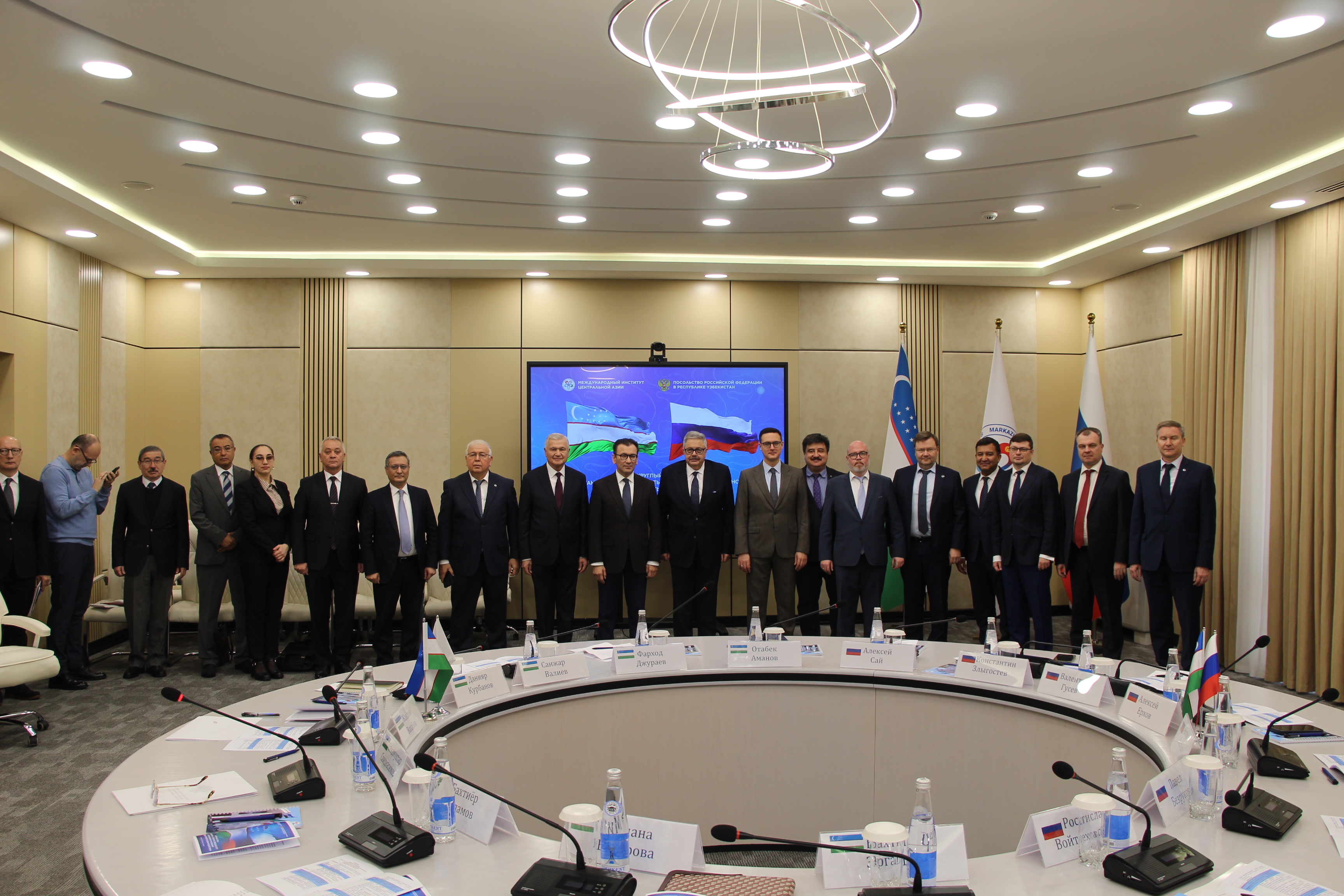
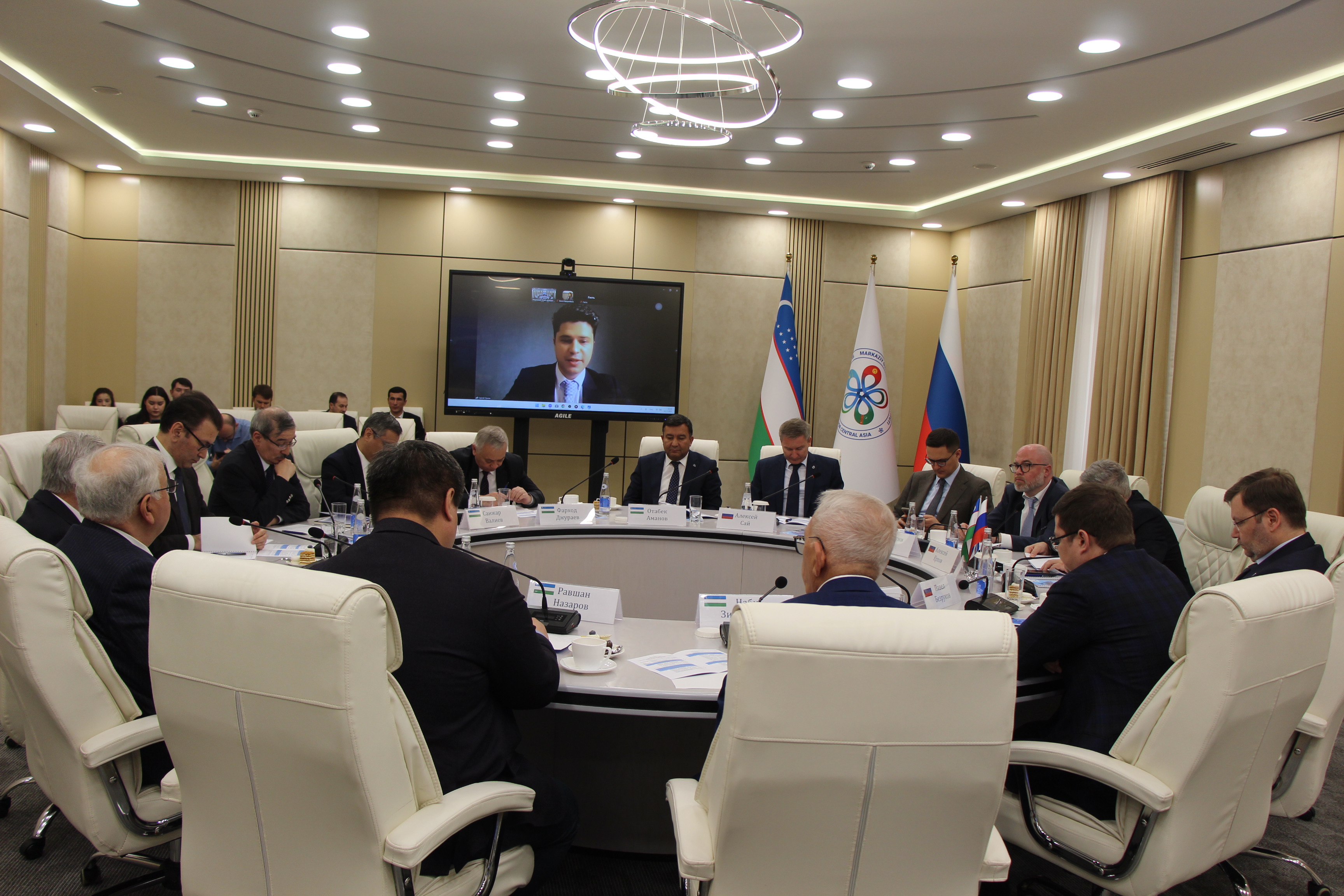
The event was held to celebrate the 20th anniversary of the signing of the Treaty on Alliance Relations between Uzbekistan and Russia.
More than 30 diplomats, representatives of ministries and departments, think tanks, research and educational institutions, as well as business circles of Uzbekistan and Russia took part in the round table.
In his welcoming speech, IICA Director Javlon Vakhabov noted that over the past 20 years, Uzbek-Russian relations have taken on a qualitatively new dimension, filled with concrete projects and real substance.
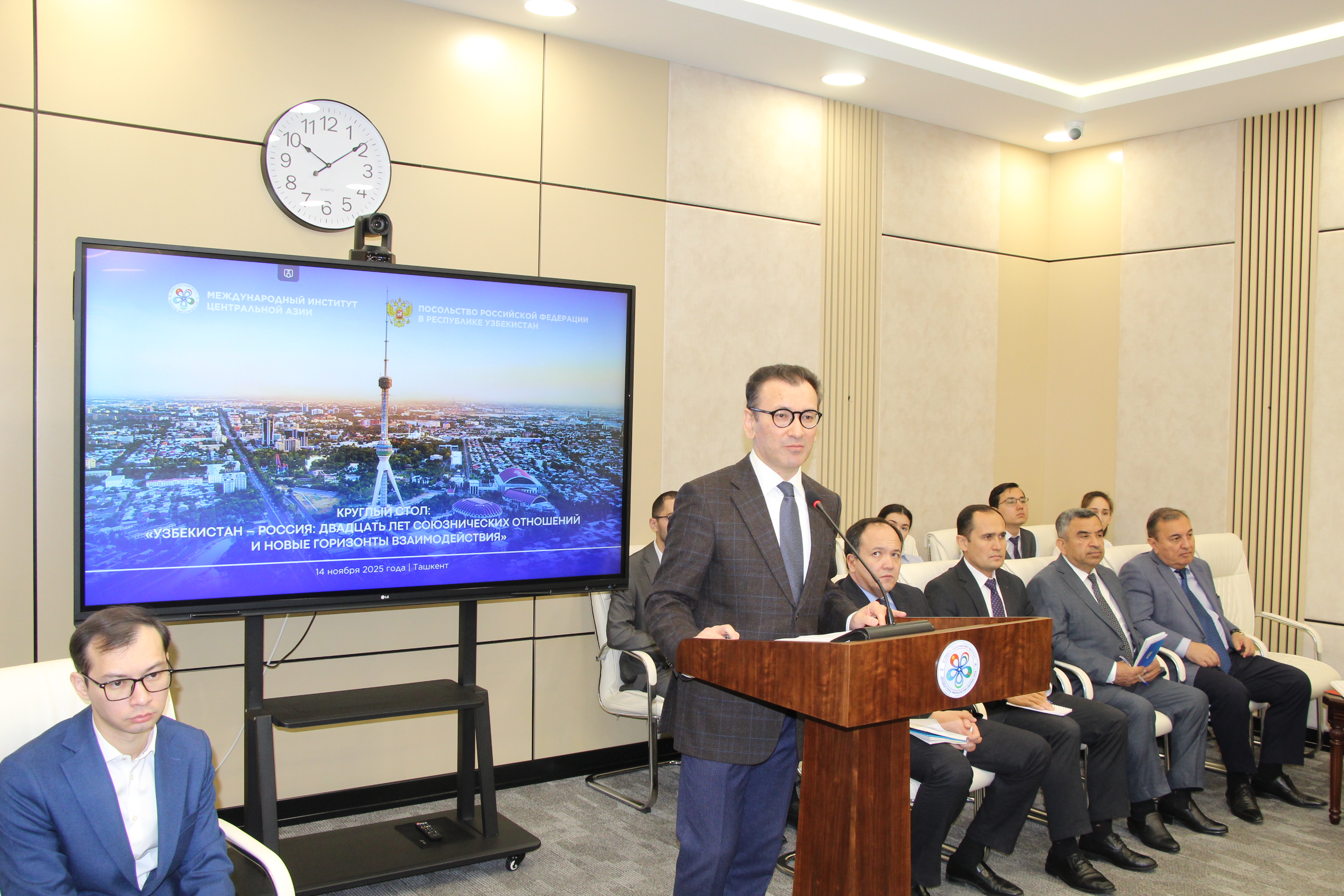
In particular, he emphasized that Russia continues to maintain its status as Uzbekistan's leading partner: the volume of mutual trade over the past 20 years has grown almost sixfold, from $2 billion in 2005 to $11.6 billion in 2024. According to him, the number of joint ventures with Russian participation has grown from approximately 430 twenty years ago to more than 3,000 today.
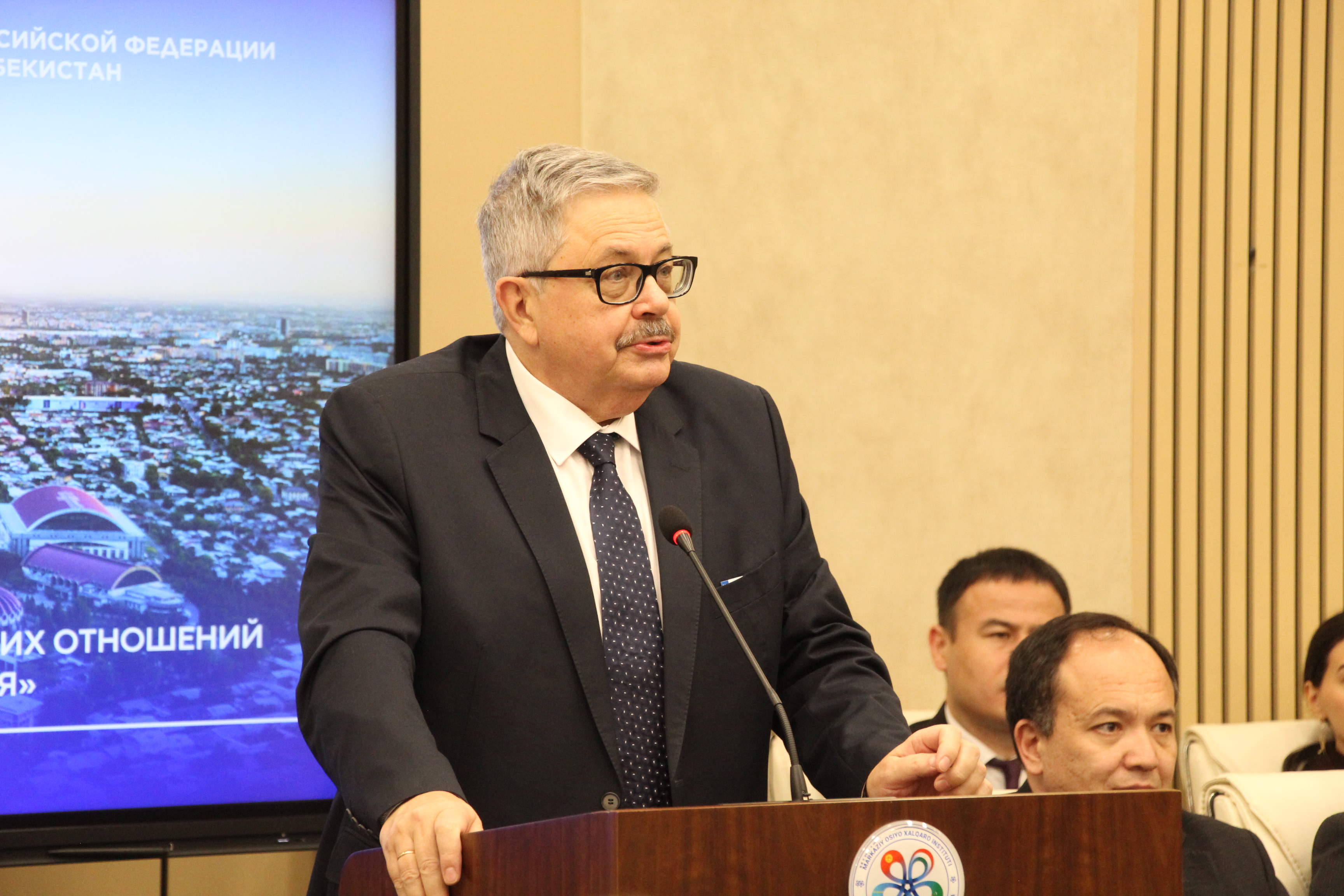
In turn, Alexei Yerkhov, Ambassador Extraordinary and Plenipotentiary of the Russian Federation to Uzbekistan, noted that relations between Uzbekistan and Russia are based on equality and mutual consideration of interests, and ‘in terms of their depth and scale, they have reached a very high level.
During the discussions, participants discussed the prospects for mutually beneficial cooperation in the areas of trade, investment, energy, migration and humanitarian exchanges.
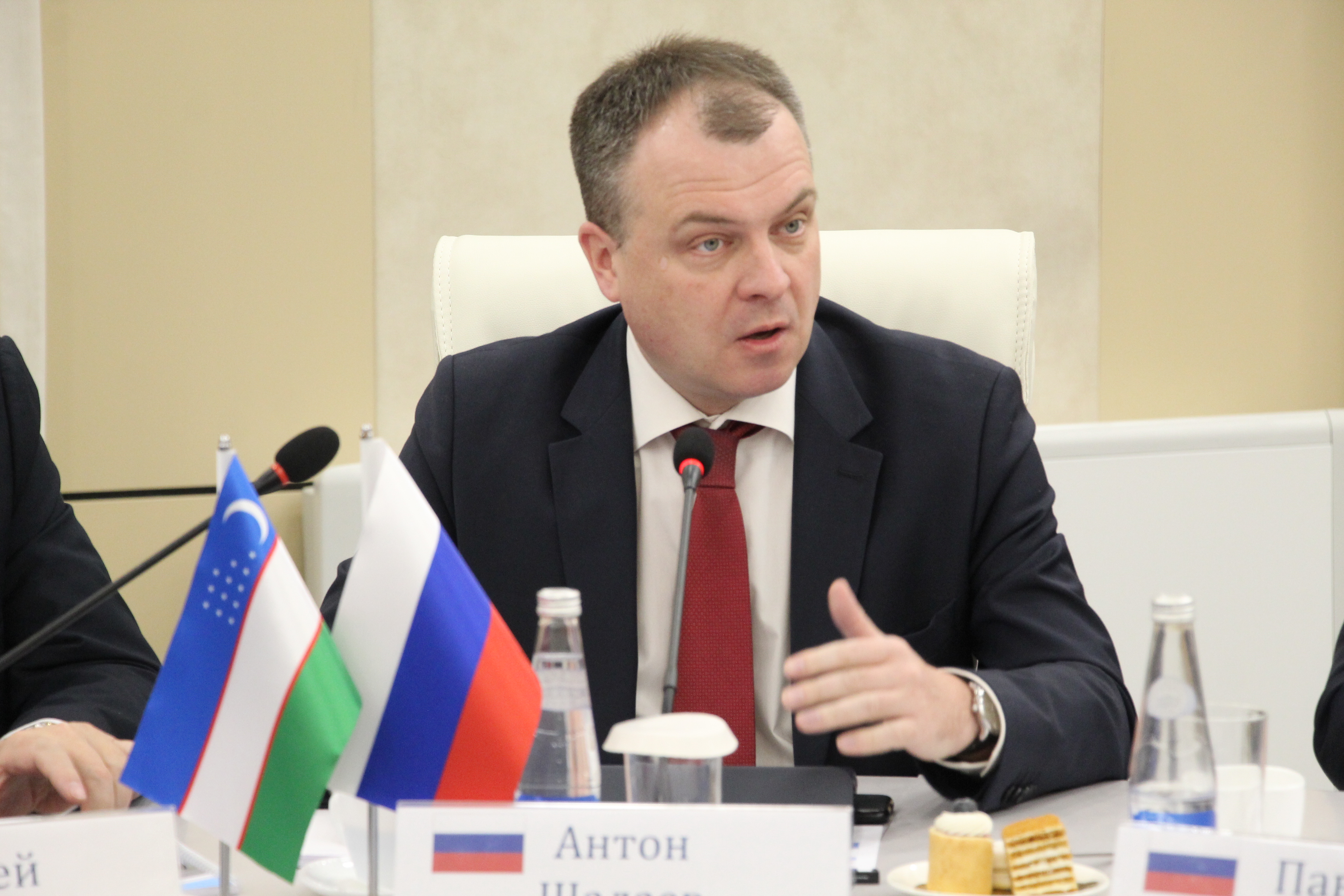
Anton Shalaev, Head of the Federal Agency for Technical Regulation and Metrology (Rosstandart), noted that the inclusion of the Russian standard for information modelling in the regulatory framework of Uzbekistan demonstrates real progress and practical results of cooperation.
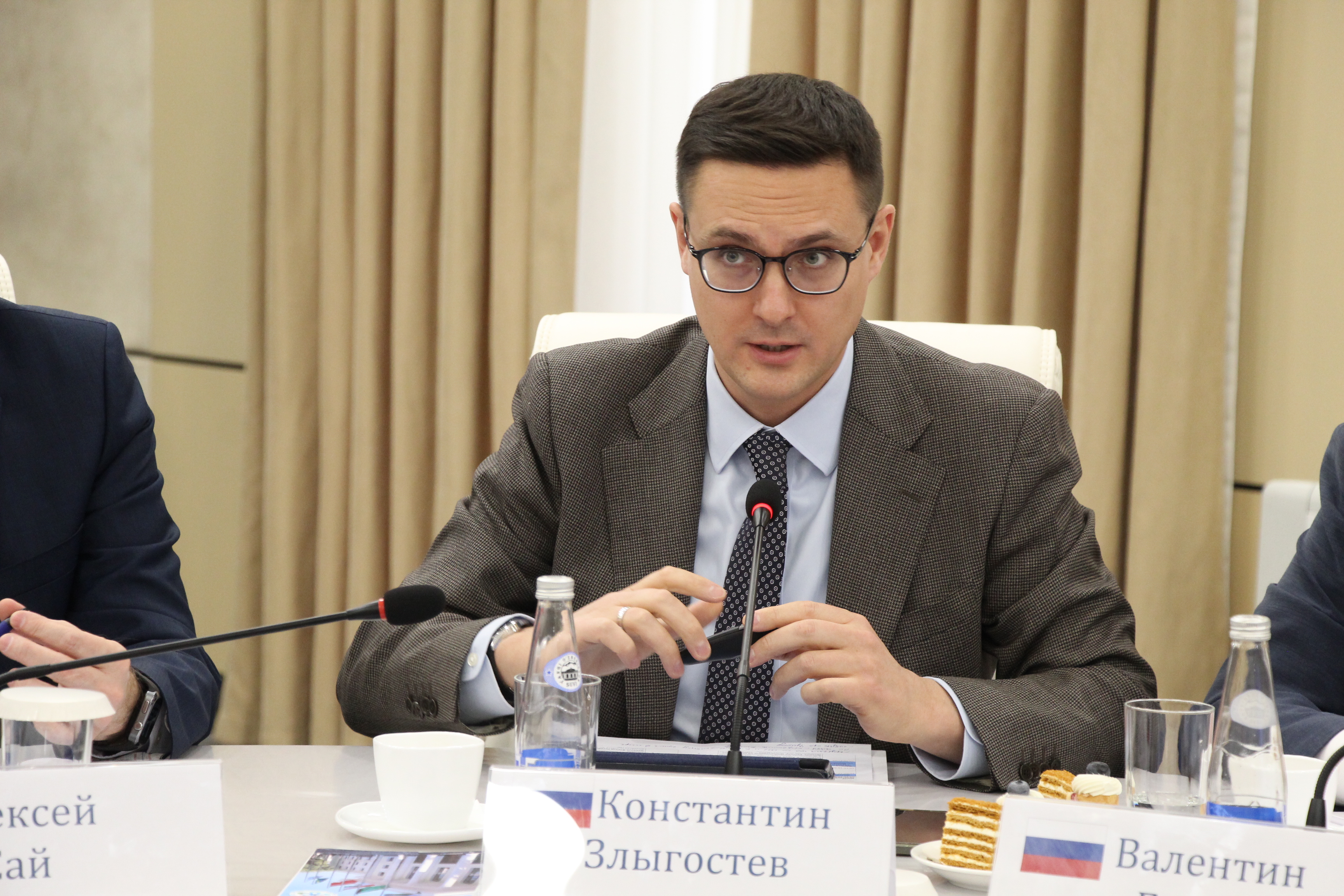
Konstantin Zlygostyev, Trade Representative of the Russian Federation in the Republic of Uzbekistan, noted that one of the key examples of successful cooperation remains the gas chemical project of Lukoil and Uzbekneftegaz, in which the Russian side has invested over $4.5 billion.
The importance of the Tashkent Metallurgical Plant, built with Russian participation at a cost of over $280 million, producing about 500,000 tonnes of metal products per year and exporting them to over 20 countries, was also emphasised.
One of the key topics of discussion was the development of nuclear energy in Uzbekistan. Pavel Bezrukov, Vice-President of Atomstroyexport JSC, spoke about the start of the implementation of a unique integrated nuclear power plant in the Jizzakh region, created in partnership with Russia. This will be the world's first complex combining small and large power units. He emphasised that the project is being implemented on schedule: the main construction work has already begun, and the first unit is scheduled to be commissioned in 2029. According to him, at the peak of construction, about 13,000 specialists will be employed, most of whom are citizens of Uzbekistan.
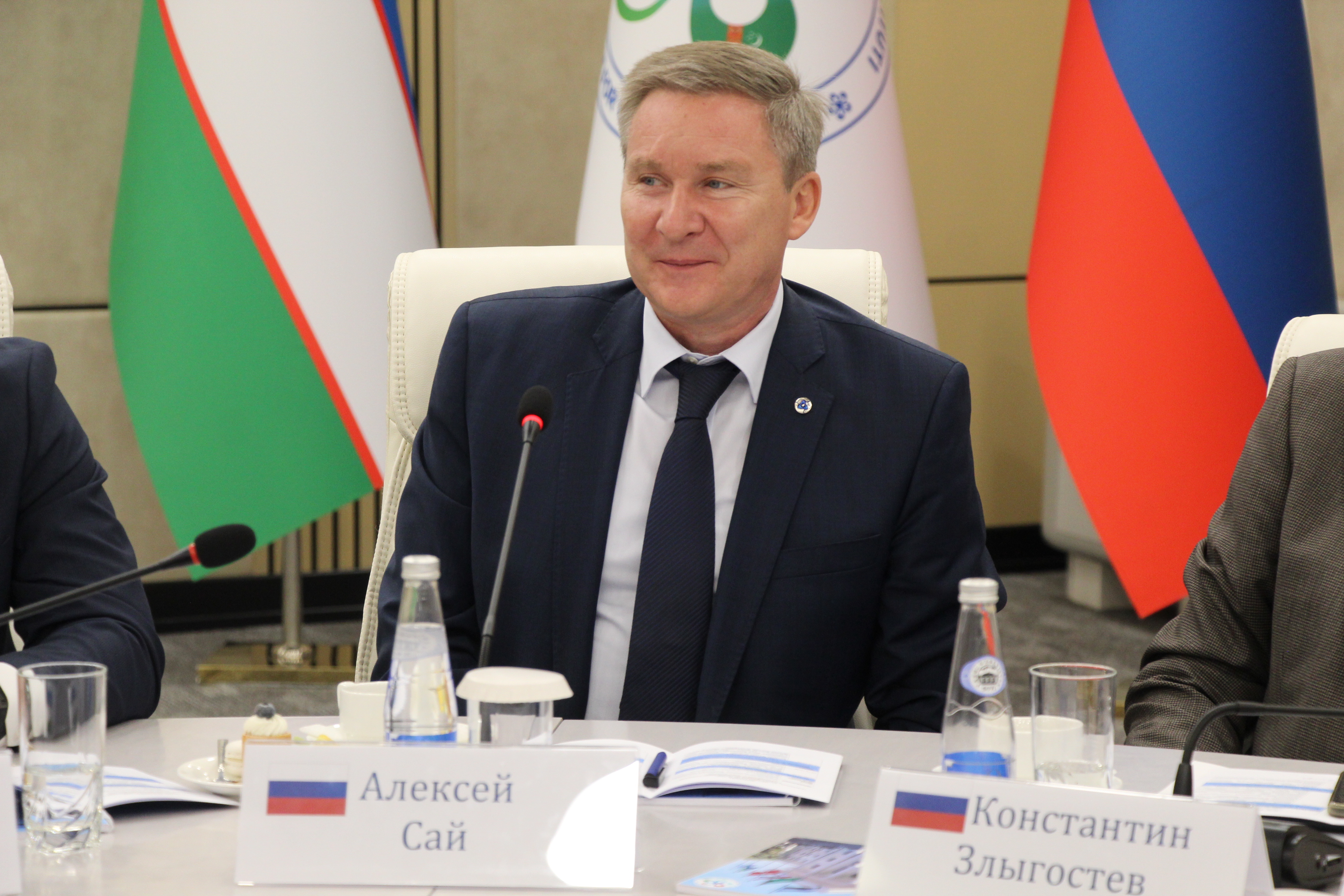
Alexey Sai, representative of Rosatom State Corporation in Uzbekistan, noted that cooperation between Russia and Uzbekistan in the field of climatology and nuclear technologies is developing, based on the strong scientific base of physics institutes. He highlighted the work of the MEPhI branch in Tashkent, which has been training specialists for the country's future nuclear industry since 2019. According to him, the use of radiation in medicine and agriculture is being considered for the future, and one of the most promising areas of joint work is artificial intelligence.
In the cultural and humanitarian sphere, special attention was paid to scientific and educational cooperation. Sergey Orlov, Deputy Executive Director of the A.M. Gorchakov Public Diplomacy Support Fund, emphasised that this area is a key driver for strengthening ties between Russia and Uzbekistan. He noted the importance of developing joint universities, transitioning to engineering and scientific education, creating advanced engineering schools based on the experience of Russian universities, as well as the significant role of expert and analytical structures in promoting joint initiatives.
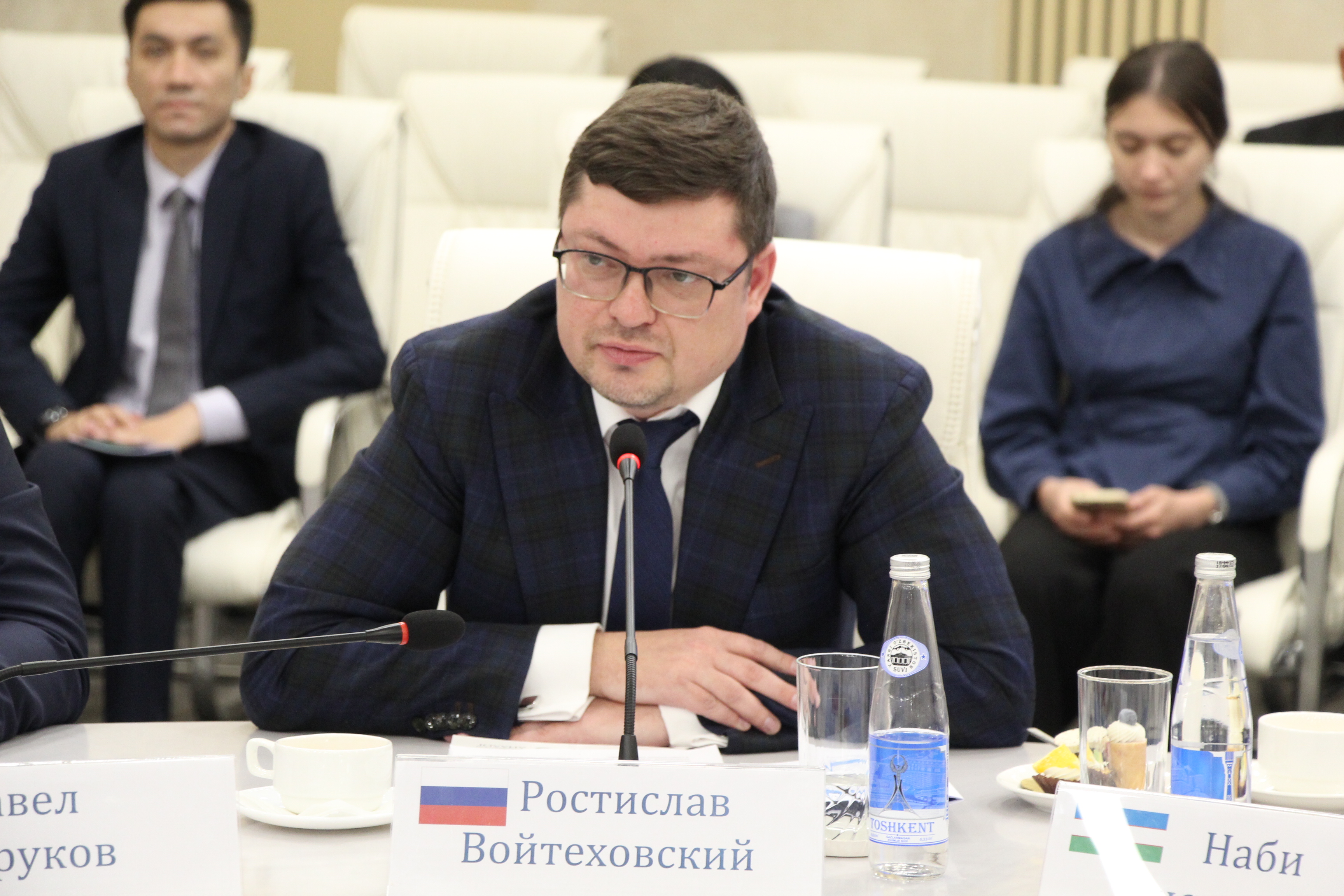
Deputy Head of the Rossotrudnichestvo Representative Office in Uzbekistan Rostislav Voitekhovsky noted the growth of cooperation between Russia and Uzbekistan in education, science and culture. In particular, he emphasized the full demand for the Russian Federation's annual quota of 810 budget places and the expansion of the presence of Russian universities. He highlighted projects with GITIS and the work of the MEPhI branch, as well as specific humanitarian initiatives – the ‘Time for Good Deeds’ and ‘Mission of Good’ forums, which contribute to the development of inter-community relations and the preservation of historical memory.
In conclusion, the Director of IICA noted that the experience gained and projects implemented between Uzbekistan and Russia over the past 20 years create a solid platform for further expansion of mutually beneficial cooperation in the economy, science, education and the humanitarian sphere, opening up new horizons for partnership and strengthening allied ties between the two countries. The parties emphasized the importance of the work of experts, which will allow for the discussion of topical issues and the development of practical proposals for building mutually beneficial cooperation.