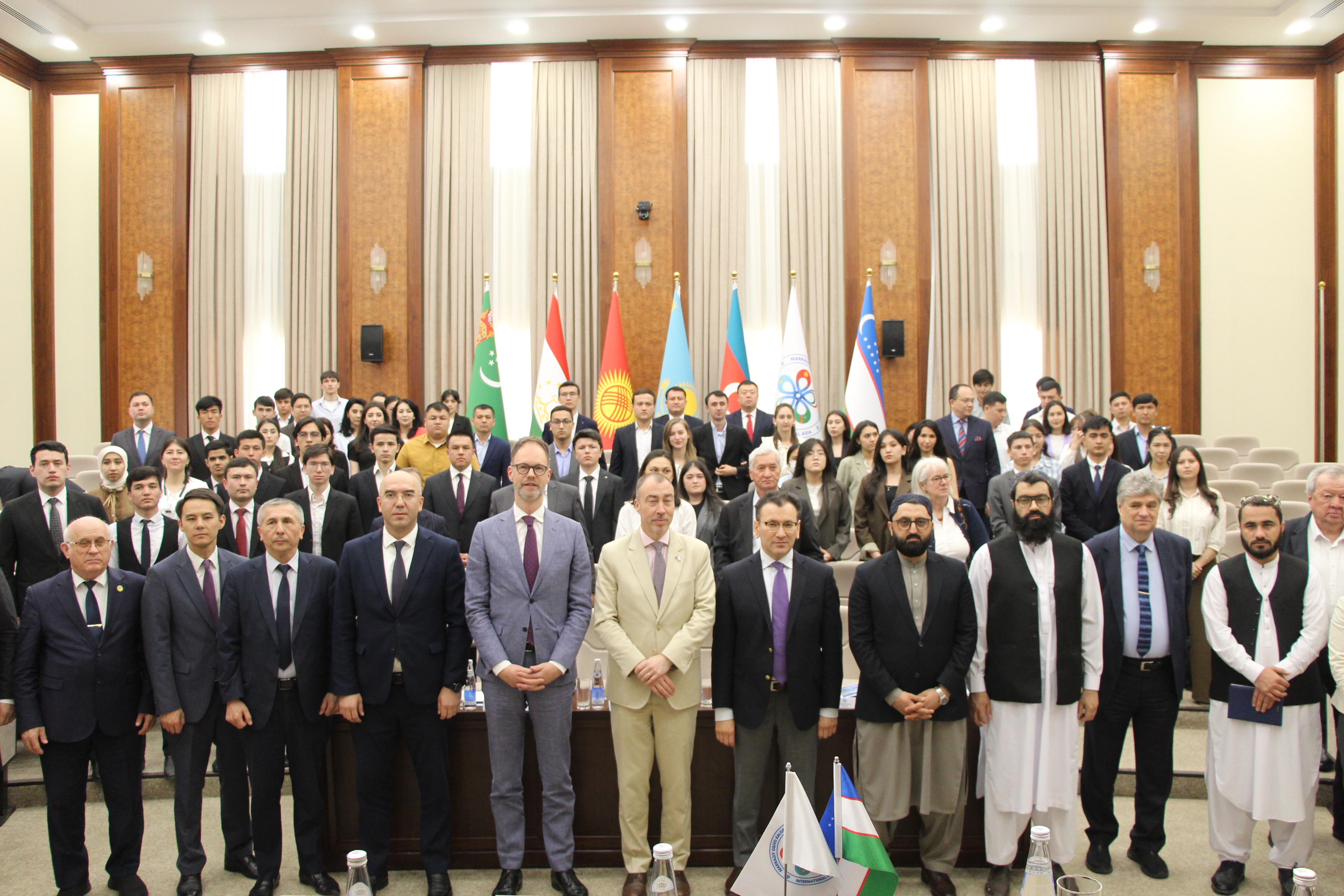
The event was organized by the International Institute for Central Asia (IICA) in partnership with the regional office of the International Water Management Institute (IWMI) in Central Asia.
Held ahead of the International Fund for Saving the Aral Sea (IFAS) Summit, scheduled for April 22 in Astana, the roundtable aimed to address key water security challenges in the region and develop practical recommendations for the upcoming regional forum.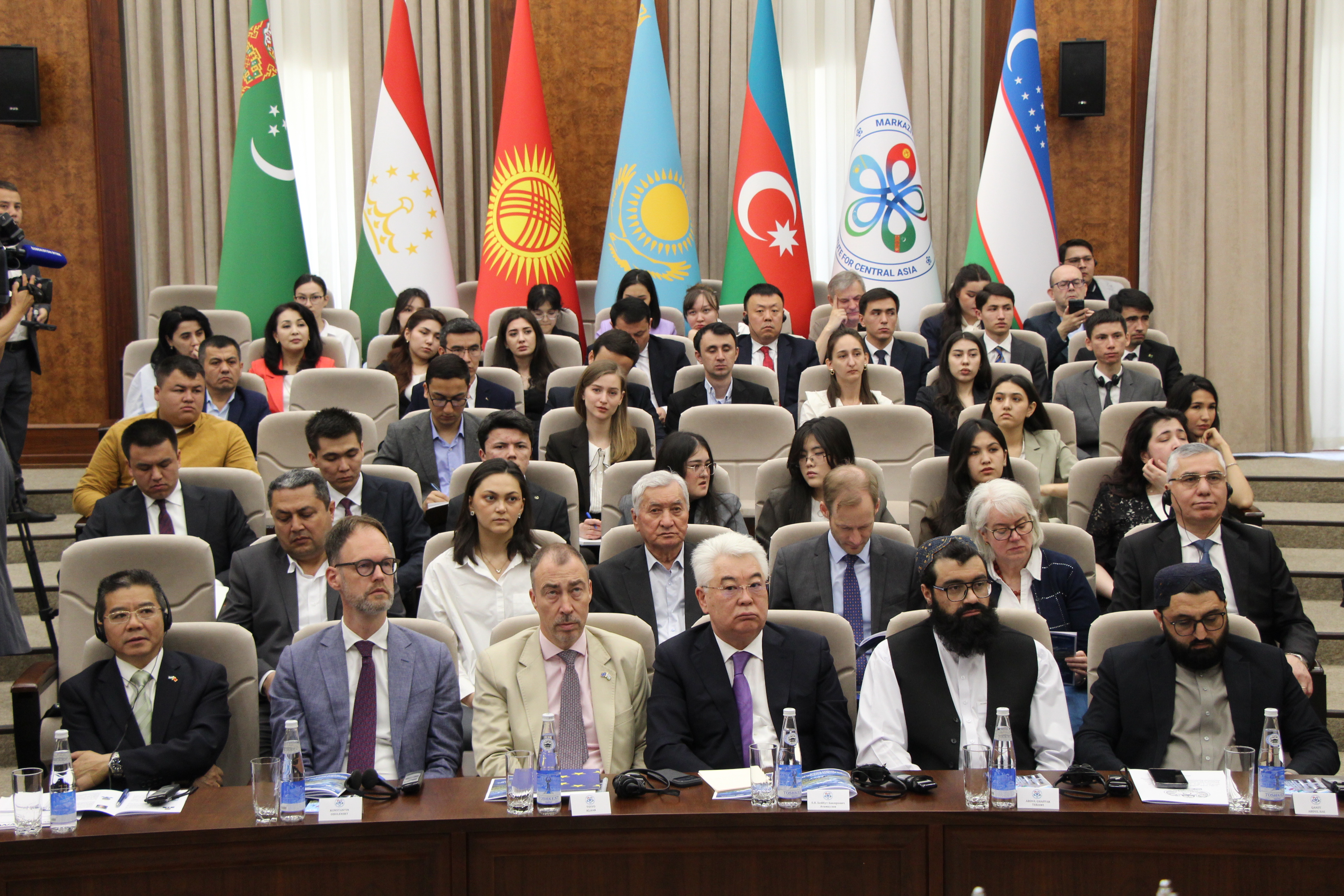
The event brought together experts from leading think tanks and research institutions across Central Asia, international organizations – including the Scientific Information Center of the Interstate Commission for Water Coordination – members of the diplomatic corps, and experts from Afghanistan.
Discussions focused on water security challenges in Central Asia, priorities for regional cooperation within the IFAS framework, and ways to engage Afghanistan in the regional water dialogue.
Opening the event, IICA Managing Director Javlon Vakhabov noted that Central Asia is among the regions most vulnerable to the impacts of climate change, with these effects unfolding faster than the global average. He stressed out growing concerns over the region’s deteriorating water and environmental conditions, driven by glacier melt, natural hazards, and increasing pressure from population growth, urbanization, and industrialization.
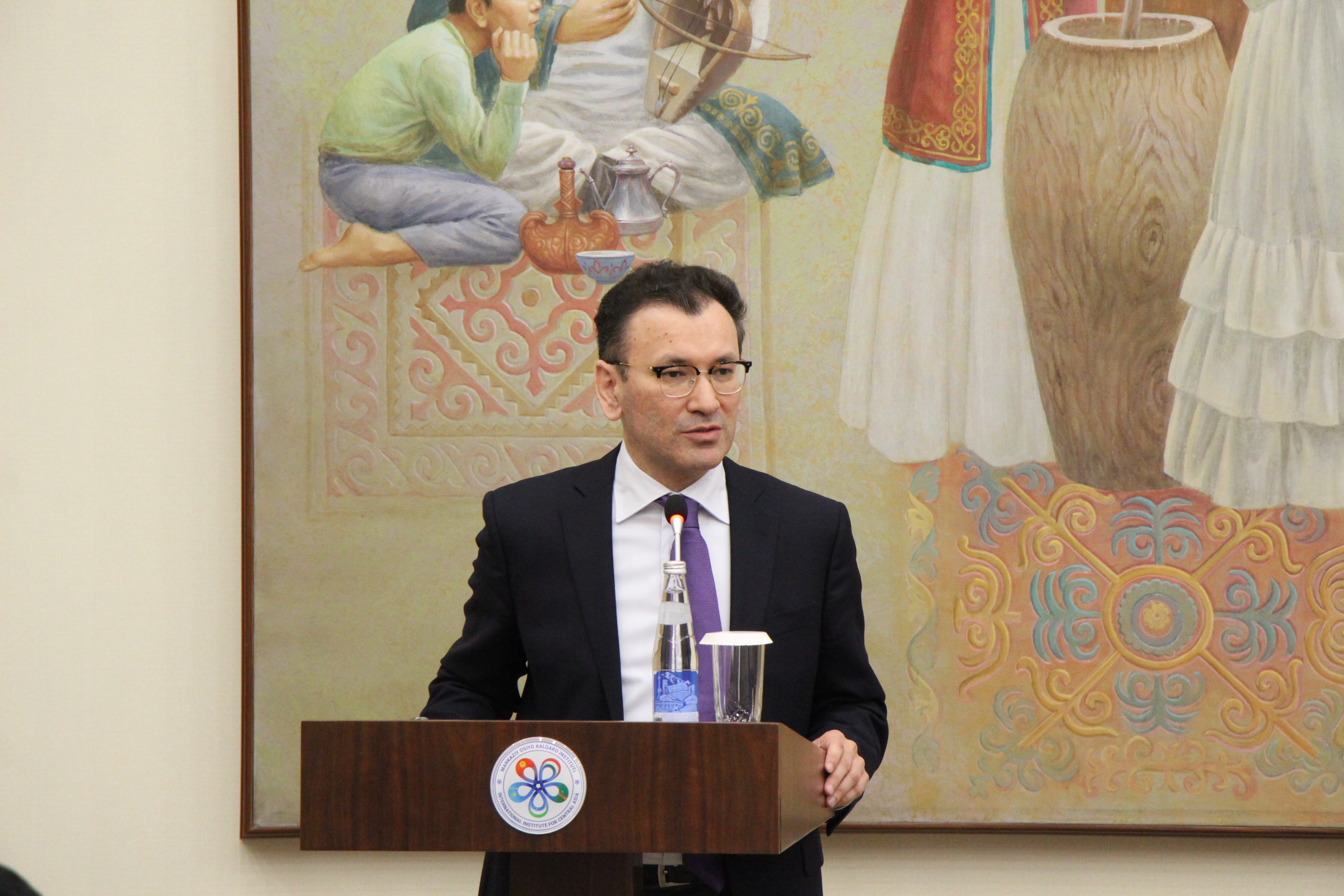
Against this backdrop, he emphasized the importance of IFAS as a key regional mechanism that, over more than three decades, has helped develop coordinated approaches, facilitate decision-making, and implement joint programs to address environmental and water-related challenges in the Aral Sea basin.
It was also noted that, under current conditions, closer coordination and joint action among Central Asian countries – as well as with Afghanistan – are essential. Afghanistan, as a riparian state, has a legitimate right to water use and views water resources as a critical factor for its socio-economic development.
Barbara Janusz-Pawletta, IWMI Regional Representative for Central Asia, noted that a multi-sectoral approach should remain at the core of ongoing regional efforts in water management. She emphasized that transfer of the IFAS presidency to Uzbekistan creates an important opportunity to further strengthen cooperation and enhance existing mechanisms.
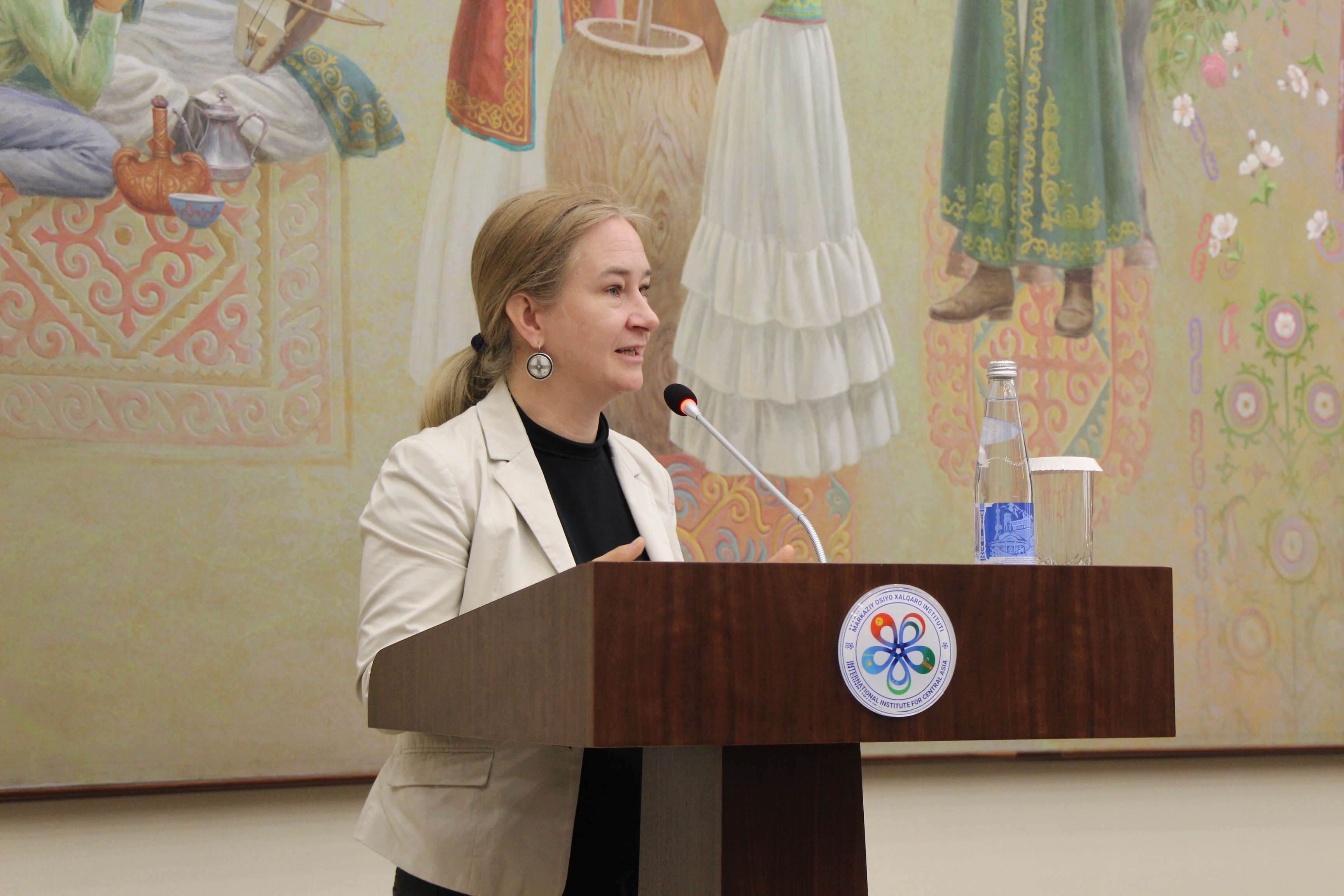
“While IFAS remains central to these efforts, there is a clear need to expand cooperation beyond existing frameworks including through broader partnerships, more effective market-based approaches, and ensuring access to modern, equitable, and sustainable drinking water without harming neighboring countries or the environment,” she stressed.
Ambassador Beibut Atamkulov of Kazakhstan to Uzbekistan highlighted that Central Asia has reached a new level of trust, creating a solid foundation for advancing large-scale initiatives, including the area of water security. He noted that coordinated efforts by national water management agencies are already helping address water-related challenges in the context of climate change.
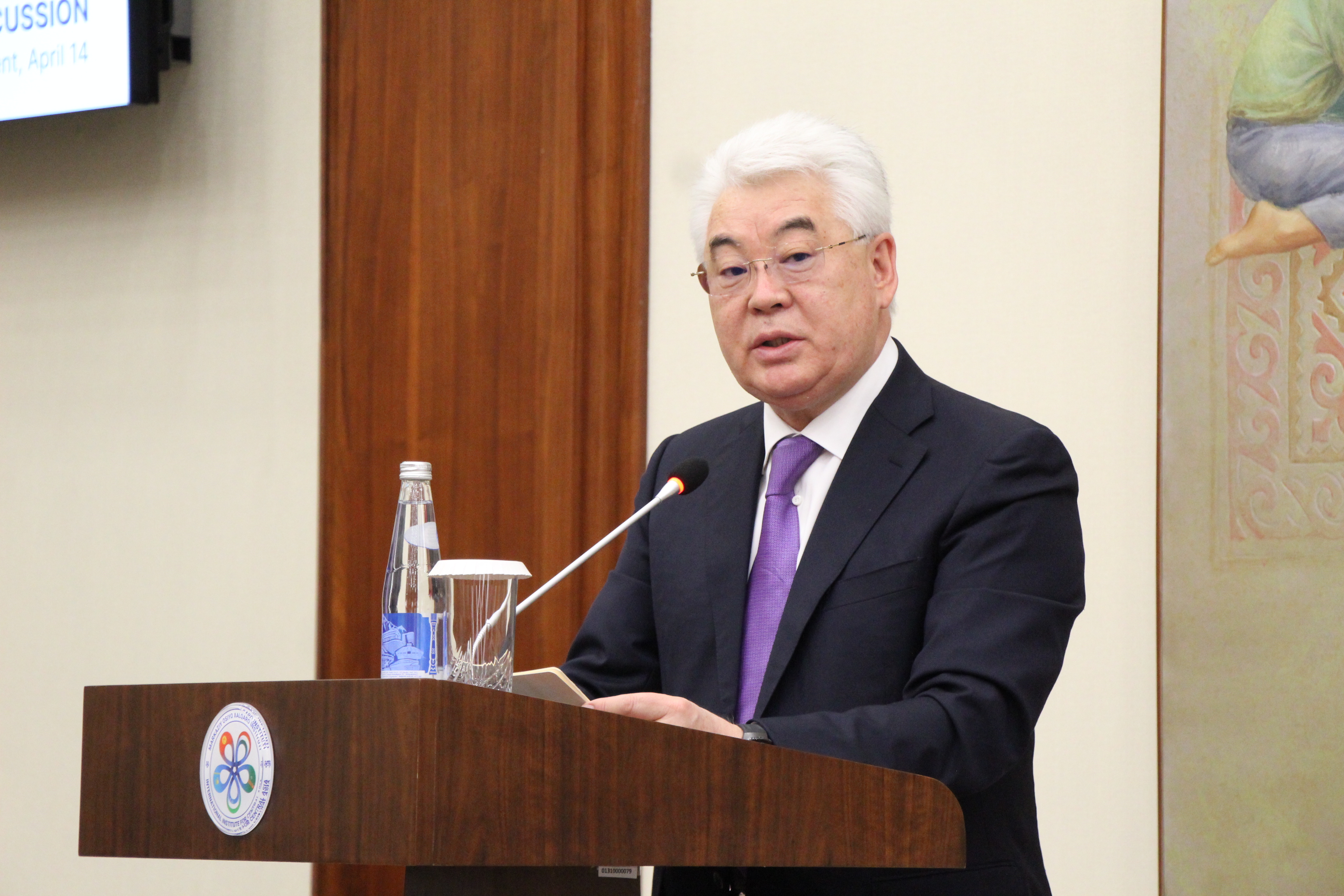
“We have what matters most – a willingness to listen to one another and move forward together. This creates all the conditions needed to deliver solutions at the regional level,” the Ambassador said.
Zhandos Shaimardanov, Director of the Kazakhstan Institute for Strategic Studies, noted that global water demand could increase by 20–25% by 2050, with Central Asia facing additional pressure from population growth, climate change, and growing strain on transboundary water systems.
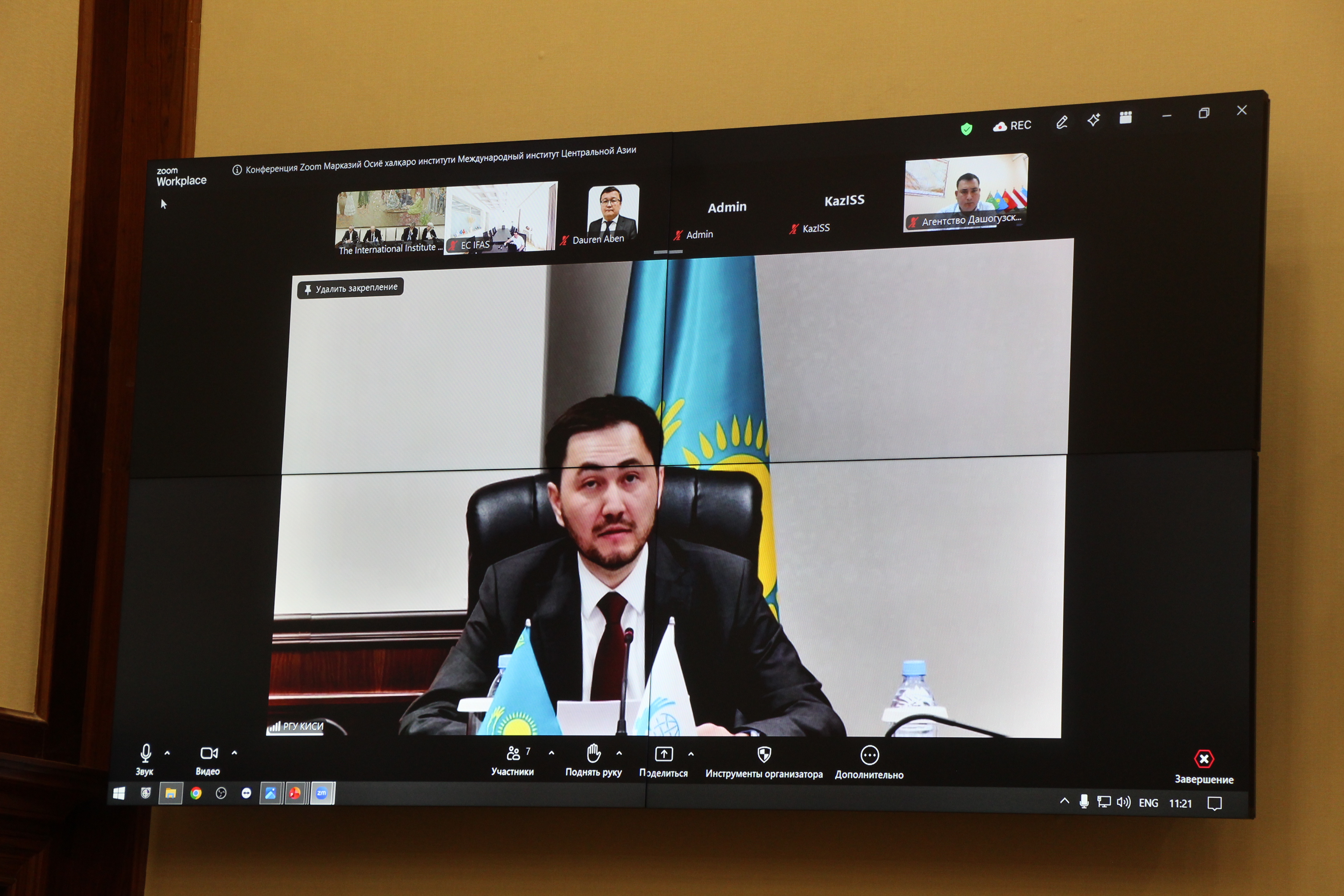
“As the external environment becomes more complex, the value of strategic cooperation, predictability, and mutual responsibility only increases. I am confident that Central Asia has everything it needs to turn the water agenda from a source of vulnerability into a space for cooperation and shared development,” he said.
Karolina Milow, Project Manager of the German development initiative Green Central Asia, stressed the need for an inclusive approach that brings together all stakeholders, including Afghanistan, given the transboundary nature of water resources.
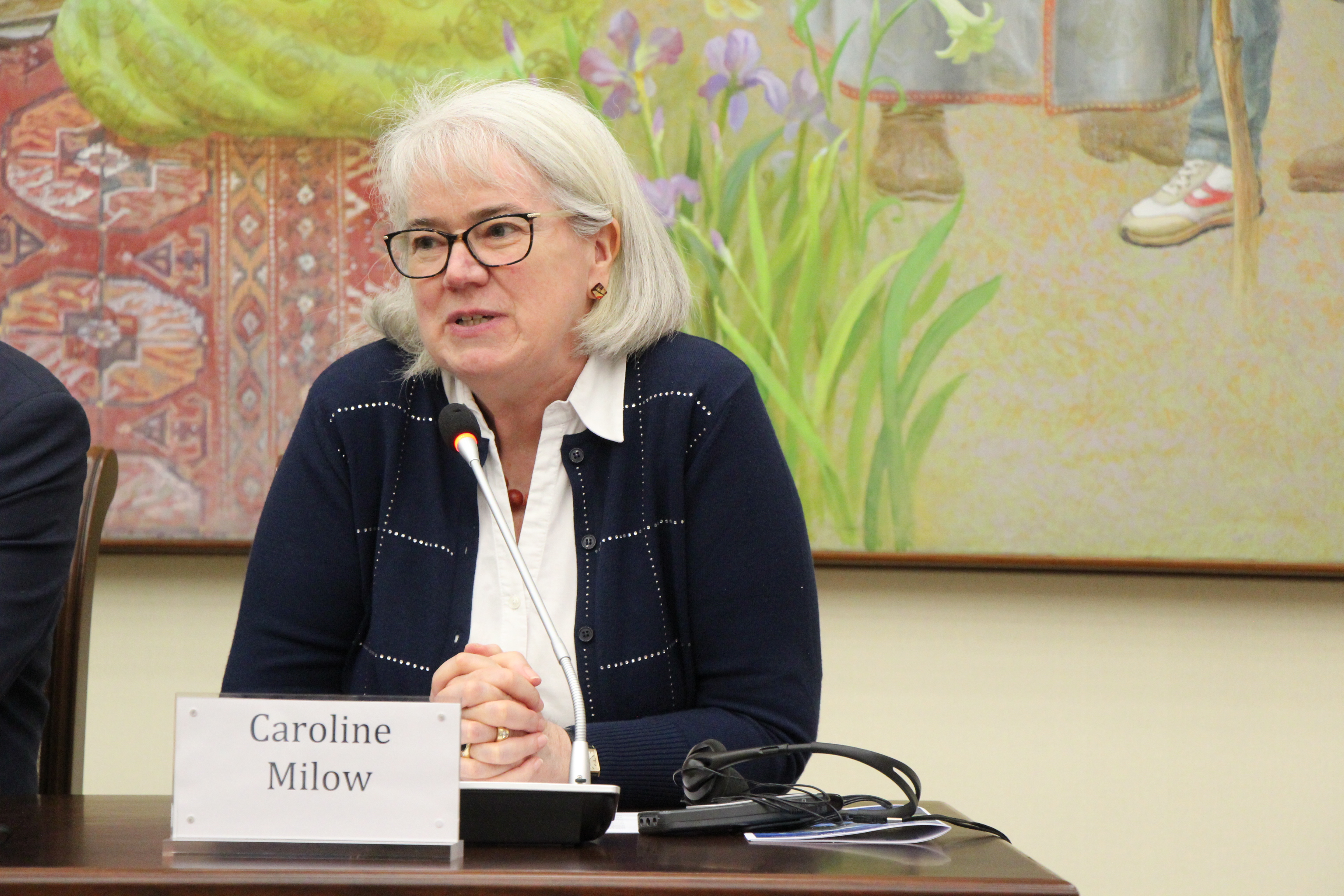
“Borders are created by people, which is why it is important to overcome them through dialogue and jointly manage shared water resources on the basis of trust,” she noted.
Swiss Ambassador to Uzbekistan Konstantin Obolensky also stressed that water management challenges in Central Asia are increasingly exacerbated by the impacts of climate change. He emphasized the need to strengthen regional cooperation based on trust, knowledge-sharing, and coordinated action.
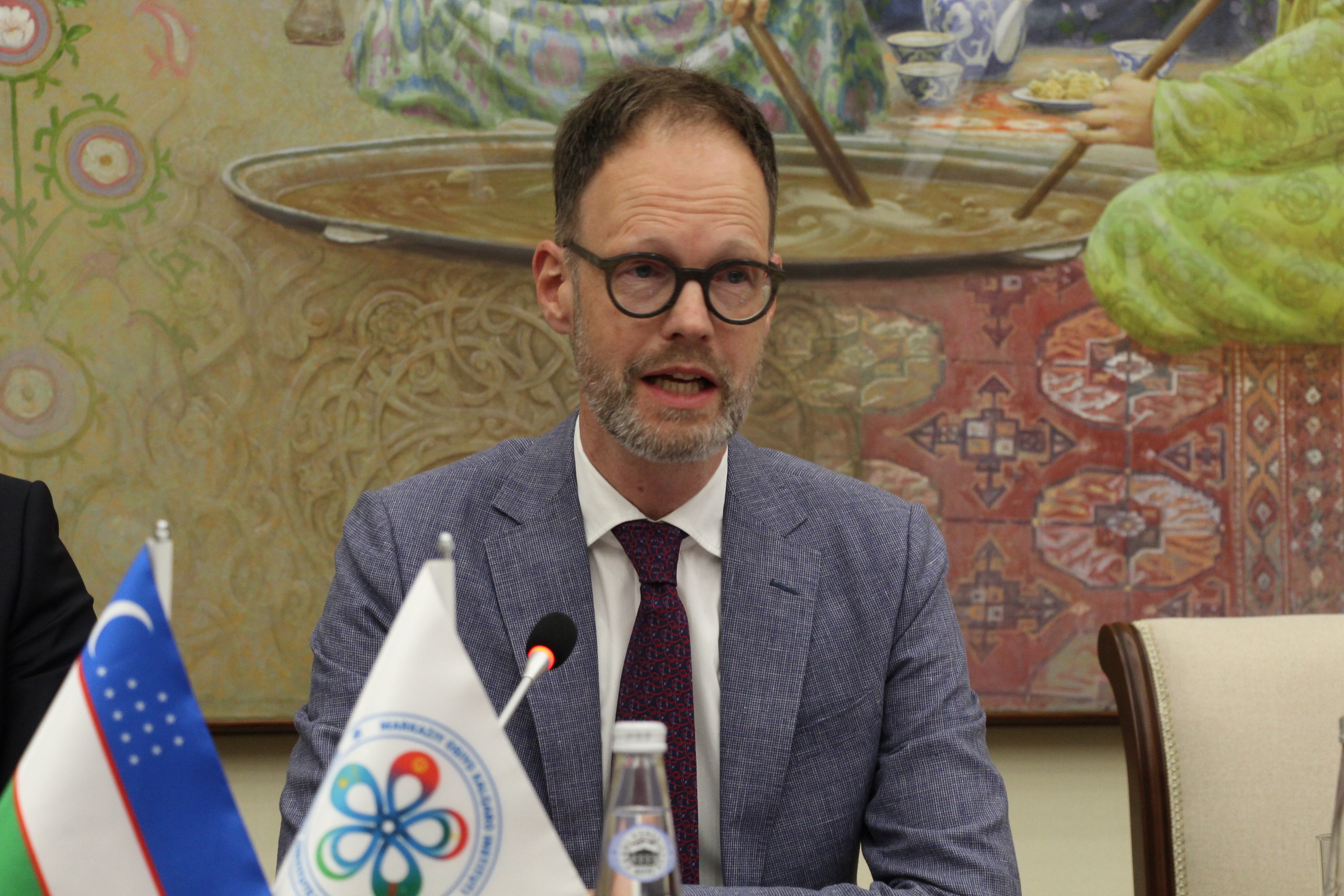
EU Ambassador to Uzbekistan Toivo Klaar highlighted the European Union’s initiatives aimed at addressing climate-related challenges in the region. He noted that the EU’s Team Europe initiative in Central Asia covering water, energy, and climate – includes more than 100 programs with a total value exceeding €6 billion, focusing on improving water management, restoring ecosystems, developing sustainable infrastructure, and strengthening regional cooperation.
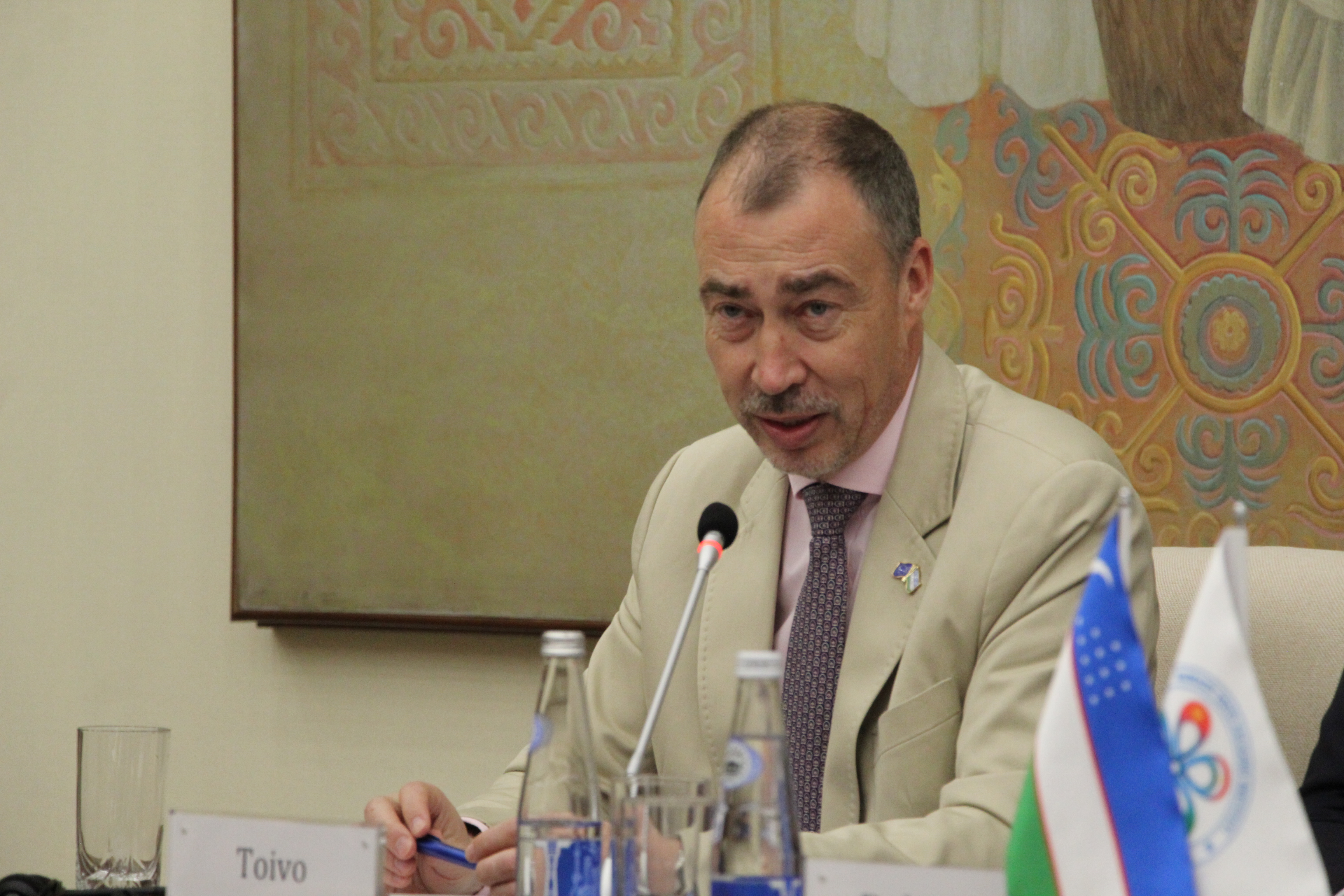
In his remarks, Abdul Hai Kanat, Director of the Center for Strategic Studies at the Ministry of Foreign Affairs of Afghanistan, addressed issues of transboundary water cooperation and sustainable resource management in the Amu Darya basin. He reaffirmed Afghanistan’s commitment to the fair distribution of water resources, as well as its readiness for constructive engagement and resolving all issues through dialogue.
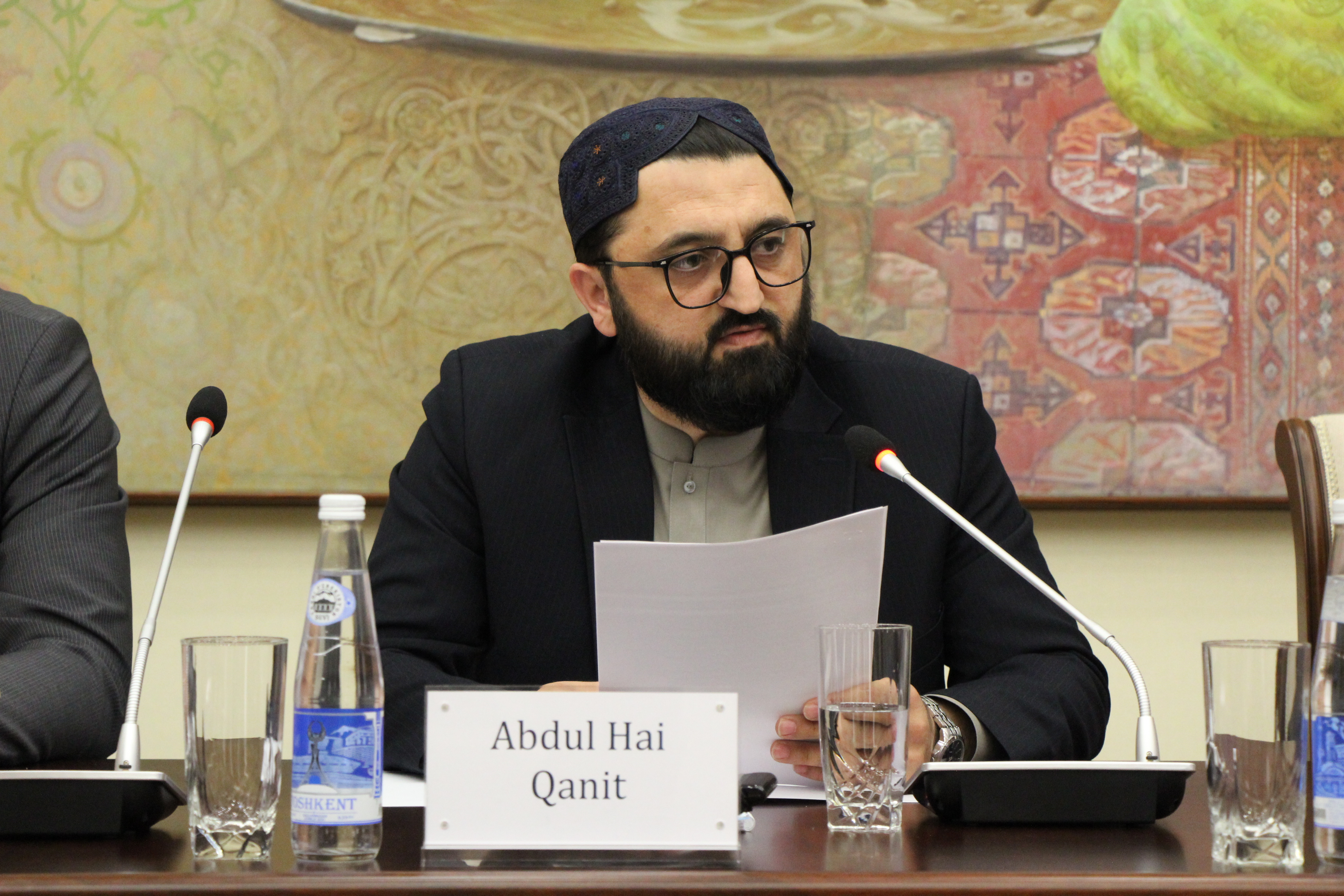
“The Amu Darya is not just a geographic space, but a shared ecosystem and a lifeline for millions across the region. This calls for a common framework based on key priorities, including stronger data-sharing and joint monitoring, improved water-use efficiency in irrigation systems, deeper technical dialogue, integrated basin management, coordinated infrastructure development, and joint climate adaptation measures,” he noted.
Abdullah Fahimi, a researcher at the Climate and International Relations Program of the German Council on Foreign Relations (DGAP), stressed that infrastructure development projects in Afghanistan should be seen as an opportunity to build dialogue with the country and develop joint solutions to address the impacts of climate change.

Overall, participants noted that in the context of climate change, water security is becoming a central issue for the region’s sustainable development and requires closer coordination among states.
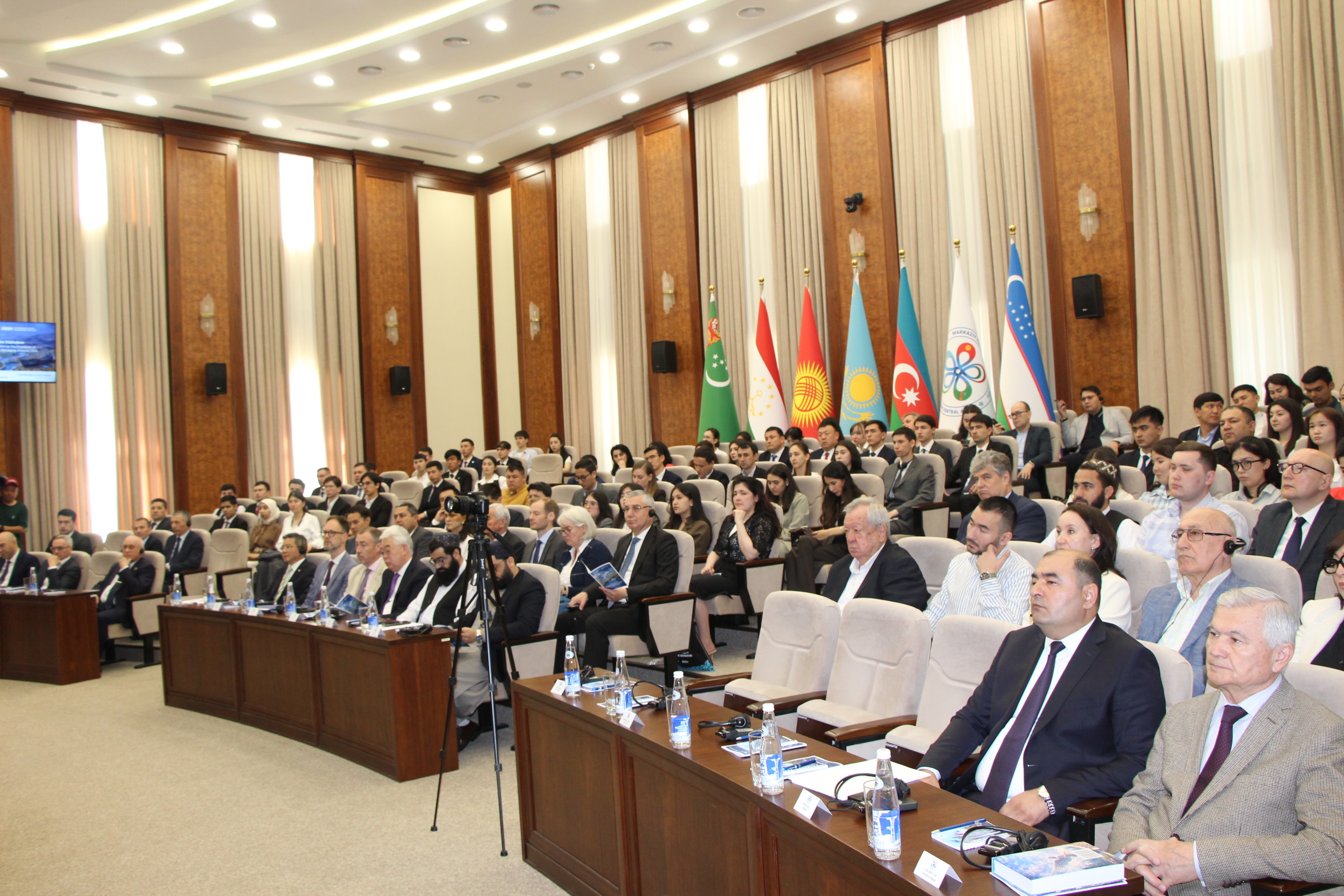
Experts agreed that growing climate and water challenges call for stronger regional cooperation based on mutual consideration of interests, trust, and shared responsibility, as well as the development of coordinated and practical approaches to managing transboundary water resources.